Reviewed · PRIVATE
Tokyo Countryside Exploration Private Tour
Tokyo’s most surprising escape may be a road into the mountains, where bamboo temples, waterfalls, old shrines, and quiet villages replace neon and train platforms. This private countryside tour with Jeremy Owen takes you to rural places few international visitors see, including a temple with timid deer and monkeys and a shrine for healthy legs and backs.
I like the small maximum of five, which gives the day a personal feel, and I like the unusual mix of religious sites, mountain roads, and local stories. The main consideration is the price, $280.94 per person, plus a long 8 to 9 hour day with plenty of driving and mountain walking.
Key points to know before booking
- A real break from Tokyo: You spend the day in Hanno, Saitama, and Ogose-machi rather than among the city’s usual sights.
- Rare rural stops: Bamboo temples, the Dragon Taming Temple, Torii Pagoda, and Ne-no-gongen are not standard first-time Tokyo stops.
- Personal guiding: Jeremy Owen leads the tour, with Julian also accompanying some outings.
- Private group of up to five: Your group does not share the day with a busload of strangers.
- A full-day road trip: Expect 8 to 9 hours, mountain roads, temple visits, and time outside the vehicle.
- Weather matters: Poor weather can lead to a different date or a full refund, so keep your schedule flexible.
Why this countryside trip feels so different from Tokyo
Tokyo is easy to fill with famous districts, shopping streets, observation decks, and temples packed with visitors. This day takes you in the opposite direction. The focus is not on checking off a famous landmark, but on seeing a quieter side of Japan where mountains, forest roads, small religious sites, and old local traditions shape the day.
The route reaches the western countryside around Hanno and nearby parts of Saitama. You are still close enough to visit from Tokyo, but the mood changes quickly. The day is built around driving through wooded mountain areas and stopping at places that are easy to miss without a local guide and car.
That guide matters here. Jeremy Owen is described as a friendly, entertaining guide with plenty of stories about Japan, its culture, and its people. He also spends time finding out-of-the-way locations, including some he discovered while riding his motorcycle. Julian has also guided alongside him, and families have found that the conversation can hold the attention of teenagers as well as adults.
This is not a polished theme-park version of the countryside. Some stops are modest, quiet, or unusual. That is part of the appeal, but it also means you should not expect grand halls, major museums, or a tightly scripted sightseeing show at every turn.
More private tours in Tokyo:
- Tokyo 6hr Private Tour with Government-Licensed Guide
★ 5.0 · 3,902 reviews - Private Tour to Mt. Fuji and Hakone (Fully Licenced Operator)
★ 5.0 · 1,910 reviews - Tokyo Customized Private Tour (Must See Places in 1 Day)
★ 5.0 · 1,499 reviews
The bamboo temple in Hanno
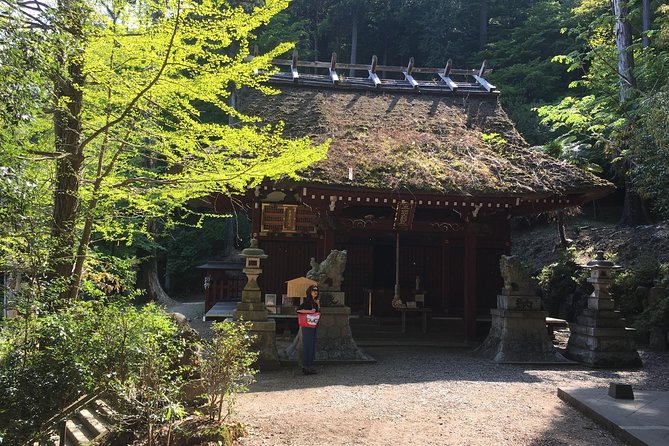
The first stop in Hanno is a bamboo temple set in the mountains. It is dedicated to Gozu, described as a Buddhist king with the head of a cow and the body of a man. That alone gives the site a memorable character, especially if your idea of Japanese temple visits has been limited to the better-known places in central Tokyo or Kyoto.
The setting does much of the work. Bamboo and mountain forest create a quieter atmosphere than city temples, and the visit offers a chance to pay attention to sounds, paths, and surrounding nature. You have about 40 minutes here, with no admission charge listed.
You may also see wild deer and monkeys around the temple complex. They are described as timid, so do not expect a petting-zoo encounter or a guaranteed close look. The animals are part of the atmosphere, not the main event, and you should give them space.
This stop is a good example of what makes the day distinctive. It combines religious tradition, a striking setting, and wildlife without turning any of those elements into a staged attraction. If you prefer major monuments with detailed displays and formal interpretation, the visit may feel brief. If you like quiet places with a strong sense of place, it should be one of the day’s best starts.
Koma Shrine and its Korean connection
The tour continues to Koma Shrine in Saitama. The shrine is linked with Korean kings of the Tang Dynasty, giving the stop a wider Asian connection than you might expect from a rural Japanese shrine.
You have around 40 minutes here, again with no admission charge listed. That is enough time for a focused visit, though not a long, self-directed study of every corner. Jeremy’s explanations are especially useful at a place like this because the importance of a small shrine may not be obvious from its gates and grounds alone.
I like this stop because it broadens the story of Japan. Rural Japan is not isolated from the rest of Asia, and religious sites can reflect movement, influence, and connections across the region. You are not simply looking at pretty buildings. You are being shown why a particular place matters.
Keep your expectations practical. The attraction is the site and the story, not a large collection of objects or a major ceremonial spectacle. The value comes from having someone explain the connection and place it within a wider cultural setting.
Ne-no-gongen, a mountain shrine for healthy legs
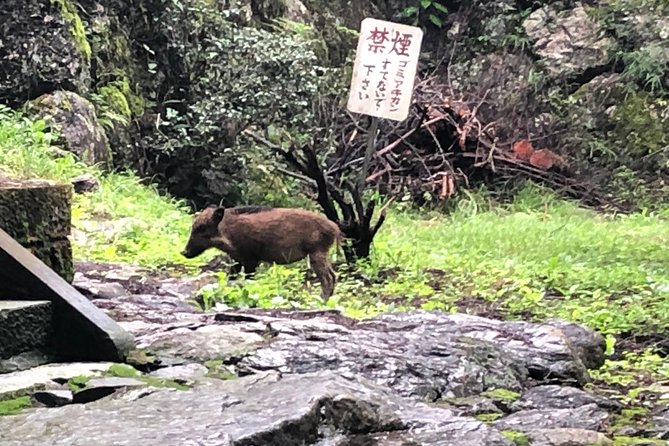
Ne-no-gongen sits higher in the mountains and is associated with prayers for healthy legs and backs. For hikers, the shrine also offers mountain views, although the tour provides only about 40 minutes here.
The name and purpose make this a particularly memorable stop. Many visitors pass through shrines without knowing what people traditionally ask for there. Here, the focus is direct and practical: physical strength, mobility, and relief for the parts of the body that carry you through a long trip.
The mountain location is also important. You should be ready for some walking and uneven ground at the various temple and shrine stops, although the available information does not give a precise distance or difficulty rating. Ask Jeremy about the walking conditions when you book or before setting out, especially if someone in your group has mobility concerns.
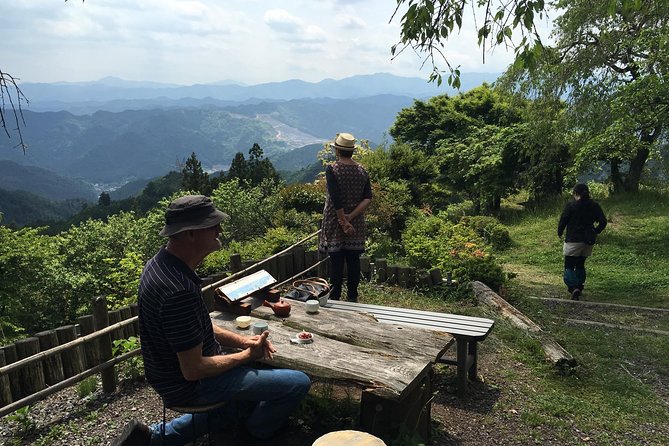
This is not the best stop for anyone who wants to remain in the vehicle all day. It is a better fit if you enjoy stepping out, breathing mountain air, and seeing religious sites in their natural surroundings. The view is weather dependent, so clouds or rain may limit what you see from the top.
A completely different kind of day in Tokyo:
- Mt Fuji and Hakone 1-Day Bus Tour Return by Bullet Train
★ 5.0 · 26,383 reviews - 1-Day Tokyo Bus Tour
★ 5.0 · 14,250 reviews - Tokyo: teamLab Planets TOKYO Digital Art Museum Entry Ticket
★ 4.6 · 9,779 reviews - Mt Fuji & Hakone Cruise, Drum Show Bullet Train 1 Day from Tokyo
★ 4.0 · 7,413 reviews
Ogose-machi, waterfalls, and the Dragon Taming Temple
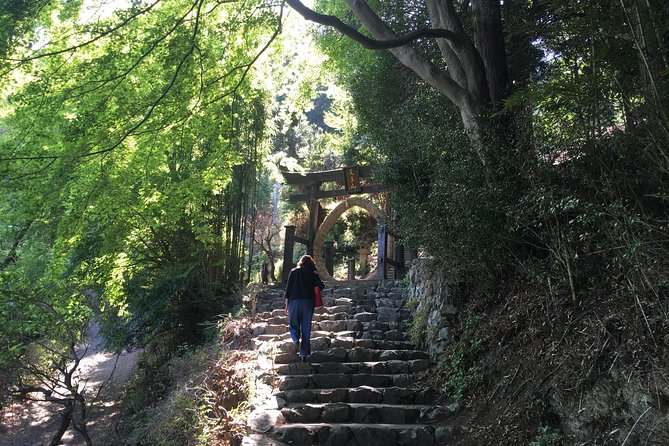
In Ogose-machi, the tour shifts from individual shrine visits to a broader look at rural Japan. The promised mix includes mountains, temples, shrines, and waterfalls, with about 30 minutes at the Dragon Taming Temple.
The temple’s unusual feature is a pond where the monk is said to have telepathy with the carp. That is the kind of local story you are unlikely to encounter on a standard city sightseeing route. It gives the stop a playful quality, while the surrounding countryside keeps the visit grounded in a quiet rural setting.
This part of the route seems less about one grand monument and more about the pleasure of seeing how small religious sites fit into the countryside. You may find the short time here enough for a look and an explanation, but it will not allow for a long walk or a leisurely exploration of every waterfall and temple in the area.
That is a recurring tradeoff on this tour. Because the route covers several separate places, each visit is fairly short. You get variety, but you give up the chance to linger. I would choose this tour for range and access, not for a slow, single-site visit.
Torii Pagoda and the Xuanzang connection
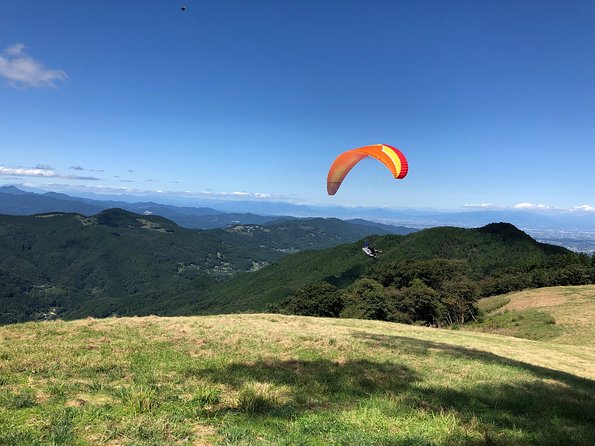
The next stop is the Torii Pagoda, deep in the mountains of Saitama. It once held the bones of Xuanzang, the Chinese monk who traveled in India during the Tang period.
The connection gives this remote site real international depth. Xuanzang is closely linked with the spread of Buddhist learning across Asia, so a mountain pagoda associated with him adds another layer to a day already touching Japanese, Korean, Chinese, and Indian connections.
You have around 40 minutes here, with no admission fee listed. As with the other stops, the attraction is not a large visitor center or a long list of displays. It is the setting, the structure, and the story that Jeremy brings to it.
The remote location is both the pleasure and the limitation. You will not be surrounded by shops, restaurants, or crowds. You also should not expect the convenience or polished facilities found at Tokyo’s main attractions. Wear practical shoes and keep your day flexible.
Arima Dam and the Studio Ghibli link
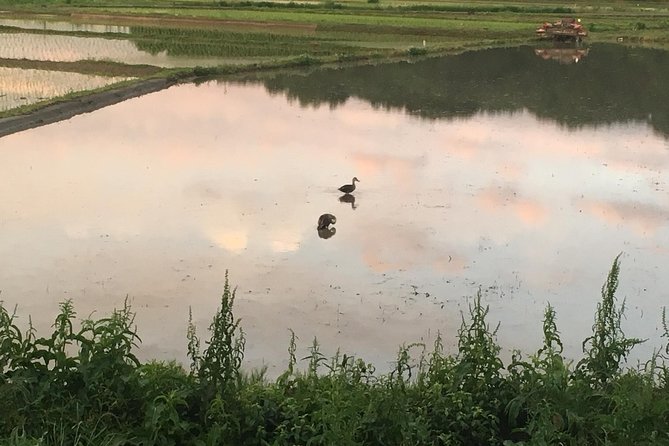
The vehicle passes Arima Dam on the way through the countryside. The area is described as one of the roots of the setting for My Neighbor Totoro.
This is a drive-by feature rather than a full scheduled stop, so it should not be treated as a separate attraction with a long visit. Still, it adds a fun point of reference to the road journey. If you know the film, you may enjoy seeing the wooded setting that helps explain its rural mood.
If you do not know the film, the dam and surrounding mountain scenery still form part of the day’s larger picture. The drive matters because it connects the individual temples and shrines into one continuous rural route rather than a series of unrelated transfers.
The mountain roads may be beautiful and peaceful, but they are still roads. If you are prone to motion sickness, consider preparing for a full day of driving and winding routes. The available information does not specify vehicle details, so ask the operator any transport questions before booking.
What the guide adds to the day
The strongest part of this experience is the human element. Jeremy is described as friendly, thoughtful, and easy to talk with, and he brings stories to places that might otherwise be hard to understand. His strength is not only pointing out buildings, but explaining why an odd, remote, or modest site deserves your attention.
That matters because many of these stops are not famous enough to explain themselves. A bamboo temple connected with Gozu, a shrine linked to Korean royalty, a pagoda tied to Xuanzang, and a pond with a telepathic monk all need context. Without it, you might simply see a structure in the trees and move on.
Julian may also be part of the guiding team. Families and mixed-age groups can benefit from this conversational approach. One particularly useful detail is that the tour has held the attention of a 15-year-old, which suggests the day is not limited to adults who already have a strong interest in religious history.
The guide’s flexibility also appears to be part of the appeal. Jeremy has worked on different routes and has said he is developing other rural options, including farm-stay and temple-stay experiences. For this specific outing, though, you should expect the listed countryside route rather than an open-ended custom itinerary.
Price, timing, and what you receive
At $280.94 per person, this is not a budget day trip. The price makes the most sense for a small private group that can share the cost and values a guide, pickup, and access to rural sites that would be awkward to connect by public transport.
For two people, the cost is significant. For four or five people, the per-person value improves, especially since the maximum group size is five. You are paying for a full 8 to 9 hour day, private participation, driving between scattered areas, and personal explanation rather than simply buying admission to one attraction.
The tour is booked on average 77 days ahead, which suggests you should plan early if your Tokyo dates are fixed. Confirmation is provided at booking, and pickup is offered. The exact pickup arrangements are not given here, so confirm the meeting details before the day.
The tour is listed as suitable for most participants, with service animals allowed and public transportation nearby. That does not mean every stop is step-free or easy for every mobility level. Mountain shrines and temple paths can involve outdoor walking, so discuss specific needs with the provider.
Weather, cancellation, and comfort
The experience requires good weather. If poor conditions cancel the tour, you are offered another date or a full refund. That is sensible for a day built around mountain roads, outdoor paths, viewpoints, waterfalls, and shrine grounds.
You can cancel for a full refund up to 24 hours before the start time. Changes or cancellations inside that 24-hour window are not accepted for a refund, and cut-off times use local time.
Rain is not automatically a bad thing for the scenery. Forests and temple grounds can look especially atmospheric in wet weather, but conditions still affect safety, views, and driving. If your schedule allows, keep another day open in case weather forces a change.
Bring shoes suited to outdoor walking and clothing you can adjust during a long day. The tour description does not promise meals, refreshments, or extended restaurant stops, so plan to ask what food arrangements are available rather than assuming lunch is included.
Who should book this tour?
I would recommend it to you if you have already seen some of Tokyo’s central sights and want a very different day. It also suits repeat visitors, photographers, families with curious teenagers, and anyone who prefers local stories and quiet roads to packed headline attractions.
You should book it if the following sound appealing:
- Small temples and shrines with unusual stories
- Mountain scenery and rural roads
- A guide who talks easily and explains cultural details
- Short visits to several different sites
- A private group rather than a large coach
- A full day away from Tokyo’s city center
I would hesitate if you want a relaxed schedule with long meals, extensive time at each site, or famous attractions that need no explanation. The route covers a lot, and the 30 to 40 minute stops can feel quick.
Should you book the Tokyo Countryside Exploration Private Tour?
Book this trip if you want to see a side of Japan that most first-time visitors skip. The strongest reasons are the small group, Jeremy Owen’s personal guiding style, and the unusual route through Hanno, Saitama, and Ogose-machi.
The cost is high for a day trip, but it buys access and convenience rather than just sightseeing. You get a private vehicle-based day, several remote religious sites, mountain scenery, and stories that would be difficult to assemble on your own.
My practical advice is to book early, confirm pickup details, wear walking shoes, and allow for weather changes. If you are happy trading famous city icons for quiet roads, odd legends, old shrines, and fresh mountain air, this is one of the more distinctive day trips you can make from Tokyo.
FAQ
How long does the Tokyo Countryside Exploration Private Tour last?
The tour lasts approximately 8 to 9 hours.
How many people can join the tour?
The tour is private and has a maximum group size of five people.
Who guides the tour?
Jeremy Owen is the named experience provider and guide. Julian also accompanies some tours.
Does the tour include pickup?
Yes. Pickup is offered, but the available information does not specify the exact pickup locations or arrangements.
What places does the tour visit?
Stops include a bamboo temple in Hanno, Koma Shrine in Saitama, Ne-no-gongen, the Dragon Taming Temple in Ogose-machi, and the Torii Pagoda. The route also passes Arima Dam.
Are admission fees included?
Admission is listed as free at each of the scheduled stops.
Can I cancel for a refund?
Yes. You can cancel at least 24 hours before the start time for a full refund. Cancellations or changes made less than 24 hours before the start time are not refunded or accepted.
What happens if bad weather cancels the tour?
If poor weather causes cancellation, you will be offered a different date or a full refund.
Newly reviewed around Tokyo
- Tokyo Asakusa:Calligraphy & Make T-shirt Activity★ 5.0 · 62 reviews
- Intercity Shuttle, Tokyo to Haneda /Narita /Yokohama /Makuhari★ 5.0 · 5 reviews
- 1 Hour Travel around Tokyo with a Professional Photographer★ 5.0 · 3 reviews
- Travel Tokyo with Your Own Personal Photographer★ 5.0 · 43 reviews
- Train in Samurai Swordsmanship and Defeat the Demon in Tokyo★ 5.0 · 5 reviews
- Shuttle Van 6hr Tokyo Tour to-and-from Tokyo, Yokohama and Narita★ 5.0 · 9 reviews
- Kickboxing & Body Training with EX-Pro Fighter★ 5.0 · 4 reviews
- Traditional Japanese Knife Sharpening Class★ 5.0 · 18 reviews
Private, compared.
Tokyo 6hr Private Tour with Government-Licensed Guide
Read our review →
Private Tour to Mt. Fuji and Hakone (Fully Licenced Operator)
Read our review →
Tokyo Customized Private Tour (Must See Places in 1 Day)
Read our review →
Mount Fuji Full-Day Private Tour from Tokyo (Customizable)
Read our review →
Private City Highlights Tour with Local Guide
Read our review →
Tokyo 4hr Private Tour with Government-Licensed Guide
Read our review →