Reviewed · PRIVATE
Private Custom Tour: Tokyo in a Day
Tokyo is too large for a one-size-fits-all sightseeing route, and this private tour gets that right. You work with your guide to shape the day around shrines, food, shopping, neighborhoods, or history, then move at your own group’s pace.
I like the choice between Tokyo’s excellent trains and subway system or a private vehicle. I also like the hotel pickup and drop-off within Tokyo’s 23 wards, a real help when you are still learning the city.
The catch is stamina. A full-day public-transport route can mean more than 20,000 steps, or about 14 kilometers, with stairs and some routes that are not barrier-free. You need to set sensible limits before the day begins.
Key points to know before booking
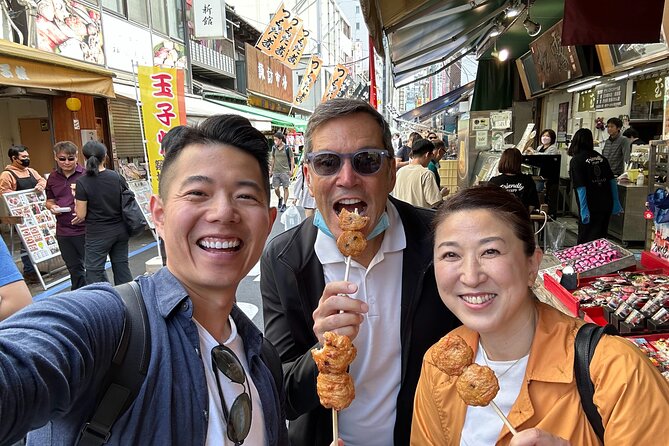
- You design the route: Choose major sights, food stops, shopping streets, temples, shrines, or special interests such as Haruki Murakami.
- The full day covers a lot: Eight hours can link Tsukiji, Asakusa, Meiji Shrine, Harajuku, Shibuya, and other districts, but the pace can be brisk.
- Public transit feels more local: Your guide can teach you how to use Tokyo’s trains and subway, though walking and stairs are part of the deal.
- A private car saves energy: The vehicle option is useful for families, older adults, hot weather, or groups that want less walking.
- Guide quality matters: Shuhei, Roy, Keiji, Sabina, Yuki, Yoshi, and others are named in the experience feedback, but English ability can vary by guide.
- The price reflects privacy: At $159.18 per person, the value improves when several people share the guide and when you make good use of the full eight hours.
A Tokyo tour that begins with your interests
The tour comes in a four-hour half-day version and an approximately eight-hour full-day version. Before setting out, your guide works with you to decide what deserves time.
That flexibility is the main reason to book this instead of a fixed sightseeing bus. You can focus on old Tokyo, modern Tokyo, food, shopping, Japanese gardens, religious sites, or a very specific interest. One group built part of its route around Haruki Murakami, including Shibuya Crossing and the jazz bar DUG, a place connected with Norwegian Wood.
You can also mix familiar sights with quieter streets. Keiji has been praised for combining major landmarks with calmer backstreets, which is a smart way to avoid spending the entire day in a parade of famous locations.
The private format helps families. Guides have adjusted routes for teenagers, answered children’s questions, and changed plans when needed. Sabina also took mobility concerns into account for a traveler with an artificial hip. Still, you should be direct about walking limits before the tour starts, not after your feet hurt.
More private tours in Tokyo:
- Tokyo 6hr Private Tour with Government-Licensed Guide
★ 5.0 · 3,902 reviews - Private Tour to Mt. Fuji and Hakone (Fully Licenced Operator)
★ 5.0 · 1,910 reviews - Tokyo Customized Private Tour (Must See Places in 1 Day)
★ 5.0 · 1,499 reviews
Tsukiji gives the day a flavorful start
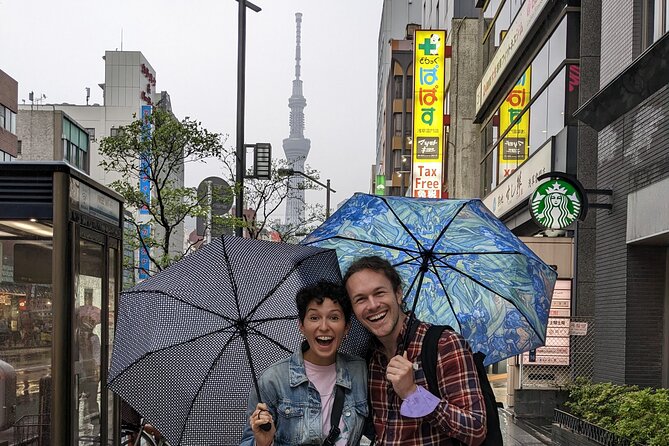
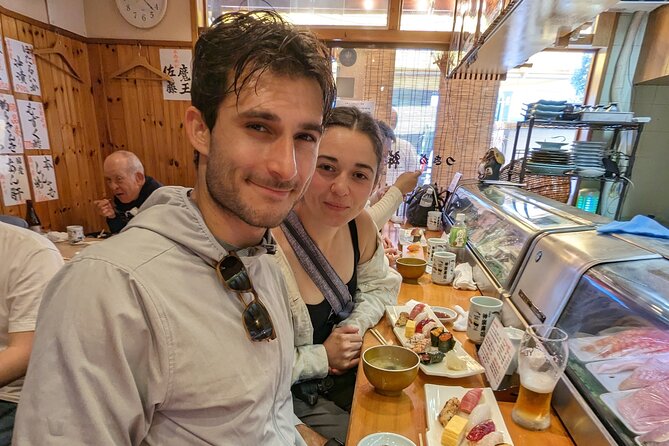
The old Tsukiji Market is listed as a possible two-hour stop, and it makes a strong opening for a first Tokyo day. The outer market area offers food stalls, shops, and plenty to look at without requiring a formal admission ticket.
The best use of this stop is to tell your guide what you want from it. You might prefer seafood tastings, Japanese cooking ingredients, market culture, or a quick orientation before moving on. Several groups used the stop to try different fish and seafood samples, then relied on the guide to choose lunch later in the day.
Do not assume every shop or attraction will be open. One shopping-focused itinerary began with a closed first stop, a reminder that operating days and hours can affect a custom route. Ask your guide to confirm the key stops ahead of time, especially if one particular market shop or café matters to you.
A two-hour visit can also be too long if food is not your main interest. Tell the guide if you would rather trade market time for a garden, museum area, or neighborhood walk.
Hama Rikyu brings calm after the market
Hama Rikyu Gardens offers a useful change of pace. After the noise and movement of Tsukiji, the garden gives you room to slow down, enjoy traditional scenery, and possibly stop for green tea and sweets.
The garden is especially useful for people who want a taste of Japanese design without committing to a full museum visit. It also pairs well with the Imperial Palace area, another possible choice for the day.
The itinerary allows about an hour here. That is enough for a pleasant walk, but not enough for a slow, detailed garden visit if you want to linger at every view. You may prefer to spend longer here and cut a shopping stop, particularly in hot weather.
Koishikawa Korakuen is another garden option mentioned for custom routes. The important point is not to treat every suggested stop as mandatory. Your guide can help you choose one garden that fits your interests and the day’s travel time.
Asakusa supplies Tokyo’s classic temple scene
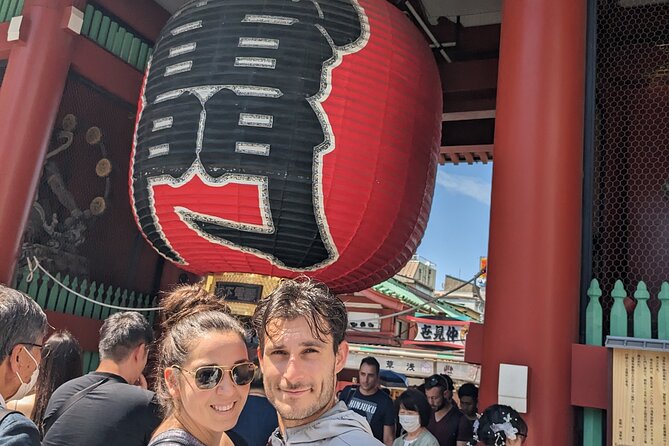
Asakusa is one of the most dependable choices for a first day in Tokyo. The area around Senso-ji gives you a major Buddhist temple, traditional-style streets, food stalls, and souvenir shopping in one compact district.
The suggested time is about two hours. That lets you approach the temple, look through the surrounding shops, and ask your guide about customs and local traditions. Guides have also used Asakusa to introduce Japanese food and explain the meaning behind what you are seeing, rather than simply pointing out the gate and moving on.
This is one of the places where a private guide earns their keep. A guide can explain how to behave at a shrine or temple, help with unfamiliar foods, and adjust the route if the crowds or heat become tiring.
Asakusa can feel packed, especially around its most famous approach. If your group wants a quieter experience, tell the guide. You might spend less time on the main shopping street and more time in nearby old neighborhoods.
A completely different kind of day in Tokyo:
- Mt Fuji and Hakone 1-Day Bus Tour Return by Bullet Train
★ 5.0 · 26,383 reviews - 1-Day Tokyo Bus Tour
★ 5.0 · 14,250 reviews - Tokyo: teamLab Planets TOKYO Digital Art Museum Entry Ticket
★ 4.6 · 9,779 reviews - Mt Fuji & Hakone Cruise, Drum Show Bullet Train 1 Day from Tokyo
★ 4.0 · 7,413 reviews
Meiji Shrine and Harajuku show two sides of Tokyo
Meiji Jingu Shrine offers a wooded approach and a break from the high-rise city. It is a good counterpoint to Asakusa because the setting and atmosphere feel different, even though both stops connect you with Japanese religious traditions.
The planned time is about an hour. That is enough for the main shrine visit and an explanation of the customs, but a longer stop may appeal to you if you want to walk slowly through the grounds.
Nearby Takeshita Street brings a sharp change. The route may include about an hour here, with trendy shops and the youthful energy of Harajuku. Omotesando and Shibuya can be substituted or added if fashion, design, or modern city life matters more to you.
You should not expect to explore all of Harajuku, Omotesando, and Shibuya in depth during the same day as Tsukiji, Asakusa, and Meiji Shrine. You can see many districts, but the experience becomes a quick overview. I would choose two or three priorities and let the rest remain optional.
Yanaka Ginza offers a quieter shopping choice
Yanaka Ginza is a different kind of shopping stop. Instead of focusing on major international brands, the street is associated with traditional crafts, local-style shopping, and souvenirs.
The suggested visit lasts about an hour. It works well if you want something less polished and more neighborhood-oriented than Ginza or Harajuku. It is also a sensible choice for a repeat visit, or for anyone who would rather browse small shops than chase department stores.
Ginza itself is available for custom routes and suits visitors interested in fashion, upscale shopping, Japanese swords, and specialty stores. Akihabara is another option for electronics, video games, and manga.
These choices show why the pre-tour conversation matters. Ginza, Akihabara, Takeshita Street, and Yanaka Ginza are not interchangeable. Pick the one that matches your interests instead of trying to squeeze all four into one day.
Public transit teaches you how Tokyo works
The public-transport option is more than a way to get between sights. Your guide can show you how to use the train and subway network, which may help you return to favorite areas on your own.
Several people used the tour as a first-day orientation and then revisited places independently. That is real value, especially in a city where stations can be large and routes can look confusing at first.
The tradeoff is physical effort. The full-day public-transit version averages over 20,000 steps, or roughly 14 kilometers. You may also encounter stairs and routes without full barrier-free access.
That makes your footwear and planning important. Ask for breaks, keep water available, and say clearly if you need elevators, fewer stairs, or a slower pace. One guide, Shuhei, was praised for watching food, water, and comfort during a very hot day, but you should still take responsibility for your own limits.
The private-vehicle upgrade changes the rhythm
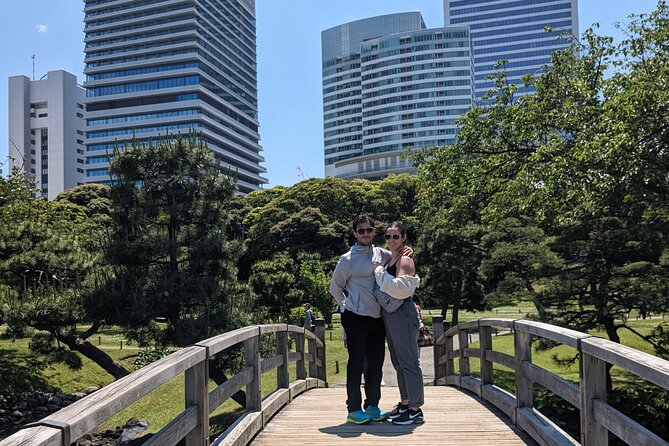
A private vehicle lets you move between districts without relying on the train and without walking every connection. It can make sense for a family, a group with older adults, people carrying shopping bags, or anyone visiting during severe heat.
The car does not eliminate Tokyo traffic or walking at the sights. You still leave the vehicle to explore temples, markets, gardens, and shopping streets. It simply reduces the energy spent moving between them.
Some groups used a guide and driver together and covered major highlights plus a food-focused lunch. Another group found a private car an easy way to see a broad outline of the city. The vehicle option is not automatically better, though. The train can be faster in central Tokyo, and public transport gives you useful practice for the rest of your trip.
The best choice depends on your goal. Select public transit if you want orientation and a more active day. Choose the vehicle if comfort, flexibility, or time matters most.
Lunch is part of the value on an eight-hour tour
Lunch is included with the full-day option, along with a drink. The guide can shape the meal around your interests, and food was a major strength in several highly rated experiences.
Recommendations included ramen, street food, seafood, and local dishes selected during the day. Shuhei in particular was praised for food suggestions, while one group specifically requested a street-food lunch and enjoyed having the guide choose the stops.
This is one place to be specific before the tour. Tell the operator about allergies, dislikes, dietary needs, and the kind of meal you want. Lunch quality may depend on the guide’s choice and on the itinerary, and one low-rated experience specifically found the lunch disappointing.
Half-day bookings do not include lunch. If eating is one of your main reasons for booking a private guide, the eight-hour option gives you more room to make food part of the plan.
The guides add the most value, but choose carefully
The experience uses English-speaking guides, and the strongest feedback centers on flexibility, warmth, preparation, and local explanation. Shuhei is repeatedly praised for planning ahead, using trains well, adding food stops, and checking that the group was comfortable. Roy is described as an experienced guide who can combine major sights with lesser-known local stops.
Keiji has been especially appreciated for explaining the subway and for balancing old Tokyo with newer districts. Sabina has been praised for historical explanations and careful attention to mobility needs. Yuki, Yoshi, Mami, Minoru, and Ken are also named in the feedback, with different strengths ranging from family tours to food and literary interests.
English ability is not identical across the guide team. One three-star experience specifically found communication difficult, while another found the guide’s English below the level needed for a city walking tour.
I would send a detailed request before the day begins. Name your top three priorities, your walking limit, your food needs, and your preferred transport. If a particular guide is important to you, ask if that person is available, but do not assume a request is guaranteed.
Is $159.18 per person good value?
The price is $159.18 per person. That is not a budget walking tour, but the comparison is not simply between this and a group sightseeing bus.
You are paying for a private guide, hotel pickup and drop-off in Tokyo’s 23 wards, a custom route, and transport. Public-transport fares are included when you choose that format. A private vehicle and driver are available when that option is selected, and lunch is included only with the full-day tour.
The value is strongest for a small group that can share the attention and use most of the eight hours. It is also strong for a first day, when a guide can help you understand the city and public transit instead of leaving you to spend time finding stations and deciding what to skip.
The value drops if you want a slow visit to one or two places. A custom tour can still do that, but the price reflects the guide’s time, and you should not book it expecting a cheap taxi service or a quick photo loop.
Who should book this private Tokyo day?
I would recommend it for a first visit, a short stay, families with mixed interests, and groups that want to combine old temples, modern districts, shopping, and food. It also suits repeat visitors with a focused idea, such as Japanese gardens, local crafts, manga, or Murakami-related places.
It is a good choice if you want a human guide to explain customs and help you use the subway. The private format also makes it easier to change the plan when a child gets tired, a stop closes, or a group member needs a break.
I would hesitate if you dislike walking, need fully barrier-free routes, or want a slow luxury day without advance planning. In that case, choose the private vehicle, keep the itinerary short, and discuss mobility needs before booking.
Free cancellation is available up to 24 hours before the start time. Changes made inside that window are not accepted, and poor weather may lead to a new date or a full refund.
Should you book Private Custom Tour: Tokyo in a Day?
Book it if you want Tokyo arranged around you rather than around a fixed route. Tell the operator exactly what matters, then choose the transport style that matches your fitness and budget.
For the best balance, I would choose the full eight-hour option, use public transit if you are comfortable walking, and limit the day to a few clear priorities. If heat, stairs, or mobility are concerns, pay for the private vehicle and leave room for breaks.
The tour’s strongest feature is not the list of sights. It is the chance to turn a large, complicated city into a day that makes sense to you.
FAQ
How long is the Private Custom Tour: Tokyo in a Day?
You can choose a half-day tour lasting about four hours or a full-day tour lasting about eight hours.
What can I see on the tour?
Possible stops include the old Tsukiji Market, Hama Rikyu Gardens, Asakusa, Meiji Jingu Shrine, Takeshita Street, Yanaka Ginza, the Imperial Palace, Ginza, Shibuya, Omotesando, and Akihabara. Your guide helps shape the final route.
Is hotel pickup included?
Yes. Hotel pickup and drop-off are included for hotels within Tokyo’s 23 wards.
Can I choose between public transportation and a private car?
Yes. You can explore by train and subway, or select the private-vehicle option. Public-transport fares are included when you choose public transit.
Is lunch included?
Lunch is included with the full-day option only. A drink is also included.
How much walking is involved?
An eight-hour public-transport tour averages more than 20,000 steps, or about 14 kilometers. Some routes include stairs and are not barrier-free.
Is this a private tour?
Yes. Only your group participates in the activity.
What is the cancellation policy?
You can cancel up to 24 hours before the experience for a full refund. Cancellations or changes made less than 24 hours before the start time are not accepted for a refund. If poor weather causes the tour to be canceled, you will be offered another date or a full refund.
Newly reviewed around Tokyo
- Tokyo Asakusa:Calligraphy & Make T-shirt Activity★ 5.0 · 62 reviews
- Intercity Shuttle, Tokyo to Haneda /Narita /Yokohama /Makuhari★ 5.0 · 5 reviews
- 1 Hour Travel around Tokyo with a Professional Photographer★ 5.0 · 3 reviews
- Travel Tokyo with Your Own Personal Photographer★ 5.0 · 43 reviews
- Train in Samurai Swordsmanship and Defeat the Demon in Tokyo★ 5.0 · 5 reviews
- Shuttle Van 6hr Tokyo Tour to-and-from Tokyo, Yokohama and Narita★ 5.0 · 9 reviews
- Kickboxing & Body Training with EX-Pro Fighter★ 5.0 · 4 reviews
- Traditional Japanese Knife Sharpening Class★ 5.0 · 18 reviews
Private, compared.
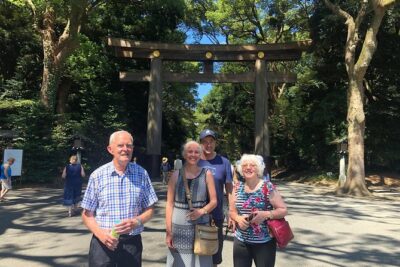
Tokyo 6hr Private Tour with Government-Licensed Guide
Read our review →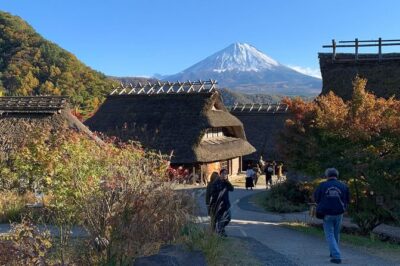
Private Tour to Mt. Fuji and Hakone (Fully Licenced Operator)
Read our review →
Tokyo Customized Private Tour (Must See Places in 1 Day)
Read our review →
Mount Fuji Full-Day Private Tour from Tokyo (Customizable)
Read our review →
Private City Highlights Tour with Local Guide
Read our review →
Tokyo 4hr Private Tour with Government-Licensed Guide
Read our review →
Tokyo Customized Private Tour: See Top Attractions in 1 Day
Read our review →