
Reviewed · TOKYO BIKE TOURS
Tokyo 3 Hour E Bike Tour of the City Bayside Areas
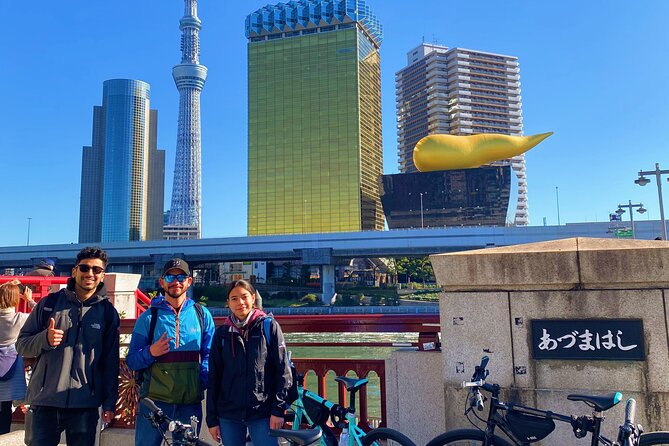
Tokyo’s bayside is best understood at street level, and this small-group electric-bike tour gives you a lively mix of polished Ginza, old shrines, riverside roads, market lanes, and local neighborhoods. I like the easy-riding Bianchi bikes and the chance to see places such as Tsukishima Monja Street and the so-called mini fisherman’s island, areas you might skip if you only use the subway.
I also like the small maximum of seven people, which makes it easier to ride safely through busy streets and ask guides such as Sho or Nao questions. The main drawback is simple: three hours goes quickly, and you need a moderate level of fitness, decent weather, and comfort riding in city traffic.
Key points to know before you book
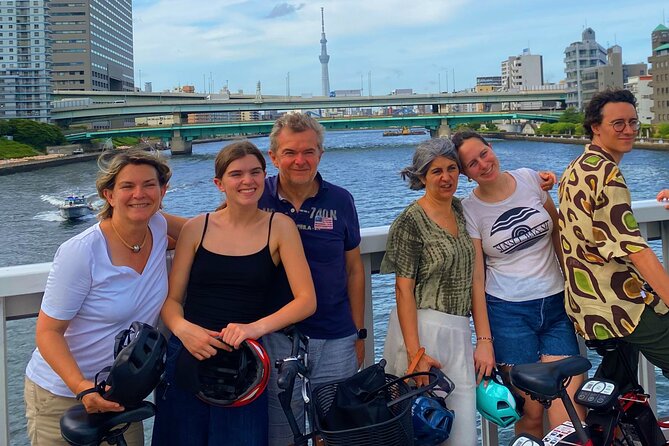
- Small groups of up to seven: You get a more personal ride than on a large bus tour, with more room for questions and guidance through Tokyo traffic.
- A useful mix of famous and local Tokyo: The route covers Ginza and Kabuki-za, then shifts to Tsukiji, shrines, traditional streets, gardens, and a temple.
- Easy electric bikes: The Bianchi bikes are electric, so you can cover more ground without treating the tour like a hard workout.
- Tsukiji snack stop included in the route: Food is not included, but you have time to buy a quick snack or sashimi at the market.
- Kiyosumi Gardens admission is included: This gives you a quiet walking break after the city riding.
- The finish is away from the start: The ride begins near Hibiya and ends at Fukagawa Fudodo, so plan your onward route rather than expecting a return to Ginza.
Why a bike makes sense in Tokyo’s bayside
Tokyo can feel enormous when you move only by train. The subway is fast, but it carries you under the streets and hides the changes between districts. On this tour, you move from the polished avenues of Ginza to small lanes, shrines, market streets, and waterside neighborhoods under your own power.
The electric assistance matters. You still pedal, but the bikes make the route more manageable and help you keep up with the group. The supplied bikes are Bianchi models, a useful detail for anyone who cares about a stable, quality bicycle rather than an awkward rental bike.
You should still take the physical requirement seriously. This is not a sightseeing bus with a few steps at each stop. You ride through Tokyo streets, stop and start with the group, and walk through Kiyosumi Gardens. The tour is a good fit if you are comfortable on a bicycle and have moderate fitness. It is less suitable if you dislike urban cycling or want a fully relaxed, seated experience.
The guides are an important part of the outing. Sho and Nao are among the guides associated with the tour, and both are described as friendly, enthusiastic, and able to lead riders safely through busy streets. That combination matters more here than a long lecture about landmarks. You need clear directions, calm road handling, and someone who can explain what you are seeing without slowing the group to a crawl.
More Tokyo bike tours:
- Tokyo Great Cycling Tour
★ 5.0 · 811 reviews - Tokyo Top Highlights 3h Guided E-bike Tour
★ 5.0 · 714 reviews - 3h Tokyo E-Bike Tour: Hidden Gems, and Local Life with guide
★ 5.0 · 670 reviews
Starting in Hibiya and riding through Ginza
The meeting point is at 1-3 Hibiyakōen in Chiyoda City, near public transportation. From there, you head toward Ginza, Tokyo’s famous luxury shopping district.
Ginza gives you a quick look at the city’s polished side. Wide streets, grand shops, department stores, and carefully planned blocks make this a sharp contrast to the smaller lanes later in the ride. The stop is listed at about 10 minutes, so think of it as an introduction and a short orientation rather than a shopping visit.
I like this opening because it puts Tokyo’s modern wealth on the same route as its older neighborhoods. You can see how quickly the city’s character changes once the bikes leave the major commercial streets. Do not expect time to browse stores or make purchases. The value is in seeing Ginza as part of a larger urban picture.
Next comes Kabuki-za, the home of classical Japanese kabuki theater. You have about 10 minutes here. The building is one of the route’s most recognizable cultural sights, but the stop is outside rather than a theater performance. Admission is free because no show or interior ticket is part of the tour.
That short pause works well for a first-time visit. You get context for one of Japan’s traditional performing arts without spending a large part of the tour inside one venue. If kabuki is a major priority for you, you will need a separate visit and performance plan.
Tsukiji Hongwanji and the market break
The route then reaches Tsukiji Hongwanji Temple, where you stop for about 15 minutes. The temple sits in the heart of Tsukiji and gives the ride a more reflective pause after the commercial energy of Ginza.
This is a useful stop because it shows that Tsukiji is more than food. The neighborhood has religious, residential, and working-market sides, and the temple helps frame that wider setting. You can explore the grounds while your guide explains the place and its role in the area.
After the temple, you spend about 20 minutes around Tsukiji Fish Market. This is one of the most practical parts of the ride because you have time for a quick snack. Food and drinks are not included, so bring money if you want to sample something. Sashimi is one possible choice, and the market stop gives you a chance to eat rather than simply photograph food stalls.
Twenty minutes is enough for a taste, not a full market meal. You will need to watch the clock and stay with the group. If you want a long breakfast or a serious seafood crawl, schedule that separately. If you want a compact introduction to Tsukiji, this is a good use of the limited tour time.
I especially like the contrast between riding and eating here. The market stop breaks up the cycling and gives you a chance to experience Tokyo through its food culture. It also means the tour is not only about viewing landmarks from a saddle.
Tsukishima Monja Street and a traditional neighborhood
From Tsukiji, the bikes continue toward Tsukishima Monja Street. The stop lasts about 10 minutes and introduces you to a more traditional neighborhood feel.
Monjayaki is closely associated with Tsukishima, though the tour does not include a full meal there. You should treat this as a quick look at the street and its local identity, not as a cooking class or restaurant reservation. The short stop is still worthwhile because it takes you beyond Tokyo’s headline sights.
One of the route’s appealing qualities is its use of smaller areas that may not be on a first-time sightseeing plan. A bicycle makes this kind of visit practical. You can pass between districts without repeatedly finding train entrances, descending underground, changing lines, and coming back up somewhere else.
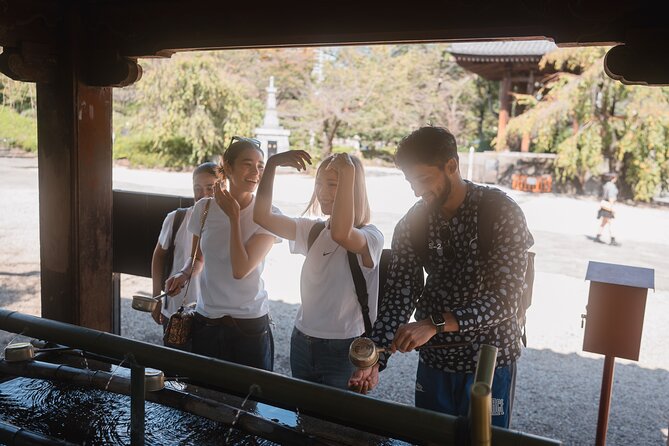
The tour then visits Sumiyoshi Jinja, a local shrine in a traditional Japanese town. The planned stop is about 10 minutes. Shrines can be easy to overlook when you are focused on Tokyo’s towers, shopping streets, and food markets, but this pause gives you a look at everyday religious space.
Keep your expectations realistic. You are not getting a long guided temple tour at every stop. The strength of the experience is the sequence: a major district, a theater, a temple, a market, a neighborhood street, and a shrine. Each stop is brief, but together they show a wider range of Tokyo than a single attraction can.
A completely different kind of day in Tokyo:
- Mt Fuji and Hakone 1-Day Bus Tour Return by Bullet Train
★ 5.0 · 26,383 reviews - 1-Day Tokyo Bus Tour
★ 5.0 · 14,250 reviews - Tokyo: teamLab Planets TOKYO Digital Art Museum Entry Ticket
★ 4.6 · 9,779 reviews - Mt Fuji & Hakone Cruise, Drum Show Bullet Train 1 Day from Tokyo
★ 4.0 · 7,413 reviews
Quiet time at Kiyosumi Gardens
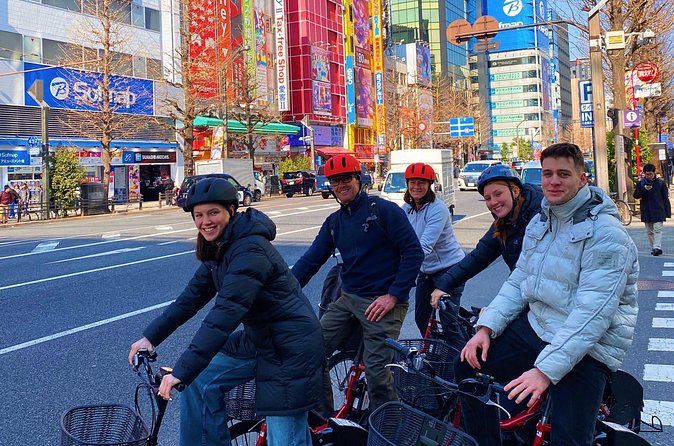
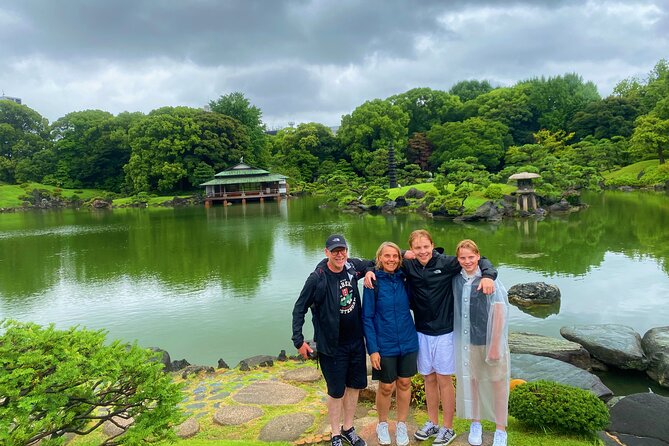
Kiyosumi Gardens is the longest walking stop, at about 25 minutes, and admission is included. You leave the bikes and walk through the gardens, which offers a welcome change of pace after the roads.
This is where the tour gains breathing room. You have time to slow down, look around, and enjoy a more carefully arranged natural setting inside the city. The garden stop also gives you a chance to rest your legs without ending the activity.
The included entrance fee adds real value to the $87.96 price. You are not paying only for bike use and a guide. You also receive admission to one of the route’s main stops, along with a planned visit rather than simply passing the entrance on the way to somewhere else.
Still, 25 minutes is not enough for a long, unhurried garden visit. If you like Japanese gardens and want time for quiet photography or close study, you may wish to return independently. On the tour, the garden works best as a focused pause within a larger ride.
Optional Fukagawa Fudodo finish
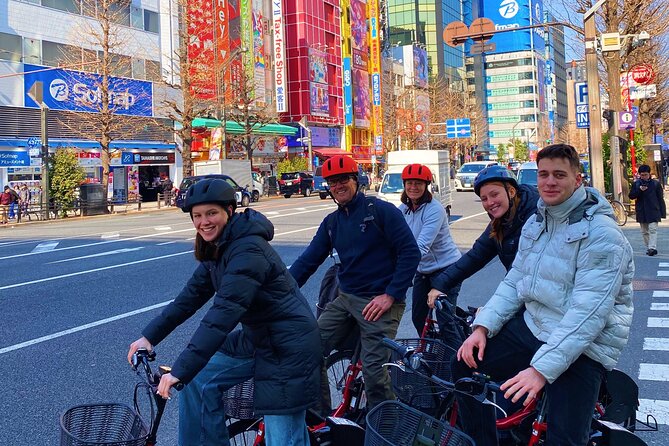
The final stop is Naritasan Fukagawa Fudodo Honden, also called Fukagawa Fudodo, in Koto City. The listed time is about 20 minutes, but entering the temple is optional and costs ¥1,000 in cash.
This arrangement gives you a choice. If you do not want to pay the extra fee or prefer to finish after the garden, you can end the tour without entering. If you want to add another religious site and have ¥1,000 cash, the optional visit extends the cultural side of the route.
The tour ends here, not back at Hibiya. That is worth planning around. The start and finish are in different parts of Tokyo, so you should allow time to make your next train connection or continue sightseeing from Koto City. The one-way route is part of the point: you see more districts instead of circling back, but the convenience of a central return is sacrificed.
What the three-hour schedule really feels like
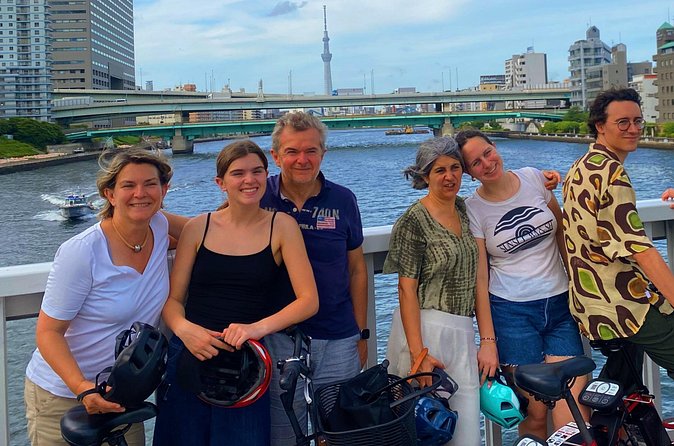
The listed stops add up to roughly two hours of scheduled visits, with the remaining time used for cycling between them. That makes the timing feel active but not punishing. You will ride, stop, listen, walk, and ride again.
The group limit of seven is a strong advantage. A large cycling group can create long waits at crossings and make it harder to hear the guide. With seven or fewer people, the guide can keep the pace together and offer more direct help.
The route also appears designed for mixed interests. Food-focused visitors get Tsukiji. Architecture and performance fans get Kabuki-za. People interested in local religious life see Tsukiji Hongwanji and Sumiyoshi Jinja. Those who want greenery get Kiyosumi Gardens. You do not spend the whole tour on one theme.
The tradeoff is depth. No single stop receives enough time for a full visit. You should book this experience to build a broad first impression, then return to your favorite neighborhood or attraction later on your own.
Is $87.96 a fair price?
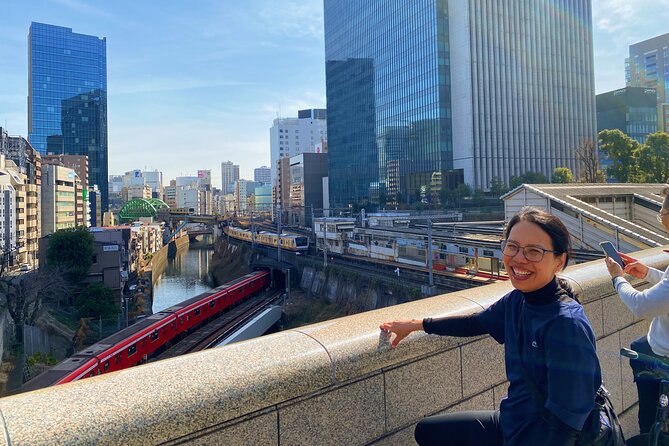
At $87.96 per person, this is not the cheapest way to move around Tokyo. Public transportation costs less, and you could rent a bicycle independently for a lower price if you are willing to plan the route, manage navigation, and handle city riding without support.
The tour earns its price through convenience and structure. You get an electric bike, an English-speaking guide, a small group, a planned route, and admission to Kiyosumi Gardens. You also avoid spending your limited holiday time working out where to turn next.
The value is strongest for first-time visitors who want orientation. A guide can connect the districts and help you ride safely through busy streets. The tour also reaches places you may not choose on your own, including Tsukishima, Sumiyoshi Jinja, and the area around Fukagawa.
It is weaker value if you already know Tokyo well, dislike group schedules, or want to spend a long time at the fish market. In that case, independent exploration may give you more control.
Practical details that affect your decision
Confirmation is provided when you book, and mobile tickets are supported. The meeting point is near public transportation, though you should check your exact route to 1-3 Hibiyakōen before setting out.
The experience requires good weather. If poor weather causes cancellation, you are offered another date or a full refund. You can also cancel for a full refund if you do so at least 24 hours before the start time. Changes or cancellations made less than 24 hours ahead are not accepted for a refund.
Wear clothes that let you pedal and walk comfortably. You should also be ready to buy your own food at Tsukiji and carry ¥1,000 in cash if you plan to enter Fukagawa Fudodo. That temple fee is optional, while Kiyosumi Gardens admission is included.
The tour is capped at seven people, but the information does not specify a minimum age, luggage policy, helmet policy, or exact bike-fitting procedure. If any of those details matter to you, ask the operator before booking rather than guessing.
Who should book this ride?
I would choose this tour if you want an active introduction to Tokyo and are comfortable on a bicycle. It suits solo visitors, couples, friends, and families who want to see several districts in one morning or afternoon without relying entirely on trains.
It is especially useful early in a Tokyo stay. The route can help you decide where to return for a longer market visit, a garden walk, a meal in Tsukishima, or more time around the temples.
I would hesitate if you want a slow cultural tour, a long food experience, or a fixed return to the starting point. It also may not suit anyone who finds urban cycling stressful or who cannot manage a moderate amount of riding and walking.
Should you book the Tokyo Bayside E-Bike Tour?
Book it if you want a small, guided ride with variety. The electric Bianchi bikes, guides such as Sho and Nao, Tsukiji snack break, and included Kiyosumi Gardens entry give the experience more substance than a simple bicycle rental.
The best reason to go is the route itself. You move from Ginza’s polished streets to markets, shrines, traditional neighborhoods, gardens, and a temple, seeing how different parts of Tokyo fit together. Just remember that the schedule is quick, the food is extra, the final temple costs ¥1,000 cash, and the ride ends in Koto City rather than back at Hibiya.
FAQ
How long is the Tokyo Bayside E-Bike Tour?
The tour lasts approximately three hours.
Where does the tour begin?
It begins at 1-3 Hibiyakōen, Chiyoda City, Tokyo 100-0012, Japan.
Where does the tour end?
It ends at Fukagawa Fudodo, at 1-chōme-17-13 Tomioka, Koto City, Tokyo 135-0047, Japan.
What is included in the tour?
The price includes use of an electric bike, an English-speaking guide, and admission to Kiyosumi Gardens.
Is food included?
No. Food and drinks are not included, though the route includes a quick snack break at Tsukiji Fish Market.
Is the Fukagawa Fudodo temple visit included?
Entering Fukagawa Fudodo is optional and costs ¥1,000 in cash. You may finish the tour without entering.
Can I cancel for a full refund?
Yes. You can cancel for a full refund up to 24 hours before the experience start time. If poor weather cancels the tour, you are offered another date or a full refund.
More 3 Hour Experiences in Tokyo
- Tokyo: 3-Hour Bike or E-Bike City Highlights Tour
★ 4.8 · 435 reviews - Tokyo: 3-hour Guided E-Bike Tour of the City’s Hidden Gems
★ 4.8 · 251 reviews - 3-Hour Tokyo Pub Crawl Nightlife Welcome Guided Tour in Shibuya
★ 5.0 · 209 reviews - Tokyo: 3-Hour Bike/E-Bike Tour of the City’s Highlights
★ 5.0 · 209 reviews
Newly reviewed around Tokyo
- Tokyo Asakusa:Calligraphy & Make T-shirt Activity★ 5.0 · 62 reviews
- Intercity Shuttle, Tokyo to Haneda /Narita /Yokohama /Makuhari★ 5.0 · 5 reviews
- 1 Hour Travel around Tokyo with a Professional Photographer★ 5.0 · 3 reviews
- Travel Tokyo with Your Own Personal Photographer★ 5.0 · 43 reviews
- Train in Samurai Swordsmanship and Defeat the Demon in Tokyo★ 5.0 · 5 reviews
- Shuttle Van 6hr Tokyo Tour to-and-from Tokyo, Yokohama and Narita★ 5.0 · 9 reviews
- Kickboxing & Body Training with EX-Pro Fighter★ 5.0 · 4 reviews
- Traditional Japanese Knife Sharpening Class★ 5.0 · 18 reviews
Tokyo Bike Tours, compared.
3h Tokyo E-Bike Tour: Hidden Gems, and Local Life with guide
Read our review →
3-hour Guided E-Bike Tour of the City’s Hidden Gems
Read our review →
3-Hour Bike/E-Bike Tour of the City’s Highlights
Read our review →
Browse the lists this tour appears in