
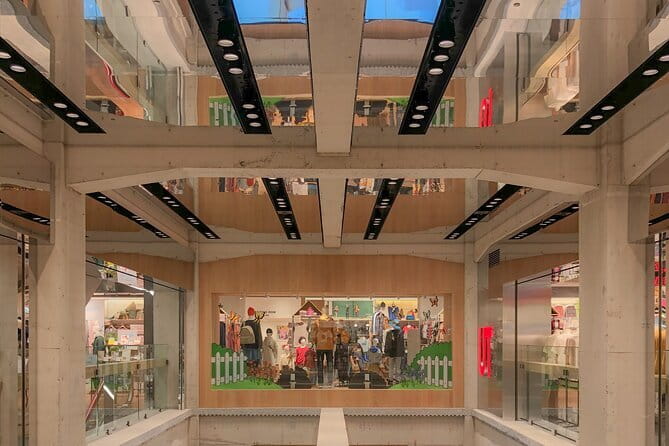
Reviewed · GINZA TOURS
Small-Group Architecture Tour in Ginza, Tokyo
Ginza is best understood at walking speed, when a small doorway, unusual facade, or careful bit of earthquake planning can get as much attention as a famous shopping tower. This tour links those details with major buildings, temples, and theaters, while explaining how the Shogun era and natural disasters shaped Tokyo’s architecture. The group is capped at six, so you can ask questions without shouting across a crowd.
I like the mix of grand commercial design and modest religious buildings, especially Tsukiji Hongwanji Temple and Toyoiwa Inari Shrine. I also like the access to interiors such as Kabukiza Theater, the Nicolas G. Hayek Center, and Ginza Maison Hermes. The main caution is simple: you pay $84.70 for a walking tour, so it makes the most sense if architecture is a main reason you want to see Ginza, not just a side interest.
Key details before you book
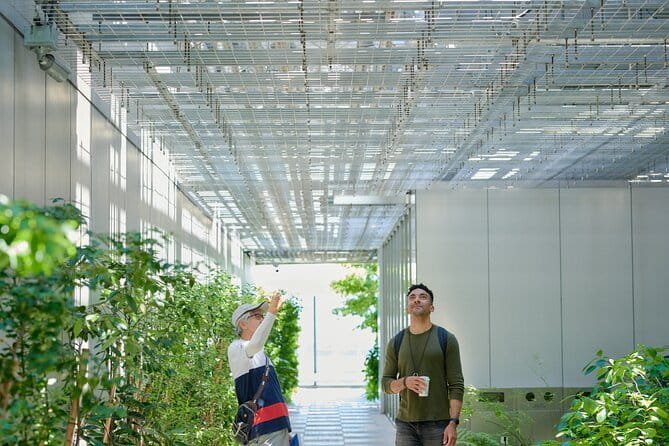
- Small group of up to six: You get a closer conversation with the guide and more room for questions.
- Three and a half hours on foot: The route covers Tsukiji and Ginza, with about 40 minutes of walking between sites in total.
- Architecture beyond the shopping streets: The tour includes a temple, shrine, theater, boutiques, and older buildings.
- Strong guide background: Hal brings technical insight, while Taka is a former urban planner and architect.
- A short refreshment pause: Drinks are included during the walk, a useful break in a packed city itinerary.
- Flexible weather policy: Poor weather can lead to a new date or a full refund, and cancellation is free up to 24 hours before the start.
Why Ginza works so well for an architecture walk
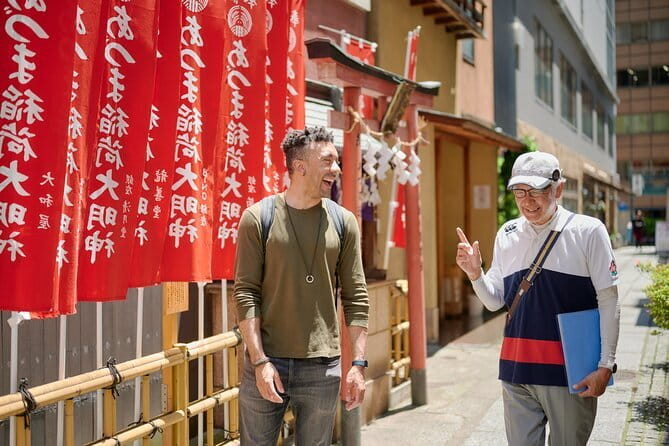
Ginza is often presented as Tokyo’s polished shopping district. That is true, but it leaves out the best part. The area is also a compact lesson in changing Japanese design, from small shrines tucked among retail buildings to highly controlled glass facades and historic structures that survived or adapted to disaster.
A car tour would give you a fast look at the district’s most famous streets. This walk gives you time to stop, take photos, look upward, and compare one building with the next. That pace matters because many of Ginza’s strongest details are close to eye level: a textured wall, an unusual entrance, a patterned window, or a clever use of a narrow site.
The route begins near Tsukiji Station at 10 a.m. and ends at the Ginza 4-chome intersection, in front of Mitsukoshi department store. That makes the tour easy to pair with an afternoon in Ginza. You are not returned to your hotel, so plan your own way back or continue exploring on foot.
More things to do in Ginza:
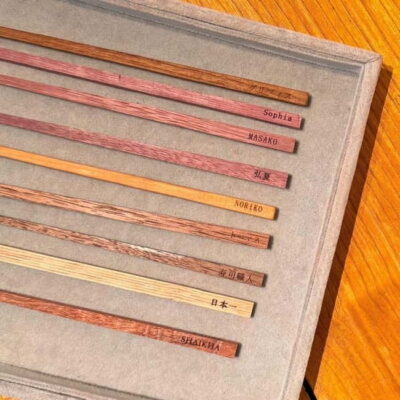
- Chopstick Making Workshop in Ginza
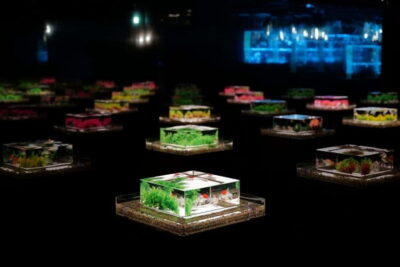
★ 4.8 · 1,366 reviews - Tokyo: Art Aquarium Museum GINZA Entry Ticket
★ 4.5 · 278 reviews - Official Japan Go-Kart Through Tokyo Bay / Ginza (IDP Required)
★ 4.5 · 71 reviews
Tsukiji Hongwanji Temple gives the walk an early change of pace
The first major stop is Tsukiji Hongwanji Temple, where you go inside for about 10 minutes. Its presence early in the route helps frame the rest of the tour. You are not looking only at new shops and luxury brands. You are also seeing how religious buildings occupy space in a city known for commerce.
The temple visit is brief, so do not expect a long service or an extended cultural program. Its value is visual and architectural. It gives you a clear contrast before the tour moves toward Ginza’s commercial streets and modern facades.
Because the tour requires a moderate level of fitness, wear shoes you can use comfortably for several hours. The listed walking time between sites is about 40 minutes in total, but you will also spend time standing, entering buildings, and moving through city streets.
Kabukiza Theater connects performance with design
At Kabukiza Theater, the group goes inside for about 20 minutes to examine its features. This is one of the route’s more useful stops because the building is not simply a photo backdrop. It connects architecture with one of Japan’s best-known traditional performance forms.
Your guide can point out the features that make the theater feel distinct from a standard modern commercial building. The stop also breaks up the long run of boutiques and brand headquarters. If your interest is limited to exterior photography, 20 minutes inside may feel longer than needed. If you want to understand how a major cultural venue fits into central Tokyo, it earns its time.
The guide’s role matters here. Hal is praised for explaining how individual projects became distinctive and iconic, while Taka brings a planning and architectural background to modern buildings. The particular guide on your date may vary, but the tour is designed around this kind of close explanation rather than a simple list of addresses.
Nicolas G. Hayek Center shows Ginza at its most polished
The Nicolas G. Hayek Center is another interior stop, with about 15 minutes to enjoy its design. It represents Ginza’s luxury retail side, yet the point of the visit is not shopping. You are looking at how a commercial building uses structure, materials, and display space to create an identity.
This is one of the stops where the small group is especially helpful. A guide can explain a detail, let you take a closer look, and answer a question without holding up a large crowd. Taka’s background as a former urban planner and architect is a good fit for this part of the route.
The practical limit is that the tour offers only a short visit at each building. You will gain a guided reading of the space, not a full architectural lecture. That keeps the outing moving, but anyone seeking technical drawings or a long discussion of construction will want to keep expectations in check.
A completely different kind of day in Tokyo:
- Mt Fuji and Hakone 1-Day Bus Tour Return by Bullet Train
★ 5.0 · 26,383 reviews - 1-Day Tokyo Bus Tour
★ 5.0 · 14,250 reviews - Tokyo: teamLab Planets TOKYO Digital Art Museum Entry Ticket
★ 4.6 · 9,779 reviews - Mt Fuji & Hakone Cruise, Drum Show Bullet Train 1 Day from Tokyo
★ 4.0 · 7,413 reviews
Toyoiwa Inari Shrine brings a small sacred site into the route
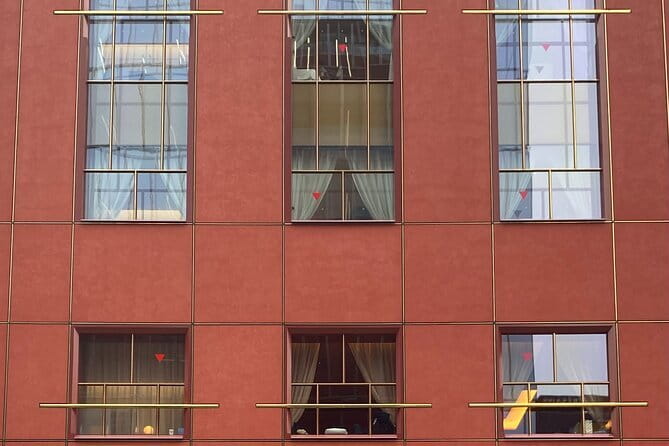
Toyoiwa Inari Shrine receives only about five minutes, but that short stop may be one of the most revealing. A small shrine surrounded by Ginza’s dense commercial setting shows how old religious spaces remain part of the city’s daily structure.
This is also a good reminder that the tour is not limited to famous buildings. The guide can help you notice places you might otherwise pass without understanding. Five minutes is enough for a quick look and a few photos, though it is not enough for an extended explanation of shrine customs or history.
Hermes and Mikimoto reveal the art of the storefront
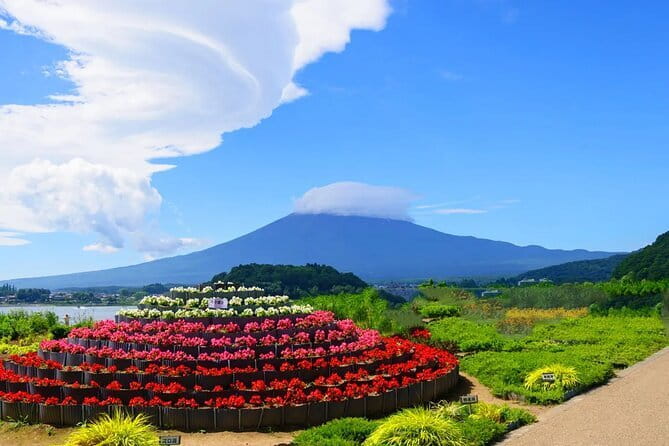
Ginza Maison Hermes Le Forum gets about 15 minutes inside. This is a useful stop for anyone interested in how a global luxury label turns a retail building into a public statement. The architecture is part of the brand, not merely a container for merchandise.
Mikimoto Boutique Ginza 2chome is scheduled for about five minutes, and the group enters if time allows. That wording tells you something important about the day: the guide may adjust the route based on pace, access, and available time. Do not treat every brief stop as guaranteed interior access.
The exterior views continue at Mikimoto Ginza 4chome Honten, where you spend about five minutes. Together, these stops let you compare two approaches to luxury retail: the carefully planned interior and the building facade that works as a city landmark.
One of the guide highlights from the tour is a visit to the Tiffany building, mentioned alongside the Nicolas G. Hayek Center. Since the exact order and access can depend on the day, you should ask your guide what is open during your walk. That small bit of flexibility is useful in Ginza, where retail buildings can change their access rules.
Uniqlo and Wako make the street itself part of the tour
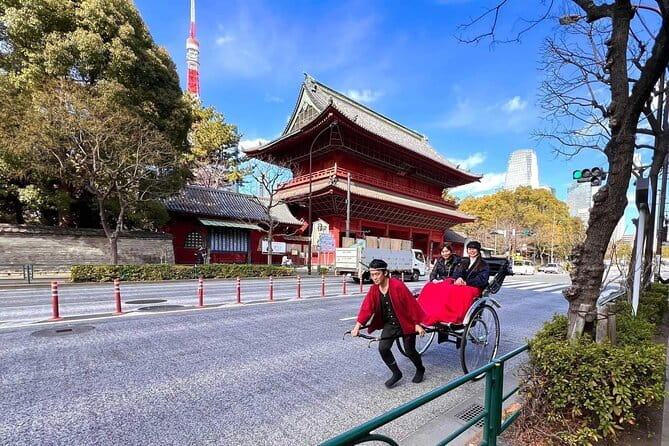
UNIQLO Tokyo is viewed from outside for about 10 minutes. This is not an interior shopping stop. Instead, you examine how a major retailer presents itself along one of Ginza’s most prominent streets.
Wako Ginza gets another 10 minutes from the exterior. Its recognizable clock tower and formal frontage provide a strong comparison with the newer glass and metal buildings nearby. The route gives you time to place old and new designs side by side rather than treating Ginza as one uniform district.
These exterior stops are practical for photographers. You can frame the buildings from the street without spending time browsing inside. They also keep the tour from becoming a chain of retail visits. You are studying the relationship between a building and the public street, which is the core strength of this walk.
Okuno Building adds age, texture, and a different scale
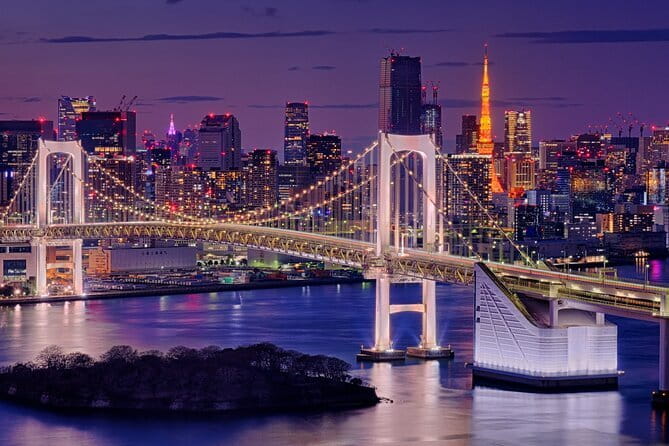
The final architectural stop is Okuno Building, where the group goes inside for about 10 minutes. Compared with Ginza’s polished luxury storefronts, this building offers a different sense of scale and age. Its interior visit helps round out the route with a structure that feels less like a single corporate statement and more like a place with layers.
This is the kind of stop that benefits from a guide who can connect a building’s appearance to broader city forces. Tokyo has repeatedly had to rebuild, adapt, and make efficient use of limited central space. The tour uses those pressures to explain why the district contains such a sharp mix of styles.
After Okuno Building, the tour finishes at Ginza 4-chome, in front of Mitsukoshi. The ending is convenient if you want lunch, department-store shopping, or more independent architecture viewing. It also means the walk does not finish back at the starting point in Tsukiji, so keep that one-way route in mind.
What $84.70 gets you
At $84.70 per person, this is not a budget sightseeing walk. The value comes from access, interpretation, and a very small group rather than admission tickets. The listed stops have no separate admission charge, and the price includes a local licensed guide plus drinks during a pause.
I would consider the price fair if you have a serious interest in buildings, urban planning, or the way Tokyo mixes old and new. You are paying to notice more, not to enter a long list of paid attractions. A guide who can explain why a project feels unique can change the way you see the entire district afterward.
The value is weaker if you mainly want Ginza’s famous storefronts and a few quick photos. You can view several exterior landmarks without booking a tour. The tour earns its cost through the interior visits, the historical context, and the chance to ask direct questions in a group of no more than six.
Who will get the most from this walk
I would choose this tour for an architecture student, designer, urban planner, photographer, or curious first-time visitor who wants more than brand names. It also suits someone who has already seen Ginza and wants a fresh reason to walk through it again.
It is less suitable if you dislike walking, need hotel pickup, or want a tightly scripted sightseeing route with no variation. The tour requires moderate physical fitness, begins at a specific meeting point near Tsukiji Station, and ends elsewhere in Ginza.
The format is also better for people who enjoy asking questions. With only six places available, you can ask Hal or Taka about a building that catches your eye, request suggestions for other local architecture, or slow down for a photo without competing with a large crowd.
Practical points for a smooth morning
Meet near Exit 1 of Tsukiji Station at 10 a.m. The starting point is in Tsukiji, not Ginza, so allow enough time to reach it by public transportation.
A mobile ticket is provided, and confirmation arrives when you book. The tour is dependent on good weather. If conditions force cancellation, you are offered another date or a full refund. You can also cancel for a full refund up to 24 hours before the start time, but changes or cancellations inside that window are not accepted.
Because the route includes outdoor walking and several standing stops, comfortable shoes are the sensible choice. Bring a phone or camera if you want to record details, but keep your attention on the guide. The best parts of the tour are easy to miss when you are focused only on the next photograph.
Should you book the Ginza architecture tour?
Book it if you want Ginza explained rather than simply visited. The combination of Tsukiji Hongwanji Temple, Kabukiza Theater, small shrine, luxury buildings, Wako, Uniqlo, and Okuno Building gives you a more complete picture than a standard shopping walk.
I would especially favor it for the six-person limit and the guide quality represented by Hal and Taka. Their architectural and planning backgrounds suit a route where the smallest details matter. Skip it if $84.70 feels high for a walk or if you would rather spend your Ginza time shopping independently.
For the right audience, this is a focused, well-paced way to see why Ginza looks the way it does. You leave at Mitsukoshi with a better eye for Tokyo’s buildings, not just a camera roll of famous facades.
FAQ
Where does the tour begin?
It begins near Exit 1 of Tsukiji Station, at Tsukiji 3-chome 15-1 in Chuo City, Tokyo.
What time does the tour start?
The tour starts at 10 a.m.
Where does the tour finish?
It finishes at the Ginza 4-chome intersection, in front of Mitsukoshi department store.
How long does the tour last?
The experience lasts approximately three hours and 30 minutes.
How many people can join the tour?
The group has a maximum of six people.
Which buildings and sites are included?
The route includes Ginza, Tsukiji Hongwanji Temple, Kabukiza Theater, the Nicolas G. Hayek Center, Toyoiwa Inari Shrine, Ginza Maison Hermes Le Forum, Mikimoto buildings, UNIQLO Tokyo, Wako Ginza, and Okuno Building.
Is hotel pickup included?
No. Hotel pickup and drop-off are not included.
Are drinks included?
Yes. The tour includes a comfortable pause with drinks along the way.
What happens if the weather is poor?
The experience requires good weather. If it is canceled because of poor conditions, you are offered a different date or a full refund.
Newly reviewed around Tokyo
- Tokyo Asakusa:Calligraphy & Make T-shirt Activity★ 5.0 · 62 reviews
- Intercity Shuttle, Tokyo to Haneda /Narita /Yokohama /Makuhari★ 5.0 · 5 reviews
- 1 Hour Travel around Tokyo with a Professional Photographer★ 5.0 · 3 reviews
- Travel Tokyo with Your Own Personal Photographer★ 5.0 · 43 reviews
- Train in Samurai Swordsmanship and Defeat the Demon in Tokyo★ 5.0 · 5 reviews
- Shuttle Van 6hr Tokyo Tour to-and-from Tokyo, Yokohama and Narita★ 5.0 · 9 reviews
- Kickboxing & Body Training with EX-Pro Fighter★ 5.0 · 4 reviews
- Traditional Japanese Knife Sharpening Class★ 5.0 · 18 reviews
Ginza Tours, compared.

Official Japan Go-Kart Through Tokyo Bay / Ginza (IDP Required)
Read our review →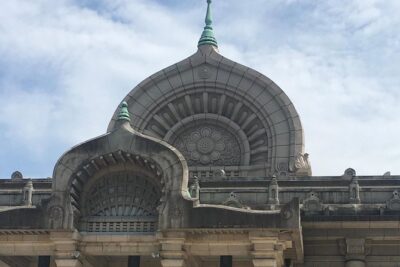

【SUMO FESTIVAL】Tokyo Ginza: Sumo Show & Photo Experience
Read our review →
Tokyo GINZA: KONPARU Japanese Cabaret Show with Drink
Read our review →

Browse the lists this tour appears in