
Reviewed · TOKYO FOOD TOURS
Shimbashi Night Food Tour
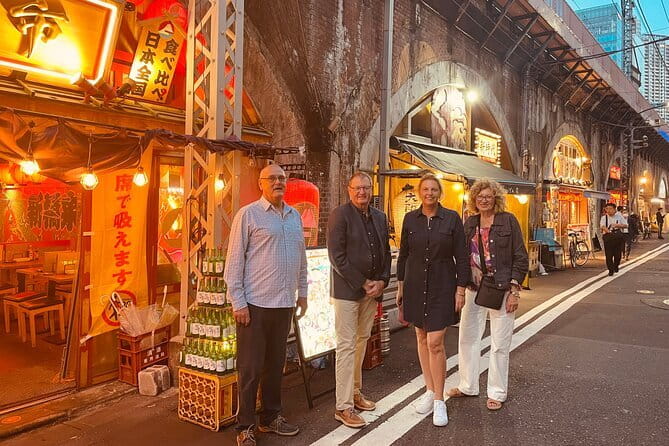
Shimbashi is where Tokyo’s after-work food culture feels most natural. This private evening takes you into Sato, a small izakaya known for careful ingredients such as bluefin tuna and lightly vinegared mackerel, then finishes with a bowl of customizable ramen. I especially like the local salaryman setting and the chance to try several Japanese drinks without arranging each order yourself.
I also like that the guide handles the evening in English and explains the food and customs as you go. Guides named Mutsuko, Keita, Kaori, Hide, Ferdinand, and Tetsu have led this experience, with especially strong praise for their friendly, clear explanations. The main caution is smoking inside the izakaya, so this is not a good match if cigarette smoke bothers you.
Key points at a glance
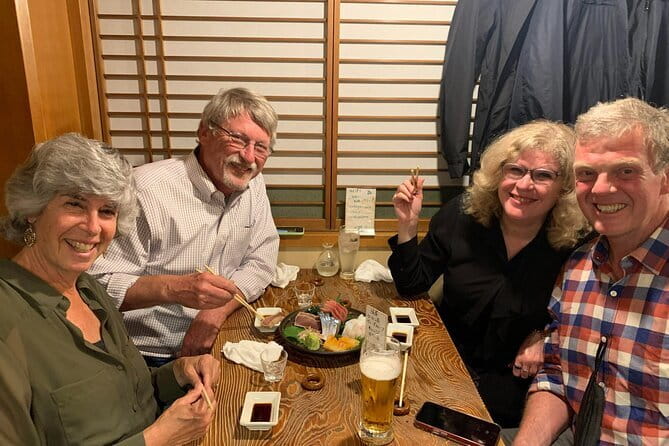
- Sato’s small izakaya setting: Taste bluefin tuna, lightly vinegared mackerel, and other carefully seasoned Japanese dishes.
- Six dishes and free-flowing drinks: The inclusions list six izakaya dishes with sake, beer, and other drinks. The overview describes the meal as seven courses, so confirm the exact menu if that distinction matters to you.
- Ramen chosen to suit you: Finish with pork, seafood, soy sauce, salt, vegetable, or another available style.
- Private evening with a personal guide: Only your group participates, and guides such as Mutsuko and Keita are praised for their cultural explanations and easy manner.
- Central Tokyo pickup available: Hotel pickup and return are offered in central Tokyo, but transfers add time to the roughly four-hour experience.
- Smoking is allowed indoors: This is the most important comfort issue to consider before booking.
Why Shimbashi works so well after dark
Shimbashi has a practical, workaday feel that suits this kind of food outing. It is not presented as a polished restaurant crawl built around grand dining rooms. Instead, you move into the sort of compact izakaya and ramen shops that make sense after a day at work.
That setting matters. An izakaya is part restaurant, part drinking place, and part social room. You order several smaller dishes rather than one large plate, and drinks are part of the meal. A guide helps you understand that rhythm, especially if you are not used to choosing Japanese dishes from a menu you cannot read.
The experience begins at 6:00 pm and lasts about four hours. That gives you enough time to eat at an unhurried pace, ask questions, and finish with ramen rather than rushing from one address to the next. If you use hotel pickup and drop-off, the overall time will be longer because the transfers are added to the remaining duration.
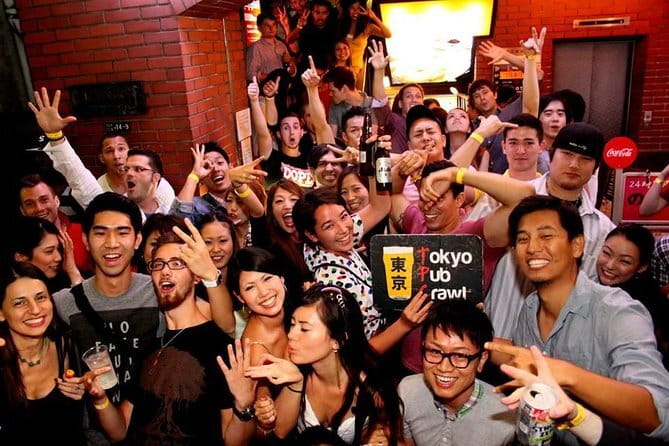
The tour is private, so you are not sharing the evening with a large mixed group. That can make a real difference in a small restaurant. You can ask about ingredients, request help with ordering, and set the pace around your own group.
More Tokyo food tours:
- Tokyo: Shinjuku Food Tour (13 Dishes at 4 Local Eateries)
★ 5.0 · 6,603 reviews - Tokyo: Shinjuku Food Tour (15 Dishes and 4 Eateries)
★ 4.9 · 2,033 reviews - Best of Shinjuku: Izakaya Food Tour (4 Stops, 14+ Tastings)
★ 5.0 · 1,863 reviews
Sato: a small izakaya built around ingredients
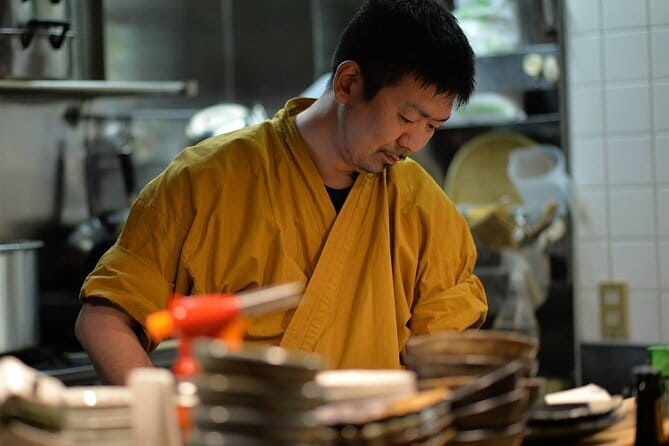
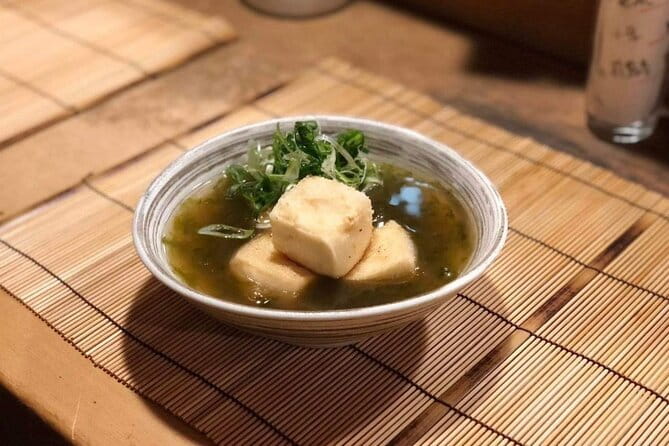
The first main stop is Sato, described as a compact Japanese izakaya where quality comes before quantity. That promise is reflected in the food details. The tuna is bluefin, not simply generic tuna, and the mackerel is fresh enough to be eaten raw before being lightly vinegared.
Those details give you a useful sense of the meal. This is not only about filling up on fried food and beer. The point is to notice the ingredients and the way seasoning is used. The restaurant takes care with the balance of the dishes, allowing the fish and other Japanese products to remain central.
The meal is described in two slightly different ways. The overview calls it a seven-course tasting menu, while the inclusions specify six dishes with an all-you-can-drink set. I would treat it as a multi-dish tasting meal rather than rely on a precise course count. If you need to know the exact number for dietary or appetite reasons, ask before you go.
The menu focuses on seasonal ingredients and regional flavors, but the supplied details do not name every dish. That is a good reason to arrive with an open mind. Your guide can explain what you are eating, and the smaller plates let you sample several preparations instead of committing to one unfamiliar entrée.
You should also know that other food beyond the set menu is not included. The included meal is designed to be the evening’s first course of eating, followed later by ramen. If you want extra dishes at Sato, plan to pay separately.
Drinks are part of the lesson
The drink plan is one of the strongest practical features. The set includes all-you-can-drink service, with sake, beer, and other alcoholic beverages. One account also describes sampling Japanese whisky, though the exact drink selection may vary.
This arrangement is useful if you want to try sake but do not know where to start. A guide can explain what you are drinking and help connect it to the food. You do not need to study a sake list in advance or order a full bottle when you only want a small taste.
Still, all-you-can-drink does not mean you need to drink heavily. The best approach is to sample slowly and keep water in mind. The evening has another substantial food stop, and ramen tastes better when you are still alert enough to enjoy it.
Alcoholic beverages are included, but this is not a good choice if you do not drink. The supplied information does not describe a separate nonalcoholic drink package, so ask about alternatives before paying. Dietary requests, including vegetarian, vegan, and gluten-free needs, should be listed in the special requirements field at booking.
The ramen finish gives the night a clear purpose
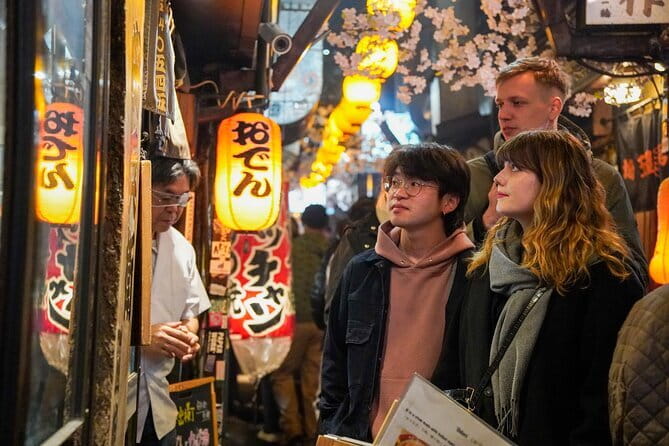
After Sato, your guide takes you to a ramen shop. You can choose among pork, seafood, soy sauce, salt, vegetable, or other ramen styles according to your preference. That flexibility is helpful because ramen can be a very personal matter, especially if you avoid pork or prefer a lighter soup.
The ramen is more than a final snack. In Japan, a hot bowl after work or after an evening out is a familiar routine. Ending here gives the tour a pleasing local shape: small dishes and drinks first, noodles last.
The exact ramen shop is not named in the supplied details, so you should not book this expecting one famous address or a fixed signature bowl. The appeal is the format and the choice of style. One account called the ramen the best they had eaten in Tokyo, but your experience will depend on the soup, toppings, and preparation available that night.
One bowl of ramen is included. Additional food is not. If you have a large appetite, keep that in mind when judging the price and the meal size.
A completely different kind of day in Tokyo:
- Mt Fuji and Hakone 1-Day Bus Tour Return by Bullet Train
★ 5.0 · 26,383 reviews - 1-Day Tokyo Bus Tour
★ 5.0 · 14,250 reviews - Tokyo: teamLab Planets TOKYO Digital Art Museum Entry Ticket
★ 4.6 · 9,779 reviews - Mt Fuji & Hakone Cruise, Drum Show Bullet Train 1 Day from Tokyo
★ 4.0 · 7,413 reviews
The guides are a major part of the value
Food is the backbone, but the guide shapes the evening. Mutsuko appears several times in the supplied feedback, with praise for her food knowledge and for finding places that are easy to miss without local help. Keita is described as engaging, friendly, informative, and fluent in English, with clear explanations of Japanese culture.
Kaori is also described as informative and lighthearted. Hide is associated with an enjoyable izakaya and ramen evening, while Tetsu is credited with making people comfortable and introducing dishes they would not have found alone. Ferdinand led an evening that included several different restaurants and a standing bar, along with local history and area facts.
The standard outline centers on Sato and ramen, so do not assume every guide will follow the same extended route. Still, these details show the kind of help you can expect: explanations, translation support, direction through local food spots, and a more relaxed way into Japanese dining customs.
A private tour also lets you ask practical questions that are harder to raise in a large group. You can ask how to order, why a dish is served cold, what makes one ramen broth different from another, or how sake fits with the meal.
What the $185.68 price really covers
At $185.68 per person, this is not a bargain meal if you compare it with buying one ramen bowl or ordering a few small plates on your own. You are paying for more than food. The price includes the izakaya meal, free-flowing alcoholic drinks, ramen, an in-person guide, and round-trip hotel transportation when your hotel is in central Tokyo.
The private format also matters. If you are a couple or a small family, you receive the guide’s attention rather than sharing the itinerary with strangers. That can justify the cost for first-time visitors who want help navigating a small Japanese restaurant.
The value is strongest if you care about access and explanation. Sato is a small place, the food includes specific Japanese preparations, and the guide introduces the customs around eating and drinking. You also avoid the uncertainty of choosing two unfamiliar restaurants on your own.
The value is weaker if you already know Shimbashi, speak Japanese, and are comfortable ordering in local izakayas. You may spend less by choosing your own restaurant and ramen shop. The tour also loses some value if you do not drink alcohol, since the all-you-can-drink package is a central inclusion.
The price does not include extra food beyond the set meal and ramen. It is also non-refundable and cannot be changed after booking, so make sure the date, group size, dietary needs, and smoking issue are acceptable before you commit.
Smoking and other comfort details
The smoking policy deserves more than a passing note. Smoking is allowed inside the restaurant, and the experience is not recommended for people who do not like cigarette smoke. Since the first stop is a small izakaya, smoke may be more noticeable than it would be in a large, open dining room.
This may be manageable for some people and a deal breaker for others. If anyone in your group has asthma, strong smoke sensitivity, or simply wants a smoke-free meal, I would choose a different food tour.
Most people can participate, and the meeting area is near public transportation. Central Tokyo pickup and drop-off are available, but the listing does not define every eligible hotel or a precise pickup schedule. If you want hotel service, confirm that your accommodation is within the central Tokyo area.
The activity is offered with a mobile ticket, and booking confirmation is provided at the time of reservation. Those details are simple but useful when you are coordinating several Tokyo plans.
Who will enjoy this evening most
I would recommend this tour to a first-time Tokyo visitor who wants food, drinks, and cultural context in one night. It is especially useful if you feel uncertain about small Japanese restaurants or want someone else to handle the route and ordering.
It also suits couples, families with adult children, and private groups who prefer a flexible conversation with a guide. The different guide personalities described in the supplied material suggest that the human side of the experience is a real strength.
You should think twice if you want a quiet, smoke-free dinner, a strict vegetarian meal, or a large number of substantial courses. Vegetarian, vegan, and gluten-free requests can be submitted, but the available menu and substitutions are not specified. Ask before booking rather than assume every request can be met.
The same applies if your main goal is to visit a particular famous ramen shop. The ramen venue is described by style and choice, not by a fixed name.
Should you book the Shimbashi Night Food Tour?
Book it if you want an easy introduction to Tokyo’s after-work eating culture, especially if you value a private guide and enjoy sake, beer, and small Japanese dishes. Sato’s bluefin tuna and lightly vinegared mackerel give the first stop more substance than a routine bar crawl, while the ramen ending provides a satisfying local finish.
I would skip it if indoor cigarette smoke will spoil your night, if you do not drink and cannot confirm a suitable alternative, or if you are looking for a cheap dinner rather than a guided cultural outing. For the right person, the price buys convenience, explanation, and access to a side of Shimbashi that is easy to miss when you only visit Tokyo’s headline sights.
FAQ
What time does the Shimbashi Night Food Tour start?
The tour starts at 6:00 pm and lasts approximately four hours. Hotel pickup and drop-off, when used, are added to the remaining duration.
What food is included?
The experience includes a multi-dish izakaya meal at Sato and one bowl of ramen. The inclusions describe six izakaya dishes, while the overview describes seven courses, so confirm the exact course count if it is important to you.
Which drinks are included?
An all-you-can-drink set is included at the izakaya, with sake, beer, and other alcoholic beverages. The exact selection is not specified.
Can I choose my ramen style?
Yes. Available choices may include pork, seafood, soy sauce, salt, vegetable, or other styles, according to your preference and what the ramen shop offers.
Is hotel pickup available?
Yes. Pickup and drop-off are available for hotels in central Tokyo. Transportation to and from Shimbashi is included, and the transfer time is added to the tour duration.
Is smoking allowed?
Yes. Smoking is allowed inside the restaurant, and the experience is not recommended for people who do not like cigarette smoke.
More Tokyo night tours
- Tokyo Night Foodie Tour in Shinjuku – Seasonal Sushi, Wagyu Beef
★ 5.0 · 1,161 reviews - Tokyo: Daikoku JDM Car Meet & Night Car Culture Tour
★ 4.8 · 626 reviews - Tokyo After 5: Authentic Japanese Food & Drink Night Tour
★ 4.5 · 560 reviews - Tokyo: Samurai Entertainment Night Show in Kanda Shrine
★ 4.6 · 417 reviews
Newly reviewed around Tokyo
- Tokyo Asakusa:Calligraphy & Make T-shirt Activity★ 5.0 · 62 reviews
- Intercity Shuttle, Tokyo to Haneda /Narita /Yokohama /Makuhari★ 5.0 · 5 reviews
- 1 Hour Travel around Tokyo with a Professional Photographer★ 5.0 · 3 reviews
- Travel Tokyo with Your Own Personal Photographer★ 5.0 · 43 reviews
- Train in Samurai Swordsmanship and Defeat the Demon in Tokyo★ 5.0 · 5 reviews
- Shuttle Van 6hr Tokyo Tour to-and-from Tokyo, Yokohama and Narita★ 5.0 · 9 reviews
- Kickboxing & Body Training with EX-Pro Fighter★ 5.0 · 4 reviews
- Traditional Japanese Knife Sharpening Class★ 5.0 · 18 reviews
Tokyo Food Tours, compared.
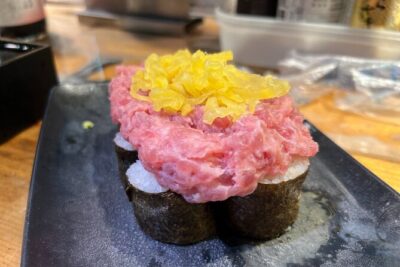
Shinjuku Food Tour (13 Dishes at 4 Local Eateries)
Read our review →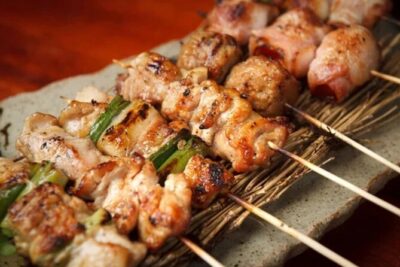
Shinjuku Food Tour (15 Dishes and 4 Eateries)
Read our review →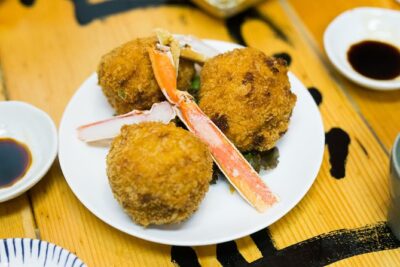
Best of Shinjuku: Izakaya Food Tour (4 Stops, 14+ Tastings)
Read our review →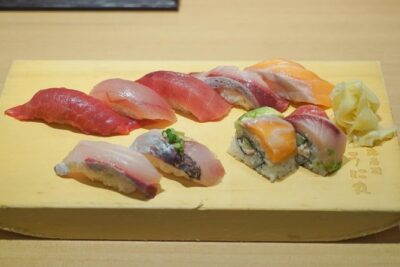
Tokyo Night Foodie Tour in Shinjuku – Seasonal Sushi, Wagyu Beef
Read our review →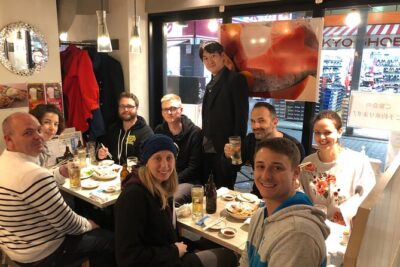
Eat and Drink Like a Local: Tokyo Ueno Food Tour-Taverns&Ramen
Read our review →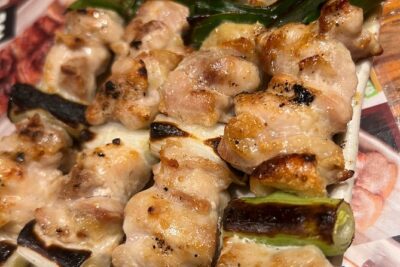
Tsukiji Fish Market: Street Food & Culture Walking Tour
Read our review →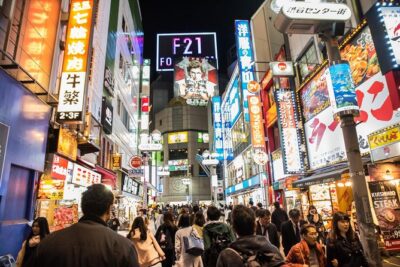
Browse the lists this tour appears in