
Reviewed · TOKYO BIKE TOURS
Shibuya Electric Bike Tour of Tokyo’s Most Expensive Neighborhood
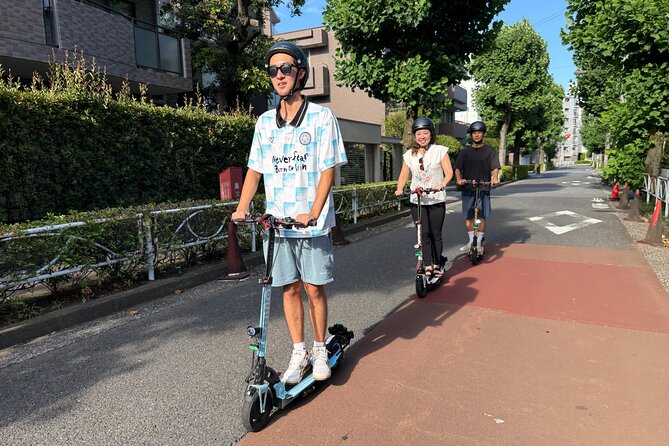
Tokyo’s most surprising streets begin just minutes from Shibuya Crossing. This small-group e-bike tour leaves the neon and crowds behind for Shōtō, Komaba, Tomigaya, and Yoyogi, where quiet lanes, old houses, smart cafés, shrines, and modern architecture sit close together.
I like the maximum of six people, which keeps the ride personal, and I like the mix of stops: a traditional teahouse, a Shinto shrine, local coffee, and Tokyo’s famously inventive public toilets. The main thing to consider is that you pay separately for food and drinks, and the tour depends on good weather.
Key points at a glance
- Quiet Shibuya neighborhoods: Ride through Shōtō, Komaba, Tomigaya, Yoyogi, and Oku-Shibuya rather than staying around the crossing.
- Pedal-assisted e-bikes: The electric bikes make the 2.5-hour route easier than a standard bicycle ride.
- A classic teahouse: Spend 30 minutes at the Former Marquis Maeda Teahouse, included in the tour price.
- Local culture: Learn shrine manners and basic Shinto customs at Yoyogi-Hachiman Shrine.
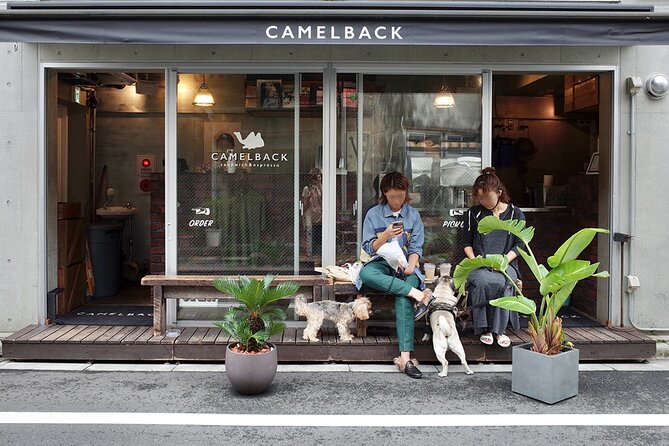
- Smart food breaks: Stop near Little Nap Coffee Stand and CAMELBACK sandwich&espresso, with food and drinks purchased separately.
- Very small group: The tour accepts no more than six people, a real advantage on narrow city streets.
Why this is a different side of Shibuya
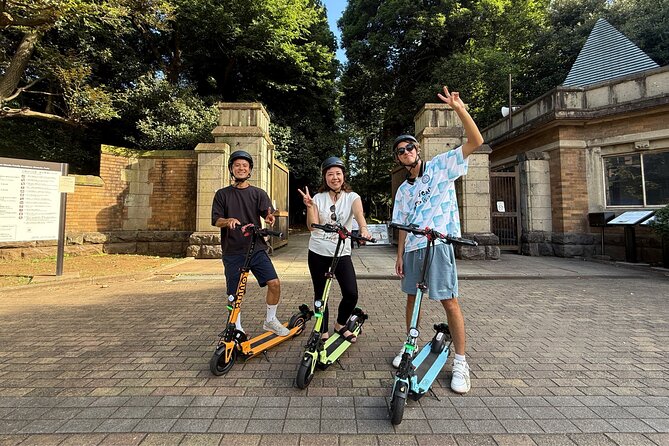
Shibuya is usually presented as Tokyo at full volume: giant screens, packed crossings, department stores, and late-night streets. This ride shows you the quieter edge of the same district. Within a short distance, the mood changes from city spectacle to residential lanes and low-key local shops.
That contrast is the point. You are not simply ticking off famous Tokyo sights. You are seeing how ordinary city life fits beside expensive homes, old wooden buildings, minimalist design, shrines, parks, and small cafés.
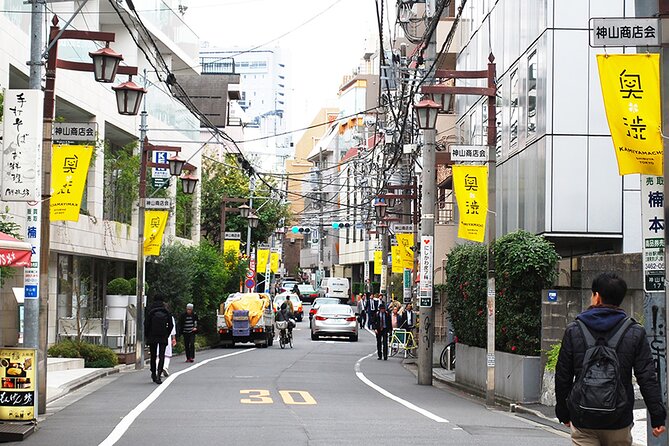
The title refers to Tokyo’s most expensive neighborhood, but the ride is less about property prices than atmosphere. Shōtō and the surrounding districts feel polished and desirable, yet they are not sealed away from daily life. You may pass traditional houses beside sleek new buildings, then turn toward a quiet shrine or a bakery.
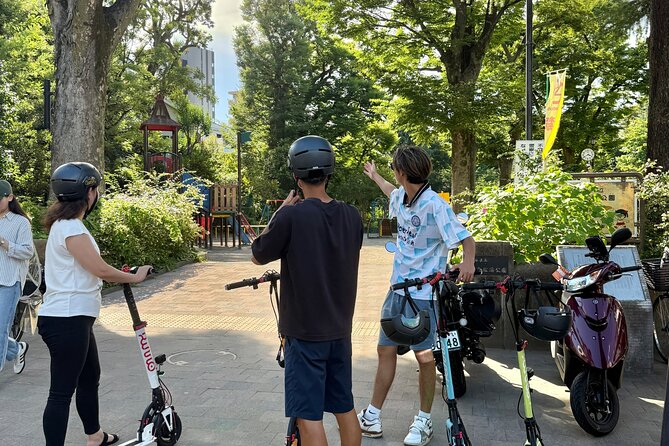
The e-bike matters here. Tokyo is not a city built around easy sightseeing on foot, and this route covers several neighborhoods in about two and a half hours. You still pedal, but the motor assistance should make the ride more manageable than using a regular bicycle.
The group limit of six is another strong feature. A large cycling group can feel awkward on narrow roads and at small stops. With six or fewer people, you should have more room to ask questions, hear the guide, and stop without turning every pause into a traffic problem.
More things to do in Shibuya:
- Official Street Go-Kart in Shibuya
★ 5.0 · 3,435 reviews - Tokyo: Street Kart Experience in Shibuya
★ 4.9 · 1,484 reviews - Shibuya Meltdown Nightlife Tour: All-You-Can-Drink Bar Hopping
★ 5.0 · 1,058 reviews
Starting near Shibuya’s Maruyamachō
The meeting point is Liquor Shop Matsumoto at 1015 Matsumoto-ya Saketen Building in Maruyamachō, Shibuya. The tour returns to this same location at the end, which makes the outing easy to fit into a day based in Shibuya.
You receive confirmation when booking, and the meeting point is near public transportation. Allow enough time to locate the shop and get ready before departure. The provided details do not specify a separate bike training session, so if you are not comfortable riding, it is sensible to raise that concern before booking.
The tour is conducted in English. Some departures may be led by Leo, a guide praised for making the ride friendly and easy to follow. The guide is part of the value here: these neighborhoods are pleasant to pass through, but the cultural context helps you understand why a shrine, teahouse, park, or public toilet matters.
Nabeshima Shōtō Park and Tokyo’s design sense
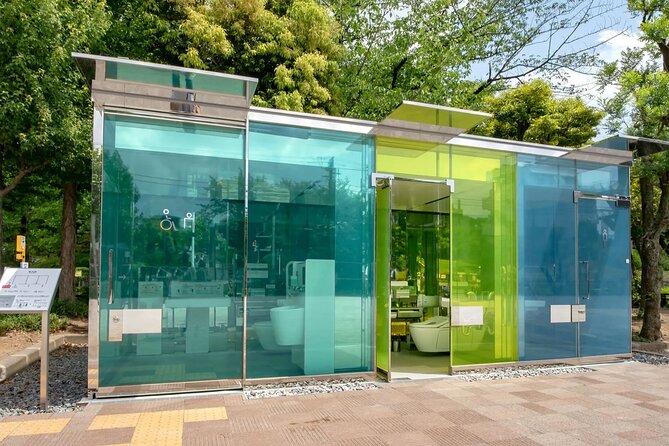
The first stop is Nabeshima Shōtō Park, with about 10 minutes to explore. The stop includes information about the park’s history and a visit to a famous public toilet designed by a world-renowned Japanese architect.
This is a small stop, but it gives you a useful introduction to Tokyo’s design culture. In Japan, even a practical facility can receive careful architectural treatment. The point is not simply to photograph a toilet. It is to notice how design, public space, and everyday use overlap in the city.
Ten minutes is enough for a quick look, not a long park visit. If you want a relaxed stroll or lots of photographs, the schedule may feel brisk. The benefit is that the tour keeps moving and leaves time for several very different neighborhoods.
A quiet pause at the Former Marquis Maeda Teahouse
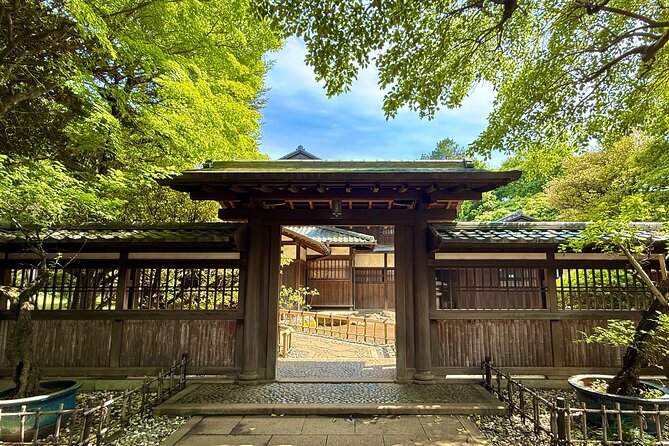
The longest stop is the Former Marquis Maeda Teahouse, where you spend around 30 minutes. Admission is included, and you park the bikes before walking inside.
This is the calm center of the route. A classic Japanese teahouse offers a clear change from riding through city streets. The setting gives you time to slow down, notice traditional details, and talk with the guide about the place rather than simply passing it from a bicycle.
The teahouse is especially valuable for visitors who want more than modern Tokyo. The route includes cafés and design-focused neighborhoods, but this stop adds a traditional element without requiring a separate trip far from Shibuya.
Do not expect a full tea ceremony unless the tour description changes to say so. The listed experience is entry and time inside the teahouse. Think of it as a peaceful cultural visit, not a formal performance.
More Tokyo bike tours:
- Tokyo Great Cycling Tour
★ 5.0 · 811 reviews - Tokyo Top Highlights 3h Guided E-bike Tour
★ 5.0 · 714 reviews - 3h Tokyo E-Bike Tour: Hidden Gems, and Local Life with guide
★ 5.0 · 670 reviews - Tokyo: 3-Hour Bike or E-Bike City Highlights Tour
★ 4.8 · 435 reviews
Tomigaya’s small shops and local pace
The ride continues to Panamaboy Co., Ltd., a cozy vintage and accessories shop in the quiet Tomigaya neighborhood. The stop lasts about 10 minutes.
This is the kind of place that is hard to plan into a standard first-time Tokyo itinerary. It is not a major sight, and that is exactly why it works. The shop helps you see the local character of the district, where independent retail and small creative businesses fit into residential streets.
Ten minutes gives you a quick look rather than a long shopping session. Food, purchases, and other personal spending are not included in the tour price. If you see something you want, you will need to pay for it yourself.
Tomigaya also helps link the route together. You have moved from an elegant residential area and park to a traditional teahouse, then into a neighborhood with a more relaxed, creative feel. The changes happen over a short distance, which is one of the pleasures of cycling here.
Understanding shrine manners at Yoyogi-Hachiman
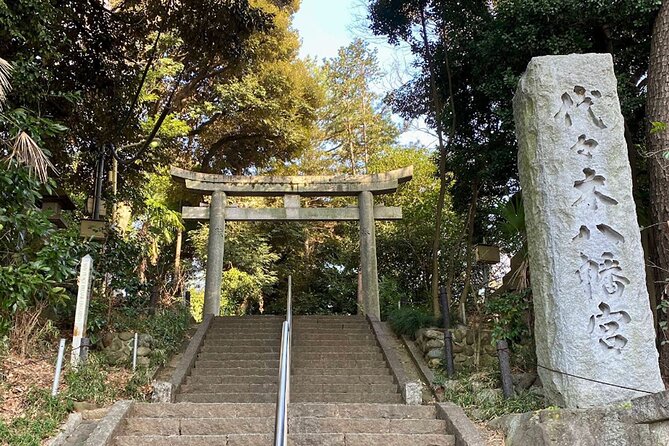
At Yoyogi-Hachiman Shrine, the group spends about 20 minutes walking with the guide. This is the main cultural stop, since you learn about Shinto and the proper manners for visiting a shrine.
A shrine visit can be confusing if you do not know what the gates, purification area, and offering steps mean. A guide can explain the basic customs and help you behave respectfully without turning the visit into a rushed photo stop.
Yoyogi-Hachiman is also a good reminder that Tokyo is not only skyscrapers and consumer districts. A quiet shrine can sit close to busy urban areas, yet feel separated from them. The ride makes that contrast clear in a way a subway journey cannot.
Twenty minutes is enough for an introduction, though it will not cover every detail of Shinto or the shrine’s story. I see this as a useful first look, especially if you are visiting Japan for the first time and want some cultural grounding.
Coffee at Little Nap and an egg sandwich at CAMELBACK
The food stops are spread through the ride. Little Nap Coffee Stand provides a quick coffee break of about 15 minutes. Later, the group stops at CAMELBACK sandwich&espresso for another 15-minute break.
Food and drinks are not included, so budget extra yen for these pauses. The short schedule means you should think of them as refreshment stops, not long café meals. You may want to choose one item rather than plan on a leisurely sit-down breakfast.
CAMELBACK is known for its signature egg sandwich, made by a former sushi chef. That detail makes the stop more than a generic coffee break. It connects a familiar Western-style sandwich with a distinctly Japanese food background.
These cafés also give you a chance to see how Tokyo’s neighborhoods work at street level. You are stopping at small local businesses rather than a large chain or a tourist restaurant. If food is a major part of your Tokyo plans, the stops can point you toward places worth revisiting later.
The tradeoff is timing. Fifteen minutes passes quickly, especially if the café is busy or you want to order several things. Food and drink purchases are your responsibility, and the tour does not promise a full meal.
Yoyogi Fukamachi Mini Park and public design
The final unusual stop is Yoyogi Fukamachi Mini Park. You spend about 10 minutes viewing Japan’s first public toilet to use light-control film. With a button, the glass changes from transparent to opaque.
This is a very Tokyo kind of sight: practical, technical, and unexpectedly playful. The stop shows how public design can become part of a neighborhood’s identity. It is also a short, memorable break between the traditional shrine and the café stops.
Again, ten minutes is enough to understand the idea and take a photo, but not enough for an extended park visit. The route uses small stops well. Each one adds a different note, and no single attraction needs to carry the whole experience.
What the $52.03 price gives you
At $52.03 per person, the price includes the electric bike, an English-speaking guide, and admission to the Former Marquis Maeda Teahouse. Food, drinks, tips, and purchases at the vintage shop are extra.
The value depends on how you would otherwise explore these districts. You could walk through part of Shibuya for free, but covering Shōtō, Komaba, Tomigaya, Yoyogi, and Oku-Shibuya in one outing would take more planning and energy. Public transportation can move you between areas, but it will not show you the small streets between the stations.
I think the strongest value comes from the combination of transport and interpretation. The bike gets you around, while the guide gives context to the teahouse, shrine, neighborhood architecture, and public facilities. The six-person limit also makes the price easier to justify than it would be for a large group ride.
The price is less attractive if you mainly want a long café visit, serious shopping, or a formal cultural lesson. This is a moving neighborhood tour with short stops. You are paying for access, routing, and local explanation, not a full meal or an all-day sightseeing program.
Group discounts are available, which may help if you are booking for several people. Since the tour is often reserved well in advance, booking early is sensible if your Tokyo dates are fixed.
Who will enjoy this ride most
I would choose this tour if you have already seen, or plan to see, the major Shibuya sights and want a quieter side of the district. It suits visitors who like architecture, local shops, cafés, shrines, and the small details of city life.
It is also a good match for anyone who wants to cover more ground without committing to a long walking tour. The electric assistance should help, but you are still riding a bicycle, so basic comfort on two wheels matters.
The tour may suit first-time visitors especially well because it introduces several parts of Tokyo at once. It can also work for repeat visitors who want something less predictable than another major shopping street.
I would be cautious about booking it if you dislike riding in urban areas, need a slow pace, or want guaranteed time for a full meal. The tour requires good weather, and poor weather can lead to a rescheduled date or full refund. You can cancel for a full refund up to 24 hours before the start time, but changes or cancellations inside that window are not accepted.
Should you book the Shibuya e-bike tour?
Book it if your ideal Tokyo afternoon includes quiet residential streets, a traditional teahouse, a shrine lesson, small cafés, and odd bits of public design. The route feels personal because the group is capped at six, and the electric bikes make several neighborhoods practical in one short outing.
Skip it if your priority is famous landmarks, a formal tea ceremony, or a substantial food tour. The stops are brief, and you pay extra for everything you eat or drink.
For most visitors who want to see beyond Shibuya Crossing, this is a smart use of two and a half hours. You get a useful orientation to several neighborhoods, a guide who can explain local customs, and a pleasant change of pace from central Tokyo’s louder streets.
FAQ
Where does the Shibuya e-bike tour start?
The tour starts at Liquor Shop Matsumoto, 1015 Matsumoto-ya Saketen Building, Maruyamachō, Shibuya, Tokyo 150-0044.
Where does the tour end?
The tour ends back at the meeting point.
How long does the tour take?
The experience lasts approximately 2 hours and 30 minutes.
How many people can join the tour?
The maximum group size is six travelers.
Is an electric bike included?
Yes. The price includes an electric bike with pedals.
Is a guide included?
Yes. An English-speaking guide is included. One guide named in the available tour information is Leo.
Are food and drinks included?
No. Food and drinks at Little Nap Coffee Stand, CAMELBACK sandwich&espresso, or other stops are purchased separately.
What happens if the weather is poor?
The experience requires good weather. If it is canceled because of poor weather, you will be offered another date or a full refund.
Newly reviewed around Tokyo
- Tokyo Asakusa:Calligraphy & Make T-shirt Activity★ 5.0 · 62 reviews
- Intercity Shuttle, Tokyo to Haneda /Narita /Yokohama /Makuhari★ 5.0 · 5 reviews
- 1 Hour Travel around Tokyo with a Professional Photographer★ 5.0 · 3 reviews
- Travel Tokyo with Your Own Personal Photographer★ 5.0 · 43 reviews
- Train in Samurai Swordsmanship and Defeat the Demon in Tokyo★ 5.0 · 5 reviews
- Shuttle Van 6hr Tokyo Tour to-and-from Tokyo, Yokohama and Narita★ 5.0 · 9 reviews
- Kickboxing & Body Training with EX-Pro Fighter★ 5.0 · 4 reviews
- Traditional Japanese Knife Sharpening Class★ 5.0 · 18 reviews
Tokyo Bike Tours, compared.
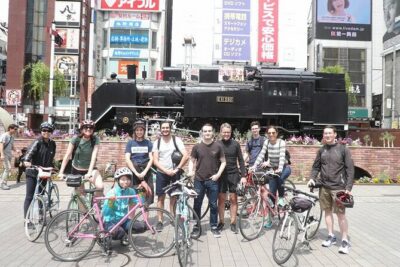
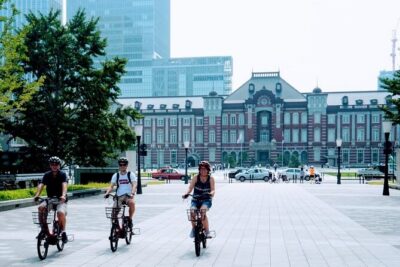
3h Tokyo E-Bike Tour: Hidden Gems, and Local Life with guide
Read our review →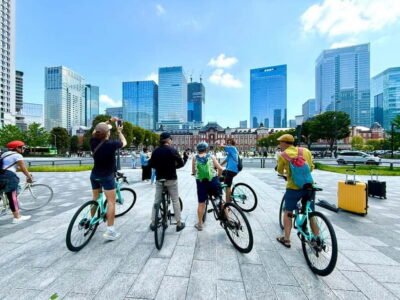
3-hour Guided E-Bike Tour of the City’s Hidden Gems
Read our review →
3-Hour Bike/E-Bike Tour of the City’s Highlights
Read our review →
Browse the lists this tour appears in