Reviewed · GUIDED
Private Tour in Tokyo with Local Guide
Tokyo is at its best when you can change plans on the fly, and this private tour with Juan Pablo is built for exactly that. You can begin at your hotel, set your own pace, and spend more time wherever the city grabs you, from a temple fortune to a hard-to-find anime figurine.
I especially like the chance to combine very different sides of Tokyo in one day, and the guide’s effort to arrange the route around your interests before you arrive. The main consideration is cost: at $160 per person, transport, meals, and paid attractions come on top, so the value depends on how much you want personal guidance.
Key points at a glance
- Juan Pablo plans around you: Share your interests in advance, from Japanese food and culture to shopping and pop culture.
- Hotel pickup starts the day simply: You do not need to find a meeting point across town.
- Four major Tokyo districts are available: Senso-ji, Akihabara, Harajuku, and Shibuya offer very different city experiences.
- Your pace controls the day: Stop for a coffee, linger at a shop, or change the balance between sightseeing and shopping.
- Expect a walking-heavy outing: Public transport can be used, but you pay the fares separately.
- The full route takes about 8.5 hours: The advertised tour length is flexible, from roughly 5 to 9 hours.
A private Tokyo day instead of a fixed group route
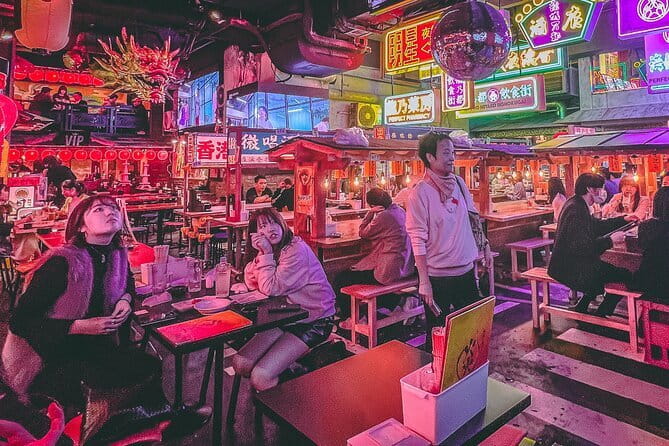
This is not a standard sightseeing circuit where you trail behind a guide and wait for a whole group to catch up. Juan Pablo offers a private day for your party, with a route shaped by what you want to see, buy, eat, or understand.
That matters in Tokyo. One person may want a calm morning at Meiji Shrine, while another would rather spend three hours checking game shops in Akihabara. A fixed tour has to split the difference. Here, you can make that choice yourself.
Juan Pablo asks about your wishes ahead of time, which gives him a chance to build a practical plan. You can request major sights, local food, Japanese traditions, anime goods, electronics, fashion, or some mix of everything. His approach also allows room for surprises, including interesting places that fit your route but may not have been on your original list.
The tour lasts about 5 to 9 hours. The four suggested stops add up to around 8.5 hours, so seeing all of them in one day means keeping a fairly brisk rhythm. If you want a slower visit, choose fewer neighborhoods and let the time work in your favor.
More private tours in Tokyo:
- Tokyo 6hr Private Tour with Government-Licensed Guide
★ 5.0 · 3,902 reviews - Private Tour to Mt. Fuji and Hakone (Fully Licenced Operator)
★ 5.0 · 1,910 reviews - Tokyo Customized Private Tour (Must See Places in 1 Day)
★ 5.0 · 1,499 reviews
Senso-ji: Tokyo’s best first lesson in old and new
At Senso-ji, you begin through Kaminarimon Gate, marked by its enormous red lantern. It is one of Tokyo’s most recognizable entrances, but it is more than a photo stop. The gate leads toward Nakamise, a shopping street lined with traditional souvenirs and snacks.
This is a good place to learn how religious sites and everyday commerce sit side by side in Japan. You might browse kimonos, small gifts, and other traditional items before reaching the temple grounds. Look for ningyo-yaki, small cakes filled with sweet red bean paste, which make an easy snack while walking.
The main hall and five-story pagoda give the stop its visual weight. Juan Pablo can explain Buddhist traditions and help you take part in simple customs, such as drawing an omikuji fortune or cleansing at the water fountain. These small actions make the visit more engaging than simply taking a picture and moving on.
The listed time here is two hours, a sensible amount for the gate, shopping street, temple buildings, and a little explanation. Admission is listed as free, though any separate attraction charge elsewhere in the day is your responsibility.
Senso-ji can be crowded, especially around the main approach. That is part of its character, but it also means you should not expect a quiet temple visit. If you want the most peaceful version of this stop, ask Juan Pablo to adjust the timing or keep the visit focused on the temple grounds rather than extended shopping.
Akihabara: three hours for gadgets, games, and collectibles
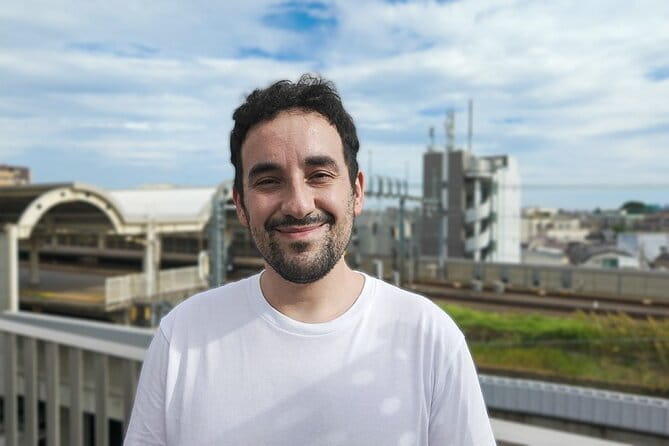
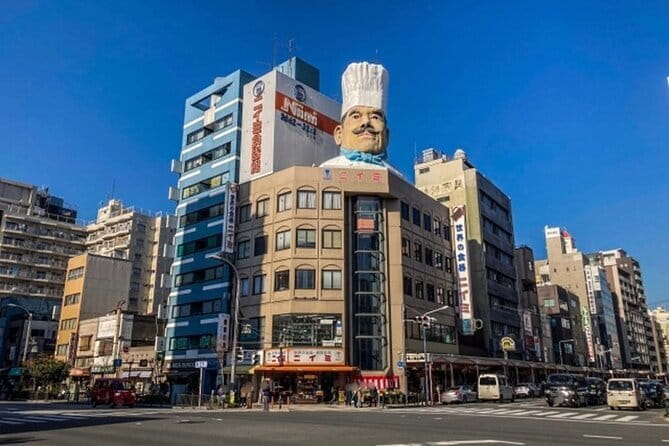
Akihabara is the longest stop, with about three hours set aside for electronics, anime, manga, gaming, and related shopping. That extra time makes sense. The district can feel confusing if you are searching for one particular item, especially when stores are spread through multi-floor buildings.
Tell Juan Pablo what you hope to find before the day begins. You may be looking for a unique figurine, a retro game, a piece of electronics, or a character item that is hard to identify in Japanese shops. His role here is especially useful as a translator of the district’s many choices and as someone who can help turn general interest into a workable route.
The visit can include electronics stores, anime shops, specialty stores, retro gaming arcades, manga cafes, and themed cafes such as maid cafes. Not every stop is equally interesting to every person, so the private format helps you avoid spending half a day in shops that do not match your taste.
The district is best for someone with a clear interest in Japanese pop culture or technology. If you are not into either, three hours may feel long. You can replace part of the time with another neighborhood, ask for a shorter visit, or use Akihabara mainly as a shopping stop.
Remember that purchases, food, and drinks are not included. A themed cafe or other paid attraction may also charge an additional fee. The tour provides the guide and planning, not a shopping budget.
Harajuku: Takeshita Street, Meiji Shrine, and Omotesando
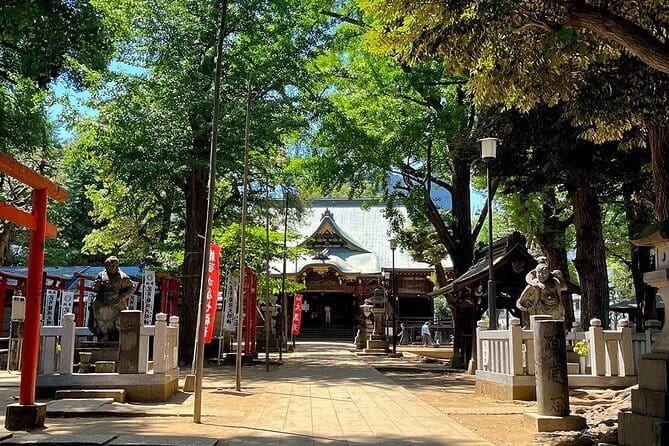
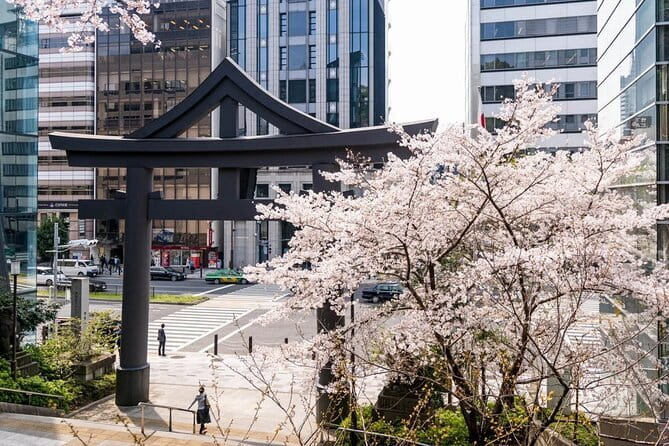
Harajuku gives you a sharp change of mood. The suggested 90-minute stop includes the youthful style of Takeshita Street, the quiet grounds of Meiji Shrine, and the polished shopping area around Omotesando.
Takeshita Street is known for colorful clothing, cute accessories, unusual fashion, and snack foods. You may see rainbow cotton candy and crepes among the quick treats. This is the place to focus on youth style and small purchases rather than traditional Tokyo.
The crowds and narrow shopping street can make this stop feel intense. That is part of what you come to see, but it is not the best setting for a slow meal or a long conversation. I would use the private guide here to point out the types of shops that fit your interests, then move on before the street becomes tiring.
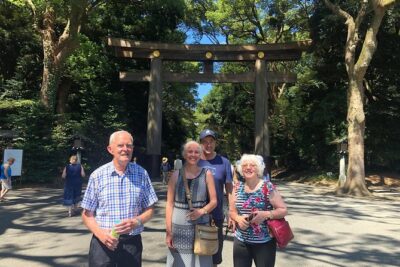
Meiji Shrine offers the needed pause. Its forested grounds feel far removed from the shops, and the visit introduces Shinto customs in a calm setting. You can learn about the shrine while walking rather than treating it as another quick photo stop.
Omotesando adds a more refined side of Harajuku, with an elegant tree-lined avenue and high-end boutiques. This contrast is the reason the neighborhood works well in a custom tour. In a short distance, you can see playful youth fashion, a major Shinto site, and upscale design.
With only 90 minutes, you will need to choose your priorities. Trying to shop seriously, visit the shrine at length, and explore Omotesando can make the stop feel rushed. Tell Juan Pablo which side matters most to you.
More guided tours in Tokyo:
- Tokyo: Shinjuku Local Bar and Izakaya Guided Walking Tour
★ 4.9 · 1,794 reviews - Tokyo: Private City Highlights Tour with Local Guide
★ 4.8 · 1,433 reviews - Tokyo: Tsukiji Fish Market Guided Walking Tour
★ 4.9 · 1,397 reviews - Tokyo 4hr Private Tour with Government-Licensed Guide
★ 5.0 · 1,394 reviews
Shibuya: Tokyo’s famous crossing and modern city life
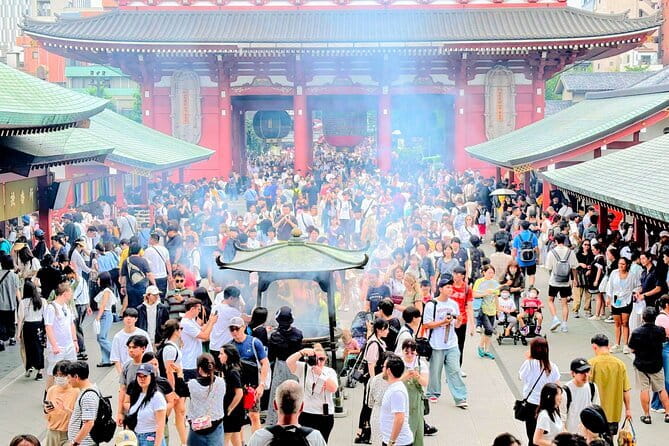
Shibuya is given about two hours, enough time for the famous crossing, Hachiko Statue, shopping, and a food break if you keep moving.
At Shibuya Crossing, you can watch several streams of pedestrians meet and separate across the intersection. It is a classic Tokyo scene, but the guide adds value by helping you understand the area beyond the crossing itself. Hachiko Statue, the memorial to the loyal dog, gives the district a more personal point of interest and remains a popular meeting place.
Shopping ranges from youth fashion at Shibuya 109 to luxury and contemporary stores at Shibuya Hikarie. You can also ask to look for smaller boutiques or focus on browsing rather than buying. The private format makes it easier to avoid a shopping-heavy route if you have already spent the day in Akihabara and Harajuku.
Food is another good reason to keep time in Shibuya. The area offers ramen and street snacks, and Juan Pablo can help you find a local restaurant that suits your preferences. One especially useful detail from the available feedback is that he has taken people to a very good local restaurant and made room for a coffee break when needed. That suggests a practical guide who watches the pace, not someone determined to march through a checklist.
Two hours is enough for an introduction, but not for every shop and food option. If Shibuya is a priority, consider shortening another stop. If it is mainly a photo and atmosphere stop, the suggested timing should work.
What $160 buys you, and what it does not
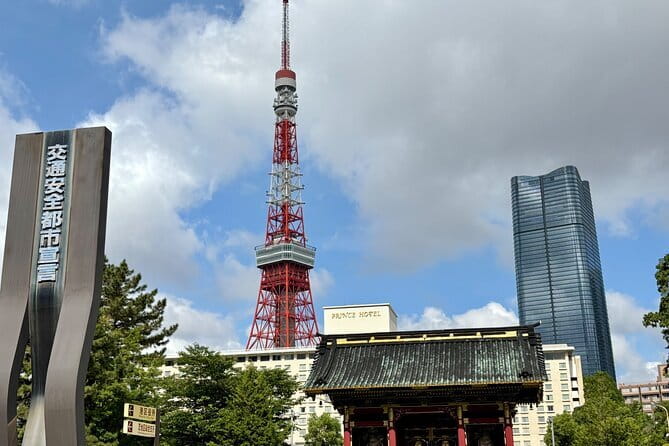
The price is $160 per person. That is not a cheap way to sightsee, but it is not simply a fee for walking between famous places. You are paying for a private guide, hotel pickup, advance planning, and the ability to shape the day around your group.
The value improves when you have a specific goal. A collector searching for a particular figurine, a first-time visitor who wants help with Japanese customs, or a couple hoping to combine temples with local food may get much more from personal service than from a general group outing.
The value is less clear if you only want to photograph Senso-ji, Shibuya Crossing, and Hachiko Statue. You could visit major public sights independently, and the tour does not include food, drinks, train fares, or paid attractions.
Transport is the main extra cost to plan for. The experience is on foot, though other forms of transport can be used at your expense. Since the suggested route covers several districts, you should expect public transport to be useful if you want to visit all four in one day. Wear comfortable shoes and allow for the walking between stations, streets, shops, and shrine grounds.
There is no admission charge listed for the four main stops, but the included attractions note means you should pay separately for any activity that carries a fee. Shopping, cafe orders, and meals are also yours to cover.
How Juan Pablo’s guiding style affects the day
The strongest part of this experience is the personal attention. Juan Pablo has been praised for adjusting the pace, showing extra places, and making time for coffee. That is valuable in Tokyo, where a full day can become exhausting when every minute is planned too tightly.
He has also guided people with different travel styles, including two Australian visitors who wanted a patient pace. That detail matters if your group walks slowly, needs regular breaks, or prefers explanation over speed.
The planning starts before pickup. Juan Pablo asks what you want to see, then uses those wishes to shape a route. Be specific. Say if you care more about food than shopping, want time for photography, need help finding a certain product, or want a stronger focus on Buddhist and Shinto traditions.
A private guide can also help smooth out small cultural questions. At Senso-ji, you can ask about the water fountain and omikuji. At Meiji Shrine, you can ask about Shinto practice. In Akihabara, you can explain what kind of merchandise you seek instead of wandering through unrelated stores.
Still, the quality of a custom day depends on clear communication. The more precise you are before pickup, the more useful the route is likely to be. If you simply ask for all of Tokyo in one day, the result may feel hurried.
Who should book this private Tokyo tour?
I would consider this tour a strong fit for:
- First-time visitors who want help connecting major sights
- Families or couples with different interests
- Shoppers seeking anime goods, figurines, electronics, or fashion
- People who want a local restaurant or coffee stop built into the day
- Visitors who prefer private attention to a fixed group schedule
- Anyone who wants to ask questions about Japanese culture while sightseeing
It may not suit you if you want a low-cost tour, dislike walking, or prefer to explore alone. It is also not ideal for someone who wants a silent, slow temple day if the plan includes all four districts.
The moderate fitness requirement is worth taking seriously. Even with public transport, this is an active outing across several neighborhoods. Pickup makes the beginning easier, but it does not remove the walking once the day starts.
Confirmation arrives when you book. Service animals are allowed, and the route begins near public transportation. You can cancel for a full refund up to 24 hours before the start time. Changes made inside that window are not accepted, and a minimum number of participants is required for the experience to operate.
Should you book it?
Book this tour if you want a flexible Tokyo day with a real person helping you make choices, especially if you have a shopping target, food wish, or strong interest in Japanese culture. Juan Pablo’s patient pace, advance planning, coffee breaks, and ability to show unexpected places are useful strengths.
I would not book it simply to save money or to collect a few famous photos. For that, independent sightseeing will cost less. But if you want Senso-ji, Akihabara, Harajuku, and Shibuya shaped around your own priorities, the $160 price can be reasonable, provided you budget separately for trains, food, shopping, and any paid attractions.
FAQ
How long does the private Tokyo tour last?
The experience lasts approximately 5 to 9 hours. The four suggested stops total about 8.5 hours.
Is hotel pickup included?
Yes. Pickup at your hotel is included.
Is this a private tour?
Yes. Only your group participates in the activity.
Who is the guide?
The experience provider and guide is Juan Pablo.
Can the tour be personalized?
Yes. The experience is designed around your preferences and interests, and Juan Pablo asks about your wishes in advance.
Which Tokyo areas can the tour include?
The suggested areas are Senso-ji, Akihabara, Harajuku, and Shibuya.
Are meals and drinks included?
No. Food and drinks are not included in the price.
Is transportation included?
No. The experience is mainly on foot. Other transportation can be used, but you pay the transport fees yourself.
Are attraction fees included?
No. Any fee charged by an attraction you choose to visit is paid separately.
Can I cancel for a full refund?
Yes. You must cancel at least 24 hours before the local start time for a full refund. Cancellations made less than 24 hours before the start time are not refunded.
Newly reviewed around Tokyo
- Tokyo Asakusa:Calligraphy & Make T-shirt Activity★ 5.0 · 62 reviews
- Intercity Shuttle, Tokyo to Haneda /Narita /Yokohama /Makuhari★ 5.0 · 5 reviews
- 1 Hour Travel around Tokyo with a Professional Photographer★ 5.0 · 3 reviews
- Travel Tokyo with Your Own Personal Photographer★ 5.0 · 43 reviews
- Train in Samurai Swordsmanship and Defeat the Demon in Tokyo★ 5.0 · 5 reviews
- Shuttle Van 6hr Tokyo Tour to-and-from Tokyo, Yokohama and Narita★ 5.0 · 9 reviews
- Kickboxing & Body Training with EX-Pro Fighter★ 5.0 · 4 reviews
- Traditional Japanese Knife Sharpening Class★ 5.0 · 18 reviews
Guided, compared.
Tokyo 6hr Private Tour with Government-Licensed Guide
Read our review →
Shinjuku Local Bar and Izakaya Guided Walking Tour
Read our review →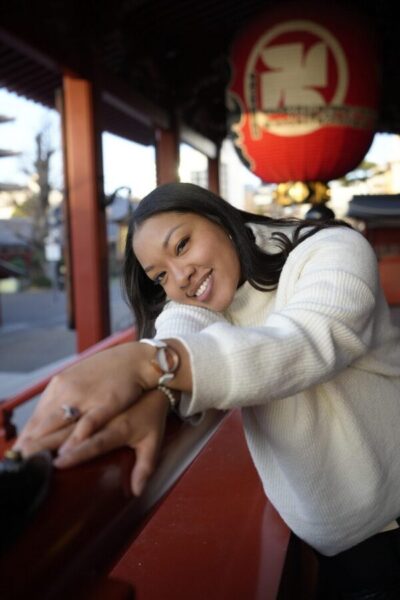
Private City Highlights Tour with Local Guide
Read our review →
Tokyo 4hr Private Tour with Government-Licensed Guide
Read our review →
Samurai Ninja Museum Guided tour and Experience
Read our review →