Reviewed · PRIVATE
Private 6hr Tokyo Essentials Tour of Tradition and Modernity
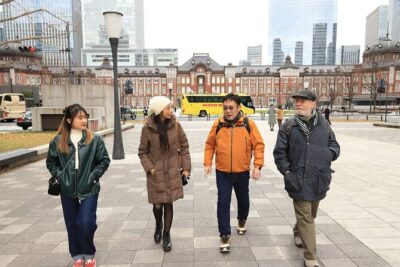
Tokyo makes a strong first impression, then quickly becomes a puzzle of neighborhoods, train lines, shrines, markets, and neon streets. This private tour puts four very different parts of the city into one useful day: seafood and street food in Tsukiji, temple traditions in Asakusa, and anime and gaming culture in Akihabara.
I like the hotel, Airbnb, or other-location pickup, since it removes the early question of how to reach a meeting point. I also like having a private guide, especially for a first Tokyo visit. You can ask simple questions without worrying about holding up a group, and you can get help with the subway as you go.
The main trade-off is pace. Four stops in six hours means you get a sharp introduction, not a slow, thorough visit to each district. Food, transit, and attraction costs are extra, and the tour is mainly on foot and by public transportation.
Key points to know before booking
- Four sides of Tokyo in six hours: Tsukiji, Ueno, Asakusa, and Akihabara give you food, parks, temples, markets, and pop culture in one outing.
- A genuinely private format: Only your party participates, so your guide can answer personal questions and adjust the conversation to your interests.
- Satoshi may be your guide: Satoshi is named in several booking accounts and is described as especially helpful with first-time visitors, families, history, and local customs. Guide assignment is not guaranteed.
- The subway is part of the experience: This is a walking tour that uses public transportation, so you should budget for your own fares and expect a fair amount of walking.
- Flexible morning departures: You can begin between 9 AM and 11 AM, a useful choice if jet lag or hotel breakfast affects your plans.
- Good for orientation, not exhaustive sightseeing: You will see a lot of Tokyo quickly, but the schedule leaves little room for long meals, museums, or extended shopping.
Four neighborhoods that explain Tokyo fast
The tour works because its route is not a random list of famous sights. Each stop presents a different version of Tokyo, and together they help you understand how the city shifts from food market to historic district to youth culture center.
You begin with Tsukiji, continue to Ueno, then spend time in Asakusa before finishing in Akihabara. Each section is planned for about an hour and a half. That timing includes walking, conversation, browsing, and movement between points, so do not treat each 90-minute block as uninterrupted sightseeing.
A private guide is especially useful here. Tokyo’s neighborhoods can feel confusing even when the train ride is simple. Your guide can explain what you are seeing, answer questions about Japanese customs, and help connect each district to the next.
More private tours in Tokyo:
- Tokyo 6hr Private Tour with Government-Licensed Guide
★ 5.0 · 3,902 reviews - Private Tour to Mt. Fuji and Hakone (Fully Licenced Operator)
★ 5.0 · 1,910 reviews - Tokyo Customized Private Tour (Must See Places in 1 Day)
★ 5.0 · 1,499 reviews
Tsukiji for seafood, snacks, and a lively start
Tsukiji is the most food-focused part of the day. The former wholesale market is famous around the world, but this visit centers on the market area, food stalls, and the atmosphere of a working neighborhood rather than a formal museum experience.
You can stroll among stalls, look for fresh seafood, and sample possibilities such as sushi, grilled seafood skewers, and Japanese street food. Food is not included, so bring room in your budget if tasting is part of your plan. The advantage of having a private guide here is practical: you can ask what a food is, how it is usually eaten, and which stalls fit your interests.
The guide can also help you avoid spending the entire morning deciding what to try. That matters because Tsukiji can be exciting but distracting. A few small tastings may be more useful than one large meal if you want to keep up with the rest of the schedule.
I would wear comfortable shoes and avoid beginning with an overly heavy breakfast. The tour does not promise a set tasting menu, so think of food purchases as optional extras rather than part of the admission price.
Ueno blends parkland, temples, and old shopping streets
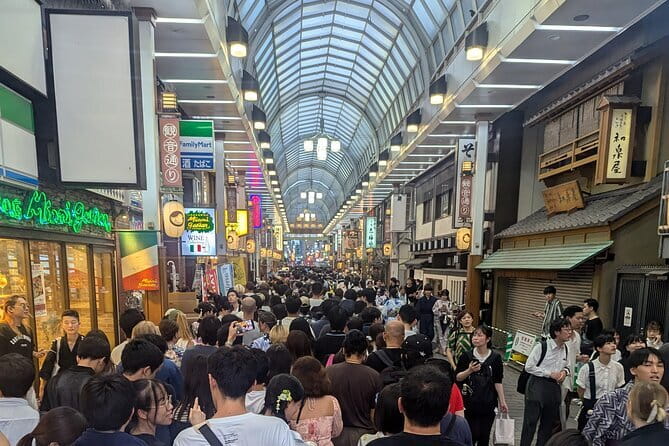
Ueno gives the day a different mood. The district is known for its broad park, historic temples, and Ameya-Yokocho, a busy postwar shopping street lined with food vendors and small shops.
This is a strong stop for visitors who want more than postcard sights. The park and temple areas bring a quieter cultural side of Tokyo, while Ameya-Yokocho shows the everyday commercial side. You can move from a place of worship to a crowded market street in a short walk, which is one reason this neighborhood works well in a compact city tour.
The 90-minute slot should let you see the main character of Ueno, but it is not enough for every attraction in the area. If you have a special interest in museums, gardens, or temples, tell your guide at the start. The tour information does not promise entry to specific museums or other paid sights, and attraction fees are not included.
Ameya-Yokocho is also a useful place to ask about Japanese shopping habits and local food. You might find snacks, market goods, and casual shops rather than polished department-store browsing. Keep your expectations practical: this is an orientation stop, not an extended shopping session.
Asakusa and the approach to Senso-ji
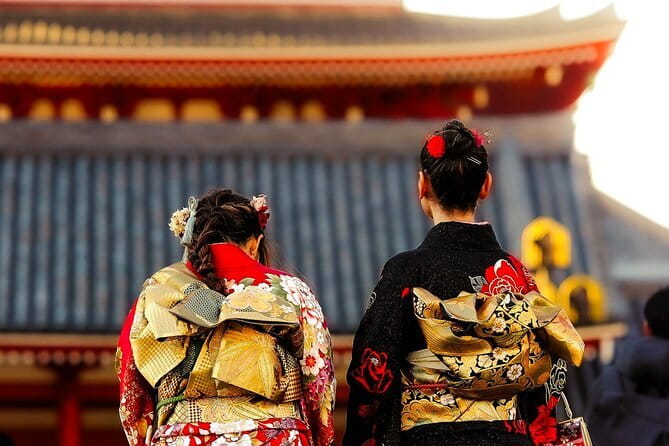
Asakusa supplies the clearest old-Tokyo contrast of the day. The focus is Senso-ji, identified as Tokyo’s oldest and most famous temple, along with Nakamise Street, the traditional shopping lane leading toward the temple.
Nakamise is a good place to look for traditional snacks and souvenirs. The approach gives you a sense of how a major religious site and a visitor-oriented shopping street function side by side. Your guide can also explain customs and the meaning of what you are seeing, which is valuable if this is your first temple visit in Japan.
Allow yourself time to look up and around rather than treating Nakamise as a straight path to the temple. The schedule is fixed, though, and the district can be crowded. Your guide’s job is not just to point out Senso-ji, but to help you understand the setting without getting lost in the flow of people.
This part will suit you if you want a strong cultural landmark without committing to a full day of temple visits. It may feel brief if you want detailed religious history, extensive photography, or long souvenir shopping. The tour gives you a useful first look, then leaves you free to return later on your own.
A completely different kind of day in Tokyo:
- Mt Fuji and Hakone 1-Day Bus Tour Return by Bullet Train
★ 5.0 · 26,383 reviews - 1-Day Tokyo Bus Tour
★ 5.0 · 14,250 reviews - Tokyo: teamLab Planets TOKYO Digital Art Museum Entry Ticket
★ 4.6 · 9,779 reviews - Mt Fuji & Hakone Cruise, Drum Show Bullet Train 1 Day from Tokyo
★ 4.0 · 7,413 reviews
Akihabara finishes with anime, games, and neon
Akihabara changes the tone again. This is Tokyo’s center for anime, gaming, electronics, arcades, and themed cafés, and it gives the tour its most modern stop.
You may browse multi-story arcades, look through retro gaming shops, and enter themed cafés if you choose. The description promises an introduction to Akihabara culture, but café visits and purchases are not listed as included benefits. Plan to pay directly for anything you buy or consume.
This is where a private guide can make the biggest difference for a newcomer. Anime and gaming stores can be visually overwhelming, and it is not always clear what is a shop, arcade, café, or specialty venue. A guide can point you toward the parts that match your interests instead of sending you into every bright doorway.
Akihabara will be more rewarding if you already know what you want to see. Tell the guide if you care most about retro games, anime, arcades, or electronics. If your interests are broad, the 90-minute visit can give you a quick sample of each.
The stop also provides a useful counterpoint to Asakusa. You go from temple gates and traditional snacks to neon signs and pop culture. That old-world-to-new-world contrast is the central idea of the tour, and Akihabara makes the point clearly.
Walking and the subway are part of the lesson
This is not a private car tour. The included experience is a six-hour walking tour, and the tour uses public transit. A private vehicle is not included, and you pay your own public transportation fares.
That setup has real value. Tokyo’s subway can seem intimidating on a first visit, but using it with a guide gives you a practical introduction to the system. You learn how the city connects its districts rather than simply watching the streets pass from a car window.
The cost is the trade-off. You need enough energy for walking and transfers, plus a little patience at stations. The information says most people can participate, but it does not specify a walking distance, step count, or detailed accessibility arrangements. If mobility is a concern, ask the provider before booking.
Wear shoes you can use for six hours. Carry water, keep your belongings manageable, and leave space in your schedule for the possibility that a market stop or train transfer takes longer than expected. The tour’s flexible start window helps, but it does not make the day leisurely.
Why a private guide changes the experience
The private format is the strongest reason to choose this tour instead of a larger group outing. Your group is the only group participating, and the guide speaks fluent English. You can ask about etiquette, food, neighborhoods, history, shopping, or train routes as questions come up.
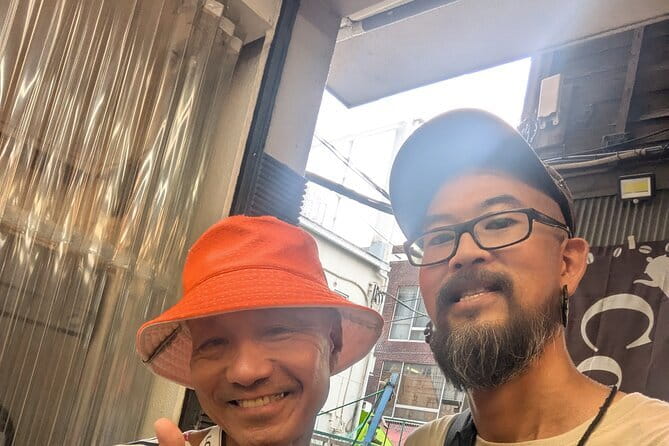
Several booking accounts single out Satoshi by name. He is described as friendly, generous with historical facts and personal experiences, and helpful with first-time visitors. One family specifically wanted a mix of old and modern Tokyo and found that the walking and subway format suited that goal. If Satoshi is assigned to your booking, you may benefit from that experience, but the supplied information does not guarantee that he will be your guide.
Another useful detail is that the guide may have friendly relationships with shop owners. That can make market browsing feel less awkward, particularly if you are unsure how to approach a stall. Still, do not assume special access or included samples. The stated inclusions cover the guide and tour, not food or shopping.
The private format also works well for families and friends with different interests. One person can ask about temples, another about anime, and another about food without forcing a large group to follow one topic for too long.
What the $215 price means
At $215 per person, this is not a budget sightseeing walk. The value depends heavily on your group size and what you want from the day.
You are paying for a private, personalized six-hour experience with hotel or accommodation pickup and a fluent English-speaking guide. For a first visit, that can save time and reduce the stress of working out Tokyo’s neighborhoods and subway connections alone. It also gives you a direct way to ask questions throughout the day.
You are not paying for lunch, food tastings, public transportation, attraction entry, or a private vehicle. Those extras can raise the final cost. Since the four main stops are public districts and landmarks, the price is mainly for the guide’s time, route planning, interpretation, and convenience.
I see the best value for a couple, family, or small group that wants a private orientation early in a Tokyo trip. If you are a confident independent visitor who already understands the subway and has a firm sightseeing plan, the cost may be harder to justify.
Group discounts are available, but the supplied details do not state the discount amount. Check the current total for your party before you book.
Best timing and who should choose it
You can start between 9 AM and 11 AM. I would choose the earliest start if you want to make the most of each district and leave your evening open. A later start may suit you if you have just arrived, are managing jet lag, or prefer a slower hotel morning.
This tour is a good fit if:
- It is your first time in Tokyo.
- You want both traditional sights and modern pop culture.
- You prefer a private guide over a fixed group.
- You want hotel, Airbnb, or other-location pickup.
- You are comfortable walking and using the subway.
- You have six hours but not enough time to plan the city on your own.
It is less suitable if you want a relaxed food tour, a private car, extensive museum visits, or long shopping sessions. It also may not satisfy you if you already know these four districts well.
Booking confirmation is provided at the time of booking. The experience is near public transportation, and most people can participate. Free cancellation is available up to 24 hours before the start time, while later cancellations and changes are not accepted for a refund.
Should you book this Tokyo tour?
Book it if you want a clear first look at Tokyo and value personal guidance more than a low price. The route gives you seafood stalls, a historic shopping street, Senso-ji, and Akihabara in one day, while the subway ride helps you understand how the city fits together.
Skip it if you would rather choose every stop yourself or spend a full morning in one market, temple district, or gaming center. The tour moves quickly, and extras cost more.
For most first-time visitors with limited time, I would consider it a useful orientation day. Tell the guide your priorities at pickup, ask whether Satoshi is available if that matters to you, and budget separately for transit, food, and purchases.
FAQ
How long does the Tokyo tour last?
The tour lasts approximately six hours.
Which neighborhoods are included?
The route includes Tsukiji, Ueno, Asakusa, and Akihabara.
Is hotel pickup available?
Yes. Pickup is offered from your hotel, Airbnb, or another specified location.
What time can the tour begin?
You can choose a departure time between 9 AM and 11 AM.
Is public transportation included?
No. The tour uses public transportation, but public transportation fees are not included in the price.
Is lunch included?
No. Lunch for guests is not included.
Can I cancel for a full refund?
Yes, if you cancel at least 24 hours before the experience start time. Cancellations or changes made less than 24 hours before the start time are not accepted for a refund.
Newly reviewed around Tokyo
- Tokyo Asakusa:Calligraphy & Make T-shirt Activity★ 5.0 · 62 reviews
- Intercity Shuttle, Tokyo to Haneda /Narita /Yokohama /Makuhari★ 5.0 · 5 reviews
- 1 Hour Travel around Tokyo with a Professional Photographer★ 5.0 · 3 reviews
- Travel Tokyo with Your Own Personal Photographer★ 5.0 · 43 reviews
- Train in Samurai Swordsmanship and Defeat the Demon in Tokyo★ 5.0 · 5 reviews
- Shuttle Van 6hr Tokyo Tour to-and-from Tokyo, Yokohama and Narita★ 5.0 · 9 reviews
- Kickboxing & Body Training with EX-Pro Fighter★ 5.0 · 4 reviews
- Traditional Japanese Knife Sharpening Class★ 5.0 · 18 reviews
Private, compared.
Tokyo 6hr Private Tour with Government-Licensed Guide
Read our review →
Private Tour to Mt. Fuji and Hakone (Fully Licenced Operator)
Read our review →
Tokyo Customized Private Tour (Must See Places in 1 Day)
Read our review →
Mount Fuji Full-Day Private Tour from Tokyo (Customizable)
Read our review →
Private City Highlights Tour with Local Guide
Read our review →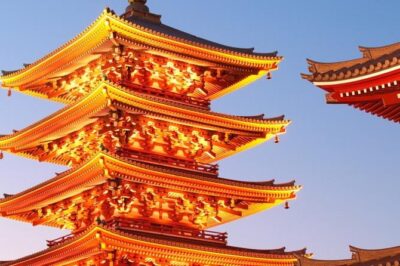
Tokyo 4hr Private Tour with Government-Licensed Guide
Read our review →