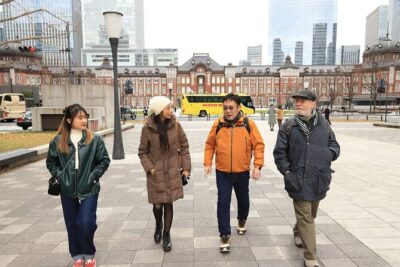
Reviewed · PRIVATE
Perfect Start for your Japan Trip – Private Tour in Tokyo
Tokyo makes its first impression in sharp contrasts: the quiet forested approach to Meiji Jingu Shrine gives way to Takeshita Street’s teenage fashions, then to Shibuya’s giant crossing and Shinjuku’s neon towers. This private walk puts those contrasts together in one fast-moving introduction.
I like the personal format and the guide, Jero, who shapes the outing around your interests. I also like the small touches, especially green tea, a Japanese snack, landmark photos, and the chance to ask about anime, fashion, customs, and daily life. The main concern is practical: the advertised duration is four hours, yet the schedule also includes Asakusa and travel time that appears to run beyond four hours. Confirm the exact route before booking.
Key points at a glance
- Meiji Jingu starts the day quietly: Learn basic Shinto customs before Tokyo’s crowds and bright signs take over.
- Harajuku packs in style and food: Takeshita Street, Cat Street, and Tokyu Plaza show different sides of the district.
- Shibuya is more than one crossing: Miyashita Park offers a calmer stop before you face the famous intersection.
- Shinjuku finishes with old and new Tokyo: Omoide Yokocho, Godzilla, and Kabukicho Tower create a strong night-city finale.
- Jero is the named guide: The tour is offered in English or German and can be adjusted to your interests.
- Check the route carefully: Asakusa appears in the detailed schedule, but the main description focuses on Harajuku, Shibuya, and Shinjuku.
Why this makes a strong first look at Tokyo
If you have just arrived in Japan, this tour gives you a useful orientation without trying to explain the whole country in one sitting. You see a shrine, a youth shopping street, a major urban crossing, a local-looking food lane, and a neon entertainment district. Those scenes help you understand Tokyo’s range very quickly.
The private format matters here. Tokyo can feel confusing at first, especially when you are moving between districts, stations, crowds, and different social settings. With Jero beside you, you can ask the questions that do not always fit into a large group tour, such as how to behave at a shrine, what a certain fashion style means, or where anime and other subcultures fit into city life.
I would book this for your first or second day if you want a human introduction to Tokyo. It gives you useful bearings and may help you decide where to return later. It is less suitable if you want a slow food crawl, a long shopping session, or a deep visit inside each district.
More private tours in Tokyo:
- Tokyo 6hr Private Tour with Government-Licensed Guide
★ 5.0 · 3,902 reviews - Private Tour to Mt. Fuji and Hakone (Fully Licenced Operator)
★ 5.0 · 1,910 reviews - Tokyo Customized Private Tour (Must See Places in 1 Day)
★ 5.0 · 1,499 reviews
Meiji Jingu: calm before the city rush
The meeting point is at Meiji Jingu Ichino Torii, the large entrance gate. If you arrive on the JR Yamanote Line, use the west exit, then look for the guide on the left side beside the big entry gate.
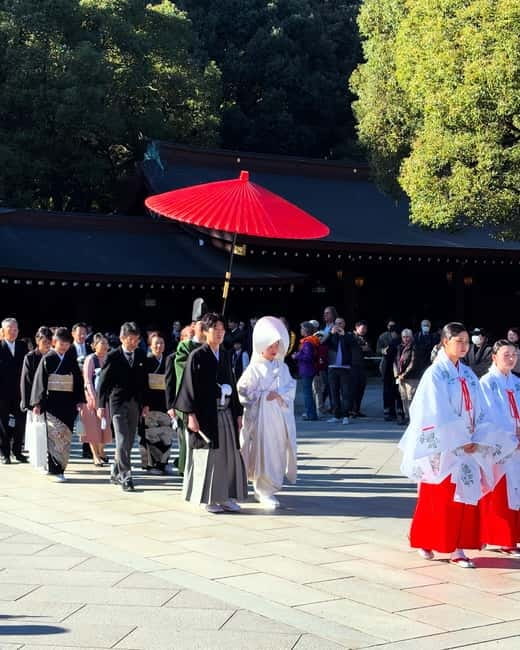
The approach to Meiji Jingu is one of the most effective parts of the outing. The city noise falls away as you walk toward one of Tokyo’s best-known Shinto shrines. Your guide explains the shrine’s cultural role and some traditional rituals, giving you context before you reach the main buildings.
You should expect about 50 minutes here. That is enough time for a guided introduction, though not an exhaustive study of every feature. Pay attention to the basic etiquette. You may learn how visitors behave at a Shinto shrine, what the gates represent, and how the visit differs from simply photographing a pretty building.
I like this opening because it gives the rest of the tour a useful counterpoint. Harajuku is close by, but the mood is entirely different. That shift from wooded shrine grounds to youth fashion is one of the clearest ways to grasp Tokyo’s character.
Wear shoes that can handle firm walking surfaces and a long morning on your feet. An umbrella or raincoat is sensible because the tour runs in most weather conditions unless arrangements change.
Takeshita Street and Harajuku style
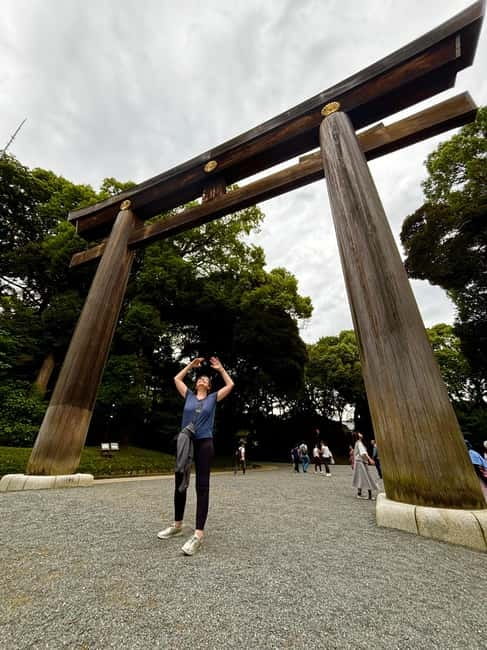
From Meiji Jingu, you move into Harajuku and along Takeshita Street. The guided portion here is listed as about 20 minutes, so think of it as a lively introduction rather than a full shopping stop.
Takeshita Street is known for shops, snacks, colorful displays, and youth fashion. Your guide can help you read the scene instead of simply pushing through the crowd. You will have chances to buy street food and Japanese treats, but food and drinks beyond the provided tea and snack are not included.
The next Harajuku section lasts about 40 minutes and focuses on the district’s street-style culture. This is where the private format can be especially useful. Harajuku’s clothing, accessories, pop culture, and unusual subcultures can be hard to understand from a quick walk past shop windows. Ask Jero to explain the styles and places that match your interests.
A stop at Tokyu Plaza gives you a good photo opportunity, and Cat Street brings a different feel. The tour description presents Cat Street as fashionable and trendy, so you should expect a change from Takeshita Street’s louder, younger energy. Together, these stops show Harajuku as more than one shopping road.
The tradeoff is time. Forty minutes can give you an overview, but it will not leave room for serious shopping, long café breaks, and many food stops. If you want to buy specific items, tell Jero early so the route can be adjusted where possible.
Miyashita Park and the famous Shibuya crossing
Before Shibuya Crossing, the tour makes a short stop at Miyashita Park. You can grab a coffee or spend a little time in the rooftop setting. This is a smart pause in the middle of a busy walk, though the cost of coffee is not included.
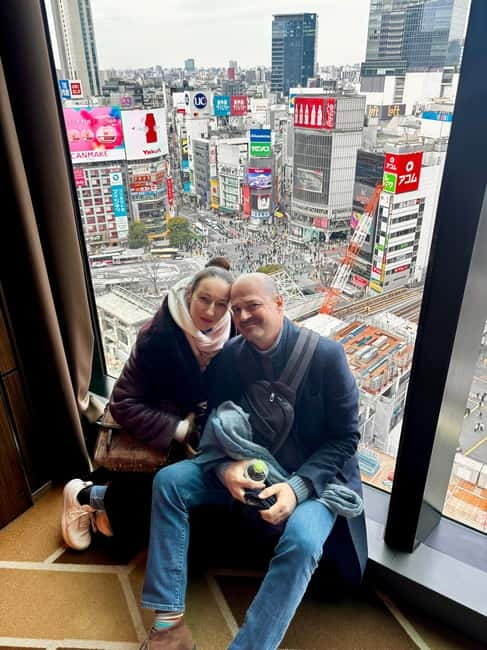
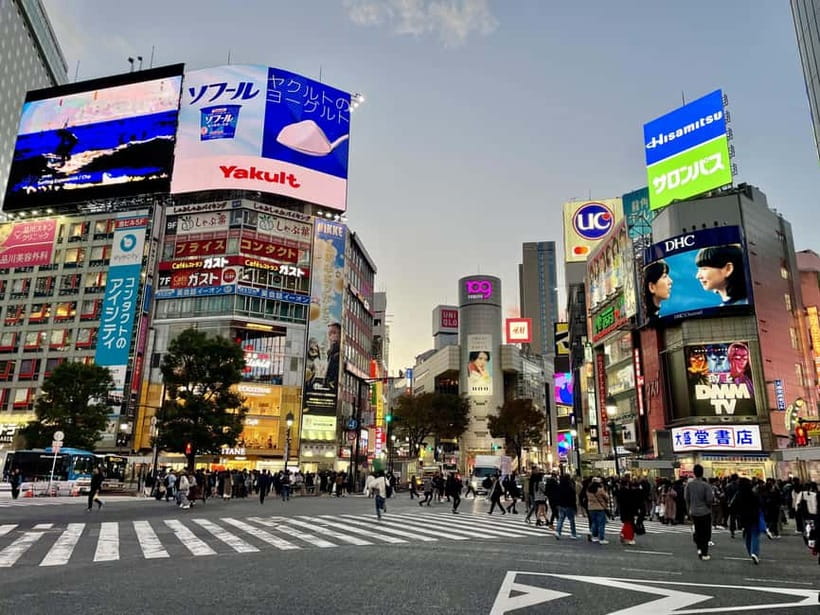
Then comes Shibuya Crossing, scheduled for about 40 minutes. The crossing is not just a place to rush across the road. It is a chance to watch Tokyo’s movement from the edge, join the flow, and see how the city turns a simple commute into a major public scene.
You will also get help finding good photo angles and landmark views. The tour includes photos of you with famous sights, which is useful if you are traveling alone or want more than quick snapshots taken at arm’s length.
Shibuya can be crowded, noisy, and tiring. That is part of the point, but it also means you should keep your belongings close and stay aware of the group. Comfortable shoes are essential. The crossing itself takes little time, so the value comes from the surrounding explanation, photographs, and the chance to ask what makes Shibuya such a strong symbol of modern Tokyo.
A completely different kind of day in Tokyo:
- Mt Fuji and Hakone 1-Day Bus Tour Return by Bullet Train
★ 5.0 · 26,383 reviews - 1-Day Tokyo Bus Tour
★ 5.0 · 14,250 reviews - Tokyo: teamLab Planets TOKYO Digital Art Museum Entry Ticket
★ 4.6 · 9,779 reviews - Mt Fuji & Hakone Cruise, Drum Show Bullet Train 1 Day from Tokyo
★ 4.0 · 7,413 reviews
The train to Shinjuku and a two-sided finale
The schedule allows about 10 minutes for the train to Shinjuku. Transportation to Shinjuku is included, which removes one small cost and lets you focus on the guide rather than ticket details.
Shinjuku gets about 50 minutes in the stated route. The district offers a strong contrast to Harajuku. Here, the emphasis shifts toward tall buildings, bright signs, entertainment streets, and older pockets that have survived beside major development.
Omoide Yokocho is one of the most interesting stops. This narrow, traditional food street gives you a look at a more intimate side of Shinjuku. The atmosphere can feel very different from the broad avenues and skyscrapers nearby. You might find small food counters and close-packed lanes, but any meal or extra drink is your own expense.
The route also points out Godzilla, a playful landmark in the district. It is the sort of stop that works well with a guide because Jero can explain where to look and help you get the photo rather than leaving you to search through the signs.
The final stop is Kabukicho Tower in Shinjuku’s Kabukicho area. This is the place for Neon Tokyo, with towering lights and a strong sense of the city after dark. The schedule also mentions a 25-minute train ride later, but the exact purpose and destination of that ride are not clear from the supplied details. Ask for clarification when you reserve.
The Asakusa question you should settle first
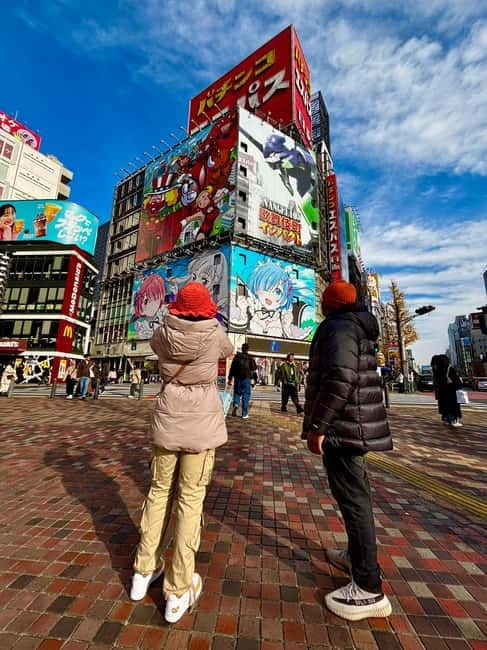
Asakusa appears as a one-hour visit with a guided tour in the detailed schedule, followed by a finish marked only as 2. Yet the main description centers on Meiji Jingu, Harajuku, Shibuya, and Shinjuku, and the stated duration is four hours.
That matters. A four-hour walk through three major districts is already brisk. Adding Asakusa, which is not close to the other stops, would make the timing difficult. I would contact Shiny Tours Tokyo before paying and ask three direct questions:
- Is Asakusa included on your chosen departure?
- Is the experience four hours or longer?
- Does the route finish in Shinjuku, Asakusa, or another location?
This is not a minor detail if you have a dinner reservation, a train to catch, or limited time in Tokyo. The tour may be customized, but you should have the final plan in writing.
What the $145 price means
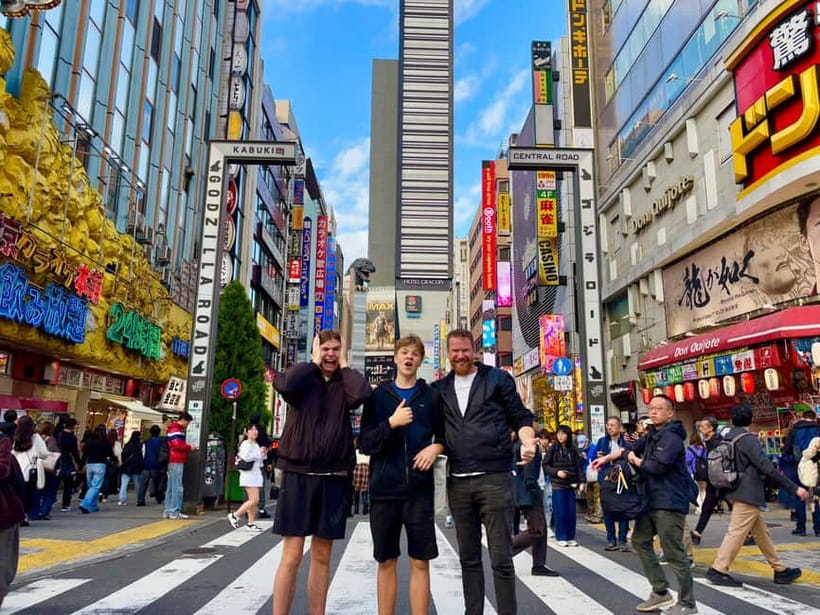
At $145 per person, this is not a budget walking tour. The price makes more sense when you value a private guide, language choice, route advice, transportation to Shinjuku, photos, tea, and a snack. It is also easier to justify for solo visitors or couples who would rather ask questions freely than follow a large group.
For a bigger party, the per-person value may improve if the private price is shared across several people, but the supplied information lists the rate per person and does not explain group-size limits. Check the final cost before booking.
Food is only partly covered. You receive a typical green tea and a typical Japanese snack, but other food and drinks cost extra. Keep cash with you for street food, shops, and small purchases.
The strongest value is not the number of sights. It is the interpretation between them. If Jero does what the tour promises, you get a guide who can connect shrine rituals, street fashion, anime, local food, and urban life in one conversation. That is more useful than simply collecting four photo stops.
Who should book this private Tokyo walk
I would recommend it most strongly to:
- First-time visitors who want a quick sense of Tokyo’s main districts.
- Solo visitors who want photos and a guide to handle the route.
- Couples or friends who enjoy asking lots of questions.
- People interested in Japanese customs, fashion, anime, and city subcultures.
- Visitors who prefer a private pace over a fixed large-group schedule.
- English or German speakers who want one of those guide languages.
I would be more cautious if you have mobility limits. The experience is not suitable for wheelchair users or people with mobility impairments, and the route involves substantial walking, stairs or station movement may be possible, though the exact details are not supplied.
It is also not ideal for anyone who wants a quiet, slow tour. Harajuku, Shibuya, and Shinjuku are busy districts, and the plan moves quickly between them. You will see a lot, but you may not linger long.
The tour has a perfect 5 rating from three verified bookings, including praise for Jero’s warm manner, flexible planning, clear answers, and useful tips after the walk. I would give those points proper weight, while remembering that three ratings are a small sample. The repeated theme is personal attention, and that is the feature most likely to shape your experience.
Practical details for a smoother walk
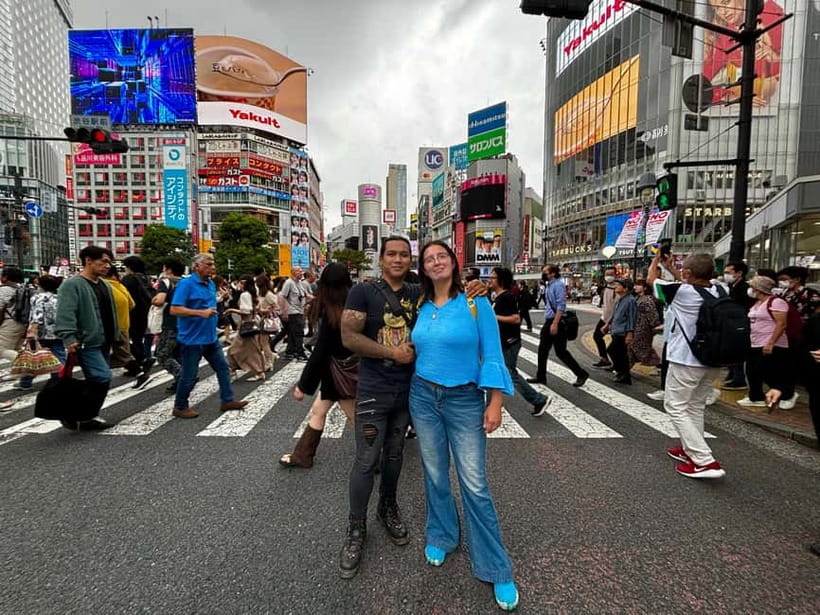
Wear comfortable walking shoes. Bring water, a camera, cash, and an umbrella or raincoat. Tokyo weather can change, and a wet four-hour walk is much less pleasant when you are focused on keeping your feet dry.
The tour is private, with live guiding in English or German. Free cancellation is available up to 24 hours before the start for a full refund, and you can reserve now and pay later. A tip is optional if you feel the guide earned one.
Respect shrine customs and follow Jero’s instructions at Meiji Jingu. Ask before photographing people closely, especially in crowded shopping or food areas. You will get more from the tour if you treat the districts as lived-in places, not just backdrops.
Should you book it?
Book this tour if you want a friendly, private introduction to Tokyo that mixes major sights with cultural explanation. Jero’s personal approach, the contrast between Meiji Jingu and Harajuku, the Shibuya Crossing stop, and the Shinjuku finish give you a useful first taste of the city.
Before booking, confirm the Asakusa issue and the true end point. If the route is limited to Harajuku, Shibuya, and Shinjuku, the four hours will still be full and fast. If Asakusa is added, ask how much extra time and transport are involved. Once that is clear, the $145 price is reasonable for visitors who value private guidance and an adaptable route more than a low-cost group outing.
FAQ
How long is the private Tokyo tour?
The activity is advertised as four hours. The detailed schedule also includes Asakusa and several train journeys, so confirm the exact duration and route with Shiny Tours Tokyo before booking.
Which districts are included?
The main route covers Harajuku, Shibuya, and Shinjuku. Meiji Jingu Shrine, Takeshita Street, Tokyu Plaza, Cat Street, Miyashita Park, Shibuya Crossing, Omoide Yokocho, Godzilla, and Kabukicho Tower are included in the stated plan.
Is Asakusa included?
Asakusa appears as a one-hour guided stop in the detailed schedule, but it is not part of the main description of the experience. Ask the provider to confirm whether it is included in your tour.
What languages are available?
Live guiding is available in English and German.
Is transportation included?
The transportation fee to Shinjuku is included. Other fees are not included, and the detailed schedule mentions additional train travel that should be confirmed before booking.
Is the tour suitable for wheelchair users?
No. The activity is not suitable for wheelchair users or people with mobility impairments. Comfortable shoes are recommended because there is a lot of walking.
Newly reviewed around Tokyo
- Tokyo Asakusa:Calligraphy & Make T-shirt Activity★ 5.0 · 62 reviews
- Intercity Shuttle, Tokyo to Haneda /Narita /Yokohama /Makuhari★ 5.0 · 5 reviews
- 1 Hour Travel around Tokyo with a Professional Photographer★ 5.0 · 3 reviews
- Travel Tokyo with Your Own Personal Photographer★ 5.0 · 43 reviews
- Train in Samurai Swordsmanship and Defeat the Demon in Tokyo★ 5.0 · 5 reviews
- Shuttle Van 6hr Tokyo Tour to-and-from Tokyo, Yokohama and Narita★ 5.0 · 9 reviews
- Kickboxing & Body Training with EX-Pro Fighter★ 5.0 · 4 reviews
- Traditional Japanese Knife Sharpening Class★ 5.0 · 18 reviews
Private, compared.
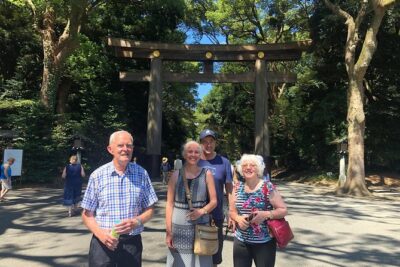
Tokyo 6hr Private Tour with Government-Licensed Guide
Read our review →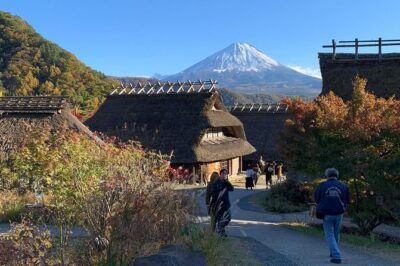
Private Tour to Mt. Fuji and Hakone (Fully Licenced Operator)
Read our review →
Tokyo Customized Private Tour (Must See Places in 1 Day)
Read our review →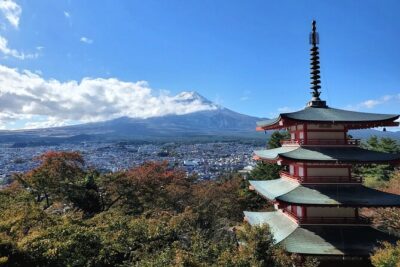
Mount Fuji Full-Day Private Tour from Tokyo (Customizable)
Read our review →
Private City Highlights Tour with Local Guide
Read our review →
Tokyo 4hr Private Tour with Government-Licensed Guide
Read our review →