
Reviewed · KAMAKURA DAY TRIPS FROM TOKYO
Kamakura Full Day Tour with Licensed Guide and Vehicle from Tokyo
Kamakura packs temples, shrines, a giant bronze Buddha, bamboo, sea air, and a popular shopping street into one compact coastal town. This private tour lets you cover that spread without puzzling over train connections or losing time between sites. The Great Buddha and Hasedera make a strong opening pair, while Komachi Street gives the day an easy finish with noodles, sushi, sweets, and souvenirs.
I like the private vehicle, especially because Tokyo to Kamakura takes about an hour each way and traffic can complicate the return. I also like the chance to shape the day around three or four sites instead of being locked into every stop. The main caution is that $1,026.90 per group is a serious price, and the tour description lists more stops than the included custom tour wording clearly promises.
Key points to know before booking
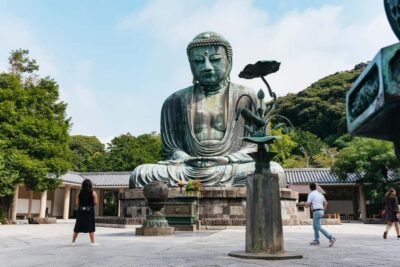
- The Great Buddha is the visual star: The 11.4-meter bronze Amida Buddha at Kotokuin is Kamakura’s essential sight.
- You get a private guide and vehicle: The price covers up to four people, with pickup offered and no mixed group.
- The route is flexible, but clarify it: The tour includes a custom choice of three or four sites, while the suggested schedule lists eight.
- Hokokuji adds a quiet bamboo break: Its grove has more than 2,000 bamboo stalks and a tea house serving matcha for an added fee.
- Komachi Street supplies the food stop: You can try Hatosabure biscuits, soba, sushi, and other local fare at your own expense.
- English quality deserves attention: Guide Kei and guide Yoshi received warm praise, but one booking reported major difficulty understanding the guide’s English.
Why a private Kamakura day from Tokyo makes sense
Kamakura is close enough to Tokyo for a day trip, but its sights are spread among temple districts, hills, the coast, and the station area. Public transport works, yet a private vehicle gives you a simpler day, particularly if you want more than the usual Great Buddha visit.
The ride from Tokyo takes about an hour in normal conditions. You should allow extra time when traffic is heavy, since the eight-hour duration includes all driving. In practical terms, roughly two hours can go toward the round trip alone, leaving about six hours for sightseeing, meals, and stops.
The private format is also useful for families or a small group with different interests. You can focus on major temples, add the beach, spend longer shopping, or skip a stop that does not suit you. Only your group participates, but the tour does not allow you to combine separate reservations into a larger party.
The vehicle type cannot be requested. That matters if you need a particular model, luggage arrangement, or extra space. A limited number of car seats and booster seats are available, and rear-facing seats are not offered, so contact the operator before booking if you need one.
More Kamakura day trips from Tokyo:
- Tokyo: Mt. Fuji, Kamakura, Big Buddha, & Lake Ashi Day Trip
★ 4.5 · 867 reviews - Tokyo:Sea of Mount Fuji, Hakone Ropeway, Ōwakudani, Enoshima
★ 4.9 · 84 reviews - Kamakura 8 hr Private Walking Tour with Licensed Guide from Tokyo
★ 5.0 · 80 reviews
Hasedera and the sea-facing side of Kamakura
Hasedera is a good first temple because it gives you several kinds of Kamakura in one place. The temple is known for its 9.18-meter gilded wooden Kannon statue, the eleven-headed figure associated with mercy. You see it inside Kannon-do Hall, and its scale gives the visit a strong sense of occasion.
The temple is also known for gardens and high points with views toward the ocean. That combination is important: you are not only moving from one dark wooden hall to another. You get greenery, open air, and a sense of Kamakura’s position between hills and the sea.
Plan on about an hour here. Admission is not included, so keep entrance money separate from the tour price. If you want quiet time in the gardens or a closer look at the temple buildings, tell your guide early. With a tight schedule, a guide may move you along to protect the next stop.
Meeting the 11.4-meter Great Buddha
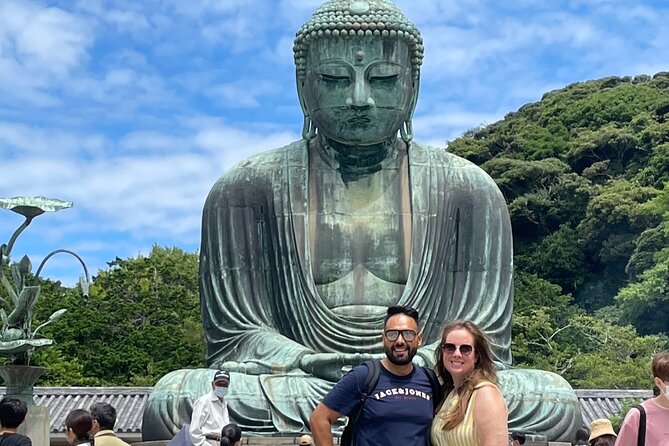
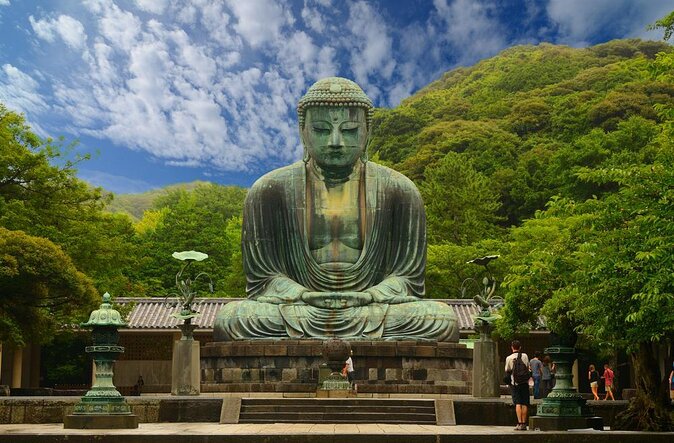
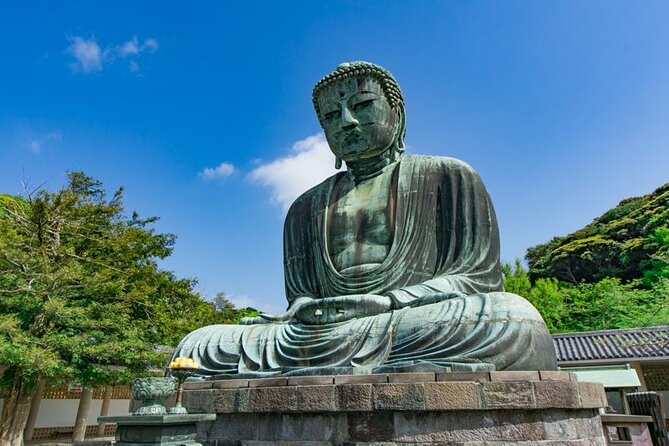
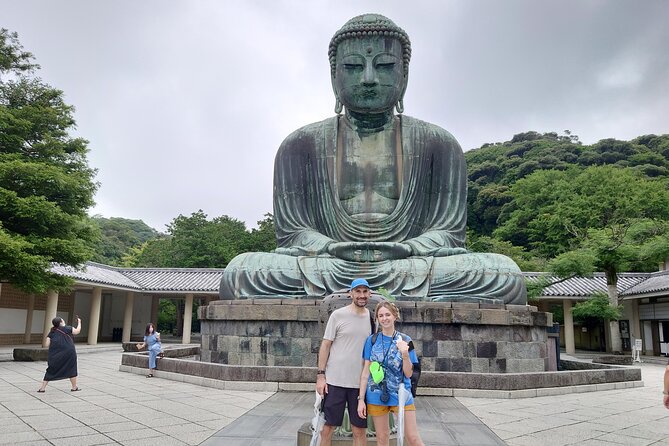
Kotoku-in holds Kamakura’s best-known image, the Great Buddha, a bronze Amida figure measuring 11.4 meters. It is one of Japan’s most recognizable Buddhist statues and the main reason many people put Kamakura on their Tokyo plans.
The statue is outdoors on the temple grounds, which gives you a clear view of its full form. The visit is straightforward and usually easy to fit into an hour. Admission is extra, and the guide’s entrance fee is covered only for sights listed under the expected route, so confirm the details if you request a different site.
I would not rush this stop. The Great Buddha is famous, but it works best when you pause and look at the expression, the seated posture, and the contrast between the bronze figure and the surrounding temple grounds. The private format gives you a chance to ask questions rather than simply take a photograph and leave.
Kenchoji brings in Kamakura’s Zen tradition
Kenchoji is the first of Kamakura’s five great Zen temples and the oldest Zen temple in the city. It was founded in 1253 by Hojo Tokiyori, with the Chinese priest Rankei Doryu as its first head priest.
The temple stretches from its Sanmon gate up into wooded hills. Near the entrance, you can see the temple bell, a national treasure. Even with only 30 minutes scheduled, the site gives you a useful introduction to the scale of a major Zen complex.
That short timing is the chief limitation. Kenchoji has many buildings and subtemples, and half an hour lets you sample rather than explore. I would choose it if Zen architecture and temple history matter to you. If you prefer gardens, food, or the coast, Hokokuji or Komachi Street may give you more pleasure for the time available.
More full-day trips in Tokyo:
- From Tokyo: Mount Fuji Full-Day Sightseeing Trip
★ 4.5 · 4,970 reviews - Mount Fuji Full-Day Private Tour from Tokyo (Customizable)
★ 4.9 · 1,470 reviews - Tokyo Private Full-Day Tour by Car or Van
★ 5.0 · 684 reviews - From Tokyo: Must-Visit Mount Fuji Highlight Full-Day Tour
★ 4.7 · 532 reviews
Tsurugaoka Hachimangu and the samurai story
Tsurugaoka Hachimangu is Kamakura’s major Shinto shrine and is dedicated to Hachiman, the patron deity of the Minamoto family and samurai in general. The shrine also enshrines Emperor Ojin, Hime-gami, and Empress Jingu.
The one-hour visit gives you time to understand the shrine’s role rather than treating it as a quick photo stop. Your guide can connect the grounds with Kamakura’s samurai past, which adds meaning to the many gates, stairs, and ceremonial spaces.
Admission is free, a useful contrast to the temples. The shrine sits close to Komachi Street, so the two stops fit naturally together. You may want to visit the shrine before shopping, then use Komachi as your lunch and browsing break.
Hokokuji, bamboo, and a cup of matcha
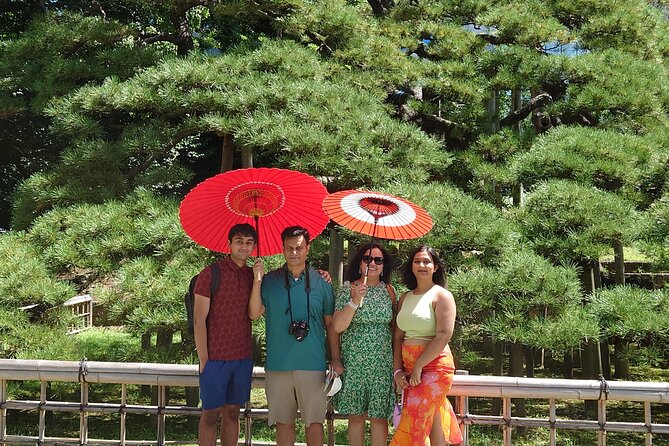
Hokokuji is smaller and more focused than Kenchoji. Behind the main hall, narrow paths pass through a bamboo grove with more than 2,000 dark green stalks. The setting is calm, but the paths are limited, so this is not a long forest walk.
The tea house offers matcha for a small additional fee, with views into the bamboo. I like this stop because it changes the rhythm of the day. After large temple grounds and a major shrine, you get a short, quiet pause with a clear visual identity.
Hokokuji also has shallow caves in the hills behind the temple. They are believed to hold the ashes of later Ashikaga lords. Admission is not included, and the tea is also an extra expense. An hour is a sensible allocation if you want both the grove and tea house.
Yuigahama Beach adds salt air, not solitude
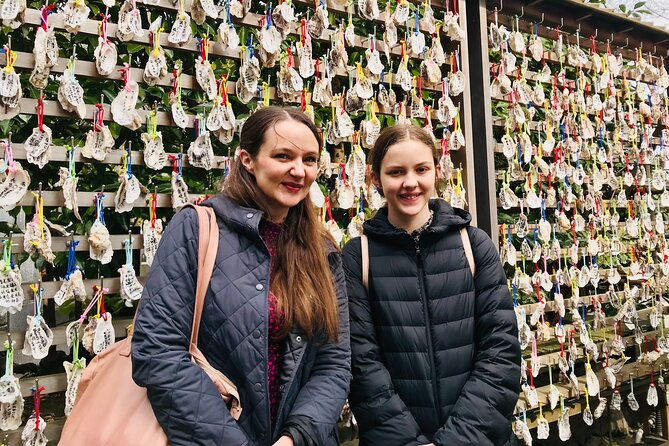
Yuigahama is one of Kamakura’s main beaches. It is broad, flat, and close to Kamakura Station, but it can be crowded. The beach is best understood as a change of scene, not a peaceful nature stop.
The 30-minute visit works well for a quick look at the coast and a breath of sea air. It may feel less worthwhile on a busy day or if your group would rather spend that time inside a temple. Ask your guide about current traffic and timing before adding it to a temple-heavy route.
This is also one of the easiest stops to cut if you only have three or four sites. Keep it if the sea matters to your idea of Kamakura. Skip it if your priority is history, gardens, or food.
Komachi Street is your best food and shopping window
Komachi-dori runs from the East Exit of Kamakura Station toward Tsurugaoka Hachimangu. The street has traditional souvenir shops, modern clothing stores, restaurants, and snack counters. It is popular with locals and tourists, so expect a lively commercial atmosphere rather than a quiet old lane.
You can try Hatosabure, the dove-shaped biscuit associated with Kamakura. A past outing also included handmade soba served with hot soup, and another included sushi at a traditional Japanese restaurant. Lunch is not included, so you choose what to eat and pay directly.
I would save at least an hour for Komachi Street. The stop is more useful when you treat it as both a meal break and a chance to browse. If you are watching the clock, decide in advance if you want a sit-down meal or quick snacks, since the driver and guide still need to get you back to Tokyo.
Eishoji offers a quieter final temple
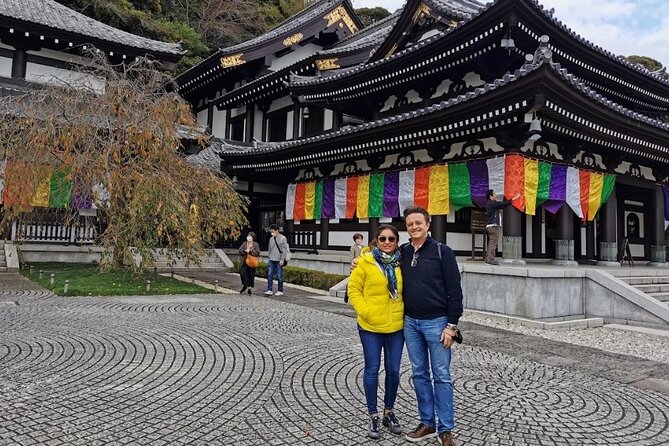
Eishoji is the only surviving nunnery in Kamakura. Founded in the early Edo period by a woman connected to the Tokugawa family, it is known as a flower temple because of its seasonal blooms.
The grounds include a small bamboo area and an Amida Buddha statue attributed to the sculptor Unkei. Only 10 minutes are listed here, which is enough for a brief look but not enough for a relaxed visit.
This is a good example of why you should confirm the final route before departure. Eishoji may appeal to you if you enjoy smaller religious sites and quiet gardens. If this is your first Kamakura visit, you may prefer to give that time to Hasedera, the Great Buddha, or Komachi Street.
What the $1,026.90 group price really buys
The price is $1,026.90 for up to four people. At full capacity, that works out to about $256.73 per person before entrance fees, lunch, drinks, shopping, and other personal costs.
That is not a budget day trip. You are paying for a licensed local English-speaking guide, a private vehicle, pickup, and the ability to customize the route. For a group of four, the cost becomes easier to justify, especially if you value direct transport and personal guidance. For one or two people, the per-person price is much harder to defend against public transport or a shared excursion.
The strongest value comes from convenience. You avoid changing trains, finding each temple, and managing a long return journey after a full day. You also have someone who can explain why the sites matter, help adjust the schedule, and suggest a lunch stop.
The weak point is the mismatch between the broad eight-stop schedule and the statement that you choose three or four sites. Do not assume you will visit every place listed. Ask the operator which stops are possible within eight hours, what is included in the custom selection, and how much time is realistic in traffic.
Guide quality and the importance of communication
The tour uses government-licensed multilingual guides. Two guide names connected with especially warm experiences are Kei and Yoshi. Kei was praised for handling an efficient day that reached eight destinations, while Yoshi was credited with shaping a full schedule around gardens, temples, a viewpoint, shopping, and a Japanese meal.
There is also a serious communication concern. One booking reported that the guide’s English was very difficult to understand. That is a single experience, but it is relevant because the guide is a major part of what you are paying for.
If clear English explanation is essential, contact Japan Guide Agency before the tour and ask about the assigned guide’s language ability. Do not assume that multilingual means equally fluent in every language. A private vehicle still helps with transport, but it cannot replace understandable interpretation at the temples.
Booking details, weather, and practical limits
Pickup is offered, and you receive a mobile ticket. Most people can participate, and service animals are allowed. The tour requires good weather, so poor conditions can lead to a different date or a full refund.
You can cancel for a full refund up to 24 hours before the start time. Changes or cancellations inside that 24-hour window are not accepted for a refund. The cut-off follows local time.
Entrance fees are generally extra, as are lunch and personal spending. The guide’s entrance costs are covered only at sights included under the expected arrangements. Since the route can change with traffic, keep some flexibility in your plan and avoid booking a tight evening commitment in Tokyo.
Is this Kamakura tour right for you?
Book it if you are a group of up to four that wants a private day, direct transport, and a guide who can connect Kamakura’s temples with its samurai and Buddhist traditions. It is especially useful if you want to combine the Great Buddha with Hasedera, Hokokuji, Tsurugaoka Hachimangu, and shopping without managing the route yourself.
Think twice if you are traveling alone or as a couple on a tight budget. The price is high, several entrance fees are extra, and the eight-hour schedule cannot comfortably deliver a deep visit at every listed stop. I would also confirm the guide’s English ability and the exact three or four sites before paying.
The best version of this tour is a focused one: Hasedera, the Great Buddha, Tsurugaoka Hachimangu, and either Hokokuji or Komachi Street. Add Yuigahama if the coast matters to you. Cut Eishoji or Kenchoji if you want more time for lunch and shopping.
FAQ
How long is the Kamakura tour from Tokyo?
The tour lasts approximately eight hours, including travel time. The drive between Tokyo and Kamakura takes about one hour each way, subject to traffic.
Is this a private tour?
Yes. Only your group participates, and the private vehicle is included. The booking allows up to four people per group, and separate reservations cannot be combined.
How many sites can I visit?
The included arrangement describes a customizable tour of three or four sites. The suggested route lists eight possible stops, so you should confirm your preferred combination with the operator before the tour.
Are admission fees included?
Entrance fees, lunch, and personal expenses are not included. The guide’s entry fees are covered only for sights listed under the expected arrangements.
Is the tour available in English?
A licensed local English-speaking guide is included, and the service also uses multilingual guides. Guide Kei and guide Yoshi are named in especially positive experiences, but English ability can vary, so confirm the assigned guide if clear communication is important to you.
What happens if the weather is poor?
The experience requires good weather. If it is canceled because of poor weather, you will be offered another date or a full refund.
Newly reviewed around Tokyo
- Tokyo Asakusa:Calligraphy & Make T-shirt Activity★ 5.0 · 62 reviews
- Intercity Shuttle, Tokyo to Haneda /Narita /Yokohama /Makuhari★ 5.0 · 5 reviews
- 1 Hour Travel around Tokyo with a Professional Photographer★ 5.0 · 3 reviews
- Travel Tokyo with Your Own Personal Photographer★ 5.0 · 43 reviews
- Shuttle Van 6hr Tokyo Tour to-and-from Tokyo, Yokohama and Narita★ 5.0 · 9 reviews
- Kickboxing & Body Training with EX-Pro Fighter★ 5.0 · 4 reviews
- Train in Samurai Swordsmanship and Defeat the Demon in Tokyo★ 5.0 · 5 reviews
- Traditional Japanese Knife Sharpening Class★ 5.0 · 18 reviews
Kamakura Day Trips from Tokyo, compared.
Mt. Fuji, Kamakura, Big Buddha, & Lake Ashi Day Trip
Read our review →
Sea of Mount Fuji, Hakone Ropeway, Ōwakudani, Enoshima
Read our review →
Kamakura 8 hr Private Walking Tour with Licensed Guide from Tokyo
Read our review →
Kamakura & Enoshima Day Tour with Pickup & Train Ride
Read our review →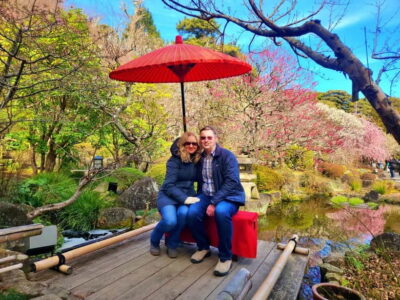
Kamakura Private & Customizable Tour – All-in-One Experience
Read our review →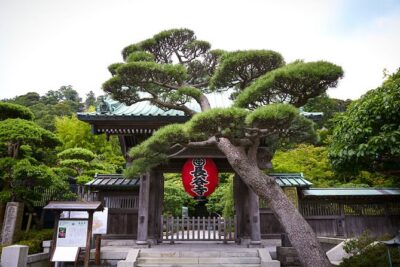
Private Car Tour to see Highlights of Kamakura, Enoshima, Yokohama from Tokyo
Read our review →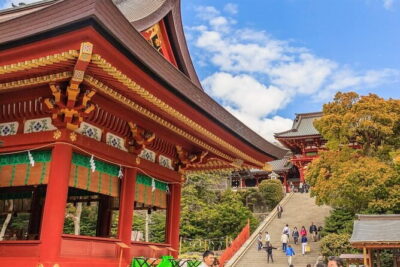
From Tokyo Kamakura, Hachimangu Shrine and Enoshima Full Day Tour
Read our review →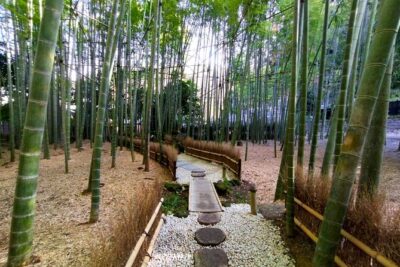
Day Trip to Kamakura & Enoshima: Shrines, Seaside, Temples & Tea
Read our review →Browse the lists this tour appears in