
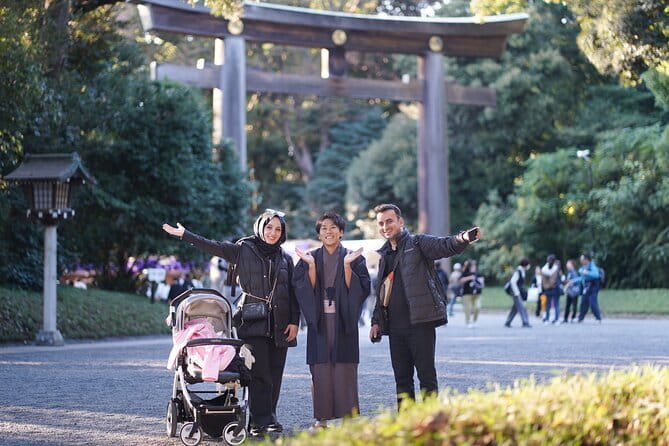
Reviewed · MEIJI SHRINE TOURS
Join a Unique Cultural Ceremony at Tokyo’s Meiji Shrine
The unusual part of this Meiji Shrine visit comes after the forest walk: you enter a wooden ceremonial hall and watch a gokito Shinto prayer ritual, an opportunity most independent visitors do not get. Priests chant and perform traditional music while you sit quietly and take in the cedar scent, polished floor, and high ceiling.
I like the calm start to a Tokyo trip and the way the guide links shrine customs to everyday Japanese culture. I also like that the tour asks you to listen and observe, rather than rush from one photo stop to the next. Alex and Kohei have both been praised for clear English and thoughtful explanations.
The main consideration is the amount of walking. Meiji Shrine has broad forest paths, but this is not a quick stop at the main gate. Bring comfortable shoes, water, and enough energy for a slow visit through the grounds.
Key points to know before you book
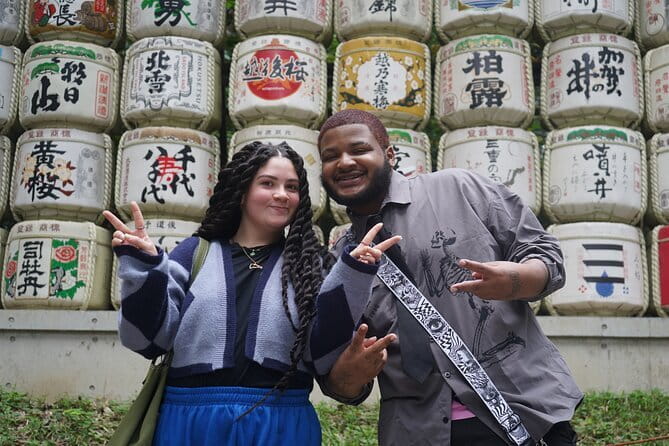
- The gokito ceremony is the main event: Priests perform chants, music, and prayer inside a wooden hall rarely open to ordinary sightseeing.
- The forest walk changes the pace: You leave Tokyo’s traffic behind and follow quiet paths through Meiji Shrine’s wooded grounds.
- English guidance adds useful context: Alex, Kohei, and other guides explain what you are seeing in a way that helps you understand later shrine visits.
- The $121 price includes the ritual fee: You still need cash for the offering box and any souvenirs or shrine goods.
- This suits curious first- or second-time visitors: It works best if you want cultural meaning, not just a quick photograph at the torii gates.
- Plan for walking and quiet behavior: Comfortable shoes are essential, and audio recording is not allowed during the activity.
Why the gokito ceremony makes this Meiji Shrine tour different

Meiji Shrine is easy to visit on your own. You can walk through the great torii gates, follow the tree-lined approach, and reach the main shrine without a guide. That independent visit gives you the setting, but it may leave you unsure about what the prayers, gestures, offerings, and architecture mean.
This tour adds the part most casual visits lack: access to a traditional prayer service known as gokito. You enter a ceremonial hall with high ceilings and polished wooden floors. Inside, priests in traditional robes perform an ancient Shinto prayer while flutes and drums sound through the room.
You do not need to understand the Japanese words to appreciate the moment. The experience is built around stillness, sound, scent, and careful observation. I like that the tour does not treat the ceremony as a show. You are there to sit quietly and witness a living religious practice.
The ceremony is not presented as a test of faith. It is a chance to see how Shinto ritual feels from inside a sacred space. For many people, the most memorable part may be the contrast with central Tokyo outside: traffic, screens, announcements, and crowds give way to chanting and traditional instruments.
Access to this kind of ceremony is the reason the tour costs more than a normal walk through the shrine grounds. If you only want to see the torii gates and take pictures, $121 is a steep price. If you want a guided cultural encounter that you could not easily arrange by yourself, the fee has a clearer purpose.
More Meiji Shrine tours in Tokyo:
- Tokyo: Meiji Shrine, Asakusa, Skytree Bus Tour and Cruise
★ 4.7 · 1,986 reviews - Tokyo Panoramic 1 Day: Meiji Shrine, Asakusa, Odaiba and SKYTREE®
★ 4.5 · 1,222 reviews - Tokyo: Meiji Shrine Walking Tour — Shinto & Imperial System
★ 4.9 · 266 reviews
Beginning at JR Yoyogi Station
The meeting point is outside the West Gate of JR Yoyogi Station. After you come outside, look for the map on the left. A staff member from Legit Japan will be waiting in Japanese-style clothing.
This arrangement is practical because Yoyogi Station is a clear place to meet before entering the shrine grounds. Still, give yourself enough time to find the West Gate. Tokyo stations can be confusing, especially if you have luggage, are arriving from another line, or are still getting used to Japanese station signs.
The tour ends back at the same meeting point. That makes your onward plans simpler, since you do not need to arrange a taxi or work out a new station after the shrine visit. The activity is offered in English and Japanese.
Your guide is an important part of the experience. The advertised guide has official Meiji Jingu membership and a strong connection to the shrine. Guides such as Alex and Kohei have been praised for fluent English, friendly manner, clear explanations, and careful attention to questions.
One guide used slides to explain the subject, while another helped connect each part of the visit to broader Japanese customs. That matters here. A shrine tour can become a string of unfamiliar words unless someone explains what you are seeing in plain language.
Walking through Meiji Shrine’s forest
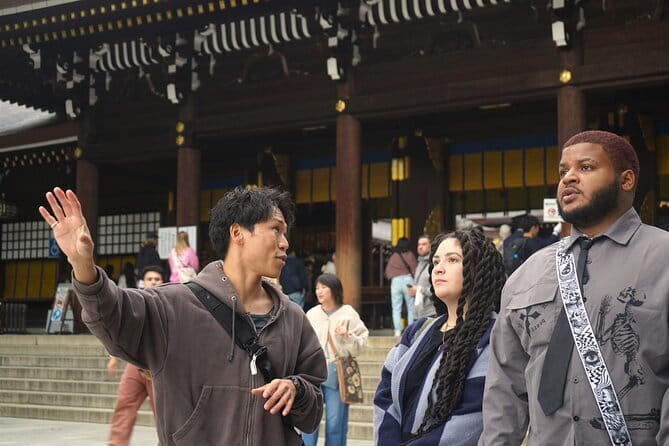
From the station, you follow peaceful paths through Meiji Shrine’s forest. This is one of the tour’s strongest features because the setting gives you time to slow down before the ceremony begins.
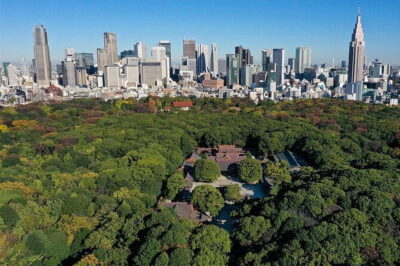
The forest creates a sharp change from the city around it. You hear less traffic, see fewer commercial signs, and have room to focus on the scale of the shrine grounds. The walk is not simply a way to get from the station to the hall. It prepares you for the quieter mood of the ritual.
Your guide can point out the meaning behind the shrine setting and explain customs as you go. This early context is useful if Meiji Shrine is your first major Shinto site in Japan. It can also help you later at other shrines in Tokyo or Kyoto, where you may recognize familiar practices and know how to behave.
You should not expect a hike through remote woodland. This is still a central Tokyo attraction, and Meiji Shrine is a major destination. But the wooded paths offer a peaceful break from the city, even when the shrine itself is busy.
The walking is worth taking seriously. The tour information says Meiji Shrine requires a lot of walking and may not suit people who have difficulty walking. Wheelchairs and prams are available, but you should ask about your own needs before booking. Comfortable shoes are a must, and a drink is sensible, especially in warm weather.
Entering the wooden ceremonial hall
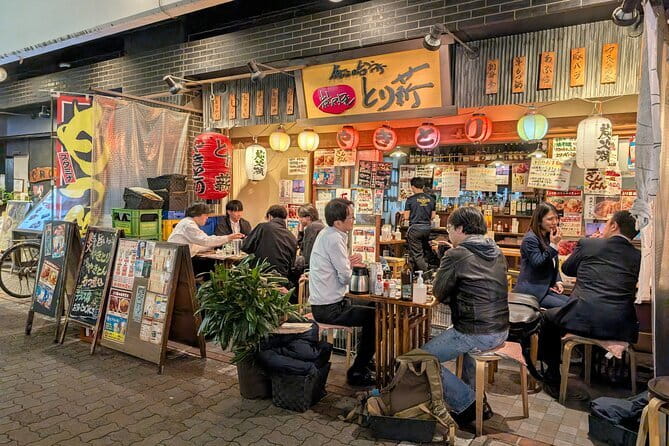
The visit reaches its special point when you step into the hall for the prayer ceremony. Expect a formal space with polished floors, high ceilings, and the scent of cypress. This setting feels different from standing outside at a shrine entrance or viewing a building from a courtyard.
You will be expected to behave quietly and respectfully. Sit, watch, and let the ceremony unfold without trying to record it. Audio recording is not allowed, so your best souvenir is your memory of the sound and atmosphere.
The priests wear traditional robes and perform the prayer with measured movements. Chants fill the hall, joined by flutes and drums. The music gives the ceremony a strong sensory quality, while the formal actions provide a clear sense of order and purpose.
I especially like that the experience does not depend on an English translation at every second. Your guide explains the cultural setting before and after, but during the ritual you can simply listen. That keeps the event from feeling like a lecture delivered over someone else’s religious practice.
The tour may also include a traditional dance as part of the ceremony. One version of the experience ended with a Japanese snack, and a guide even shared the recipe. Since the snack is not listed as an official inclusion, treat it as a possible extra rather than something guaranteed on every departure.
A completely different kind of day in Tokyo:
- Mt Fuji and Hakone 1-Day Bus Tour Return by Bullet Train
★ 5.0 · 26,383 reviews - 1-Day Tokyo Bus Tour
★ 5.0 · 14,250 reviews - Tokyo: teamLab Planets TOKYO Digital Art Museum Entry Ticket
★ 4.6 · 9,779 reviews - Mt Fuji & Hakone Cruise, Drum Show Bullet Train 1 Day from Tokyo
★ 4.0 · 7,413 reviews
What your guide adds to the visit
The guide is more than a person leading you from the station to the shrine. The best value here comes from having someone explain why a Japanese shrine visit works the way it does.
A guide with experience living abroad can compare Japanese customs with familiar practices from other countries. That is useful when a gesture seems simple but carries a meaning you might otherwise miss. The explanations also help you notice details that a quick self-guided walk can pass over.
Alex has been praised for excellent English, engaging slides, and a friendly manner. Kohei is known for thoughtful guidance that gives each part of the visit more meaning. You should still expect the exact guide to vary, but the experience is designed around English-language support.
This background can make a difference during the rest of your trip. After learning how to approach a shrine, observe a ritual, or read the atmosphere of a sacred place, you may feel more at ease at other religious sites. The tour is not only about Meiji Shrine. It gives you a starting point for understanding visits elsewhere in Japan.
I would choose this tour early in a Japan itinerary for that reason. It offers a gentle introduction before you tackle larger temple and shrine complexes in Kyoto, Nara, or elsewhere. You do not need prior knowledge, and first-time visitors are a particularly good fit.
How much value do you get for $121?
At $121 per person, this is not a budget shrine walk. A free self-guided visit to Meiji Shrine gives you the forest, the main grounds, and the chance to observe the public areas. The paid tour earns its price through the English guidance and the fee for entering the traditional prayer ritual.
All taxes and activity fees are included. You need to bring extra cash for coins at the offering box and for any goods you may want to buy. Drinks are not supplied, so bring your own.
I see the value in three situations. First, you want access to something that is rarely available to the public. Second, you prefer to understand customs instead of simply looking at them. Third, you are beginning a Japan trip and want a guide to set the cultural stage.
The value is weaker if you have already studied Shinto practice, dislike guided visits, or plan to spend only a few minutes at Meiji Shrine. It is also less suitable if your main goal is photography. The ritual requires quiet attention, and recording is not allowed.
The strong satisfaction rating and repeated praise for the guides point to a consistent strength: the human side of the tour. The ceremony is special, but a poorly explained ritual can leave you lost. Clear English, patience, and room for questions are what turn the access into a useful visit.
Who should book this experience?
I would recommend it to first-time and second-time visitors who want a calm cultural start. It is also a good fit for anyone who has already walked through Meiji Shrine but only saw the main shrine area. The forest and ceremony offer a different visit from simply checking the attraction off a list.
It suits curious adults, couples, families with older children, and solo visitors who want company and explanation. It can also work well for people who have visited Japan before but want to understand religious customs more clearly.
You may want to skip it if you dislike quiet ceremonies, have a cold, cannot manage substantial walking, or want a highly flexible schedule. Intoxication, alcohol, and drugs are not allowed, and the sacred setting calls for respectful behavior.
Bring comfortable shoes, cash, and a drink. Wear something that allows you to walk comfortably and sit quietly. Most importantly, arrive ready to observe rather than rush.
Booking, cancellation, and practical details
You can reserve now and pay later, which helps if your Tokyo plans are still shifting. Cancellation is allowed up to 24 hours in advance for a full refund.
The activity returns to the meeting point at JR Yoyogi Station. The tour is conducted in English and Japanese, and all fees and taxes for the ritual are included.
The shrine has wheelchair and pram availability, but the amount of walking remains an important concern. If you have limited mobility, contact the provider before booking so you can confirm whether the route and ceremony arrangements work for you.
Should you book the Meiji Shrine gokito tour?

Book it if you want access, context, and a quiet cultural moment, not just a famous Tokyo photo stop. The gokito ceremony, traditional music, forest walk, and careful English guidance make this much more distinctive than an ordinary shrine visit.
Skip it if $121 feels too high for a walking tour, or if you prefer to explore Meiji Shrine alone. For most first- or second-time visitors who want to understand more of Japan before moving on to Kyoto or other shrine towns, I think the ceremony gives the price a solid reason.
FAQ
Where does the Meiji Shrine tour meet?
Meet outside the West Gate of JR Yoyogi Station. When you exit, look for the map on the left. Legit Japan staff will be waiting in Japanese-style clothing.
Where does the activity end?
The tour ends back at the meeting point at JR Yoyogi Station.
What is the gokito ceremony?
Gokito is a traditional Shinto prayer ritual. During the ceremony, priests in traditional robes perform sacred chants, with flutes and drums heard inside the ceremonial hall.
Is the ceremony included in the price?
Yes. The fee for experiencing the traditional Japanese prayer ritual, along with all fees and taxes, is included.
Do I need to bring cash?
Yes. Bring cash for coins at the offering box and for any shrine goods you may want to purchase. Drinks are not included, so bring one with you.
Is the tour suitable for people with walking difficulties?
Meiji Shrine requires a lot of walking, so the activity may not suit people who have difficulty walking. Wheelchairs and prams are available, but you should confirm your needs with the provider before booking.
Can I record the ceremony?
No. Audio recording is not allowed. You should also avoid attending if you are intoxicated, and alcohol and drugs are not permitted.
Newly reviewed around Tokyo
- Tokyo Asakusa:Calligraphy & Make T-shirt Activity★ 5.0 · 62 reviews
- Intercity Shuttle, Tokyo to Haneda /Narita /Yokohama /Makuhari★ 5.0 · 5 reviews
- 1 Hour Travel around Tokyo with a Professional Photographer★ 5.0 · 3 reviews
- Travel Tokyo with Your Own Personal Photographer★ 5.0 · 43 reviews
- Train in Samurai Swordsmanship and Defeat the Demon in Tokyo★ 5.0 · 5 reviews
- Shuttle Van 6hr Tokyo Tour to-and-from Tokyo, Yokohama and Narita★ 5.0 · 9 reviews
- Kickboxing & Body Training with EX-Pro Fighter★ 5.0 · 4 reviews
- Tokyo History: Sensoji Temple & Asakusa District Private Tour★ 5.0 · 28 reviews
Meiji Shrine Tours, compared.
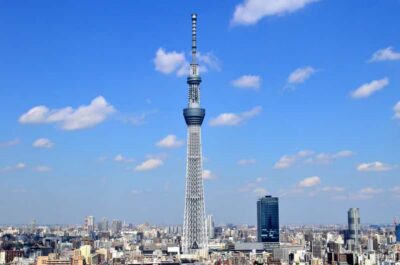
Meiji Shrine, Asakusa, Skytree Bus Tour and Cruise
Read our review →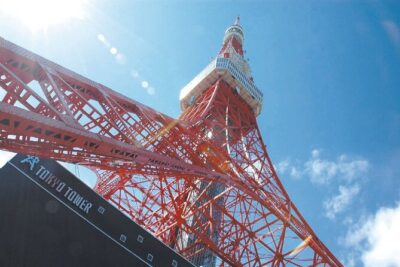
Tokyo Panoramic 1 Day: Meiji Shrine, Asakusa, Odaiba and SKYTREE®
Read our review →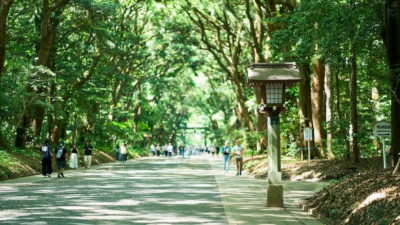
Meiji Shrine Walking Tour — Shinto & Imperial System
Read our review →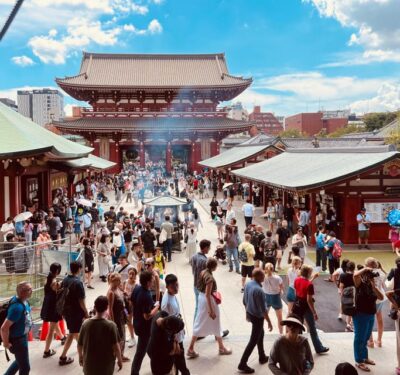
Meiji Jingu Shrine and Shinto Culture Walking Tour
Read our review →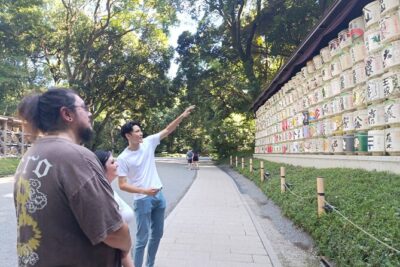
Meiji Shrine Walking Tour — Shintoism & Imperial System
Read our review →
1 Day Bus Tour with Meiji-Jingu,Odaiba,lunch&Skytree
Read our review →
Tokyo Morning Tour : Meiji Shrine, Asakusa and Fish Market
Read our review →Browse the lists this tour appears in