
Reviewed · DESSERT TOURS
Japanese dried-type Sweets (Ohigashi) making
The special part here is the 100% Wasanbon. This traditional Japanese sugar is fine, fluffy, and smooth, with a mellow taste that differs from ordinary sweets. In 30 minutes, you shape it in a wooden mold, photograph the result, and eat what you made.
I like the hands-on work and the small price. At $10 per person, this is an easy way to try a Japanese confection without giving up half a day. I also like that you choose the shape yourself, so the finished Ohigashi feels personal rather than pulled from a shop shelf.
The main consideration is the short schedule. The activity moves quickly, and English translation is provided as much as possible rather than promised as a full English-language lesson. Arrive on time, since the event cannot be held for late arrivals.
Key points to know before making Ohigashi
- 100% Wasanbon sugar: The sweets use traditional Japanese sugar without added ingredients listed in the experience details.
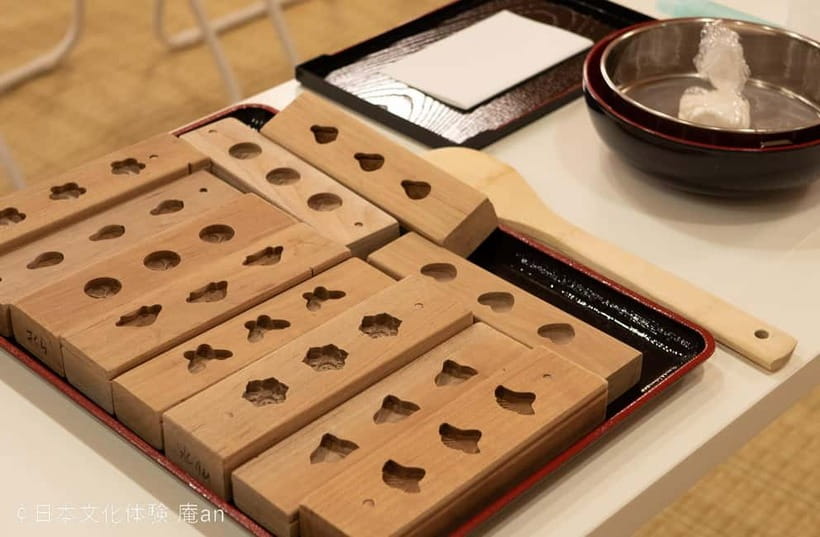
- Choose your own wooden mold: Cute wooden shapes let you decide how your Ohigashi will look.
- Freshly made tasting: You eat the sweets after making them, when the texture is at its freshest.
- Thirty minutes from start to finish: The compact format fits well between other Tokyo plans.
- Color costs extra: The standard activity makes plain Ohigashi, while colorful sweets cost an additional 200 JPY.
- A Japanese-led activity: The instructor speaks Japanese, with English translation offered as much as possible.
What Ohigashi is and why Wasanbon matters
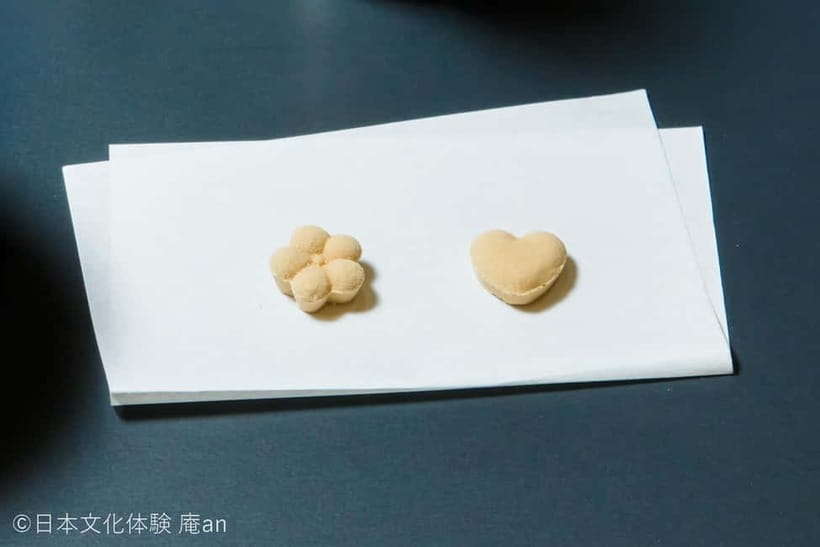
Ohigashi is a traditional Japanese dried-style sweet. It is made by pressing sugar into a mold, creating a small confection that is neat to look at and easy to serve with tea or enjoy on its own.
Here, the focus is Wasanbon, a traditional Japanese sugar known for its fine texture and gentle sweetness. The experience describes it as fluffy and smooth, with a texture that melts in your mouth. That makes the tasting part more than a quick snack. You get to notice how a high-quality Japanese sugar feels when it has not been mixed into a larger dessert.
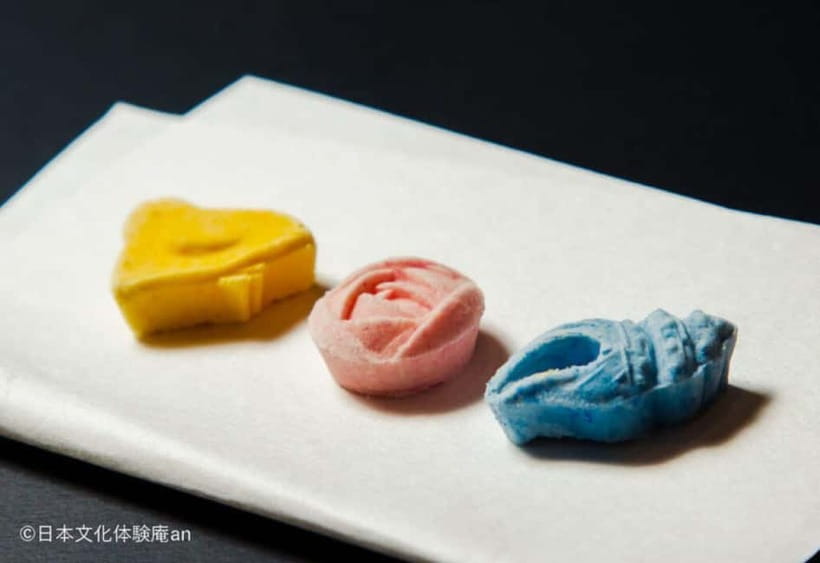
The standard activity uses no added color. Your sweets will have the natural appearance of the Wasanbon rather than bright food coloring. For 200 JPY more, you can request colorful Ohigashi on the day. That choice is useful if you want cheerful pictures or are making the activity part of a family outing, but the plain version keeps the focus on the sugar and the traditional style.
More Dessert Tours in Tokyo:
- Matcha Making Class in Tokyo with Authentic Japanese Sweets Set
★ 5.0 · 744 reviews - Tokyo: Matcha Making Experience with Mochi Sweets in Asakusa
★ 4.9 · 388 reviews - Make Traditional Nerikiri Sweets & Matcha experience in Shibuya
★ 5.0 · 130 reviews
Starting at AN TOKYO Japanese Culture Experience
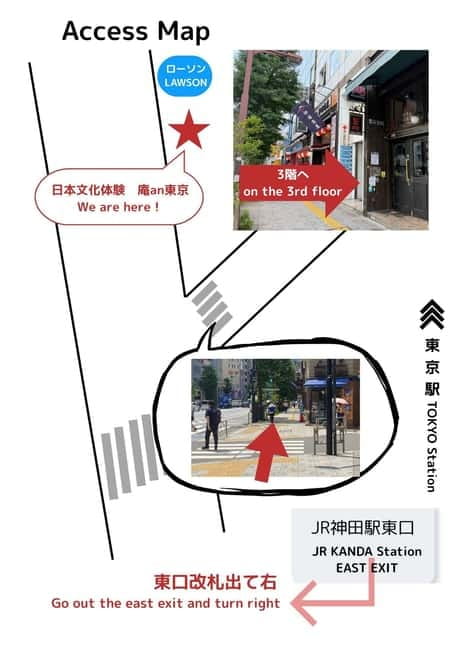
The meeting point is AN TOKYO Japanese Culture Experience in Honshu, Japan, at coordinates 35.6916541, 139.7715022. The provider is 日本文化体験 庵an東京, also shown as AN TOKYO.
Because the activity lasts only 30 minutes, the meeting point matters. You are not traveling out to a distant town or committing to a long workshop. It can fit into a day of sightseeing, though you should plan your route carefully and leave enough time to arrive before the booked start.
The operating hours are 10:00 to 17:00. Reservations received after 17:00 are processed the next day, so a late-night booking request may not receive immediate handling. I would save the meeting details before leaving your hotel and allow extra time for Tokyo transport or navigation.
Late arrival is the biggest practical risk. The staff will not hold the event to accommodate delays, whatever the reason. With such a short session, even a small delay can disrupt the whole activity, so this is not a good booking to pair with a tight train connection.
The first 20 minutes: learn, press, and photograph
The activity begins with an explanation of Japanese traditional sweets. You learn what Ohigashi is and receive guidance on how to make it from Wasanbon.
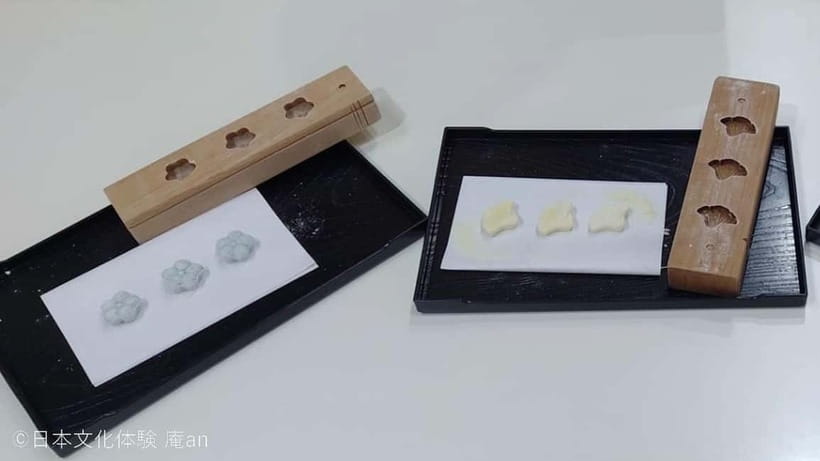
Next comes the central task: choosing a wooden mold and pressing the sugar into shape. The supplied details describe the molds as cute, which suggests that the choice is part of the fun rather than a purely technical step. You are not simply watching an instructor make a sweet. You select the form and create your own pieces.
The exact number of sweets and the full range of mold designs are not specified, so I would not book this expecting a large production session or a detailed confectionery course. Think of it as a short cultural activity with a clear result. You will handle the sugar, use a traditional mold, and leave with a better sense of how this type of Japanese sweet is made.
The instructor is Japanese, and English translation will be provided as much as possible if requested. One useful detail from the available feedback is that the instructor was considered kind to speak with and good at guiding the activity. Still, the official language is Japanese, so English support may be limited. If you want added translation, contact the provider in advance rather than assuming every explanation will be in English.
A picture time follows the making portion. This gives you a chance to photograph the molds or finished sweets before eating them. Since Ohigashi is small and shape-based, this short photo stop makes sense. You get a record of the design you chose instead of watching it disappear immediately.
The final 10 minutes: taste the fresh result
At the 20-minute mark, the making portion ends and the eating and drinking time begins. The experience finishes at 30 minutes, followed by room departure.
The tasting is the payoff. Freshly made Wasanbon has the fine, smooth texture described for this activity, and you can compare the appearance with the sensation as it melts. The sweetness is meant to be mellow rather than heavy. If you have only tried familiar Western candy or standard packaged Japanese sweets, this offers a different idea of what a sugar-based confection can be.
The information provided does not specify the drink served, so I would not book this expecting a full tea ceremony or a substantial refreshment break. Eating and drinking time is part of the program, but this remains a small tasting experience rather than a meal.
That distinction helps set the right expectations. You are paying for a short introduction to a traditional sweet, not a long culinary workshop. The best part is the connection between the steps: choose a mold, shape the Wasanbon, take a picture, and taste the result while it is fresh.
A completely different kind of day in Tokyo:
- Mt Fuji and Hakone 1-Day Bus Tour Return by Bullet Train
★ 5.0 · 26,383 reviews - 1-Day Tokyo Bus Tour
★ 5.0 · 14,250 reviews - Tokyo: teamLab Planets TOKYO Digital Art Museum Entry Ticket
★ 4.6 · 9,779 reviews - Mt Fuji & Hakone Cruise, Drum Show Bullet Train 1 Day from Tokyo
★ 4.0 · 7,413 reviews
Is $10 a good value for 30 minutes?
At $10 per person, this is inexpensive by Tokyo activity standards. The price includes the Ohigashi-making experience, and the session gives you both a hands-on task and a tasting. You also get a small cultural lesson about Wasanbon and Japanese dried sweets.
The value depends on what you want from an activity. If you want a long class, extensive background, or a large amount of food, 30 minutes may feel brief. If you want a low-cost cultural stop that fits into a packed day, the short length is a benefit.
I especially like the price for people who are curious about Japanese food traditions but do not want to spend much on a formal cooking class. You can try a distinctive ingredient, make something with your own hands, and move on to the next sight without losing an afternoon.
The optional charges are modest but worth noting. Colorful Ohigashi costs an additional 200 JPY, and an experience completion certificate costs 300 JPY. Neither is included in the basic price. You can decide about color on the day, while the certificate is useful mainly if you enjoy collecting activity records or want a small keepsake.
Who will enjoy this Japanese sweets activity?
This experience suits first-time visitors who want a simple introduction to Japanese confectionery. You do not need to commit to a full food tour or a long workshop, and the activity gives you something to do rather than simply something to see.
Families may also find it appealing. Children under two who sit on a parent’s lap are free, and the wooden shapes add a visual element that can keep young participants interested. The information does not give a general child age policy, so check with the provider if you are booking for older children or a larger family group.
It is also a good fit for anyone who likes small crafts, food photography, or traditional sweets. The mold selection and picture time give the activity a creative side, while the Wasanbon tasting adds a food lesson.
You may want to choose another activity if you need full English instruction. Japanese is the stated language, with translation offered as much as possible. You should also think twice if your schedule is unpredictable. The no-late-hold rule is strict, and a 30-minute booking leaves little room for delays.
Plain or colorful Ohigashi?
The standard choice is plain Ohigashi with no added color. This version lets you focus on the natural Wasanbon and the shape created by the wooden mold. For many people, that is the more traditional option.
The colorful version costs 200 JPY extra and can be requested on the day. I would choose color if you are bringing children, planning photos, or simply like a brighter finished sweet. I would choose plain if the ingredient and traditional appearance matter more to you.
The experience does not say how many colors are available or what forms they take, so avoid booking with a very specific design in mind. The reliable part is the chance to select a wooden mold and make the sweet yourself.
Timing, cancellations, and small practical details
The experience takes 30 minutes. The schedule gives you about 20 minutes for explanation, making, and pictures, followed by 10 minutes for eating and drinking. Check available start times when booking, since the schedule can vary.
You can cancel up to 24 hours in advance for a full refund. After that point, a cancellation fee applies according to the provider’s policy. Changing the date or time after a cancellation fee has been incurred can also bring a specified charge.
The provider cannot compensate you for travel expenses if you cancel. That makes it important to check your transport plans before booking, especially if you are coming from another part of Tokyo.
People who are not participating cannot enter the activity. If someone in your group plans to wait nearby rather than take part, do not assume they can join the room. Contact the provider if you need to reserve the property or clarify the arrangements for your group.
The booking system allows you to reserve now and pay later, which helps if your schedule is still taking shape. It does not remove the need to watch the cancellation deadline.
My recommendation for this 30-minute Wasanbon experience
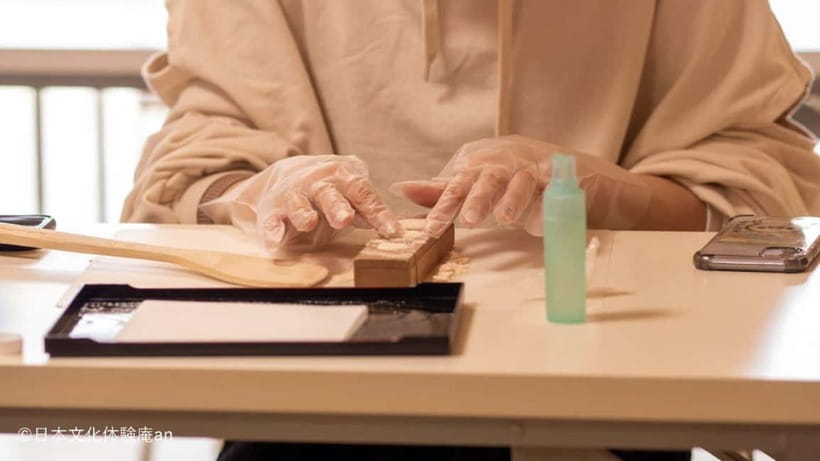
I would book this if you want an affordable, compact activity centered on a distinctive Japanese ingredient. The strongest reasons are the use of 100% Wasanbon, the freedom to choose a wooden mold, and the chance to taste what you have just made.
I would not book it as a replacement for a full Japanese cooking class or tea ceremony. The session is short, the language is Japanese with English help as much as possible, and the making portion is designed for a quick introduction rather than advanced instruction.
For a first visit to Tokyo, this works best as a small stop between larger plans. Arrive early, decide in advance if you want to pay for color, and keep your expectations focused on one traditional sweet. If that sounds appealing, $10 is a fair price for a hands-on taste of Japanese confectionery.
FAQ
Where does the Ohigashi-making experience take place?
It takes place at AN TOKYO Japanese Culture Experience in Honshu, Japan. The listed coordinates are 35.6916541, 139.7715022.
How long does the activity last?
The full experience lasts 30 minutes. The making and picture portion ends at about 20 minutes, followed by eating and drinking time until the 30-minute departure.
What is included in the price?
The price includes a set Ohigashi-making experience using traditional Japanese Wasanbon sugar.
Is the activity conducted in English?
Japanese is the listed language. English translation will be provided as much as possible, and you can contact the provider if you would like to request it.
What is Wasanbon?
Wasanbon is traditional Japanese sugar used to make the Ohigashi in this experience. It is described as smooth, fluffy, mellow, and melting in the mouth.
Can I choose the shape of my sweets?
Yes. You choose your preferred wooden mold and use it to make your own Ohigashi.
Are the sweets colored?
The standard experience makes Ohigashi without added color. Colorful Ohigashi is available for an additional 200 JPY if requested on the day.
Is a completion certificate included?
No. An experience completion certificate costs an additional 300 JPY.
What are the operating hours?
The operating hours are 10:00 to 17:00. Reservations received after 17:00 are processed the next day.
Can I cancel for a refund?
You can cancel up to 24 hours in advance for a full refund. Cancellation fees apply after that point according to the cancellation policy.
Newly reviewed around Tokyo
- Tokyo Asakusa:Calligraphy & Make T-shirt Activity★ 5.0 · 62 reviews
- Travel Tokyo with Your Own Personal Photographer★ 5.0 · 43 reviews
- Intercity Shuttle, Tokyo to Haneda /Narita /Yokohama /Makuhari★ 5.0 · 5 reviews
- 1 Hour Travel around Tokyo with a Professional Photographer★ 5.0 · 3 reviews
- Train in Samurai Swordsmanship and Defeat the Demon in Tokyo★ 5.0 · 5 reviews
- Shuttle Van 6hr Tokyo Tour to-and-from Tokyo, Yokohama and Narita★ 5.0 · 9 reviews
- Kickboxing & Body Training with EX-Pro Fighter★ 5.0 · 4 reviews
- Traditional Japanese Knife Sharpening Class★ 5.0 · 18 reviews
Dessert Tours, compared.
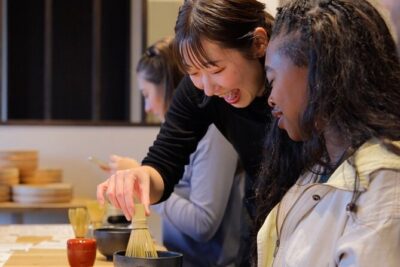
Matcha Making Class in Tokyo with Authentic Japanese Sweets Set
Read our review →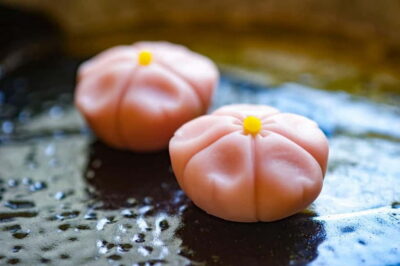
Matcha Making Experience with Mochi Sweets in Asakusa
Read our review →
Make Traditional Nerikiri Sweets & Matcha experience in Shibuya
Read our review →
Private Mochi Sweets Making class near Shibuya area
Read our review →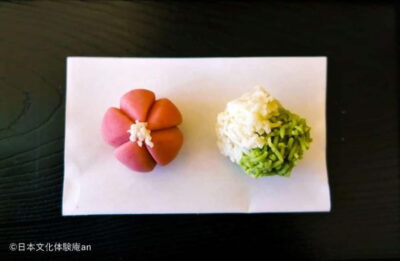
Japanese Traditional Sweets making and Tea Ceremony
Read our review →
Tokyo Local Food Tour: Noodles, Skewers, Dumplings, Sweets
Read our review →
Two Types of Japanese Sweets Making and Tea Ceremony
Read our review →
Mochi Matcha Gluten Free Japanese Sweets Class near Shibuya area
Read our review →Browse the lists this tour appears in