Reviewed · GUIDED
Highlights of Tokyo Private Tour with a Licensed Guide
Tokyo can feel like several cities stitched together. This six-hour private tour links a seafood market, a forested shrine, youth fashion streets, and an old temple district, using trains between the stops. It is a smart way to see very different sides of the capital when your time is short.
I like the chance to try unfamiliar seafood at Tsukiji Outer Market, and I like the practical train guidance. Shizuko helped one group understand Tokyo’s subway system well enough to explore on its own the next day. The main catch is pace: with public transport, walking, food stops, and four major areas, you may need to choose between lingering and seeing everything.
Key points to know before booking
- Tsukiji is your food stop: Browse fresh seafood, try something new, and buy a small breakfast or lunch at your own cost.
- Meiji Shrine offers a calm contrast: The large shrine grounds give you a break from Tokyo’s commercial streets, and you might see a traditional wedding.
- Harajuku and Omotesando show modern Tokyo: Expect shopping connected to teenage pop fashion, design, and style.
- Asakusa finishes with old Tokyo atmosphere: Sensoji Temple and Nakamise shops offer souvenirs and a traditional setting.
- The guide can adapt the day: Ena adjusted the route when her group wanted more time at selected places.
- Public transport is part of the lesson: You get help with Tokyo’s train system, but stations may involve stairs and limited elevators.
A six-hour introduction to Tokyo’s sharp contrasts
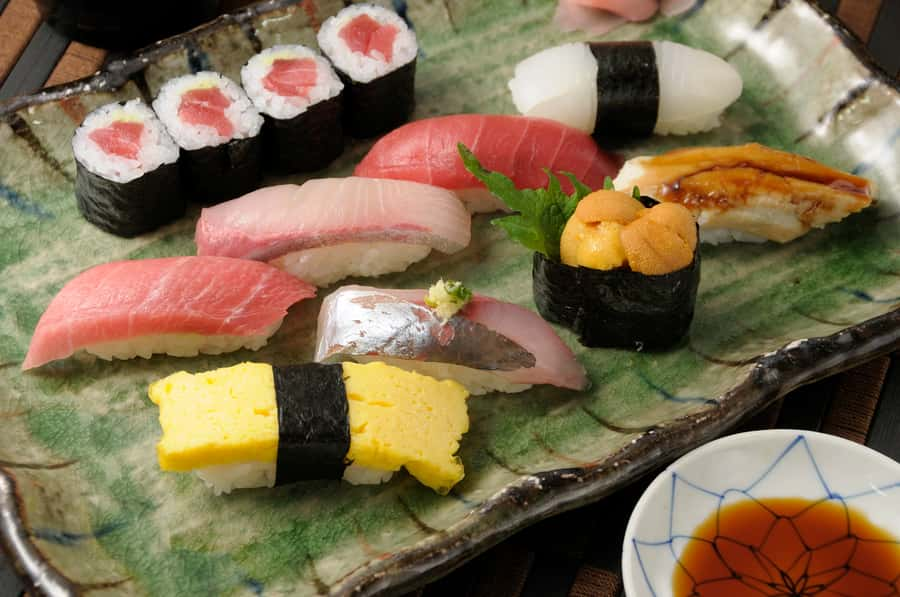
This tour works because the sights are not all variations on one theme. You move from market stalls to sacred grounds, then from fashion streets to one of Tokyo’s best-known temples. The change of mood keeps the day interesting.
You are not simply driven from one photo stop to another. You ride public transport, walk through busy neighborhoods, decide where to spend more time, and eat at places connected to the area you are visiting. That gives you a useful first look at how Tokyo fits together.
The private format matters. Your guide can answer questions as they come up, explain local customs, and adjust the amount of time spent at each place. Ena, for example, was flexible when her group wanted longer visits at a few locations and accepted that one planned site had to be dropped. That is a useful trade-off in Tokyo, where station transfers and city traffic can eat into a six-hour schedule.
More private tours in Tokyo:
- Tokyo 6hr Private Tour with Government-Licensed Guide
★ 5.0 · 3,902 reviews - Private Tour to Mt. Fuji and Hakone (Fully Licenced Operator)
★ 5.0 · 1,910 reviews - Tokyo Customized Private Tour (Must See Places in 1 Day)
★ 5.0 · 1,499 reviews
Starting with Meiji Shrine and Harajuku
The detailed route places Meiji Shrine and Harajuku early in the day, followed by Tsukiji and Asakusa. The general description also presents Tsukiji as a possible opening stop, so confirm the exact order and start time when booking. Either way, these stops make a strong opening pair because they show Tokyo’s old and new sides within a short distance.
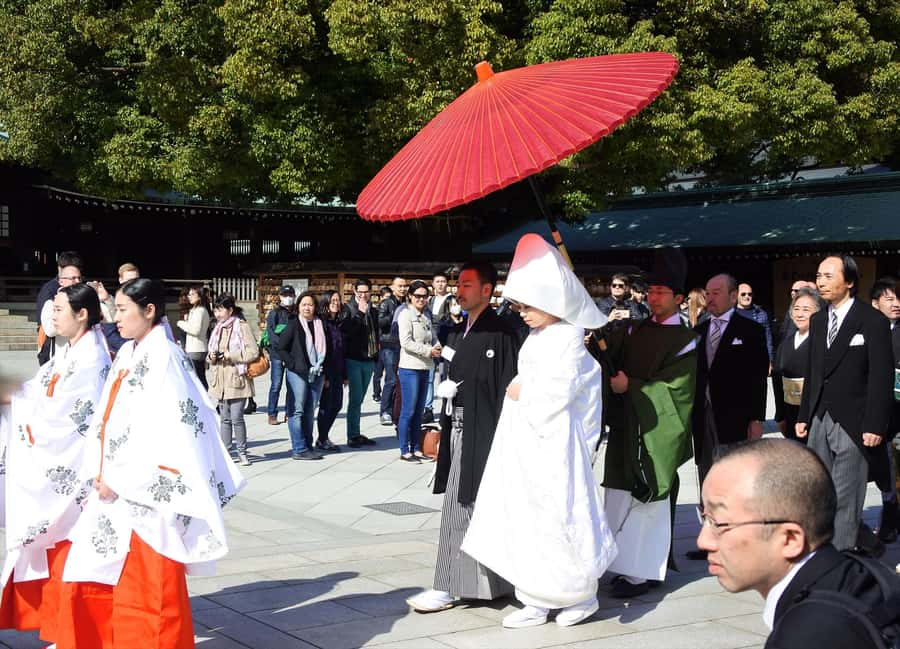
Meiji Shrine is one of Tokyo’s largest shrines. Its setting provides a marked change from the city streets, and the visit gives your guide a chance to explain basic Shinto customs and the role of the shrine. If timing is lucky, you might see a traditional Japanese wedding, which can add a memorable human moment to the visit.
Do not expect a quiet private garden or a short indoor attraction. The shrine visit involves walking, and the full experience depends on moving through its grounds at a comfortable pace. Comfortable shoes are essential from the start.
After the shrine, you walk into Harajuku, known for teenage pop fashion and distinctive shopping. The neighborhood is useful for anyone who wants to understand what younger Tokyo shoppers wear, buy, and follow. Omotesando adds another style of shopping, with a more polished feel than Harajuku.
This section is less about checking off a single monument and more about seeing how Tokyo’s culture changes from one street to the next. If shopping is not your priority, tell your guide early. The private setup makes it easier to limit store time and protect time for the market or temple.
Lunch may happen around Harajuku, or later in Asakusa. The tour does not include food, so you pay for your own meal and the guide’s lunch. That arrangement gives you choice, but you should allow enough time and budget for it.
Tsukiji Outer Market for seafood and a quick meal
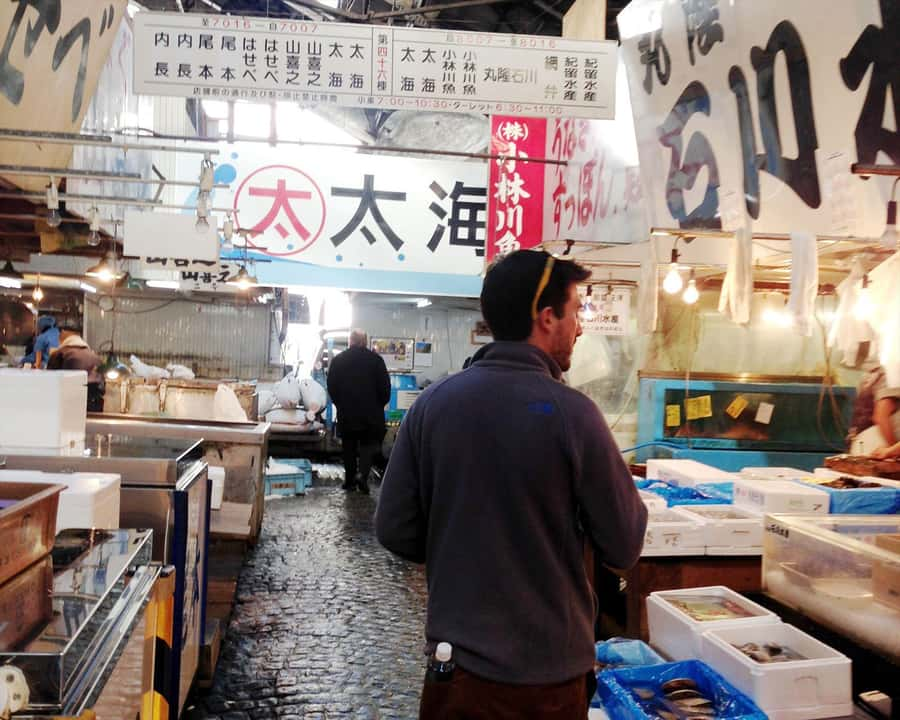
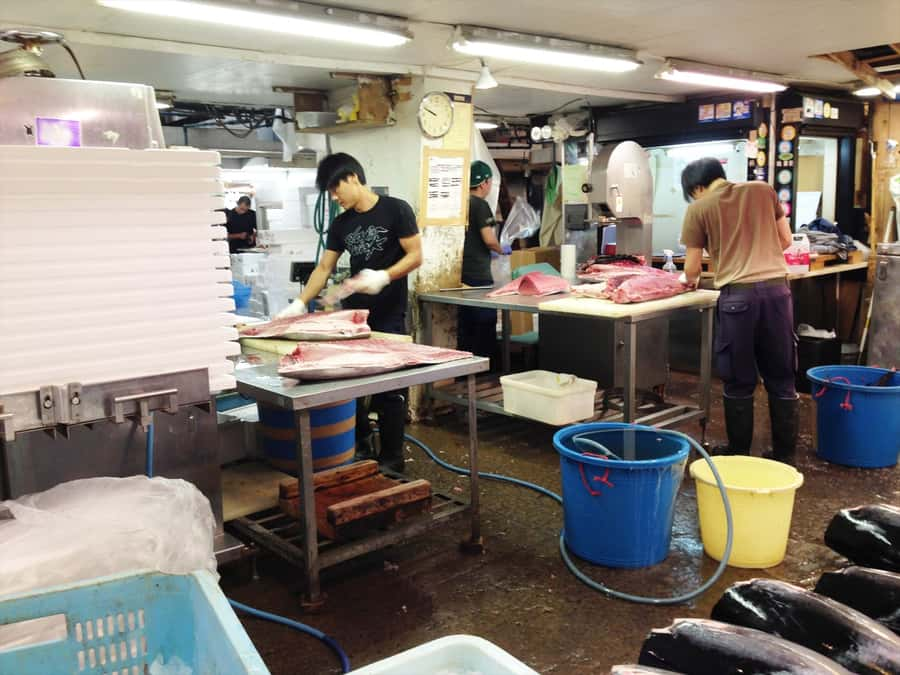
Tsukiji Outer Market is the day’s food-focused stop. It is a working market area with fresh seafood and other foods you may not recognize at first glance. You can browse, ask your guide what something is, and try a small breakfast if the timing works.
This is one of the tour’s best chances to do something that feels tied to daily Tokyo rather than simply viewing a landmark. The food stalls and small shops reward curiosity. You do not need to order anything unusual, but the setting invites you to try a bite outside your usual routine.
The tour may also use Tsukiji for lunch. Since lunch is not included, treat this as a chance to choose what suits you rather than expecting a fixed meal. A small breakfast at the market may make sense if your tour begins early, while lunch there can give you more time to browse first.
There are two practical limits. First, the market is not held when Tsukiji Outer Fish Market is closed, so check that the date works before you commit. Second, market visits can become slow if you stop at every stall. Your guide can help you focus, but you still need to keep an eye on the clock if Asakusa is important to you.
The supplied route lists three train rides of about 20 minutes each. Those rides are not wasted time. They help connect the city’s separate districts and give your guide a chance to explain the system. Shizuko’s train advice was especially useful for people planning to continue exploring Tokyo on their own the next day.
Asakusa and Sensoji Temple at the end
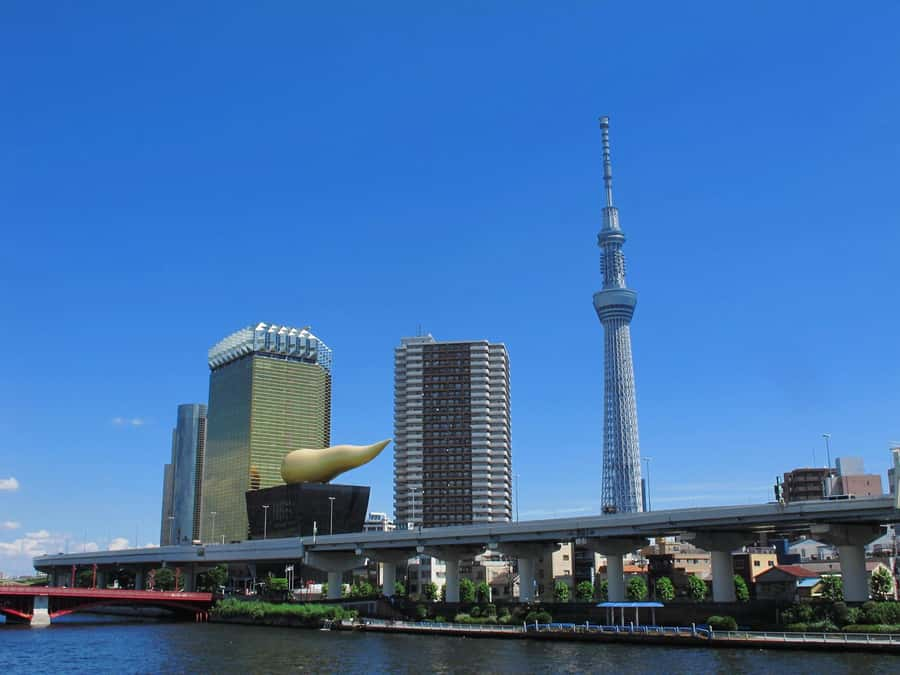
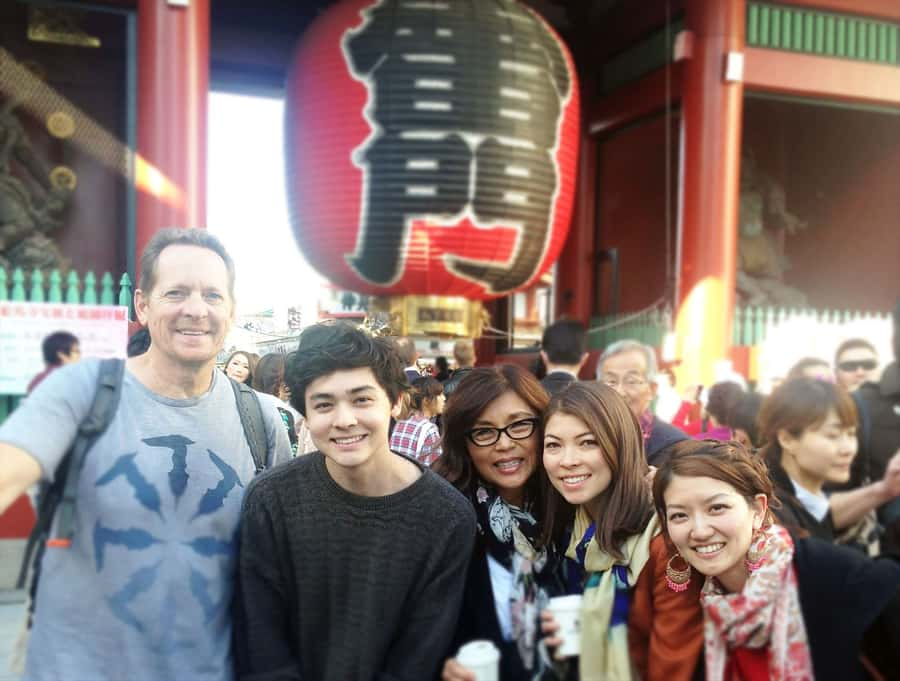
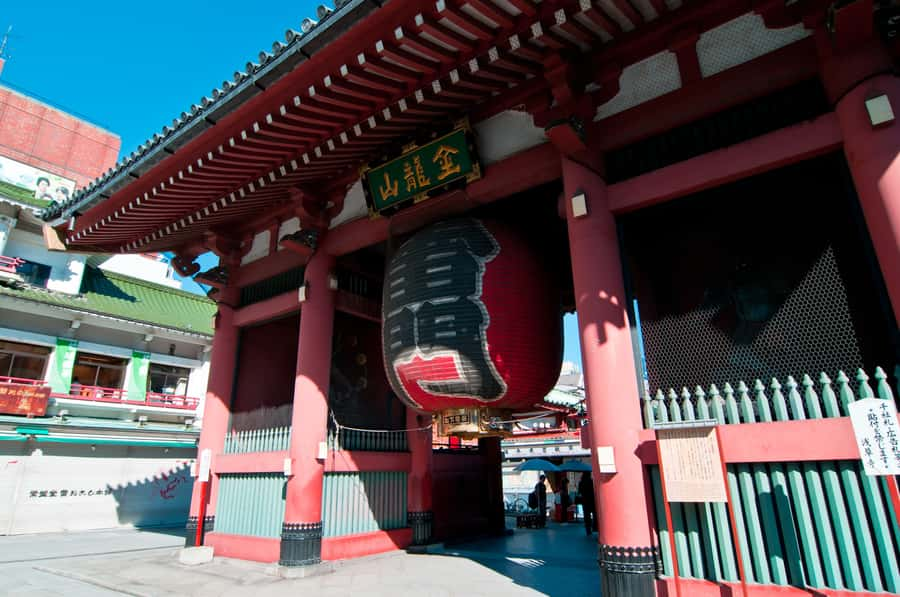
The final major stop is Asakusa, home to Sensoji Temple, one of Tokyo’s oldest and most familiar temple areas. The neighborhood gives the tour a strong finish because it feels different from Harajuku’s youth fashion and Tsukiji’s food stalls.
Sensoji is the center of the visit. Around it, Nakamise is lined with shops selling typical Japanese souvenirs. This is a practical place to buy small gifts, and the setting makes shopping part of the sightseeing rather than a separate errand.
You finish in Asakusa, at the address near Sensoji. That is useful if you want to keep shopping or continue exploring the district after the guide leaves. It also means the tour does not return you to your hotel, so plan your onward route before the final stop.
A visit to Asakusa can be as focused or relaxed as your schedule allows. You can concentrate on the temple and traditional shopping, or ask your guide to help you understand the area before staying on independently. The provided route does not promise extra attractions beyond Asakusa, so do not expect a broad tour of every nearby street.
More guided tours in Tokyo:
- Tokyo: Shinjuku Local Bar and Izakaya Guided Walking Tour
★ 4.9 · 1,794 reviews - Tokyo: Private City Highlights Tour with Local Guide
★ 4.8 · 1,433 reviews - Tokyo: Tsukiji Fish Market Guided Walking Tour
★ 4.9 · 1,397 reviews - Tokyo 4hr Private Tour with Government-Licensed Guide
★ 5.0 · 1,394 reviews
How the private guide changes the day
A private guide is most valuable here as a city translator and time manager. Tokyo’s trains are efficient, but stations can be confusing, and a wrong exit can cost valuable minutes. A guide who knows the route can keep the day moving while still answering questions.
You can also ask for context at the moment you need it. At Meiji Shrine, that might mean customs and wedding traditions. At Tsukiji, it might mean identifying an unfamiliar food. In Harajuku, it could mean understanding the difference between the shopping areas. At Asakusa, it might mean choosing the best souvenir street for your interests.
The guides named in the supplied information include Shizuko, Mamiko, and Ena. Shizuko was praised for managing a large group on a busy Saturday and for explaining the subway system clearly. Mamiko included a lunch at a sky restaurant and visits to the Asakusa Tourist Information Building and Caretta Shiodome, with views that made an impression. Those details also show that the exact day can vary, especially around meals and optional city views.
Ena’s flexible approach may appeal to you if you prefer a conversation over a fixed script. She provided enough information to keep the places meaningful without flooding the group with facts. That matters on a six-hour tour, when too much commentary can make the day tiring.
The private format is also useful for families or groups with different interests. One person can ask about temples, another about food, and another about shopping without forcing the whole group into a standard pace. Still, confirm the booking setup carefully: the advertised rate is $466 per group up to one person, while the experience is described as a private group tour and has also accommodated a large group. Ask how the price changes for your party before paying.
What the $466 price means
At $466 for the advertised group configuration, this is not a bargain-priced sightseeing loop. The price includes a nationally licensed guide and transportation fees, but not lunch or other food purchases.
The value comes from focus and guidance. You are paying to connect four very different Tokyo areas in one organized half-day, with a guide who can manage public transport and adjust the route. If you have only one day and would otherwise lose time figuring out train lines, the cost may feel reasonable.
If you already know Tokyo’s train system, prefer independent wandering, or want long visits at each stop, the value is weaker. Six hours is enough for an overview, not a leisurely study of each neighborhood. You will need to accept short train rides, steady walking, and decisions about where to spend your time.
The strongest reason to book is the combination of convenience and flexibility. The weakest reason would be expecting a slow, food-heavy market tour or a full-day cultural program. This is a fast introduction to several key districts, not an in-depth visit to one of them.
Walking, trains, and the pace of the day
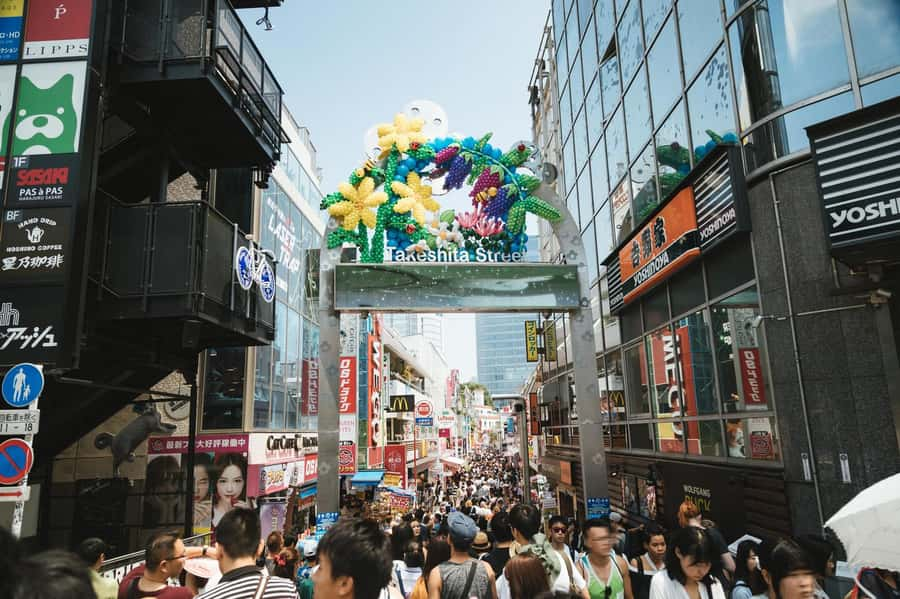
Bring comfortable shoes. The tour involves walking through shrine grounds, shopping areas, a market, and temple streets, plus moving through train stations. Most stations have few elevators or escalators, so tell the guide in advance about mobility concerns.
The route includes public transport, with listed train rides of about 20 minutes. Those estimates do not include every platform change, wait, or station walk, so the schedule can feel full. If the group starts late because of its own actions, the tour still ends at the planned time.
That rule is worth taking seriously. Arrive ready at your pickup point, since a late start can reduce time at one of the final districts. Pickup is available from hotels located in any of Tokyo’s 23 wards.
Children under five go free. The tour is not described as fully accessible, and the station limitations make advance discussion important for anyone who cannot manage stairs or extended walking.
The experience is offered in English, French, German, and Spanish. Select the language that lets you ask detailed questions comfortably, especially if you want cultural explanations rather than simple directions.
Who will get the most from this tour
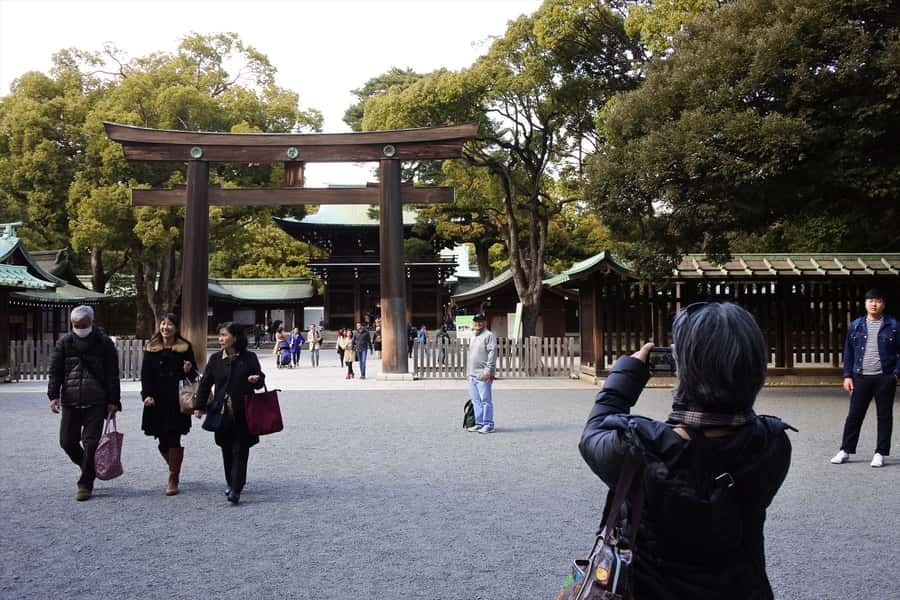
You should consider booking if you have one day in Tokyo and want a guided introduction to several major areas. It fits first-time visitors who like a clear plan but still want room to ask questions and change the balance between food, shopping, and sights.
It is also a good match if public transport makes you nervous. The guide does more than move you around for the day. You can learn enough about the train system to continue independently, as Shizuko demonstrated with her group.
Food-curious visitors will like Tsukiji, while shoppers may prefer the Harajuku, Omotesando, and Nakamise sections. Families and private groups may appreciate the ability to set priorities rather than follow a large fixed group.
You may want a different experience if your main goal is a long Tsukiji food crawl, an unhurried shrine visit, or a full day devoted to temples. You may also find the pace demanding if walking and stairs are difficult.
Should you book the Tokyo private tour?
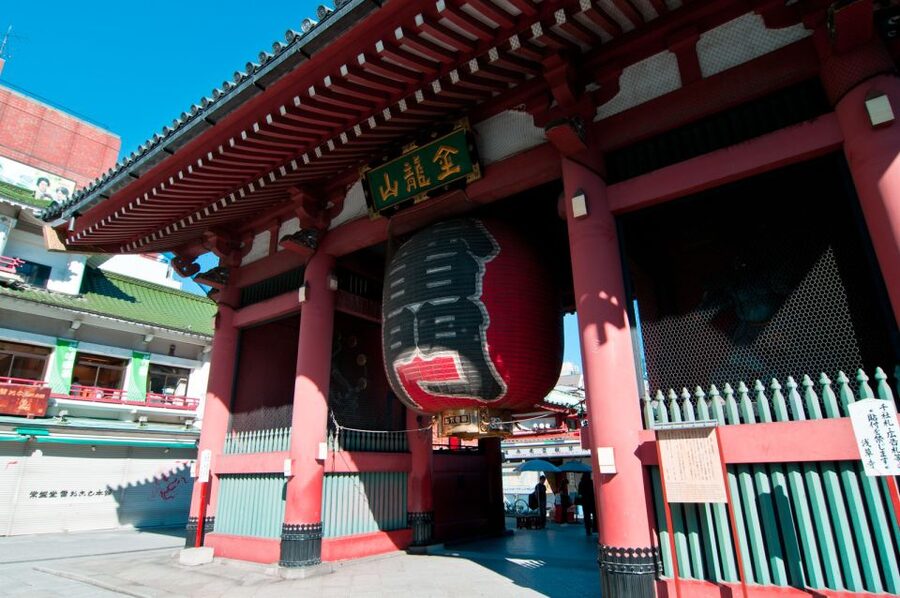
Book this tour if you want a practical, guided snapshot of Tokyo and value help with trains, timing, and local context. The mix of Tsukiji seafood, Meiji Shrine, Harajuku and Omotesando shopping, and Asakusa’s Sensoji Temple gives you a useful range in six hours.
Before booking, confirm the exact itinerary order, the rate for your full party, the start time, and the market’s operating day. If you arrive on time, wear good shoes, and accept that each stop is an introduction rather than a deep visit, this is a capable way to get your bearings fast and leave with ideas for the rest of your Tokyo stay.
FAQ
How long does the Tokyo private tour last?
The tour lasts six hours. Starting times depend on availability.
Which areas are included?
The experience includes Meiji Shrine, Harajuku, Omotesando, Tsukiji Outer Market, and Asakusa with Sensoji Temple and Nakamise shopping streets.
Is hotel pickup included?
Yes. Pickup is included from hotels located in any of Tokyo’s 23 wards.
Which languages are available?
The tour is available in English, French, German, and Spanish.
Is transportation included?
Yes. Transportation fees are included, and the tour uses public transport.
Is lunch included in the price?
No. Lunch is not included for you or the guide. You can eat around Harajuku, Tsukiji, or Asakusa, depending on the day’s timing.
Can children join the tour?
Yes. Children under five years old are free.
What happens if Tsukiji Outer Market is closed?
The tour is not held when Tsukiji Outer Fish Market is closed. Check the operating day before booking.
Is the tour suitable for someone with mobility concerns?
The tour involves walking and public transport, and many stations have few elevators or escalators. Tell the guide in advance about any mobility issues.
What is the cancellation policy?
You can cancel up to 30 days in advance for a 50 percent refund.
Newly reviewed around Tokyo
- Tokyo Asakusa:Calligraphy & Make T-shirt Activity★ 5.0 · 62 reviews
- Intercity Shuttle, Tokyo to Haneda /Narita /Yokohama /Makuhari★ 5.0 · 5 reviews
- 1 Hour Travel around Tokyo with a Professional Photographer★ 5.0 · 3 reviews
- Travel Tokyo with Your Own Personal Photographer★ 5.0 · 43 reviews
- Train in Samurai Swordsmanship and Defeat the Demon in Tokyo★ 5.0 · 5 reviews
- Shuttle Van 6hr Tokyo Tour to-and-from Tokyo, Yokohama and Narita★ 5.0 · 9 reviews
- Kickboxing & Body Training with EX-Pro Fighter★ 5.0 · 4 reviews
- Traditional Japanese Knife Sharpening Class★ 5.0 · 18 reviews
Guided, compared.
Tokyo 6hr Private Tour with Government-Licensed Guide
Read our review →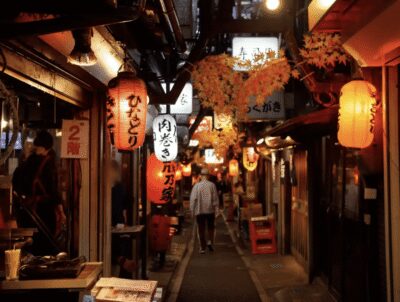
Shinjuku Local Bar and Izakaya Guided Walking Tour
Read our review →
Private City Highlights Tour with Local Guide
Read our review →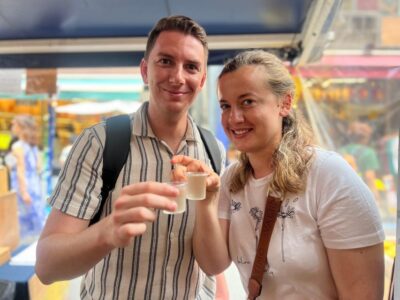
Tokyo 4hr Private Tour with Government-Licensed Guide
Read our review →
Samurai Ninja Museum Guided tour and Experience
Read our review →