
Reviewed · TOKYO SUMO EXPERIENCES
Grand Sumo Tournament Tokyo – Osaka – Nagoya
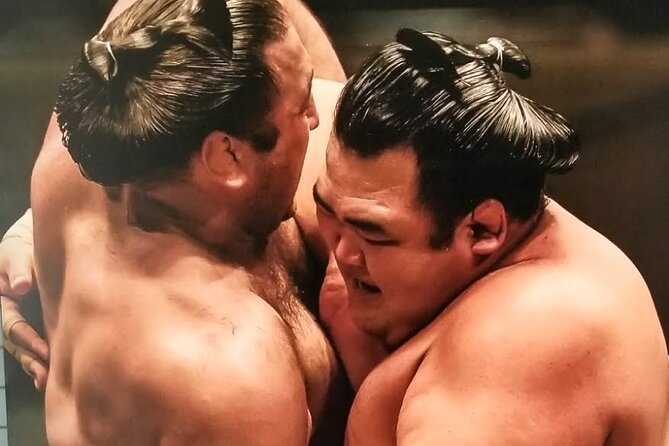
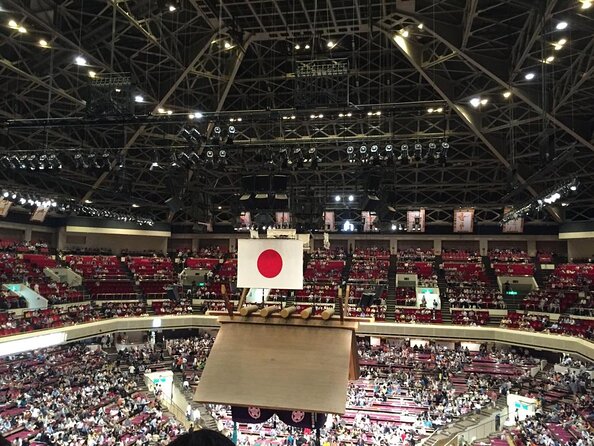
Grand sumo is not just a sporting match. It is a full day of ritual, noise, food, tradition, and serious competition wrapped inside one enormous arena. At Ryōgoku Kokugikan, you can watch wrestlers enter, perform formal movements, and collide with startling force while local fans cheer from the stands.
I like two things here: your admission is arranged ahead of time, which matters for popular tournament days, and you get a direct look at one of Japan’s most important traditional sports. The chance to learn how fans behave, sample arena food, and perhaps see wrestlers outside the venue adds plenty beyond the bouts themselves.
The main caution is price. The listed cost is $946 per person, and some tickets can sell for far more than the printed face value when an event is sold out. This is also not a guided sightseeing tour by default. It is described as a ticket-only experience, with no transportation included.
Key points before you book
- Grand sumo in three cities: Choose a tournament in Tokyo, Osaka, or Nagoya, depending on the available date.
- Four hours at the venue: The activity is built around the live event and includes admission.
- Paper ticket provided: Keep it safe and bring it to the arena.
- Seat upgrades available: Better locations cost extra.
- Tokyo meeting point: Start at Ryōgoku Edo NOREN near Ryōgoku Station.
- No transport or standard guide: You make your own way to the meeting point and should not assume a guided tour is included.
Why sumo feels different from a normal sporting event
At first glance, sumo looks simple. Two men step into a small ring, and one tries to force the other out or make him touch the ground. But the build-up is a large part of the show.
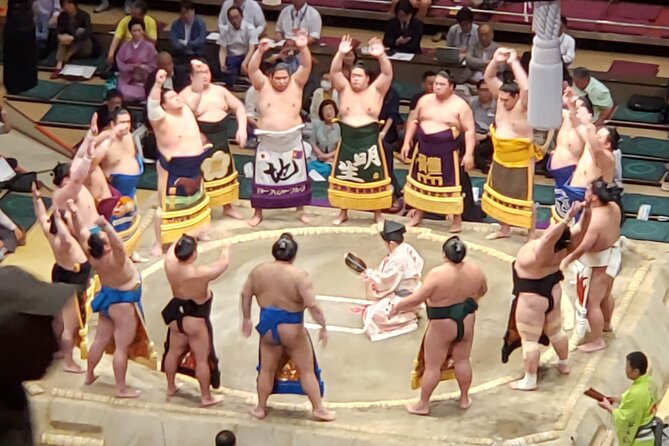
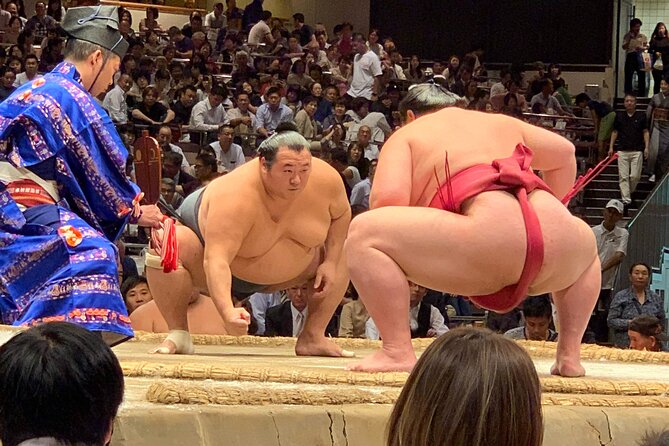
The wrestlers stamp, clap, scatter salt, and repeat formal movements before the bout begins. These gestures slow the action and give the match a ceremonial rhythm. Then, quite suddenly, the contest explodes. A bout may last only seconds, so the pre-match tension matters.
You will also see that sumo is a social occasion for Japanese fans. The crowd reacts loudly when a popular wrestler appears, and the mood can feel more like a major league game than a quiet cultural performance. That makes this a good choice if you want to see how a traditional Japanese sport works in real life, not just in a museum display.
The event can also be surprisingly accessible once you understand the basic aim. You do not need to know every wrestler or rule to enjoy the impact, crowd response, and ceremony. A short explanation before you enter can make the whole afternoon easier to follow.
More Tokyo sumo experiences:
- Tokyo: Sumo Show and Dining Experience
★ 4.8 · 2,742 reviews - the SUMO show
★ 5.0 · 1,960 reviews - Tokyo Shinjuku Sumo Show & Experience with Photo
★ 5.0 · 1,750 reviews
Ryōgoku Kokugikan and the Tokyo meeting point
For the Tokyo tournament, you start at Ryōgoku Edo NOREN, at 1-chōme 3-20 Yokoami in Sumida City. The venue is near public transportation, but the activity does not include transportation, so you must arrange your own route.
The meeting point is useful because it gives you a clear place to collect or receive your paper ticket. Arrive with enough time to find the location and sort out the entry process. A large sports venue can feel confusing at first, especially if your ticket details are not immediately clear.
The tournament itself takes place at Ryōgoku Kokugikan, Tokyo’s main sumo hall. The location is part of the experience. Ryōgoku is closely linked with sumo, and the area has a strong connection to the sport’s clubs, wrestlers, and traditions.
The written format describes the activity as ticket only, with no guide. Still, Ken Miller and Shin are associated with some of the arrangements connected with this experience. Several accounts describe Ken explaining rules and rituals, helping with the arena, and adding a short local walk or practical orientation. Because the official details do not promise a guided tour, confirm exactly what your booking includes before paying.
What the four-hour visit is really like
The stated duration is about four hours. That is enough time to attend the main part of the tournament, but it is not presented as an all-day escorted program.
You can expect the experience to center on entering the arena, finding your seat, watching the matches, and taking in the crowd. Food stalls add to the occasion, and arriving early is a smart move if you want more time to look around and enjoy the festive feel before the most important bouts.
The schedule may feel different from a Western sporting event. The atmosphere builds as the day goes on, with higher-ranking wrestlers appearing later. If you arrive early, you may see more of the venue and catch lower-level matches. If you arrive later, you may focus on the top bouts but miss some of the gradual build-up.
The four-hour estimate should therefore be treated as a practical guide, not a promise that every moment will follow the same pattern. Sumo tournament schedules can change, and the experience depends on the date and session you book.
Understanding the rituals before the first clash
The best reason to choose this experience is the setting. Sumo’s customs are performed in public, in front of thousands of people, rather than explained behind glass.
You will see ritual actions that can seem puzzling if you do not know what they mean. The stomping, salt throwing, and repeated movements are part of the formal preparation. They give the wrestlers time to focus and give the crowd time to build anticipation.
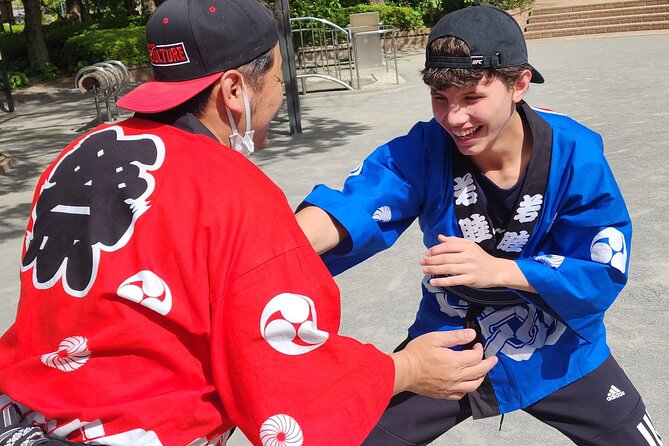
Ken Miller is described as a sumo practitioner who explains the sport with enthusiasm. Accounts connected with the experience also describe practical instruction, history, and even lighthearted practice bouts before the tournament on certain bookings. That sounds like a fun addition, particularly for families and teenagers, but it should not be assumed as part of every ticket-only booking.
If you receive guidance from Ken or Shin, make the most of it by asking about the rules, ranking system, and the difference between a ritual and a competitive move. If no guide is present, do not worry. The basic action is easy to follow, and the arena atmosphere does much of the work.
A completely different kind of day in Tokyo:
- Mt Fuji and Hakone 1-Day Bus Tour Return by Bullet Train
★ 5.0 · 26,383 reviews - 1-Day Tokyo Bus Tour
★ 5.0 · 14,250 reviews - Tokyo: teamLab Planets TOKYO Digital Art Museum Entry Ticket
★ 4.6 · 9,779 reviews - Mt Fuji & Hakone Cruise, Drum Show Bullet Train 1 Day from Tokyo
★ 4.0 · 7,413 reviews
Seats, upgrades, and the value question
The booking includes admission, but the quality of your view depends on the ticket category. Upgraded seats are available for an additional charge.
This is where you need to read the price carefully. The ticket may show a lower printed face value than the amount you paid. That does not automatically mean the wrong ticket was issued, because tickets for sold-out events can be sourced through suppliers at a much higher resale price.
Still, the difference can be large. One booking associated with this experience cost far more than the face value, and another account described good box seats being available elsewhere for about $250. The listed price of $946 is therefore not a bargain entry ticket. You are paying for access, advance arrangements, and scarcity, not simply the printed value on the paper.
I would compare the cost with other ticket sources before committing. If the tournament is sold out, the premium may be the only practical way to get in. If tickets are still available through an official channel, the $946 price is much harder to justify.
Ask these questions before booking:
- What seat category is included?
- Is the seat an upgraded location?
- Is the event sold out?
- Is a guide meeting you, or are you receiving only a paper ticket?
- Does the price include any orientation or local walk?
- Is the printed ticket value different from the amount charged?
Those questions are especially important because the experience information clearly states that transportation and a tour guide are not included.
Food, fans, and the arena atmosphere
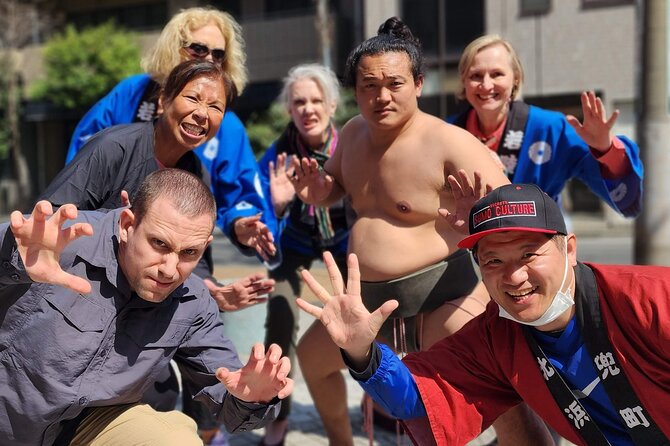
Sumo is best enjoyed as a complete outing. The food stalls and crowd behavior are not minor extras. They show how Japanese fans turn a tournament into a social event.
You can expect cheering, conversation, and plenty of movement around the venue. The mood is lively rather than solemn, although the rituals themselves remain formal. This contrast is part of the charm: the ring receives great respect, while the surrounding crowd can behave like fans at any major sporting match.
Arriving early gives you time to enjoy the food stalls and take in the venue without rushing straight to your seat. You may also have a better chance of seeing wrestlers around the entrance area, although no appearance is guaranteed.
Seat-finding may take a little effort. One account described confusion over the location, particularly at the Osaka tournament. Arena staff can help, and the local host may also assist if present. Keep your paper ticket handy and ask for help rather than wandering through the building.
Tokyo, Osaka, or Nagoya?
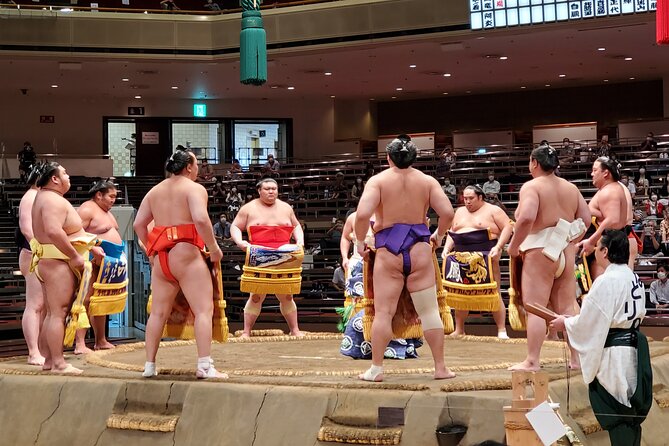
The experience is offered around grand tournaments in Tokyo, Osaka, and Nagoya. The basic appeal is the same in each city: live sumo, formal rituals, cheering fans, and a chance to see the sport in its home country.
Tokyo is the clearest fit if you want the classic Ryōgoku setting and the named meeting point at Ryōgoku Edo NOREN. Osaka and Nagoya may suit your wider Japan itinerary better, especially if you are already moving between those cities.
The supplied details do not provide separate meeting points, prices, or exact schedules for every city. Check the selected date and city carefully before booking. Ticket details have occasionally been described as incorrect for an Osaka tournament, so verify the venue, date, seat, and meeting instructions as soon as you receive them.
Who will enjoy this most?
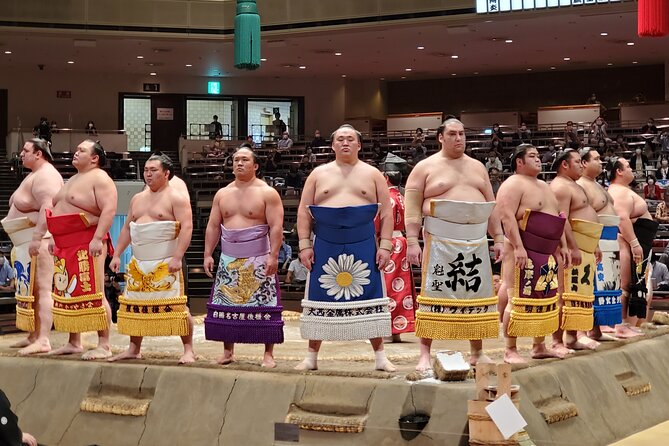
I would recommend this to you if you want a cultural event that feels local and energetic rather than a standard sightseeing stop. It works especially well for first-time visitors who need help securing access to a popular tournament.
Families and teenagers can enjoy it too, particularly if a guide-led orientation or practical demonstration is part of the booking. The sport is visual and easy to grasp, even when you know little about sumo.
This may not suit you if you want a polished, fully guided tour with transportation from your hotel. The core product is a ticket-only event. You are responsible for getting to the meeting point, finding your seat, and managing your time at the arena.
It may also disappoint if you expect a quiet cultural performance. The crowd gets loud, and the matches are brief. Sumo rewards patience because much of the excitement comes from the ritual and build-up.
Booking, cancellation, and group size
Confirmation is provided at the time of booking. The activity is near public transportation, and most people can participate. The maximum group size is listed as 20, although the core event itself takes place in a large public arena.
The ticket is a paper ticket, so protect it from rain, loss, or damage. Since the activity is non-refundable and cannot be changed after booking, check the date and city carefully before you pay.
That strict policy makes the pricing issue even more important. Confirm the exact seat, tournament location, and services included before finalizing your reservation.
Should you book this sumo experience?
Book it if seeing live grand sumo is high on your Japan wish list and you value having admission arranged before a popular event. The atmosphere, formal rituals, food stalls, and crowd response can make this one of the most memorable sporting experiences on a Japan trip.
I would be more cautious if you are paying $946 simply for a standard seat. Compare prices first, ask about the face value and seat category, and confirm whether Ken Miller, Shin, or another host will meet you. If the booking is only a paper ticket, judge it as a ticket purchase, not as a guided cultural tour.
The strongest reason to go is authenticity. You are not watching a staged demonstration. You are sitting among Japanese fans at a real tournament, watching a sport that combines ceremony with sudden, powerful action. For many visitors, that is worth making room for in the itinerary.
FAQ
Where does the Tokyo experience begin?
The Tokyo meeting point is Ryōgoku Edo NOREN, Japan, at 1-chōme 3-20 Yokoami, Sumida City, Tokyo 130-0015.
Where does the Tokyo sumo event take place?
The itinerary identifies Ryōgoku Kokugikan as the Tokyo venue.
How long does the experience last?
The activity lasts approximately four hours.
Is admission included?
Yes. Admission to the sumo tournament is included.
Are upgraded seats available?
Yes. Seat upgrades are available for an additional fee.
Is transportation included?
No. Transportation is not included, so you must make your own way to the meeting point and venue arrangements.
Can I cancel or change the booking?
No. The experience is non-refundable and cannot be changed for any reason after booking.
Newly reviewed around Tokyo
- Tokyo Asakusa:Calligraphy & Make T-shirt Activity★ 5.0 · 62 reviews
- Intercity Shuttle, Tokyo to Haneda /Narita /Yokohama /Makuhari★ 5.0 · 5 reviews
- 1 Hour Travel around Tokyo with a Professional Photographer★ 5.0 · 3 reviews
- Travel Tokyo with Your Own Personal Photographer★ 5.0 · 43 reviews
- Train in Samurai Swordsmanship and Defeat the Demon in Tokyo★ 5.0 · 5 reviews
- Shuttle Van 6hr Tokyo Tour to-and-from Tokyo, Yokohama and Narita★ 5.0 · 9 reviews
- Kickboxing & Body Training with EX-Pro Fighter★ 5.0 · 4 reviews
- Traditional Japanese Knife Sharpening Class★ 5.0 · 18 reviews
Tokyo Sumo Experiences, compared.
Tokyo Shinjuku Sumo Show & Experience with Photo
Read our review →
Luxury Sumo Show Experience & Japanese cuisine & Drink
Read our review →
Tokyo Sumo Experience: Chanko & Mochi with a Former Pro
Read our review →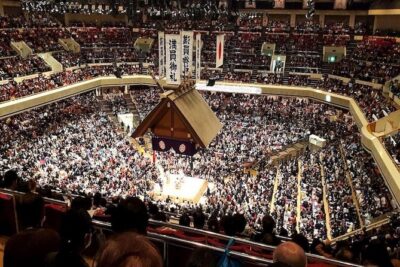
Ultimate Sumo Tournament: Tokyo, Osaka, Nagoya, Fukuoka
Read our review →Browse the lists this tour appears in