
Reviewed · TOKYO PHOTO SHOOTS
Explore Unique Tokyo Streets / Learn with a Pro Photographer
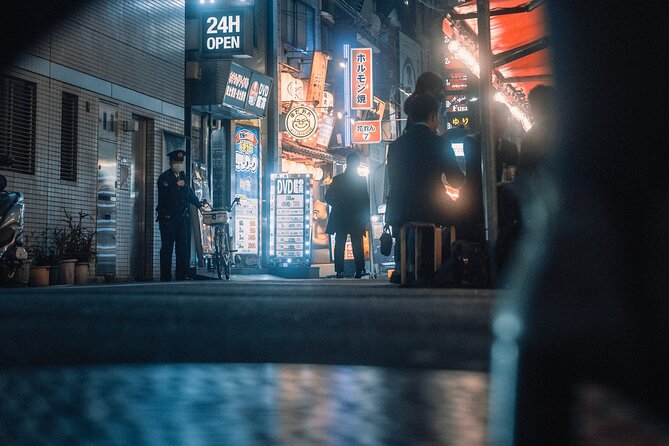
Tokyo after dark is the real subject here. Professional photographer Deniz Demir leads you through Yurakucho and Shinbashi, where narrow streets, office workers, signs, reflections, and evening light give you plenty to frame. This is part walking tour and part hands-on photography lesson.
I like the small maximum of six people, which gives you room to ask about your own camera rather than listen to a broad lecture. I also like that Deniz can bring a tripod if you want to work on night shots, while the lesson can range from basic settings to creative tools such as LED lights and prisms.
The main drawback is the short two-hour format. You will get useful instruction and a focused walk, but not a full Tokyo photo tour or a complete photography course. The price, $128.09 per person, makes the most sense if you plan to use the advice throughout your trip.
Key points to know before booking
- A six-person limit keeps the lesson personal: You can ask about your own camera, lenses, settings, and shooting habits.
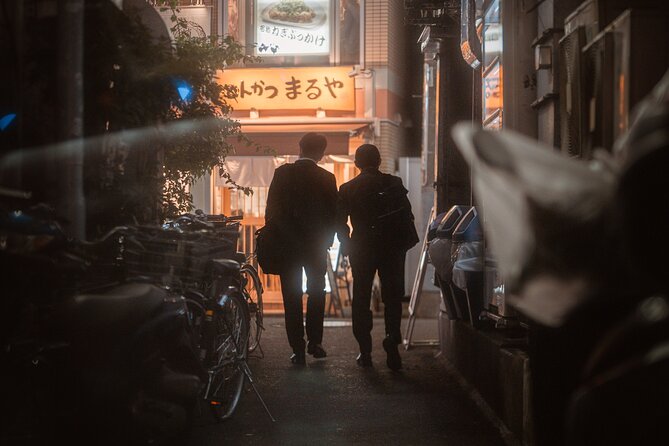
- The route focuses on Yurakucho and Shinbashi: These central districts offer evening street scenes and a close look at salaryman culture on weekday tours.
- The lesson covers more than camera buttons: Deniz Demir discusses framing, light, street photography ideas, and how to turn an ordinary scene into a stronger image.
- A tripod is available by request: This matters if you want to work on stable night exposures or learn how to handle slower shutter speeds.
- You can choose among evening departure options: The schedule gives you some flexibility during your Tokyo stay.
- The tour ends where it begins: Meet at Shimbashi Station and return there after the walk.
Why Tokyo after dark suits a photography lesson
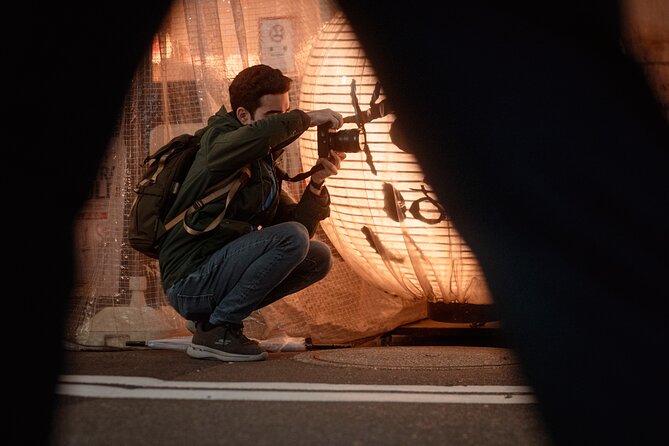
Tokyo gives you a useful mix of difficult and rewarding subjects. Evening light changes quickly. Bright signs can fool your exposure, dark side streets can make focusing harder, and people move through the frame before you are ready.
That is exactly why a guided photography walk can help. You are not simply being shown a scenic viewpoint. You are being asked to notice what the street is doing: where light falls, how lines lead your eye, and how a person can give scale and life to an otherwise ordinary frame.
Deniz Demir’s own path into photography also shapes the tone of the experience. He came to Japan in 2015, bought his first serious camera, and later built a professional career around photography. He also runs a large Meetup group for creative people in Tokyo, so connecting photographers and encouraging discussion is part of his work.
You should not expect a formal classroom. The useful part is likely to happen while you are standing on a street corner, checking an image, and asking why it feels flat or why the highlights have disappeared. That practical setting helps you test advice immediately.
More Tokyo photo shoots:
- Tokyo Ryogoku Sumo Morning Practice + Photo Shoot with Wrestlers
★ 4.5 · 277 reviews - Tokyo Cyberpunk Street Photo Tour
★ 5.0 · 165 reviews - Tokyo Shinjuku Night Photo Tour with Pro Gota
★ 5.0 · 142 reviews
Starting at Shimbashi Station
The meeting point is Shimbashi Station at 2 Chome-17 Shinbashi, Minato City. This is a sensible place to begin because Shinbashi is closely tied to Tokyo’s office-worker culture and gives the walk an urban setting from the first minutes.
Plan to arrive ready to photograph. Your camera or phone should be charged, and you should have enough storage for repeated attempts. The experience is built around practice, so you will gain more from taking several versions of a scene than from waiting for one perfect picture.
The group limit of six is one of the strongest features. A larger group would make it harder for Deniz to look at each person’s screen or explain different camera systems. Here, you have a better chance of getting advice that fits your equipment and your current ability.
The physical demands are moderate. You will walk through city streets for about two hours, and the activity asks for a moderate level of fitness. There is no indication of a strenuous hike, but comfortable shoes still make sense. Service animals are allowed, and the meeting point is near public transportation.
Shinbashi and the salaryman scene
On weekday evening tours, the walk gives you a close look at Japan’s salaryman culture. This is not a staged cultural show. It is an everyday part of the city, seen as office workers move through the district after work.
For photography, that setting offers more than a collection of portraits. You can work on timing, distance, background, and respect. A person crossing through a pool of light may be more effective than a posed subject. A row of umbrellas, a glowing sign, or a narrow passage can provide structure around a moving figure.
Deniz can help you think through those choices. The lesson includes street shooting ideas and what to look for, not just instructions on where to set your aperture. That distinction matters. Many new photographers know how to change settings but still struggle to recognize a strong frame before pressing the shutter.
You should also be prepared for the possibility that the best photograph will not appear on demand. Evening street photography involves waiting, trying, adjusting, and sometimes letting a scene go. The value of the walk is learning how to make those decisions faster.
Yurakucho’s narrow streets and changing light
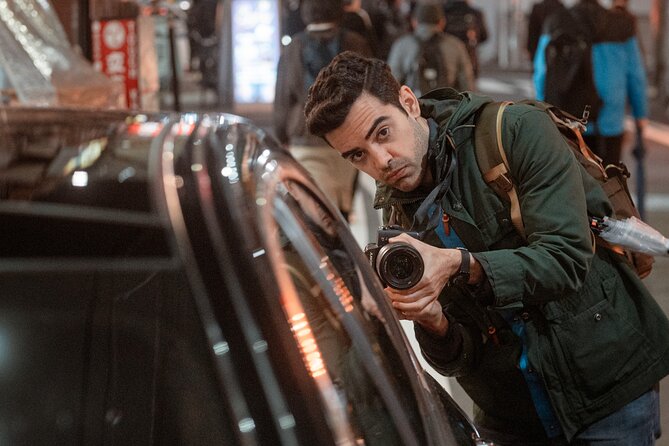
Yurakucho adds another kind of urban subject. The area is useful for photographers because it can offer layers of city life in a compact space. You might find bright commercial light next to darker corners, people moving through tight streets, and details that reward a closer look.
The specific stops can vary with the evening option and the flow of the walk, so you should not book this expecting a fixed list of monuments. The focus is on viewpoints and street conditions that Deniz has photographed over time. He aims to show angles you might not find on your own.
That makes the experience more personal than a standard sightseeing route. You are not simply collecting famous Tokyo landmarks. You are learning how to photograph the city’s ordinary spaces with more intention.
This is also where framing advice can become practical. Deniz may help you consider the edge of the image, use objects in the environment, or wait for a person to complete the composition. Those small choices often separate a snapshot from a picture you are proud to keep.
A completely different kind of day in Tokyo:
- Mt Fuji and Hakone 1-Day Bus Tour Return by Bullet Train
★ 5.0 · 26,383 reviews - 1-Day Tokyo Bus Tour
★ 5.0 · 14,250 reviews - Tokyo: teamLab Planets TOKYO Digital Art Museum Entry Ticket
★ 4.6 · 9,779 reviews - Mt Fuji & Hakone Cruise, Drum Show Bullet Train 1 Day from Tokyo
★ 4.0 · 7,413 reviews
Camera settings, lenses, and useful gear
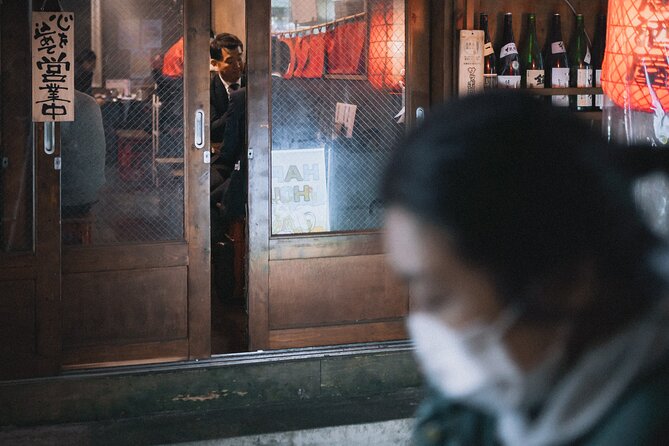
The lesson begins at a level that suits photographers who still feel uncertain about their equipment. Topics include settings, lenses, and other gear. One especially useful feature is the chance to ask about what you already own instead of receiving a generic equipment talk.
A participant found the session helpful for discovering gaps in their own understanding, including things they had not considered before. That is a good clue about the tour’s practical value. You may arrive thinking you need a new lens, only to find that a change in settings, timing, or composition would improve your images more.
The walk also covers creative accessories such as LED lights and prisms. These tools can change how you use an evening street scene, but they are not magic shortcuts. The important lesson is understanding when an effect supports the subject and when it merely distracts from it.
If you are new to manual controls, the short format may feel full. You can ask for help with the basics, but you should not expect every camera menu or advanced technique to receive equal attention. Bring one or two questions you most want answered. That will help you get better value from the time.
From ordinary street scenes to stronger photographs
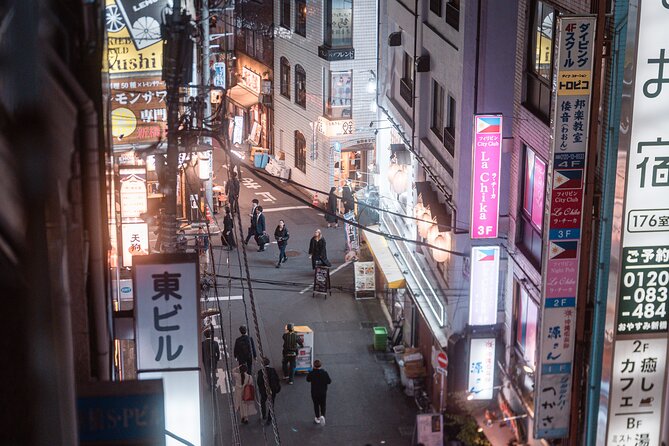
The most interesting part of the experience is its attention to photographic thinking. Deniz discusses what to look for, how to frame a scene, and different approaches to street photography. This moves the lesson beyond technical troubleshooting.
You may learn to ask simple questions before shooting:
- What is the main subject?
- Where is the strongest light?
- Is the background helping or competing?
- Would a different angle simplify the frame?
- Should you wait for someone to enter the scene?
- Does the image need color, shadow, reflection, or movement?
These questions are useful long after you leave Tokyo. Camera settings change from scene to scene, but the habit of looking carefully remains.
The feedback is also designed to be tested right away. You can try a suggestion, review the result, and make another attempt. That quick cycle is more helpful than hearing advice once and hoping you remember it later. A participant specifically valued putting the instruction to work and coming away with good images.
Do not expect Deniz to promise a gallery-ready photograph. Conditions, weather, crowds, equipment, and your own comfort with the camera all affect the outcome. Still, the structure gives you a fair chance to improve during the walk rather than simply collect information.
The optional tripod and evening shooting
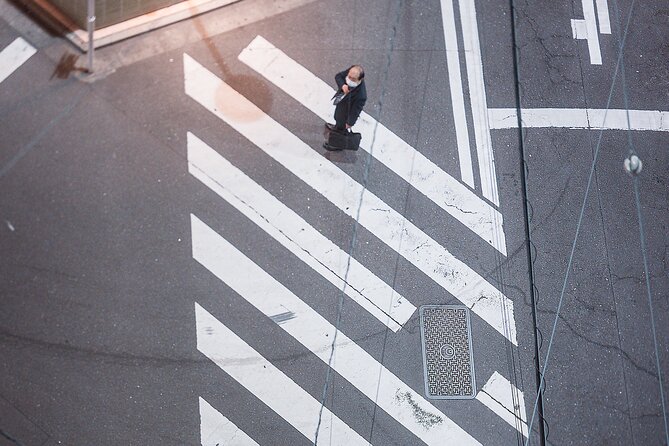
If you want to work with a tripod, Deniz can bring one if requested. This is worth arranging ahead of time, particularly if you want to study night photography with longer exposures.
A tripod can help with sharpness when light levels drop, but it also changes how you photograph. You need to choose a stable position, watch the movement in the scene, and decide whether blur adds something or ruins the picture. Even if you do not use the tripod for every frame, learning when it helps is useful.
The tripod option may appeal most to photographers who already know the basics and want to improve night work. Beginners can also benefit, but the two-hour session may not allow time for every subject. If your main goal is candid street photography, you may prefer to keep your setup light and mobile.
The evening schedule gives you some choice, which helps you fit the walk around dinner or other Tokyo plans. The weekday timing is especially relevant if salaryman culture is a main reason for booking. If that subject matters to you, select a weekday option rather than assuming every departure offers the same setting.
What $128.09 buys you
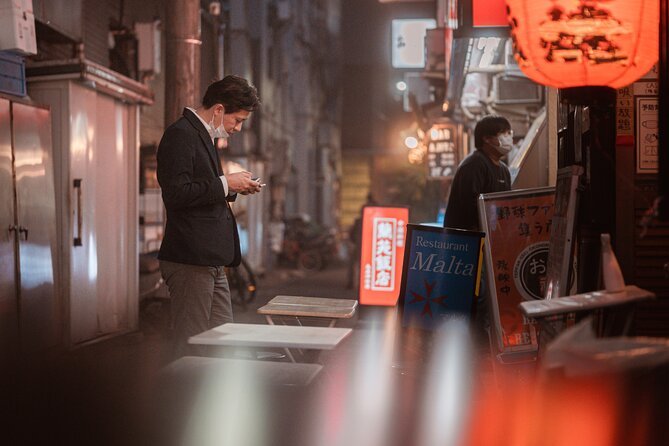
At $128.09 per person, this is not a cheap sightseeing stroll. You are paying for a small group, a professional photographer, a focused route, and personal instruction. The value depends heavily on how much you want to learn.
If you already own a camera and plan to photograph throughout Japan, the cost can make sense. A few useful changes to your settings or shooting habits may improve dozens of later images. The ability to ask about your own gear is also more valuable than a broad talk aimed at an unknown audience.
If you mainly want to see Tokyo at night, the price is harder to justify. You can explore Shinbashi and Yurakucho without a guide, and two hours is not enough to cover many major sights. This experience earns its cost through photography instruction, not sightseeing volume.
Group discounts may be available, and the mobile ticket makes access simple. Free cancellation is available if you cancel at least 24 hours before the start time. Changes or cancellations made later are not accepted for a refund, so keep the local cutoff time in mind.
Who will get the most from this walk
I would recommend this experience to several kinds of photographers:
- You are new to a dedicated camera and want help using it in real conditions.
- You understand basic settings but struggle with composition and timing.
- You want to photograph Tokyo at night without relying only on famous landmarks.
- You enjoy street photography and want ideas about framing and subject choice.
- You are traveling with a small group and prefer direct instruction.
- You want a professional photographer to look at your technique and help you test it.
It is less suitable if you want a relaxed sightseeing tour with little technical discussion. It may also feel brief if you hope to master advanced night photography, creative lighting, and street composition in one outing.
Bring the camera you plan to use for the rest of your trip. The session is most useful when the advice applies to your own menus, lenses, and habits. If you use a phone, the available information does not specify how much phone photography is covered, so a dedicated-camera user is the safer match.
Should you book Explore Unique Tokyo Streets?
Book it if the word photography matters as much to you as Tokyo. The strongest reasons are the six-person limit, the chance to ask about your own equipment, and the practical method of trying each idea on the street.
I would choose a weekday evening if salaryman culture interests you, and I would request the tripod in advance if night exposures are a priority. I would also arrive with a short list of questions, because two hours can pass quickly.
Skip it if your main goal is landmark sightseeing or if $128.09 feels high for a short walk. For a camera owner who wants better Tokyo photographs and honest, hands-on guidance, this is a focused way to make your evening count.
FAQ
How long does the photography experience last?
The tour lasts approximately two hours.
Where does the tour begin?
It begins at Shimbashi Station, at 2 Chome-17 Shinbashi, Minato City, Tokyo 105-0004, Japan.
Where does the tour end?
The activity ends back at the meeting point.
How many people can join the group?
The group has a maximum of six participants.
Can the guide bring a tripod?
Yes. Deniz Demir can bring a tripod if you would like one.
Can I cancel for a full refund?
Yes. You can cancel at least 24 hours before the experience start time for a full refund. Cancellations or changes made less than 24 hours before the start time are not accepted for a refund.
Newly reviewed around Tokyo
- Tokyo Asakusa:Calligraphy & Make T-shirt Activity★ 5.0 · 62 reviews
- Intercity Shuttle, Tokyo to Haneda /Narita /Yokohama /Makuhari★ 5.0 · 5 reviews
- 1 Hour Travel around Tokyo with a Professional Photographer★ 5.0 · 3 reviews
- Travel Tokyo with Your Own Personal Photographer★ 5.0 · 43 reviews
- Train in Samurai Swordsmanship and Defeat the Demon in Tokyo★ 5.0 · 5 reviews
- Shuttle Van 6hr Tokyo Tour to-and-from Tokyo, Yokohama and Narita★ 5.0 · 9 reviews
- Kickboxing & Body Training with EX-Pro Fighter★ 5.0 · 4 reviews
- Traditional Japanese Knife Sharpening Class★ 5.0 · 18 reviews
Tokyo Photo Shoots, compared.
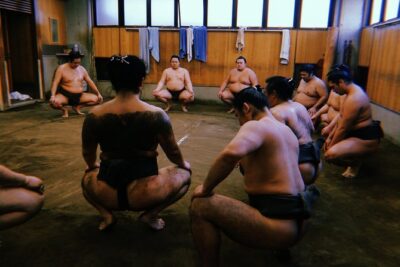
Tokyo Ryogoku Sumo Morning Practice + Photo Shoot with Wrestlers
Read our review →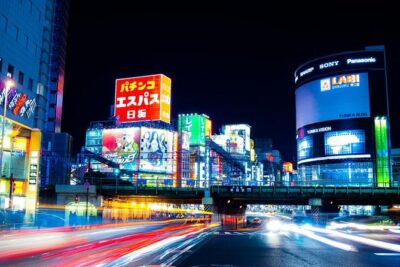
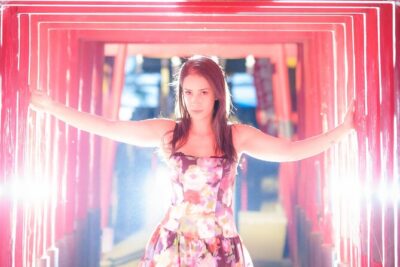
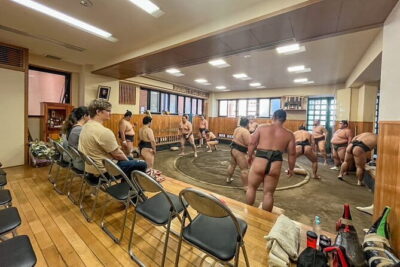
Tokyo Sumo Morning Practice Tour w/ Ring-Side Seat + Photo Shoot
Read our review →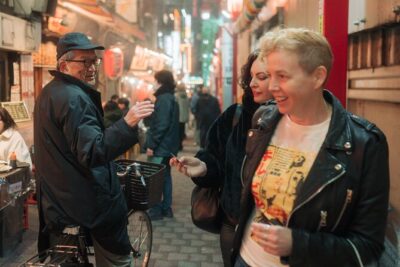
Tour with Pro Tokyo Photographer and take Edgy Unique Portraits
Read our review →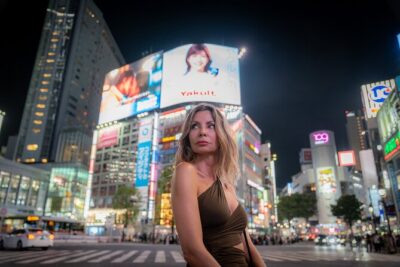
Tokyo Portrait Tour with a Professional Photographer
Read our review →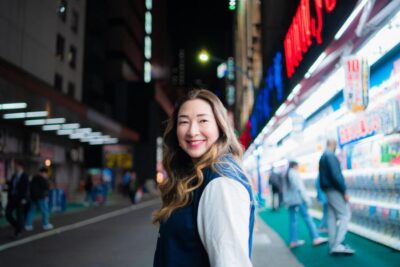
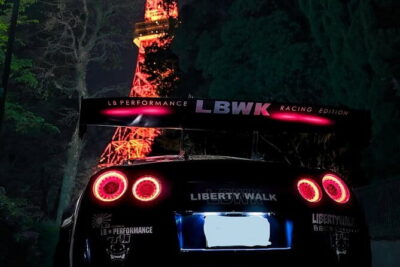
Membership Car Club GTR35 LibertyWalk Daikoku car meet photoshoot
Read our review →Browse the lists this tour appears in