Reviewed · GUIDED
Discover the hidden gems of Tokyo:Private Tour with a Local Guide
Tokyo rewards visitors who slow down and look past the famous crossings. This private walking tour lets you choose three stops from a wide menu, from Senso-ji and Asakusa Shrine to Akihabara, Tsukiji, Ginza, and the Imperial Palace gardens. Guide Kazuo Hirose has led visitors through both popular sights and small local shops, adjusting the day to their interests.
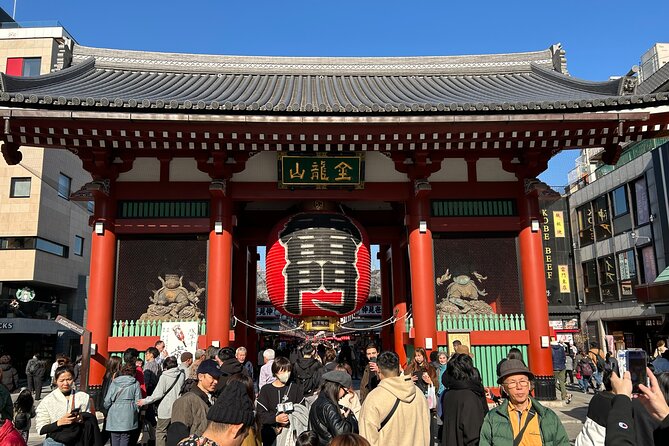
I like the freedom to build a Tokyo day around food, temples, shopping, or modern Japanese culture. I also like that the guide meets you at Kaminarimon, a simple starting point beside Senso-ji. The main catch is that the $65.15 price covers guiding, not lunch, transport, shopping, or paid admissions, and the broad choice of stops can feel ambitious for a short tour.
Key points to know before you book
- Choose three places that fit your interests: The menu covers temples, shrines, markets, sushi, electronics, anime, department stores, and traditional arts.
- Meet at Kaminarimon in Asakusa: This puts you beside Senso-ji and Nakamise Shopping Street from the start.
- Guide Kazuo Hirose brings a personal touch: His tours can include cultural explanations, practical Tokyo tips, and stops at smaller shops.
- The time range is wide: The activity can last from about two hours to a full day, depending on the plan you arrange.
- Expect a walking-based outing: Private transport is not included, and a moderate level of fitness is recommended.
- Budget for extras: Meals, public transport, shopping, attraction tickets, and other personal costs are separate.
A private Tokyo day built around your interests
The best feature here is choice. You do not get a fixed march from one famous sight to the next. You choose three places from a long list, then your local guide shapes the day around them.
That matters in Tokyo because the city can pull you in several directions at once. You might want a quiet shrine in the morning, a sushi lunch, and an electronics district afterward. Or you might prefer old Tokyo all day, with Asakusa, Ueno, and the East Gardens of the Imperial Palace. A private guide makes those preferences useful rather than leaving you to sort out every train, neighborhood, and cultural detail alone.
The published duration ranges from about two hours to one day. That is a major point to clarify before you go. Three nearby stops can make a sensible half-day. Three far-apart stops, especially with shopping or a meal, will require more time and transport planning.
The standard meeting time falls within 9:30 AM to 5:00 PM, and the meeting point is Kaminarimon at 2-chome 3-1, Asakusa. You can reach it by public transport or on foot. The tour ends in a different location, so ask for the exact finish point when shaping your plans for the rest of the day.
More private tours in Tokyo:
- Tokyo 6hr Private Tour with Government-Licensed Guide
★ 5.0 · 3,902 reviews - Private Tour to Mt. Fuji and Hakone (Fully Licenced Operator)
★ 5.0 · 1,910 reviews - Tokyo Customized Private Tour (Must See Places in 1 Day)
★ 5.0 · 1,499 reviews
Starting at Kaminarimon and Asakusa
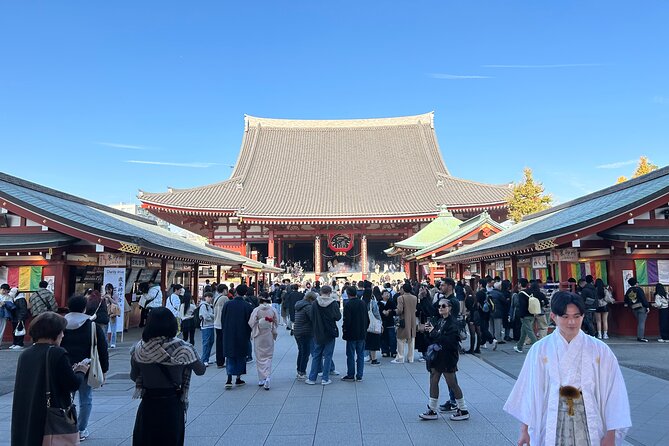
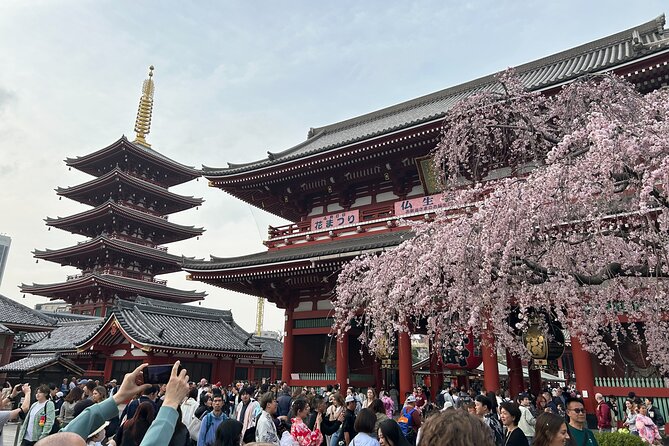
Kaminarimon is a smart place to begin. You are immediately in one of Tokyo’s best-known traditional districts, with the large gate leading toward Nakamise Shopping Street and Senso-ji.
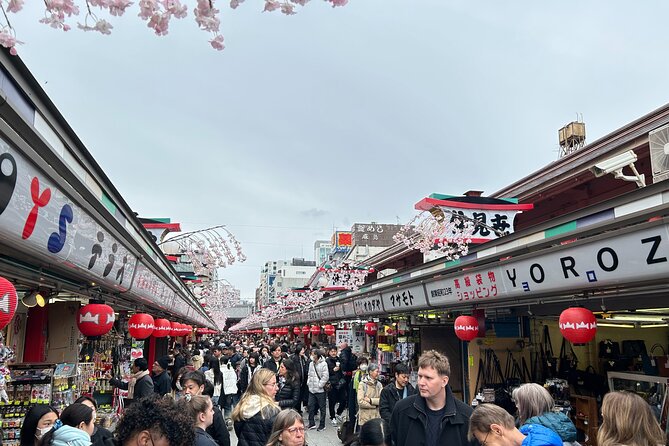
Nakamise is one of Japan’s oldest shopping streets. Its shops line the approach to the temple, selling souvenirs, snacks, and traditional goods. It can be busy, so your guide is useful here, not simply as a walking companion but as someone who can explain what you are seeing and help you make sense of the crowd.
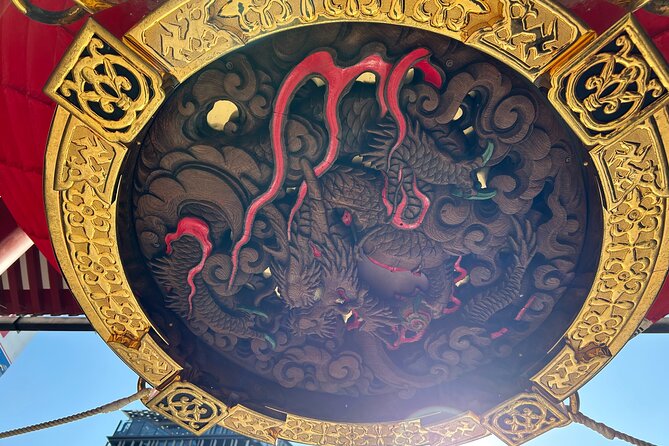
Senso-ji is the main cultural anchor. Admission is free, and the visit can fill about an hour if you pause for the temple grounds, stories, and customs. The guide explains the development of Asakusa and Tokyo, along with the origin of the Asakusa Sanja Festival and the tale of two fishermen who found the Kannon image connected with the temple.
I like this stop for a first Tokyo morning because it gives you more than a photograph. You get a working introduction to Buddhist and Shinto traditions, local festivals, and the way an old district fits into a huge modern city.
Asakusa Shrine is another free stop and a natural partner for Senso-ji. It is dedicated to the guardian deity of Asakusa and offers a chance to discuss Shinto, including its belief in many gods and sacred forces. The two sites are close, but they are not interchangeable. One gives you a Buddhist temple setting, while the other introduces a Shinto shrine.
If you choose both, you will spend much of the outing in one area, which is efficient and less tiring. If you want to cover a broad sweep of Tokyo, choose only one Asakusa sight and use the other two selections elsewhere.
Food, knives, and everyday Asakusa
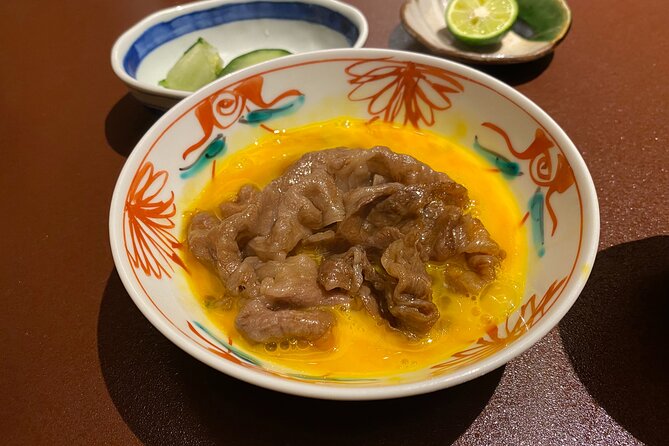
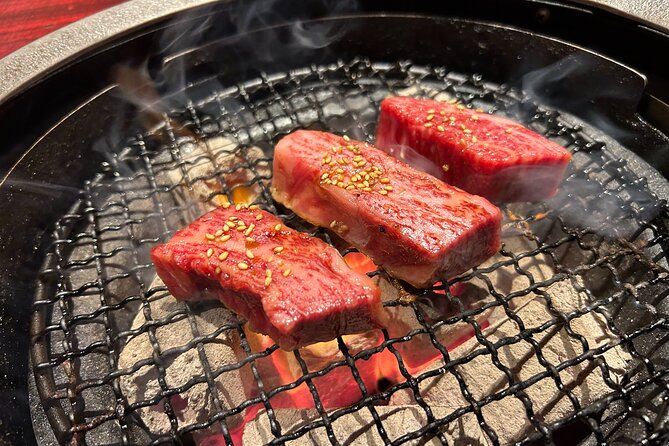
Food-focused visitors can select Imahan Honten, a long-established Asakusa restaurant known for carefully selected Japanese black wagyu beef and sukiyaki. The meal is not included, so this choice can change the cost of your day quickly.
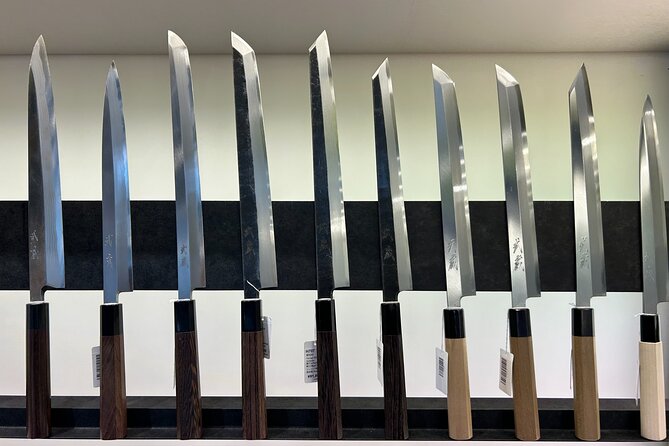
For a more practical shopping stop, Tsubaya Knives connects modern Japanese kitchen knives with the sword-making skills once used by samurai. The description includes honyaki knives, made from a single piece of steel. Admission is free, but purchases are your responsibility.
These two stops show why the private format can work well. One is about a special meal, the other about craftsmanship and an object you might use for years. You are not limited to temples and observation decks.
Ueno, Imado, and the quieter side of old Tokyo
Ueno Park is another free choice. It is a large park with the Tokyo National Museum, the National Museum of Western Art, and Ueno Zoo, Japan’s first zoo. The park can serve as a cultural stop, a museum area, or simply a change of pace from dense streets.
Keep in mind that the listed tour time for each stop is about one hour, but the actual pace depends on what you choose to see. A museum visit needs more time than a short walk through the park, and paid museum admission may apply even though the park itself is free.
Imado Shrine offers a smaller-scale visit. It is associated with the maneki-neko, or beckoning cat, and you can find these lucky figures around the grounds. The shrine is also linked with good fortune in matchmaking.
Yushima Tenmangu is dedicated to Sugawara no Michizane, known as the god of learning. Students visit to seek help with examinations, but the shrine’s appeal is not limited to school success. It is a useful choice if you want a quieter religious site with a clear connection to everyday Japanese hopes and worries.
More guided tours in Tokyo:
- Tokyo: Shinjuku Local Bar and Izakaya Guided Walking Tour
★ 4.9 · 1,794 reviews - Tokyo: Private City Highlights Tour with Local Guide
★ 4.8 · 1,433 reviews - Tokyo: Tsukiji Fish Market Guided Walking Tour
★ 4.9 · 1,397 reviews - Tokyo 4hr Private Tour with Government-Licensed Guide
★ 5.0 · 1,394 reviews
Markets and food in Ueno and Tsukiji
Ameyoko Shopping Street is a good pick if you want street-level Tokyo rather than polished department stores. It is known for comparatively good value, with food and other goods sold along a lively shopping street.
The appeal here is variety and direct contact with daily commerce. You may find the atmosphere more crowded and less orderly than a department store, so wear comfortable shoes and keep your plans loose.
Tsukiji Jogai Market offers another food-centered option. The outer market remains a major stop for visitors interested in sushi, seafood, and Japanese cooking. It is also a place where international visitors and local food businesses meet, giving the guide room to explain ingredients and eating customs.
Sushi Dai is listed as a separate restaurant choice. The restaurant selects ingredients from Tsukiji Market and prepares sushi with rice that is served warm to the touch. Sushi is not included, and any meal here can require extra time and money. Ask about timing before choosing it, especially if you also want two other substantial stops.
Akihabara for electronics, manga, and anime
Akihabara gives the tour a sharp change of mood. The district is known for electronics, manga, anime, maid cafes, and large stores. It is also near Kanda Myojin, a shrine linked with one of Tokyo’s three major festivals.
Akihabara Junk Street focuses on a more specific side of the district: small shops selling PC peripherals. This can be more interesting than simply visiting a giant electronics store if you want odd accessories, computer parts, or a sense of the district’s backstreet trade.
Yodobashi Akiba is the large-scale alternative. It is a major consumer electronics retailer with a very large sales floor. If you are curious about Japanese home appliances, cameras, or technology, this is a practical stop. Shopping is not included, of course, and you should not feel pressured to buy anything.
The Akihabara selection suits you if Japanese pop culture and technology are central to your trip. It may be less appealing if your main goal is gardens, food, or old temples. The private guide helps by explaining the district instead of leaving you to wander through stores without context.
Nihombashi, Kanda, and Ginza
COREDO Muromachi 1 introduces Nihombashi’s blend of old businesses and modern commercial buildings. The complex includes shopping areas, long-established stores, and a cinema. It is a good choice if you want to see how Tokyo packages tradition inside a contemporary urban district.
Kanda Shrine offers a different kind of cultural visit. It is known for prayers connected with victory and finding a partner, and it hosts the Kanda Festival, one of Edo’s three major festivals. The shrine can pair well with Akihabara because the two areas represent different sides of the same city: popular culture nearby, centuries of religious and festival life a short distance away.
Ginza is the city’s polished shopping district, built around the site of an Edo-period silver coin foundry. Ginza Chuo-dori is lined with department stores and luxury shops, while the Wako Main Building and its clock tower mark the famous Ginza 4-Chome intersection.
Ginza Itoya is especially appealing to stationery fans. The store dates to 1904, has a red paperclip-shaped sign, and spreads its products across the G.Itoya main building and K.Itoya annex. Uniqlo Ginza is another practical choice, with twelve floors and a very large range of clothing.
Nihombashi Mitsukoshi Main Store offers a look at Japan’s department-store culture. Its basement food area has more than 70 shops selling Japanese, Western, and Chinese food, along with bento boxes and sweets. You can browse without paying an admission fee, but purchases are separate.
The Imperial Palace, Kabuki, and Tokyo Station
The East Gardens of the Imperial Palace occupy part of the former Edo Castle site. This is one of the strongest choices if you want a break from commercial Tokyo and a chance to connect the present city with its feudal past.
The gardens are free, and a walk here can feel calmer than the surrounding streets. Your guide can help explain the castle site and the shift from Edo to modern Tokyo. Check the amount of time you have, since adding the gardens to a distant market or shopping district may require transport.
Kabukiza Theater introduces kabuki, a Japanese performance tradition with more than 400 years of history that is recognized by UNESCO as intangible cultural heritage. The tour can explain the art form and its setting, but performance admission is not included.
Tokyo Station is another possible endpoint or nearby point of interest. It is a major terminal for JR trains and the Shinkansen. Its practical value is obvious, but it also helps you understand how Tokyo functions as a national transport hub. Since the activity ends somewhere different from Kaminarimon, Tokyo Station could be convenient, but do not assume it is the final stop unless you arrange it with the guide.
What the price really covers
At $65.15 per person, the price is reasonable if you want a private guide and choose stops that would be confusing or time-consuming to arrange alone. It becomes better value for a small group because the guide’s attention is reserved for your party rather than shared with strangers.
The price includes the guide and walking tour. It does not include private transportation, public transport fares, lunch, shopping, personal expenses, or entrance fees for yourself. Paid options include Tokyo Skytree, Kabukiza, Imahan Honten, and Sushi Dai, among others.
Tokyo Skytree is a clear example. The tower rises 634 meters and has the Tembo Deck and Tembo Galleria observation areas, but admission is extra. You may get more from the outing by choosing free temples and markets if you are keeping costs down.
The tour is also booked an average of 51 days ahead, so popular dates may need early planning. Confirmation arrives at booking, and free cancellation is available until 24 hours before the start time. Inside that final 24-hour window, the payment is not refunded and changes are not accepted.
Who will get the most from this tour
I would choose this for a first visit to Tokyo if I wanted help deciding among very different districts. It also suits families or friends who do not all share the same interests, since the private format allows the day to focus on the group.
Guide Kazuo Hirose has been praised for being warm, patient, and adaptable. His approach includes explaining Japanese customs, offering practical tips about Tokyo’s wards, and adding small shops to the day. That personal guidance is the main reason to book instead of simply following a free walking route.
You should be comfortable walking and using public transportation if needed. The activity calls for moderate physical fitness, and private transport is not included. It is not the best choice if you want a fixed luxury vehicle tour or a single long restaurant meal with every cost covered.
Should you book it?
Book this tour if you want a flexible private day and have a clear idea of what interests you: old temples, sushi, anime, stationery, electronics, department stores, or traditional performance. Give Kazuo Hirose your priorities before the meeting and ask him to keep the three selections geographically sensible.
Skip it if you prefer a fixed schedule, a large group with lower guiding costs, or a package that includes food and entry fees. For most curious first-time visitors, the strongest plan is to combine one cultural stop, one food or market stop, and one modern Tokyo district. That gives you a fuller picture without trying to conquer the whole city in a single afternoon.
FAQ
Where does the tour begin?
The tour begins at Kaminarimon, located at 2-chome 3-1, Asakusa, Taito City, Tokyo 111-0032, Japan.
Where does the tour end?
The activity ends at a different location from the meeting point. The exact ending place should be checked when arranging the tour.
How long does the tour last?
The activity lasts approximately two hours to one day, depending on the selected plan and timing.
How many places can I choose?
You can choose three must-visit spots from the available list.
Is this a private tour?
Yes. Only your group participates in the activity.
Are meals included?
No. Lunch and other food costs are not included. Restaurant choices such as Imahan Honten and Sushi Dai require separate payment.
Are transportation and admission fees included?
No. Private transportation, transportation fares, shopping, personal expenses, and entrance fees are not included.
Can I cancel for a full refund?
Yes, if you cancel at least 24 hours before the experience start time. Cancellations or changes made less than 24 hours before the start time are not refunded.
Newly reviewed around Tokyo
- Tokyo Asakusa:Calligraphy & Make T-shirt Activity★ 5.0 · 62 reviews
- Intercity Shuttle, Tokyo to Haneda /Narita /Yokohama /Makuhari★ 5.0 · 5 reviews
- 1 Hour Travel around Tokyo with a Professional Photographer★ 5.0 · 3 reviews
- Travel Tokyo with Your Own Personal Photographer★ 5.0 · 43 reviews
- Train in Samurai Swordsmanship and Defeat the Demon in Tokyo★ 5.0 · 5 reviews
- Shuttle Van 6hr Tokyo Tour to-and-from Tokyo, Yokohama and Narita★ 5.0 · 9 reviews
- Kickboxing & Body Training with EX-Pro Fighter★ 5.0 · 4 reviews
- Traditional Japanese Knife Sharpening Class★ 5.0 · 18 reviews
Guided, compared.
Tokyo 6hr Private Tour with Government-Licensed Guide
Read our review →
Shinjuku Local Bar and Izakaya Guided Walking Tour
Read our review →
Private City Highlights Tour with Local Guide
Read our review →
Tokyo 4hr Private Tour with Government-Licensed Guide
Read our review →
Samurai Ninja Museum Guided tour and Experience
Read our review →