

Reviewed · AKIHABARA AND ANIME TOURS
Akihabara: Anime & Gaming Adventure Tour (Group or Private)
Akihabara’s best moments often happen above or behind the main street shops. This tour takes you from 8-bit game music and old consoles to anime stores, capsule toy machines, a maid cafe, and Japanese photo booths, with a guide to explain what you are seeing and how it all works.
I like two things right away: you get help finding specific games or anime goods, and the maid cafe visit includes guaranteed seating, a drink, and a purikura session. The main drawback is time. Three hours can feel short, and the published stop times add up to more than the advertised duration, so expect a brisk outing.
Key points at a glance
- Super Potato and retro game culture: Browse old consoles, game discs, and hard-to-find 8-bit keyboard music with help from your guide.
- A comfortable first maid cafe visit: Guaranteed seating and a guide make this less awkward than walking into one alone.
- More than the main shopping street: Visit Akiba Cultures Zone, Gachapon Hall, and large anime shops that can be easy to miss.
- Purikura is included: Try Japan’s famously decorated photo booth, with a Polaroid photo with a maid available for an extra charge.
- Private or small-group format: Guides such as Yuki, Minnie, Kenji, Seina, Max, and Joey have been praised for adapting the outing to personal interests.
- Good value for focused fans: At $88 per person, the price makes most sense if you want guidance, the cafe entry, and help shopping rather than simply browsing alone.
Why this Akihabara tour works
Akihabara can be easy to misunderstand. The district is famous for anime, gaming, electronics, arcades, and maid cafes, but the best places are spread across several buildings and side streets. A first visit can become a quick walk along the main strip, followed by a lot of guessing.
This tour gives you a clear route and a local guide. That matters most if you have a short Tokyo stay, a list of games to find, or little interest in sorting through every shop by yourself. Guides speak English and Japanese, and the group format can be private or small, depending on the booking.
I particularly like the way the experience joins old and new game culture. You begin with classic machines and discs, then move into current anime goods, capsule toys, photo booths, and the playful theater of a maid cafe. It is not only a shopping trip. It gives you a quick look at several parts of Akihabara’s identity.
The tour has earned a 4.6 rating from 80 bookings, with especially strong praise for the guides. Yuki tailored one private outing around anime and gaming interests. Minnie helped a couple find the merchandise they wanted, and Kenji was praised for his patience and local knowledge. Seina, Max, Joey, Tommy, and others also received warm comments for being friendly, helpful, and easy to understand.
More Akihabara and anime tours:
- Official Street Go-Kart Tour – Akihabara
★ 5.0 · 1,578 reviews - Tokyo Go Kart: Asakusa, Skytree, and Akihabara **IDP MUST**
★ 5.0 · 988 reviews - Akihabara Anime & Game Adventure Walking Tour (Group or Private)
★ 5.0 · 404 reviews
Meeting your guide outside JR Akihabara Station
The meeting point is in front of the Ticket Office just outside the Electric Town Gate of JR Akihabara Station. Look for the red or orange MagicalTrip sign.
This is a sensible starting point because Akihabara Station can feel confusing on a first visit. Give yourself extra time to find the correct gate. The tour starts on time, and you cannot join later or receive a refund if you miss the group.
The route involves walking between shops and entertainment venues. Some locations are not suitable for wheelchairs or strollers, so this is not the best choice if everyone in your party needs step-free access.
Electric Town in 70 minutes

The first major section takes you through Akihabara Electric Town. This is where the guide sets the scene and shows you the many sides of the district, from gaming and anime to specialty shops and arcades.
The 70-minute visit is useful because Akihabara is not one single type of place. Some buildings focus on figures and cosplay goods. Others sell games, electronics, cards, or character products. A guide can help you understand which stops fit your interests instead of sending you into every shop without a plan.
You should tell your guide early if you are looking for a certain console, game series, character, or type of collectible. One private group used the time to focus on particular anime and gaming items, then returned later to buy more and ship boxes home. That is a good reminder not to buy the first thing you see if you expect to browse more shops later.
The pace may feel quick. One person felt that another 30 minutes would have made the outing more relaxed. If you want long shopping sessions, this tour may work better as an introduction followed by independent browsing.
Super Potato and the appeal of old games

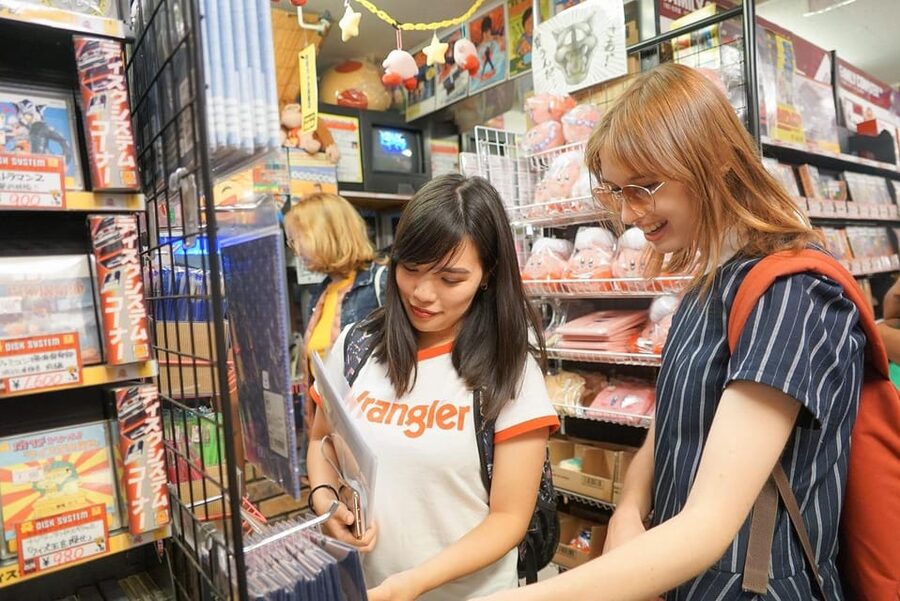
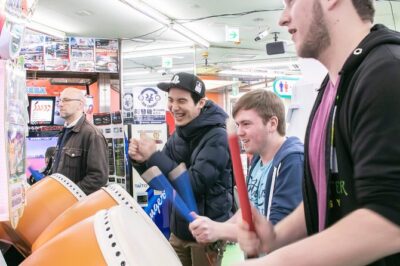
Super Potato gets about 30 minutes and is one of the clearest highlights for anyone who grew up with Japanese consoles. The shop is known for retro video games, old machines, discs, and the nostalgic sounds of early gaming. The experience includes 8-bit video game keyboard music, an unusual detail that helps the stop feel more like a visit to a piece of gaming history than a normal shop.
Your guide can help you locate and buy retro consoles and games. That assistance has real value. Japanese game packaging, older formats, and store layouts can be confusing if you do not know what you are looking at. A guide may also help you avoid wasting time on products outside your interests.
Still, 30 minutes is not long for a serious collector. You may need to choose between browsing carefully, listening to the music, and making purchases. If retro gaming is your main reason for booking, tell the guide before the tour begins so this stop receives the attention it deserves.
For families and mixed-age groups, this is also a useful bridge between generations. Younger visitors can see the hardware behind older games, while parents or older players may recognize the machines that shaped their childhood.
More private tours in Tokyo:
- Tokyo 6hr Private Tour with Government-Licensed Guide
★ 5.0 · 3,902 reviews - Private Tour to Mt. Fuji and Hakone (Fully Licenced Operator)
★ 5.0 · 1,910 reviews - Tokyo Customized Private Tour (Must See Places in 1 Day)
★ 5.0 · 1,499 reviews - Mount Fuji Full-Day Private Tour from Tokyo (Customizable)
★ 4.9 · 1,470 reviews
Anime shopping at Akiba Cultures Zone
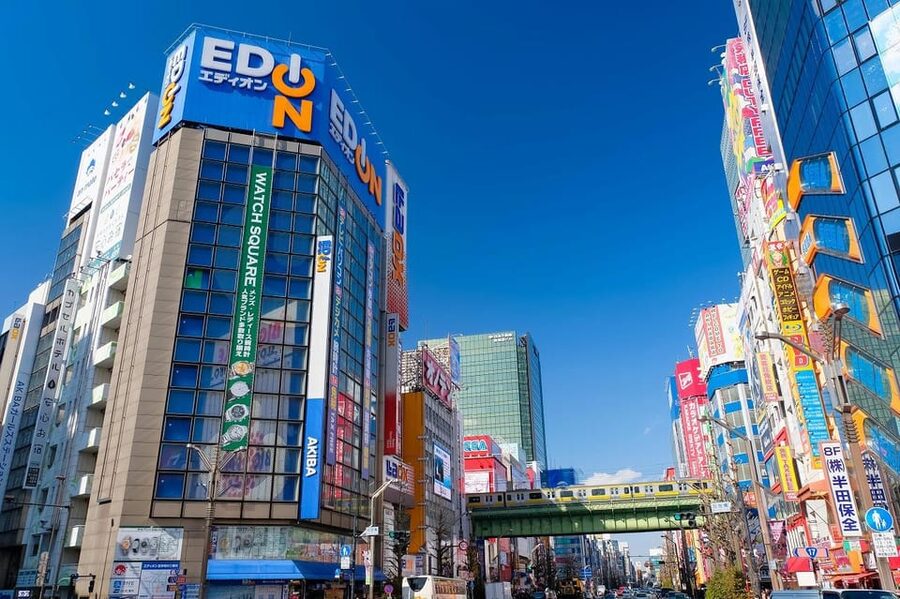
The next shopping stop, Akiba Cultures Zone, gives you time to look through anime figures, cosplay goods, and other character merchandise. The tour does not promise a specific item, and stock naturally changes, but the guide can point you toward the sections most likely to interest you.
This is one area where a guide can reduce the feeling of being lost. Large anime stores often have several floors and tightly packed displays. If you do not know the difference between sections, you can spend a lot of time looking without finding much.
The 20-minute visit is best treated as a focused stop rather than a full shopping break. Ask for help with prices, character names, or product types. If you find something you want, note the shop and return after the tour if you need more time.
I also like that the route does not assume every person already understands anime culture. You can ask basic questions without having to pretend you know the difference between every figure, series, or collectible style.
Gachapon Hall and Japan’s capsule toy habit

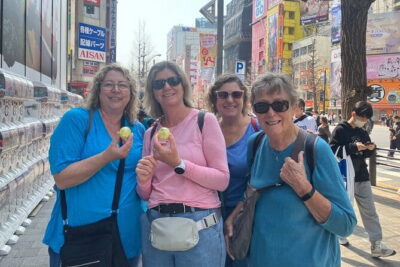
Akihabara Gachapon Hall gives you roughly 30 minutes with one of Japan’s most accessible forms of collecting. Gachapon machines sell small toys and figures in sealed capsules. You choose a machine, pay, and accept the surprise inside.
The appeal is simple: the machines offer a low-cost way to try something playful without committing to a large purchase. The hard part is knowing which machines are worth your time, especially when many are packed close together. A guide can explain how the system works and help you spot themes that match your interests.
This stop works well for families, casual anime fans, and anyone who wants a small souvenir. It also breaks up the larger shopping stops. You are not only looking at shelves and price tags. You are taking part in a quick Japanese pastime.
A maid cafe with a guide by your side

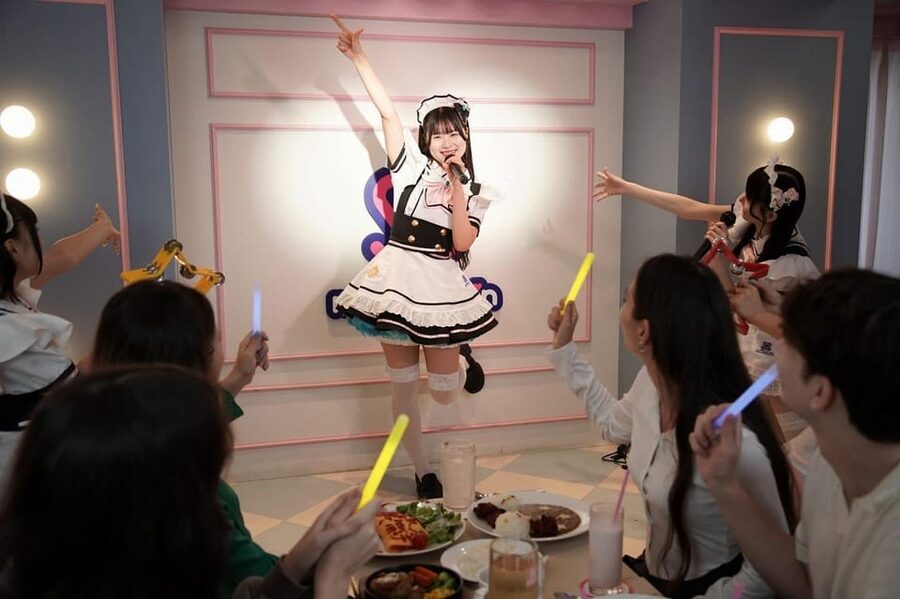
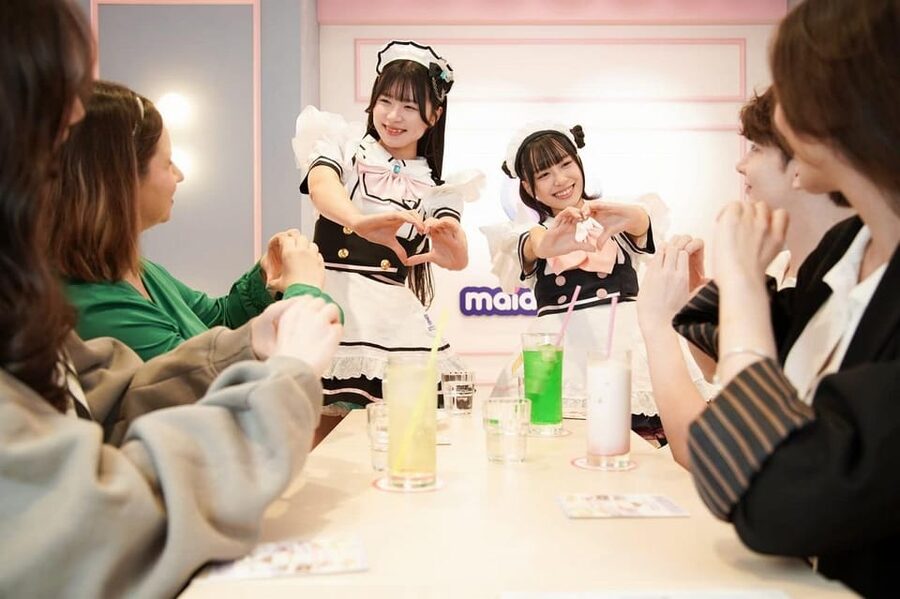
The maid cafe is the tour’s most unusual stop and often the part people would not try alone. You receive entrance, one drink, and guaranteed seating. Vegan menu options are available, though the operator cannot guarantee an allergy-free meal or meet every dietary restriction.
The cafe style is playful and theatrical. You may see food spells, dancing, and a performance element, depending on the cafe schedule. The listed itinerary allows about an hour for the cafe, including a dance show and coffee tasting.
For a first visit, having a guide matters. The customs can feel strange if you do not know when to respond, what to order, or what is included. One guest described the experience as potentially overwhelming for someone new to maid cafes, but much easier as part of a group. Another appreciated being taken to a family-friendly cafe rather than having to guess which venue would feel comfortable.
This is not a quiet coffee break. It is a character performance built around interaction, so you should book it only if you are open to a silly, highly stylized experience. If that sounds uncomfortable, the rest of the tour still offers plenty of gaming and shopping, but the cafe is a central part of the program.
Additional food and drinks cost extra. A Polaroid photo with a maid is also available for purchase. Ask about prices before ordering so the final cost does not surprise you.
Purikura and the social side of Japanese photo booths
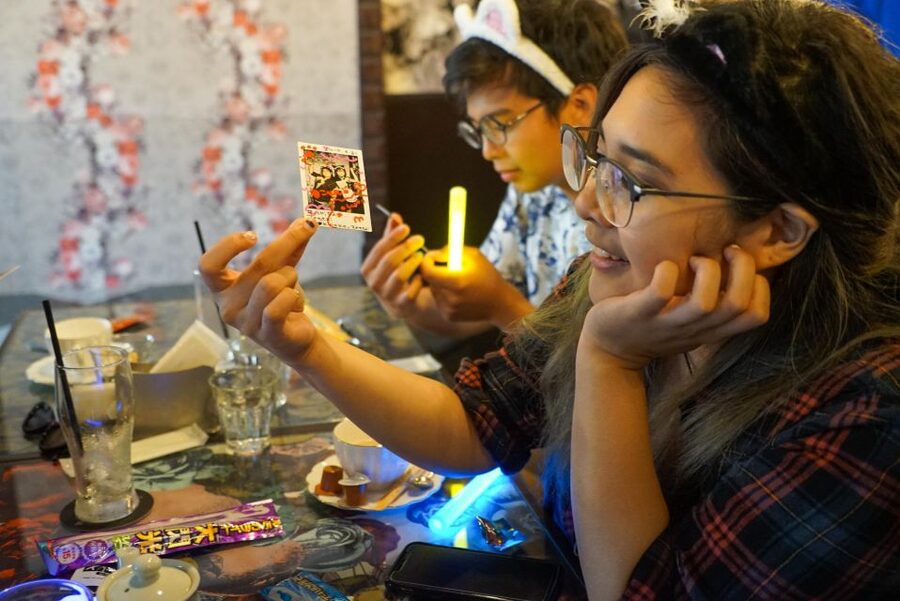
A Japanese purikura photo booth is included. These machines take photos and let you decorate them with digital effects, stamps, text, and other playful edits.
Purikura is different from a basic passport-style photo. The point is the activity itself, especially when you are sharing the booth with friends or family. A guide can help you manage the controls and timing, which is useful if the interface feels fast or unfamiliar.
Some groups added the photo booth after asking their guide for it, while the supplied tour details now list the purikura experience as included. The guide may also take pictures during the outing to send afterward, though this can depend on the individual guide and arrangements.
The optional Polaroid with a maid gives you a more traditional keepsake. It is not included in the $88 price, so treat it as an extra rather than part of the basic package.
How much value do you get for $88?
At $88 per person, this is not the cheapest way to walk around Akihabara. You can enter many shops for free, browse the streets on your own, and pay only for what you buy.
The price makes more sense when you count the service and included activities. You receive a live guide, maid cafe entry, one drink, and purikura. You also get help navigating shops, choosing a suitable cafe, understanding the local scene, and finding merchandise that matches your interests.
For a solo visitor, the value can be especially strong. One person unexpectedly had a private tour because nobody else booked that time slot. Couples also had private outings with Minnie and other guides, receiving more personal help with shopping and questions.
You should not assume every booking becomes private. The activity is offered as a private or small-group experience, but the exact format depends on availability. If personal attention is important, select a private option when booking if one is offered.
Timing, comfort, and practical limits
The advertised duration is three hours. The detailed stop schedule lists 70 minutes at Electric Town, 30 minutes at Super Potato, 20 minutes at Akiba Cultures Zone, 30 minutes at Gachapon Hall, and one hour at the cafe. Those listed times total about three and a half hours, so confirm the exact schedule when you book.
The walking and shopping pace can be brisk. Wear comfortable shoes and keep your purchases manageable until you know whether you want to return to a shop later.
Summer in Japan can be very hot and humid. Bring water and wear a hat, especially since you will move between outdoor streets and indoor stores. The tour can run in other seasons too, but the advice about arriving on time applies year-round.
Food substitutions may not be possible at every stop, and kitchens are operated by venues outside MagicalTrip. If you have a serious allergy or strict dietary need, contact the provider before booking rather than relying on substitutions during the tour.
Who should book this Akihabara experience?
I would recommend it to first-time visitors who want a clear introduction without spending half a day sorting out the district alone. It also suits anime and gaming fans who have a shopping list but need help finding the right stores.
Families may appreciate the family-friendly maid cafe option, the capsule toys, and the purikura booth. Couples and solo visitors can benefit from the smaller format, especially if they feel awkward entering a maid cafe without support.
You may want to skip it if you already know Akihabara well and prefer several hours of unhurried shopping. Serious collectors may also need more time at Super Potato and the anime stores than this route allows.
Should you book it?
Book this tour if you want Akihabara explained by a local guide, not simply viewed from the main road. The strongest reasons are the guided retro game stop, help with anime shopping, guaranteed maid cafe seating, and included purikura.
The $88 price is fair for a first visit when you value structure and personal help. Just plan for a quick pace, confirm the actual timing, arrive early at the Electric Town Gate, and tell your guide what you want to see. If you do that, the tour can give you a useful map of Akihabara and leave you with enough confidence to explore more on your own.
FAQ
Where does the Akihabara tour meet?
Meet in front of the Ticket Office just outside the Electric Town Gate of JR Akihabara Station. Your guide will hold a red or orange sign marked MagicalTrip.
How long does the tour last?
The advertised duration is three hours. The detailed stop schedule adds up to about three and a half hours, so check the exact starting and ending times when booking.
Is the maid cafe visit included?
Yes. Entrance to the maid cafe and one drink are included. Extra food and drinks cost more, and a Polaroid photo with a maid is available for purchase.
Is a vegan option available?
A vegan menu is available at the maid cafe. The operator cannot guarantee an allergy-free meal or meet every dietary restriction, and substitutions may not be possible at every stop.
Is purikura included?
Yes. A Japanese purikura photo booth experience is included in the tour.
Is the tour private?
Private and small-group options are available. The exact group size depends on the booking and availability. Guides speak English and Japanese.
Newly reviewed around Tokyo
- Tokyo Asakusa:Calligraphy & Make T-shirt Activity★ 5.0 · 62 reviews
- Intercity Shuttle, Tokyo to Haneda /Narita /Yokohama /Makuhari★ 5.0 · 5 reviews
- 1 Hour Travel around Tokyo with a Professional Photographer★ 5.0 · 3 reviews
- Travel Tokyo with Your Own Personal Photographer★ 5.0 · 43 reviews
- Train in Samurai Swordsmanship and Defeat the Demon in Tokyo★ 5.0 · 5 reviews
- Shuttle Van 6hr Tokyo Tour to-and-from Tokyo, Yokohama and Narita★ 5.0 · 9 reviews
- Kickboxing & Body Training with EX-Pro Fighter★ 5.0 · 4 reviews
- Traditional Japanese Knife Sharpening Class★ 5.0 · 18 reviews
Akihabara and Anime Tours, compared.

Tokyo Go Kart: Asakusa, Skytree, and Akihabara **IDP MUST**
Read our review →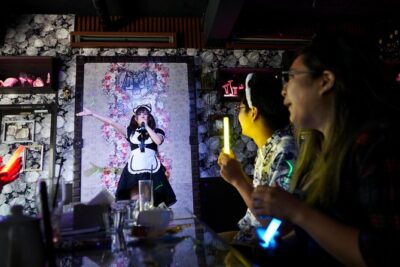
Akihabara Anime & Game Adventure Walking Tour (Group or Private)
Read our review →

Akihabara Tailor-made Private Tour for Anime Fans
Read our review →
Ramen Making from Scratch +Akihabara Tour –Tokyo Cooking Class
Read our review →Browse the lists this tour appears in