Reviewed · FULL-DAY
Tokyo: Full-Day Japanese Garden Private Guided Tour
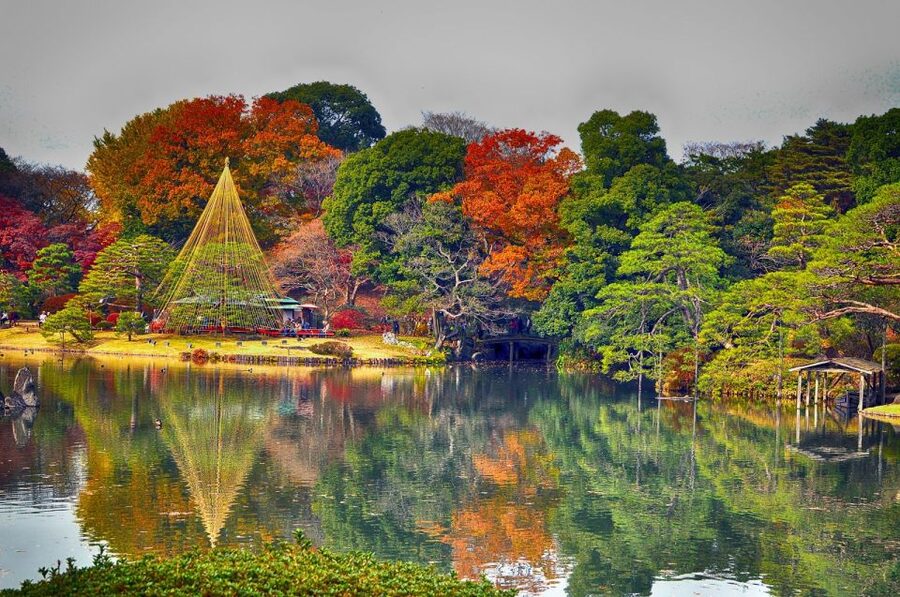
Tokyo’s best gardens are scattered across a huge city, and this private tour gives you a sensible way to connect them. You can focus on quiet ponds, formal plantings, shrine grounds, cherry blossoms, or a mix of old and new Tokyo. The route is fully customizable, which matters more here than a fixed checklist.
I like the personal pace and the chance to ask a local guide about Japanese design, history, transport, and daily life. I also like the practical help: Yoshi, Kumi, Hiro, Tachi, and Yoko have each been praised for planning useful routes and adjusting the day to guests’ interests. The main drawback is that six hours can include a lot of train travel and walking, especially if you try to reach gardens at opposite ends of the city.
Key points to know before booking
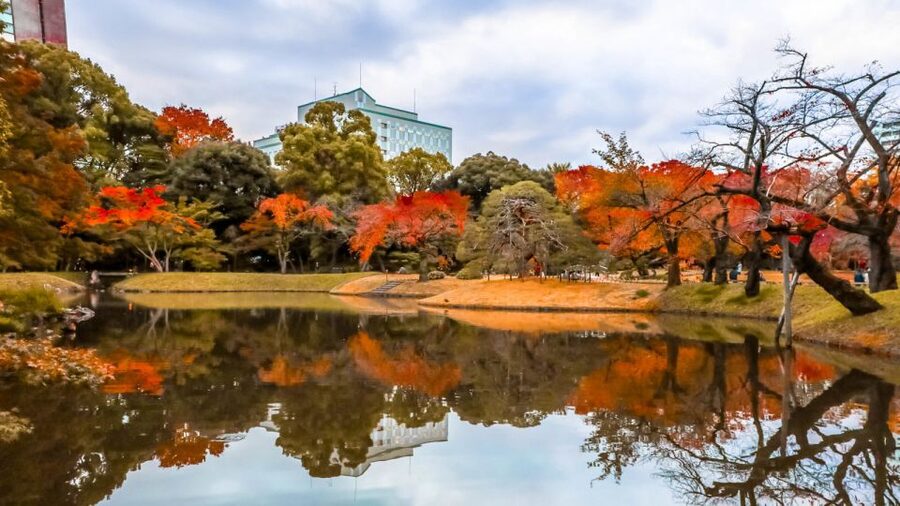
- A private route rather than a fixed sightseeing circuit: Choose your preferred gardens, or ask your guide to plan the day.
- Shinjuku Gyoen offers three garden styles in one stop: Japanese, French formal, and English park design.
- Imperial Palace and Meiji-Jingu add cultural context: The tour is not only about flowers and ponds.
- Public transport is part of the experience: Trains and taxis can be arranged, but transport costs are extra.
- The guides can shape the day around the season: Hiro helped guests find strong cherry blossom spots during a busy spring visit.
- The pace requires stamina: Expect a full six hours, plenty of walking, and time outdoors in rain or shine.
Why Tokyo gardens work best with a private guide
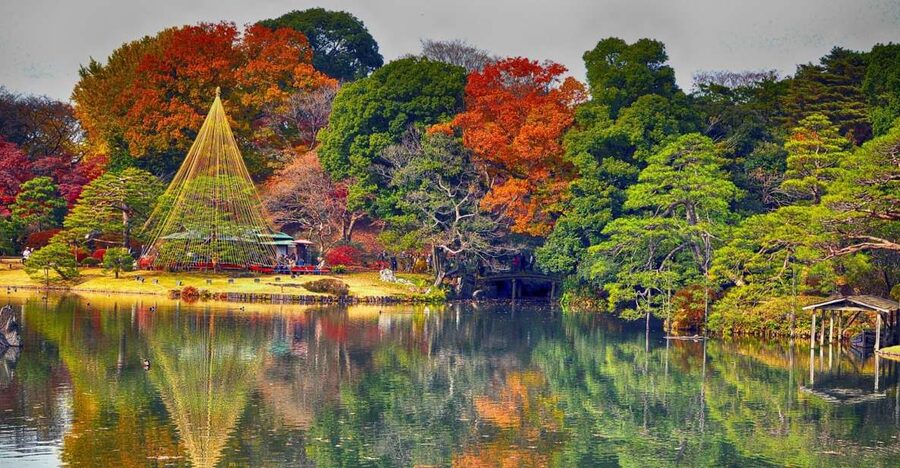
Tokyo’s gardens are not all cut from the same cloth. Some were built for feudal lords, some belong to shrines or former estates, and others mix Japanese planting with European design. On your own, you can certainly visit them, but it takes planning to work out which sites fit together and how long the trains will take.
A private guide gives you a flexible day instead of a race through a standard route. You can say that you care most about ponds and bridges, seasonal flowers, historic buildings, photography, or quiet corners. You can also ask for a broad introduction to Tokyo’s garden culture.
The six-hour format is long enough for several major stops, but not long enough for every garden on the list. That is a good thing. Trying to visit all ten suggested sites would turn a pleasant day into a garden-themed endurance test.
Your guide meets you at your hotel or another agreed location. If the pickup point is within a reasonable walking distance, pickup is on foot. You can also meet at a requested train station, with the guide waiting about 10 minutes before the scheduled time.
More full-day trips in Tokyo:
- From Tokyo: Mount Fuji Full-Day Sightseeing Trip
★ 4.5 · 4,970 reviews - Mount Fuji Full-Day Private Tour from Tokyo (Customizable)
★ 4.9 · 1,470 reviews - Tokyo Private Full-Day Tour by Car or Van
★ 5.0 · 684 reviews
Imperial Palace gardens and the shape of old Tokyo
A common starting point is the garden area of the Imperial Palace. This is a useful first stop because it introduces the formal, spacious side of Tokyo before you move into denser neighborhoods.
Expect a stately Japanese-style setting rather than a small flower garden. The grounds connect naturally to the story of Japan’s imperial center, and your guide can help explain what you are seeing as you walk. The value here is context. A pond, wall, gate, or carefully placed tree means more when you understand its place in the city’s past.
The palace area can also set the pace for the day. You begin outdoors, with broad paths and room to look around, then move on to more specialized gardens. If you want a slower morning, tell your guide early. If you are determined to see several gardens, be clear about that too.
You should not expect a complete palace interior tour from this experience. The focus is on the garden and its setting. Entrance fees, if required, are not included, so keep a little room in your budget for admissions.
Meiji-Jingu and a quieter garden with a teahouse
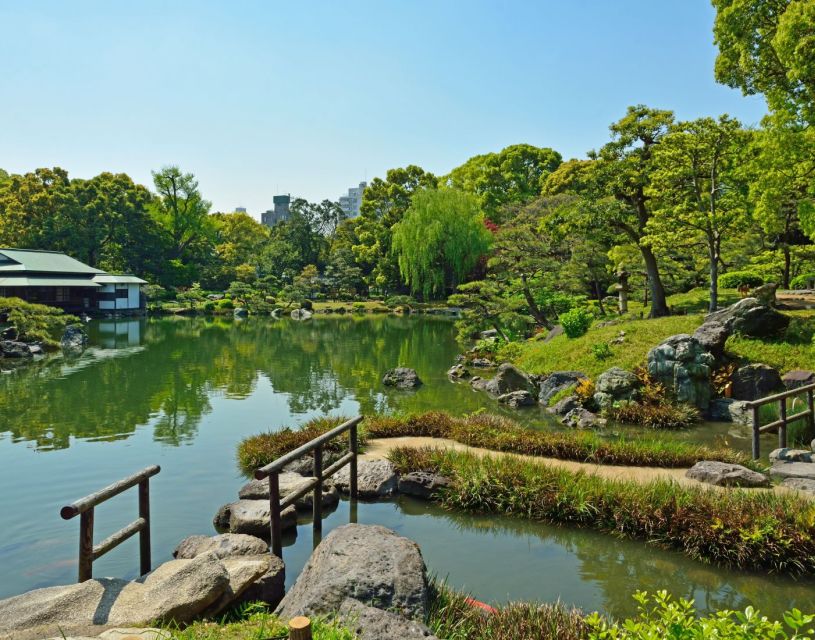
Meiji-Jingu adds a different layer. This is a major Shinto shrine setting, not simply another park with trimmed trees. The visit gives you a chance to connect Japanese garden traditions with religious practice and the cultural role of shrines.
The suggested route then moves to a quieter garden with a pond and charming teahouse. That contrast is one of the day’s strengths. Tokyo can shift from a busy urban district to a calm garden within a short ride, and a private guide helps you notice the change rather than simply rushing through it.
Ask your guide how the garden’s layout reflects Japanese ideas about movement and views. The appeal is not just the plants. It is the way paths reveal water, structures, stones, and planting in stages. A guide can also explain the difference between a garden designed for strolling and one meant to be viewed from a fixed position.
Lunch is usually placed around Harajuku, where you have many food choices. Food and drinks are not included, so you choose what suits your appetite and budget. This is a practical break, especially since the afternoon may include another long walk.
One guide, Kumi, has taken guests to one of her favorite Roman restaurants. That detail points to one useful feature of a private tour: lunch suggestions can be personal rather than generic. Still, restaurant choice is not guaranteed, so tell your guide what kind of food you want.
Shinjuku Gyoen’s three very different garden styles
Shinjuku Gyoen is likely the centerpiece of the sample six-hour route. It is large enough to feel like a real break from Tokyo, yet it offers several distinct styles in one visit.
The Japanese garden section gives you the classic combination of water, bridges, trees, and carefully framed views. The formal French garden is more ordered, with roses planted in broad displays. The English garden uses open lawns and a looser park arrangement.
This variety makes Shinjuku Gyoen especially useful if you are traveling with mixed interests. One person can enjoy traditional Japanese design, while another prefers flowers and open space. You do not need to spend the whole day moving between separate parks to see the contrast.
The drawback is scale. A large park takes time, and you may not see every section in detail if you also visit the Imperial Palace, Meiji-Jingu, and another garden. Tell your guide which section matters most to you. If roses are the priority, you may want more time near the formal garden. If you want the classic Tokyo garden experience, give the Japanese section your attention.
Spring can bring large crowds, especially during cherry blossom season. Hiro has helped guests reach the best sakura areas more efficiently during peak bloom. That kind of local timing is valuable, but it does not make the crowds disappear. You should still expect a busier day during blossom season.
More private tours in Tokyo:
- Tokyo 6hr Private Tour with Government-Licensed Guide
★ 5.0 · 3,902 reviews - Private Tour to Mt. Fuji and Hakone (Fully Licenced Operator)
★ 5.0 · 1,910 reviews - Tokyo Customized Private Tour (Must See Places in 1 Day)
★ 5.0 · 1,499 reviews - Tokyo: Private City Highlights Tour with Local Guide
★ 4.8 · 1,433 reviews
Choosing among Tokyo’s other major gardens
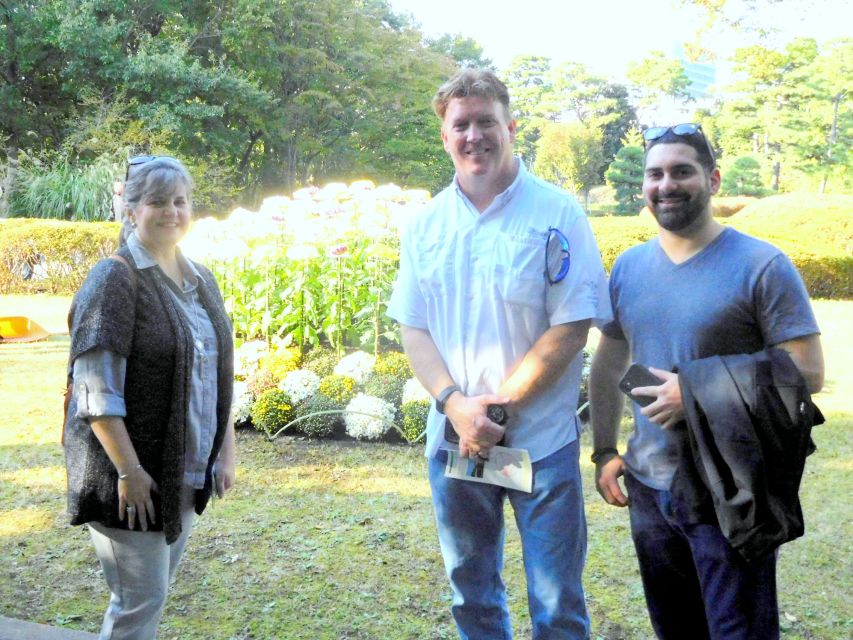
The tour can be built around other sites, and each has a different character. Your guide can help you choose based on location, season, walking ability, and the type of garden you want to see.
Koishikawa Korakuen Garden is a strong choice if you want a traditional garden with historic character. It suits visitors who care more about ponds, bridges, and carefully arranged views than about a vast open park.
Hama Rikyu Gardens gives you a garden experience beside the modern city. Its location makes the contrast between old Tokyo and high-rise Tokyo part of the view. It can pair well with a route focused on central Tokyo, though transport time still needs to be considered.
Rikugien Garden is another good choice for a traditional Japanese setting. It is best suited to you if atmosphere and strolling matter more than seeing many different garden styles in one day.
Yoyogi Park is less formal than the classic strolling gardens. It works well if you want open space and a feel for a popular city park rather than a carefully enclosed historic estate.
Ueno Park combines greenery with a busy cultural area. It may suit you if you want to add museums or other nearby sights, although those additional visits would need to fit within the six-hour schedule.
Koishikawa Botanical Garden offers a more plant-focused experience. It could be the right pick if you care about botany and variety rather than grand scenic design.
Kiyosumi Teien Garden is a useful option for a quieter traditional garden experience, with the sort of pond-centered setting many people picture when they think of Japanese gardens.
Former Shiba Rikyu Gardens can fit a central Tokyo itinerary and gives you another chance to see formal Japanese garden planning without committing the entire day to one large site.
Nezu Museum pairs art and garden scenery. It is a smart choice if you want indoor culture as well as outdoor views, though entrance timing and the six-hour limit need attention.
Happo-en Garden is another recommended stop with a refined garden setting. Ask your guide about access and current arrangements when planning the route, since not every suggested site will fit every day.
The list is useful, but do not treat it as a promise that all sites will be visited. The tour works best when you choose two or three priorities and allow the guide to build a practical route.
How the transport affects your six hours
This is a walking tour, but it is not a walk from one garden to the next. Tokyo’s gardens are spread out, so public transportation or taxis are needed for most routes. Transport is not included in the price, and taxi use can be arranged at an additional cost.
That extra cost is worth considering before you book. If you choose several distant gardens, fares can add up. Trains are generally the more budget-friendly option, while a taxi may save time or energy between stops. Your guide can help with the route, but you pay the public or private transport fees during the tour.
One poor day can result when the itinerary ignores geography. A French visitor reported spending much of the time in the metro after two less satisfying garden stops, with the final garden closed. That experience is a useful warning: ask your guide to confirm opening conditions and keep the route compact.
A better plan is to group gardens by area. You might focus on central Tokyo, combine Meiji-Jingu with Shinjuku Gyoen, or build a route around eastern Tokyo sites. Your guide should contact you before the tour to discuss the plan, so use that conversation to ask how much time you will spend in transit.
What the guide adds beyond garden facts
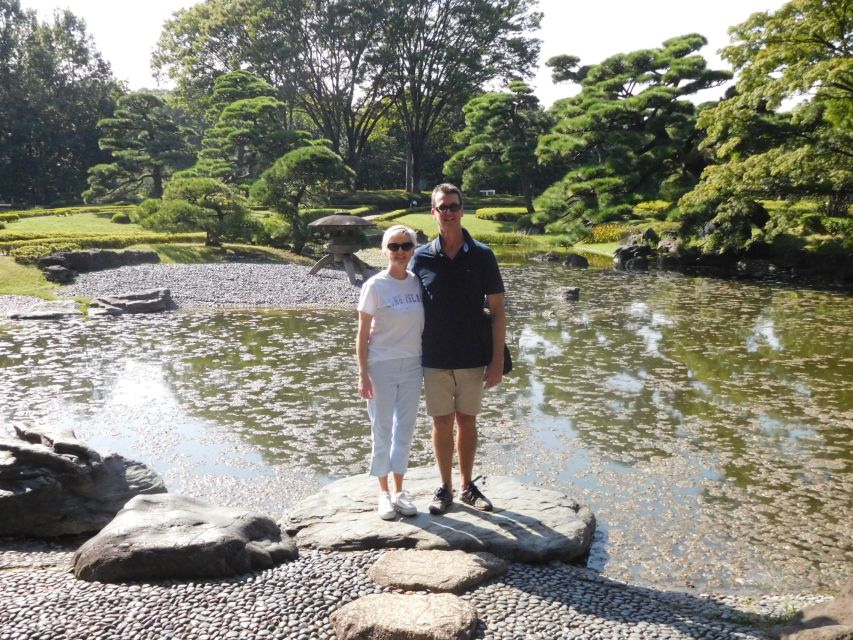
The strongest part of this experience is the guide relationship. You are not joining a large group or following a fixed script. You can stop for questions, change the pace, and ask for advice about the rest of your Tokyo stay.
Yoshi has been praised for careful communication before the tour, matching the route to personal interests and pace, then offering suggestions for transport and restaurants. Hiro arranged an efficient cherry blossom day and provided clear explanations while keeping pickup prompt. Tachi was described as a warm host, while Yoko understood what guests hoped to see and learn.
These details point to a practical benefit. A good guide can help you make decisions in real time. If you are tired, you can reduce the number of stops. If a garden is crowded, you can spend more time elsewhere. If you want to add a restaurant or ask about another Tokyo district, you have a local point of contact.
The quality of the day depends partly on communication. Be specific before arrival. Tell the guide if you prefer gardens over shrines, want fewer train changes, need regular breaks, or care about seasonal flowers. The more clearly you explain your priorities, the more useful the custom route becomes.
Price, inclusions, and the real value
At $151 per person, this is not the cheapest way to see a Tokyo garden. The price buys a private six-hour guide, personal planning, hotel or station meeting, and a route shaped around your interests. It does not cover food, entrance fees, trains, taxis, or other transport.
The value improves if you are traveling as a small private group and want help using your time well. A guide can save you from studying several train routes, choosing between gardens without much context, or missing a seasonal highlight. The value is also stronger for a first Tokyo visit, when the city’s size can make garden planning difficult.
The price is harder to justify if you already know Tokyo well, enjoy planning train routes, and want to visit only one or two gardens. In that case, buying individual admissions and using public transport yourself may cost less.
Consider the extra costs before booking. A private guide does not mean every garden entrance or train ride is covered. You should also factor in lunch and any taxi fares you prefer to use.
Who should book this private garden day
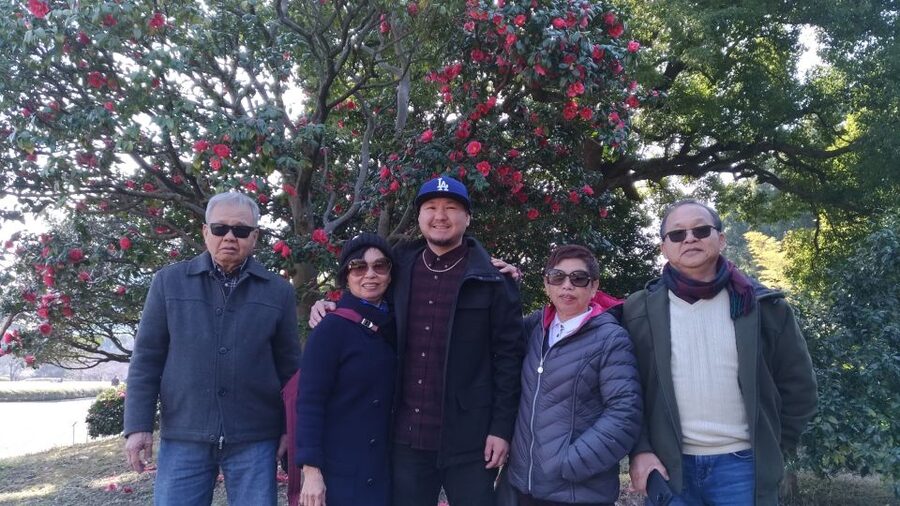
I would choose this tour if you want personal attention, have a short stay, or care about understanding what you are seeing rather than simply taking photographs. It is also a good fit for families or mixed-interest groups because the route can change to suit the group.
It works especially well for people interested in Japanese garden design, seasonal flowers, shrine culture, and Tokyo’s history. Cherry blossom visitors may benefit from local timing, though spring crowds remain part of the deal.
You should think twice if you dislike walking, want a relaxed day with very little transit, or expect a fixed list of famous gardens to be included. This is an outdoor experience in all weather, and the schedule can become tiring.
The tour is wheelchair accessible, but the exact route should be discussed ahead of time so the guide can shape the day around your needs. English and Japanese guides are available, and every booking is private.
The activity is listed as non-refundable, but there is an important exception tied to guide availability. Your booking is not fully confirmed until a guide contacts you, usually within seven days. If a guide cannot be found, updates continue and you may cancel without a fee up to 24 hours before the start. Confirm the final terms when the local team contacts you.
FAQ
How long does the Tokyo garden tour last?
The tour lasts six hours.
Is the tour private?
Yes. Each booking is for a private group, with a private and personalized guide.
Which languages are available?
The tour is available with a live guide in English or Japanese.
Can I choose the gardens?
Yes. You can request specific gardens, customize the route, or allow your guide to plan the itinerary.
Does the tour include transportation?
No. The experience is primarily a walking tour, while public transportation or taxis can be used during the day. Transport fees are extra.
Are entrance fees included?
No. Garden and attraction entrance fees are not included.
Is food included?
No. Food and drinks are not included. Lunch can be arranged during the route, with Harajuku given as one area with many food choices.
Is the tour wheelchair accessible?
Yes, the experience is listed as wheelchair accessible. Discuss your preferred route with the guide in advance.
Should you book it?
Book this tour if you want Tokyo’s gardens explained and arranged around your interests, not simply ticked off a list. Give the guide two or three clear priorities, keep the route geographically sensible, and budget for trains, admission fees, and lunch.
Skip it if your main goal is the lowest possible cost or a slow visit to one garden. For everyone else, the private format, local guidance, and ability to adjust the day make this a useful way to see several very different sides of Tokyo.
Newly reviewed around Tokyo
- Tokyo Asakusa:Calligraphy & Make T-shirt Activity★ 5.0 · 62 reviews
- Intercity Shuttle, Tokyo to Haneda /Narita /Yokohama /Makuhari★ 5.0 · 5 reviews
- 1 Hour Travel around Tokyo with a Professional Photographer★ 5.0 · 3 reviews
- Travel Tokyo with Your Own Personal Photographer★ 5.0 · 43 reviews
- Kickboxing & Body Training with EX-Pro Fighter★ 5.0 · 4 reviews
- Train in Samurai Swordsmanship and Defeat the Demon in Tokyo★ 5.0 · 5 reviews
- Shuttle Van 6hr Tokyo Tour to-and-from Tokyo, Yokohama and Narita★ 5.0 · 9 reviews
- Traditional Japanese Knife Sharpening Class★ 5.0 · 18 reviews
Full-Day, compared.
Mount Fuji Full-Day Private Tour from Tokyo (Customizable)
Read our review →
Mt. Fuji, Hakone Full-Day Private Tour with English Driver Guide
Read our review →