
Reviewed · DESSERT TOURS
Tokyo: Hama-rikyu Gardens tour with Japanese Tea & Sweets
Hama-rikyu Gardens gives you two good Tokyo experiences in one short outing: an Edo-period garden walk and matcha served beside carefully arranged scenery. The guide explains why the garden looks the way it does, rather than simply pointing out flowers and ponds. Then you sit down for tea and Japanese sweets in the garden tea room.
I like the small group, limited to four people, and the mix of history with quiet nature. Guides including Hiro, Ayaku, and Mr. Ito have been praised for clear, warm explanations. The main consideration is time: 90 minutes is enough for an introduction, but not a slow, complete exploration of every corner.
Key points at a glance
- Edo-period setting: Learn how Hama-rikyu Gardens grew from Japan’s feudal-era culture and design traditions.
- Two garden styles: See the dry garden and circular garden, with their different approaches to space and movement.
- Matcha and wagashi included: The tea room experience includes Japanese green tea and traditional sweets.
- Small English-speaking group: With no more than four participants, it is easier to ask questions and hear the guide.
- Seasonal appeal: Flowers and trees change with the time of year, with spring especially noted for blossoms.
- Convenient finish: The tour ends at Shiodome Station, useful for continuing your Tokyo sightseeing.
Why Hama-rikyu works so well for a short Tokyo tour
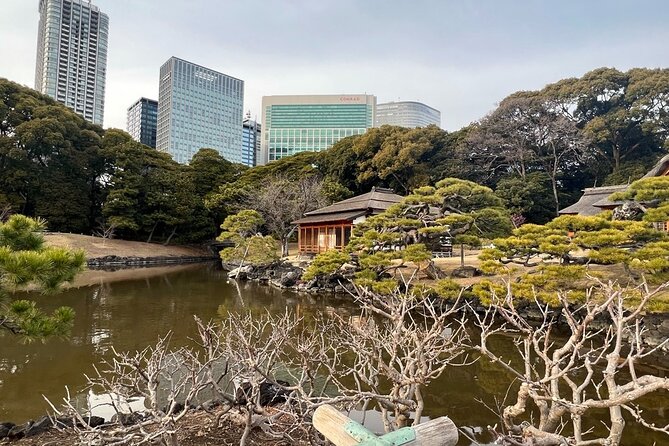
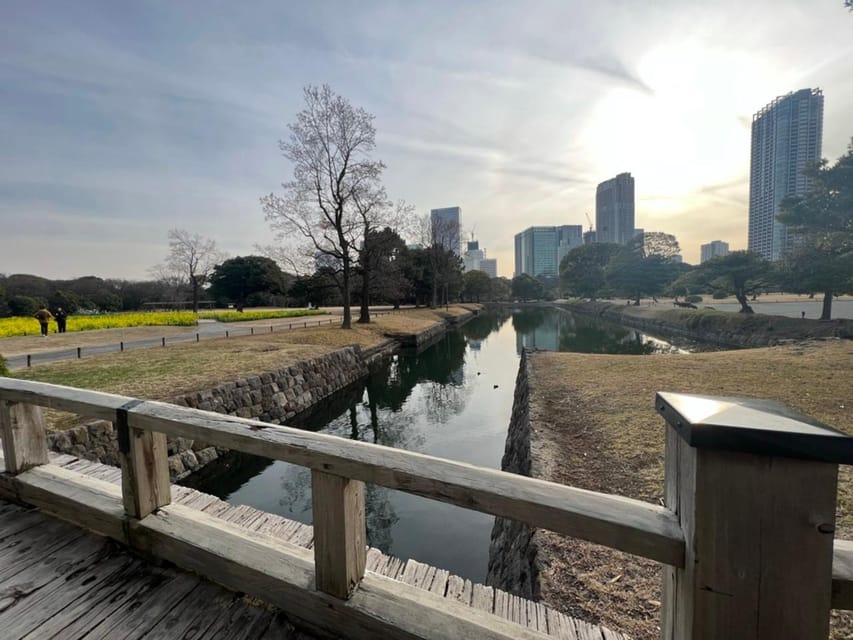
Hama-rikyu Gardens is a good pause from Tokyo’s hard edges. You get a historic garden, open views within the grounds, and a focused cultural activity without spending half a day on transport or formal instruction.
The useful part is the guide’s explanation. Japanese gardens can look simple at first: a path, a pond, a trimmed tree, a patch of stones. Once you understand the ideas behind the dry garden and the circular garden, you begin to notice how the scenery has been arranged for changing views and a measured pace.
I would not treat this as a full garden study. The guided walk lasts about 30 minutes, followed by about an hour for the tea experience. That balance suits you if you want context and a calm cultural stop, but it may feel brief if you like to photograph every path or inspect plants in detail.
More Dessert Tours in Tokyo:
- Matcha Making Class in Tokyo with Authentic Japanese Sweets Set
★ 5.0 · 744 reviews - Tokyo: Matcha Making Experience with Mochi Sweets in Asakusa
★ 4.9 · 388 reviews - Make Traditional Nerikiri Sweets & Matcha experience in Shibuya
★ 5.0 · 130 reviews
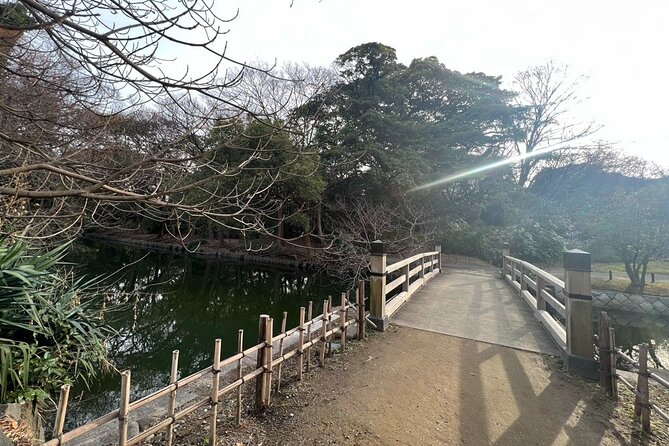
Entering through Otemon Bridge
One listed starting point is Otemon Bridge, an appropriate entrance for a tour focused on the garden’s past. Your exact meeting point depends on the option you book, so check the confirmation rather than assuming every departure uses the same entrance.
The bridge is more than a place to meet. It helps create a transition from the modern city into the garden grounds. I like tours that give a historic site a proper beginning, and this one starts by setting the scene before the walking portion gets underway.
Wear comfortable walking shoes. This is not a strenuous hike, but you will be on your feet and moving through garden paths. Comfortable footwear also lets you pay attention to the guide instead of thinking about sore feet.
A 30-minute walk through Edo garden design
The first guided section lasts about 30 minutes. Your guide explains the background of Hama-rikyu Gardens and the ideas behind its design, with attention to the garden’s Edo-period origins.
The most useful question to keep in mind is not simply What am I looking at? It is Why was this placed here? A guided explanation can turn stones, trees, water, and open spaces into clues about Japanese garden culture.
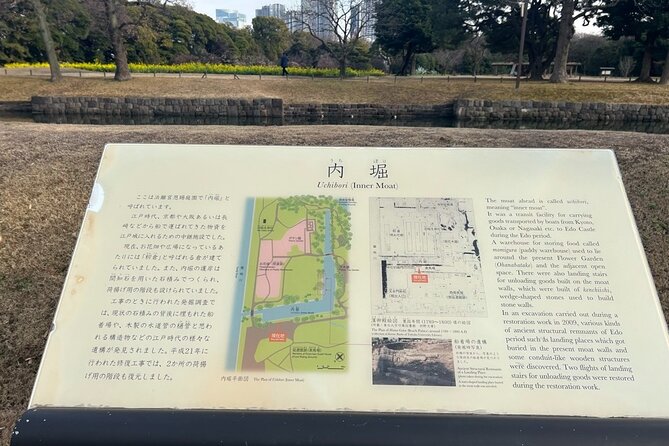
You will see a Karesansui, or dry garden. This style uses stones and carefully arranged ground elements instead of flowing water to suggest natural scenes. The effect is restrained. There is no need for a long walk to appreciate it, but the guide’s comments help you read its layout rather than treating it as decoration.
You will also encounter the Kaiyushiki garden, a circular garden designed to reveal scenery as you move around it. The name points to the experience of walking through a sequence of views. Each turn can change what you see, which makes the path itself part of the design.
These two styles give the walk useful contrast. The dry garden asks you to look closely at a composed arrangement. The circular garden asks you to move and watch the scenery change. In 30 minutes, that comparison gives you a practical introduction to Japanese garden design.
Seasonal trees and flowers change the mood
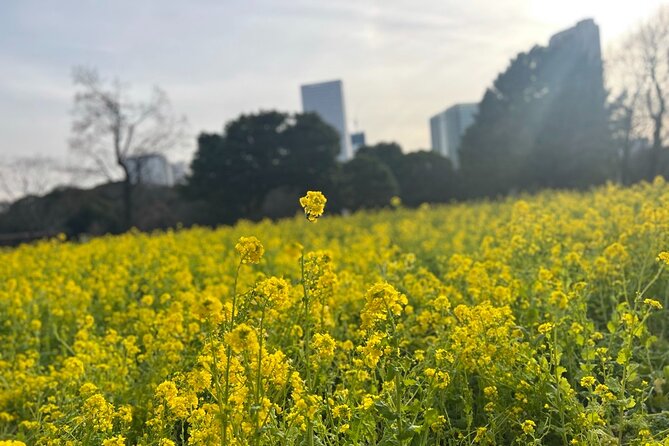
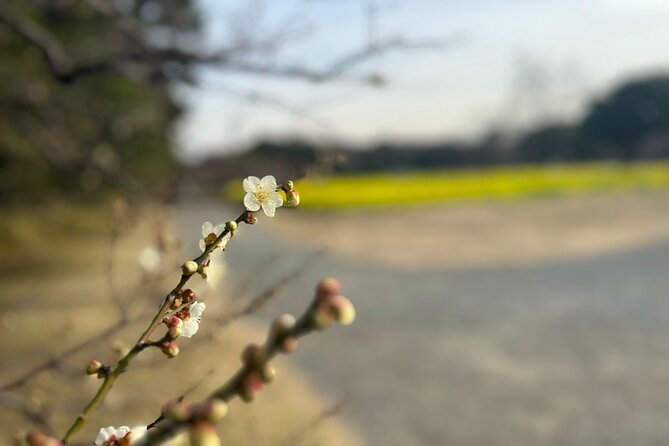
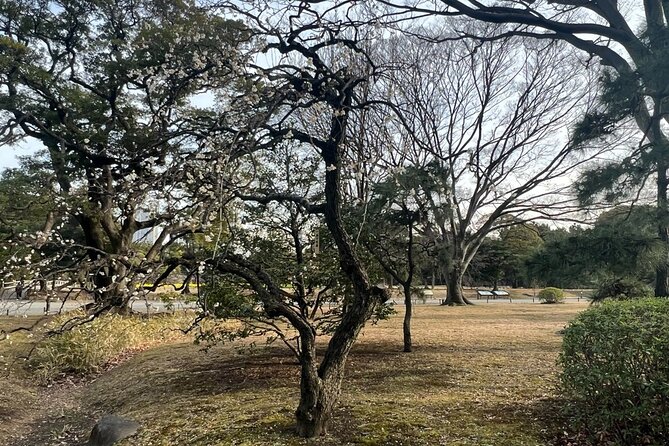
Hama-rikyu’s plants and trees look different throughout the year. The tour description makes seasonal change one of the garden’s attractions, and that matters when choosing your date.
Spring is likely to be the most tempting season if flowers are a priority. One guide’s discussion of spring blossoms left a visitor eager to return at that time. Autumn, winter, and summer will give you a different view, but the available information does not promise a particular bloom on a particular date.
You should think of the garden as a changing setting rather than a fixed display. The same paths and design features can feel different when trees are flowering, leaves are changing, or the garden is quieter and more subdued.
This also affects photography. You can take pictures during the experience, and the garden provides changing views rather than one single photo stop. Still, the tour has a schedule. If photography is your main goal, you may want to return independently after the guided portion, if your plans allow.
A completely different kind of day in Tokyo:
- Mt Fuji and Hakone 1-Day Bus Tour Return by Bullet Train
★ 5.0 · 26,383 reviews - 1-Day Tokyo Bus Tour
★ 5.0 · 14,250 reviews - Tokyo: teamLab Planets TOKYO Digital Art Museum Entry Ticket
★ 4.6 · 9,779 reviews - Mt Fuji & Hakone Cruise, Drum Show Bullet Train 1 Day from Tokyo
★ 4.0 · 7,413 reviews
The tea room and one hour with matcha
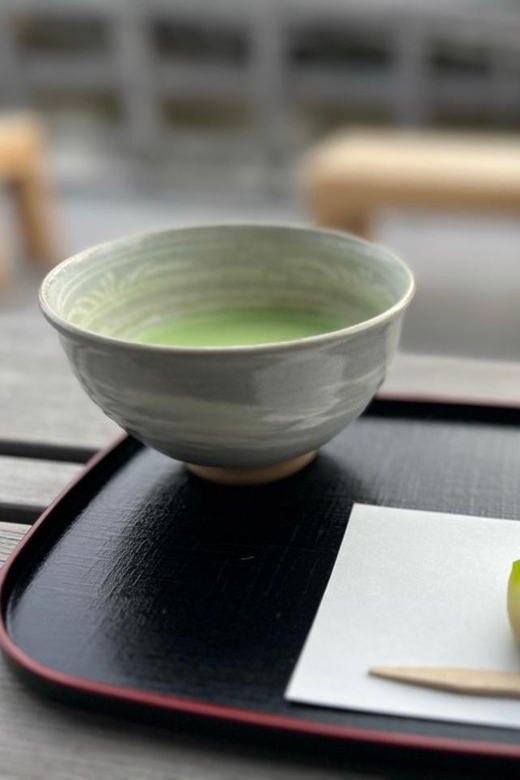
The tea experience takes about one hour and includes matcha green tea and Japanese sweets, known as wagashi. This is not an add-on you pay for after the walk. Both are included in the $85 tour price.
For me, this is the part that gives the outing its shape. The walk explains the garden from the outside. The tea room gives you time to sit, taste, and look back at the setting at a slower pace.
Matcha has a grassy, concentrated flavor that may be new to you. The sweets provide a traditional pairing and make the experience more than a quick drink break. If you already enjoy matcha, you will probably appreciate having it in a garden setting rather than grabbing a matcha-flavored snack in a shopping district.
The format is also approachable for first-time visitors. You do not need to know the rules of tea culture before you arrive. The guide can connect the tea experience to the garden and to wider Japanese customs, while you simply take part and enjoy the setting.
One practical point is worth keeping clear: the supplied details describe a tea ceremony room and a matcha experience, but they do not promise a full formal tea ceremony with every traditional procedure. Book it as a guided matcha and sweets session in the garden. That keeps your expectations sensible.
Why the four-person limit matters
The group is limited to four participants. That is a meaningful advantage in a garden tour, where you may want to ask why a design feature matters or pause briefly for a photograph.
A small group also helps with language. The tour is offered in English, and guides such as Hiro, Ayaku, and Mr. Ito have been singled out for friendly and clear explanations. Ayaku was praised for explaining with energy, while Hiro was noted for showing a range of interesting spots. Mr. Ito was appreciated for making Japanese history fun to learn.
Those details suggest different guide personalities, but you should not assume a particular guide will lead your departure. The guide is assigned by the operator. What you can count on is an English-speaking live guide and a group small enough for direct conversation.
Small groups are not automatically better for everyone. If you prefer to wander alone or avoid any fixed schedule, an independent garden visit may suit you more. If you value explanation and easy questions, four people is a comfortable size.
What the $85 price really covers
At $85 per person, this is not the cheapest way to enter a Tokyo garden. The value comes from combining several services in one compact booking: an English-speaking guide, a 30-minute explanation of the garden, a one-hour tea experience, matcha, and Japanese sweets.
You are paying for interpretation as much as admission or refreshments. Without a guide, you could still enjoy the paths, trees, and garden views. You might not understand the difference between the dry garden and the circular garden, or how the garden’s design shapes what you see as you walk.
The price makes the most sense for a first visit to Tokyo, especially if you want a gentle introduction to Japanese culture without committing to a long class. It is also practical for couples, friends, or a small family group who want a shared activity with plenty of conversation.
The value is weaker if you only want a quick cup of matcha or a long independent walk. In that case, the guided format and fixed 90-minute schedule may feel like more than you need. I would book this for the combination, not for the tea alone.
Timing, meeting points, and the finish at Shiodome
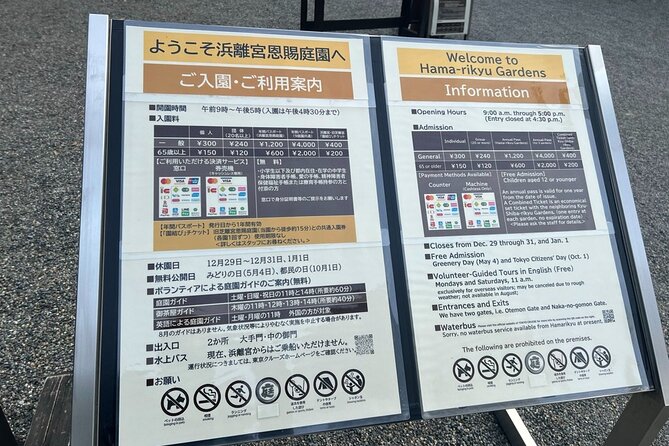
The full experience lasts 90 minutes. The advertised structure is about 30 minutes of guided garden touring and one hour in the tea room. That is easy to fit into a busy Tokyo day.
There are two starting location options, and the meeting point can vary with the option booked. Otemon Bridge is one listed starting point. Read the booking details carefully so you arrive at the correct place.
The listed drop-off is Shiodome Station. That gives you a useful end point for continuing your day, though the tour is not described as a broader Shiodome sightseeing program. Plan to leave enough time afterward if you have a restaurant reservation or another timed activity.
The short duration is both strength and limitation. You get a clear, contained experience with little risk of cultural fatigue. You will not get an exhaustive tour of every garden feature, and the schedule may not leave room for long unscheduled stops.
Who will enjoy this garden and tea pairing
I would recommend this experience to you if you like history, gardens, photography, and food culture in equal measure. It is especially suitable if you want an English explanation instead of trying to interpret a historic site on your own.
It also fits first-time visitors who want a manageable cultural activity. Ninety minutes is long enough to learn something and enjoy the tea, but short enough to fit around other Tokyo plans.
Matcha fans will find the format appealing, though the garden setting is the real reason to choose it. Nature lovers should enjoy the trees, flowers, and changing views, while anyone interested in Japanese history will benefit from the Edo-period context.
I would hesitate to recommend it if you dislike walking, do not want a guided schedule, or expect an extended formal tea ceremony. The walk is gentle but real, and the activity is designed around explanation, movement, and a set tea session.
What the high ratings reveal about the experience
The strongest pattern is the guide’s role. The experience has earned a 4.7 rating from 14 reviews, and the specific praise repeatedly centers on kind, informative guidance. That matters because the garden’s value is not only visual. The explanations give you a way to understand what you are seeing.
The tea is the other clear favorite. Matcha and wagashi are included, and the combination has been described as a memorable part of the outing. One visitor especially liked the mix of history and nature, with the tea and sweets providing the lasting impression.
The garden itself also gets credit for its seasonal character. Spring flowers were a particular reason to consider returning, so you may want to book in spring if blooms are important to you. Still, no exact flowering calendar is provided, so avoid treating any season as guaranteed.
The experience seems strongest when you approach it as a balanced introduction. You are not signing up for a long academic lecture or a full-day garden expedition. You are getting a friendly guide, a focused walk, and time to enjoy a classic Japanese pairing in a historic setting.
Practical details before you book
The tour is offered in English with a live guide. The group size is limited to four participants, which should make it easier to hear explanations and ask questions.
Matcha and Japanese sweets are included in the fee. You do not need to budget separately for those items, though any food or drink outside the tour is not part of the stated inclusions.
Comfortable walking shoes are recommended. The tour takes place in the garden, and the walking portion comes before the tea experience.
You can cancel up to 24 hours before the activity for a full refund. A reserve-now, pay-later option is also available, which is useful if your Tokyo schedule is still changing.
The meeting point varies by the option selected. Check the precise departure details, especially because two starting options are offered. The listed finishing point is Shiodome Station.
Should you book this Hama-rikyu experience?
Book it if you want a short, well-balanced introduction to Japanese garden culture, especially with matcha and sweets included. The small group and English guidance add real value, and the garden’s dry and circular styles give the walking section more substance than a simple stroll.
I would choose it for a first Tokyo visit, a relaxed morning or afternoon, or a day when you want culture without a long commitment. Spring may be especially appealing if you care about flowers, but the garden’s changing seasons are part of its appeal year-round.
Skip it if you want hours of independent exploration or a formal tea ceremony in the strictest sense. At $85, the booking makes sense when you value the guide’s explanations and the complete garden-to-tea format. For that combination, it is a thoughtful use of 90 minutes.
FAQ
How long does the Hama-rikyu Gardens tour last?
The experience lasts 90 minutes. The stated schedule includes a 30-minute guided garden tour and a one-hour tea experience.
Is the tour offered in English?
Yes. It includes a live English-speaking tour guide.
What is included in the price?
The tour fee includes the guide, matcha green tea, and Japanese sweets.
How many people are in each group?
The tour is a small-group experience limited to four participants.
Where does the tour start?
There are two starting location options. Otemon Bridge is one listed starting point, but the exact meeting point depends on the option booked.
Where does the tour finish?
The listed drop-off point is Shiodome Station.
Can I cancel for a full refund?
Yes. You can cancel up to 24 hours in advance for a full refund.
Newly reviewed around Tokyo
- Tokyo Asakusa:Calligraphy & Make T-shirt Activity★ 5.0 · 62 reviews
- Intercity Shuttle, Tokyo to Haneda /Narita /Yokohama /Makuhari★ 5.0 · 5 reviews
- 1 Hour Travel around Tokyo with a Professional Photographer★ 5.0 · 3 reviews
- Travel Tokyo with Your Own Personal Photographer★ 5.0 · 43 reviews
- Train in Samurai Swordsmanship and Defeat the Demon in Tokyo★ 5.0 · 5 reviews
- Shuttle Van 6hr Tokyo Tour to-and-from Tokyo, Yokohama and Narita★ 5.0 · 9 reviews
- Kickboxing & Body Training with EX-Pro Fighter★ 5.0 · 4 reviews
- Traditional Japanese Knife Sharpening Class★ 5.0 · 18 reviews
Dessert Tours, compared.
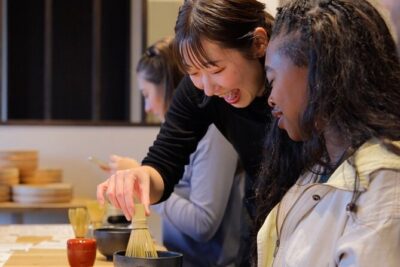
Matcha Making Class in Tokyo with Authentic Japanese Sweets Set
Read our review →
Matcha Making Experience with Mochi Sweets in Asakusa
Read our review →
Make Traditional Nerikiri Sweets & Matcha experience in Shibuya
Read our review →
Private Mochi Sweets Making class near Shibuya area
Read our review →
Japanese Traditional Sweets making and Tea Ceremony
Read our review →
Tokyo Local Food Tour: Noodles, Skewers, Dumplings, Sweets
Read our review →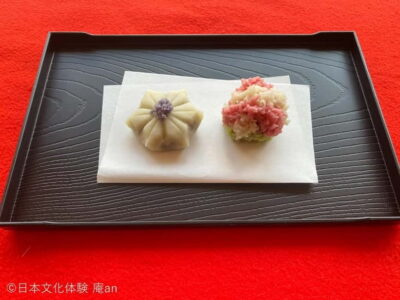
Two Types of Japanese Sweets Making and Tea Ceremony
Read our review →
Mochi Matcha Gluten Free Japanese Sweets Class near Shibuya area
Read our review →Browse the lists this tour appears in