
Reviewed · GINZA TOURS
Private Ginza Architecture Tour
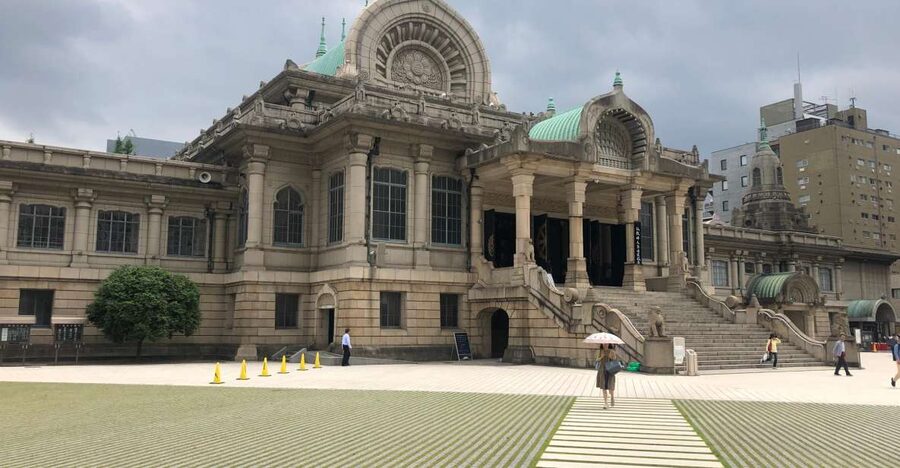
Ginza is more than polished shops and bright signs. This private walk connects a temple with an Indian-style exterior, a traditional Kabuki theater, bold modern buildings, and the quiet lanes behind the main avenues. It gives you a useful way to read Tokyo through its architecture.
I like the careful mix of old and new, from Tsukiji Hongwan-ji and Kabuki-za to the works of newer architects. I also like the private format, which gives you a better chance to ask questions and set the pace. The main drawback is simple: at $129 per person, this is a serious price for a walking tour, especially if you are traveling alone.
I also like that the route includes a break with drinks and a secret side trip into the backstreets. The guide speaks English and has been described as capable and pleasant. Just remember that meals and transportation to and from the Ginza area are not included.
Key points at a glance
- Tsukiji Hongwan-ji begins the story: See a temple with an Indian-style outside and a European church-like interior.
- Kabuki-za links past and present: The 2013 theater carries forward traditional Japanese design.
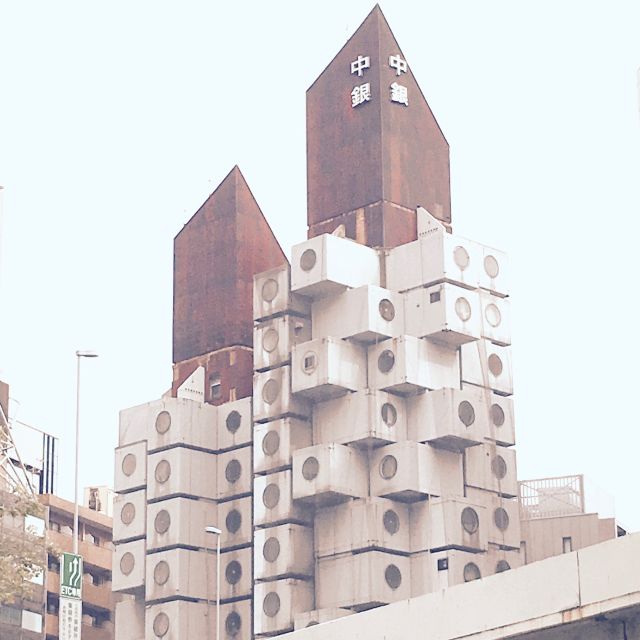
- Metabolism-era architecture gets its due: The route includes one of Japan’s most important modern design movements.
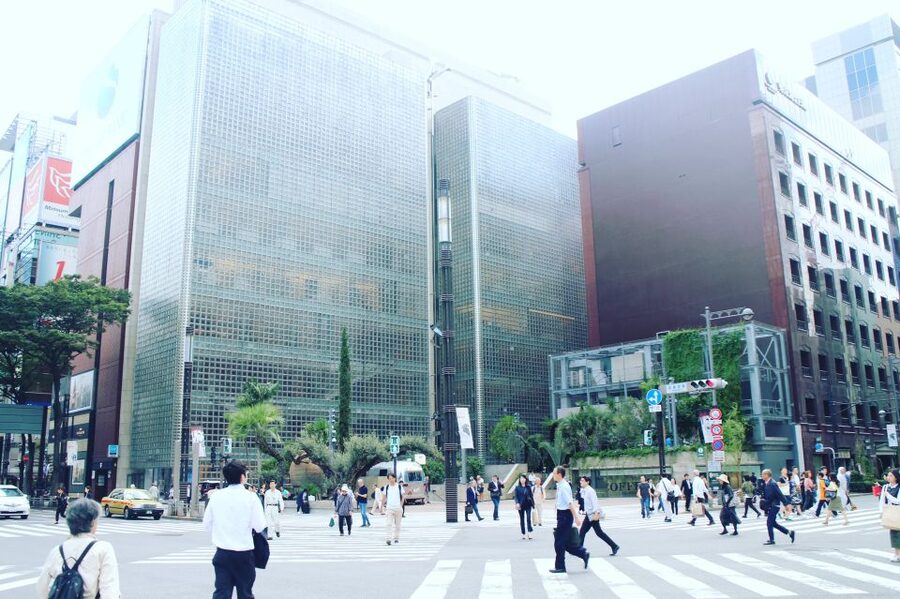
- Ginza’s famous façades are easier to understand: Visit Maison Hermès, the Nicolas G. Hayek Center, Tokyu Plaza Ginza, and Mikimoto Ginza 2.
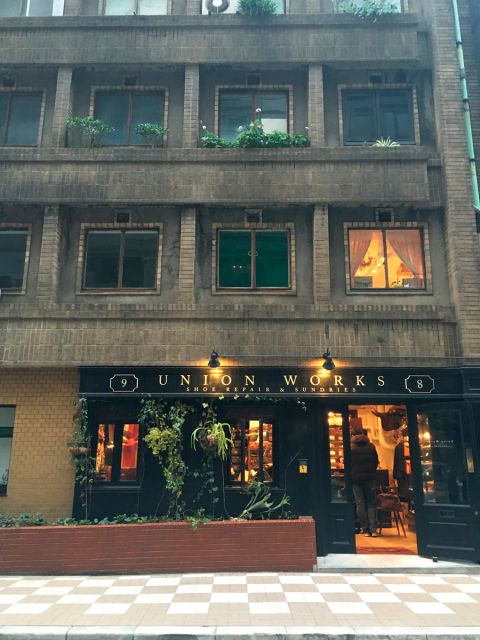
- The Okuno Building adds contrast: An older building helps you see Ginza beyond its luxury storefronts.
- A private guide and drinks break add comfort: You get 210 minutes in a small, personal setting rather than a large group.
Why this Ginza walk is different
Many Ginza walks focus on shopping, department stores, and neon. This one uses architecture as the main subject. That changes the way you move through the district. Instead of simply passing a glass façade on the way to a shop, you stop to consider its shape, materials, purpose, and place in the city.
The route also avoids a narrow definition of Japanese design. You see religious architecture, theater design, luxury retail buildings, modern urban ideas, and a backstreet neighborhood. The result is a broad look at Ginza, not just a parade of expensive storefronts.
The tour lasts 210 minutes, or three and a half hours. That is long enough to make the route feel substantial, but it is also a commitment. You will be walking and looking upward for much of the time, so comfortable shoes and a willingness to spend time outdoors will help.
Because the group is private, the experience should suit you if you want to ask detailed questions or pause at buildings that catch your eye. It is less useful if you only want quick photo stops or a general introduction to Ginza.
More things to do in Ginza:
- Chopstick Making Workshop in Ginza
★ 4.8 · 1,366 reviews - Tokyo: Art Aquarium Museum GINZA Entry Ticket
★ 4.5 · 278 reviews - Official Japan Go-Kart Through Tokyo Bay / Ginza (IDP Required)
★ 4.5 · 71 reviews
Starting at Tsukiji Hongwan-ji
The meeting point is in front of the main gate of Tsukiji Hongwan-ji temple. It is easy to reach from Exit 1 of Tsukiji Station on the Tokyo Metro Hibiya Line. Turn left after leaving the station and walk straight for less than a minute.
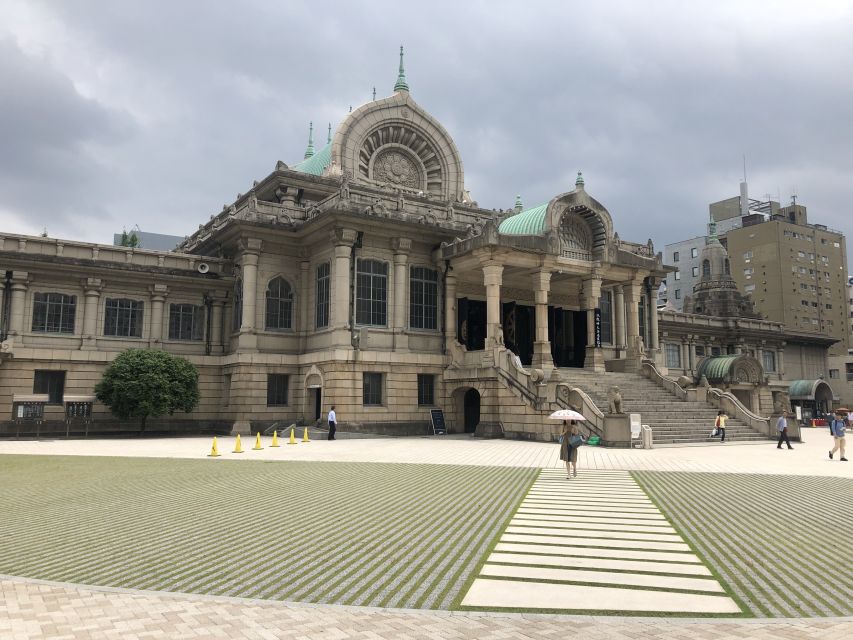
This is a smart starting point because Tsukiji Hongwan-ji immediately breaks your expectations. The exterior has an Indian-inspired appearance, while the interior resembles a European church. That combination makes the temple a strong opening lesson in how Japanese architecture has borrowed, reshaped, and reinterpreted ideas from elsewhere.
The temple also puts Tsukiji in a different frame. Many people know the neighborhood mainly for its former fish market and food stalls. This stop reminds you that the district has another side, one connected to religion, civic life, and unusual design.
Your guide can use this first building to set up the rest of the walk. After seeing one structure that combines several visual traditions, you are better prepared to notice how Ginza also blends local customs with international influences.
Kabuki-za and the art of carrying tradition forward
The next major stop is the Kabuki theater completed in 2013. Its importance is not only that it is new. The building inherited a traditional style from earlier generations, giving you a chance to think about how a modern city preserves familiar forms.
Kabuki-za is a useful counterpoint to the sleek retail buildings later in the route. Its design is tied to performance, ceremony, and Japanese cultural memory. You can compare its formal appearance with the more experimental shapes and materials found elsewhere in Ginza.
The theater also shows that tradition does not always mean leaving an old structure untouched. A newer building can carry recognizable design ideas into a different era. That makes this stop especially worthwhile if you are interested in the tension between preservation and change.
The available information does not promise a theater performance or an interior visit, so plan to appreciate Kabuki-za as an architectural stop. The focus is the building itself and the way it continues a visual tradition.
Ginza’s modern icons along the main route
From Kabuki-za, the walk continues toward several well-known buildings. Each one gives you a different example of modern Ginza.
The Nicolas G. Hayek Center is part of the district’s high-end commercial architecture. Its place on this route shows how retail buildings can be treated as designed objects rather than plain containers for shops.
Maison Hermès offers another polished example. The name is familiar to shoppers around the world, but an architecture tour asks you to look beyond the label. Pay attention to the building’s exterior and how it fits into one of Tokyo’s most carefully developed commercial streets.
Tokyu Plaza Ginza adds a different modern note. It helps show how large-scale retail design can become part of the city’s visual identity. On a normal shopping trip, you might remember the store or the window displays. Here, the building itself becomes the subject.
Mikimoto Ginza 2 continues the pattern of luxury brands using architecture to make a strong mark. Seeing these buildings together is useful. A single façade can seem like an isolated design choice, but several stops in sequence reveal how Ginza uses architecture to create a polished public image.
You should not expect a museum-style tour with extensive indoor access at every stop. The value is in the route, the comparisons, and the guide’s explanation of what you are seeing from the street.
More private tours in Tokyo:
- Tokyo 6hr Private Tour with Government-Licensed Guide
★ 5.0 · 3,902 reviews - Private Tour to Mt. Fuji and Hakone (Fully Licenced Operator)
★ 5.0 · 1,910 reviews - Tokyo Customized Private Tour (Must See Places in 1 Day)
★ 5.0 · 1,499 reviews - Mount Fuji Full-Day Private Tour from Tokyo (Customizable)
★ 4.9 · 1,470 reviews
The Metabolism movement in real city space
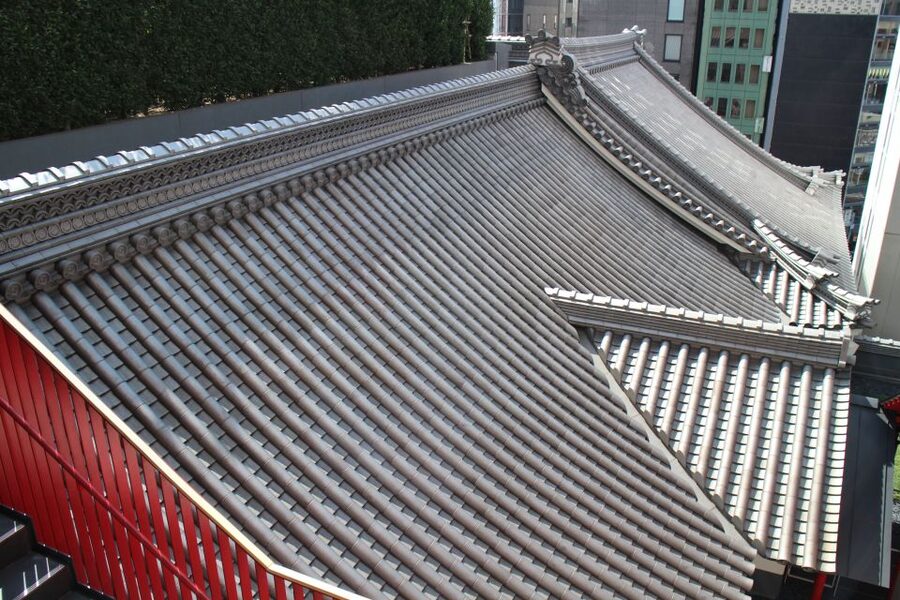
One of the most important themes is the Japanese Metabolism movement. The movement proposed new forms of urbanism during the 1960s and 1970s. It was interested in cities that could grow, change, and respond to new needs rather than remain fixed forever.
That idea matters because Tokyo is a city where replacement and renewal happen constantly. The Metabolism movement offers a way to understand the bold architectural thinking that shaped Japan’s modern design culture.
The tour includes a masterpiece connected with this movement. The supplied details do not name the specific building, so you will want to ask your guide about its architect, date, and original concept. Those questions can turn a quick exterior stop into one of the strongest parts of the experience.
This is also where the tour gains more depth than a simple list of famous buildings. You are not only seeing unusual forms. You are learning about a period when Japanese architects were proposing new ways for cities to function.
If you already have an interest in architecture, urban planning, or postwar Japan, this section may be the main reason to book. If you are new to the subject, the private format gives you room to ask for plain explanations rather than technical jargon.
The Okuno Building and Ginza’s older face
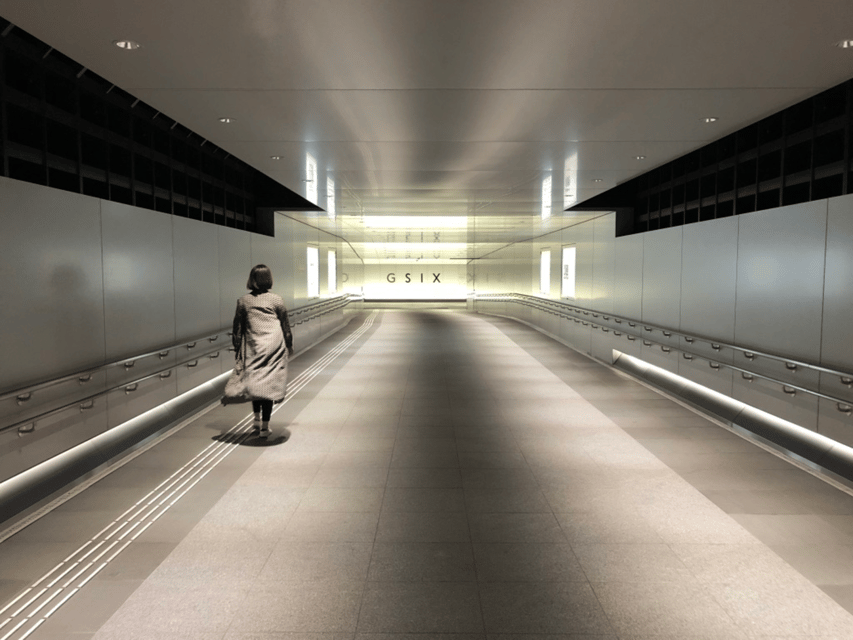
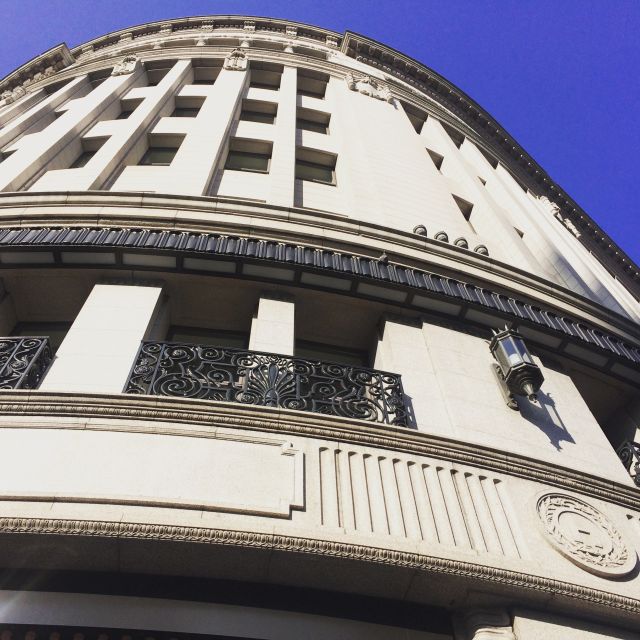
The Okuno Building brings another age into the route. After seeing the temple, theater, and modern retail architecture, this older building helps you notice the layers of Ginza.
Its value is partly visual contrast. Luxury façades can make Ginza seem uniform and new, but older structures reveal that the district has been shaped over time. The Okuno Building helps break up the procession of contemporary design and gives the route a stronger sense of change.
This stop may appeal to you if you prefer buildings with signs of age and daily use. It is also a good point for comparing how different structures handle scale, detail, and relationship to the street.
The route does not present Ginza as a perfect collection of new landmarks. That balance is important. You see famous architecture, emerging work, and older city fabric in one walk.
A side trip into the backstreets
The secret side trip is one of the most appealing parts of the experience. Ginza’s main roads present a refined, highly managed image. The backstreets show another side of the district.
The exact lane is not specified, and that is part of the charm. You can expect a change in atmosphere rather than another headline building. A short turn away from the main route may reveal a more ordinary neighborhood setting and a less polished view of Ginza.
This detour gives the tour a better sense of place. Architecture does not exist only in celebrated buildings. It also appears in the way side streets are arranged, how older and newer structures sit near each other, and how a district feels away from its main commercial frontage.
For me, this is the kind of detail that can make a private walk more useful than a self-guided list of addresses. You are not simply checking off buildings. You are being shown how the parts connect.
Ending at Ginza 4-chome and Wako
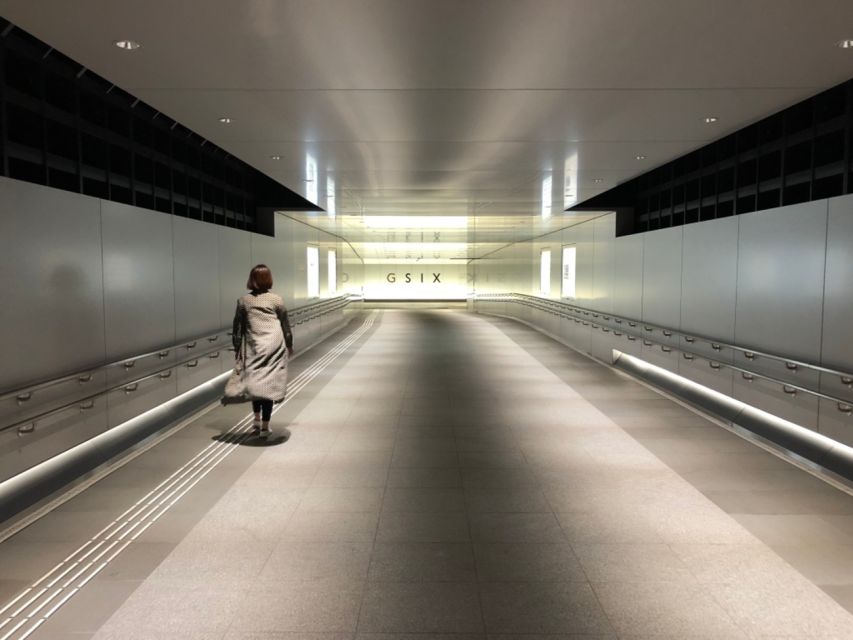
The tour finishes at the intersection of Ginza 4-chome, where the Wako building is located. The building is associated with Seiko watches and is one of Ginza’s most recognizable architectural landmarks.
Ending here gives the route a clear visual finish. You begin with the unusual form of Tsukiji Hongwan-ji and end with a symbol of Ginza’s commercial identity. Between those points, you have seen theater, luxury retail, older architecture, modern urban theory, and a quieter side street.
The final intersection is also practical. Ginza 4-chome is a central point in the district, so you can continue shopping, find a meal, or make your way onward after the walk. The tour does not include meals, so plan your food separately.
Is $129 per person a fair price?
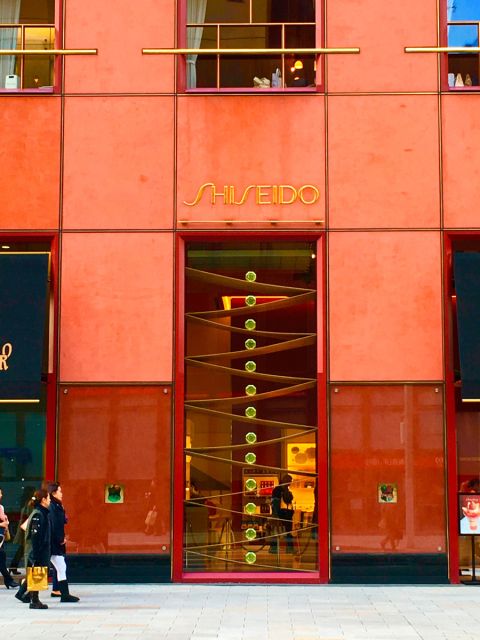
At $129 per person, this is not a budget walking tour. The price makes more sense if you value a private guide, a focused architecture theme, and three and a half hours on the route.
You are paying for interpretation, not transportation or admission to a series of attractions. The experience is mainly an outdoor walk, with a drinks break included. If you would be satisfied with photographing the buildings and reading about them later, the cost may feel high.
The value improves for two or more people who share an interest in architecture. A private group can ask questions, move at a comfortable pace, and focus on the buildings that matter most to them. It is also useful if you want an English-language explanation of the Metabolism movement and the relationship between traditional and modern Japanese design.
The tour has a full-refund cancellation policy up to 24 hours before the start, and you can reserve now and pay later. Those terms are helpful when your Tokyo schedule is still changing.
Who should book this experience?
I would recommend this tour to you if buildings are part of the reason you visit Tokyo. It is particularly well suited to people interested in Japanese architecture, urban design, traditional forms, luxury retail design, or the way cities change.
It also works for repeat visitors who have already seen the major shopping streets. The backstreet stop and the architectural context can give familiar Ginza a fresh purpose.
You may want to skip it if you dislike long walks, prefer food-focused sightseeing, or want substantial indoor visits. The tour does not include meals, transportation to the Ginza area, or a stated program of interior admissions.
The private format is a good fit for couples, families with a shared interest, and small groups that want direct conversation. The English-speaking guide is described as both capable and pleasant, which matters on a tour built around explanation. The guide’s name is not provided, so you cannot request a named guide in advance from the available details.
Should you book the Ginza Architecture Tour?
Book it if you want to see Ginza as a living architectural district rather than only as a shopping center. The route has a strong arc: an unusual temple, a traditional-style theater, modern landmarks, a Metabolism-era masterpiece, an older building, a backstreet detour, and Wako at Ginza 4-chome.
The best reason to choose it is the balance of subjects. You get famous architecture and less obvious city details in one private walk. The main question is value. At $129 per person, this is best for someone who will actively look, ask questions, and enjoy the ideas behind the buildings.
If that sounds like your kind of afternoon, the tour offers a focused and personable way to read one of Tokyo’s most familiar districts.
FAQ
Where does the tour meet?
Meet in front of the main gate of Tsukiji Hongwan-ji temple.
How do I reach the meeting point?
Use Exit 1 of Tsukiji Station on the Tokyo Metro Hibiya Line. Turn left after leaving the station and walk straight for less than a minute.
How long does the tour last?
The tour lasts 210 minutes, or three and a half hours.
What language is the tour conducted in?
The live tour guide speaks English.
Is this a private tour?
Yes. The activity is organized for a private group.
What buildings are included?
The route includes Tsukiji Hongwan-ji, the 2013 Kabuki theater, the Nicolas G. Hayek Center, Maison Hermès, Tokyu Plaza Ginza, Mikimoto Ginza 2, the Okuno Building, and the Wako building at Ginza 4-chome.
Does the tour include a break?
Yes. A break with drinks is included.
Are meals included?
No. Meals are not included.
Can I cancel for a full refund?
Yes. You can cancel up to 24 hours in advance for a full refund.
Newly reviewed around Tokyo
- Tokyo Asakusa:Calligraphy & Make T-shirt Activity★ 5.0 · 62 reviews
- Travel Tokyo with Your Own Personal Photographer★ 5.0 · 43 reviews
- Intercity Shuttle, Tokyo to Haneda /Narita /Yokohama /Makuhari★ 5.0 · 5 reviews
- 1 Hour Travel around Tokyo with a Professional Photographer★ 5.0 · 3 reviews
- Train in Samurai Swordsmanship and Defeat the Demon in Tokyo★ 5.0 · 5 reviews
- Shuttle Van 6hr Tokyo Tour to-and-from Tokyo, Yokohama and Narita★ 5.0 · 9 reviews
- Kickboxing & Body Training with EX-Pro Fighter★ 5.0 · 4 reviews
- Traditional Japanese Knife Sharpening Class★ 5.0 · 18 reviews
Ginza Tours, compared.
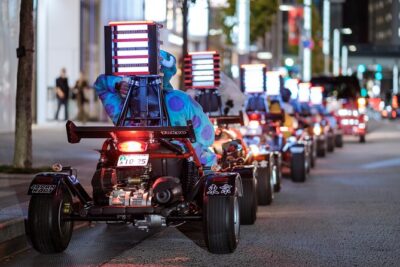
Official Japan Go-Kart Through Tokyo Bay / Ginza (IDP Required)
Read our review →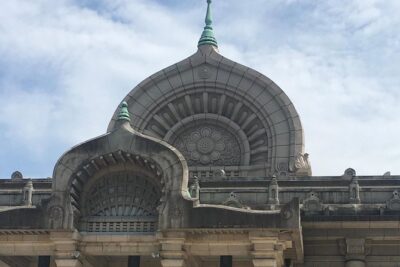
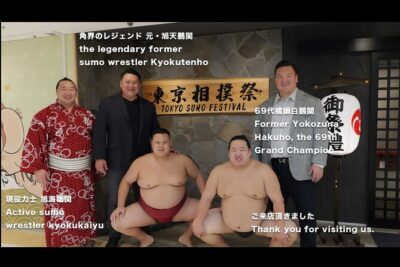
【SUMO FESTIVAL】Tokyo Ginza: Sumo Show & Photo Experience
Read our review →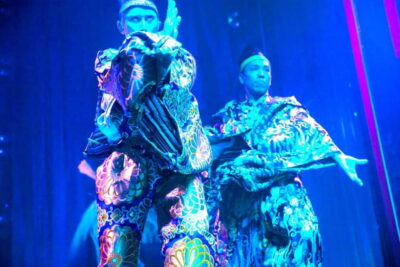
Tokyo GINZA: KONPARU Japanese Cabaret Show with Drink
Read our review →
Browse the lists this tour appears in