Reviewed · FULL-DAY
Tokyo full day private tour with Guide
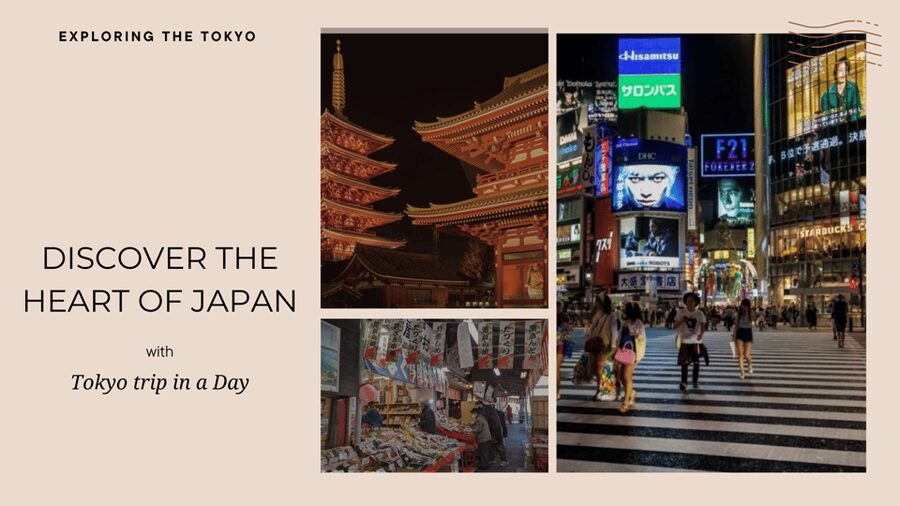
Tokyo in one day is a tall order, but this private tour gives you a comfortable way to cover the city’s far-flung sights. You can move from Tsukiji’s food stalls to the quiet woodland of Meiji Shrine, then on to Shibuya Crossing and Tokyo Bay without wrestling with a subway map every hour.
I like the door-to-door service and the freedom to adjust the route. I also like the choice of luxury vehicles, including the Toyota Vellfire, Crown, and Land Cruiser, along with bottled water, coffee, and tea. The main concern is that the advertised schedule is crowded, and the quality of guiding may depend heavily on the individual chauffeur.
- Tsukiji to Odaiba in one day: The route links old markets, temples, imperial grounds, modern districts, and waterfront attractions.
- Private luxury transport: Hotel pickup, drop-off, air conditioning, fuel, and highway taxes are included.
- Flexible sightseeing: You can discuss changes to the itinerary rather than follow a fixed group schedule.
- A serious time check: The listed stops add up to more sightseeing time than a nine-hour day allows once traffic and transfers are counted.
- Guide quality matters: English, Hindi, Japanese, Urdu, Punjabi, Spanish, Vietnamese, and Bengali are offered, but the actual level of explanation can vary.
- Good value for two: At $329 per group of up to two people, the base cost works out to about $164.50 per person before any extras.
A private vehicle for Tokyo’s far-flung sights
This is best understood as a private sightseeing drive with guiding, not a walking tour that spends long stretches at one place. Tokyo’s attractions are spread across a huge urban area, and a car can save time when you want to combine Tsukiji, Asakusa, Shibuya, and Odaiba in a single day.
The tour lasts about nine hours, although the included description also calls it approximately 10 hours. That difference matters. The listed route includes Tsukiji Fish Market, Sensō-ji, the Imperial Palace, Meiji Shrine, Odaiba, the East Gardens, Shibuya Crossing, Tokyo Skytree, and Tokyo Tower. It also lists Sensō-ji a second time.
The stated stop times add up to far more than nine hours before traffic, parking, hotel pickup, and the drive between districts. I would treat the schedule as a menu of possible stops, not a promise that you will spend the full stated time at every location. Ask the operator to confirm your exact order and priorities before the day begins.
What the $329 price really buys
The price is $329 for a private group of up to two people. That is not cheap compared with a shared bus excursion, but the comparison is not quite fair. You are paying for a private vehicle, a driver, hotel transfers, air conditioning, fuel, highway taxes, and a flexible route.
For two people, the transport cost is about $164.50 each. That can be reasonable if you value comfort, have limited time in Tokyo, or do not want to navigate several train changes. It is less attractive if you are happy using Tokyo’s excellent rail network and mainly want a formal temple or museum guide.
The included information does not clearly state that observation-deck tickets, food, shopping, or other admission charges are covered. Ask specifically about Tokyo Skytree, Tokyo Tower, and any paid activities at Tsukiji before booking. The word visit does not always mean an entrance ticket is included.
Complimentary coffee, tea, and bottled water are included. That is a small touch, but useful on a long day with several stops. You can also cancel up to 24 hours ahead for a full refund and reserve without paying immediately, which gives you some planning flexibility.
More full-day trips in Tokyo:
- From Tokyo: Mount Fuji Full-Day Sightseeing Trip
★ 4.5 · 4,970 reviews - Mount Fuji Full-Day Private Tour from Tokyo (Customizable)
★ 4.9 · 1,470 reviews - Tokyo Private Full-Day Tour by Car or Van
★ 5.0 · 684 reviews
Tsukiji: start with Tokyo’s food culture
Tsukiji is a strong opening stop because it gets you close to the everyday side of Tokyo. The former wholesale fish market is now best known for its outer-market streets, where food shops and eateries sell seafood, produce, kitchen goods, and traditional Japanese ingredients.
You can browse, eat, buy ingredients, or arrange food-related activities such as learning how to cut fish. The appeal is not only the food itself. Tsukiji shows how Japanese cooking depends on careful selection, seasonality, and specialist shops.
Give yourself a clear spending plan here. It is easy to lose time among small counters and stores, especially if you stop for a meal. If the tour is already running late, Tsukiji is one place where a shorter visit may protect time for the rest of the route.
Sensō-ji and Asakusa: Tokyo’s oldest-feeling stop
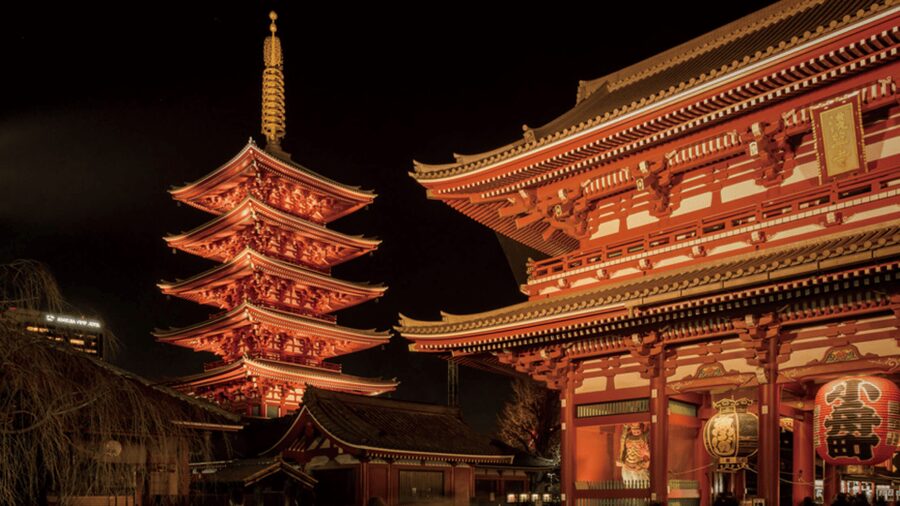
Sensō-ji is dedicated to Kannon, the Buddhist goddess of mercy, and is one of Tokyo’s oldest temples. The visit combines gates, statues, worship spaces, gardens, and traditional shopping streets, giving you more than a quick photo stop.
The temple area offers a useful introduction to Japanese religious architecture. You will see people arriving to pray, visitors moving through the grounds, and shops selling traditional items. The mix of worship and commerce is part of the character of Asakusa.
The schedule assigns 105 minutes here, then lists another one-hour Sensō-ji visit later. That appears to be a duplicate rather than two separate temple experiences. Confirm this before you go. If you want time to walk the market streets and look closely at the temple grounds, one substantial visit is more useful than rushing through the same place twice.
A key question is whether your guide will walk with you and explain the site. One low-scoring account described a driver who dropped the group near attractions, offered directions, and did not provide explanations about the temple or its construction. The chauffeur was described as pleasant, but the service felt like transportation rather than guiding. Ask directly if the driver will accompany you at Sensō-ji and the other stops.
The Imperial Palace and East Gardens
The Imperial Palace has been home to Japan’s emperors since 1868. The wider grounds include the Imperial Residence, formal areas used for ceremonies, and the East Gardens, which are open to the public.
This portion of the route needs careful wording. You should not expect to wander freely through every part of the palace complex. The public East Gardens are the practical sightseeing area, while other sections may be viewed only from designated places or on special occasions.
The itinerary gives one hour for the palace and another hour for the East Gardens. Since both refer to the same broad royal grounds, ask how the time is divided. A good plan might use the first stop for exterior views and the second for a more relaxed garden walk, but the operator should explain the arrangement.
The East Gardens can provide a welcome change of pace after Tsukiji and Asakusa. They are also more dependent on opening conditions than a street crossing or exterior landmark, so confirm the day’s access when you book.
More private tours in Tokyo:
- Tokyo 6hr Private Tour with Government-Licensed Guide
★ 5.0 · 3,902 reviews - Private Tour to Mt. Fuji and Hakone (Fully Licenced Operator)
★ 5.0 · 1,910 reviews - Tokyo Customized Private Tour (Must See Places in 1 Day)
★ 5.0 · 1,499 reviews - Tokyo: Private City Highlights Tour with Local Guide
★ 4.8 · 1,433 reviews
Meiji Shrine: a quiet break in the city
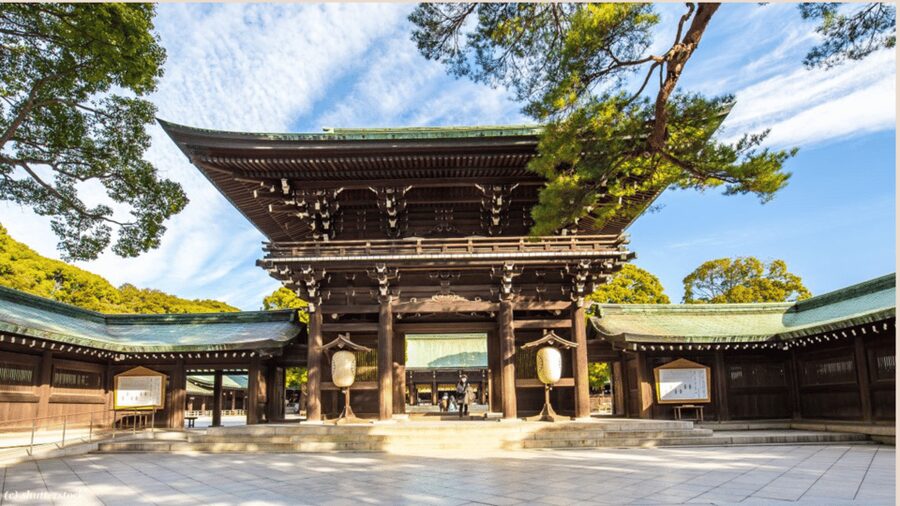
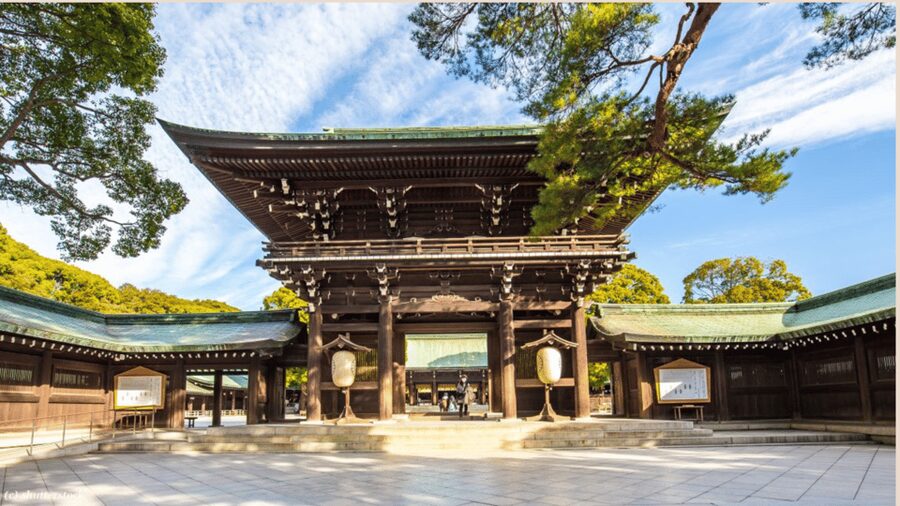
Meiji Shrine sits inside a 70-hectare forest in central Tokyo. Once you enter the wooded approach, the noise and hard surfaces of the city give way to a more restrained Shinto setting.
The shrine was founded in 1920 to honor Emperor Meiji and Empress Shoken, figures connected with Japan’s modernization. That makes the site useful for understanding how older religious traditions and modern national history are presented together.
The shrine is open daily, but operating hours change with the seasons. Your one-hour visit should be enough for a purposeful walk and a look at the main shrine area, though a full exploration would take longer. Ask your guide to confirm opening times if Meiji Shrine is an important reason for choosing this tour.
I especially like this stop as a balance to Tokyo’s high-rise districts. It gives the day some silence and space, rather than making every hour about shops, traffic, or city views.
Shibuya Crossing in one focused hour
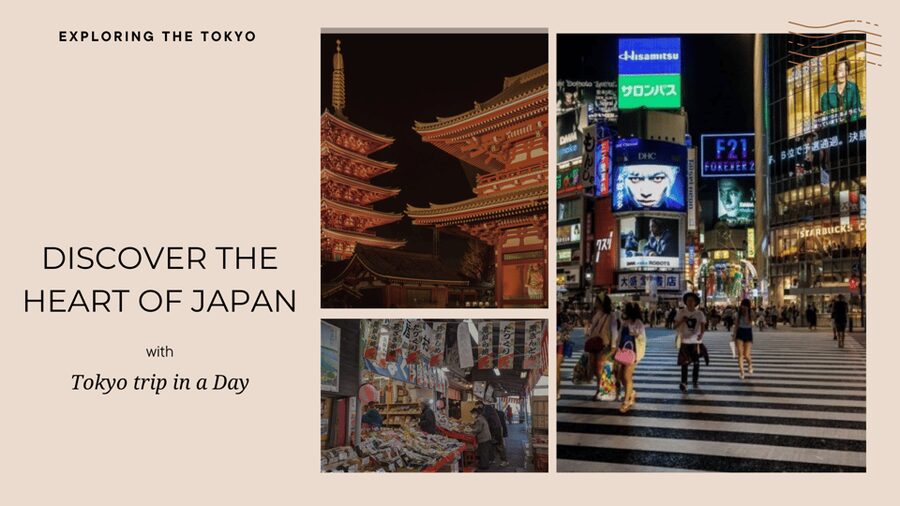
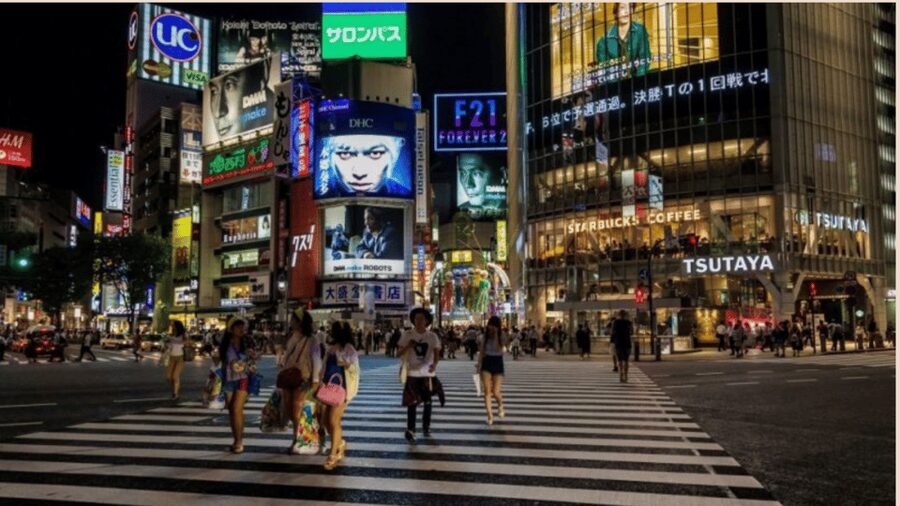
Shibuya Crossing is Tokyo’s famous scramble intersection, directly outside Shibuya Station. When the signals change, people cross from several directions while large screens and advertisements play above the junction.
The stop is simple, but it captures Tokyo’s modern public life better than a distant lookout. You can watch the crossing from street level and take in the lights, screens, and crowds around the station.
One hour is generous for the crossing itself, so this is a good place to ask for a little flexibility elsewhere. You may want time for photographs, a short walk around the station, or a higher viewpoint if your guide recommends one. Do not assume that a special observation ticket is included. The stated inclusions do not list one.
Odaiba: Tokyo Bay and the modern city
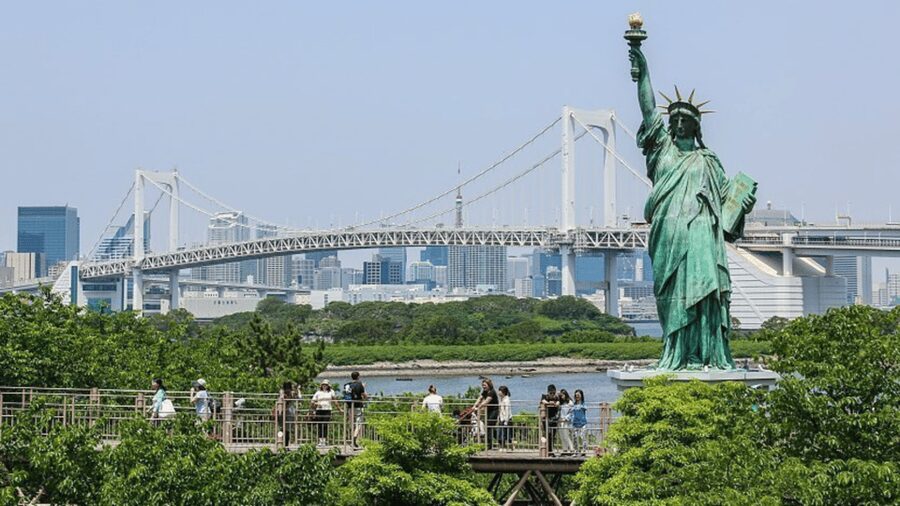
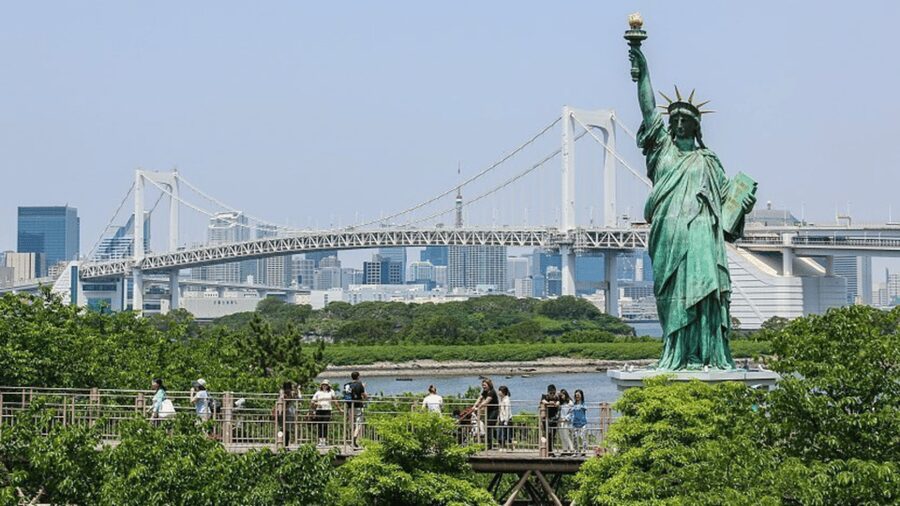
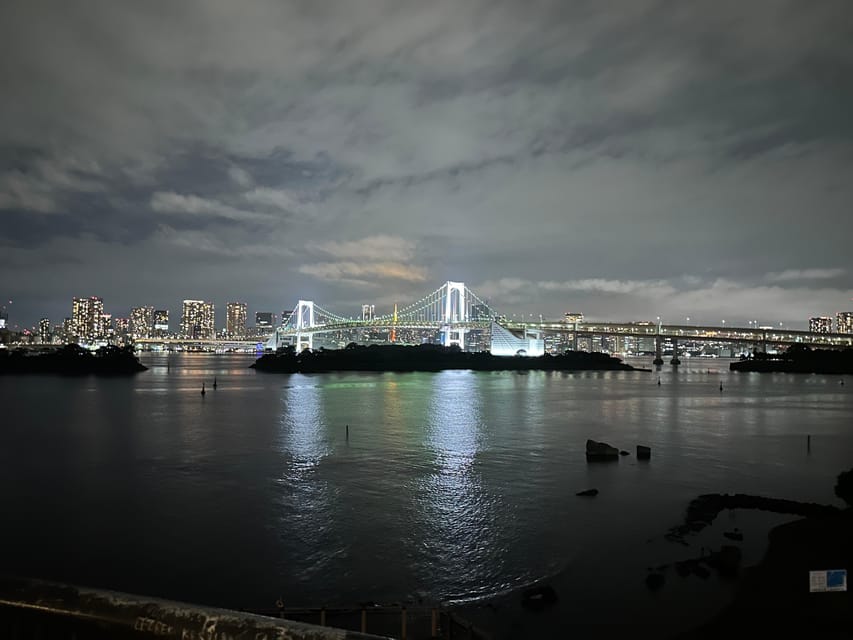
Odaiba is a shopping and leisure district on a man-made island in Tokyo Bay. Its origins go back to the late Edo period, when small artificial fort islands were built to help defend Tokyo from attack by sea.
The two-hour allocation makes Odaiba one of the longer stops. That is sensible because the area is spread out, and the tour description does not limit you to one attraction. You can use the time for waterfront views, shopping, or general sightseeing.
Odaiba is also one of the places where private transport can help. It is separated from central Tokyo, and fitting it into a day with Asakusa, Shibuya, and the palace requires planning. The tradeoff is that traffic and parking can eat into the scheduled visit. Confirm where the vehicle will drop you and how much walking is expected.
Tokyo Skytree and Tokyo Tower
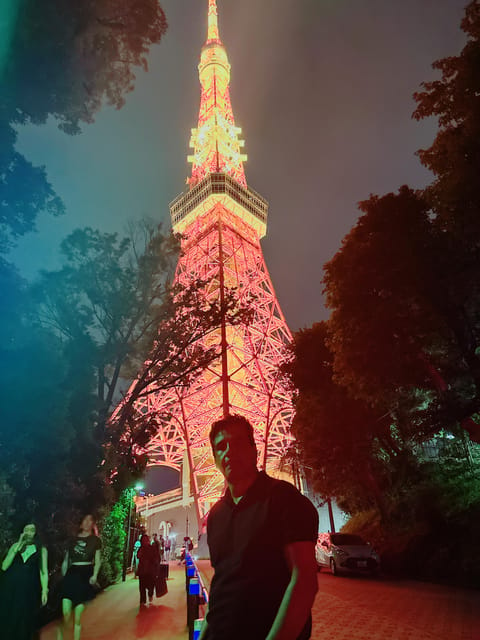
The route includes both of Tokyo’s best-known towers, though the day may not allow a full observation-deck visit to each. Tokyo Skytree rises 634 meters and opened in 2012 as a communications and broadcasting tower. Its public viewing areas are the Tembo Deck and the higher Tembo Galleria, which uses a curved ramp between levels.
Tokyo Tower is a separate landmark and another useful photo stop. The supplied plan assigns one hour to each tower, but it does not say that admission is included. If you want to go up either tower, ask about tickets, queues, and whether the time is intended for an exterior visit or an observation deck.
Trying to enter both towers on the same day could make the schedule even tighter. I would choose one tower for a paid visit and use the other as a quick exterior stop unless the operator confirms plenty of time.
Vehicles, comfort, and the guide question
The advertised vehicles are the Toyota Vellfire, Toyota Crown, and Land Cruiser. Each offers a more private and comfortable setting than a shared minibus, and air conditioning is included.
Hotel pickup and drop-off are included in Tokyo. Fuel and highway taxes are also covered, so you should not be surprised by routine transport charges. The private format is useful for couples, older family members, or anyone who wants to adjust the pace without holding up strangers.
The important distinction is between a chauffeur who transfers you and a guide who explains what you are seeing. The tour promises an experienced English-speaking chauffeur and lists several available languages, but no individual guide name is supplied. One strong account praised the excellent guide, while another found that the driver offered little cultural explanation and did not get out of the vehicle at the stops.
Before the day begins, ask three plain questions:
- Will the guide walk with us inside the major sights?
- Will the guide explain the history and religious meaning of each place?
- Is the service a guide and driver, or mainly a private transfer?
Those answers will tell you more than the vehicle photos.
Who should book this Tokyo day?
I would consider this tour if you have only one full day in Tokyo, prefer private transport, are traveling as a pair, and want to see both traditional and modern districts. It also suits visitors who find transfers, stairs, or a busy train network tiring and want hotel pickup and drop-off.
It is less suitable if your main goal is detailed cultural interpretation. In that case, you should confirm the guide’s role in writing or choose a specialist walking tour for Asakusa, Meiji Shrine, or the Imperial Palace area.
The tour is wheelchair accessible, though the route includes temple grounds, gardens, markets, and walking areas. Ask how the vehicle and each stop will be handled for your specific needs. It is not suitable for people over 95 years old.
Should you book this tour?
Book it if coverage and comfort matter more to you than a slow, carefully guided visit at each sight. The private vehicle, flexible route, and hotel transfers can save real effort, and $329 is defensible for two people who want a broad first look at Tokyo.
Do not book without clarifying the schedule and guiding service. The route lists too many major stops for a relaxed nine-hour day, repeats Sensō-ji, and gives mixed signals about whether you receive a true guide or simply a pleasant driver. Ask for a realistic route, confirm which tower tickets are extra, and make sure the chauffeur will accompany you at the sights. If those points are settled, this can be a practical first-day introduction to Tokyo.
FAQ
How long is the private Tokyo tour?
The activity is described as lasting nine hours, while the included details also call it approximately 10 hours. Confirm the exact duration and pickup time before booking.
What is included in the price?
The price includes a private vehicle and driver, an English-speaking chauffeur, hotel pickup and drop-off, air conditioning, fuel, highway taxes, bottled water, coffee, tea, and the listed sightseeing visits. Admission tickets are not specifically listed.
Which sights are included?
The planned sights include Tsukiji Fish Market, Sensō-ji Temple, Tokyo Skytree, Meiji Shrine, Tokyo Imperial Palace, the Imperial Palace East Gardens, Shibuya Crossing, Odaiba, and Tokyo Tower.
How many people can join the private tour?
The price is for a private group of up to two people.
Which languages are available?
The listed guide languages are English, Hindi, Japanese, Urdu, Punjabi, Spanish, Vietnamese, and Bengali.
Can I cancel the booking?
You can cancel up to 24 hours in advance for a full refund. The activity also offers reserve now and pay later booking.
Newly reviewed around Tokyo
- Tokyo Asakusa:Calligraphy & Make T-shirt Activity★ 5.0 · 62 reviews
- Intercity Shuttle, Tokyo to Haneda /Narita /Yokohama /Makuhari★ 5.0 · 5 reviews
- 1 Hour Travel around Tokyo with a Professional Photographer★ 5.0 · 3 reviews
- Travel Tokyo with Your Own Personal Photographer★ 5.0 · 43 reviews
- Train in Samurai Swordsmanship and Defeat the Demon in Tokyo★ 5.0 · 5 reviews
- Shuttle Van 6hr Tokyo Tour to-and-from Tokyo, Yokohama and Narita★ 5.0 · 9 reviews
- Kickboxing & Body Training with EX-Pro Fighter★ 5.0 · 4 reviews
- Traditional Japanese Knife Sharpening Class★ 5.0 · 18 reviews
Full-Day, compared.
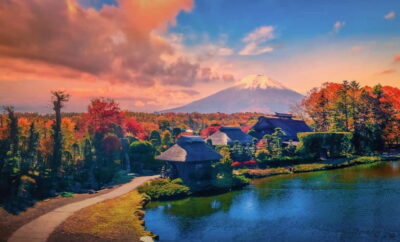
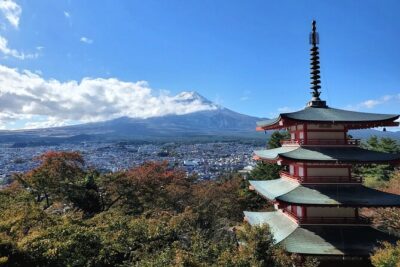
Mount Fuji Full-Day Private Tour from Tokyo (Customizable)
Read our review →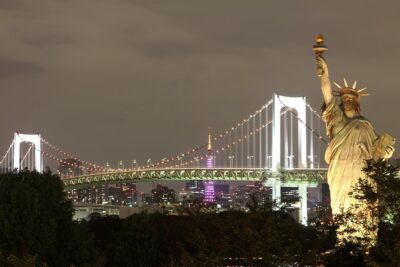
Mt. Fuji, Hakone Full-Day Private Tour with English Driver Guide
Read our review →