
Reviewed · TOKYO JDM CAR CULTURE TOURS
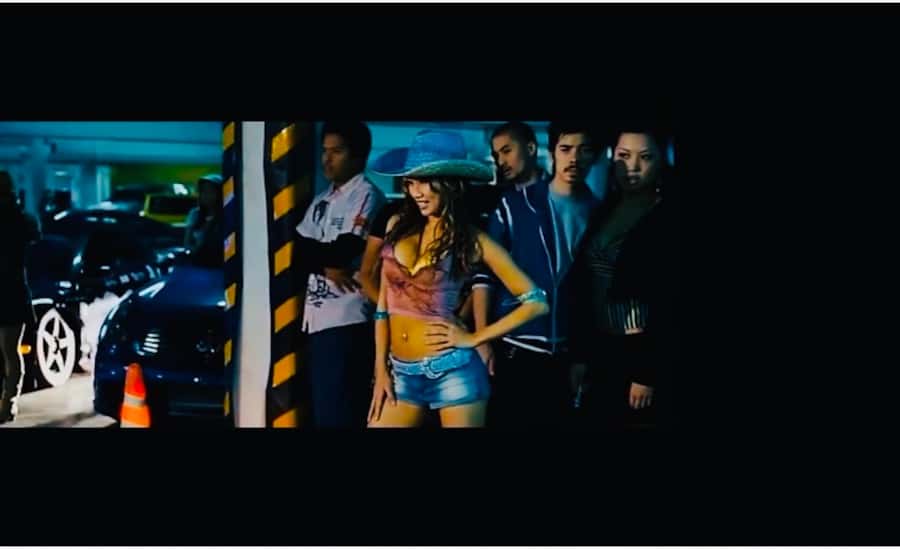
Tokyo: Fast & Furious Tokyo Drift 3 Experience (Kaila Yu SP)
Tokyo’s car culture comes alive after dark on this Fast and Furious style night ride. You travel in a tuned sports car rather than a standard sightseeing van, heading along the Wangan and C1 routes to Daikoku Parking Area, A-Pit Autobacs, Rainbow Bridge, and major city sights. The cars may include a Nissan Skyline, GT-R, Subaru STI, Mitsubishi Evolution, Toyota Chaser, or another vehicle from the fleet.
I like the chance to meet Japanese car enthusiasts in their own cars, and I like the easy finish: free drop-off anywhere in Tokyo’s 23 wards. The main thing to consider is that you cannot count on choosing a particular car or driver unless you book the higher-priced private option in advance. This is also a group outing, with roughly 10 to 30 cars taking part.
Key points about the Tokyo night drive
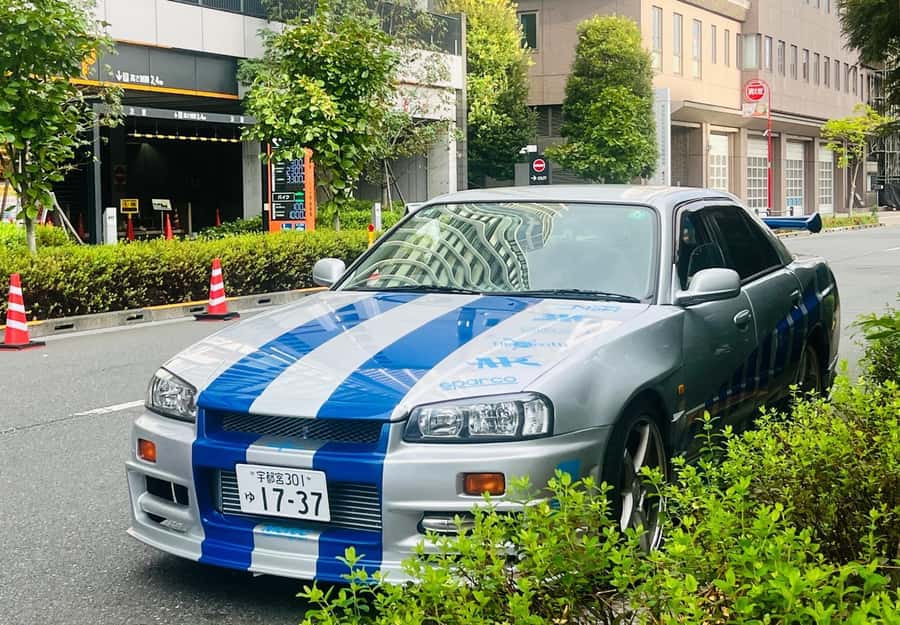
- Daikoku Parking Area: Visit Tokyo’s famous meeting place for JDM, tuned, and performance cars. Entry is free.
- Real sports cars: Ride in cars such as a Skyline GT-R, Nissan GT-R, Subaru STI, Mitsubishi Evolution, Toyota Chaser, Silvia, or BMW M3, subject to availability.
- A-Pit Autobacs stop: Get 30 minutes in Tokyo’s large car-supply shop, a useful stop for parts, accessories, and Japanese car culture.
- Tokyo after dark: Cross Rainbow Bridge and see Tokyo Bay, Odaiba, Tokyo Tower, or Shibuya Crossing at night.
- Drivers with local enthusiasm: Guides such as Kei, Ken, Kuroda, Masa, Yuki, Lucy, Kay, and Vinnie have received especially warm praise for their driving and hospitality.
- Practical finish: Fuel, tolls, English-language support, and hotel or Airbnb drop-off within Tokyo’s 23 wards are included.
Starting at Tokyo Video Gamers with a free drink
The meeting point is Store Tokyo Video Gamers. Arrive at least 15 minutes early, since the group sets off together and delays are tolerated for only about 15 minutes. You can have a free Guaraná drink and play arcade games before departure, which gives the start a fun, informal feel.
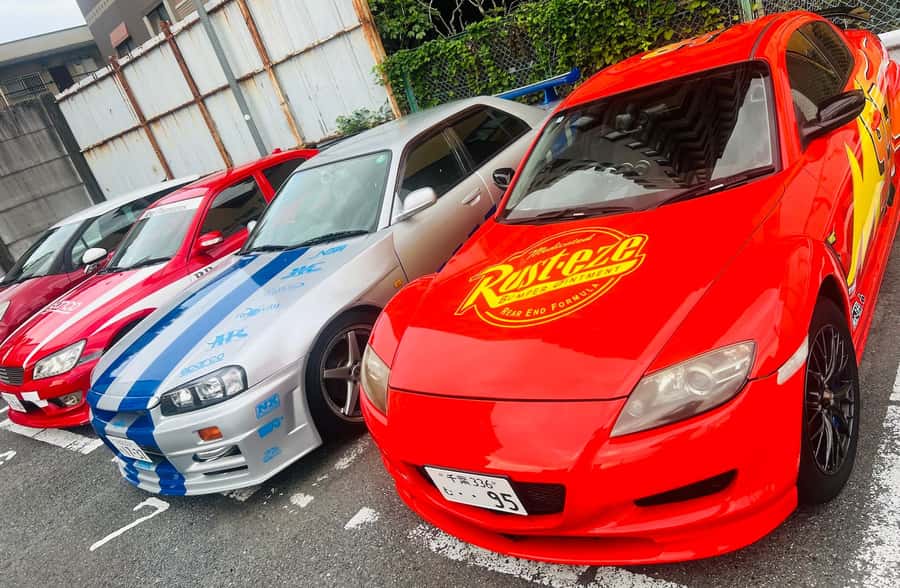
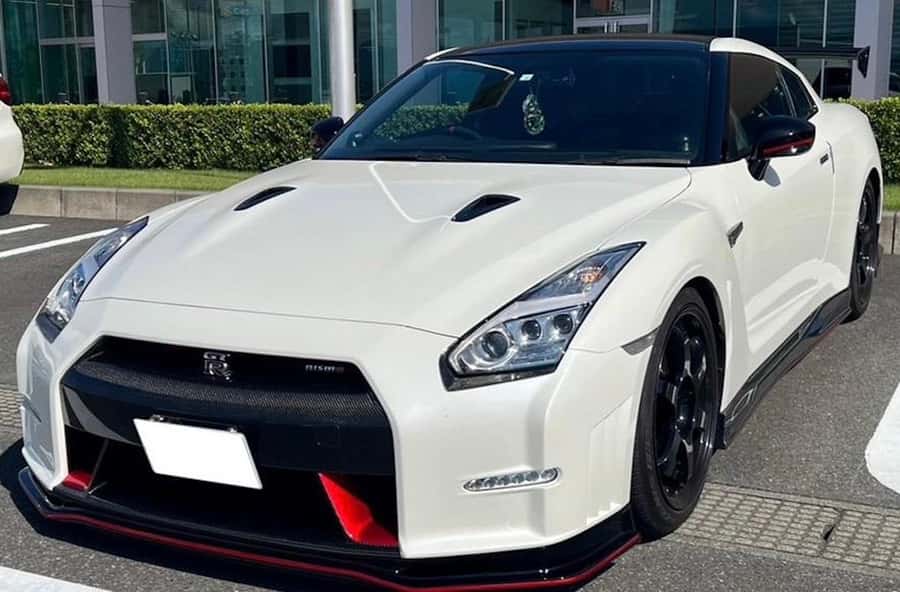
You are introduced to your driver and assigned to a car. The fleet changes from day to day. It can include a Mitsubishi Evolution 10, Nissan Skyline R34 GT-R or GTT, Nissan GT-R35 Nismo, Lexus RC-F, Subaru STI, Toyota Chaser drift car, Nissan Silvia S14 or S15, Toyota Celica, Mazda RX-8, BMW M3, Camaro, or other Japanese and performance cars.
That variety is part of the appeal, but it also requires realistic expectations. A specific car may not be available on your date, and asking to choose one can create confusion. If a certain model is the whole reason you are booking, the standard group outing is a gamble. The private option, booked about a week ahead at a higher price, is designed for choosing cars and keeping the outing more exclusive.
Each vehicle holds two or three people. That can make the ride feel personal, especially if you are paired with a driver who enjoys explaining the car. It also means rear-seat space can be tight in some GT-Rs and other compact sports cars. One parent and child enjoyed a Skyline together, while another account specifically warned about limited back-seat room in a GT-R.
More Tokyo JDM and car meet nights:
- GT-R35 800hp Club Membership – secret underground car meet
★ 4.8 · 998 reviews - Tokyo: Daikoku JDM Car Meet & Night Car Culture Tour
★ 4.8 · 626 reviews - Secret Car Meet: R34 Skyline Car Club Membership
★ 4.8 · 494 reviews
Riding the Wangan and C1 tunnel roads
Once the group leaves the meeting point, the main attraction begins. You ride through Tokyo’s expressway system, including the Wangan and C1 routes and the city’s long tunnels. The experience is less about a standard sightseeing narration and more about feeling Tokyo from inside a tuned car.
For someone used to moving around Japan by train, this is a different side of the city. You see the roads that connect the waterfront, central Tokyo, and the car-meet scene. The tunnels, overhead lights, traffic, and line of performance cars create the cinematic mood that gives this outing its name.
Your driver is also your guide. Drivers such as Masa in a Subaru WRX STI, Sakamoto in a Toyota Chaser, and Kuroda in a GT-R have been singled out for making passengers feel welcome. Some drivers speak strong English, while others rely on translation apps and simple conversation. Portuguese, Spanish, Japanese, and Tagalog support is also available.
The speed is part of the thrill, but this is not a race track or a promise of reckless driving. The provider says the drivers are professional, the company is registered in Japan, and safety and legal passenger transport are priorities. The most useful way to think of the ride is as a spirited road trip in a performance car, not a chance to race through Tokyo.
Daikoku Parking Area and the JDM meeting
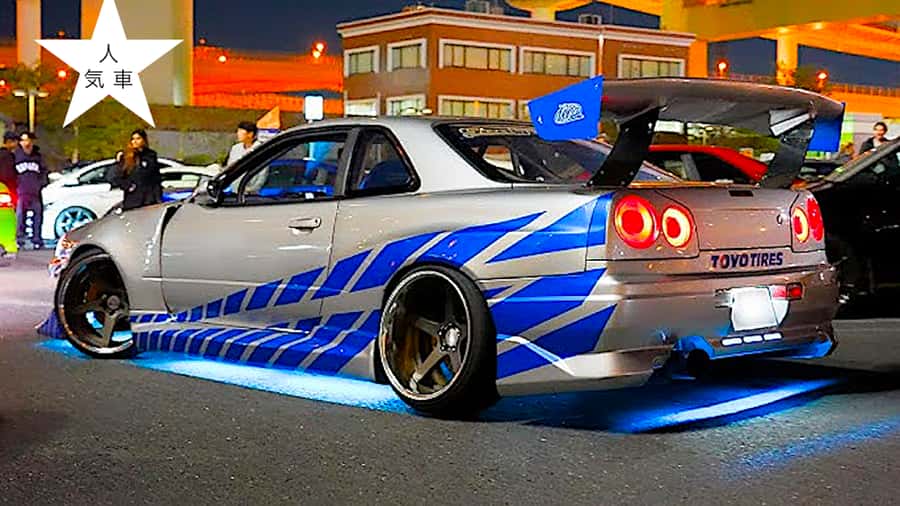
Daikoku Parking Area is the main event for many car fans. Located near Yokohama on the wider expressway network, it is known as a gathering place for Japanese domestic cars, modified vehicles, sports cars, and owners who enjoy showing their work.
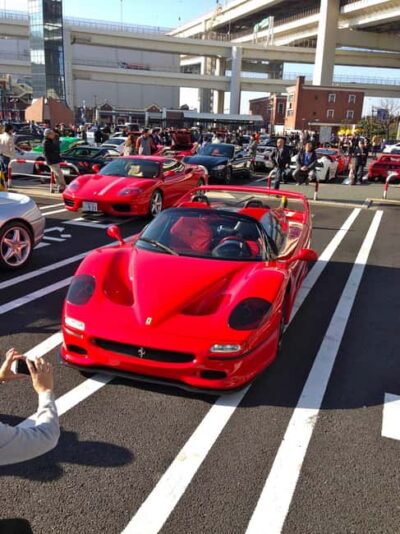
You get time to walk around, look at the cars, and take photographs. The atmosphere can change from one night to the next, which is part of the point. You might see a mix of modern GT-Rs, older Skylines, tuned Subarus, Mitsubishis, drift cars, and other unusual builds. The outing gives you a way into Japanese car culture that a regular city tour cannot offer.
Daikoku is not a formal museum. There is no fixed display and no guarantee that a certain model will appear. Weather can reduce the number of cars, and conditions on the highways can force the group to use another route or stop. The company says it continues to operate in poor weather and may use alternative plans when roads are closed, but the meeting itself can never be fully controlled.
That uncertainty is worth accepting. You are visiting an active parking area and meeting place, not a staged attraction. If the car scene is your main reason for booking, this stop has real value precisely because it feels informal and changeable.
Thirty minutes at A-Pit Autobacs Shinonome
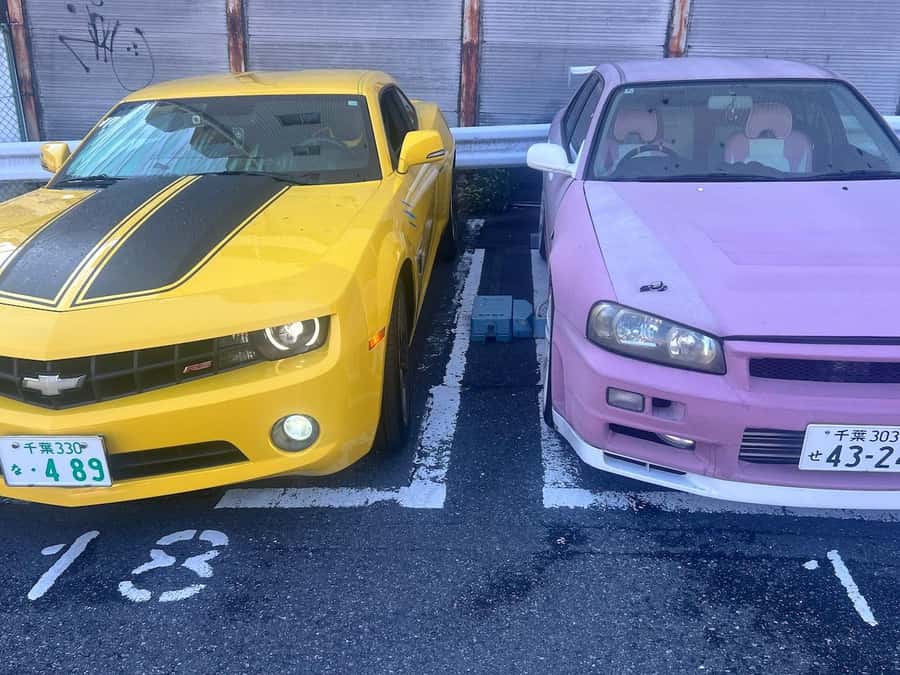
The stop at A-Pit Autobacs gives the night a different rhythm. You have about 30 minutes to browse one of Tokyo’s largest car-supply shops, with parts, accessories, maintenance products, and car-related goods.
Even if you do not plan to buy anything, this is a useful look at how Japanese car culture is sold and supported. You might find items that are difficult to locate at home, along with branded merchandise and practical driving accessories. The short visit is long enough to browse, but not long enough for a slow, detailed shopping trip.
I see this as one of the strongest inclusions for car enthusiasts who want more than a drive-by photo stop. It also gives you a break from the car and expressway before the final city circuit. Keep personal spending separate, since purchases are not included in the price.
A completely different kind of day in Tokyo:
- Mt Fuji and Hakone 1-Day Bus Tour Return by Bullet Train
★ 5.0 · 26,383 reviews - 1-Day Tokyo Bus Tour
★ 5.0 · 14,250 reviews - Tokyo: teamLab Planets TOKYO Digital Art Museum Entry Ticket
★ 4.6 · 9,779 reviews - Mt Fuji & Hakone Cruise, Drum Show Bullet Train 1 Day from Tokyo
★ 4.0 · 7,413 reviews
Rainbow Bridge, Tokyo Bay, and Odaiba
Crossing Rainbow Bridge is one of the more scenic sections of the route. From the elevated road, you get views toward Tokyo Bay and Odaiba, with the city lights spread across the waterfront.
The view works especially well after visiting Daikoku. First you see the informal car-meet scene, then you return toward central Tokyo through a more polished, illuminated part of the city. It gives the outing some visual variety instead of keeping the focus only on engines and modified cars.
The timing and road conditions affect how long you can enjoy any one view. This is a moving sightseeing experience, so you should not expect a long stop at every landmark. Bring a phone that handles night photography well, but do not let the camera distract from the ride itself.
Tokyo Tower or Shibuya Crossing at night
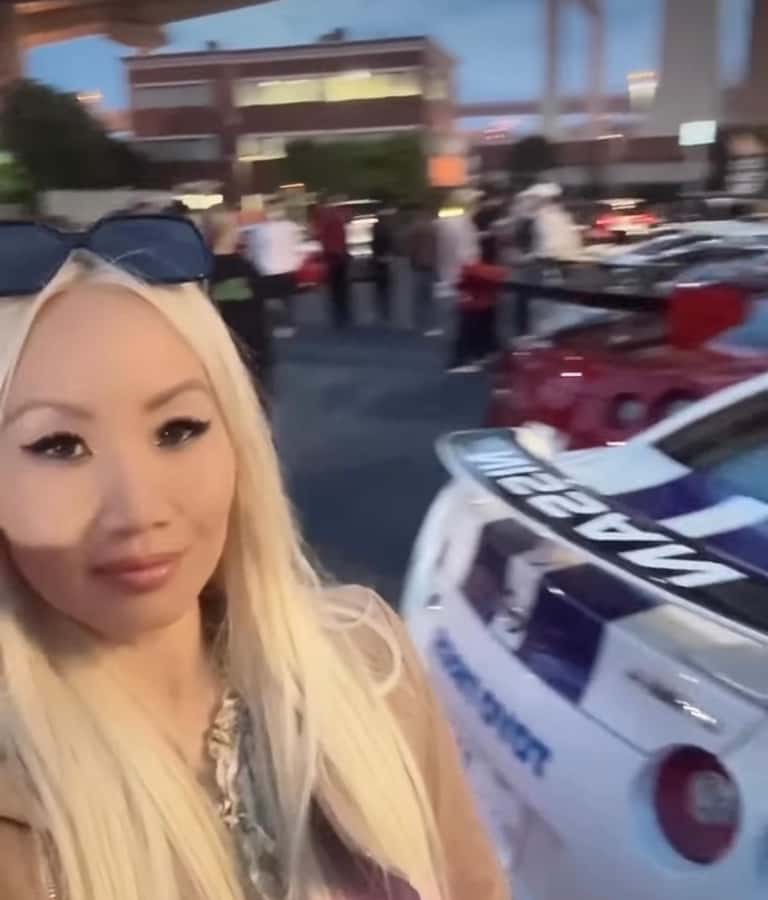
The return route includes a major Tokyo landmark, often Tokyo Tower or Shibuya Crossing, along with other city views. Tokyo Tower gives you a classic illuminated skyline image. Shibuya Crossing offers a very different scene, with crowds, screens, and the famous crossing viewed from the road.
The exact selection can depend on the route, traffic, and the night’s conditions. Some outings also pass the Tokyo Skytree. This flexibility is useful because Tokyo traffic is not predictable, but it means you should not treat every landmark as a guaranteed extended stop.
If you have already spent your days visiting temples, markets, and museums, the night drive adds a fresh perspective. You are not simply checking off monuments. You are linking the city’s expressways, waterfront, car shops, and famous streets in one moving circuit.
What the guides add to the ride
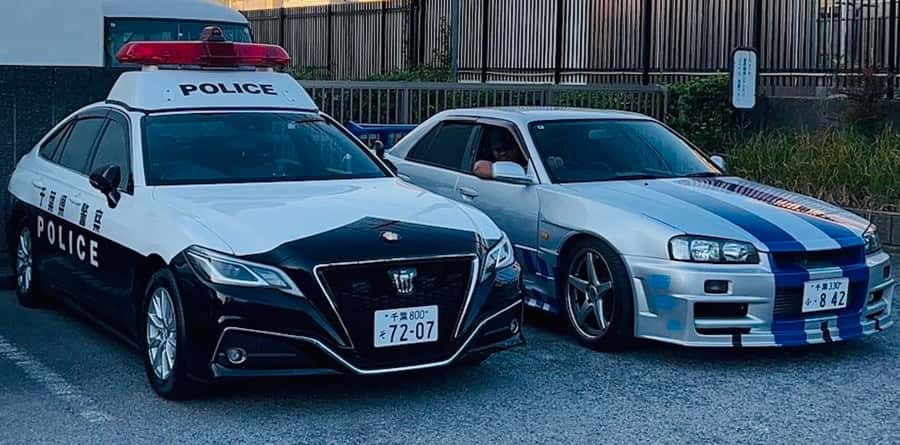
The driver can make or break a group outing. The strongest part of this experience is the personal connection with drivers who clearly enjoy their cars.
Kei is repeatedly praised for being friendly, safe, and willing to explain each stop. Ken is described as an effective guide who knows the route and responds to requests. Kuroda made a strong impression by using translation tools to share stories about Tokyo’s car culture despite limited English.
Masa’s Subaru STI rides have also been praised for combining excitement with a sense of safety. Yuki, Kay, Vinnie, Kohei, Lucy, Taiga, and Jeff are among the other drivers named positively for friendliness, route knowledge, and care with passengers. These names are useful to know, but they are not a promise of assignment. Driver availability changes with the date and group.
The language mix can be part of the fun, though communication may not always be smooth. The company offers English, Portuguese, Spanish, Japanese, and Tagalog support, and drivers may use translation tools when needed. If detailed technical conversation matters to you, a shared language with your driver will help.
Group size, seating, and the real value of $157
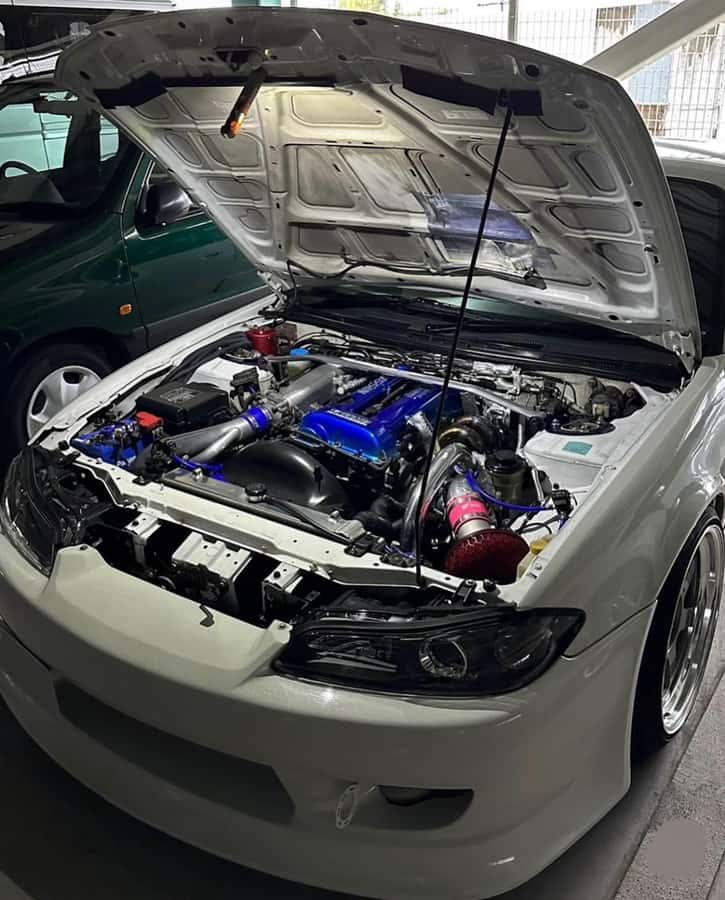
The price is $157 per person. That is not a cheap way to see Tokyo, but it includes fuel, tolls, a sports-car ride, several sightseeing stops, the A-Pit visit, and drop-off at your accommodation within the 23 wards.
The value depends on what you would otherwise pay for. If you only want Tokyo landmarks, a train and a normal evening walk cost far less. If you want access to Daikoku, a tuned car, the Wangan routes, and a guide who is part of the local car scene, the price becomes easier to justify.
A group of 10 to 30 cars gives the night energy, but it also reduces control. You may not get your preferred vehicle, and the convoy must move at the group’s pace. For most people, that is a fair exchange for the chance to see a large range of cars together. For a collector, photographer, or serious enthusiast seeking a particular model, the private booking is the better fit.
The included hotel drop-off adds real value. Tokyo’s expressways and late-night connections can be tiring, especially after several stops. You can finish at your hotel, Airbnb, or another address inside Tokyo’s 23 wards instead of finding your own way back from a distant meeting point.
Weather, route changes, and what to bring
Bring your passport or another form of identification, and wear comfortable clothes and shoes. Activate WhatsApp notifications because the company says it sends a message at least one hour before departure.
Check the weather before you go. Rain, snow, or closed highways can change the route and reduce the number of cars at Daikoku. The stated policy is to keep operating and use alternatives, but an alternate route cannot guarantee the same car-meet atmosphere.
You should also allow some patience for the group. This is not a private chauffeur service. Delays are limited, and the convoy may need to wait for other cars at stops. The no-one-left-behind approach is reassuring, but it does not mean the schedule is completely flexible.
Cancellation is allowed up to 24 hours before departure for a full refund, and you can reserve now and pay later. Those terms are helpful if your Tokyo plans are still shifting.
Who should book this Tokyo car experience?
I would choose this for a car enthusiast, a Fast and Furious fan, or anyone who has already seen Tokyo’s major sights and wants a night with a different focus. It also works well for families with older children, as shown by the parent and 13-year-old who enjoyed riding together, though you should consider the available rear-seat space.
You will get the most from it if you enjoy cars even when you do not know every model. The guide, the tunnel roads, Daikoku, and the changing group of vehicles create the experience. You do not need to be a tuning expert, but a person uninterested in cars may find the long driving sections less rewarding.
I would hesitate if you need a guaranteed R34, R35, STI, or other specific vehicle. I would also hesitate if you dislike group activities, tight sports-car seating, or plans that can change with traffic and weather.
Should you book the Fast and Furious Tokyo Drift 3 Experience?
Book it if you want to see Tokyo through its roads and car culture rather than from a sightseeing bus. Daikoku PA, the Wangan route, A-Pit Autobacs, and Rainbow Bridge make a strong four-hour night for the right audience, and the hotel drop-off removes a major practical worry.
At $157, it is best viewed as a specialist experience, not a general Tokyo tour. Accept the group format, do not count on choosing your car, and keep your expectations flexible at Daikoku. If you can do that, this is a memorable way to connect the city’s night views with Japan’s performance-car scene.
FAQ
Where does the experience start?
You meet your driver at Store Tokyo Video Gamers. Arrive at least 15 minutes before the scheduled departure time.
Which cars can I ride in?
The fleet may include Mitsubishi Evolution 10, Nissan Skyline GT-R or GTT, Nissan GT-R35 Nismo, Subaru STI, Toyota Chaser, Nissan Silvia, Toyota Celica, Mazda RX-8, BMW M3, Camaro, Lexus RC-F, and other JDM or performance cars. Specific cars are not guaranteed.
Can I choose my car or driver?
Not with the standard group booking. Car and driver assignments depend on the reservation date and availability. A higher-priced private option booked about a week ahead is intended for guests who want to choose cars.
Is entry to Daikoku Parking Area included?
Yes. Entry to the Daikoku car meeting is included and free. Weather and road conditions can affect the number of cars present or require an alternate route.
Is hotel drop-off included?
Yes. Drop-off is included at a hotel, Airbnb, or another location inside Tokyo’s 23 wards.
What languages are available?
Professional drivers and guides are available in English, Portuguese, Japanese, Spanish, and Tagalog. Some drivers may also use translation tools to communicate.
Newly reviewed around Tokyo
- Tokyo Asakusa:Calligraphy & Make T-shirt Activity★ 5.0 · 62 reviews
- Intercity Shuttle, Tokyo to Haneda /Narita /Yokohama /Makuhari★ 5.0 · 5 reviews
- 1 Hour Travel around Tokyo with a Professional Photographer★ 5.0 · 3 reviews
- Travel Tokyo with Your Own Personal Photographer★ 5.0 · 43 reviews
- Train in Samurai Swordsmanship and Defeat the Demon in Tokyo★ 5.0 · 5 reviews
- Shuttle Van 6hr Tokyo Tour to-and-from Tokyo, Yokohama and Narita★ 5.0 · 9 reviews
- Kickboxing & Body Training with EX-Pro Fighter★ 5.0 · 4 reviews
- Traditional Japanese Knife Sharpening Class★ 5.0 · 18 reviews
Tokyo JDM Car Culture Tours, compared.
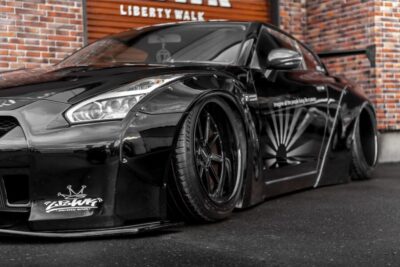
GT-R35 800hp Club Membership – secret underground car meet
Read our review →
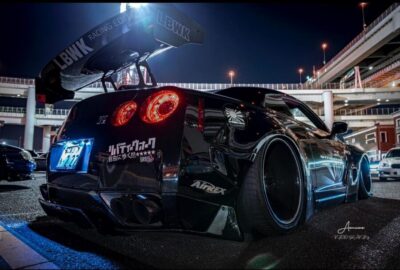
Secret Car Meet: R34 Skyline Car Club Membership
Read our review →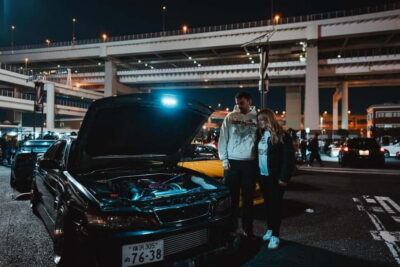
Tokyo Drift: Daikoku PA Supreme Car Experience 大黒PA
Read our review →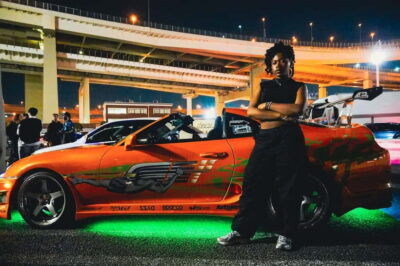
Go Daikoku PA Fast & Furious 3 Sports Car Meetup
Read our review →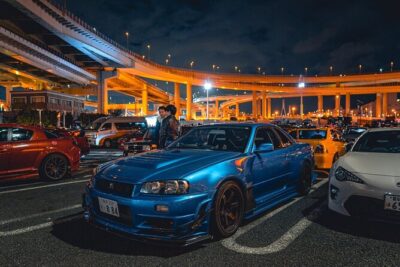
Browse the lists this tour appears in