
Reviewed · TOKYO JDM CAR CULTURE TOURS
Tokyo: Daikoku JDM Car Meet & Night Car Culture Tour
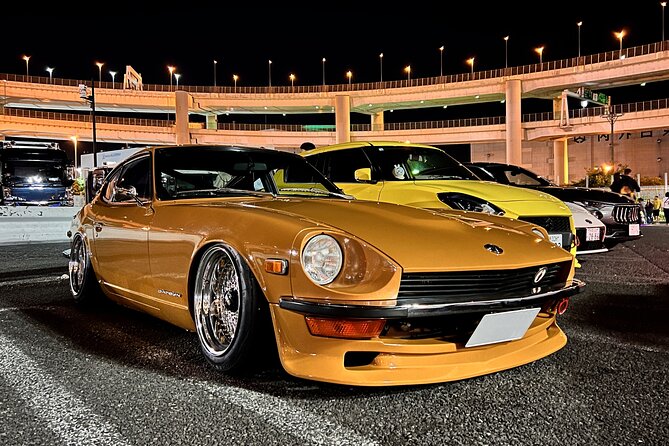
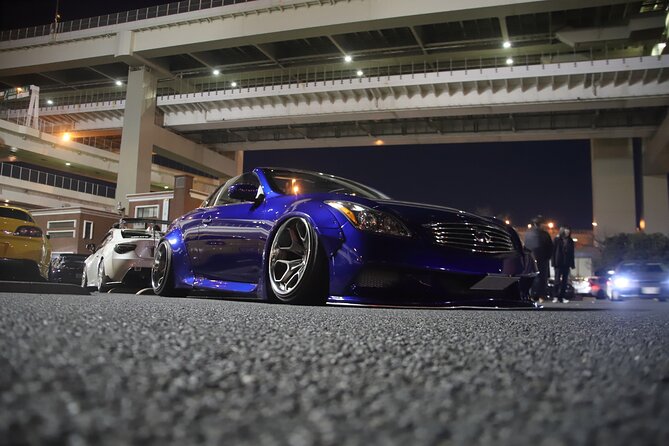
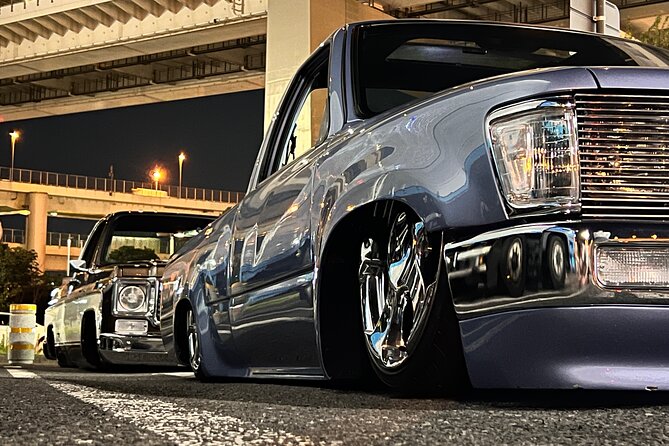
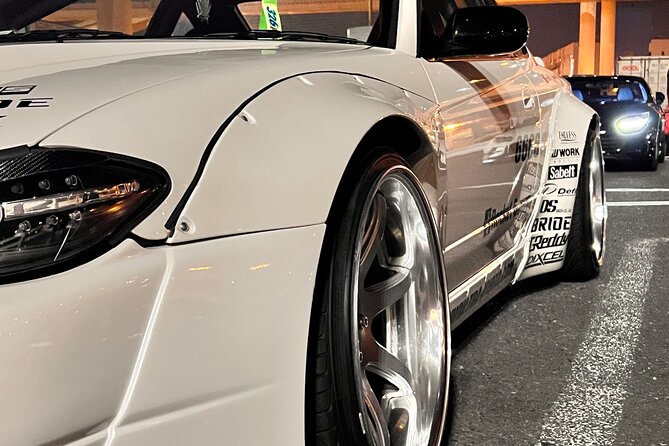
Daikoku Parking Area is not a museum or a staged car show. It is a real highway rest stop where the lineup changes with the night. One evening may bring classic Japanese sports cars, German machinery, American imports, luxury sedans, and heavily modified builds. Another may be quieter, especially in poor weather. That uncertainty is part of the experience, but it also calls for sensible expectations.
I like the small-group format, which gives you time to talk cars rather than simply follow a flag. I also like the route itself: A PIT Autobacs, Tatsumi Parking Area, the Rainbow Bridge, Tokyo Tower, Tokyo Skytree, Haneda, and the Yokohama skyline turn the drive into more than a single parking-lot stop.
The main consideration is that specific cars are never guaranteed. Social media and movies can make Daikoku look like a nonstop street-racing spectacle. In reality, it is often a relaxed gathering, and police may occasionally close the area. Go for the culture, the conversation, and the chance of a great lineup, not a promised Ferrari or Skyline.
Key points to know before booking
- Daikoku is the main event: You spend about an hour at one of the Tokyo area’s best-known car meeting spots.
- The drive is part of the tour: Expect expressway views of Tokyo Tower, Skytree, Rainbow Bridge, Odaiba, Haneda, Yokohama, and the Bay Bridge.
- A PIT Autobacs adds context: This large automotive store shows how car culture works beyond the meet itself.
- Guides bring the tour to life: Michael, Mori, Kareem, Sasha, and other guides are praised for explaining JDM cars, engineering, and local car culture.
- Vehicle choice matters: Options include a JDM Legend car, Performance Van, or Premium Sports Sedan, depending on the booking.
- Weather and timing affect the night: Saturday evenings can be especially active, but no evening guarantees a large turnout.
Why Daikoku works best as a moving car experience
Daikoku Parking Area sits on the expressway network near Yokohama. You cannot treat it like an ordinary sightseeing stop reached by train and explored at your own pace. The tour solves that problem by making the road itself part of the outing.
From Shibuya, you ride through central Tokyo and onto the highway system. The route can include the C1 Loop, the Wangan Highway, and roads near Tokyo Bay. You see the city from a low, moving viewpoint, with elevated roads, tunnels, bridges, and illuminated towers replacing the usual subway windows and temple gates.
I like this because it gives you a side of Tokyo that is difficult to arrange alone. The experience is not only about arriving at Daikoku and taking photos. You are riding with someone who can explain why particular cars matter, how Japanese car culture connects with engineering and tuning, and why enthusiasts gather at these highway rest areas.
The tour lasts roughly three to four hours. That is long enough for several stops without consuming your entire evening. You meet in Shibuya at Dōgenzaka Center Building, a handy location a few blocks from Shibuya Crossing, and return there at the end.
Allow extra time to reach the meeting point. After-work traffic can slow taxis and cars, and a late arrival cuts into a tightly timed evening.
More Tokyo JDM and car meet nights:
- GT-R35 800hp Club Membership – secret underground car meet
★ 4.8 · 998 reviews - Tokyo: Fast & Furious Tokyo Drift 3 Experience (Kaila Yu SP)
★ 4.8 · 947 reviews - Tokyo: Daikoku JDM Car Meet & Night Car Culture Tour
★ 4.8 · 626 reviews
A PIT Autobacs shows the everyday side of Japanese car culture
The first major stop is A PIT Autobacs in Koto. The timing includes about 25 minutes on the road and roughly 25 minutes at the store, for a total of about 50 minutes.
This is Autobacs’ flagship location, and it is a useful counterpoint to Daikoku. At the meet, you see finished cars and talk about the people who bring them out. At A PIT, you see the retail and enthusiast side of the hobby, with automotive parts, accessories, products, and cars to browse.
Do not expect a long shopping session. The stop is brief, but it gives you a feel for the scale of Japan’s car aftermarket. If you enjoy browsing parts, merchandise, and automotive equipment, you will likely wish for more time. If you are traveling with a family member who is only partly interested in cars, the shorter visit helps keep the evening moving.
Some of the cars seen at Daikoku may also appear at A PIT, depending on the night. That makes the two stops feel connected rather than like unrelated attractions.
Tatsumi offers a short pause among highway enthusiasts
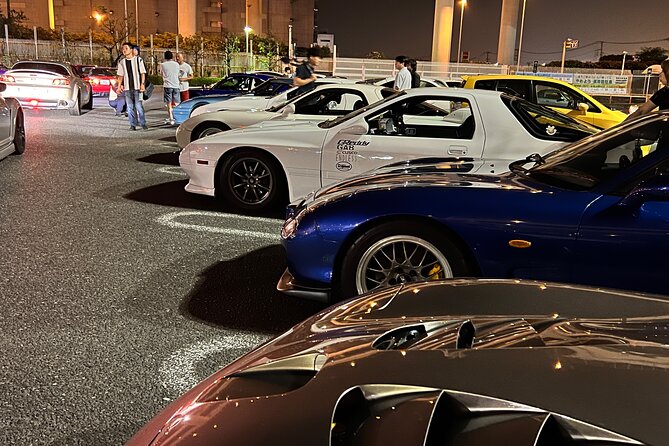
The route then continues to Tatsumi No. 1 Parking Area for Hakozaki. The schedule allows about 10 minutes to get there and around 15 minutes at the stop.
Tatsumi is another familiar pause point for car enthusiasts making loops on Tokyo’s expressway network. It is smaller and usually less central to the experience than Daikoku, but that is exactly why it adds value. You get a second setting in which to see cars and watch how enthusiasts use the highway system.
The short visit also gives you a chance to stretch, take photos, and continue your conversation with the guide. On a rainy evening, the stop may be cut short or replaced. The weekday route can also change, with Umihotaru or Gaienmae sometimes substituted for Tatsumi or A PIT.
That flexibility is worth understanding before you book. Daikoku is the fixed part of the experience. The supporting stops can shift with the day, traffic, weather, or operating conditions.
The expressway views are half the entertainment
The route between stops supplies a steady stream of city views. You may pass Roppongi Hills Mori Tower, a landmark surrounded by offices, shops, and restaurants, before reaching the Rainbow Bridge.
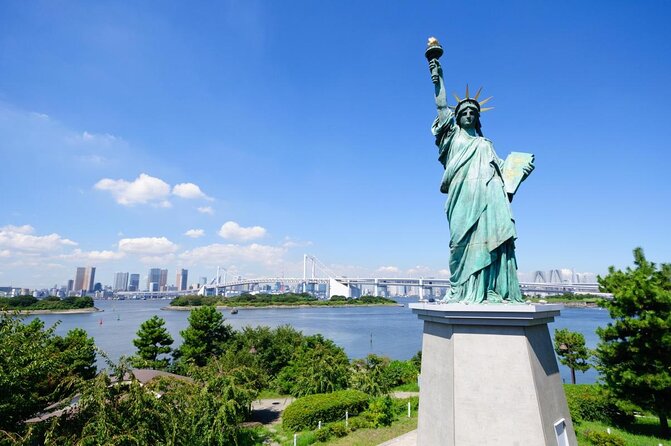
Crossing the Rainbow Bridge by car gives you a view that is hard to copy from a train or pedestrian path. You can look toward Odaiba, the large man-made island with residences, shopping, leisure facilities, and the unusual Fuji TV building. At night, the bridge lights and the bay create some of the most memorable visual moments of the tour.
The route also passes near Tokyo Skytree on the Furukawa Line. You may go through tunnels beneath Haneda Airport runways, with the possibility of seeing aircraft taxiing above as you enter. That depends on timing, so treat it as a bonus rather than a scheduled show.
Near Daikoku, the Yokohama Bay Bridge and Yokohama skyline come into view. Yokohama is a major port, and cruise ships may be visible. On the return, you can see Minatomirai, Yokohama Port, Tokyo Tower from the C1 Loop, and Tokyo’s skyline from the Odaiba side of the Rainbow Bridge.
This sightseeing is a strong reason to choose the experience even if your interest in cars is moderate. You are not simply sitting in a vehicle for a long transfer. The road connects several city views that are difficult to combine in one regular Tokyo evening.
More Tokyo night tours:
- Tokyo Night Foodie Tour in Shinjuku – Seasonal Sushi, Wagyu Beef
★ 5.0 · 1,161 reviews - Tokyo After 5: Authentic Japanese Food & Drink Night Tour
★ 4.5 · 560 reviews - Tokyo: Samurai Entertainment Night Show in Kanda Shrine
★ 4.6 · 417 reviews - The Dark Side of Tokyo – Night Walking Tour Shinjuku Kabukicho
★ 4.5 · 297 reviews
Daikoku gives you the real, changing lineup
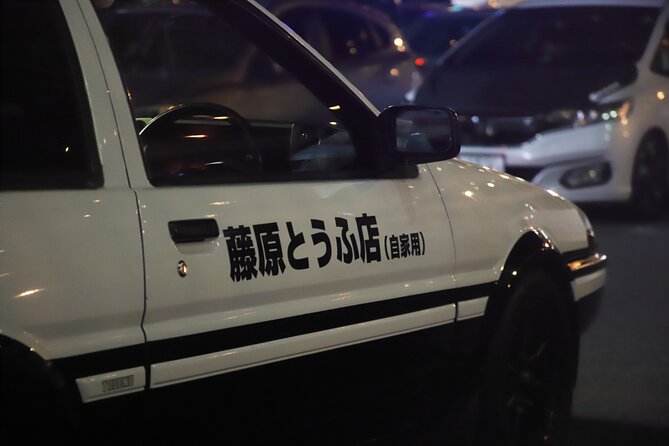
The drive to Daikoku includes about 40 minutes on the Wangan Highway and around 60 minutes at the parking area. The Wangan is a long, straight expressway linking parts of the Tokyo Bay area, and it helps explain why this route has such a strong connection to car culture.
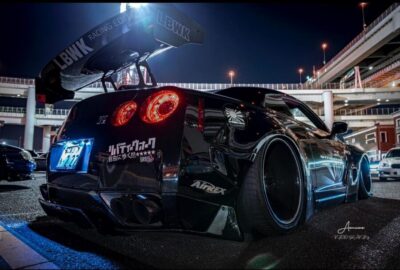
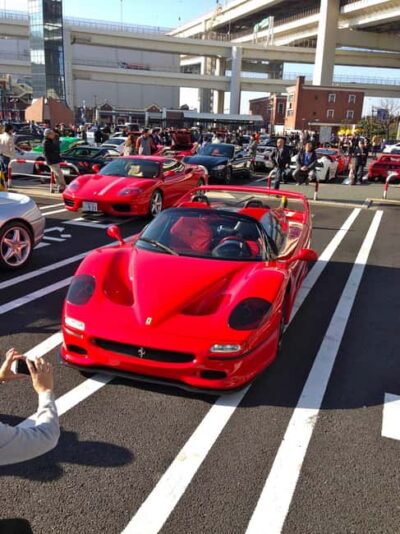
At Daikoku, you might find JDM sports cars, older classics, luxury vehicles, modern performance cars, European models, and occasional American cars. The mix is broader than the phrase JDM might suggest. The guide can help you understand what you are seeing and point out details that might otherwise pass unnoticed.
The stop is designed for conversation and looking around, not for a staged performance. You do not get to choose the lineup, and you should not expect every night to resemble a major event. Saturday is often the strongest choice if your main goal is to see a busy meet. Weekday evenings can still produce a good selection, but the atmosphere may be quieter.
Weather matters. Rain can reduce turnout, and poor conditions may lead to cancellation or a change of date. Even on a dry evening, there is no guarantee that a particular model will appear.
There is also a practical wrinkle: Daikoku can be closed by police or highway authorities. That is not a failure of the tour. It is a reminder that this is a working highway rest area, not a private attraction reserved for tour groups. If the area is closed, the evening may feel less dramatic, but the supporting stops and city drive still have value.
Guides are the difference between a drive and a tour
The strongest part of this experience is the guide’s role. Michael is repeatedly praised for his car expertise, easy conversation, safe driving, and ability to engage both serious enthusiasts and families. Mori is also singled out for explaining JDM culture and making people feel included. Kareem, Sasha, and Sasa receive similar praise for their passion and friendly approach.
The guide is not only there to drive you from point to point. You can ask about cars, Japanese motoring culture, engineering, modifications, and the history behind the expressway scene. The conversation can make a quieter night worthwhile.
You should still understand that guides and vehicles vary. Language preferences can be accommodated when possible, but they are not guaranteed. The tour is family-friendly, and a booster seat is available. Small foldable strollers may fit in the sedan or van, depending on size.
For an RX-7 booking, seating is more limited. The rear seat is best for people under 170 centimeters who are slim, and the front seat is recommended for people under 185 centimeters. If comfort matters, read the vehicle details carefully before selecting that option.
Choosing between the JDM car, sedan, and van
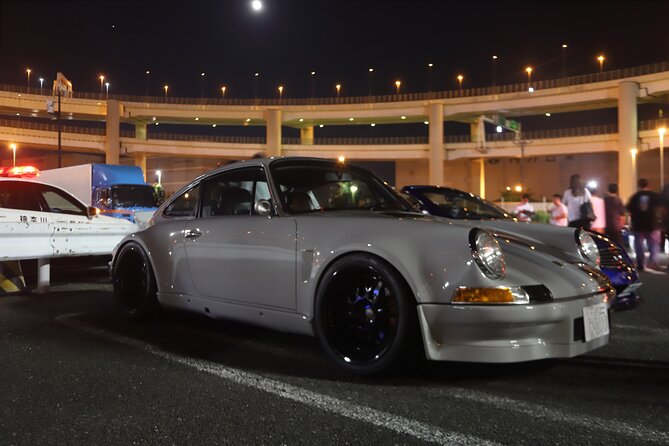
The selected vehicle affects the feel of the evening. Choices include a JDM Legend car, a Performance Van, or a Premium Sports Sedan.
A JDM car gives the ride a closer link to the subject, but space may be tighter. The premium sedan provides more room and comfort while still giving you a performance-oriented drive. The van is the practical choice for larger parties and families.
Groups of four or five should book the Small Group Performance Van option. The company operates two luxury vans with comfortable capacity for five and a maximum capacity of six. For on-road portions, a group or pair may need to be split between vehicles, depending on the day.
The maximum group size is 10. That remains fairly small for a city tour, but it does not mean every booking is private. A private option is available if you want more control over the pace and conversation.
Safety is another point worth noting. The drive can feel exciting, especially on the expressway, but the experience is not sold as illegal racing. The guides are expected to keep the journey safe while still showing you the roads that made Tokyo’s car culture famous.
Is $99.49 a fair price?
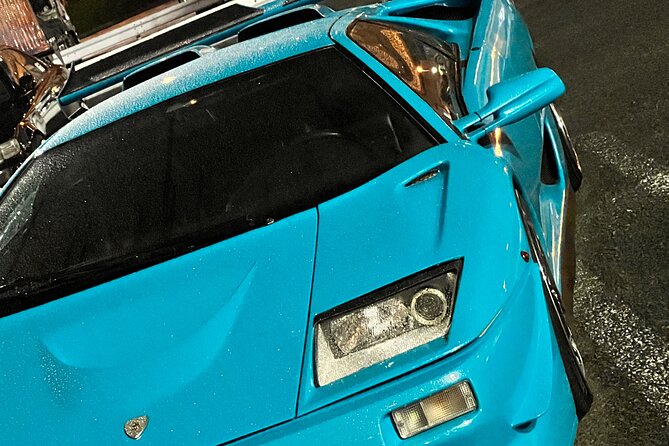
At $99.49 per person, this is not a bargain transport ride, but the price can be fair for the right audience. You are paying for several hours of private vehicle access, a guide, fuel and road time, multiple stops, and local explanation. All fees and taxes are included.
The value is strongest if you would otherwise have no realistic way to reach Daikoku. Public transportation does not provide the same route, vehicle access, or guided context. The tour also combines Yokohama views, Tokyo expressways, A PIT, Tatsumi, and Daikoku in one evening.
The value is weaker if you only want to see a guaranteed selection of famous cars. No tour operator can control who arrives at the parking area, whether rain keeps cars away, or whether authorities close the stop. You are buying access to the scene, not a fixed display.
Food, drinks, and souvenirs are not included. Plan to eat before or after the tour, since the schedule is built around driving and car stops rather than a meal break.
Who will enjoy this most?
This tour is an easy choice for serious JDM fans, especially teenagers and young adults traveling with a parent. It also suits anyone interested in Japanese engineering, highway design, modified cars, or a less familiar view of Tokyo at night.
Families can make it work. The guides have experience engaging children and teenagers, and the booster-seat option helps. A family member who is not interested in cars may enjoy the bridges, skyline, and unusual route, but the Daikoku stop remains car-focused.
I would be cautious about booking it for someone who dislikes long vehicle rides, highway travel, or changing plans. The route is scenic, but you spend a large part of the evening inside a car. The walking portions are limited and take place at automotive locations.
Book a Saturday if you want the best chance of a full meet. Choose a weekday if your schedule requires it, but accept that the selection may be smaller. Keep your expectations grounded, and the night has a good chance of feeling special.
Should you book the Daikoku night tour?
Book it if you want access to Tokyo’s real car culture, a guide who can talk cars in detail, and a scenic drive through places that ordinary sightseeing rarely covers. The combination of Daikoku, A PIT, Tatsumi, Rainbow Bridge, Tokyo Tower, Haneda, and Yokohama gives the experience more range than a simple car-spotting trip.
Skip it if you need guaranteed models, a fixed show schedule, or a fast-paced Hollywood version of Japanese street racing. The scene can be relaxed, weather can change the turnout, and Daikoku may occasionally close.
At $99.49, I see it as good value for enthusiasts and curious families who want a guided evening they could not easily arrange alone. Choose your vehicle carefully, arrive early in Shibuya, and treat the cars you happen to find as part of the adventure.
FAQ
Where does the tour begin?
The meeting point is at Dōgenzaka Center Building, 2-chōme 29-8 Dōgenzaka, Shibuya, Tokyo 150-0043.
Where does the tour end?
The experience ends back at the Shibuya meeting point.
How long does the experience last?
The tour lasts approximately three to four hours.
How much does the tour cost?
The listed price is $99.49 per person.
Is Daikoku Parking Area included?
Yes. Every version of the experience visits Daikoku Parking Area.
Which other locations may be included?
The representative route includes A PIT Autobacs, Tatsumi Parking Area, Daikoku Parking Area, and views of Tokyo and Yokohama from the expressways. On some days, Umihotaru or Gaienmae may replace A PIT or Tatsumi.
Can I choose the vehicle?
The available selections include a JDM Legend car, Performance Van, or Premium Sports Sedan, based on the option you book.
Is the tour private?
A private option is available, but the standard experience is small-group. The maximum group size is 10 people.
Can children join?
Most travelers can participate, and the experience is family-friendly. A booster seat is available, and small foldable strollers may fit in the sedan or van depending on their size.
Are specific cars guaranteed?
No. Specific car sightings depend on the night, weather, and other changing conditions.
What happens if the weather is poor?
The experience requires good weather. If it is canceled because of poor weather, you can receive a different date or a full refund.
Can I cancel for a refund?
You can cancel at least 24 hours before the start time for a full refund. Cancellations or changes made within 24 hours are not refunded or accepted.
Newly reviewed around Tokyo
- Tokyo Asakusa:Calligraphy & Make T-shirt Activity★ 5.0 · 62 reviews
- Intercity Shuttle, Tokyo to Haneda /Narita /Yokohama /Makuhari★ 5.0 · 5 reviews
- 1 Hour Travel around Tokyo with a Professional Photographer★ 5.0 · 3 reviews
- Travel Tokyo with Your Own Personal Photographer★ 5.0 · 43 reviews
- Train in Samurai Swordsmanship and Defeat the Demon in Tokyo★ 5.0 · 5 reviews
- Shuttle Van 6hr Tokyo Tour to-and-from Tokyo, Yokohama and Narita★ 5.0 · 9 reviews
- Kickboxing & Body Training with EX-Pro Fighter★ 5.0 · 4 reviews
- Tokyo History: Sensoji Temple & Asakusa District Private Tour★ 5.0 · 28 reviews
Tokyo JDM Car Culture Tours, compared.
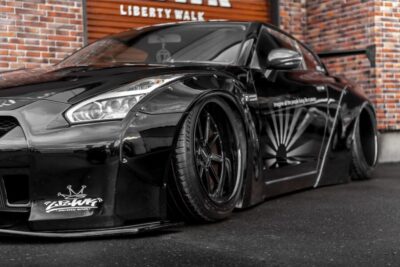
GT-R35 800hp Club Membership – secret underground car meet
Read our review →
Fast & Furious Tokyo Drift 3 Experience (Kaila Yu SP)
Read our review →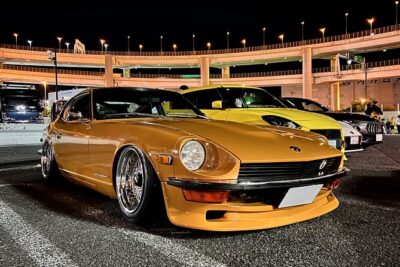
Secret Car Meet: R34 Skyline Car Club Membership
Read our review →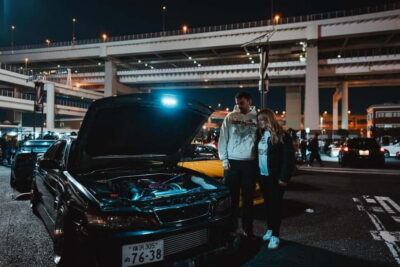
Tokyo Drift: Daikoku PA Supreme Car Experience 大黒PA
Read our review →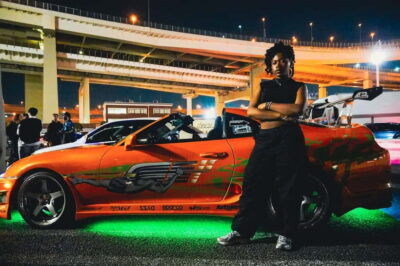
Go Daikoku PA Fast & Furious 3 Sports Car Meetup
Read our review →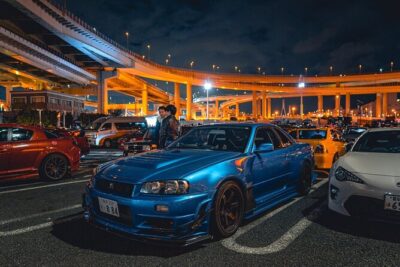
Browse the lists this tour appears in