
Reviewed · TOKYO JDM CAR CULTURE TOURS
Tokyo: Legendary JDM CAR Daikoku Underground Meetup
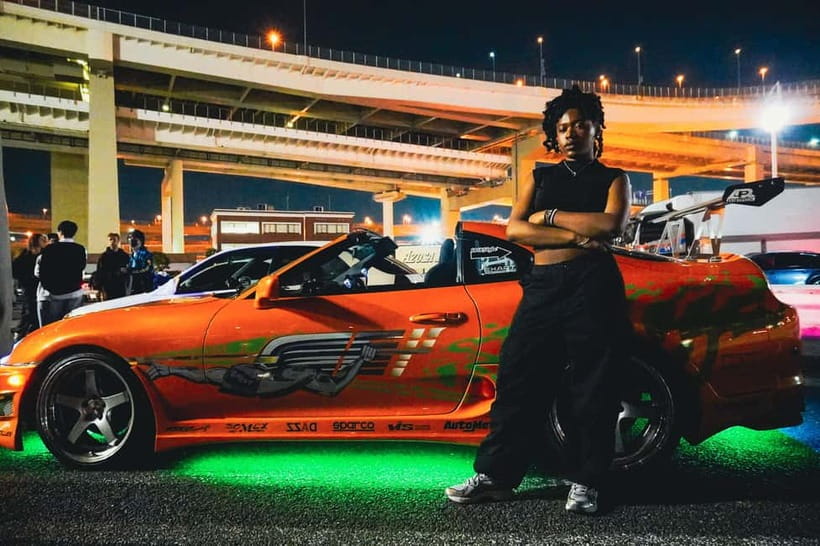
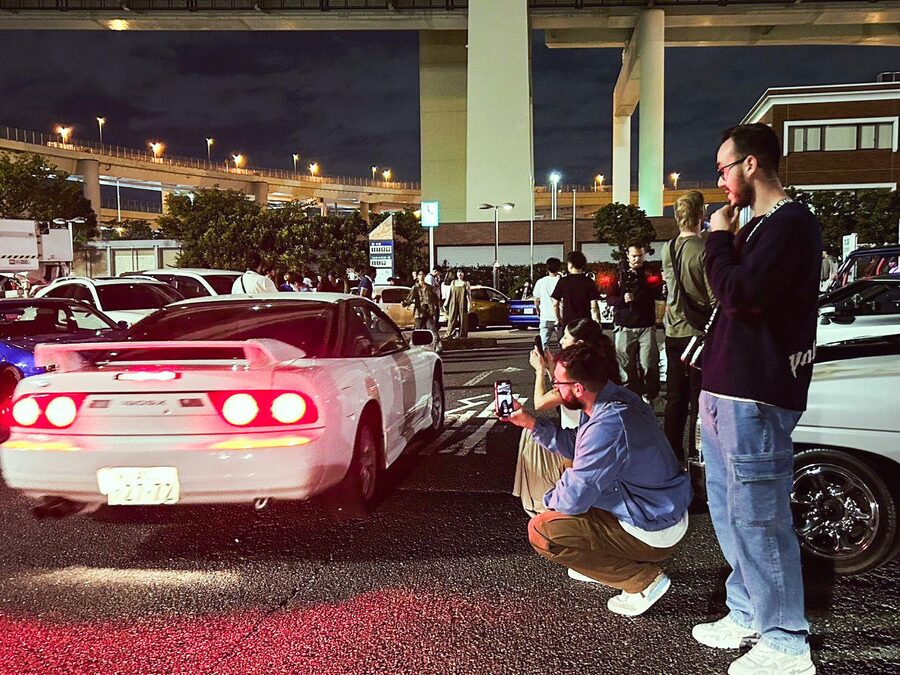
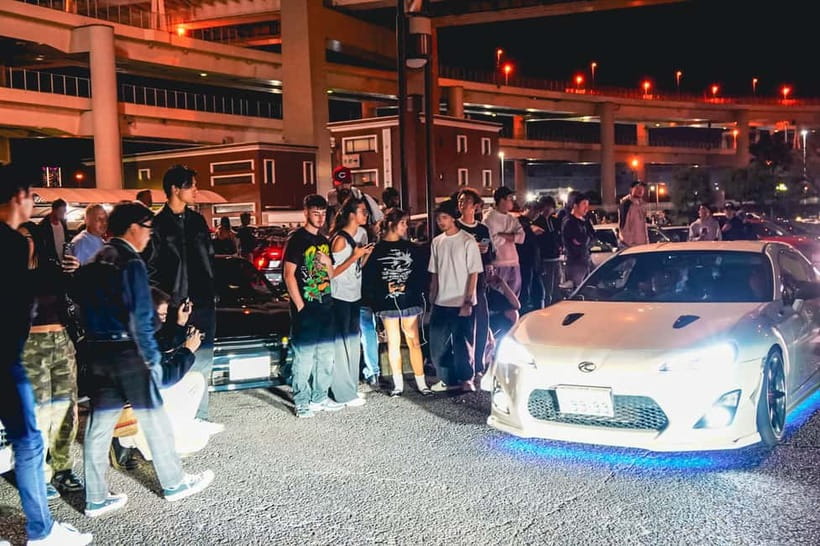
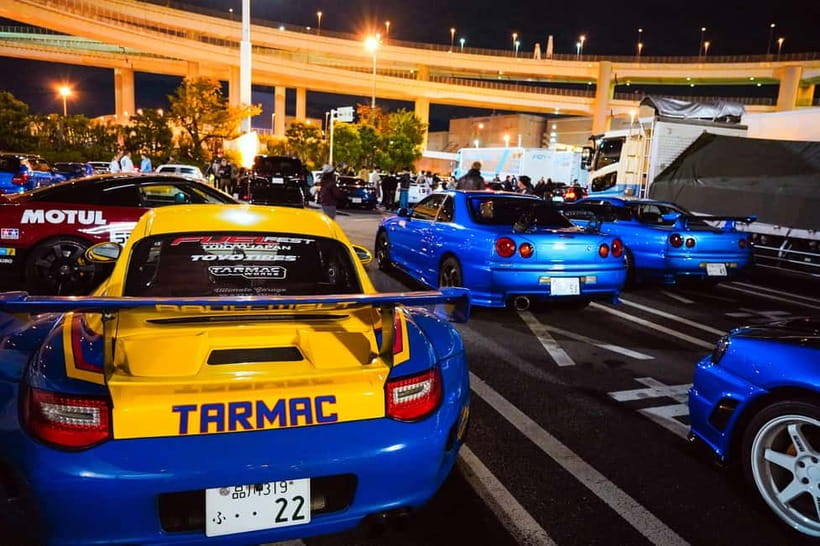
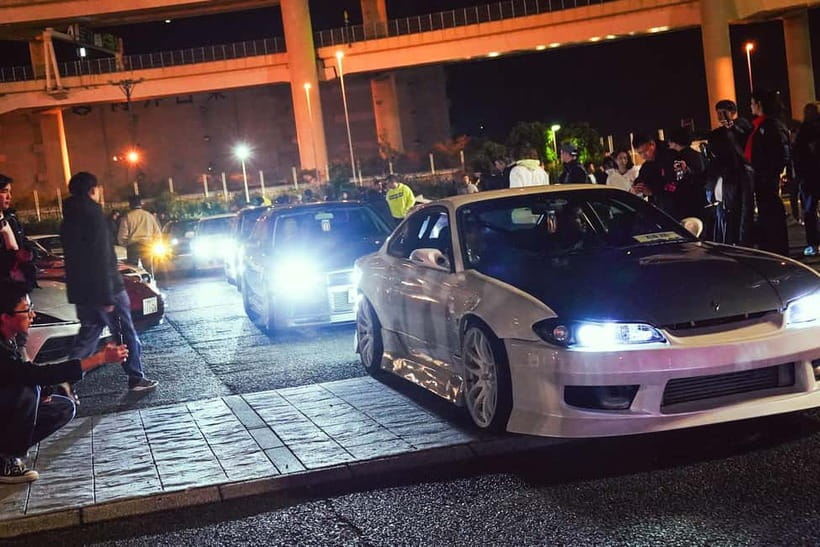
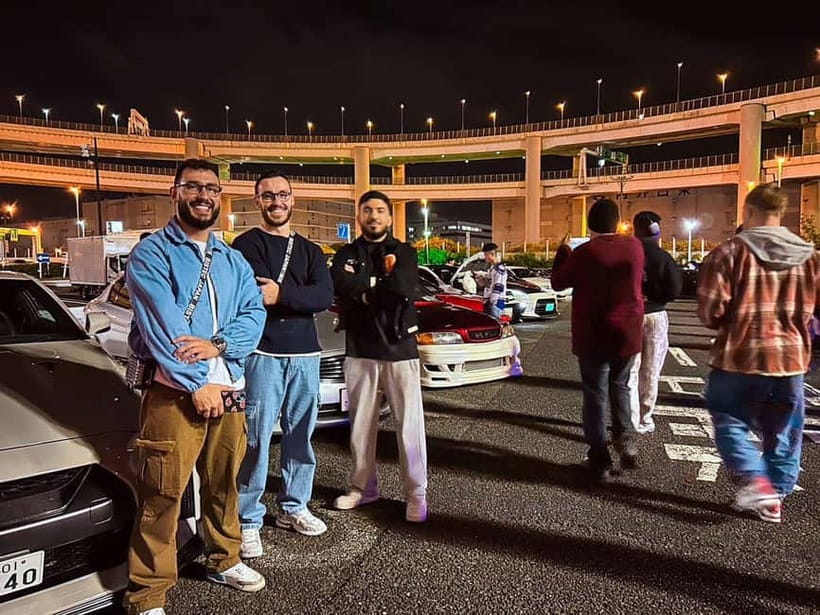
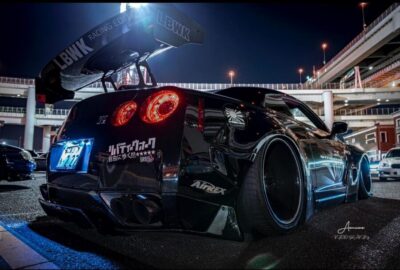
Daikoku Parking Area is where this four-hour outing earns its keep. Under the lights, modified Japanese cars, supercars, luxury vehicles, and tuned street machines gather beside Tokyo Bay. The car meet is the main event, but the night drive through the C1 Inner Loop and across Rainbow Bridge gives the experience a strong Tokyo setting.
I like two things here. First, you get a local car enthusiast rather than a guide who simply points at vehicles. Guides including Hana, Ryu, Jay, Jun, and Bin explain the cars, the tuning scene, and the city as you go. Second, APIT Shinonome adds useful context, with shelves of parts and performance gear instead of a quick photo stop. The main caution is simple: Daikoku is an active meeting place, not a guaranteed car show. Police closures, rain, and quiet nights can change the result.
Key points to know before booking
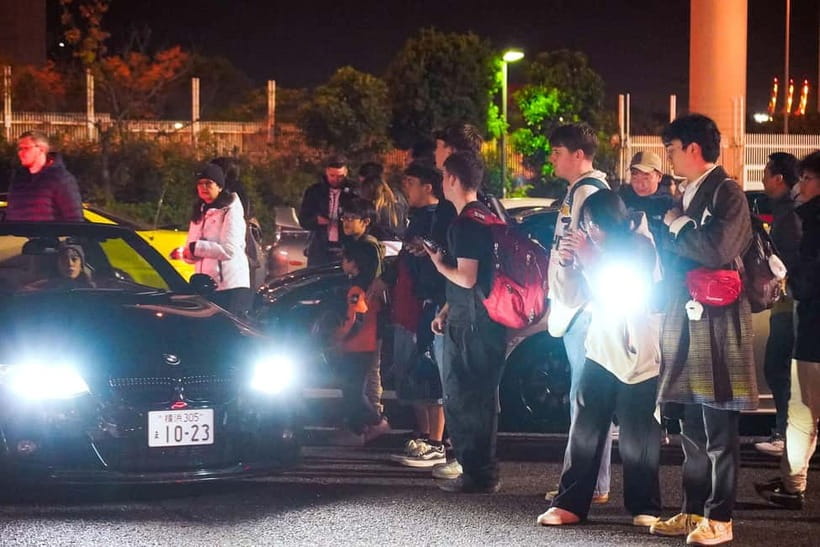
- Daikoku Parking Area is the highlight: You get about an hour to walk around, inspect cars, hear exhausts, and take pictures.
- The route is part of the experience: The C1 Inner Loop, Rainbow Bridge, and Bayshore Route turn a car meet into a nighttime tour of Tokyo.
- APIT Shinonome is more than a shop: You can browse Japanese tuning parts, accessories, and performance equipment for about 30 minutes.
- The guide makes a real difference: English, Japanese, and Vietnamese support is available, with guides such as Hana, Ryu, Jay, Jun, and Bin.
- The car meet can change without notice: Police may close Daikoku, and bad weather can reduce the number of cars. There is no refund for those conditions.
- Your vehicle choice affects the feel: Basic and JDM options are mixed-group rides, while the Toyota Alphard option offers private comfort.
Why Daikoku is worth the late-night trip
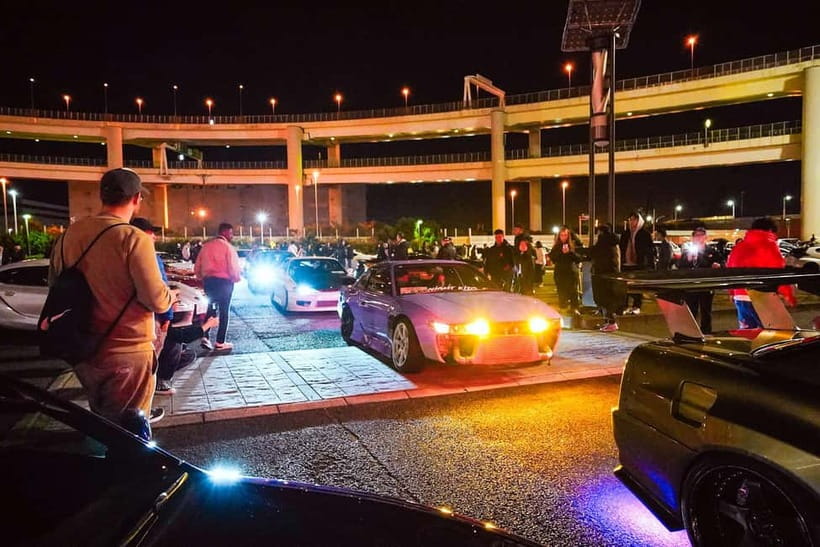
Daikoku Parking Area sits away from central Tokyo, on the port-side road network near Yokohama. It is not a normal sightseeing stop with displays, signs, or scheduled performances. Its appeal comes from the chance to see real owners arrive in tuned cars, sports cars, and high-end vehicles.
That uncertainty is part of the charm, but it also requires realistic expectations. One night may bring rows of Japanese performance cars and European exotics. Another may be quieter. Police can also close the area, and the group may need to switch to another meeting point.
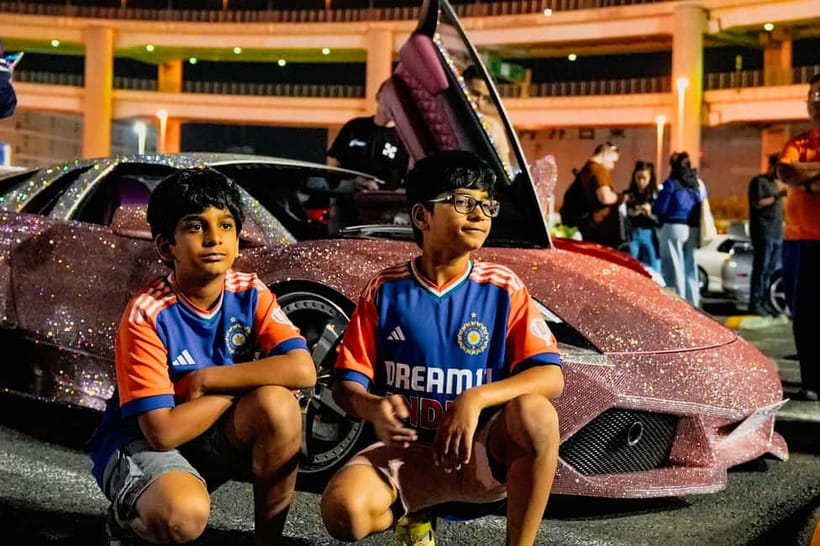
You get roughly one hour at Daikoku, enough time to walk around and take pictures without feeling rushed. The best use of that hour is to look beyond famous badges. You might see carefully built Japanese cars beside McLarens, Maseratis, Aston Martins, Bentleys, and Lamborghinis. The mix is part of what makes the place different from a museum or an organized motor show.
The sound is also a major part of the visit. Modified exhausts, turbocharged engines, and cars leaving the parking area create the memorable moments. Please keep your expectations sensible: the experience includes access to Daikoku Parking Area, not illegal street racing or restricted areas. You watch the scene from the permitted public location.
More Tokyo JDM and car meet nights:
- GT-R35 800hp Club Membership – secret underground car meet
★ 4.8 · 998 reviews - Tokyo: Fast & Furious Tokyo Drift 3 Experience (Kaila Yu SP)
★ 4.8 · 947 reviews - Tokyo: Daikoku JDM Car Meet & Night Car Culture Tour
★ 4.8 · 626 reviews
The Tokyo Station meeting point
The standard meeting point is the taxi rank in front of Tokyo Station’s Marunouchi North Exit. Look for the yellow Epic Japan Experience or JDM TOUR TOKYO sign.
This is one place where you should not cut things close. Tokyo Station is large, and arriving at the wrong side of the building can cost valuable minutes. The activity does not refund late arrivals, so arrive before the stated meeting time and allow extra time to find the taxi rank.
Pickup may be available from a hotel in the area, depending on the option you book. The same-location rule matters: under Japan’s road transport regulations, pickup and drop-off must be at the same place. You can also ask to meet directly at Daikoku Parking Area, but confirm that arrangement before the evening begins.
The company describes the ride as free transport connected to a guide-service membership, rather than a taxi or transportation service. That wording matters. You are paying for the guided car-culture experience and its community benefits, not booking a standard point-to-point vehicle.
A night drive through Tokyo’s road network
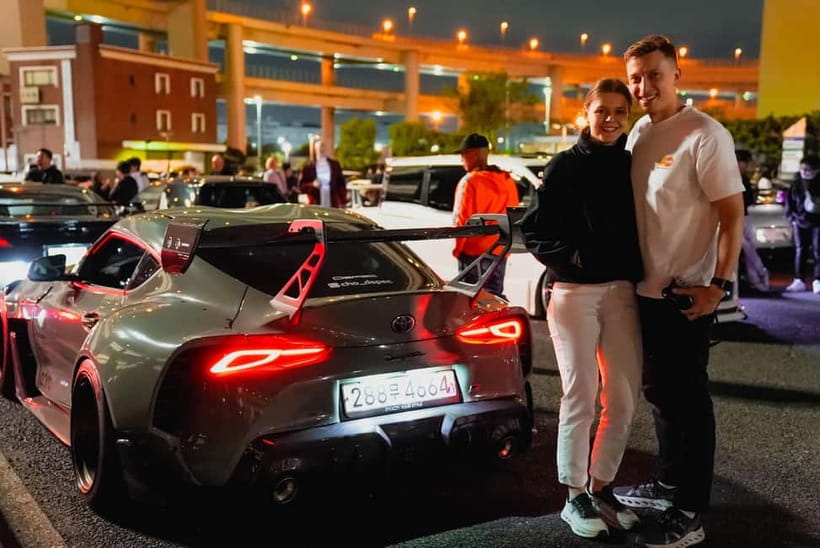
Once the group leaves Tokyo Station, the route gives you a moving view of the city. The C1 Inner Loop carries you through central Tokyo, then the road heads toward Rainbow Bridge and the Bayshore Route.
You will not spend long at Rainbow Bridge as a formal stop. It is listed as a short pass-by, about five minutes, but the view helps explain why the night drive is included. From the road, Tokyo’s lights, elevated highways, water, and towers come together in a way you cannot get from a single observation deck.
The drive is especially useful for people who are interested in Tokyo but are not dedicated car fans. You see how the city changes after dark while the guide talks about the areas, roads, and car culture. Several guides have also helped with photos, explained local history, and adjusted the evening when the first meeting point was closed.
Traffic can change the timing. The advertised duration is four hours, but the end time may vary. Do not schedule a flight, dinner reservation, or timed attraction immediately afterward.
APIT Shinonome: Tokyo’s tuning supermarket
APIT Shinonome, formerly associated with Super Autobacs, is the most practical stop on the route. You get around 30 minutes to browse Tokyo’s largest car parts and tuning shop.
The shop is useful even if you do not plan to buy anything. Rows of parts, wheels, accessories, tools, and performance equipment show how much of Japanese car culture exists away from the meet itself. The stop gives you a better sense of the work behind the cars at Daikoku.
If you are a serious car fan, this may be where you spend your souvenir budget. If you are traveling with someone who only has a passing interest in cars, 30 minutes is a manageable amount of time. It is long enough to look around without turning the whole evening into a shopping trip.
Keep in mind that the shop does not replace Daikoku. It is a retail stop, not a live gathering. I see it as a helpful middle chapter: the car meet shows the finished machines, while APIT shows the parts and products that help create them.
A completely different kind of day in Tokyo:
- Mt Fuji and Hakone 1-Day Bus Tour Return by Bullet Train
★ 5.0 · 26,383 reviews - 1-Day Tokyo Bus Tour
★ 5.0 · 14,250 reviews - Tokyo: teamLab Planets TOKYO Digital Art Museum Entry Ticket
★ 4.6 · 9,779 reviews - Mt Fuji & Hakone Cruise, Drum Show Bullet Train 1 Day from Tokyo
★ 4.0 · 7,413 reviews
Tokyo Tower ends the evening on a familiar note
The final major stop is Tokyo Tower, usually with about 15 minutes for pictures and sightseeing. The tower is lit at night and gives the experience a clear finish after the industrial roads and parking areas.
This is a photo stop, not an observation-deck visit. Entry to the Tokyo Tower observation deck is not included. Fifteen minutes is enough for exterior pictures, but not enough for a long visit inside or a detailed exploration of the surrounding area.
That short stop may be perfect for a first visit to Tokyo. You get a classic image to balance the more unusual Daikoku experience. One person described the combination as a memorable way to see the cars and Tokyo Tower in the same evening, while another felt the tour could spend more time watching cars leave Daikoku instead. I think that is the central tradeoff: the tower adds variety, but dedicated car fans may prefer every available minute at the meet.
Choosing between the ride options
The basic car option is the straightforward choice. It is clean and comfortable, and it places you in a mixed group. Pick it if your priority is reaching the stops and enjoying the guide rather than riding in a particular performance car.
The JDM sports-car option adds more excitement to the road sections. Several people particularly enjoyed sitting in a sports car and feeling turbo acceleration. This can make the journey itself part of the attraction, but it remains a non-private, mixed-group experience.
The Toyota Alphard option is for people who want privacy and first-class comfort. It suits couples, families, or small parties who prefer a private ride and more room. Since vehicle availability and exact arrangements can depend on the chosen booking option, check the details before paying.
The guide and driver may be separate people. That can be an advantage, since one person can focus on the road while the guide explains the cars and helps with pictures. Past groups have included guides and drivers who speak English, Japanese, Vietnamese, Italian, and other languages, but the listed guide languages are English, Japanese, and Vietnamese.
What makes the guides useful
The strongest part of this experience is the human side. Guides such as Hana, Ryu, Jay, Jun, Bin, Kazu, Lam, and others have been praised for explaining the car scene, helping with photographs, and keeping the mood relaxed.
You should expect conversation rather than a formal lecture. Ask about engine swaps, tuning styles, Japanese car history, or the roads you are using. A guide who is genuinely interested can help you understand why a particular car matters instead of leaving you to identify badges on your own.
The guides also need to handle change. Daikoku may be closed by police, and the group may visit another spot or adjust the route. One evening included Daikoku, Umihotaru Parking Area, APIT, and Tokyo Tower after an earlier location was shut down. This kind of flexibility is valuable, but it also means your itinerary is not completely fixed.
The experience has a high overall rating, with a 4.9 score from 360 reviews. The repeated praise centers on friendly guides, good English, photo help, and a relaxed atmosphere. That does not guarantee a particular guide or a packed parking area, but it does show where the activity tends to deliver its value.
How much value do you get for $82?
At $82 per person, this is not the cheapest way to see Tokyo at night. You are paying for access to a difficult-to-reach car meet, a local guide, the drive through the city, APIT Shinonome, and the Tokyo Tower stop.
A taxi to Daikoku would not provide the same context, and reaching the area independently is inconvenient. You would also lose the local contact who can explain the cars, help with photos, and adjust the plan if police close a meeting place.
The value is strongest if you have limited time in Tokyo and want several connected experiences in one evening. The value is weaker if your only goal is to spend as long as possible at Daikoku, since the route includes APIT and Tokyo Tower and traffic may shorten the available time.
The fee also includes 5 percent discount coupons for other cultural and workshop experiences organized by the same group. Treat that as a small extra, not the main reason to book. The real value depends on how much you care about cars, local road culture, and seeing Tokyo after dark from the highway.
Weather, closures, and other practical limits
Rain can reduce the number of cars at the gathering spots. There is no refund for a quieter meet caused by bad weather, so choose this activity only if you can accept that risk.
Police may close Daikoku or another meeting location. The group can sometimes visit an alternative spot, and guides have done so successfully, but no one can promise a specific lineup of cars.
The evening runs about four hours, though traffic can push the finish later. Wear shoes suitable for walking around a parking area and bring a phone or camera with enough battery for pictures. The supplied details do not specify a dress code, luggage policy, or accessibility arrangements, so ask the operator before booking if any of those points matter to you.
Free cancellation is available up to 24 hours before the activity, and you can reserve now and pay later. Those flexible terms help, but they do not cover late arrival, rain-related disappointment, or the possibility of a police closure.
Who should book this experience?
I would choose this for a JDM fan, a motorsport follower, or anyone who wants a Tokyo evening that feels different from the usual temple and shopping route. It also works for curious visitors who know little about cars, especially if they choose the basic ride and enjoy conversation with the guide.
Families can enjoy it if everyone is comfortable with a late evening and a car-focused schedule. One parent may care more about Tokyo Tower while a child focuses on the sports cars, which gives the itinerary useful variety.
I would hesitate if you need a fixed timetable, dislike engine noise, or want a guaranteed set of rare vehicles. I would also think twice if Daikoku is the only thing you want, since nearly half the appeal comes from the drive, APIT, and Tokyo Tower.
FAQ
Where does the activity begin?
The usual meeting point is the taxi rank in front of Tokyo Station’s Marunouchi North Exit. The guide holds a yellow Epic Japan Experience or JDM TOUR TOKYO sign.
How long does the experience last?
The stated duration is four hours. The end time can change with traffic, so leave space in your schedule afterward.
Which languages are available?
Live guides are available in English, Japanese, and Vietnamese.
Is the Daikoku Parking Area visit guaranteed?
The visit is planned, but police closures or other conditions can require an alternative location. Rain may also mean fewer cars than usual, and refunds are not provided for bad weather.
Can I visit the Tokyo Tower observation deck?
No. The activity includes an exterior photo and sightseeing stop, but the observation-deck entry ticket is not included.
Are the vehicle options private?
The basic car and JDM sports-car options are mixed-group, non-private rides. The Toyota Alphard option provides private comfort.
What happens if I arrive late?
There is no refund for late arrivals. Arrive early at the Tokyo Station meeting point, since finding the correct side of the station can take time.
Should you book the Daikoku night tour?
Book it if you want a guided introduction to Tokyo’s car culture, not just a ride to a parking area. The combination of Daikoku, APIT Shinonome, the highway views, and Tokyo Tower gives you a full evening with several kinds of scenery and plenty to discuss.
Choose the JDM option if the ride matters as much as the destination. Choose the Alphard if comfort and privacy matter most. If you are flexible about the number of cars and accept that police or weather may change the plan, $82 is a fair price for a hard-to-arrange night out. Dedicated car fans may wish for more time at Daikoku, but for most visitors, the mix makes this a memorable and practical Tokyo experience.
Newly reviewed around Tokyo
- Tokyo Asakusa:Calligraphy & Make T-shirt Activity★ 5.0 · 62 reviews
- Intercity Shuttle, Tokyo to Haneda /Narita /Yokohama /Makuhari★ 5.0 · 5 reviews
- 1 Hour Travel around Tokyo with a Professional Photographer★ 5.0 · 3 reviews
- Travel Tokyo with Your Own Personal Photographer★ 5.0 · 43 reviews
- Train in Samurai Swordsmanship and Defeat the Demon in Tokyo★ 5.0 · 5 reviews
- Shuttle Van 6hr Tokyo Tour to-and-from Tokyo, Yokohama and Narita★ 5.0 · 9 reviews
- Kickboxing & Body Training with EX-Pro Fighter★ 5.0 · 4 reviews
- Tokyo History: Sensoji Temple & Asakusa District Private Tour★ 5.0 · 28 reviews
Tokyo JDM Car Culture Tours, compared.
GT-R35 800hp Club Membership – secret underground car meet
Read our review →
Fast & Furious Tokyo Drift 3 Experience (Kaila Yu SP)
Read our review →
Secret Car Meet: R34 Skyline Car Club Membership
Read our review →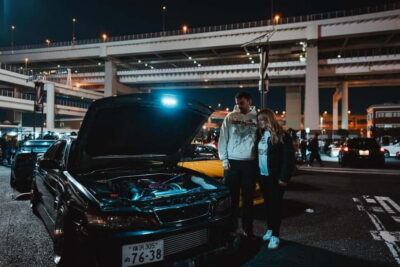
Tokyo Drift: Daikoku PA Supreme Car Experience 大黒PA
Read our review →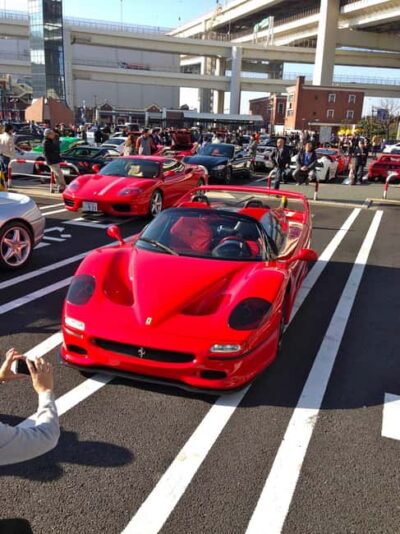
Go Daikoku PA Fast & Furious 3 Sports Car Meetup
Read our review →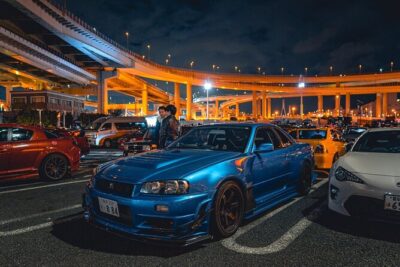
Browse the lists this tour appears in