
Reviewed · TOKYO WAGYU AND YAKINIKU DINING
Tokyo: Exquisite Wagyu Beef Experience at Yakiniku Nikunone
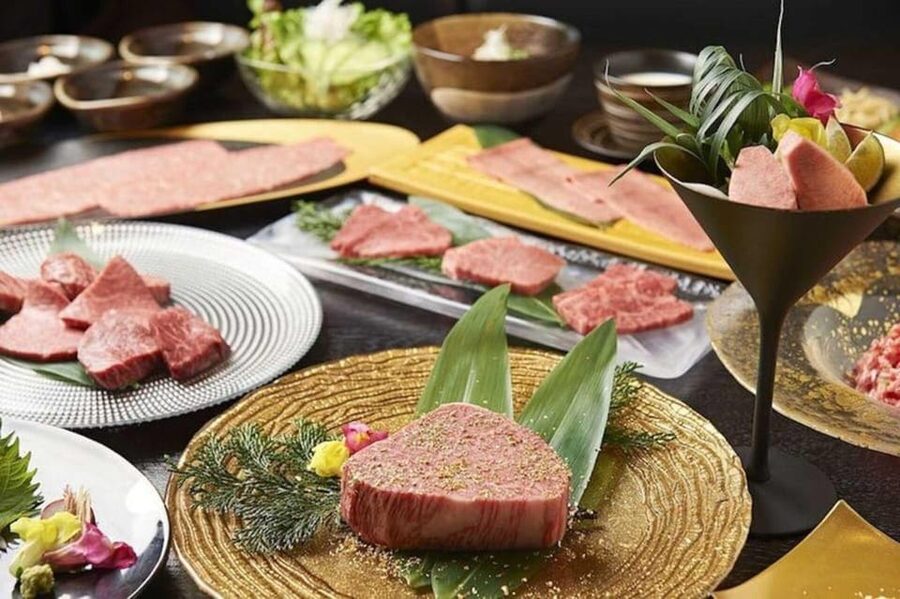
Tokyo’s Yakiniku Nikunone is built around one idea: serve A5 Wagyu in a private room, then give each cut its own moment. You can choose a 12-dish course or one of two 14-dish menus, with ingredients such as caviar, sea urchin, truffle salt, and fruit champagne appearing at the higher levels.
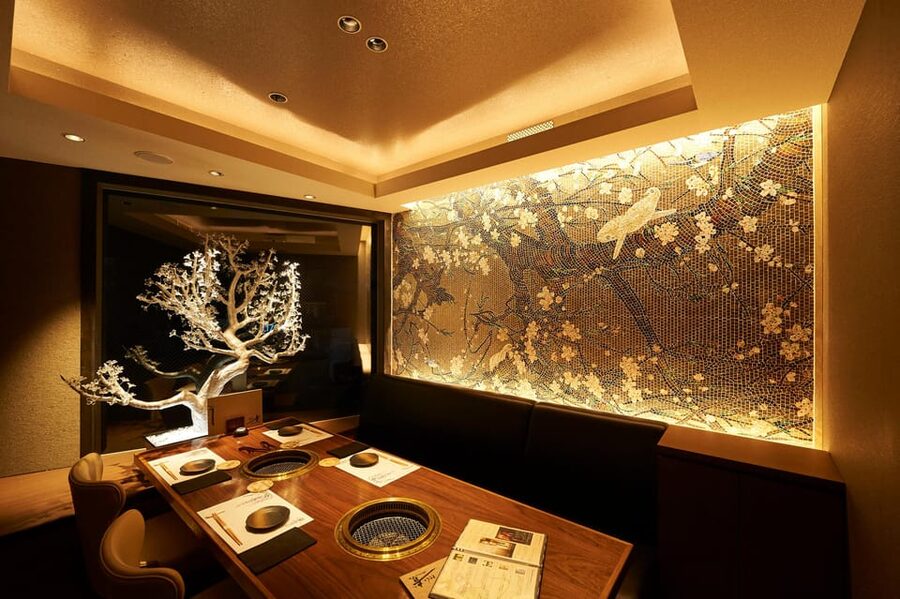
I like the calm, private setting, especially the rooms inspired by Japan’s four seasons. I also like the careful range of beef, from tongue and skirt steak to chateaubriand and sirloin. The main drawback is the firm two-hour limit, and the experience is a restaurant reservation, not a guided activity.
Key points to know before booking
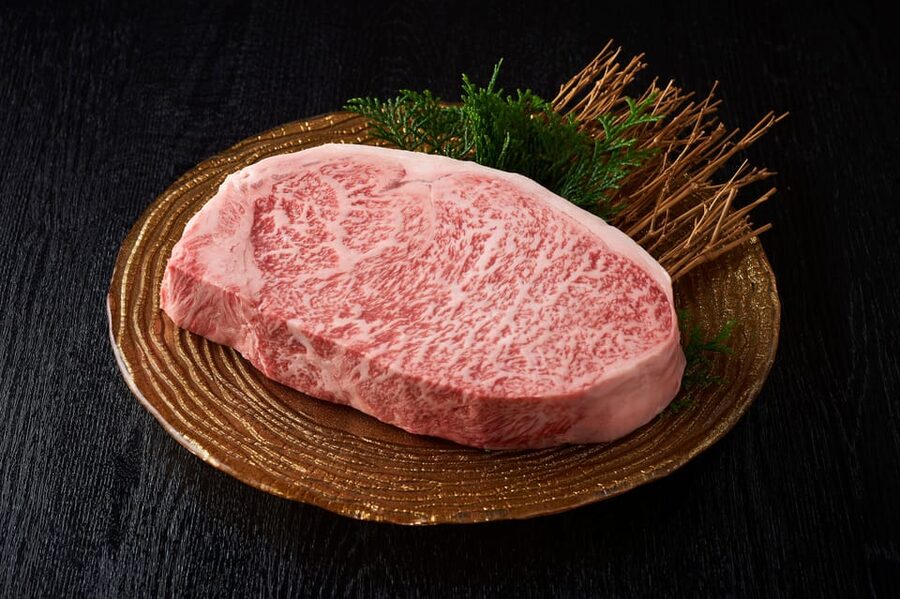
- A5 Wagyu is the main event: Expect several cuts prepared for grilling, shabu-shabu, sushi, sukiyaki, or steak.
- Three full courses are available: Nikunone has 12 dishes, while Kirameki and Kinzakura each have 14.
- Private rooms keep things quiet: The dining rooms draw on Japan’s four seasons and offer a more secluded meal than a standard yakiniku table.
- Luxury ingredients shape the upper menus: Kirameki adds uni and caviar, while Kinzakura includes chateaubriand, steak sandwich, fruit champagne, and a small bottle of caviar.
- There is no guide: Enter the restaurant directly at your reserved time, across from Lawson Gran Customa.
- Two hours means pacing matters: Your seat is reserved for a maximum of two hours, so arrive ready to begin.
A Wagyu meal with a clear sense of occasion
Yakiniku Nikunone is not trying to be a quick grill-your-own dinner. It presents Wagyu as a series of small courses, each designed to show a different texture, seasoning, or cooking method.
The restaurant specializes only in Wagyu, which gives the meal a tight focus. You are not choosing between a long list of unrelated Japanese dishes. Instead, the menu moves through beef in several forms, with kimchi, namul, salads, rice, noodles, dessert, and seafood accents providing breaks from the richness.
That matters because A5 beef can be intensely fatty. A plate of beautifully marbled meat is exciting at first, but several heavy servings in a row can become too much. These menus address that by changing the format: tongue is grilled shabu-shabu style, some cuts are salted, some are marinated, and others appear as sushi, sukiyaki, or steak.
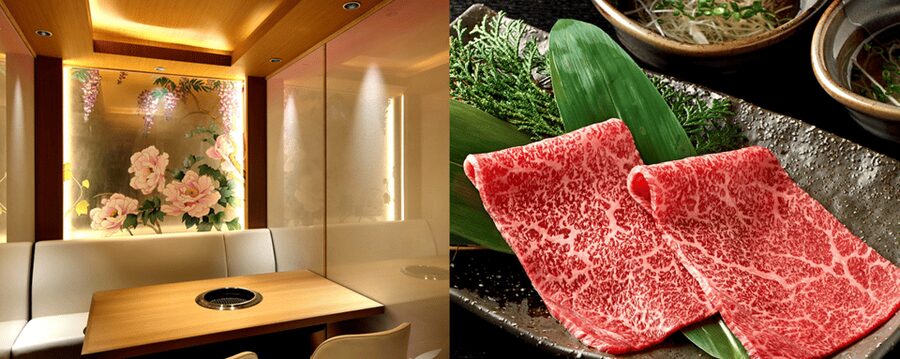
The mood is formal without being stiff. The private rooms are designed around the four seasons, and the service is described as polite, attentive, and careful with explanations. You should expect an occasion-style meal rather than a loud, casual barbecue stop.
More Tokyo wagyu and yakiniku dinners:
- Tokyo Night Foodie Tour in Shinjuku – Seasonal Sushi, Wagyu Beef
★ 5.0 · 1,161 reviews - Tokyo: Wagyu and 7 Japanese Dishes Cooking Class
★ 4.9 · 273 reviews - Small-Group Wagyu Beef and 7 Japanese Dishes Tokyo Cooking Class
★ 5.0 · 190 reviews
How the three courses differ
The three menus share a basic structure, but the price and dish count rise with the amount of premium beef, seafood, drinks, and caviar. At $113 per person, the meal sits firmly in the special-occasion category. The value depends on how much you want a polished progression of rare ingredients rather than a simple plate of grilled beef.
The 12-dish Nikunone Course
The Nikunone Course is the shortest menu, but it is not a small meal. It includes one drink, two kinds of kimchi and namul, Wagyu sinew stew, salad, special tongue grilled shabu-shabu, three exclusive cuts served with salt, and chestnuts grilled shabu-shabu.
You then receive two selected lean cuts with marinade, followed by two pieces of grilled Wagyu sushi and a citrus yuzu sorbet. This course includes one piece of seared Wagyu sushi with caviar as a special feature of the menu, according to the course details.
I see this as the most sensible choice if you want a serious Wagyu meal without adding every luxury extra. The progression still covers several useful contrasts: stew against grilled beef, salty cuts against marinated lean meat, and hot food against cool sorbet.
The chestnuts grilled shabu-shabu are an unusual touch. The menu does not explain the exact preparation, so you should treat them as a distinctive course element rather than expect a familiar yakiniku side dish.
The 14-dish Kirameki Course
Kirameki adds more seafood, more beef, and a final meal course. You begin with one drink, kimchi and namul, Wagyu sinew stew, and Miyazaki beef sashimi with sea urchin.
That is followed by grilled Wagyu sushi with caviar, salad, special tongue grilled shabu-shabu, and special skirt steak served with fresh wasabi. The use of wasabi gives the skirt steak a sharper partner than the usual sweet or salty yakiniku sauces.
The menu then offers two exclusive salted cuts, three selected lean cuts with marinade, and a choice of sirloin steak or rump steak. You finish with cold noodles or Wagyu ochazuke, then choose a dessert.
Kirameki makes sense if you want a fuller dinner with more variety. The beef sashimi with sea urchin and caviar-covered sushi push the meal toward luxury dining, while the noodles or ochazuke make it feel more complete than a meal based only on grilled meat.
A completely different kind of day in Tokyo:
- Mt Fuji and Hakone 1-Day Bus Tour Return by Bullet Train
★ 5.0 · 26,383 reviews - 1-Day Tokyo Bus Tour
★ 5.0 · 14,250 reviews - Tokyo: teamLab Planets TOKYO Digital Art Museum Entry Ticket
★ 4.6 · 9,779 reviews - Mt Fuji & Hakone Cruise, Drum Show Bullet Train 1 Day from Tokyo
★ 4.0 · 7,413 reviews
The 14-dish Kinzakura Course
Kinzakura is the most elaborate menu. It includes two drinks, with fruit champagne available, plus a hand-roll sea urchin tartar sushi with caviar.
The beef lineup includes special tongue grilled shabu-shabu, chateaubriand served with truffle salt, two exclusive salted cuts, selected lean meat with marinade, and chuck flap grilled sukiyaki. The chateaubriand is the obvious centerpiece for anyone who wants one of the most prized steak cuts on the menu.
You also receive a selected Wagyu steak sandwich, a choice between cold noodles and two pieces of grilled Wagyu sushi with sea urchin, and a dessert. A small bottle of caviar comes with the course, and you can use it with the sea urchin tartar or other dishes as you like.
This is the menu for a celebration or for diners who specifically want the most lavish version of the experience. It offers the widest range of textures and the most noticeable luxury ingredients. It is also the easiest course to over-order emotionally, so choose it because you value caviar, uni, champagne, and premium cuts, not simply because it is the biggest menu.
The beef is presented in many forms
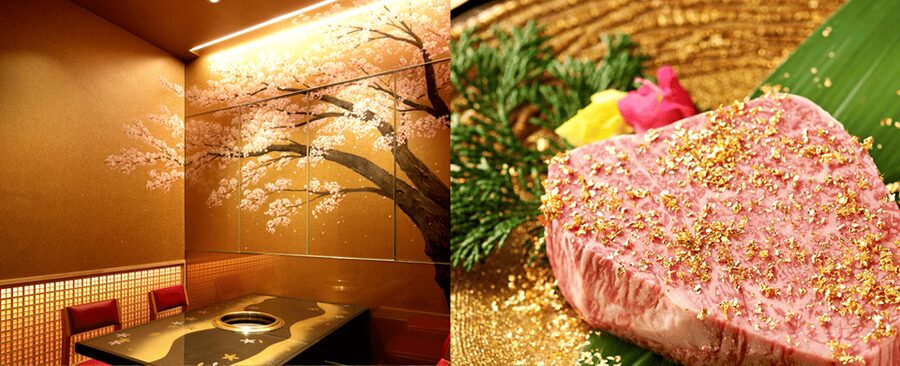
The strongest part of Nikunone is not just the grade of beef. It is the way the menu changes the role of the beef from course to course.
Tongue arrives as grilled shabu-shabu, a preparation that suggests quick cooking and a lighter bite than a thick steak. Skirt steak appears with fresh wasabi, giving you a chance to taste a more direct, sharp pairing rather than relying on a heavy sauce.
Lean meat is served in selected cuts, with some portions salted and others marinated. This is useful for comparing how seasoning changes the same broad category of beef. Salt lets the meat speak plainly, while marinade adds a stronger flavor and may appeal to diners who prefer a more familiar yakiniku profile.
The menus also use beef in dishes that are not standard grill plates. Wagyu sushi, Wagyu ochazuke, a Wagyu steak sandwich, grilled sukiyaki, and beef sashimi all give the meal different shapes.
The staff are described as explaining each course with care. That service matters here because the menu includes unfamiliar cuts and preparations. If you are unsure how to cook or eat a particular portion, ask. The experience is designed around detail, not speed.
Caviar, sea urchin, and unusual ingredients
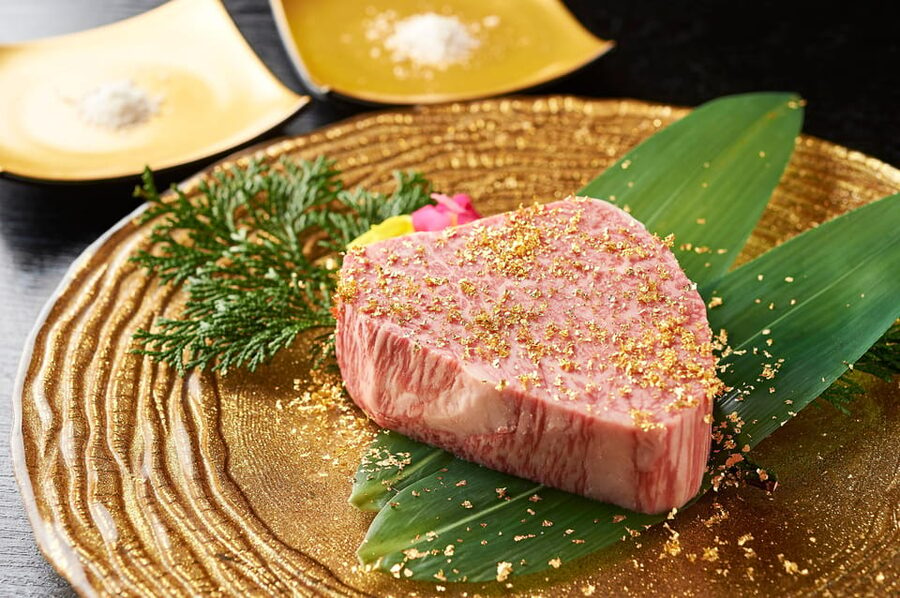
The seafood accents are not minor decorations. They help separate the courses and create a more luxurious feel.
The Kirameki menu pairs Miyazaki beef sashimi with sea urchin and includes grilled Wagyu sushi with caviar. Kinzakura goes further with sea urchin tartar sushi, caviar, fruit champagne, and a separate small bottle of caviar.
The caviar is especially practical in the Kinzakura course because you can use it across dishes rather than receiving it in only one fixed bite. That gives you some control over the meal, although the course details do not specify the bottle size beyond calling it small.
The experience also highlights rare ingredients such as Dragon Eggs from Oita and Algae Salt Rice from the Oki Islands. These are part of the restaurant’s wider focus on distinctive Japanese ingredients, though the exact course placement is not specified. If those ingredients are important to you, ask the restaurant what is being served on your date.
The menu balances these rich elements with kimchi, namul, salad, citrus yuzu sorbet, cold noodles, and ochazuke. That balance is welcome. You get sharp, fresh, and cooling flavors between the heavier beef courses.
Private rooms and polished service
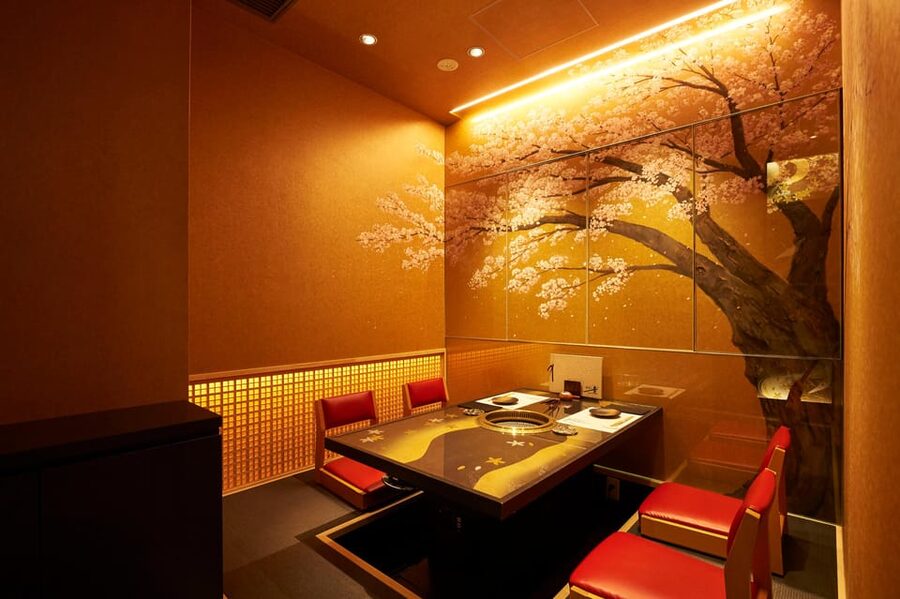
The private dining rooms are one of the clearest reasons to book Nikunone instead of a standard yakiniku restaurant. Each room is inspired by one of Japan’s four seasons, creating a setting that feels planned rather than generic.
You are not joining a guide or a shared group. You enter directly at the reserved time, and the service team handles the pacing and presentation. This suits a date, anniversary, family celebration, or quiet dinner after a full day in Tokyo.
The service has received particular praise for being professional, polite, and attentive without becoming intrusive. That is important in a meal with many small courses. You need explanations, but you do not want a server interrupting every few minutes.
The rooms may also appeal to diners who find open grill rooms noisy or smoky. Still, the available details do not promise a specific room or seat type. You can request a preference, but it cannot be guaranteed.
The two-hour time limit
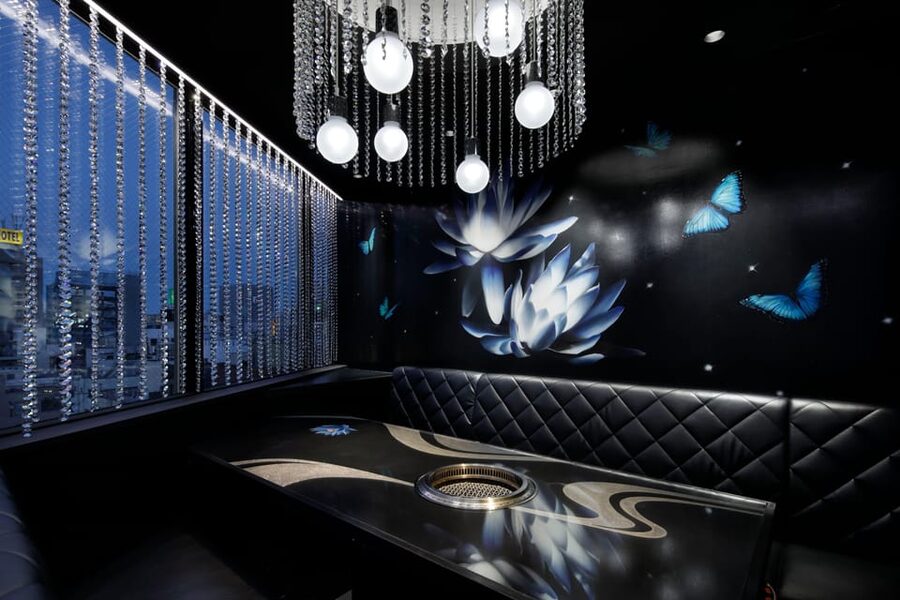
Two hours is enough for the planned menu, but it is not unlimited. Your seat is reserved for a maximum of two hours, so do not arrive late and expect a long, relaxed extension.
I would plan to arrive at the meeting point a little early, confirm the entrance, and enter at the reserved time. The location is described as across from Lawson Gran Customa. There is no guide, and no one will lead you from a hotel or station.
The course is built to move from small starters through beef, rice or noodles, dessert, and drinks. You should not need to rush if service begins on time, but this is not the place for a three-hour dinner with long pauses between courses.
The legal drinking age in Japan is 20. Keep that in mind when selecting a course with drinks, especially Kinzakura, which can include fruit champagne.
Is $113 a fair price?
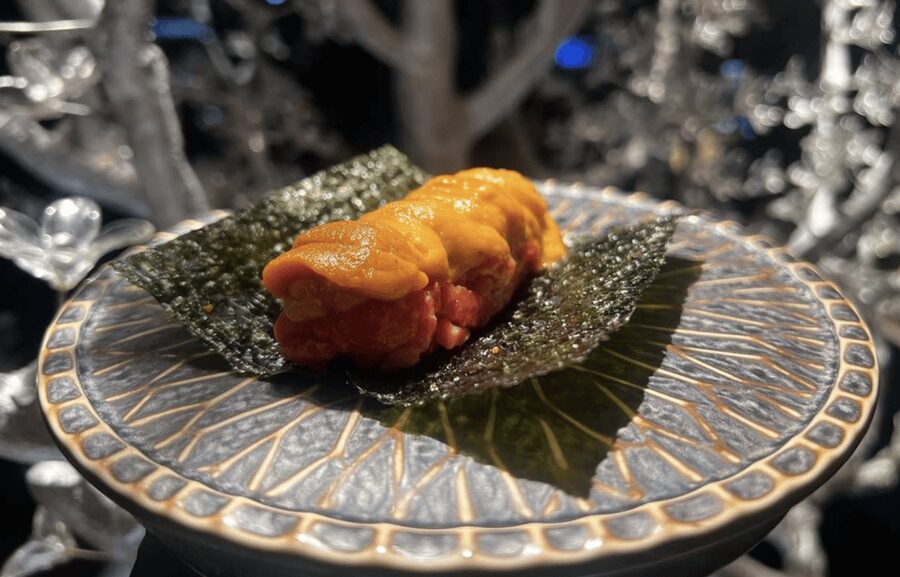
At $113 per person, this is expensive compared with an ordinary yakiniku meal. You are paying for A5 Wagyu, private dining, a carefully arranged course, reservation handling, tax, and premium additions such as caviar, sea urchin, truffle salt, and champagne, depending on the menu you choose.
The value is strongest if you want a complete dining event. The meal gives you several beef cuts and preparations rather than one large serving of meat. It also includes a level of service and privacy that a casual restaurant generally will not provide.
The value is weaker if you simply want to eat a lot of grilled beef. A5 meat is rich, and the two-hour format plus small-course presentation may not suit someone looking for a large, informal meal.
The listed price includes the full course, sales tax, and the reservation. Personal spending outside the included menu is not covered. Check the exact course and drink inclusions carefully before booking, since the three menus are not identical.
Who should book this experience?
I would recommend Nikunone to you if you are marking a special occasion, care about Japanese Wagyu, or want a private meal with more structure than a normal grill dinner.
It is also a good fit for food-focused visitors who enjoy comparing cuts and preparations. The difference between salted beef, marinated lean cuts, tongue, skirt steak, chateaubriand, sukiyaki, sushi, and steak sandwich gives you plenty to discuss as the meal progresses.
The experience is less suitable if you need a flexible schedule, prefer budget dining, or dislike rich food. It may also be frustrating if you expect a tour guide, a cooking lesson, or a restaurant walk-through. This is a reservation-only dining experience, and you handle the arrival yourself.
Wheelchair accessibility is listed, which is useful for guests who need an accessible venue. If you have dietary restrictions, add a comment during checkout. The restaurant asks you to provide that information in advance, but the available details do not specify which substitutions are possible.
Should you book Yakiniku Nikunone?
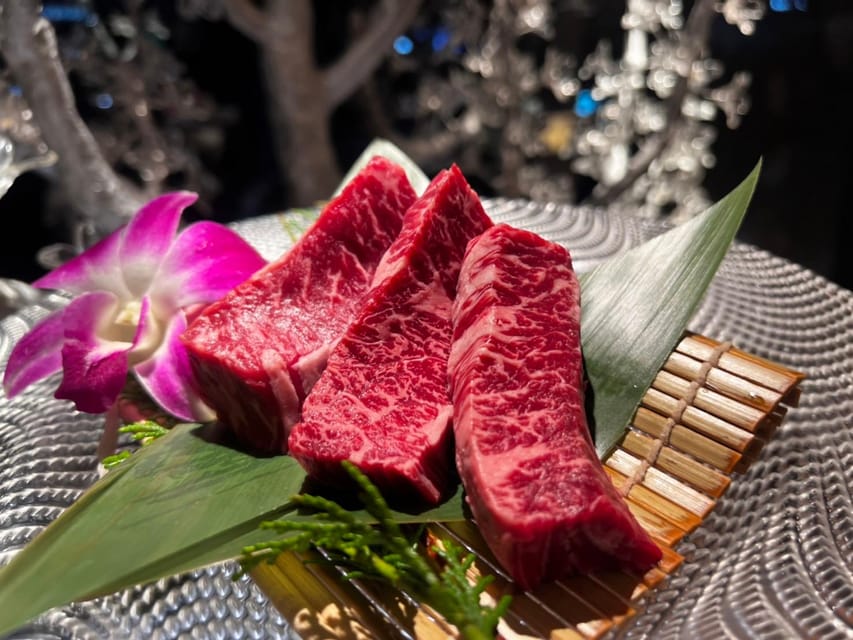
Book it if you want private A5 Wagyu dining with a formal course, unusual ingredients, and attentive service. The Kirameki menu offers the best middle ground for many diners, while Kinzakura is the choice for caviar, uni, champagne, chateaubriand, and the most elaborate presentation.
Choose the Nikunone Course if you want the core experience at a lower level of excess. Whichever menu you pick, reserve ahead because the restaurant can fill its private rooms, and remember that your two-hour seat is a fixed part of the plan.
FAQ
Is this a guided tour?
No. This is a restaurant reservation only. You enter the restaurant directly at your reserved time, and no guide is provided.
How long does the meal last?
The reservation is for two hours, and seats are held for a maximum of two hours.
How many courses can I choose from?
You can choose from three full-course menus: the 12-dish Nikunone Course, the 14-dish Kirameki Course, and the 14-dish Kinzakura Course.
Are drinks included?
Yes. All courses include welcome drinks, but the number and type vary. Nikunone and Kirameki include one drink, while Kinzakura includes two drinks and can include fruit champagne.
What is included in the price?
The full course menu, sales tax, and reservation are included. Personal expenses outside the course are not included.
Can I request a dietary accommodation?
Yes. Add your dietary restrictions in the comment field during checkout. Specific substitutions are not provided in the available information.
Is the restaurant wheelchair accessible?
Yes. The experience is listed as wheelchair accessible.
Newly reviewed around Tokyo
- Tokyo Asakusa:Calligraphy & Make T-shirt Activity★ 5.0 · 62 reviews
- 1 Hour Travel around Tokyo with a Professional Photographer★ 5.0 · 3 reviews
- Travel Tokyo with Your Own Personal Photographer★ 5.0 · 43 reviews
- Intercity Shuttle, Tokyo to Haneda /Narita /Yokohama /Makuhari★ 5.0 · 5 reviews
- Train in Samurai Swordsmanship and Defeat the Demon in Tokyo★ 5.0 · 5 reviews
- Shuttle Van 6hr Tokyo Tour to-and-from Tokyo, Yokohama and Narita★ 5.0 · 9 reviews
- Kickboxing & Body Training with EX-Pro Fighter★ 5.0 · 4 reviews
- Traditional Japanese Knife Sharpening Class★ 5.0 · 18 reviews
Tokyo Wagyu and Yakiniku Dining, compared.
Tokyo Night Foodie Tour in Shinjuku – Seasonal Sushi, Wagyu Beef
Read our review →
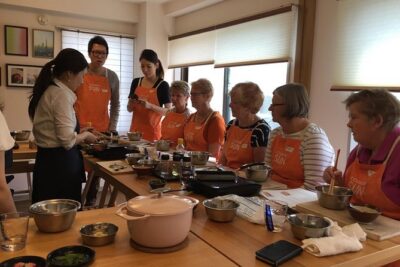
Small-Group Wagyu Beef and 7 Japanese Dishes Tokyo Cooking Class
Read our review →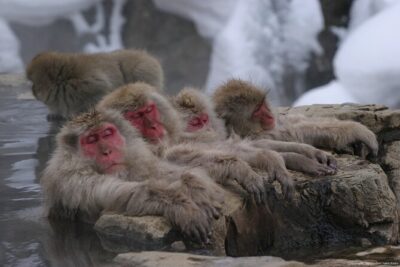
Nagano Snow Monkey 1 Day Tour with Beef Sukiyaki Lunch from Tokyo
Read our review →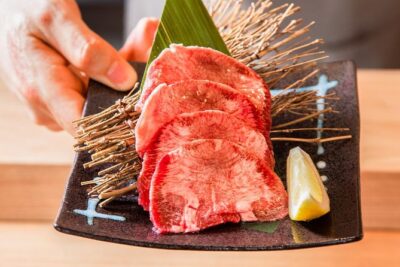
Wagyu & Sake Pairing in Shinjuku – Steak, Shabu-Shabu & More
Read our review →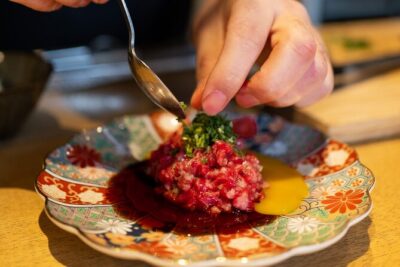
Tokyo Wagyu & Sake Pairing Tasting Experience with Local Flavors
Read our review →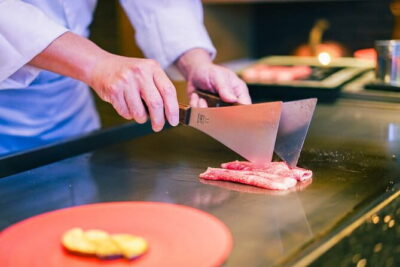
Wagyu Beef and Sake Pairing Foodie Tour in Tokyo
Read our review →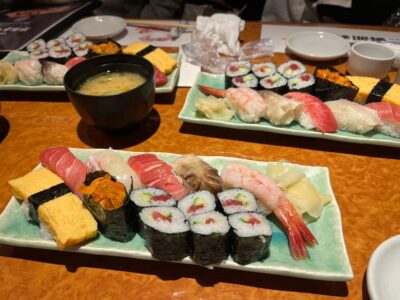
Browse the lists this tour appears in