Reviewed · TOURS
Tokyo: Buddhism and Shinto Temple Tour with a Real Local
The most memorable part of this two-hour walk is the Fukagawa Fudo-do fire ceremony, where powerful drumbeats accompany a serious Buddhist ritual. Manami Watanabe, a Tokyo-born local with a Ph.D. in cultural heritage protection, explains each stage without treating the ceremony like a tourist show.
I like the small groups, limited to six people, and the careful guidance on temple manners, photography, and shrine customs. I also like that the route includes both Buddhism and Shinto in one historic neighborhood. The main consideration is that you must follow strict rules: no indoor photography, video, audio recording, or casual behavior during the ceremony.
Key points
- A rare look at an active Buddhist fire ceremony: Watch the ritual with scene-by-scene explanations and a written guide.
- A local guide with academic training: Manami Watanabe connects religious customs with everyday Japanese life and her family’s ties to the area.
- Two faiths in one short walk: Compare Buddhist temples with the Shinto traditions of Tomioka Hachimangu Shrine.
- A small-group setting: With no more than six participants, you have room to ask questions and hear the explanations.
- Useful etiquette advice: Learn how to bow, make offerings, sit properly, and handle photography around sacred places.
- A less touristy corner of Tokyo: Monzennakacho gives you a look at East Tokyo’s old Shitamachi character.
Why the fire ceremony is the heart of the tour
Many temple visits in Tokyo are quick stops for photos. This one asks you to slow down and watch something that remains part of ordinary Buddhist practice.
At Naritasan Fukagawa Fudo-do, you attend a fire ceremony lasting about 40 minutes. Drums, chanting, movement, and flames create a strong sensory experience, but the guide makes clear that this is a religious service, not a staged performance.
That distinction matters. Manami does not place the group in the best central seats simply to get a closer view. The seats with the clearest sightlines are left for Buddhist worshippers. This is a small choice, but it shows respect for the people who come here as part of their faith.
You also learn practical rules that many visitors miss. Crossing your legs while seated can be considered rude toward the Buddha and monks. You are expected to remain quiet, avoid photography inside, and watch without turning the service into a personal photo session.
The ceremony is not designed for constant explanation during every second. Instead, Manami uses explanation sheets and gives context around the ritual so you can observe in silence. That balance works well. You get enough information to understand what you are seeing, while the ceremony keeps its own atmosphere.
Photography is not allowed inside, and video and audio recording are also prohibited. If taking pictures is your main reason for visiting temples, this may feel restrictive. If you want to understand how a temple functions for local people, the limits are part of the experience.
Other Tokyo days people book alongside this one:
- Mt Fuji and Hakone 1-Day Bus Tour Return by Bullet Train
★ 5.0 · 26,383 reviews - 1-Day Tokyo Bus Tour
★ 5.0 · 14,250 reviews - Tokyo: teamLab Planets TOKYO Digital Art Museum Entry Ticket
★ 4.6 · 9,779 reviews
Meeting at Monzennakacho Station
The tour begins outside Exit 4 of Monzennakacho Station, served by the Oedo and Tozai subway lines. Look for the Kusuri no Fukutaro drugstore with a red sign directly outside the exit.
Use Exit 4 and take the stairs rather than an elevator. There is another Kusuri no Fukutaro nearby, and using the wrong exit can put you at the wrong meeting point. This is one detail worth checking before you leave your hotel.
From the station, the route heads through Monzennakacho, a historic East Tokyo district often called Shitamachi. The area gives the tour a different feel from the major sights around Asakusa, Shibuya, or central Tokyo. You are not simply moving from one famous monument to another. You are walking through a local neighborhood shaped by temples, shrines, waterways, and long-standing community ties.
Wear comfortable shoes. You should also carry water and some cash for optional small coin offerings at the temple and shrine.
Oyoko River and Tatsumi Shindo
The first part of the walk includes about 10 minutes along the Oyoko River. This is a short introduction to the neighborhood, but it helps place the religious sites within the wider setting of East Tokyo.
A local guide can explain the area in a way that a signboard cannot. Manami was born and raised in Tokyo, so the route is tied to her own connection with Monzennakacho rather than being a general city tour. Her family stories become especially important later at Tomioka Hachimangu Shrine.
The route then includes about 10 minutes at Tatsumi Shindo. The stop gives you more time to notice smaller local religious features before reaching the main Buddhist temple. It also keeps the tour from feeling like a single-site visit.
I like this pacing. The walk starts gently, then builds toward the fire ceremony. The tradeoff is that neither the river nor Tatsumi Shindo receives a long visit, so you should see them as context and local texture rather than major sightseeing stops.
Learning how Buddhism and Shinto overlap
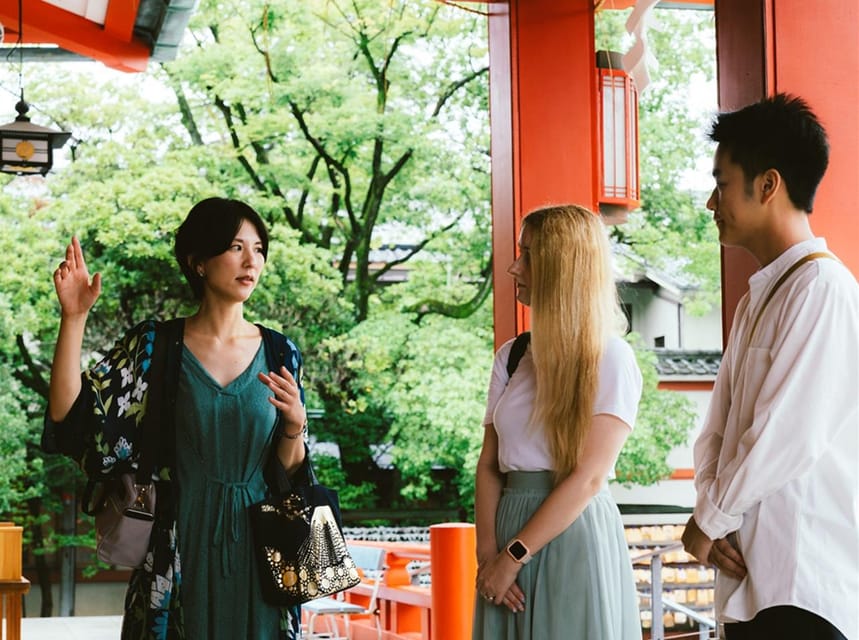
One of the tour’s most useful lessons is that Buddhism and Shinto are not treated as sealed-off parts of Japanese life. Manami explains how Japanese people may take part in both traditions and how the two differ in beliefs, spaces, symbols, and customs.
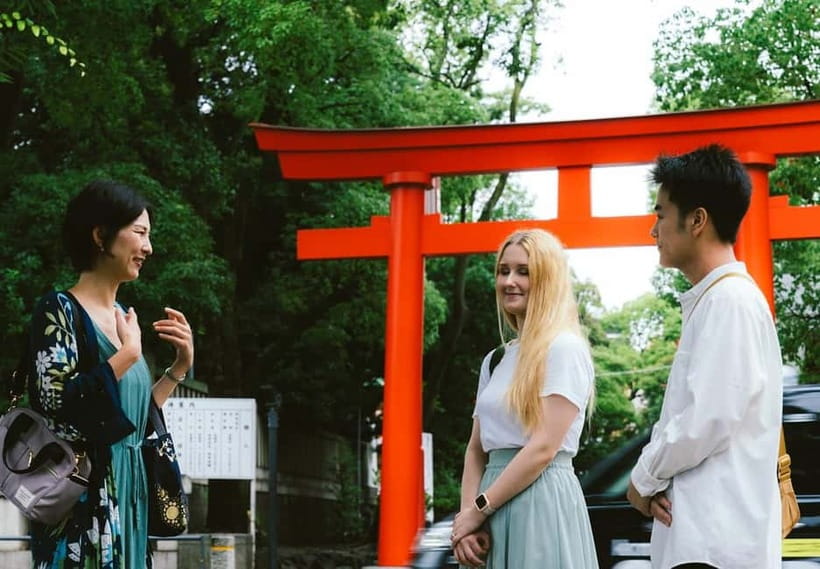
For a first visit to Japan, this can clear up a common source of confusion. A torii gate points toward a Shinto shrine, while Buddhist temples use different visual and ritual features. Yet daily life does not always divide these traditions as neatly as a visitor might expect.
You learn how to visit each place properly instead of copying the person in front of you. That includes what to do with small cash offerings, how to approach sacred areas, and how to behave once inside.
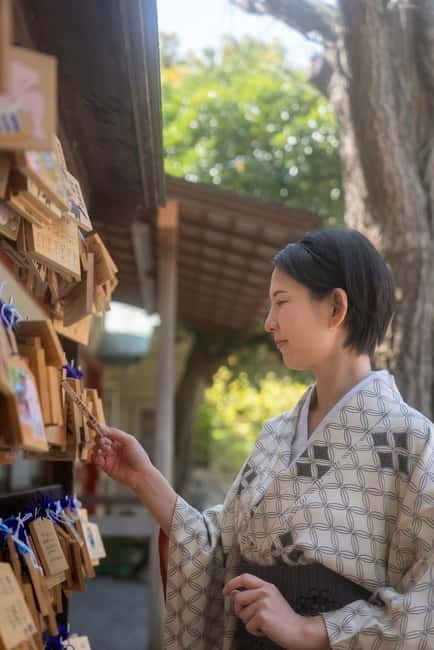
The guide also explains why certain details matter. At Tomioka Hachimangu, you hear about white fortune-telling paper, wooden wish boards, goshuin stamps, and Shinto symbols. These customs can look decorative when seen quickly. With context, they become part of a larger religious practice.
This is where Manami’s academic background helps. Her Ph.D. in cultural heritage protection gives her a strong base for discussing preservation, meaning, and respectful behavior. Just as important, she answers questions patiently. That makes the tour a good fit if you want conversation rather than a memorized list of facts.
A completely different kind of day in Tokyo:
- Mt Fuji & Hakone Cruise, Drum Show Bullet Train 1 Day from Tokyo
★ 4.0 · 7,413 reviews - Tokyo: Shinjuku Food Tour (13 Dishes at 4 Local Eateries)
★ 5.0 · 6,603 reviews - Tokyo Mt Fuji 5th St & Hakone Cruise Bus Tour w/Bullet Train
★ 4.4 · 5,024 reviews - Flagship 2-Hours Official Street Go-Kart Tour – Tokyo Bay Shop
★ 5.0 · 4,974 reviews
Tomioka Hachimangu Shrine and its local connections
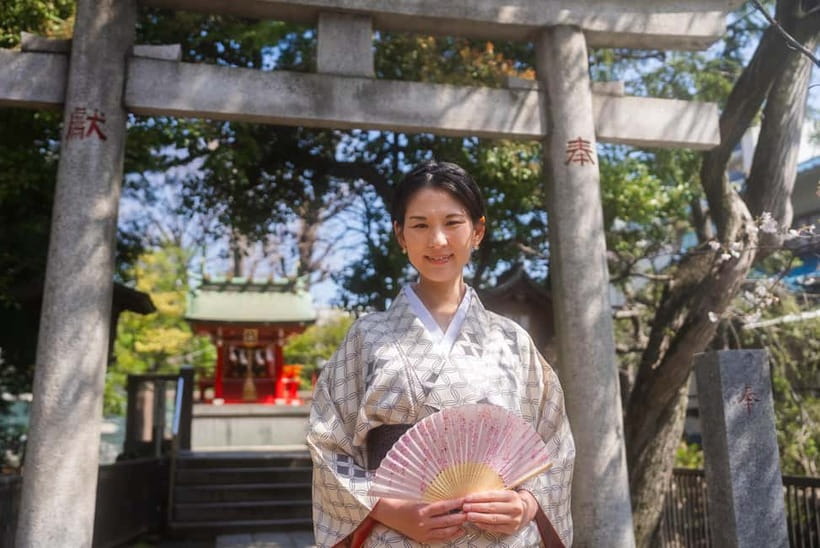
After the temple, the route continues to Tomioka Hachimangu Shrine for about 25 minutes. The mood changes here. The fire ceremony is intense and enclosed, while the shrine offers a calmer setting for looking at symbols and local traditions.
Manami explains why sake and sumo matter to Shinto and points out the impressive Sumo rocks. You also learn about fortune papers, wish boards, and goshuin stamps. These details give you a practical way to interpret shrines you may visit later in Japan.
The shrine is not treated as a quick photo stop. The focus is on what you are seeing and why it matters. You might leave with a better sense of how religious customs connect to community events, sports, family wishes, and seasonal practice.
The final part includes Manami’s family stories and their strong connection to the shrine. That personal element helps keep the tour grounded. You are not only receiving information about an old site. You are hearing why this particular place still matters to someone from the neighborhood.
Because the shrine visit lasts about 25 minutes, you should not expect a long, unhurried exploration of every corner. The value comes from the explanation and the connection between the shrine and the district.
What makes the small group worthwhile
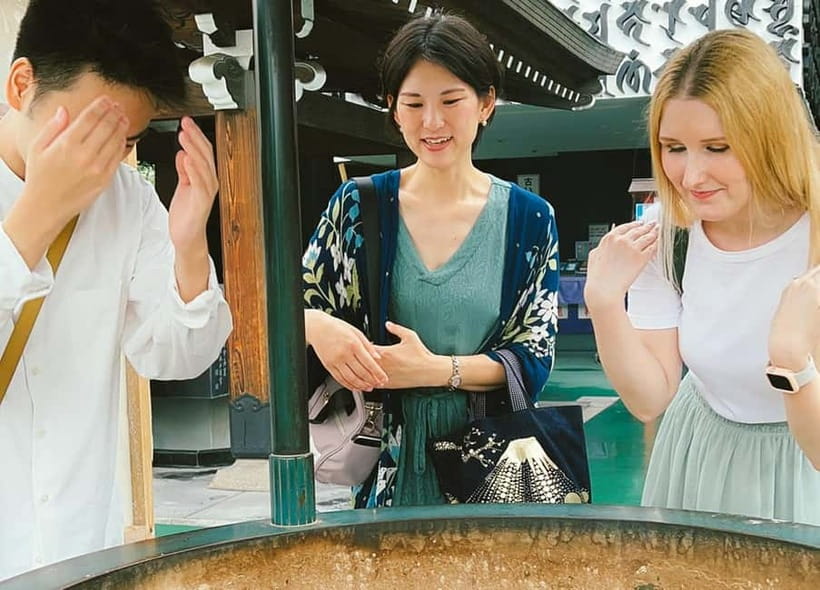
The group is limited to six participants. That matters on a two-hour tour with religious etiquette at its center.
A large group would make it harder to hear quiet explanations, ask questions, or move respectfully through temple spaces. In a small group, Manami can respond to individual curiosity. If you want to ask why a custom exists or how it compares with something in your own country, you have a better chance to do so.
The small format also supports the tone of the fire ceremony. You are less likely to feel like part of a noisy sightseeing crowd. The tour still takes place in a shared public religious setting, but the group’s limited size makes it easier to behave with care.
This is not the right choice if you want a fast checklist of Tokyo sights. It is better for someone who values explanation, quiet observation, and a chance to ask questions.
Etiquette rules you need to take seriously
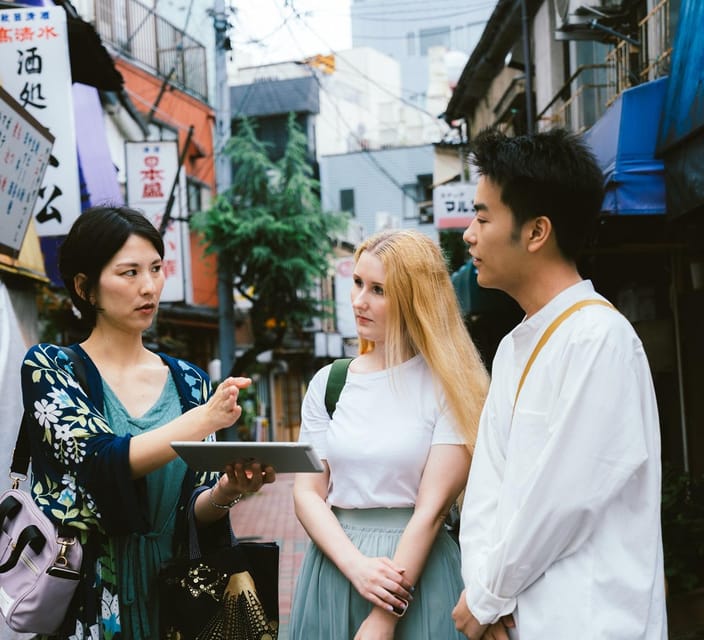
The rules are not difficult, but you must follow them.
Photography is not allowed inside, and video and audio recording are prohibited. Hats should not be worn, shoes are not allowed indoors, and clothing should be respectful. Short skirts, sleeveless shirts, and see-through clothing are not permitted.
Shawls are provided for anyone who needs to cover their shoulders or knees. That is useful if your clothing is suitable for general sightseeing but not quite right for a religious site.
Bring cash if you want to make optional small coin offerings. You do not need to offer money to take part in the tour, but having some coins lets you follow the visiting customs that Manami explains.
These rules may feel stricter than those at a typical sightseeing stop. I see that as a benefit, provided you know it in advance. The purpose is not to limit your enjoyment. It is to keep the temple and shrine from becoming a backdrop for careless behavior.
Is $62 good value for two hours?
At $62 per person, the tour costs more than simply visiting the temple and shrine on your own. You are paying for access to the fire ceremony, a guide who speaks English, a maximum group of six, and detailed interpretation of customs that are easy to miss.
The value depends on how you travel. If you are comfortable researching Buddhist and Shinto practices, finding the temple yourself, and observing without an explanation, you may prefer an independent visit.
I think the price is easier to justify if this is your first time in Japan or if religion and cultural etiquette are central to your trip. The guide brings together two faiths, several local sites, and practical behavior advice in a compact two-hour route.
The experience also saves you from guessing. You do not have to work out which customs apply, when photography is inappropriate, or why the fire ceremony should be watched quietly. That kind of guidance can make a short visit far more meaningful.
Who should book this experience?
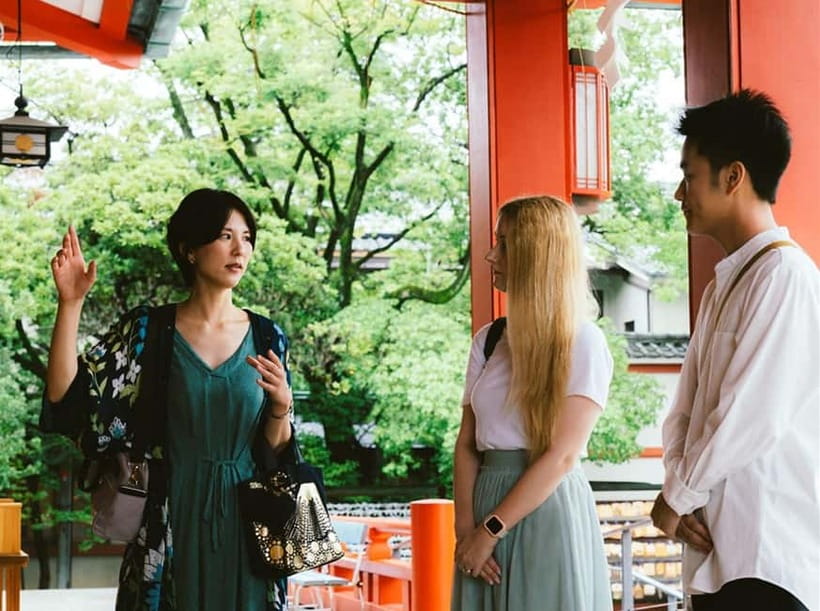
I would choose this tour if you want a quieter side of Tokyo and prefer local context to famous landmarks. It suits adults interested in religion, cultural heritage, Japanese customs, and small neighborhood stories.
It is also a strong option if you want to ask questions. The small group and Manami’s patient approach make the tour more personal than a large bus outing.
You should think twice if you mainly want photographs, a flexible schedule, or a casual food-and-drink walk. Indoor photography is forbidden, the ceremony requires silence, and the clothing rules are firm.
The tour is not suitable for children under five or people over 80. Comfortable footwear is important, and you should be prepared for walking between the station, river, local sites, temple, and shrine.
Free cancellation is available up to 24 hours before the start, and you can reserve while paying later. Starting times vary, so check availability when booking.
Should you book the Monzennakacho temple tour?
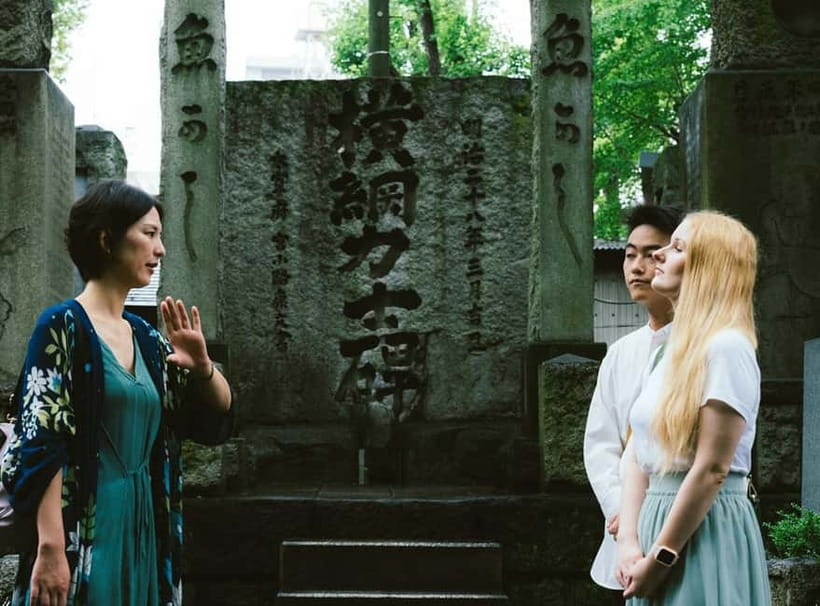
Book it if you want to understand what you are seeing, not merely collect temple photographs. The combination of a serious Buddhist fire ceremony, a calm Shinto shrine, and Manami Watanabe’s personal and academic perspective gives the two hours a clear purpose.
Skip it if you prefer to roam alone or if strict rules around clothing, recording, and photography would frustrate you. For the right visitor, this is a thoughtful way to meet East Tokyo through its religious places and the people who still use them.
FAQ
Where does the tour meet?
The meeting point is outside Exit 4 of Monzennakacho Station, served by the Oedo and Tozai subway lines. Look for the Kusuri no Fukutaro drugstore with a red sign.
Which station exit should I use?
Use Exit 4. There is another Kusuri no Fukutaro location near a different exit, so using the wrong exit can cause confusion. The stairs are recommended instead of the elevators.
How long does the tour last?
The experience lasts two hours.
What language is the tour offered in?
The tour is offered in English.
How large is the group?
The group is limited to six participants.
Is the fire ceremony included in the price?
Yes. Admission to the fire ceremony at Naritasan Fukagawa Fudo-do Buddhist temple is included.
Can I take photographs during the tour?
Photography is not allowed inside the temple. Video and audio recording are also not allowed.
What should I wear?
Wear comfortable shoes and respectful clothing. Short skirts, sleeveless shirts, see-through clothing, hats, and indoor shoes are not allowed. Shawls are available for anyone who needs to cover their shoulders or knees.
Can I cancel the booking?
You can cancel up to 24 hours in advance for a full refund. You can also reserve now and pay later.
Newly reviewed around Tokyo
- Ueno and Yanaka Culture Art Walking Tour in Old Tokyo★ 5.0 · 5 reviews
- Sumo Training Watching Experience in Tokyo★ 4.5 · 8 reviews
- Giant Sushi Cooking Class: Make a 1.5m Sushi Roll in Tokyo★ 5.0 · 9 reviews
- 2 Hours Mochi &Nerikiri Making & Matcha Class in Bunkyo★ 5.0 · 21 reviews
- Japanese Sweets (Mochi & Nerikiri) making at a Private studio★ 5.0 · 22 reviews
- Mt Fuji and Kawaguchiko Private Tour★ 5.0 · 10 reviews
- Half-Day Local Tokyo Tour in Adachi Market and Shibamata★ 5.0 · 16 reviews
- Private Full-Day Tour of Tokyo with Hotel Pickup★ 5.0 · 3 reviews
Tours, compared.
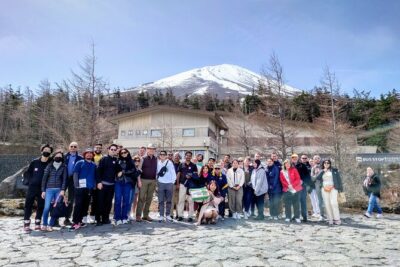
Mt Fuji and Hakone 1-Day Bus Tour Return by Bullet Train
Read our review →
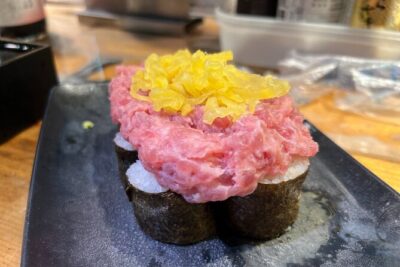
Shinjuku Food Tour (13 Dishes at 4 Local Eateries)
Read our review →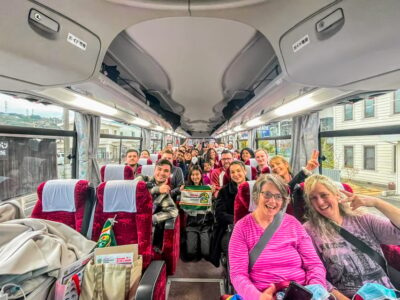
Tokyo Mt Fuji 5th St & Hakone Cruise Bus Tour w/Bullet Train
Read our review →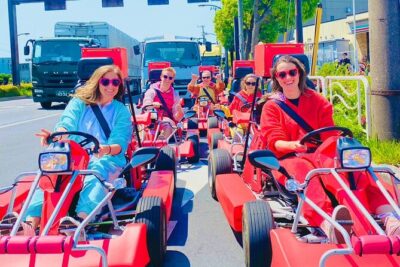
Flagship 2-Hours Official Street Go-Kart Tour – Tokyo Bay Shop
Read our review →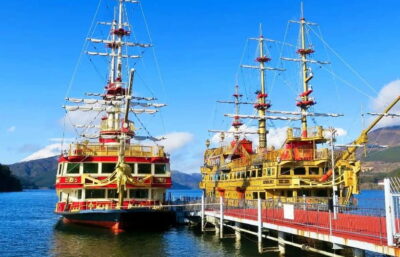
Mt. Fuji Tour, Hakone Ropeway, Owakudani, Lake Ashi
Read our review →
Tokyo 6hr Private Tour with Government-Licensed Guide
Read our review →