
Reviewed · TOKYO FOOD TOURS
Asakusa: Tokyo’s #1 Family Food Tour
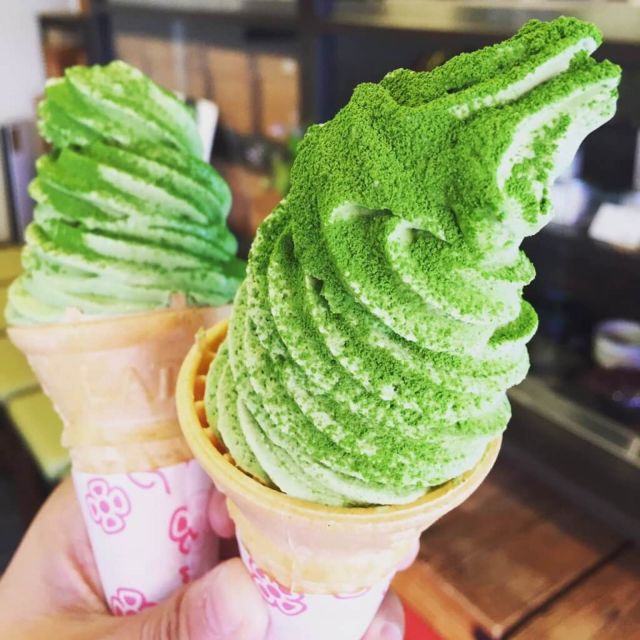
Asakusa’s best moments often happen away from the big temple gate, and this tour leads you into the old downtown streets where food stalls, red lanterns, rickshaws, and local shops still shape the scene. You’ll stop for several tastings, sit down for a traditional lunch, and finish with the famous warm melon pan.
I like the small group of no more than 10 and the way food gives children, adults, and grandparents an easy reason to keep walking. I also like the local guides, including Michael, Daisuke, and Motoko, who have been praised for patience, clear answers, and making everyone feel included. The catch is price: at $173 per person, this is a costly three-hour walk, especially for a family.
Key points to know before booking
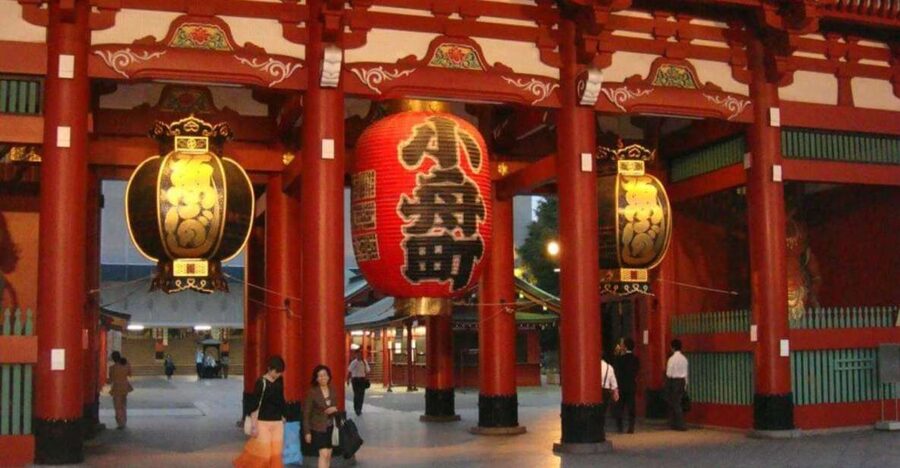
- Three hours in historic Asakusa: The walk begins at 11:00 AM and ends around 2:00 PM, with food stops along the way.
- A meal plus several tastings: Your booking includes multiple dishes, one drink, dessert, and the much-loved melon pan.
- Small English-speaking group: The maximum group size is 10, giving you more time to ask questions and stay connected with the guide.
- A good family pace: The tour mixes snacks, stories, side streets, shops, and a sit-down lunch rather than relying on a long formal lecture.
- Strict meeting-time rule: Your guide can wait only five extra minutes, and cannot provide directions or phone help once the group leaves.
- High price for a short experience: The food and guide make the cost easier to understand, but the value depends on how much you care about local context and convenience.
Starting at the Asakusa Culture and Tourism Center
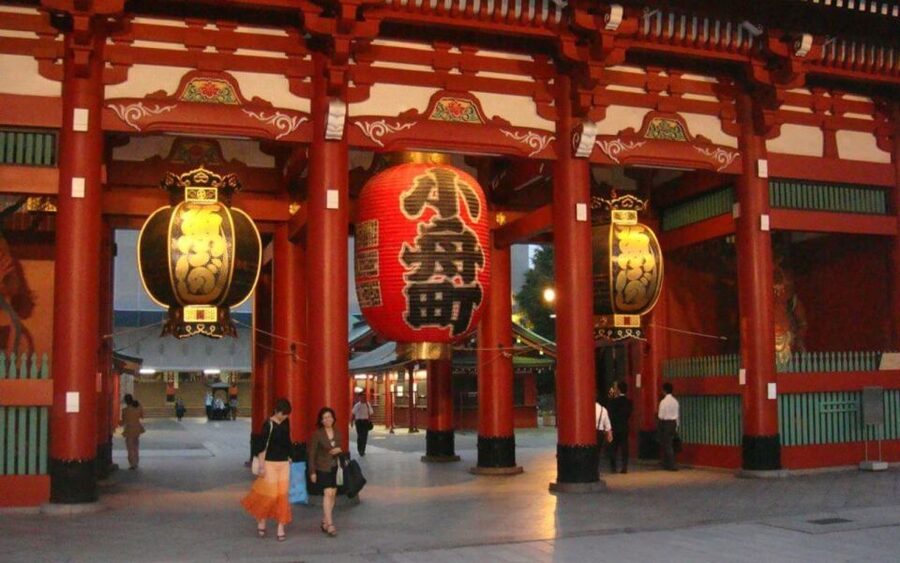
Your meeting point is directly in front of the Asakusa Culture and Tourism Center, written in Japanese as 浅草文化観光センター. Your English-speaking guide will hold a sign, making the spot fairly clear once you arrive.
The important word here is on time. The tour starts at 11:00 AM, and the guide can wait only five additional minutes. After that, the group leaves, and the guide cannot call you or explain where to catch up. In a district with busy streets and plenty of distractions, I would arrive early rather than try to cut it close.
This location also gives you a useful first look at Asakusa. The district is one of Tokyo’s classic sightseeing areas, but it is not only a temple stop. It is an old shitamachi, or downtown neighborhood, with a strong connection to working-class Tokyo, traditional entertainment, small food businesses, and everyday local life.
Because hotel pickup is not included, you must make your own way to the meeting point. Transportation costs are also separate. If you need pickup, it can be arranged for an additional charge, but that cost is not part of the $173 booking.
More Asakusa and Sensoji tours:
- Tokyo: Japanese Dance Cabaret Theater Asakusa-Kaguwa Ticket
★ 4.8 · 2,270 reviews - Tokyo: Meiji Shrine, Asakusa, Skytree Bus Tour and Cruise
★ 4.7 · 1,986 reviews - Tokyo: Roll and Authentic Sushi Making Class in Asakusa
★ 4.9 · 1,957 reviews
Walking through old Asakusa
The tour moves beyond the main guidebook sights and into side streets, local shops, and smaller corners of the district. You can expect a compact walking route rather than a broad tour of Tokyo. One negative assessment described the area covered as roughly a one-mile radius, which is worth keeping in mind if you expect a large-scale city tour.
That compact route is also part of the appeal. You are not spending the afternoon rushing between distant neighborhoods. Instead, the guide can connect the food in front of you with the street around you. As rickshaws pass and red lanterns sway above the lanes, the stories give the shops and buildings more meaning.
The setting reflects Asakusa’s connection to Japan’s samurai-era entertainment culture. You will hear how the district developed its character, while the guide points out details that are easy to miss when you are moving from Senso-ji to the next major sight on your own.
I especially like this format for families. Children may not want a long explanation about urban history, but they can follow a guide toward a snack, a bakery, or a colorful shop. Adults get context without having to spend three hours inside a museum.
Food stops that turn into a Japanese lunch
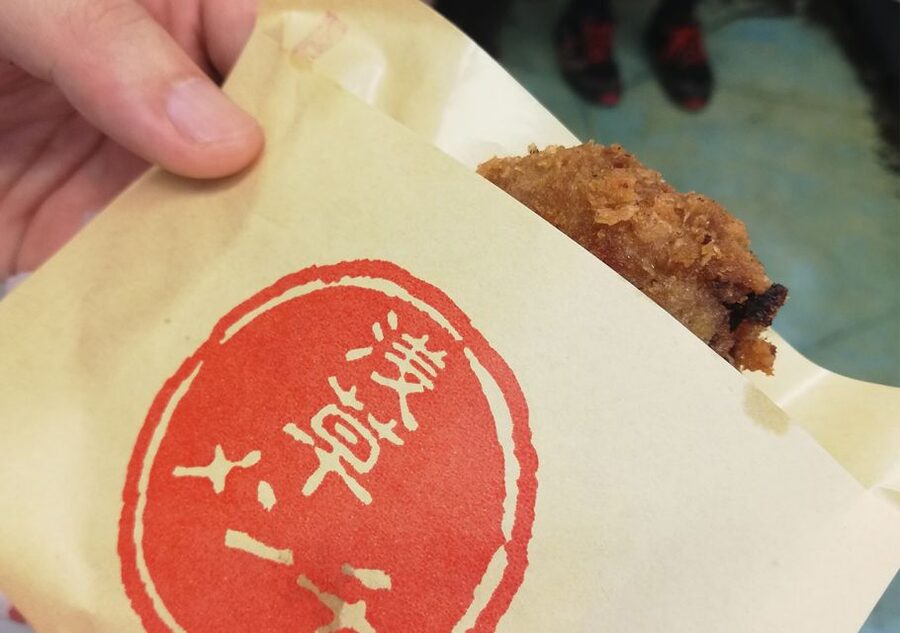
The food is the main reason to book this experience. Your ticket covers a variety of dishes at multiple stops, one drink, dessert, and a traditional lunch. The exact food lineup is not specified, so you should not book expecting a fixed menu of named dishes beyond the stated melon pan.
That flexibility can be useful in a district where food traditions come from many parts of Japan. The tour introduces regional flavors rather than focusing only on one Asakusa specialty. Your guide can explain what you are eating and why it matters, which makes a small portion more memorable than simply buying it from a counter.
The lunch is described as authentic and served at a place loved by local residents. At the same time, it is important to keep expectations sensible. One critical assessment found the meal pleasant but basic, the sort of lunch you could find elsewhere in Tokyo. That is a fair warning. You are paying for the full experience, not for a luxury restaurant meal.
The value comes from the combination: a sit-down meal, several small tastings, an included drink, dessert, and the guide’s help in choosing and understanding the food. If you already know Asakusa well and can comfortably order local dishes on your own, the price may feel high. If you want a simple introduction without planning every stop yourself, the package is easier to justify.
The melon pan stop
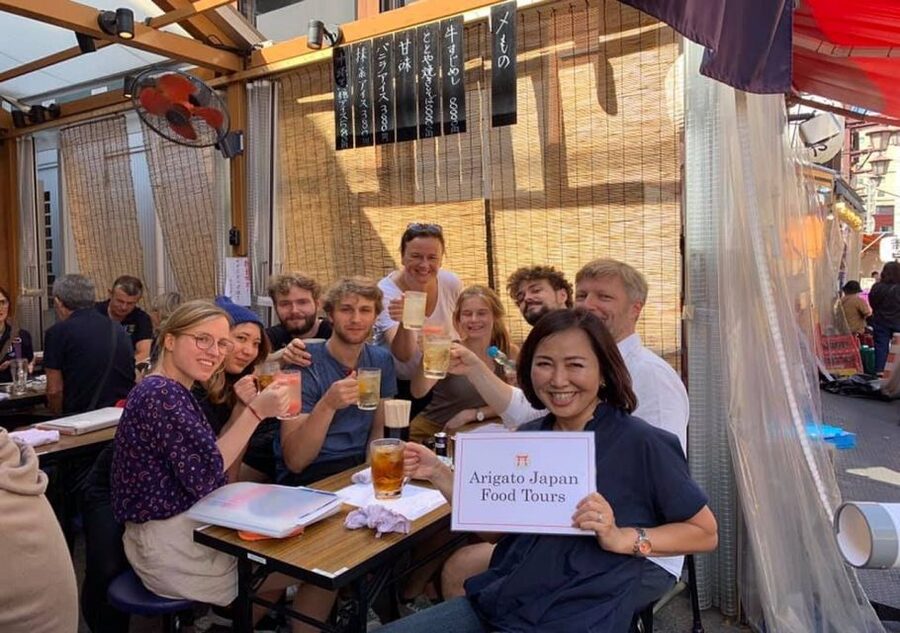
Melon pan is the most clearly named food highlight, and it is an easy crowd-pleaser. This Japanese sweet bread has a golden, crisp outer layer and a soft center. It is called melon pan because of its look, not because it normally tastes strongly of melon.
The tour presents it warm, which matters. A fresh pastry is best eaten soon after purchase, and the contrast between the crisp surface and tender middle is part of the fun. For children, it offers a familiar entry point into Japanese food. For adults, it is a small but useful example of how Japanese bakeries adapt simple European-style bread into something distinctly local.
You may see a line at the shop, since this is a popular treat. That can add a little waiting, though the tour’s small group should make the stop easier to manage than arriving with a large party on your own. If you have young children, this is also a good moment to keep the group together and avoid wandering off for photographs.
More Tokyo food tours:
- Tokyo: Shinjuku Food Tour (13 Dishes at 4 Local Eateries)
★ 5.0 · 6,603 reviews - Tokyo: Shinjuku Food Tour (15 Dishes and 4 Eateries)
★ 4.9 · 2,033 reviews - Best of Shinjuku: Izakaya Food Tour (4 Stops, 14+ Tastings)
★ 5.0 · 1,863 reviews - Tokyo Night Foodie Tour in Shinjuku – Seasonal Sushi, Wagyu Beef
★ 5.0 · 1,161 reviews
Stories, shops, and the value of a local guide
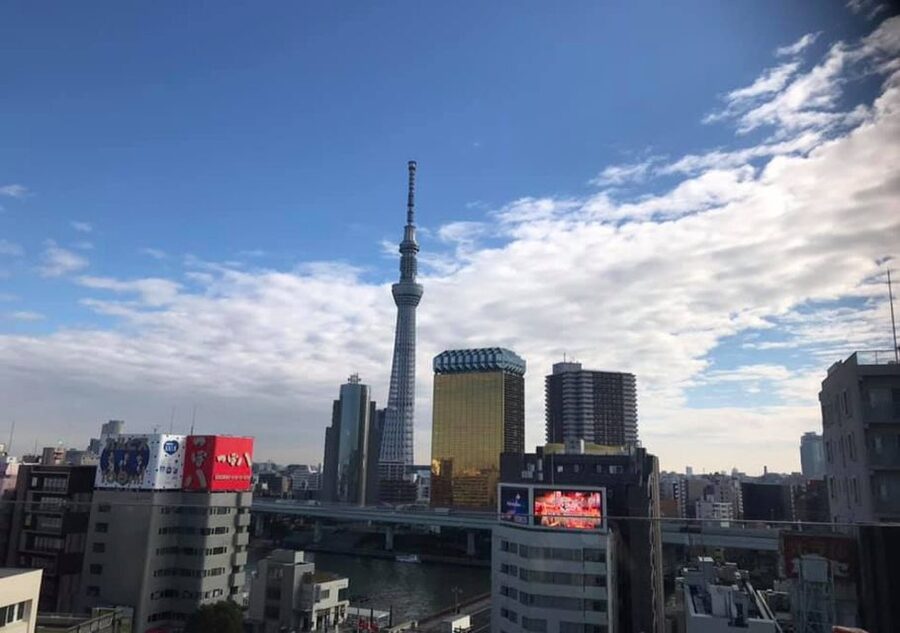
Food tours are often sold as eating experiences, but the guide can make the difference between a snack crawl and a useful introduction to a city. Here, the guide explains Asakusa while you walk, answers questions, and helps you notice how the district works.
Michael has been praised for handling questions and sharing interesting information about Japan. Daisuke was noted for making a real effort to include everyone and keep the group comfortable. Motoko was described as fun and informative. Those names do not guarantee which guide you will receive, but they show the type of personal service the tour aims to provide.
I would book this more for the guide-led interpretation than for the quantity of food alone. A local guide can explain why a side street matters, how a particular snack fits into Japanese eating habits, or why Asakusa feels different from newer parts of Tokyo. You can buy food without that background, but you cannot easily reproduce the same conversation while navigating a family group.
The group limit of 10 is helpful here. It is large enough to keep the tour social but small enough for the guide to notice if someone needs a slower explanation or has a question. The format has also received strong praise for patience and kindness, which matters when ages and energy levels vary.
Is $173 per person fair?
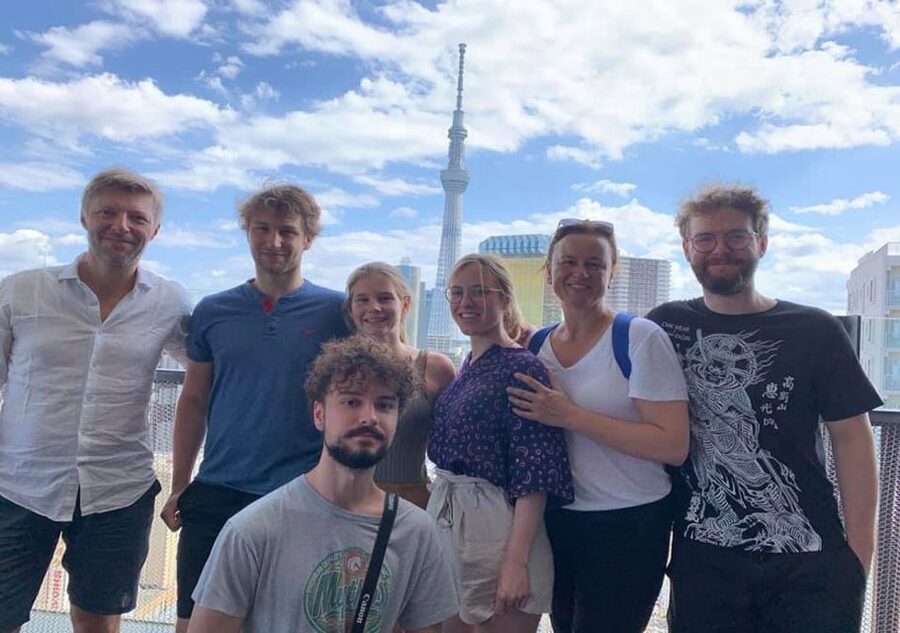
This is the question to settle before booking. At $173 per person, the tour is not a bargain food walk. A family of five would pay $865 before gratuities, extra drinks, transport, or any additional food. For a couple, the total is easier to absorb, but it remains a premium price for three hours.
The included items help. You receive food at several stops, lunch, one drink, dessert, and an English-speaking guide. You also avoid the work of finding suitable places, translating menus, estimating portions, and deciding what to try with children in tow.
Still, the tour covers a relatively compact part of Asakusa, and the lunch is not presented as an elaborate restaurant experience. One family found the cost far higher than other full-day activities, including a Mount Fuji outing with lunch. That comparison is useful: this tour sells access, explanation, and convenience, not a full day of sightseeing or a large amount of food.
I would see the price as reasonable only if at least one of these points matters to you:
- You want a private-feeling small group rather than a large bus tour.
- You value an English-speaking guide who can answer questions as you walk.
- You are traveling with children and want a ready-made route with food built in.
- You prefer sampling several small items instead of choosing one restaurant.
- You have limited time in Tokyo and want a guided introduction to Asakusa.
If you mainly want lunch and a pastry, save your money and explore independently. Asakusa has plenty of food, and the main streets are easy to reach. The tour earns its price through structure and interpretation, not through luxury.
Who will enjoy this three-hour walk?
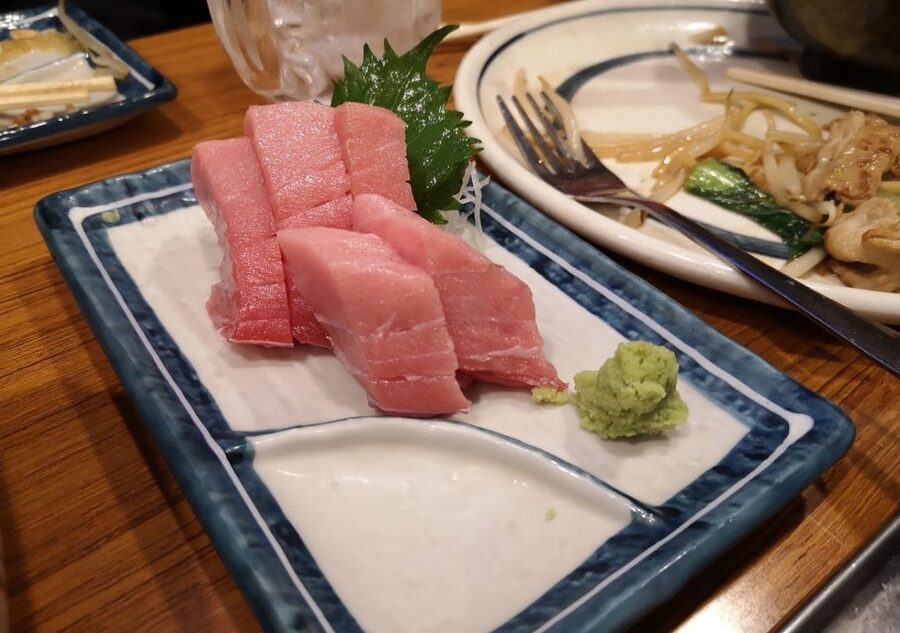
Families are the clearest match. The tour includes snacks, a proper lunch, dessert, and stories, so the experience keeps changing before younger participants lose interest. It also works for couples and friends who prefer food and neighborhood details to a formal sightseeing lecture.
Grandparents may appreciate the compact route and scheduled meal, though the experience is still a walking tour. The supplied details do not state the distance, accessibility arrangements, seating at every stop, or suitability for mobility devices, so you should ask the provider before booking if those points matter to your group.
Food allergies and dietary requirements must be shared with the tour supplier in advance. Do not assume every stop can accommodate a last-minute request. The food lineup is varied, but the available information does not promise vegetarian, vegan, halal, gluten-free, or other specific menus.
A minimum of two people is required per booking. That rule makes this less suitable for a solo visitor unless you can join another booking or arrange the required number of participants.
Simple planning details that matter
The tour runs daily, starts at 11:00 AM, and finishes at approximately 2:00 PM. That timing makes it a useful first major activity in Asakusa, leaving the rest of the afternoon for Senso-ji, shopping, or another Tokyo neighborhood.
Only one drink is included. You can buy more food or drinks during the tour, but those purchases are at your own expense. Gratuity is also not included.
Every participant aged 10 and over must provide a copy of passport information. Have that ready when booking, rather than discovering the requirement at the last minute.
Cancellation is free up to 24 hours before the start time for a full refund. You can also reserve now and pay later, which gives you some flexibility while planning a Tokyo schedule.
Should you book the Asakusa food tour?
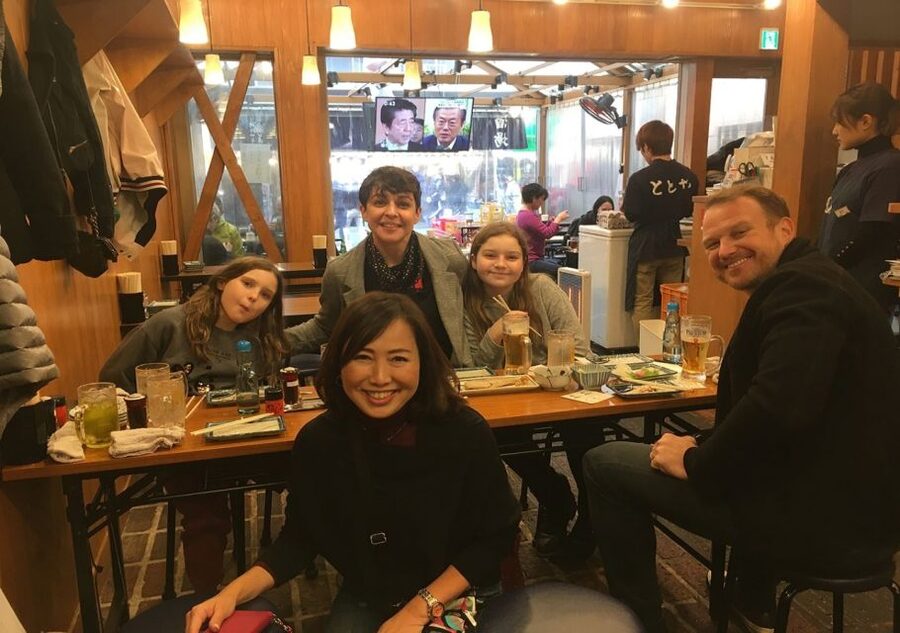
Book it if you want a guided, family-friendly introduction to Asakusa and are comfortable paying for convenience. The small group, included food, warm melon pan, traditional lunch, and guides such as Michael, Daisuke, and Motoko create a friendly three-hour window into the district.
Skip it if your main goal is the cheapest possible meal or the largest possible sightseeing day. At $173 per person, the cost is high for a compact walk, and the lunch is likely to feel basic if you judge the tour only by its food bill.
My practical advice is to treat this as a cultural food orientation, not an all-day excursion and not a luxury dining event. For a first visit to Tokyo with children, that can be exactly the right role. For confident independent eaters, Asakusa is easy to explore on your own.
FAQ
Where does the Asakusa food tour meet?
It meets in front of the Asakusa Culture and Tourism Center, also shown as 浅草文化観光センター. The guide will hold a sign.
What time does the tour start and finish?
The tour starts at 11:00 AM and finishes at approximately 2:00 PM.
How long is the experience?
The tour lasts three hours.
How many people can join the group?
The group is limited to 10 participants.
Is food included?
Yes. The booking includes a variety of dishes at multiple food stops, a traditional lunch, one drink, and dessert. Additional food and drinks cost extra.
Can I request food for allergies or dietary requirements?
You must inform the tour supplier about food allergies or dietary requirements before the tour.
Is hotel pickup included?
No. Hotel pickup is not included, though it can be arranged for an additional charge. Transportation costs are also separate.
Newly reviewed around Tokyo
- Yokohama Port: Private Customizable Tour with Transfer★ 5.0 · 19 reviews
- VIP Private Hostess Club Tokyo Night Life Karaoke with Girls★ 4.8 · 6 reviews
- Wagyu & Sake 8 Course Tasting Dinner in Shinjuku★ 4.9 · 20 reviews
- Walking Tour: Yanaka,Nezu& Sendagi: Tea Ceremony & Old Tokyo★ 5.0 · 3 reviews
- Hidden Gem Food & Drink Night Tour near Roppongi★ 5.0 · 4 reviews
- Unlimited Sake Tasting with Sushi Omakase tasting in Tokyo★ 4.0 · 44 reviews
- From Ocean to Chopsticks Tsukiji Market Food Tour By Local Expert★ 5.0 · 7 reviews
- Tsukiji Fish Market Street Food & Culture Walking Tour★ 5.0 · 8 reviews
Tokyo Food Tours, compared.
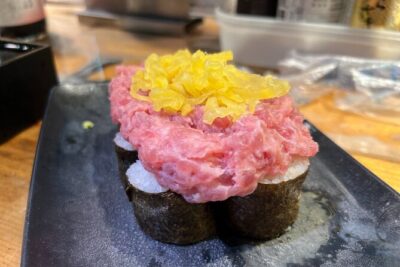
Shinjuku Food Tour (13 Dishes at 4 Local Eateries)
Read our review →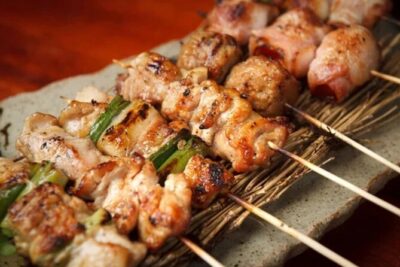
Shinjuku Food Tour (15 Dishes and 4 Eateries)
Read our review →
Best of Shinjuku: Izakaya Food Tour (4 Stops, 14+ Tastings)
Read our review →
Tokyo Night Foodie Tour in Shinjuku – Seasonal Sushi, Wagyu Beef
Read our review →
Eat and Drink Like a Local: Tokyo Ueno Food Tour-Taverns&Ramen
Read our review →
Tsukiji Fish Market: Street Food & Culture Walking Tour
Read our review →
Browse the lists this tour appears in