Reviewed · FULL-DAY
From Tokyo to Kyoto and Nara: A Captivating Full-Day Private Tour
The remarkable part of this tour is the distance it covers in a single day. You leave Tokyo, ride Japan’s famous bullet train, see Nara’s deer and great Buddha, then continue through Kyoto’s temples, old streets, and red torii gates before returning. It is a very full day, but it gives you a real taste of two historic cities when your schedule leaves no room for an overnight stay.
I like the private guide and the chance to adjust the plan around your interests. Guides including Ahmed Abu Tayeh, Yuka, Moto, Yuji Hino, Kento, and Midori have helped families, first-time visitors, and business travelers make sense of Japan’s history and customs. I also like that the train arrangements are handled for you. The drawback is clear: the advertised price is not the final cost, since train tickets, local transportation, Tokyo pickup, lunch, and temple admissions are extra.
Key points to know before booking
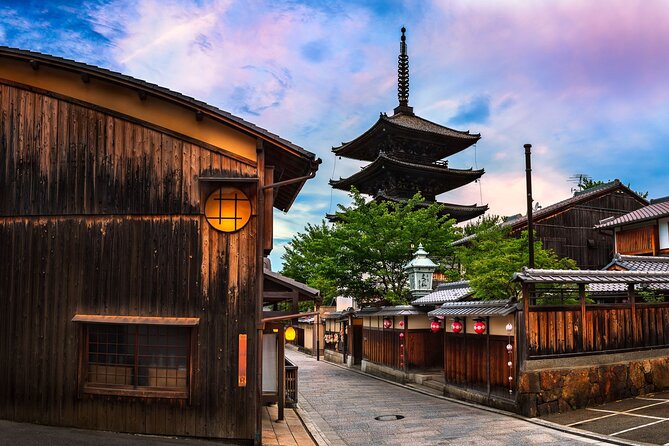
- Two major cultural cities in one day: Visit Nara and Kyoto without changing hotels or planning an overnight trip.
- A private guide for your group: Only your party takes part, with room to request changes to the route.
- Bullet train planning is handled: The operator arranges the train booking, but the ticket price is separate.
- The schedule is intense: Six sightseeing stops are planned across about 10 hours, so expect plenty of walking and limited time at each place.
- Guides add useful context: Yuji Hino has explained temple symbolism and construction details, while Ahmed has been praised for history, photographs, and flexible help.
- Extra costs matter: A listed round-trip bullet train estimate is ¥28,000 per person, with other charges for transport, pickup, meals, and admissions.
Why this day trip works for a short Japan visit
Kyoto and Nara deserve several days each. That is the honest starting point. Still, many people see Japan during a business trip, a long layover, or a tightly planned holiday. For you, this tour offers a practical way to see major sights without spending hours comparing train websites or working out connections in an unfamiliar system.
The day begins with the long ride from Tokyo toward Kyoto. The tour provider arranges the bullet train booking and your guide meets you at the arrival station, allowing you to begin sightseeing without handling the whole process alone. You still pay for the tickets, and you should confirm the exact meeting details and train times before departure.
The route covers Nara first, then Kyoto. That means you get a gentle start with open parkland and deer before moving into temple grounds, city streets, and shrine paths. By the end, though, you may feel that Japan has given you a full day’s worth of scenery in one sitting.
The private format is the biggest practical advantage. Your guide can adjust the pace, explain customs as you go, and help if a train delay changes the schedule. One family found that flexibility useful with a five-year-old child, while another group had its route adjusted after a delayed train. That kind of personal help matters much more on a day this tightly timed than it would on a slow city walk.
More full-day trips in Tokyo:
- From Tokyo: Mount Fuji Full-Day Sightseeing Trip
★ 4.5 · 4,970 reviews - Mount Fuji Full-Day Private Tour from Tokyo (Customizable)
★ 4.9 · 1,470 reviews - Tokyo Private Full-Day Tour by Car or Van
★ 5.0 · 684 reviews
Nara Park and the deer
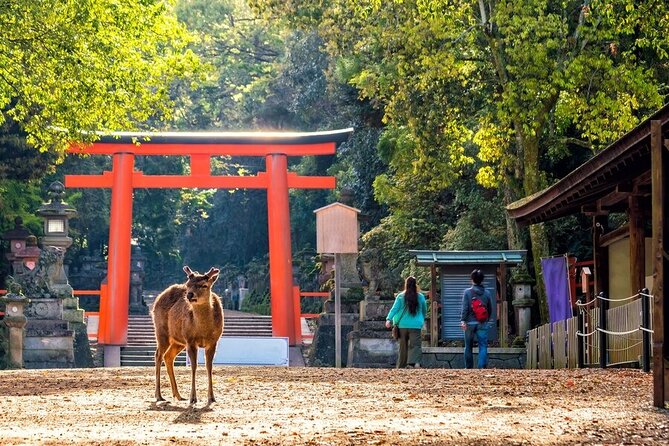
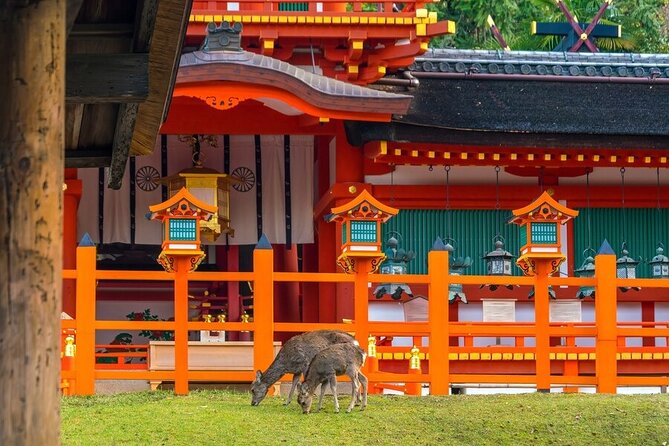
Nara Park gives you the most relaxed hour of the day. Deer roam freely through the park, and you can walk among them in a setting that feels very different from central Tokyo. The greenery and open space make this a welcome change after the train ride.
The deer are one of Nara’s great draws, but treat them with care. One practical warning from the tour feedback is especially useful: if you plan to feed them, watch your hands and belongings closely. The deer can be eager when food is available, so keep your attention on them rather than trying to manage a phone, camera, and snack at the same time.
You receive about one hour here. That is enough for a walk, photographs, and a look at the deer, but not enough for a slow wander across every corner of the park. Your guide can help you use the time well and explain how the animals fit into Nara’s religious and cultural setting.
This stop suits families particularly well. Children have an immediate point of interest, and the park gives everyone a little room to move after sitting on the train. It is also an easy introduction to Nara before the more serious scale of Todaiji Temple.
Todaiji Temple and the Great Buddha
Todaiji is the main reason the trip to Nara is worth the extra distance. Its Great Buddha Hall houses one of the world’s largest bronze Buddha statues, and the scale of the building gives this part of the day real weight. Even a short visit can leave a strong impression.
The temple is not simply a large hall with a famous statue. There are layers of symbolism in the grounds, and an English-speaking guide can point out details that are easy to miss. Yuji Hino, for example, has explained the origin of pathway stones and why they were arranged in a particular way. Small details like this help you see more than the headline attraction.
Allow about an hour for the Todaiji area, including the temple visit and nearby sights such as Kasuga Shrine when the schedule permits. The admission fee is not included. The stated charge for Todaiji and Kinkakuji together is ¥1,300 per person, so keep cash or another accepted payment method ready as directed by the operator.
The main limitation is time. Todaiji deserves a slow look, and you may want to study the Buddha Hall, grounds, and smaller details at your own pace. Here, the guide’s explanations are valuable, but you will need to accept that this is an introduction rather than a complete Nara visit.
Kinkakuji, Kyoto’s Golden Pavilion
Kinkakuji, commonly called the Golden Pavilion, is one of Kyoto’s most photographed sights. The building shines beside a pond, with the surrounding garden arranged to frame it from several angles. You follow a set route through the grounds rather than entering every part of the pavilion, so the pleasure comes from the view, the reflections, and the garden walk.
This is one of the stops where a guide helps you understand why the site matters instead of simply taking a photograph and moving on. The group has about an hour here, which gives you time for the principal views and a short walk through the grounds.
The admission fee is extra, along with the Todaiji entrance cost. Kinkakuji can feel crowded, especially at popular times, and the tight schedule leaves little room to wait for a perfectly empty photograph. I would approach it as a famous Kyoto symbol and a beautiful garden visit, not as a quiet retreat.
If your main interest is traditional architecture, the Golden Pavilion is an efficient choice. If you would rather spend more time in one neighborhood, ask about customizing the route before the day begins. The tour is private, but flexibility depends on the day’s timing and train schedule.
More private tours in Tokyo:
- Tokyo 6hr Private Tour with Government-Licensed Guide
★ 5.0 · 3,902 reviews - Private Tour to Mt. Fuji and Hakone (Fully Licenced Operator)
★ 5.0 · 1,910 reviews - Tokyo Customized Private Tour (Must See Places in 1 Day)
★ 5.0 · 1,499 reviews - Tokyo: Private City Highlights Tour with Local Guide
★ 4.8 · 1,433 reviews
Lunch below Kyoto Station
Lunch takes place at Porta Dining, the underground dining area below Kyoto Station. This is a sensible stop for a packed itinerary because it keeps you close to the station and offers a range of Japanese dishes without requiring a long detour.
Lunch is not included. Your guide can suggest a place and help you choose traditional food, which is useful when menus or ordering systems feel unfamiliar. One past group especially appreciated a guide’s lunch recommendation, but you should still allow time for the meal rather than treating it as a rushed snack.
The setting is practical rather than atmospheric. You are eating in a major station complex, not in a quiet old-town restaurant. That tradeoff makes sense here: the tour needs to protect the afternoon schedule, and Kyoto Station gives you many choices in one place.
Gion and the old streets of Kyoto
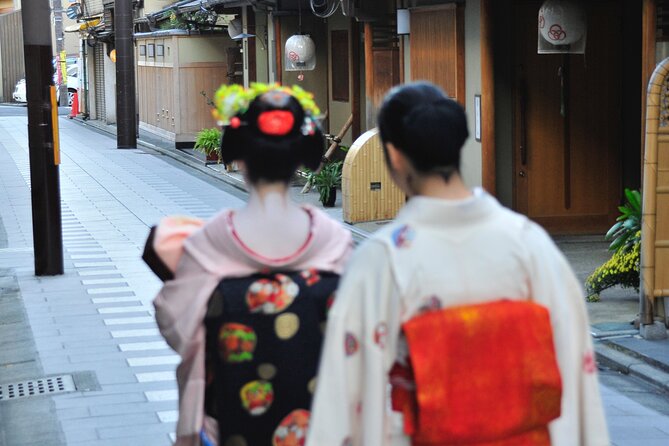
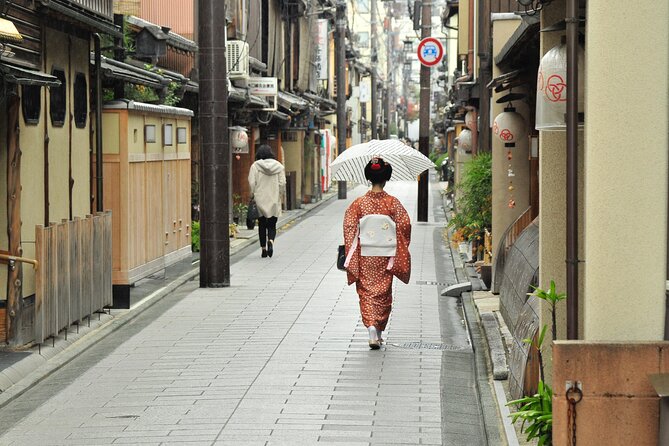
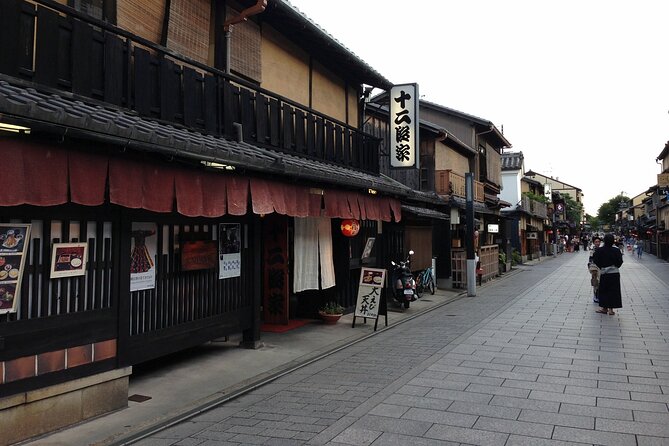
Gion offers a change of pace after the temples. The district is known for wooden machiya houses, traditional streets, and its connection with geisha culture. Your guide can explain the difference between the public image of Gion and the working neighborhoods you are actually seeing.
You have about an hour here. Use it for a measured walk and close attention to the architecture rather than expecting a long neighborhood exploration. The old wooden facades and narrow lanes reward slow looking, but the route may be busy and the district is not a stage set for photographs.
A respectful approach matters. Keep voices low, do not block entrances, and do not photograph people without permission. The tour’s private format helps because you can ask questions as you walk instead of following a large group with little chance to stop.
Gion is also one of the stops most likely to reveal the contrast between Kyoto’s old traditions and its modern daily life. You may find the hour here more atmospheric than the formal temple visits, especially if you enjoy streets and buildings as much as monuments.
Fushimi Inari and its red torii gates
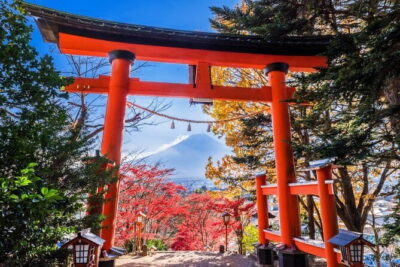
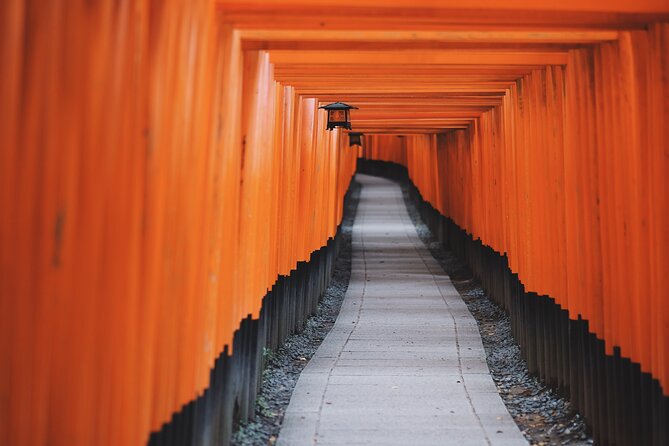
Fushimi Inari Taisha is the final major sight, known for thousands of red torii gates winding through wooded trails. The gates create a strong visual effect, but the shrine is more than a famous photo stop. It is a working religious site connected with Inari worship.
You receive roughly one hour, so you will not walk the full mountain route. That is important to understand before booking. You can see the lower shrine area and follow part of the torii path, but a complete climb would need much more time.
The shrine is free to enter, and the walk can be physically demanding in places. The tour requires a moderate fitness level, and the day already includes temple grounds, station transfers, and several hours of movement. Wear comfortable shoes and be ready for steps and uneven walking surfaces.
Fushimi Inari is a strong final stop because it leaves you with a memorable image of Kyoto. It also gives you a little freedom to walk at your own pace within the limited hour. Ask your guide how far the schedule allows you to go, especially if you want to prioritize the torii gates over the shrine buildings.
What the private guide adds
This is not a tour where the guide simply points toward a building and names it. The strongest part of the experience is the help with context, timing, and movement through unfamiliar places.
Ahmed Abu Tayeh has been particularly effective for people who wanted both historical explanation and practical help getting around. He has also taken photographs for groups and adjusted the day around their needs. Yuka has been praised for explaining Japanese history and culture across both Nara and Kyoto, while Moto has worked well with families and young children.
Yuji Hino’s explanations of temple details show the value of having someone who notices small things. Kento has provided English-language guidance and traveled with a clean private vehicle on one version of the experience, though you should confirm the exact transport arrangement for your booking. Midori has been described as warm, attentive, and helpful during a short family visit.
The guide names may not be confirmed until close to departure, so do not book solely because you expect one particular person. Instead, tell the operator what matters to you: temples, family pacing, food, photography, architecture, or historical explanation. The operator can then shape the day where possible.
The real price and what you receive
The base price is $490 per group of up to 10 people. That can be a reasonable starting price for a private guide and tour management, especially if you are sharing it among a larger group. It is not a complete price for the day.
The listed additional charges include:
- Bullet train tickets from Tokyo to Kyoto and back, estimated at ¥28,000 per person depending on ticket type
- Local transportation, listed as up to ¥100,000 in cash for groups of up to five, with the operator advising larger groups to confirm the amount
- Tokyo station pickup by the guide, listed at ¥60,000 in cash
- Lunch
- Entry to Todaiji and Kinkakuji, listed together at ¥1,300 per person
- Optional gratuity
Because these fees can change the total sharply, ask for a full cost estimate before you commit. For a group of two, the added transport and train costs may feel heavy. For a group of six to ten, the private arrangement can offer better value per person, provided everyone wants the same fast-paced day.
The tour includes guiding services, management, and transportation arrangement. It does not include the actual transportation costs. That distinction is easy to miss, so build the extra charges into your budget from the start.
Who should book this tour?
I would choose this tour if you have only one free day, want Kyoto and Nara rather than Tokyo alone, and prefer personal help with Japan’s rail system. It is also a good match for families, first-time visitors, and people traveling on business who want the day planned from arrival through return.
The format suits you if you value explanation over independence. An English-speaking guide can help with cultural details that may not be clear from signs, and the private setting lets you ask direct questions. It is also useful if you want the route adjusted around children, food preferences, or a particular interest.
I would not choose it if you want a slow Kyoto visit. Six one-hour stops plus long-distance train travel means you will see highlights, not settle into one city. If your priority is Arashiyama’s bamboo forest, note that one tour variation included it, but the stated route here lists Kinkakuji, Gion, and Fushimi Inari instead. Confirm your preferred stops in advance.
The tour requires moderate physical fitness and good weather. Free cancellation is available up to 24 hours before the start time. Within 24 hours, changes are not accepted and the payment is not refunded. If poor weather causes the operator to cancel, you are offered another date or a full refund.
Should you book it?
Book it if the alternative is missing Kyoto and Nara altogether. The bullet train makes the long day possible, and the guide turns a complicated route into something manageable. You will see deer, the Great Buddha, the Golden Pavilion, Gion, and Fushimi Inari, with enough cultural explanation to make the stops more meaningful.
Before paying, request the complete transport and train estimate, confirm where you will meet the guide, and state your must-see sights. If you accept the brisk pace and the extra costs, this is an efficient, personal way to sample two of Japan’s most important cultural cities from Tokyo.
FAQ
How long does the tour last?
The tour lasts approximately 10 hours.
Is the tour private?
Yes. Only your group participates, and the booking is for up to 10 people.
Are bullet train tickets included?
No. The operator arranges the bullet train booking, but the ticket cost is separate. The listed estimate for travel from Tokyo to Kyoto and back is ¥28,000 per person, depending on the ticket type.
What places are included?
The planned stops are Nara Park, Todaiji Temple and the surrounding cultural area, Kinkakuji Temple, Kyoto Station and Porta Dining, Gion, and Fushimi Inari Taisha Shrine.
Is lunch included?
No. Lunch is not included. The planned lunch break is at Porta Dining beneath Kyoto Station.
Are temple entrance fees included?
No. Entry to Todaiji and Kinkakuji is extra. The listed combined cost is ¥1,300 per person.
Is local transportation included?
The tour includes transportation arrangement, but transportation costs are not included. The listed cash charge is up to ¥100,000 for up to five travelers, and larger groups should confirm the amount with the operator.
What level of fitness is needed?
A moderate fitness level is recommended. Expect walking through parks, temple grounds, shrine areas, and the torii-gate paths at Fushimi Inari.
Can I cancel for a refund?
You can cancel at least 24 hours before the start time for a full refund. Cancellations or changes made within 24 hours are not refunded or accepted. If poor weather causes the operator to cancel, you are offered a different date or a full refund.
Newly reviewed around Tokyo
- Tokyo Asakusa:Calligraphy & Make T-shirt Activity★ 5.0 · 62 reviews
- Intercity Shuttle, Tokyo to Haneda /Narita /Yokohama /Makuhari★ 5.0 · 5 reviews
- 1 Hour Travel around Tokyo with a Professional Photographer★ 5.0 · 3 reviews
- Travel Tokyo with Your Own Personal Photographer★ 5.0 · 43 reviews
- Shuttle Van 6hr Tokyo Tour to-and-from Tokyo, Yokohama and Narita★ 5.0 · 9 reviews
- Kickboxing & Body Training with EX-Pro Fighter★ 5.0 · 4 reviews
- Train in Samurai Swordsmanship and Defeat the Demon in Tokyo★ 5.0 · 5 reviews
- Traditional Japanese Knife Sharpening Class★ 5.0 · 18 reviews
Full-Day, compared.
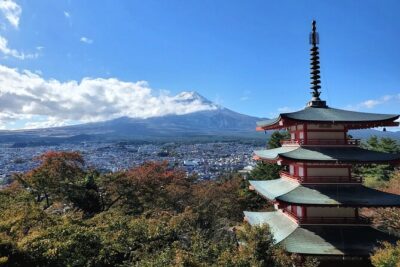
Mount Fuji Full-Day Private Tour from Tokyo (Customizable)
Read our review →
Mt. Fuji, Hakone Full-Day Private Tour with English Driver Guide
Read our review →