
Reviewed · TOKYO WAGYU AND YAKINIKU DINING
Tokyo Wagyu Culinary Tour Cooking Culture and Tasting
Tokyo’s Wagyu culture becomes far more useful when you get to cook it yourself. This small class covers cut selection, seasoning, and heat control, then puts the tongs in your hands rather than leaving you with a passive tasting.
I like the practical focus and the chance to compare cuts such as sirloin and tenderloin. I also like the tiny group size, capped at six, which should give you room to ask questions and get help at the stove. The main drawback is the $920 price, which is high for a two-hour experience, so you should book only if the cooking lesson matters as much to you as the meal.
Key points about the Tokyo Wagyu cooking class
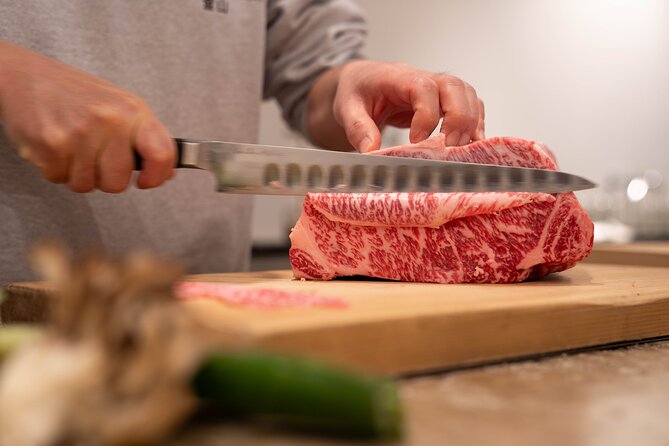
- Hands-on Wagyu cooking: You prepare different cuts with guidance from the chefs instead of simply watching a demonstration.
- Butchery included: You see how sirloin, tenderloin, and other cuts are prepared before they reach the pan.
- Small group limit: A maximum of six people allows for a more personal lesson.
- Tokyo meeting point: The class starts and ends at 3-chōme-25-17 Oshiage in Sumida City.
- Seasonal welcome drink: The experience begins with a beverage inspired by Japanese seasonal flavors.
- Dietary needs can be discussed: The provider asks you to share restrictions so accommodations can be arranged.
What the $920 Wagyu class is really selling
At $920, this is not a budget food tour or a quick steak tasting. The price needs to make sense as payment for a private-feeling lesson, a guided meal, several Wagyu cuts, drinks, and the chance to build skills you can use later.
The class lasts about two hours and accepts no more than six people. That small cap matters. A cooking class with a crowded counter can leave you watching someone else handle the best ingredients. Here, you should have a better chance to work directly with the beef and receive help with timing and heat.
Still, the price is a serious consideration. The available information does not say whether the $920 amount is charged per person or for the booking, so check the final price carefully before paying. If your main goal is simply to eat excellent beef, you may find a restaurant meal easier to justify. If you want an instructional experience tied to Japanese food culture, the value is stronger.
More Tokyo wagyu and yakiniku dinners:
- Tokyo Night Foodie Tour in Shinjuku – Seasonal Sushi, Wagyu Beef
★ 5.0 · 1,161 reviews - Tokyo: Wagyu and 7 Japanese Dishes Cooking Class
★ 4.9 · 273 reviews - Small-Group Wagyu Beef and 7 Japanese Dishes Tokyo Cooking Class
★ 5.0 · 190 reviews
Starting in Oshiage with a seasonal welcome drink
You meet at 3-chōme-25-17 Oshiage, Sumida City, Tokyo 131-0045. The class ends at the same point, so you do not need to arrange a separate return transfer or find your way to another neighborhood after the meal.
The first step is a welcome drink inspired by the flavors of the season in Japan. That small detail sets the tone. This is meant to be more than a plate of meat placed in front of you. You begin with a drink, then move into the ingredients, customs, and cooking choices behind the meal.
The meeting point is specific, but the supplied details do not explain the nearest station, the walking route, or the exact venue name. I would allow extra time to reach Oshiage and rely on the mobile ticket and booking confirmation for final directions.
Learning why Wagyu is treated differently
The opening lesson explains Wagyu’s origins, what makes it special, and how it is graded. That background is useful because the label can otherwise become a menu word that sounds impressive but tells you little about what you are about to eat.
You will learn how grading helps describe quality, then connect that information to the cuts on the table. The point is not only to memorize terms. It is to understand why one piece of beef suits a certain cooking method while another needs a different approach.
I appreciate this part because it gives the meal a clear structure. You are not told that all Wagyu should be cooked the same way. Instead, you begin to see the beef as a set of different cuts with different uses.
The class information does not specify the grades or breeds you will taste, so do not expect a fixed list of specific Wagyu varieties unless the provider confirms it. What is promised is an introduction to origins, grading, and the differences among the cuts used in the session.
Comparing sirloin, tenderloin, and other cuts
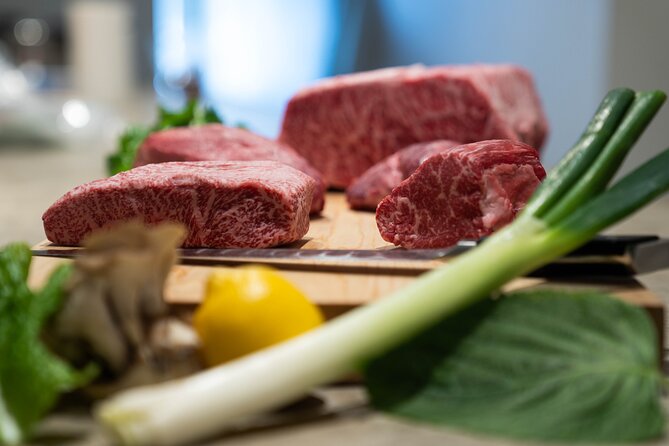
The next section presents several cuts, including sirloin and tenderloin. You learn what sets them apart and how their intended use affects cooking.
That comparison is one of the strongest reasons to choose this activity. At home, many people treat steak as one broad category. A lesson that asks you to compare cuts can sharpen your judgment about texture, cooking time, seasoning, and portion size.
The class also includes a butchery demonstration. You watch the preparation of the cuts before cooking begins, which gives you a better sense of how the pieces on your plate came to be. The demonstration is not described as a full butchery workshop, so you should expect to watch this stage rather than perform every part of it yourself.
For food-minded visitors, this is the most cultural part of the class. You are not only tasting a famous Japanese ingredient. You are seeing how careful preparation shapes the final dish.
More Tokyo food tours:
- Tokyo: Shinjuku Food Tour (13 Dishes at 4 Local Eateries)
★ 5.0 · 6,603 reviews - Tokyo: Shinjuku Food Tour (15 Dishes and 4 Eateries)
★ 4.9 · 2,033 reviews - Best of Shinjuku: Izakaya Food Tour (4 Stops, 14+ Tastings)
★ 5.0 · 1,863 reviews - Eat and Drink Like a Local: Tokyo Ueno Food Tour-Taverns&Ramen
★ 5.0 · 957 reviews
Cooking Wagyu with control instead of guesswork
The cooking demonstration focuses on seasoning, temperature control, and timing. These are basic steak skills, but they are also the details most likely to separate a tender, well-cooked piece from an expensive disappointment.
The chefs show you how to cook the cuts properly, then you try the process yourself. That order is sensible. You first see the technique, then repeat it with help nearby.
Heat control is especially practical. Wagyu can be costly to practice with at home, and you do not want to rely on guesswork when cooking it. The class gives you a chance to watch how the chefs handle the pan or cooking surface, then pay attention to timing as you prepare your own portions.
Seasoning is covered as well. The goal is not to bury the beef under a complicated recipe. You learn how to use seasoning in a way that suits the meat, then compare the result across different cuts.
The class information does not list the cooking equipment, exact temperatures, sauces, or recipes. That means you should think of this as a guided technique lesson, not a formal recipe course with a guaranteed printed menu.
Your turn at the cooking station
Once the demonstration ends, you cook different cuts yourself with assistance from the chefs. This is where the experience earns its place over a standard tasting.
You can pay attention to the feel and timing of each piece. You can also ask questions while the food is still on the heat, when an answer is far more useful than advice given after the meal is finished.
The group limit of six should help here. A larger class might make hands-on cooking feel rushed or uneven. With six or fewer people, there is a better chance that the chef can watch your technique and correct small mistakes before they affect the meal.
If you have dietary restrictions, tell the provider in advance. The experience says accommodations are possible, but it does not explain which substitutions can be made or how the menu changes. Early notice is the sensible move.
Tasting the finished cuts with paired drinks
After cooking, you taste the dishes you prepared. Beverages are served to complement the Wagyu, adding another layer to the meal rather than treating the beef as an isolated sample.
This tasting works best when you compare the cuts side by side. Think about the differences the class has just explained: how each piece cooks, how the seasoning works, and how the final texture changes.
The beverage pairings are part of the experience, but the available details do not identify the drinks. You are told that they complement the flavor of the Wagyu, not whether they are alcoholic, nonalcoholic, or both. If that matters to you, ask before booking.
The class also begins with a seasonal welcome drink, so beverages appear at more than one point in the session. That gives the meal a little more shape than a single cooking demonstration followed by a plate of food.
A practical link to Tokyo food culture
The final conversation connects Wagyu with Japanese culture and returns to the question of how to cook it at home. This closing section matters because it turns an expensive meal into something you can carry forward.
You leave with advice about selecting cuts, seasoning, managing heat, and timing the cooking. Those lessons apply beyond Wagyu. The same habits can improve the way you prepare other steaks at home.
The cultural discussion also keeps the experience from becoming a technical kitchen class with no sense of place. You are learning how food, care, presentation, and cooking practice connect in Tokyo. The details supplied do not promise a visit to a market, butcher, farm, or restaurant, so the cultural context comes through the class itself.
If you are already comfortable cooking steak, you may find parts of the lesson familiar. The value then rests more on the Wagyu comparison, the butchery demonstration, and the chance to cook several cuts with a local guide.
The role of the guide and group size
The guide is described as a local, and Mike is specifically associated with the experience. If Mike leads your session, you can also ask him for food and activity suggestions in Tokyo. That extra local advice was singled out as useful, especially for people who want help planning the rest of their stay.
Do not assume Mike will lead every date unless the provider confirms it. The safest expectation is a local guide or chef who explains the beef and supervises the cooking.
The six-person maximum is one of the clearest strengths. It should make the session more conversational and give you better access to the cooking guidance. It also makes the class a possible fit for a small family group, couple, or friends who want a shared activity, though the exact private-booking arrangements are not provided.
Who should book this Wagyu experience?
I would point this class toward three kinds of people.
First, it suits food lovers who want more than a restaurant meal. You get to see the cuts before cooking, learn how they differ, and prepare them yourself.
Second, it suits home cooks who want a better grasp of steak technique. The lessons on seasoning, temperature, and timing are simple enough to use later, even if you do not regularly buy Wagyu.
Third, it suits visitors who prefer a small, guided activity over a large group tour. The six-person limit gives the class a personal feel, at least on paper.
I would be more cautious if you are watching your budget, dislike hands-on cooking, or mainly want a long meal. Two hours is compact, and the class is built around instruction as much as eating. You should also confirm the dietary arrangements and beverage details before booking if those affect your decision.
The experience offers free cancellation up to 24 hours before the local start time. A cancellation within 24 hours is not refunded, and changes made inside that window are not accepted. That policy is fairly clear, but keep the cutoff in mind when setting your Tokyo schedule.
My verdict on the Oshiage Wagyu class
I like this experience because it treats Wagyu as a craft, not just a luxury food. You learn what the cuts are, watch how they are prepared, cook them yourself, and then taste the results with paired drinks.
The price is the hard part. At $920, you need to value the lesson, small group, local guidance, and practical take-home skills. If you only want to eat Wagyu, spend your money elsewhere. If you want a focused Tokyo food activity that teaches you how to handle premium beef, this class is a strong choice, provided the price fits your budget and you confirm what the fee covers.
FAQ
Where does the Tokyo Wagyu cooking class begin?
It begins at 3-chōme-25-17 Oshiage, Sumida City, Tokyo 131-0045, Japan.
Where does the experience end?
The activity ends back at the meeting point.
How long does the Wagyu class last?
The class lasts approximately two hours.
What is the listed price?
The listed price is $920. The supplied details do not specify whether this amount is per person or for the booking, so confirm the final charge when booking.
How many people can join?
The activity has a maximum of six travelers.
Is the experience mobile-ticketed?
Yes. A mobile ticket is available.
What Wagyu cuts will I learn about?
The class includes cuts such as sirloin and tenderloin, along with an explanation of their uses and differences.
Do I get to cook the Wagyu myself?
Yes. After the cooking demonstration, you prepare different cuts with help from the chefs.
Can dietary restrictions be accommodated?
Yes. You should tell the provider about your dietary restrictions so arrangements can be made.
What is the cancellation policy?
You can cancel at least 24 hours before the local start time for a full refund. Cancellations or changes made within 24 hours are not accepted for a refund.
More Tokyo cooking classes
- Ramen & Gyoza Cooking Class in Tokyo with Local Supermarket Visit
★ 5.0 · 823 reviews - Tokyo: Easy Ramen Cooking Experience in Kabukicho, Shinjuku
★ 4.6 · 321 reviews - Ramen and Sushi Cooking Class with Sake Pairing Set in Tokyo
★ 5.0 · 291 reviews - Tokyo Washoku 4-hour Cooking Class: From Market to Table
★ 5.0 · 253 reviews
Newly reviewed around Tokyo
- Tokyo Asakusa:Calligraphy & Make T-shirt Activity★ 5.0 · 62 reviews
- Intercity Shuttle, Tokyo to Haneda /Narita /Yokohama /Makuhari★ 5.0 · 5 reviews
- 1 Hour Travel around Tokyo with a Professional Photographer★ 5.0 · 3 reviews
- Travel Tokyo with Your Own Personal Photographer★ 5.0 · 43 reviews
- Kickboxing & Body Training with EX-Pro Fighter★ 5.0 · 4 reviews
- Train in Samurai Swordsmanship and Defeat the Demon in Tokyo★ 5.0 · 5 reviews
- Shuttle Van 6hr Tokyo Tour to-and-from Tokyo, Yokohama and Narita★ 5.0 · 9 reviews
- Traditional Japanese Knife Sharpening Class★ 5.0 · 18 reviews
Tokyo Wagyu and Yakiniku Dining, compared.
Tokyo Night Foodie Tour in Shinjuku – Seasonal Sushi, Wagyu Beef
Read our review →
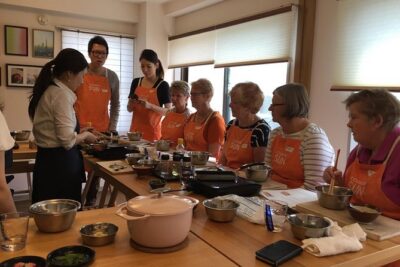
Small-Group Wagyu Beef and 7 Japanese Dishes Tokyo Cooking Class
Read our review →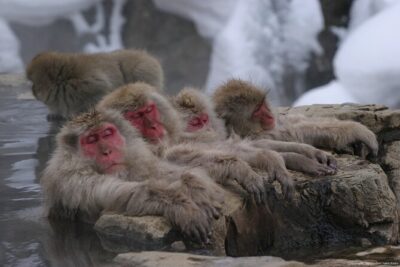
Nagano Snow Monkey 1 Day Tour with Beef Sukiyaki Lunch from Tokyo
Read our review →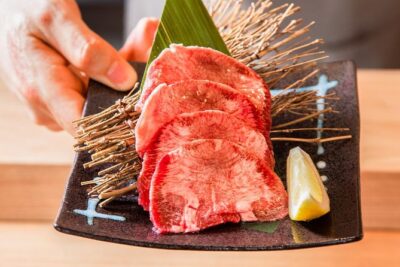
Wagyu & Sake Pairing in Shinjuku – Steak, Shabu-Shabu & More
Read our review →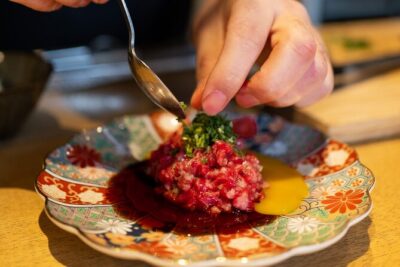
Tokyo Wagyu & Sake Pairing Tasting Experience with Local Flavors
Read our review →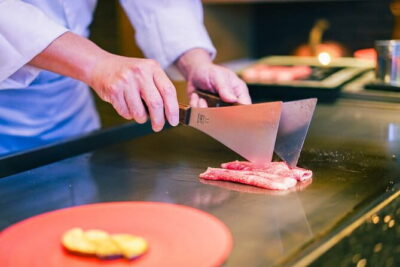
Wagyu Beef and Sake Pairing Foodie Tour in Tokyo
Read our review →
Browse the lists this tour appears in