
Reviewed · 1-DAY TOURS
Tokyo Original Shoes Making 1 Day Workshop / Ready made orders
The best part of this Tokyo workshop is simple: you leave with shoes that began as your idea, not a shop display. With Haruka guiding you, you choose the pattern, sole, size, material, and small details, then help assemble the pair at a private atelier in Jiyugaoka.
I like the wide material choice, from Japanese and Italian leather to antique kimono fabric, lace, tweed, fur, and PVC. I also like the personal teaching style. Haruka keeps the process clear and manageable, and past participants especially valued her patience and careful instructions.
The main point to consider is time. The activity is advertised at about six hours, but the actual making stage can take three to eight hours, depending on your pattern and design. If your Tokyo schedule is tight, a ready-made order may be the better fit.
Key details before you book
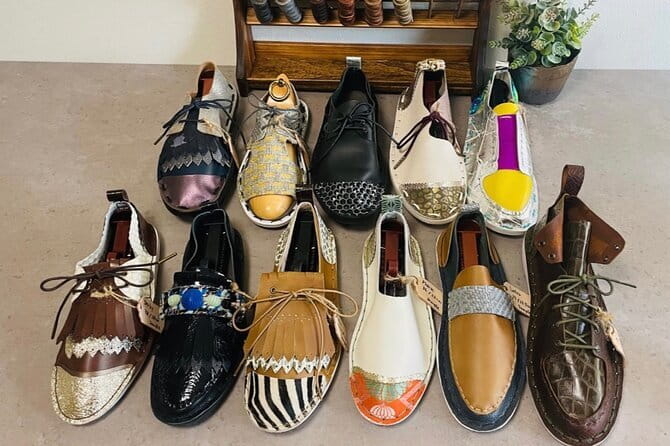
- Choose from several shoe patterns: Derby, Macalon, Plain, Open, Loafer, and high-cut or low-cut sneakers.
- Use distinctive Japanese materials: Options include antique kimono fabrics, Japanese leather, ribbon lace, tweed, and paint-decorated designs.
- Work privately with Haruka: This is for your own group, with direct help rather than a large class setting.
- Pick from three sole styles: Flat white is available in sizes 33 to 45, while platform soles come in white or black for sizes 35 to 40.
- Plan for a long creative session: The full process may take three to eight hours, and the advertised duration is about six hours.
- Ready-made orders are possible: You can complete the design process through material selection, then receive the finished shoes during your stay in Tokyo.
Why this Jiyugaoka workshop is different
Tokyo is an excellent place to buy shoes, but shopping usually gives you a finished product chosen by someone else. This workshop reverses that arrangement. You decide what the shoes should look like, and Haruka helps turn that idea into something wearable.
That makes this a good choice if you want more than a souvenir. You are not simply adding another purchased item to your suitcase. You are making a pair connected to your own choices, including the shape, material, color, and method of assembly.
The private format matters. Only your group takes part, so you can ask questions freely and work at a more personal pace. It also makes the workshop a sensible choice for pairs or small groups who want a shared activity without being folded into a large class.
The atelier is in Jiyugaoka, in Meguro City, with public transportation nearby. The exact start arrangement should be confirmed with Haruka after booking. The voucher provides the contact details and link for arranging your time.
More hands-on classes and workshops in Tokyo:
- Sushi Making Tokyo Roll and Authentic Japanese Sushi Class
★ 5.0 · 3,971 reviews - Tokyo: Roll and Authentic Sushi Making Class in Asakusa
★ 4.9 · 1,957 reviews - Tokyo Shinjuku Chopsticks Making Class
★ 5.0 · 1,763 reviews
Step 1: Picking the shape of your shoes
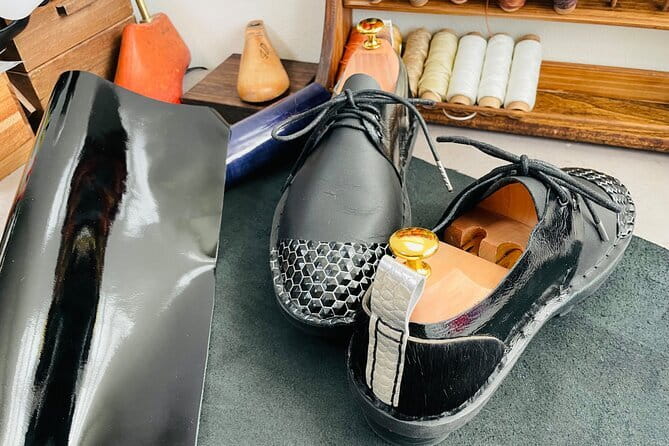
Your first major choice is the pattern. The available styles cover several moods, from traditional everyday shoes to casual sneakers:
- Derby
- Macalon
- Plain
- Open
- Loafer
- High-cut sneaker
- Low-cut sneaker
This first decision sets the direction for everything that follows. A Derby or loafer gives you a more classic base, while a sneaker offers a more casual result. The Open and Plain patterns may suit someone who wants a simpler outline that lets the material do the work.
You can also add shoe kilties for an extra ¥3,850. Since this is an optional fee, ask about the cost before you settle on the design. It is a small detail, but small details can change the look of a handmade pair.
I recommend thinking about how you will actually wear the shoes before you arrive. If you want an unusual piece for special occasions, bold fabric or paint may make sense. If you want a pair for regular use, a simpler pattern and hard-wearing material may give you more value.
Step 2: Selecting the sole and checking the size
There are three sole choices. The flat white sole is available in sizes 33 to 45. Platform soles come in white or black, but the platform options are limited to sizes 35 to 40.
That size range is important. If you need a size outside 35 to 40, the flat white sole is the option with the broadest stated range. Check your preferred style and sole together before getting too attached to a particular design.
The fitting stage follows the sole selection. Sizes 33 to 45 are available, and you will try to establish the right fit before choosing materials. This is one of the most useful parts of the process because handmade shoes still need to be wearable, not simply attractive.
Bring a little patience to the fitting. Your choices can affect how the finished shoe feels and looks, especially when you combine a particular pattern with a platform sole. The information provided does not promise a formal orthopedic fitting, so this is best viewed as a design workshop with size selection, not a medical footwear service.
Step 3: Choosing leather, fabric, and color
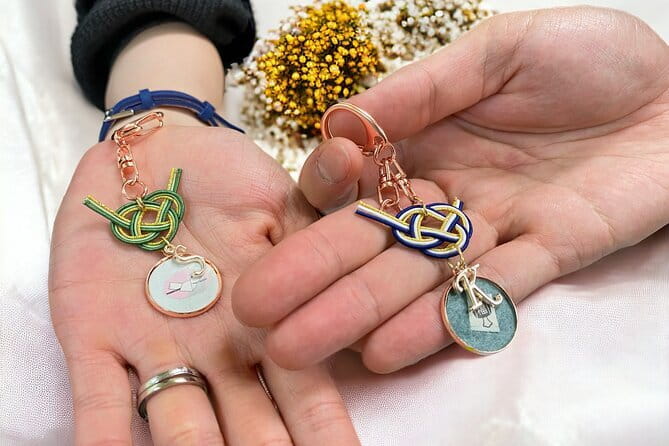
This is where the workshop becomes especially personal. You can choose from Japanese-made leather, Italian leather, fur, PVC, tweed, ribbon lace, and antique kimono fabrics.
The kimono fabric option gives the shoes a clear Japanese connection without relying on a standard printed souvenir. Antique fabric can also make each pair look different from the next. Leather offers a more traditional footwear finish, while lace, tweed, or PVC can push the design in a more playful direction.
You are not limited to one plain color. You can combine materials and add painted patterns of your own. If you already have an idea, sketch it before the workshop. If you do not, that is fine. Haruka helps narrow the choices so you are not left staring at a table of materials with no plan.
This guidance is one reason the experience suits beginners. You do not need to arrive with shoemaking skills. The process is broken into clear decisions, and the teaching style is patient and direct.
Still, choice can take time. Leather, fabric, sole, thread, paint, and lacing all affect the final appearance. If you are making shoes with a companion, agree on the broad style before the session so you can spend more time creating and less time wavering between options.
More 1 Day Tours in Tokyo:
- Mt Fuji and Hakone 1-Day Bus Tour Return by Bullet Train
★ 5.0 · 26,383 reviews - 1-Day Tokyo Bus Tour
★ 5.0 · 14,250 reviews - Mt Fuji & Hakone Cruise, Drum Show Bullet Train 1 Day from Tokyo
★ 4.0 · 7,413 reviews - Tokyo: DisneySea 1-Day Passport
★ 4.5 · 2,726 reviews
Step 4: Drawing and assembling your design
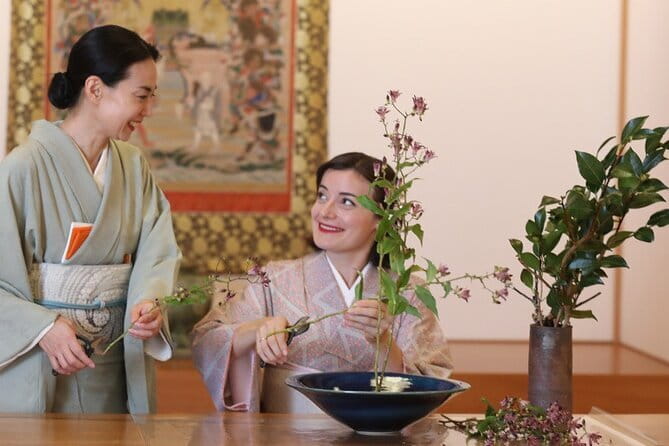
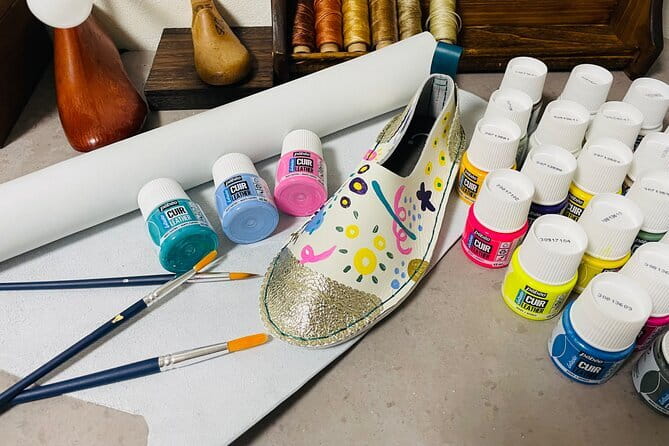
After choosing the main elements, you can draw your own patterns with paint. This is a chance to make the shoes personal rather than simply selecting from prepared materials.
The shoes are assembled with ropes or with needle and thread. That hands-on stage gives the workshop its strongest sense of craft. You are not only selecting fabric and waiting for a maker to finish the work. You take part in the construction process under instruction.
The actual finishing time depends on the pattern and design. The estimate is three to eight hours, which is a wide range. A fairly direct design may fit closer to the advertised six-hour session, while a more involved pair could take longer.
That range also explains why you should not book a major sightseeing plan immediately afterward. The listed opening hours run from 10:00 AM to 10:00 PM, Monday through Sunday, but you still need to arrange your start time with Haruka. An early start gives you more breathing room.
The workshop includes the materials and rental of tools, along with all fees and taxes listed for the activity. Optional additions, such as the shoe kilties, cost extra. Private transportation is not included.
When a ready-made order makes more sense
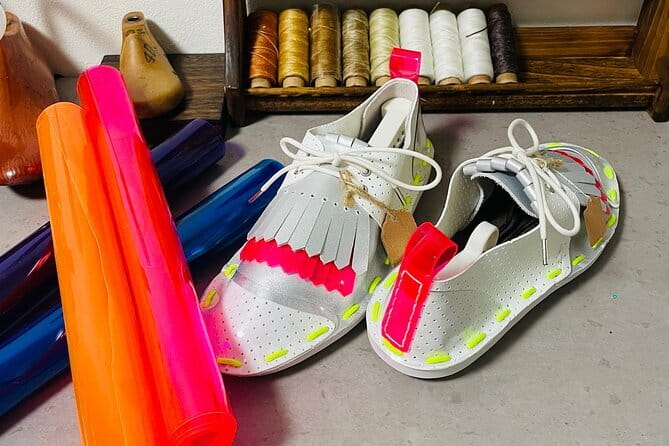
You do not have to complete the entire making process yourself. Haruka also accepts ready-made orders. The order process follows the first four steps, including the pattern, sole, fitting, size, and materials. She then makes the shoes and delivers them to you during your stay in Tokyo.
This option is useful if you like the idea of custom shoes but cannot spare a full day at the atelier. It also suits anyone who would rather focus on design than on the slower construction work.
You should still contact Haruka after booking to discuss availability, timing, and delivery. The supplied details do not specify a delivery charge or exact delivery arrangement, so confirm those points before choosing this option.
The order route may also be a better answer if you want a more complex design. Since the making stage can reach eight hours, handing the construction to a professional can keep the project within your holiday schedule.
What the teaching style adds
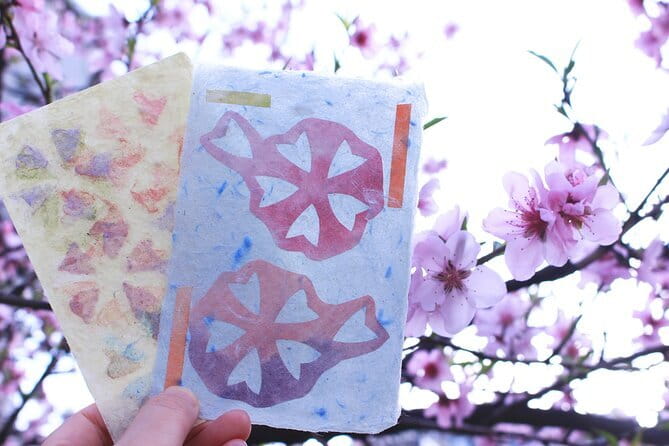
Haruka is the central part of this activity. The strongest feedback focuses on her patience, clear instructions, and steady help with decisions. One participant described being able to choose the shoe type, leather, and thread without feeling overwhelmed.
That matters because handmade footwear can look intimidating at first. There are many choices, and a poor order of decisions can make the process confusing. Here, you start with the pattern, then the sole and size, then the materials, before moving to assembly.
Haruka can also help turn a vague idea into a practical design. You might arrive knowing only that you want a colorful pair, a kimono detail, or a casual sneaker. The workshop gives that idea a set of steps.
Communication before the booking is important. Send a message after reserving so you can arrange the start time and check Haruka’s availability. If you plan to book for more than two people, contact her directly first.
The value of $164.22
At $164.22 per person, this is not a low-cost craft class. The price makes more sense when you consider what is included: a private session, materials, tool rental, instruction, and the chance to produce a wearable custom item.
The value is strongest if you genuinely want handmade shoes. A person who only wants a quick Tokyo activity may find the cost and time hard to justify. Someone who enjoys making things, collecting unusual clothing, or seeking a personal memento gets more from the fee.
The materials also affect the value. Japanese leather, Italian leather, antique kimono fabric, and other options would be difficult to source on your own during a short visit. You avoid hunting for supplies and receive direct help with the design.
There is also a practical warning. The price does not include private transportation or optional fees. The shoe kilties, if selected, add ¥3,850. Ask about any other extra costs before finalizing your design.
The activity is commonly booked about 10 days ahead, so do not leave it until the last morning of your trip. A little advance planning gives you time to arrange the start and make sure the finished shoes or order can be delivered during your stay.
Who should book this activity
I would recommend this workshop to you if you enjoy hands-on work and want a souvenir with a personal story. It is especially suited to people interested in fashion, leatherwork, Japanese textiles, and small-scale design.
It also works well for couples or friends. The private setting lets your group share the process, compare material choices, and build something distinct without a classroom full of strangers.
You should think twice if you dislike long creative sessions or need a fixed end time. The shoe-making stage can last as little as three hours or as long as eight, and the most involved designs may require patience.
Families and mixed-age groups may need to check the arrangement directly, since the activity information says most people can participate but does not give a specific minimum age. The same applies to anyone with special footwear needs. Size choices are listed, but no specialist fitting service is promised.
Practical planning for your Tokyo day
Start by arranging the time with Haruka after booking. The workshop begins and ends at the meeting point in Jiyugaoka, and the area is near public transportation. A station meeting may be arranged, but confirm the exact point through the contact details on your voucher.
Allow your schedule to remain flexible. The advertised duration is about six hours, while the actual construction estimate reaches eight hours. If you choose a ready-made order, confirm when and how the shoes will be delivered before you commit.
Free cancellation is available up to 24 hours before the local start time. Cancellations or changes made within 24 hours are not refunded or accepted, so avoid booking until your Tokyo plans are reasonably firm.
The workshop is offered Monday through Sunday from 10:00 AM to 10:00 PM during the stated operating period. Your exact start time still needs to be arranged rather than assumed.
Should you book Tokyo Original Shoes Making?
Book it if you want a personal, creative souvenir and can spare most of a day. Haruka’s patient teaching, the private format, and the unusual mix of leather, kimono fabric, lace, tweed, and paint make this far more meaningful than ordinary shopping.
Choose the ready-made order if your schedule is tight or you want the design without spending up to eight hours on construction. Skip it if you want a quick activity, a bargain, or a guaranteed fixed finish time.
For the right person, the value is not just the finished shoes. It is the chance to make a Tokyo purchase that carries your own decisions from first sketch to final stitch.
FAQ
Where does the shoe-making workshop take place?
The workshop starts and ends at a meeting point in Jiyugaoka, Meguro City, Tokyo 152-0035. It is near public transportation.
How long does the workshop take?
The advertised duration is about six hours. The assembly and finishing stage can take three to eight hours, depending on the pattern and design.
What shoe styles can I choose?
You can choose Derby, Macalon, Plain, Open, Loafer, high-cut sneaker, or low-cut sneaker patterns. Shoe kilties are available as an optional extra for ¥3,850.
What sizes and soles are available?
Sizes 33 to 45 are available. The flat white sole covers sizes 33 to 45, while white and black platform soles are available in sizes 35 to 40.
Can I order shoes without making them during the workshop?
Yes. Ready-made orders are accepted. You complete the process through material selection, and Haruka makes and delivers the shoes during your stay in Tokyo.
What does the price include, and what is the cancellation policy?
The price includes materials, rental of tools, and all listed fees and taxes. Private transportation and optional fees are not included. You can cancel for a full refund up to 24 hours before the local start time.
Newly reviewed around Tokyo
- Tokyo Asakusa:Calligraphy & Make T-shirt Activity★ 5.0 · 62 reviews
- Intercity Shuttle, Tokyo to Haneda /Narita /Yokohama /Makuhari★ 5.0 · 5 reviews
- 1 Hour Travel around Tokyo with a Professional Photographer★ 5.0 · 3 reviews
- Travel Tokyo with Your Own Personal Photographer★ 5.0 · 43 reviews
- Train in Samurai Swordsmanship and Defeat the Demon in Tokyo★ 5.0 · 5 reviews
- Shuttle Van 6hr Tokyo Tour to-and-from Tokyo, Yokohama and Narita★ 5.0 · 9 reviews
- Kickboxing & Body Training with EX-Pro Fighter★ 5.0 · 4 reviews
- Traditional Japanese Knife Sharpening Class★ 5.0 · 18 reviews
1-Day Tours, compared.

Mt Fuji and Hakone 1-Day Bus Tour Return by Bullet Train
Read our review →
Mt Fuji & Hakone Cruise, Drum Show Bullet Train 1 Day from Tokyo
Read our review →

Tokyo Customized Private Tour (Must See Places in 1 Day)
Read our review →
Tokyo Customized Private Tour: See Top Attractions in 1 Day
Read our review →
Mt Fuji & Hakone Cruise, Drum Show Bus 1 Day from Tokyo
Read our review →Browse the lists this tour appears in