
Reviewed · YANAKA OLD TOWN TOURS
Tokyo : Yanaka and Nezu-Old Traditional Town Cultural Experience
Yanaka and Nezu offer a welcome change from Tokyo’s neon districts and packed main sights. This small-group walk through old Tokyo takes you past shrine gates, temple gardens, wooden houses, a historic cemetery, and shops that still serve local residents.
I like the relaxed pace and the chance to learn everyday customs, especially how to pray at a shrine, write a wish, and use a fortune slip. I also like having guide Sui’s personal food recommendations at the end, when Yanaka Ginza becomes your informal menu.
The main drawback is that several stops are brief, and the advertised route has a small end-point inconsistency: the detailed program says it ends at Yanaka Ginza, while the meeting information says it returns to the starting point. Confirm this before booking.
Key points to know before you book
- A nine-person maximum keeps the walk personal: You should have a better chance to ask Sui questions and hear her explanations clearly.
- Nezu Shrine offers hands-on cultural guidance: You learn prayer etiquette, wish writing, and fortune telling rather than simply taking photos.
- Yanaka shows several eras of Tokyo: The walk passes buildings and neighborhoods linked to the Meiji, Taishō, and Showa periods.
- The walking pace is intentionally easy: The route allows time for temple grounds, old streets, and local recommendations instead of rushing between major sights.
- Yanaka Ginza is the practical finish: You can browse Japanese sweets, street food, and souvenirs after learning what to look for.
- The price is reasonable for a guided introduction: At $39.41 per person, the value depends mainly on how much you want cultural explanation rather than independent wandering.
Why Yanaka feels different from central Tokyo
Tokyo can seem almost entirely modern, but Yanaka, Nezu, and Sendagi preserve a quieter pattern of streets. Here, you pass small shops, old and new houses, religious buildings, and traces of several historical periods without leaving the city.
That makes this tour useful early in a Tokyo visit. You are not just ticking off a shrine or temple. You are learning how these places fit into a local neighborhood, and you can use Sui’s restaurant and shopping suggestions later in your trip.
The experience lasts about three and a half hours. That is long enough to give the area shape, but short enough to leave time for Ueno, Asakusa, or another Tokyo sight on the same day. The tour is capped at nine people, which matters on narrow streets and at busy shopping areas. A large group would make the quiet streets feel much less quiet.
You meet at Nippori Station, at 2 Chome-19 Nishinippori. The area is close to public transportation, though the supplied details do not specify a precise station exit or exact walking instructions. I would allow extra time to find the meeting point.
More old Tokyo walks around Yanaka:
- The Old Quarter of Tokyo – Yanaka Walking Tour
★ 4.5 · 590 reviews - Yanaka Walking Tour: Historic and Traditional District of Tokyo
★ 5.0 · 530 reviews - Tokyo: Old Quarter Yanaka Walking Tour
★ 4.8 · 406 reviews
Starting with torii gates at Nezu Shrine
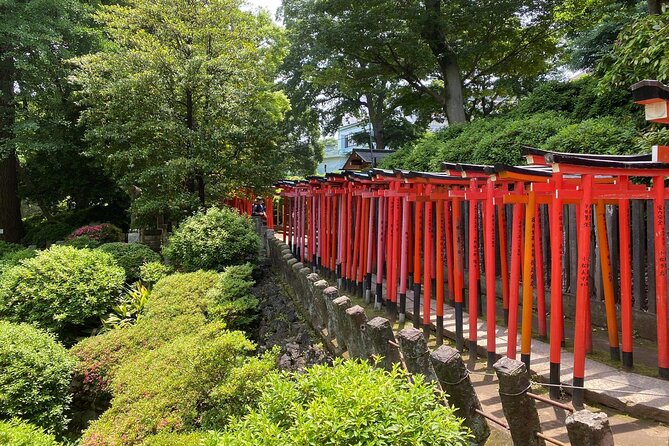
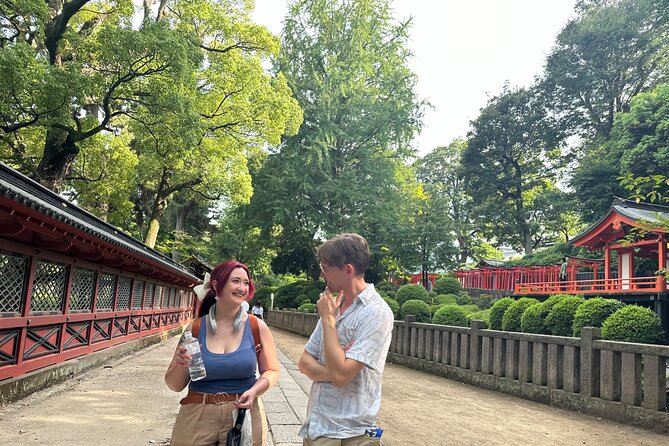
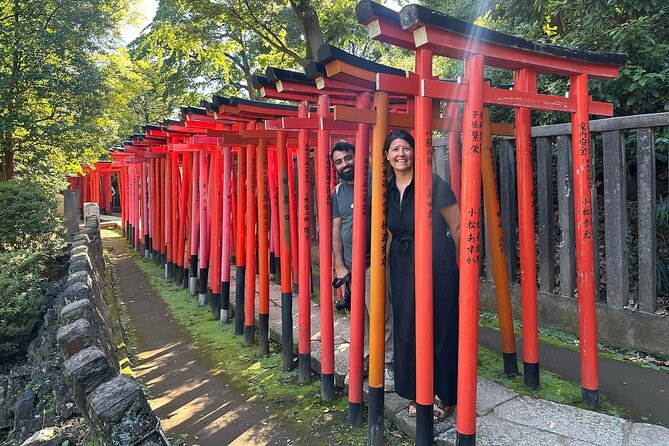
Nezu Shrine receives about 30 minutes, making it the first substantial stop. Its most photogenic feature is the pathway lined with torii gates, those bright shrine gates that create a tunnel-like walk through the grounds.
The guide does more than point out the gates. You learn about Japanese religious customs, including how to pray, how to write a wish, and how fortune telling works at the shrine. This practical instruction is one of the best reasons to choose a guided visit. Shrine etiquette can feel confusing when you are on your own, and a short explanation helps you participate respectfully.
Nezu Shrine is also a good place to ask questions about the difference between shrines and temples. The tour later visits both, so the route gives you a useful comparison rather than presenting every religious site as the same.
Thirty minutes is enough for an introduction and photographs, but not for a slow, detailed exploration of every corner. If Nezu Shrine becomes a personal favorite, you may want to return independently after the tour.
A brief pause at Tennoji Temple
The next stop, Tennoji Temple, is scheduled for only five minutes. This is a quick look rather than a full temple visit.
The temple is one of the older religious sites in Yanaka and is known for its large bronze seated Buddha. You also get a view of the surrounding garden, which provides a calm contrast to Tokyo’s usual speed.
The short timing is the clear limitation here. Five minutes leaves little room for lingering, detailed photography, or a long explanation. Still, the stop works as a compact introduction to the area’s Buddhist side. If you prefer a tour that gives every site equal time, this schedule may feel rushed. If you prefer seeing several different places in one outing, the brief visit keeps the route moving.
Walking through Yanaka’s older streets
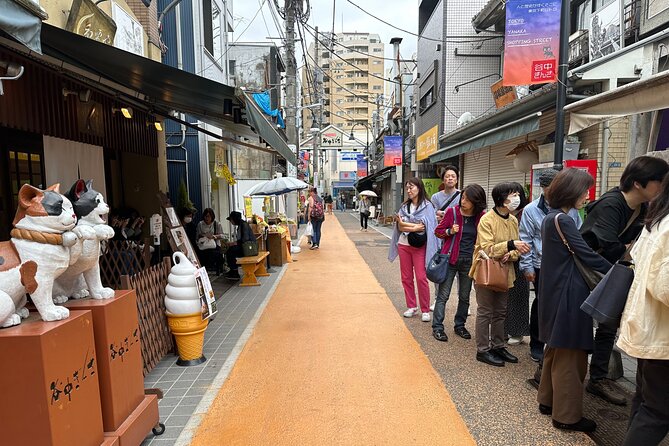
The Yanaka district receives about 50 minutes, the longest scheduled neighborhood stop. This is where the tour’s main idea comes into focus.
You pass remains of buildings from the Meiji, Taishō, and Showa periods. These names refer to different eras of modern Japanese history, and seeing their architectural traces together gives you a physical sense of Tokyo’s changing past. The route also includes small traditional shops passed down through generations.
I like this part because the focus shifts from famous monuments to ordinary streets. The value is in noticing how old houses, shops, religious sites, and newer buildings sit together. Your guide can explain what you are seeing as you walk, which is more useful than trying to identify each period from a guidebook later.
Sui is especially important here. Her English explanations and engaging manner are central to the experience, and her local recommendations can help you decide where to eat or explore after the walk. The pace is described as comfortable, with time to stop at the sites rather than hurry through them.
Do not expect a museum-style presentation or a long visit inside historic buildings. Much of Yanaka is experienced from the street. That is part of its appeal, but it also means the quality of the walk depends on your interest in small details, local life, and neighborhood history.
A completely different kind of day in Tokyo:
- Mt Fuji and Hakone 1-Day Bus Tour Return by Bullet Train
★ 5.0 · 26,383 reviews - 1-Day Tokyo Bus Tour
★ 5.0 · 14,250 reviews - Tokyo: teamLab Planets TOKYO Digital Art Museum Entry Ticket
★ 4.6 · 9,779 reviews - Mt Fuji & Hakone Cruise, Drum Show Bullet Train 1 Day from Tokyo
★ 4.0 · 7,413 reviews
A slower look at residential Nezu
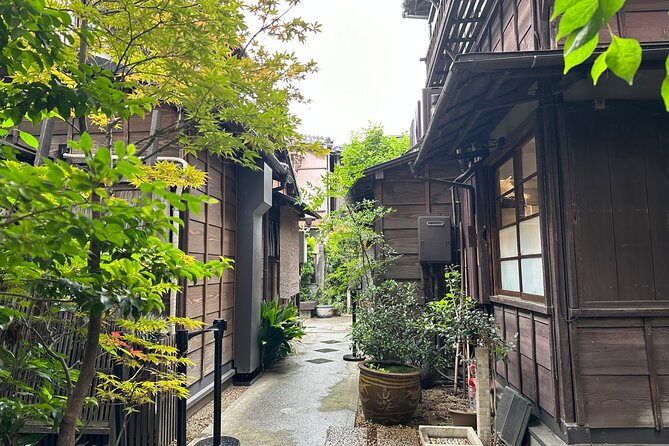
The route then spends about 30 minutes in Nezu, a local residential area. You see older and newer houses, small shops, and the details of a neighborhood that is still part of daily life.
This section is less about a single attraction and more about learning how Tokyo’s quieter districts work. A guide who knows the area can point out details you might otherwise pass without noticing. You also have a chance to ask about local customs, architecture, and places to eat.
The walk is a good fit for you if you enjoy seeing how people live between the headline sights. It may be less satisfying if you want constant monuments or formal attractions. The residential streets are the point, and the tour expects you to appreciate the spaces between major stops.
Yanaka Cemetery and the old cedar tree
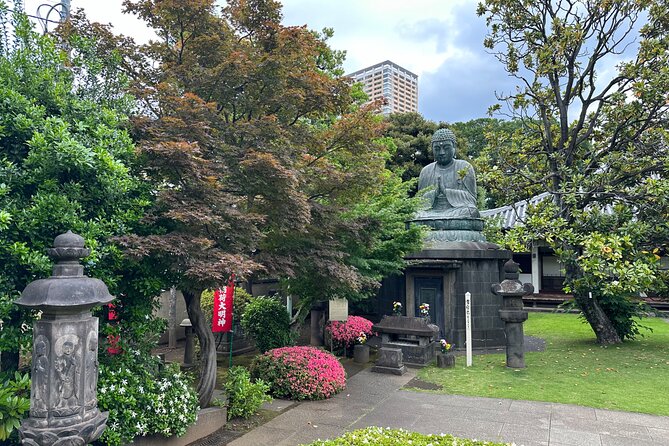
Yanaka Cemetery receives about 20 minutes. It is one of Tokyo’s largest and most scenic cemeteries, with many important figures buried there.
This is not a conventional sightseeing stop, and you should approach it quietly and respectfully. The cemetery offers a different way to understand the district. Religious buildings are not isolated attractions here; they form part of a neighborhood that includes homes, shops, paths, and places of remembrance.
The route also passes a 100-year-old Himalayan cedar tree. It is a small detail, but it fits the tour’s wider theme: old Tokyo is found in surviving trees, houses, walls, and local businesses as much as in grand monuments.
The cemetery portion may not suit everyone. If you prefer a tour filled with bright photo stops, this quieter section could feel subdued. I see it as useful context, especially because it slows the walk and shows another side of the neighborhood.
Yuyake Dandan and views toward Yanaka Ginza
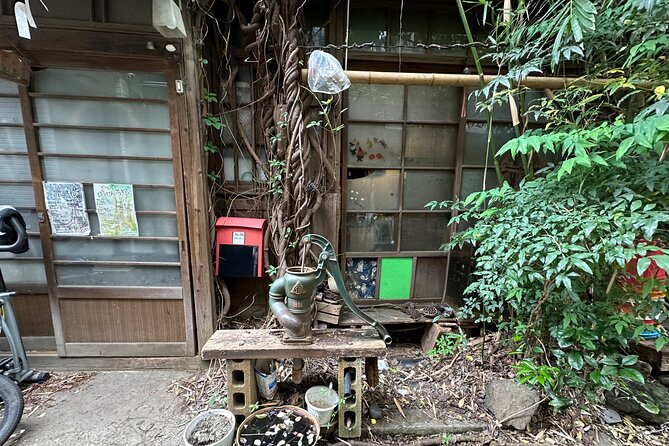
Yuyake Dandan means sunset staircase in Japanese. The tour stops there for about two minutes, mainly for photographs and a view toward Yanaka Ginza.
Two minutes is enough to pause and take in the scene, but not enough to wait for sunset or spend much time composing photographs. The name refers to the warm light that can appear late in the day, yet the tour schedule does not promise a sunset departure. Keep that distinction in mind if you are hoping for a particular evening view.
The staircase is a useful transition point. After the temples, residential lanes, and cemetery, you begin to see the shopping street that will close the tour. It also gives you a quick sense of how the old neighborhood connects with a more active local market area.
Ueno Sakuragi Atari and the converted bathhouse
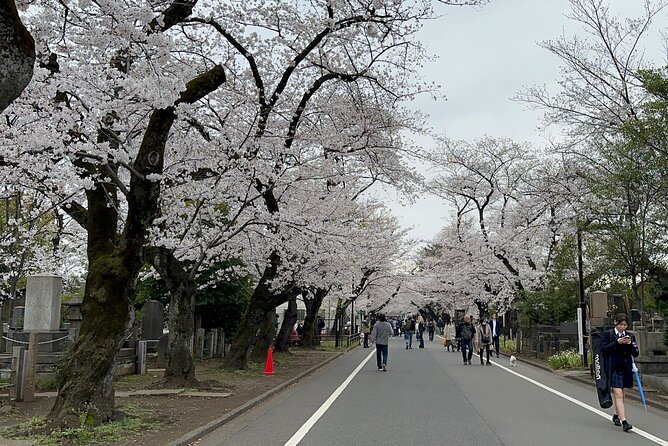
Ueno Sakuragi Atari is scheduled for about 15 minutes. Here, wooden houses have been converted into shops, giving old structures a new purpose.
This stop is a good example of how the district keeps its older character without freezing it in time. The buildings are not simply preserved as empty relics. They now support small businesses and cultural uses.
The route also passes a 200-year-old bathhouse that has been turned into an art gallery. You do not appear to have a full gallery visit included, so think of this as a brief architectural and cultural observation rather than a museum stop.
These details add texture to the walk. You see how older buildings can continue to matter in a modern city, even when their original use changes.
Ending with snacks and souvenirs at Yanaka Ginza
The scheduled final stop is Yanaka Ginza, an old shopping street where you can browse local food, Japanese desserts, and souvenirs. The guide introduces popular street foods and explains what you might want to try.
The formal stop lasts about 10 minutes, so it is best viewed as an introduction rather than a full shopping session. You may need more time if you want to eat, compare souvenirs, or browse several shops. That is easy to do after the guided portion if the route finishes there.
This is where Sui’s recommendations become especially useful. A local guide can help you avoid spending your limited time wandering past every shop without knowing what is worth trying. You choose what to eat or buy, so the price of food and souvenirs is not part of the $39.41 tour fee.
There is one practical point to clarify. The detailed route says the activity ends at Yanaka Ginza, while the meeting information says the activity ends back at the meeting point. Since those instructions do not match, confirm the actual finish before booking, particularly if you have a timed reservation afterward.
What the $39.41 price gets you
At $39.41 per person, this is priced as an accessible guided introduction rather than a private luxury tour. The group discount option may make it more appealing for families or friends booking together, though the supplied information does not state the discount amount.
You are paying for about three and a half hours of route planning, cultural explanation, local suggestions, and company in a group limited to nine people. The strongest value comes from the human guidance. You can walk through these neighborhoods for free, visit the shrine and temples without admission charges, and browse Yanaka Ginza on your own.
The tour earns its price if you want help understanding what you see. Learning shrine etiquette, hearing about the different historical periods, and getting food advice can make the district easier to enjoy independently afterward. If you are comfortable researching everything yourself and prefer to wander alone, the fee may feel less necessary.
Most listed stops have no admission charge. Ueno Sakuragi Atari includes admission, though the supplied information does not give a separate price or explain precisely what is included. Bring extra money for food, drinks, and souvenirs at Yanaka Ginza.
Pace, group size, and practical comfort
The route is designed for most people who can participate in a walking tour. The pace is described as relaxed, and the group maximum is nine. That combination should make it easier to walk at a comfortable speed and hear the guide.
You will be outside for much of the experience, moving through streets, shrine grounds, temple areas, a cemetery, and shopping lanes. Wear comfortable shoes and bring what you normally need for several hours outdoors. The supplied details do not state how much seating is available, so do not plan on frequent long breaks.
Mobile tickets are available, and confirmation is provided at booking. Service animals are allowed, and the route is near public transportation. Free cancellation is available up to 24 hours before the start time. Changes or cancellations inside that window are not accepted for a refund.
The guide’s personality matters here. Sui is described as friendly, engaging, enthusiastic, and clear in English. Her explanations of temple and shrine etiquette, along with her food suggestions, are among the tour’s most useful features. The route would be much less valuable if it were only a point-to-point walk.
Who should book this Yanaka walk?
I would choose this tour for a first visit to Tokyo if I wanted a gentle introduction to neighborhoods outside the usual central sights. It suits you particularly well if you like temples, architecture, local food, photography, and short cultural explanations.
It is also a good choice for anyone who wants practical help with Japanese customs. The shrine prayer instructions and fortune-telling guidance give you something you can use during the rest of your time in Japan.
You may want a different experience if you prefer large famous attractions, extensive interior visits, or a fast-moving schedule. Several stops are short, and much of the tour involves walking through ordinary streets rather than entering major museums or historic buildings.
Should you book it?
Book this tour if you want to see a quieter side of Tokyo and prefer an informed, unhurried walk to a checklist of famous sights. The combination of Nezu Shrine, Tennoji Temple, Yanaka Cemetery, old houses, converted shops, and Yanaka Ginza gives you a well-rounded look at this corner of the city.
The best reason to go is Sui’s practical guidance. You learn how to behave at shrines and temples, what details to notice, and where to look for local food and souvenirs. At $39.41, that is fair value for a small group and three and a half hours of explanation.
Before paying, confirm whether the tour ends at Yanaka Ginza or returns to Nippori Station. Once that point is clear, this is a strong pick for a slower, more personal introduction to old Tokyo.
FAQ
How long does the Yanaka and Nezu tour last?
The experience lasts approximately 3 hours and 30 minutes.
Where does the tour begin?
The listed starting point is Nippori Station, at 2 Chome-19 Nishinippori, Arakawa City, Tokyo 116-0013, Japan.
How large is the group?
The activity has a maximum of nine participants.
Does the tour include food and souvenirs?
No food or souvenir purchases are included in the stated price. At Yanaka Ginza, the guide introduces local street foods, Japanese desserts, and souvenir options, and you choose what you want to buy.
Is admission included at the stops?
The listed admission is free at Nezu Shrine, Tennoji Temple, Yanaka, Nezu, Yanaka Cemetery, Yuyake Dandan, and Yanaka Ginza. Admission is included for Ueno Sakuragi Atari.
What is the cancellation policy?
You can cancel up to 24 hours before the experience start time for a full refund. Cancellations or changes made less than 24 hours before the start time are not refunded or accepted.
Newly reviewed around Tokyo
- Tokyo Asakusa:Calligraphy & Make T-shirt Activity★ 5.0 · 62 reviews
- Intercity Shuttle, Tokyo to Haneda /Narita /Yokohama /Makuhari★ 5.0 · 5 reviews
- 1 Hour Travel around Tokyo with a Professional Photographer★ 5.0 · 3 reviews
- Travel Tokyo with Your Own Personal Photographer★ 5.0 · 43 reviews
- Train in Samurai Swordsmanship and Defeat the Demon in Tokyo★ 5.0 · 5 reviews
- Shuttle Van 6hr Tokyo Tour to-and-from Tokyo, Yokohama and Narita★ 5.0 · 9 reviews
- Kickboxing & Body Training with EX-Pro Fighter★ 5.0 · 4 reviews
- Tokyo History: Sensoji Temple & Asakusa District Private Tour★ 5.0 · 28 reviews
Yanaka Old Town Tours, compared.
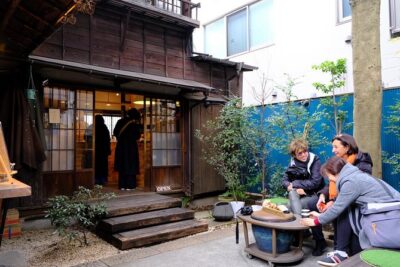
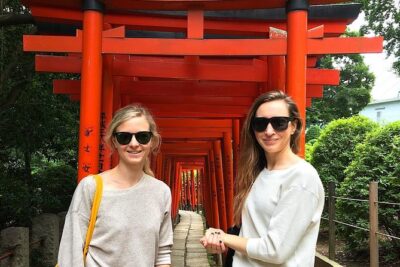
Yanaka Walking Tour: Historic and Traditional District of Tokyo
Read our review →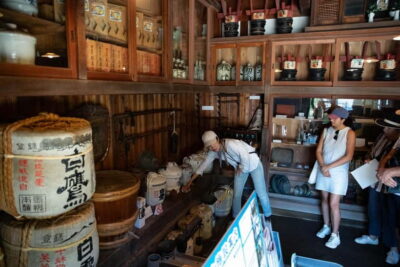
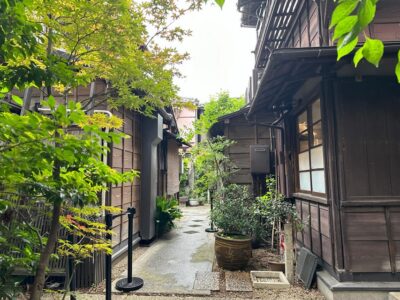
Stroll in Old traditional culture towns~Yanaka & Nezu
Read our review →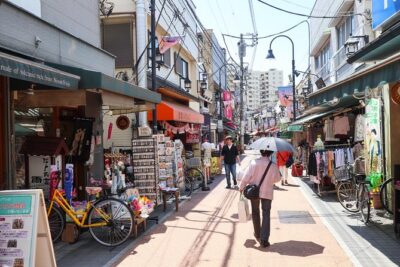
Yanaka Historical Walking Tour in Tokyo’s Old Town
Read our review →
Private Home Cooking in Yanaka – Local Flavors in a Warm Setting
Read our review →
Let’s experience calligraphy in YANAKA, Taito-ku, TOKYO !!
Read our review →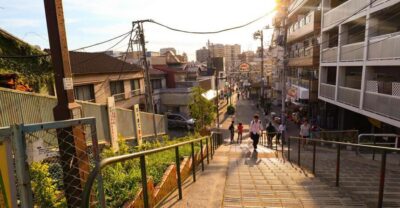
Yanaka District: Historical Walking Tour in Tokyo’s Old Town
Read our review →Browse the lists this tour appears in