Reviewed · GUIDED
Tokyo Muslim Friendly Customizable Tour with Guide
Tokyo is a sprawling city, and this private tour gives you a practical way to cover several very different corners in one day. You can move from the old temple district at Senso-ji to skyscraper views, a Shinto shrine, an Edo garden, Tokyo Camii, and a bonsai museum without wrestling with train changes or wondering where your next prayer break will fit.
I like the Muslim-friendly planning and the private van most. Halal dining, prayer stops, and mosque visits can be worked into the day, while the air-conditioned vehicle gives your group a quiet place to rest between sights. The main thing to consider is that your chauffeur is not a dedicated walking guide, so much of the explanation comes in the car rather than beside each monument.
Key points at a glance
- A private day for up to four people: The $336.40 group price is strongest when shared by three or four people.
- Prayer and halal needs are part of the planning: The day can include halal dining, prayer breaks, and a visit to Tokyo Camii.
- Seven very different Tokyo stops: You can combine temples, shrines, gardens, observation decks, a mosque, and bonsai.
- The van saves time and energy: Fuel, parking, and tolls are included, and you avoid managing Tokyo transport on a packed sightseeing day.
- Extra entrance fees add up: Skytree, Hama Rikyu Gardens, and Shunkaen Bonsai Museum cost extra.
- A chauffeur, not a walking tour: English-speaking driving service is included, but a separate guide walking with you at each stop is not.
What this private Tokyo day is really offering
This is less a traditional guided tour and more a private sightseeing framework. You have a vehicle, a driver, and a long day to shape around your group’s interests. The suggested stops cover a wide spread of Tokyo, but the itinerary is customizable, so you can place more weight on culture, shopping, city views, Muslim-friendly services, or quieter places.
That flexibility matters in Tokyo. A standard group tour may rush you through a fixed list, while this format gives you room to adjust the day. If prayer time falls during the outing, you can plan around it. If your group has had enough of observation decks, you can spend more time at a shrine or garden instead.
The day begins at 9:00 a.m. and lasts about nine hours. All seven listed stops at one hour each would leave only about two hours for driving, food, prayer, and changes. I would therefore treat the list as a menu, not a promise that every stop will receive a full hour. Ask the operator before departure which sights matter most to you.
The private price is $336.40 for up to four people. Split four ways, that is about $84.10 per person before entrance fees and food. For two people, the cost per person is much higher, but you are paying for private transport, a custom route, and the convenience of having your own schedule.
More guided tours in Tokyo:
- Tokyo 6hr Private Tour with Government-Licensed Guide
★ 5.0 · 3,902 reviews - Tokyo: Shinjuku Local Bar and Izakaya Guided Walking Tour
★ 4.9 · 1,794 reviews - Tokyo: Private City Highlights Tour with Local Guide
★ 4.8 · 1,433 reviews
Senso-ji and the old side of Tokyo
Senso-ji is the natural first stop if you want a quick sense of Tokyo’s traditional side. Founded in the seventh century, it is Tokyo’s oldest and most famous Buddhist temple. The approach through Kaminarimon Gate and Nakamise Street gives you a busy, colorful introduction to the city.
Allow time to look beyond the main gate. Nakamise Street is lined with traditional snacks and souvenirs, so this is a useful place for browsing and photographs. You can also see how a major religious site functions as a daily public space, not just a monument placed behind a museum rope.
Admission is free, which helps keep the day’s added costs under control. The drawback is that Senso-ji is one of Tokyo’s best-known sights, so it may feel crowded, especially around the main approach. Your driver can get you there easily, but you should not expect a quiet temple visit.
If shopping and street food matter to you, give this stop more time. If you prefer calm religious spaces, you may want to keep the visit focused and use the saved time elsewhere.
Tokyo Skytree and a useful halal food stop
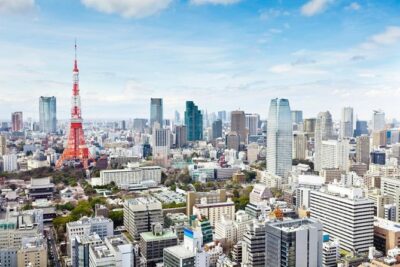
Tokyo Skytree gives you a very different view. At 634 meters, it is Japan’s tallest structure, with observation decks high above the city. From the top, Tokyo becomes a huge spread of buildings and roads, and on a clear day you may see Mount Fuji.
The Skytree complex is more than an observation tower. Tokyo Solamachi at the base has many shops and halal-friendly dining options, making it a practical place to combine sightseeing with a meal. Food is not listed as included, so plan to pay for lunch separately.
The observation deck costs ¥3,500 per person. That is a meaningful extra for a family or group of four, especially when combined with the other paid stops. I would choose Skytree if high views are a priority. If you already plan to visit the free Tokyo Metropolitan Government Building observation decks, you may prefer to skip this fee and put more time into cultural stops.
One hour may be enough for a straightforward visit, but queues and the height of the tower can affect the timing. Ask your chauffeur how the schedule will handle the paid entry and your meal or prayer needs.
Hie Shrine Nihonbashi Sessha and its red torii
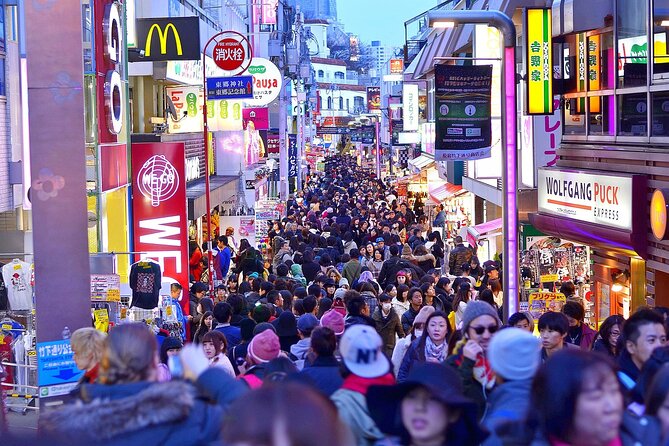
Hie Shrine Nihonbashi Sessha offers a smaller and quieter cultural stop. Its rows of red torii gates recall Kyoto’s Fushimi Inari, though this Tokyo shrine is a different place and generally works better as a short photo and reflection stop.
This is a good choice if you want to see Japanese Shinto practice without spending another long stretch at a major tourist site. The contrast with Senso-ji is useful: Senso-ji is Buddhist, while a Shinto shrine offers a different setting, visual style, and way of approaching a sacred place.
Admission is free. You will want to dress and behave respectfully at the shrine, and your chauffeur can provide some context between stops. Since there is no separate walking guide included, you should not expect a long on-site explanation of every religious feature.
I like this stop because it adds variety without adding another entrance charge. Keep it if you enjoy photography and cultural landmarks. Replace it if your group wants more shopping, food, or time for prayer.
A completely different kind of day in Tokyo:
- Mt Fuji and Hakone 1-Day Bus Tour Return by Bullet Train
★ 5.0 · 26,383 reviews - 1-Day Tokyo Bus Tour
★ 5.0 · 14,250 reviews - Tokyo: teamLab Planets TOKYO Digital Art Museum Entry Ticket
★ 4.6 · 9,779 reviews - Mt Fuji & Hakone Cruise, Drum Show Bullet Train 1 Day from Tokyo
★ 4.0 · 7,413 reviews
Hama Rikyu Gardens beside Tokyo’s modern towers
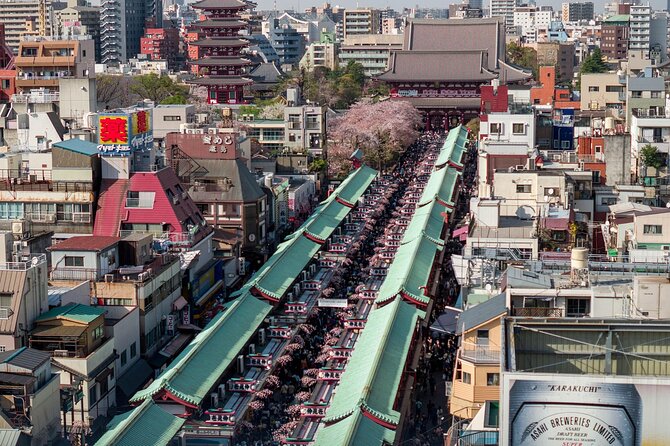
Hama Rikyu Gardens is one of the day’s best contrasts. The Edo-period garden has a tidal pond, seasonal flowers, and a teahouse, while Tokyo’s modern skyline rises around it. You get a traditional setting without leaving the center of the city.
The garden offers a slower hour after the temple and tower stops. Paths around the pond and carefully arranged plantings make this a place for a walk rather than a quick photo. It is also a good reminder that Tokyo is not only concrete, traffic, and tall buildings.
Admission is ¥300 per person. That is modest, but the garden takes time to appreciate. If rain is heavy, or if members of your group do not enjoy walking, this may be less appealing. One review specifically found the private format useful on a rainy day, since the van made movement between stops easier, but weather can still affect an outdoor garden visit.
I would keep Hama Rikyu for a first visit if you want a calm break. It may be one of the first stops to cut if your priority is maximizing major landmarks.
Tokyo Camii and the Turkish Culture Center
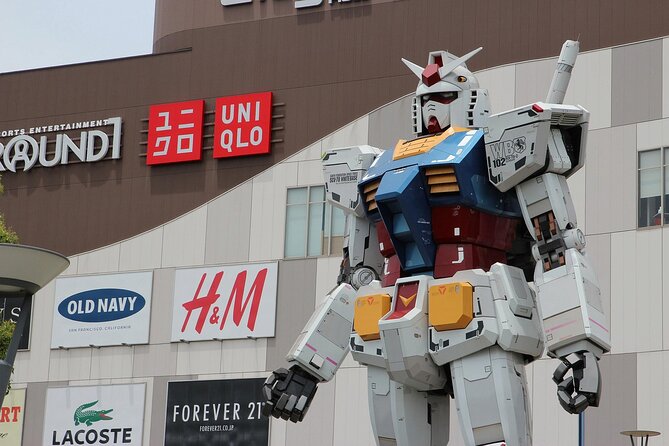
Tokyo Camii is the most important stop for many Muslim visitors. It is Japan’s largest mosque, with an Ottoman-inspired dome and detailed mosaics. The attached Turkish Culture Center adds a cultural element, giving you a place to learn about Turkish and Islamic traditions as well as to pray.
This stop is not just a convenience. It gives the day a clear connection to Muslim life in Tokyo, rather than treating halal food and prayer as last-minute problems. The tour is designed to work prayer breaks into the route, but you should still discuss your preferred prayer times when booking or before the morning departure.
Admission is free. You should follow the mosque’s visitor rules and dress respectfully. The tour information does not promise a formal religious tour or a dedicated mosque educator, so expect your chauffeur to help with the practical visit rather than deliver a specialist lecture.
For Muslim visitors making a first trip to Japan, Tokyo Camii can be a real anchor in the day. It may also help you feel more comfortable planning the rest of your Tokyo stay.
Tokyo Metropolitan Government Building for a free panorama
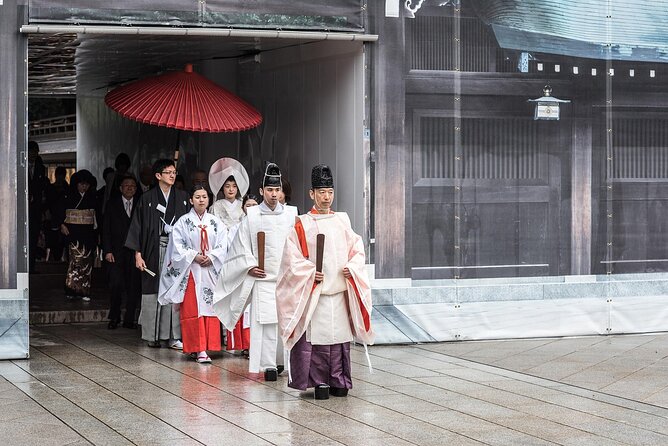
The observation decks on the 45th floor of the Tokyo Metropolitan Government Building are free, making them an excellent counterpoint to Skytree. You still get a broad view over Tokyo, and on clear days you may spot Mount Fuji.
This is the sensible choice for visitors who want city views without another ¥3,500 ticket. It will not give you the same height as Skytree, but the view is still a major part of the Tokyo experience. The building is in Shinjuku, so the stop also fits naturally with the city’s modern business district.
The tour lists one hour here. That should allow time for the elevator, viewing area, and photographs, though visibility controls the payoff. Cloud, haze, or rain can block Mount Fuji and soften the wider view.
If you want both towers, the day may feel too view-heavy. I would normally choose one paid tower or the free government building, then use the saved time for food, prayer, or a less familiar cultural stop.
Shunkaen Bonsai Museum and Tokyo’s patient art
Shunkaen Bonsai Museum brings a more unusual interest to the route. Founded by bonsai master Kunio Kobayashi, it displays bonsai trees that can be centuries old, including works valued at millions of yen.
Bonsai is easy to dismiss as small gardening until you see the age, care, and design involved. This museum gives you a chance to look closely at an art form that depends on patience and control rather than scale. It is a strong choice if you want something outside the usual Tokyo checklist.
The entrance fee is ¥2,000 per person. That is the day’s most expensive listed cultural admission after Skytree, so it may not suit every group. The museum is also a specialist stop. If your children or companions have little interest in plants and traditional arts, Senso-ji, the shrine, or the city views may offer more immediate appeal.
Because this is a private tour, you can make that judgment without forcing an entire bus group to follow a fixed plan. Ask how much time is needed for the museum and the drive before committing to it.
Halal food, prayer breaks, and the Muslim-friendly difference
The central value here is planning. Tokyo has halal options, but finding suitable food and prayer space while moving across a large city can take effort. This tour allows those needs to shape the day rather than forcing them into leftover minutes.
Halal dining is mentioned as part of the experience, and Tokyo Solamachi includes halal-friendly choices. Food itself is not included in the price, so confirm the planned restaurant, cost, and certification details directly with the operator.
Prayer breaks can also be built into the route. Tokyo Camii is the clearest listed location, but the exact timing and any other prayer arrangements should be confirmed before you go. The most useful step is to provide your preferred prayer schedule when booking.
The reviews consistently praise the friendly service, careful attention to Muslim needs, and relaxed pace. Lookman is named as a helpful and informed driver, while John is praised for being cheerful and reliable. The service may also be handled by a multilingual chauffeur, though that is not guaranteed for every booking.
What the chauffeur service includes, and what it does not
You travel in a clean, air-conditioned vehicle with an English-speaking private chauffeur. Fuel, parking, and toll fees are included, which keeps the quoted group price clearer than a bare transport rate.
You do not receive a separate walking guide. The main explanations are given while driving between destinations. That arrangement works well if you mainly want transport, basic context, and help keeping the day on track. It is less suitable if you want detailed commentary at every temple, shrine, and museum.
The private format is particularly helpful for families, couples, and small groups with different energy levels. You can ask to adjust the plan, and nobody outside your group is setting the pace. The tradeoff is that the quality of the cultural explanation depends more heavily on the assigned chauffeur.
Pickup is offered, but airport or drop-off service from Haneda, Narita, or Kanagawa territories carries a ¥10,000 surcharge payable in cash. Confirm the pickup area before booking so the final cost does not surprise you.
The practical cost of the day
At $336.40 per group of up to four, the price is reasonable when the vehicle is full. Four people pay about $84.10 each before food and admission charges. With two people, the per-person cost is less attractive, though the private service remains convenient.
For four people choosing every paid stop, the listed admissions would total:
- Skytree: ¥3,500 per person
- Hama Rikyu Gardens: ¥300 per person
- Shunkaen Bonsai Museum: ¥2,000 per person
That comes to ¥5,800 per person, before food. You do not need to visit every paid site. The free government observation deck and free cultural sites let you build a lower-cost day.
I see the best value in the transport and planning rather than in the entrance tickets. Tokyo’s trains are excellent, but a private van saves you from navigating transfers, managing a group, and fitting prayer and halal food into a rigid schedule.
Who should book this Tokyo tour
I would recommend it most strongly to Muslim visitors who want a first look at Tokyo without spending the day solving practical problems. It also suits small groups with older relatives, children, or anyone who values door-to-door transport and a flexible route.
It is a good fit if you want several kinds of Tokyo in one day: Buddhist and Shinto sites, a garden, a mosque, a bonsai museum, shopping, and city views. It is less suitable if you want a specialist historian at every stop or a slow, detailed walking tour.
Book at least a few days ahead if possible. The experience is booked on average 24 days before the date, which suggests that popular dates may fill early. You can cancel for a full refund up to 24 hours before the start time. Changes or cancellations inside that window are not refunded.
Should you book it?
Book this tour if comfort, Muslim-friendly planning, and control over the day matter more to you than a formal guided lecture. The private van, prayer planning, Tokyo Camii visit, and ability to adjust the route give it a clear purpose.
Before paying, decide which three or four stops matter most. If you want every listed sight, the schedule and extra fees may become uncomfortable. If you choose carefully, share the cost with three or four people, and confirm food, prayer timing, pickup, and the assigned chauffeur, this can be a practical first-day introduction to Tokyo.
FAQ
How long does the tour last?
The tour lasts approximately nine hours and starts at 9:00 a.m.
How many people can join the private tour?
The price covers one private group of up to four people.
Is pickup available?
Yes, pickup is offered. Pickup or drop-off from Haneda, Narita, or Kanagawa territories requires a ¥10,000 cash surcharge.
Is transportation included?
Yes. An air-conditioned vehicle, fuel, parking, and toll fees are included.
Is a walking guide included?
No. A separate walking guide is not included. Most information is provided by the chauffeur while you travel between destinations.
Is the chauffeur English-speaking?
An English-speaking private chauffeur is included. The chauffeur may be multilingual, but this is not guaranteed for every booking.
Are halal meals included in the price?
No. Halal-friendly dining can be arranged as part of the customizable plan, but food is not listed as included.
Are prayer breaks included?
The tour is designed to accommodate prayer breaks, and the itinerary includes Tokyo Camii. Confirm your preferred prayer times with the operator.
Which attractions require an extra entrance fee?
Tokyo Skytree costs ¥3,500 per person, Shunkaen Bonsai Museum costs ¥2,000 per person, and Hama Rikyu Gardens costs ¥300 per person. Senso-ji, Hie Shrine Nihonbashi Sessha, Tokyo Camii, and the Tokyo Metropolitan Government Building observation decks are listed as free.
Can I cancel for a full refund?
Yes, if you cancel at least 24 hours before the experience start time. Cancellations or changes made less than 24 hours before the start time are not refunded or accepted.
Newly reviewed around Tokyo
- Tokyo Asakusa:Calligraphy & Make T-shirt Activity★ 5.0 · 62 reviews
- Intercity Shuttle, Tokyo to Haneda /Narita /Yokohama /Makuhari★ 5.0 · 5 reviews
- 1 Hour Travel around Tokyo with a Professional Photographer★ 5.0 · 3 reviews
- Travel Tokyo with Your Own Personal Photographer★ 5.0 · 43 reviews
- Shuttle Van 6hr Tokyo Tour to-and-from Tokyo, Yokohama and Narita★ 5.0 · 9 reviews
- Kickboxing & Body Training with EX-Pro Fighter★ 5.0 · 4 reviews
- Train in Samurai Swordsmanship and Defeat the Demon in Tokyo★ 5.0 · 5 reviews
- Traditional Japanese Knife Sharpening Class★ 5.0 · 18 reviews
Guided, compared.
Tokyo 6hr Private Tour with Government-Licensed Guide
Read our review →
Shinjuku Local Bar and Izakaya Guided Walking Tour
Read our review →
Private City Highlights Tour with Local Guide
Read our review →
Tokyo 4hr Private Tour with Government-Licensed Guide
Read our review →
Samurai Ninja Museum Guided tour and Experience
Read our review →