Reviewed · FULL-DAY
Tokyo Private Customizable Full Day Tour
Tokyo is far too large to see properly on a fixed sightseeing loop. This private day lets you choose your priorities, then hands the planning, bookings, and city transport to an English-speaking guide. I especially like the chance to combine major sights such as Shibuya Crossing with a traditional restaurant lunch or a quieter garden.
I also like the practical help. One guide arrived promptly with a sign, carried prepaid metro tickets, and kept close watch throughout the day. The catch is that four to five stops is the realistic limit, so you must choose carefully. At $250.83 per person, the value depends heavily on your group size and how much you want help with planning.
Key points at a glance
- Choose four to five Tokyo sights: Build your day from a wide menu that includes Asakusa, Shibuya, Shinjuku, Ueno, Tsukiji, and the Imperial Palace.
- Start at 8 a.m. with hotel pickup: You avoid the awkward first step of finding a guide in an unfamiliar part of town.
- Use public transport or a private vehicle: The exact arrangement depends on your booking, and city transport is included.
- Get eight hours of private attention: Only your group takes part, so the guide can adjust the pace and explain what matters to you.
- Plan food and bookings in advance: Your guide can organize reservations, but meals, drinks, activity fees, and most admission costs are not included.
- Leave time for the custom form: Send your preferences at least seven days before the tour, and book about one to three months ahead when possible.
A private Tokyo day built around your priorities
The best feature here is not the number of sights. It is the freedom to shape the day around what you already know you want to see.
You might build a classic first visit around the Imperial Palace, Asakusa, Shibuya, and the Meiji Shrine. Or you could focus on food and city neighborhoods with Tsukiji Outer Market, Akihabara, Ueno, and Shinjuku. The operator asks what you have already visited, what you want to avoid repeating, and what sort of day you prefer.
That preparation matters in Tokyo. The city is spread across many districts, and crossing from one end to another can eat up valuable time. A guide who groups your choices sensibly can make the day feel far less scattered.
You will receive a custom tour form after booking. Complete it accurately at least seven days before the tour date. If you want restaurant or venue reservations, book as early as you can. Three months is ideal, and one month is the bare minimum recommended for a carefully arranged day.
More full-day trips in Tokyo:
- From Tokyo: Mount Fuji Full-Day Sightseeing Trip
★ 4.5 · 4,970 reviews - Mount Fuji Full-Day Private Tour from Tokyo (Customizable)
★ 4.9 · 1,470 reviews - Tokyo Private Full-Day Tour by Car or Van
★ 5.0 · 684 reviews
What eight hours can realistically cover
The tour begins at 8 a.m. and lasts about eight hours. Hotel pickup and drop-off are included, along with transport within Tokyo by public transportation or private vehicle, depending on the arrangement made for your booking.
Do not expect to cover every place in the long attraction list. The plan is for four to five sites. That is a sensible limit once you allow for train rides, walking, meals, photo stops, and time at each location.
A skilled guide can make five stops work if they are in nearby areas. Tokyo needs more time if your choices are spread from Tsukiji to Shibuya to Tokyo Skytree and then out to Shinjuku. I would rather see four places at a comfortable pace than spend the day collecting station entrances.
The private format is useful here. Your guide can spend less time explaining sights that do not interest you and more time on food, gardens, architecture, shopping, or local customs. You are not waiting for a large group to gather at every corner.
Tsukiji for food and the old market atmosphere
Tsukiji Outer Market is one of the strongest choices for a morning stop. It is known for fresh seafood and was once associated with Tokyo’s famous tuna auctions.
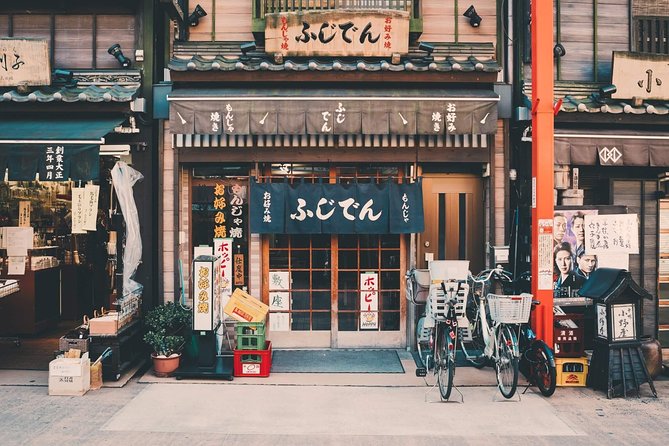
The outer market is a good place to ask your guide about Japanese ingredients, small food counters, and market etiquette. It can also set the tone for a food-focused day. If you want lunch at a traditional Japanese restaurant, tell the operator early. A memorable meal was arranged for one guest who specifically loved food, and this kind of planning is where the private format earns its keep.
Food is not included, so budget separately for anything you eat or drink. The same applies to any restaurant reservation or optional activity. Your guide may help arrange it, but you pay the bill unless the tour details specifically say otherwise.
Akihabara and the modern side of Tokyo
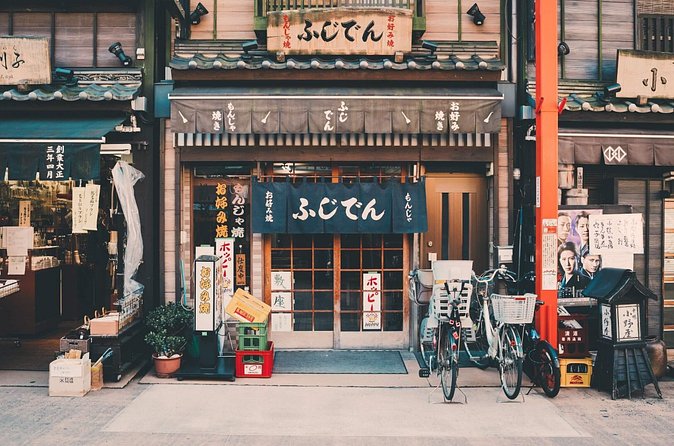
Akihabara is the choice for electronics, manga, anime, and Japan’s otaku culture. It gives your day a sharp change of tone after a market or historic temple.
I would pick Akihabara only if you have a real interest in this side of Tokyo. It is easy to spend a long time browsing, and a short visit may feel rushed if you want to look through several shops. Your guide can help organize the stop, but the tour does not promise specific purchases, shops, or included shopping time.
This is also a useful example of why the custom form matters. If Akihabara is already on your own schedule, you can ask for another district instead. The operator wants to know which attractions you have already seen before building the route.
More private tours in Tokyo:
- Tokyo 6hr Private Tour with Government-Licensed Guide
★ 5.0 · 3,902 reviews - Private Tour to Mt. Fuji and Hakone (Fully Licenced Operator)
★ 5.0 · 1,910 reviews - Tokyo Customized Private Tour (Must See Places in 1 Day)
★ 5.0 · 1,499 reviews - Tokyo: Private City Highlights Tour with Local Guide
★ 4.8 · 1,433 reviews
The Imperial Palace and Edo-era Tokyo
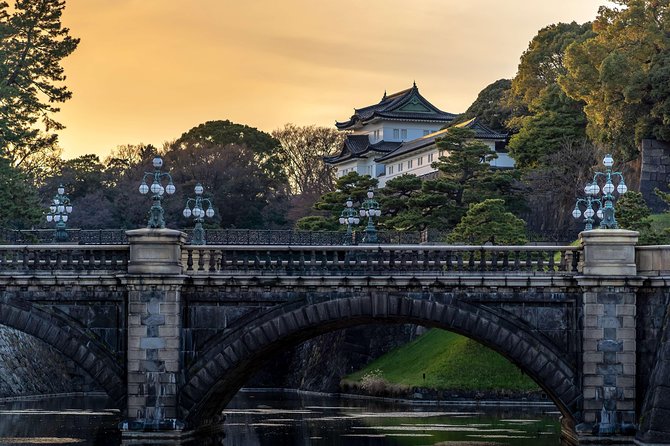
The Imperial Palace occupies the former site of Edo Castle and remains the residence of Japan’s Imperial Family. It gives you important context for Tokyo’s transformation from the seat of the Tokugawa shoguns into a modern capital.
This stop works best for visitors who want a broad historical frame rather than a long indoor attraction. The palace grounds and surrounding area can involve walking, and the exact access available on your date may affect what you see. Ask your guide what is open and how much time to allow.
I like pairing the palace with another central Tokyo stop, rather than giving it half the day. Its value comes from understanding the city around it, including the wide avenues and formal setting, then moving on to a more active neighborhood.
Asakusa, Senso-ji, and Nakamise-dori
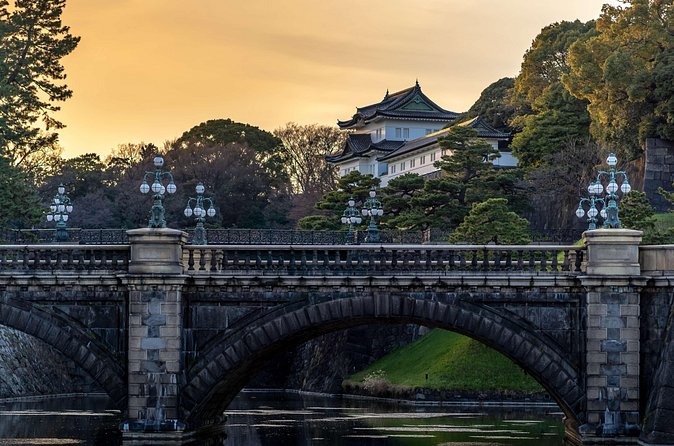
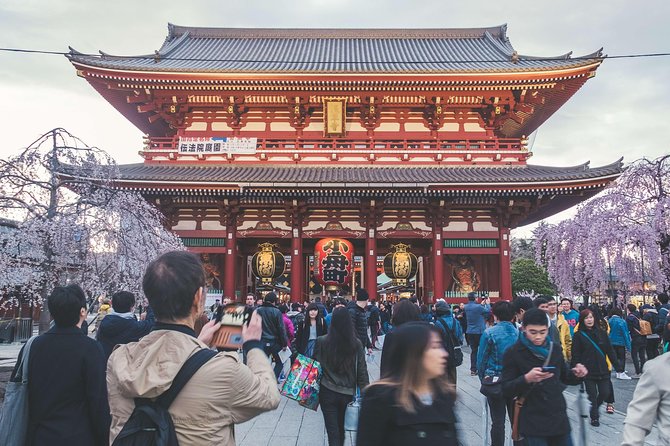
Senso-ji is Tokyo’s oldest and most significant temple, dating to 645. The approach along Nakamise-dori is lined with shops, some with more than a century of history.
Asakusa is one of the most rewarding choices for a first visit because it gives you a strong sense of old Tokyo in one compact area. You can see the temple, browse traditional goods, and ask your guide about Buddhist customs and the meaning of the site.
The drawback is popularity. Nakamise-dori can feel crowded, especially at busy times, and the shopping approach may take attention away from the temple itself. An early start helps. Since the tour begins at 8 a.m., your guide can place Asakusa near the beginning of the day if that suits your plan.
Tokyo Skytree for the big city view
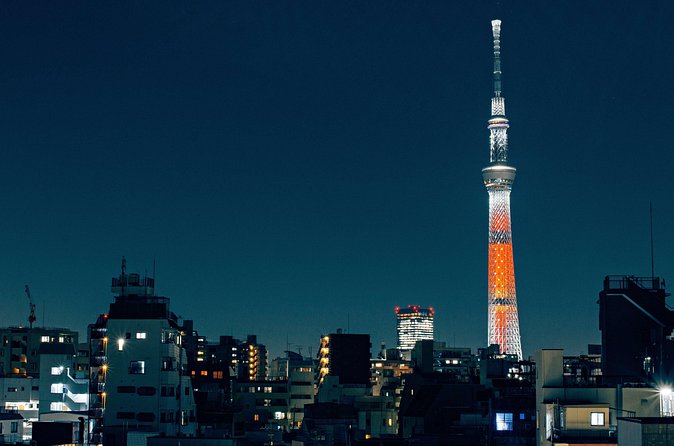
Tokyo Skytree is Japan’s tallest structure, and its observation area reaches 450 meters. The view gives you a quick sense of Tokyo’s enormous scale, something that can be hard to grasp from street level.
This is a good choice if you want a high viewpoint and clear photographs. It is less suitable if you dislike paid observation decks or prefer neighborhood walking. Optional tours and activities are not included, so confirm whether an observation ticket is part of your arrangement before counting on going up.
The attraction can take more time than its height suggests. Include transport, entry, elevator queues if any, and time at the viewing area when discussing the schedule with your guide. If you want Skytree plus Shibuya and Shinjuku in the same day, expect a brisk pace.
Ueno Park and the quieter old neighborhoods
Ueno Park was originally owned by the ruling Tokugawa clan. It offers a broad park setting and connects well with the older areas around Ueno.
This choice suits you if you want open space, history, and a break from high-rise districts. It can also pair naturally with the nearby neighborhood known for its pleasant old-Tokyo atmosphere. That area is within walking distance of Ueno Park, making it one of the easier combinations in the long list of possible stops.
Ueno may not deliver the instant visual drama of Shibuya Crossing or Skytree. Its appeal is slower and more local in feel. I would choose it for a day that values parks, temples, older streets, and a less polished side of the capital.
Ginza and the polished shopping districts
Ginza is Tokyo’s premier shopping district. Pick it if department stores, luxury brands, design, and central-city architecture matter to you.
Ginza is not the best use of your custom day if you mainly want temples, food markets, and historic neighborhoods. You can shop here independently, so consider reserving this stop for a guide who can connect it with nearby central attractions or explain the district’s place in modern Tokyo.
The private format helps if your group has mixed interests. One person may want a major department store, while another prefers a nearby cultural sight. Tell the operator this before the itinerary is set.
Shibuya Crossing and Hachiko
Shibuya Crossing is Tokyo’s famous pedestrian junction, and the nearby Hachiko statue is a familiar meeting point and city symbol. Together, they provide one of the clearest snapshots of present-day Tokyo.
This is a strong pick for first-time visitors because it is easy to recognize and simple to photograph. It also gives your guide a chance to explain the surrounding district, which includes major shopping and entertainment areas.
Shibuya is energetic, but the crossing itself is a short experience. If you want more than a photo, tell your guide how much time you want for the surrounding neighborhood. Pairing it with the Meiji Shrine or Shinjuku can make the west side of Tokyo more efficient.
Meiji Shrine and Shinjuku
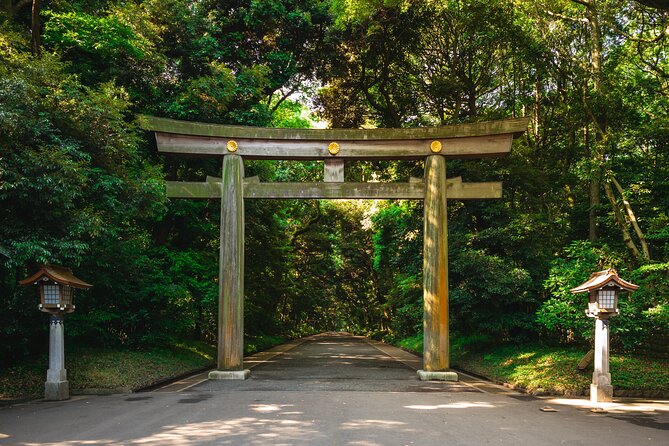
Meiji Shrine is the most important Shinto shrine in Tokyo. Its setting gives you a calmer contrast to the city streets, though the amount of walking and the experience of the shrine will depend on the route and time available.
Shinjuku is the district around the world’s busiest railway station. It is a useful choice if you want to see Tokyo’s scale, department stores, neon-lit streets, and the practical challenge of navigating a huge transport hub.
Shinjuku Gyoen National Garden offers a softer alternative. It is one of Tokyo’s largest and most popular parks, and it gives you space to slow down. If your ideal day includes gardens, I would choose Shinjuku Gyoen over adding another crowded shopping district.
You can combine Shibuya, Meiji Shrine, and Shinjuku, but do not assume all three will feel leisurely. The guide can help you decide which deserves the most time.
Transport, pace, and the value of a private guide
Transport is included within Tokyo, either by public transit or private vehicle according to your booking. That distinction matters. Public transport can be efficient, but it means walking through stations and managing transfers. A private vehicle may feel easier for a group with luggage, mobility concerns, or children, though the city’s traffic can affect timing.
One particularly useful detail is that a guide may provide prepaid metro tickets. That removes one small but annoying task and helps the group move through stations without stopping to sort out fares. The guide also has a phone number you receive before the tour, which gives you a direct contact if you are delayed or lost.
The tour requires moderate physical fitness. Expect walking, stairs, station corridors, and standing. Wear shoes that can handle a full day and dress for the weather. Arrive at least 10 minutes early. A private guide waits up to 30 minutes after the scheduled start, after which the tour can be cancelled.
Is $250.83 per person a fair price?
The price is $250.83 per person, with group discounts available. I see the strongest value for a small group that wants personal planning, hotel pickup, transport help, and restaurant or venue arrangements.
For one or two people, the price is a serious expense. You are paying for time, private attention, itinerary work, and convenience, not just admission to attractions. If you are comfortable using Tokyo’s trains and already know what you want to see, you can spend less by arranging your own day.
For a larger private group, the cost can make more sense, especially when the group would otherwise need several separate bookings or would lose time figuring out routes. Ask how the group discount applies before booking, and confirm what type of transport is planned.
Admission fees, meals, drinks, and optional activities are extra. Build those costs into your budget before comparing this tour with a self-guided day.
Booking timing and cancellation caution
Book early. The operator recommends about three months ahead, or at least one month, because custom planning and reservations take time. Requests made within seven days may not be possible to arrange.
You will need to complete the custom form within the requested time. Once an itinerary and reservations are being prepared, changes may be difficult.
Pay close attention to the cancellation wording before payment. The supplied terms include a graded fee schedule for cancellations within 30, 21, and 14 days, but they also describe the experience as non-refundable and say amendments are not allowed. The safest approach is to confirm the exact policy that applies to your booking, especially after the custom itinerary is sent. A 15 percent service fee is also described as nonrefundable after that point.
Who should book this Tokyo day?
I would choose this tour if you have limited time in Tokyo, want four or five carefully selected sights, and prefer a person to manage transport and reservations. It is especially useful for families, first-time visitors, food-focused groups, and anyone who wants a private pace instead of a fixed group route.
I would skip it if your main goal is independent wandering, low cost, or a long visit at one major attraction. The eight-hour schedule can cover a lot, but it cannot turn Tokyo into a one-day city. Choose your stops before you arrive, and let the guide build a practical route around them.
Should you book the Tokyo private custom tour?
Book it if planning Tokyo feels like work and you value direct help more than saving money. The combination of hotel pickup, private attention, city transport, and advance reservations can make a complicated day feel manageable.
The strongest plan is to name three top priorities, two backup choices, foods you want to try, and sights you have already seen. Keep the final route to four or five places. If you do that and confirm the transport and cancellation terms, this can be a productive, personal introduction to Tokyo.
FAQ
What does the Tokyo private custom tour include?
It includes an eight-hour customized tour, an English-speaking professional guide, hotel pickup and drop-off, transportation within Tokyo, and reservations or bookings made on your behalf when needed.
How many sights can I choose?
The tour is designed around four to five sites for your personalized Tokyo itinerary.
What time does the tour begin?
The stated start time is 8 a.m. You should arrive at the meeting location at least 10 minutes before the designated time.
Is hotel pickup available?
Yes. Hotel pickup and drop-off are included. The tour starts in Tokyo and ends back at the meeting point.
Is transportation included?
Transportation within Tokyo is included. It may be by public transportation or private vehicle, depending on your booking.
Are meals and admission fees included?
No. Meals, food, drinks, and fees for optional tours or activities are not included unless specifically stated for your booking.
How far in advance should I book?
Booking about three months ahead is recommended, or at least one month before your travel date. Requests made within seven days may not be possible to arrange.
What happens if I arrive late?
The guide can wait up to 30 minutes after the scheduled start time. After that, the tour may be cancelled. You receive the guide’s phone number before the tour so you can call if you need help.
Newly reviewed around Tokyo
- Tokyo Asakusa:Calligraphy & Make T-shirt Activity★ 5.0 · 62 reviews
- Intercity Shuttle, Tokyo to Haneda /Narita /Yokohama /Makuhari★ 5.0 · 5 reviews
- 1 Hour Travel around Tokyo with a Professional Photographer★ 5.0 · 3 reviews
- Travel Tokyo with Your Own Personal Photographer★ 5.0 · 43 reviews
- Train in Samurai Swordsmanship and Defeat the Demon in Tokyo★ 5.0 · 5 reviews
- Shuttle Van 6hr Tokyo Tour to-and-from Tokyo, Yokohama and Narita★ 5.0 · 9 reviews
- Kickboxing & Body Training with EX-Pro Fighter★ 5.0 · 4 reviews
- Traditional Japanese Knife Sharpening Class★ 5.0 · 18 reviews
Full-Day, compared.
Mount Fuji Full-Day Private Tour from Tokyo (Customizable)
Read our review →
Mt. Fuji, Hakone Full-Day Private Tour with English Driver Guide
Read our review →