
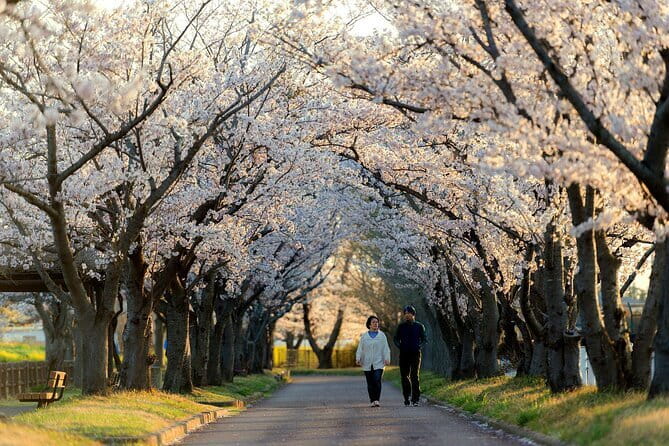
Reviewed · TOKYO CHERRY BLOSSOM TOURS
Tokyo Cherry Blossom Half Day Walking Tour with a Local Guide
Tokyo’s cherry blossom season is short, crowded, and wonderfully unpredictable. This four-hour walk gives you a quick sweep of the city’s best-known sakura sites, from garden paths at Shinjuku Gyoen to river views beneath Tokyo Skytree. I like the four-stop structure and the chance to see different types of scenery without spending a full day on one park.
I also like that public transport, entry fees, food, drinks, and a souvenir are included. Guides such as Brian and Emilio can help with trains and adjust the outing to suit your interests. The main concern is time: four hours is tight, and the advertised route, especially with Tokyo Tower added, requires a brisk pace and clear agreement about what you will actually visit.
Key points to know before booking
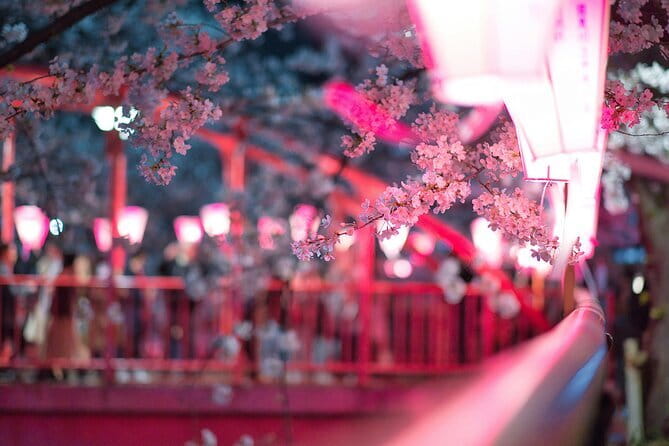
- Shinjuku Gyoen begins the tour with Japanese, English, and French-style gardens and a wide range of cherry trees.
- Meiji Jingu Gaien offers an urban sakura setting, with Sakurada-dori Avenue lined by more than 1,500 cherry trees.
- Chidorigafuchi gives you the most scenic water view, with the option to rent a rowboat for an extra charge.
- Sumida Park combines blossoms, food, and Tokyo Skytree, making it a strong place for photos and a rest.
- Public transport is part of the experience, but private transportation is not included.
- The route can be customized, so confirm the exact stops and order before the tour begins.
Four hours across Tokyo’s best sakura spots
This is not a slow, single-park hanami outing. It is a compact city tour that links several famous viewing areas by foot and public transport. You will see gardens, a shrine district, a moat, and a riverside park, then possibly finish at Tokyo Tower.
That variety is the tour’s main appeal. If you have only a short time in Tokyo during blossom season, you can get a broad sense of how the city uses public parks and historic settings for spring viewing. The tradeoff is simple: you will not have unlimited time at any one place.
The company presents the outing as private, meaning only your group participates. That matters in Tokyo, where the pace of a large group can be hard to manage. You can ask for a suggested plan, request changes, or combine the guide’s plan with your own priorities.
Still, the itinerary needs a firm reality check. The route covers several widely separated parts of Tokyo. One particularly important point is the difference between suggested places and confirmed stops. If you arrive with a long personal wish list, you may not be able to visit every location in four hours. Confirm the plan before setting out.
More Tokyo cherry blossom tours:
- Mt. Fuji, Cherry Blossom & Shiba Sakura Pvt. Day Tour
★ 5.0 · 326 reviews - Mt. Fuji & Hakone Cherry Blossom private One Day Tour
★ 4.5 · 35 reviews - Tokyo Cherry Blossoms blooming spots E-bike Tour, 3hrs
★ 5.0 · 27 reviews
Shinjuku Gyoen: a calm start among several garden styles
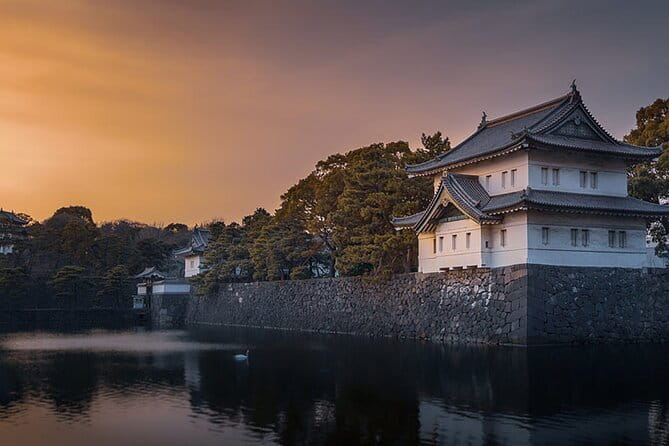
Shinjuku Gyoen is a strong opening stop because it gives you more than one kind of cherry blossom setting. The park includes Japanese gardens, English-style grounds, and French formal gardens, so the scenery changes as you walk.
You can expect roughly an hour here, with time for photos and a relaxed stroll along the paths. The park’s size gives the first part of the outing a less hurried feel, though the guide will need to choose a practical section rather than attempt every corner.
The variety of trees is another reason this stop matters during sakura season. Flowering times can differ from tree to tree, and a park with several varieties may offer more to see than a single avenue. The exact display still depends on the season and weather, so no guide can guarantee peak bloom on a particular date.
I would use this stop to get comfortable with the tour and tell your guide what kind of photos or scenery you prefer. If you like formal gardens, ask for more time in those areas. If you want broad tree-lined views, say so early.
Entry is included, which helps at a park that might otherwise add another small expense to a day of sightseeing. You should still expect people, especially during peak bloom, and the pace may be quicker than a private visit on your own.
Meiji Jingu Gaien: blossoms framed by the city
The second stop shifts the mood. Meiji Jingu Gaien is known for Sakurada-dori Avenue, lined with more than 1,500 cherry trees. Here, the flowers are paired with Tokyo’s streets and buildings rather than surrounded by a traditional garden.
That contrast makes this a useful photo stop. You can capture long rows of trees, broad urban views, and the scale of Tokyo in one frame. The avenue is also a good reminder that cherry blossom viewing in Japan is not limited to secluded parks. Some of the most memorable scenes appear along ordinary city routes.
The listed time is about 45 minutes. That is enough for a walk and photos, but not for lingering at every viewpoint. Your guide can help you avoid wasting time on navigation, which is useful when the stop is part of a longer cross-city route.
The name can cause some confusion. This stop is described as the Meiji Shrine Outer Garden, Meiji Jingu Gaien, rather than the main shrine grounds alone. If visiting the shrine itself is important to you, clarify that with the guide before the tour starts. The scheduled focus is the avenue and its cherry trees.
Chidorigafuchi: the tour’s best water view
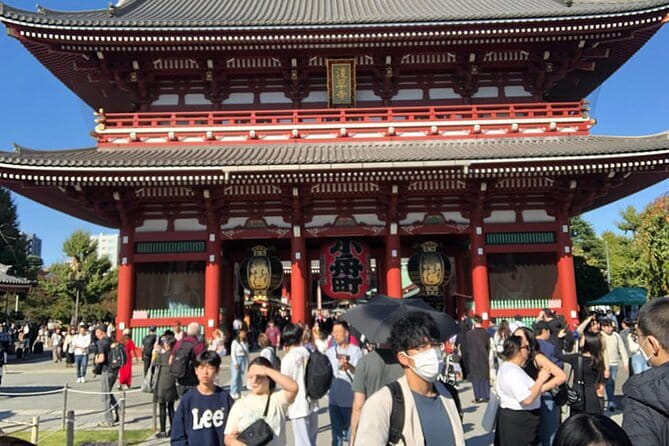
Chidorigafuchi is one of Tokyo’s classic blossom scenes. Cherry trees line the moat, and their branches reflect in the water. The path beside the moat lets you take in the view at walking speed, with plenty of opportunity for photographs.
You have about 45 minutes here. That is enough for the promenade, but the optional rowboat is a separate decision. Renting one gives you a different angle on the trees and water, yet it takes time and costs extra. If you want to row, ask about timing and availability before committing, since the rest of the tour still has to fit into the four-hour window.
This stop rewards patience, but the schedule may not allow much of it. I would prioritize the promenade unless the boat ride is one of your main reasons for booking. A short stop beside the moat still delivers the essential view, while the boat could make the outing feel rushed later.
Chidorigafuchi also shows why a local guide can be useful. The value is not only in naming the location. It is in helping you decide how much time to spend at the water, where to pause, and what to leave for another visit.
More Tokyo walking tours:
- Tokyo Tsukiji Fish Market Food and Culture Walking Tour
★ 5.0 · 3,184 reviews - Tokyo: Imperial Palace and Shogun Historical Walking Tour
★ 5.0 · 2,251 reviews - Tokyo: Shinjuku Local Bar and Izakaya Guided Walking Tour
★ 4.9 · 1,794 reviews - Tokyo: Tsukiji Fish Market Food and Walking tour
★ 5.0 · 1,724 reviews
Sumida Park: blossoms, snacks, and Tokyo Skytree
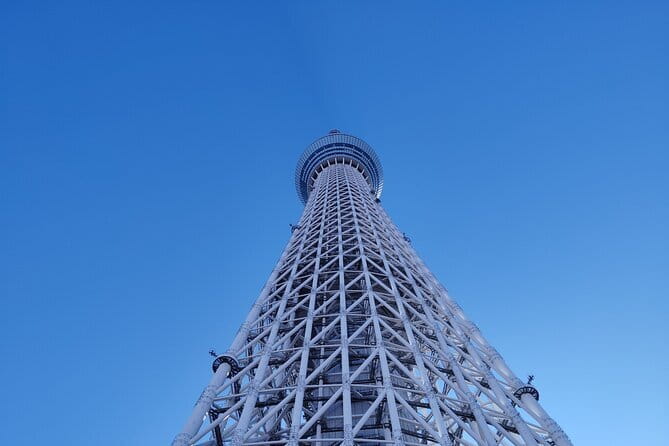
Sumida Park brings the tour to the Sumida River, where more than 1,000 cherry trees line the water. Tokyo Skytree rises in the background, giving you a distinctly modern Tokyo photo beside the traditional spring display.
This is also the tour’s planned break. You stop at a local stall or food truck for a snack and drink, with examples including sakura mochi and taiyaki. Sakura mochi is a sweet rice cake with red bean paste, while taiyaki is a fish-shaped pastry that may contain custard or red bean.
The food stop is small but important. Four hours of walking, public transport, and photography can feel tiring, especially during a busy blossom period. A snack gives you a chance to sit on one of the park benches and enjoy the setting without treating every minute as a sightseeing task.
The food and drink are included, along with public transport and entry fees. That makes the price easier to judge, though the exact value depends on how much time you spend at each site and how well the route is managed.
Sumida Park may be the most comfortable stop for a pause. You can walk along the river, sit under the trees, and look toward Skytree. If you prefer a relaxed outing, tell your guide that this stop matters to you. If you want to see as much as possible, the break may be shorter.
Tokyo Tower: an optional finish, not a guaranteed fifth stop

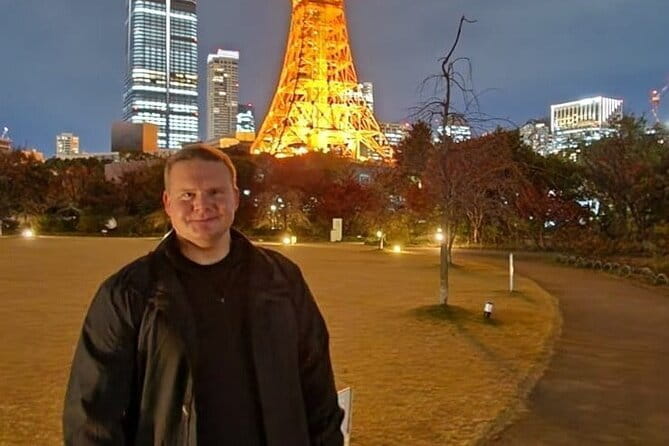
Tokyo Tower is presented as an optional scenic stop at the end, with about 30 minutes suggested. From the observation decks, you can look across Tokyo and see the city from above, including spring trees scattered through the urban view.
The idea is appealing, but this is where timing becomes most important. The tour already includes four main blossom locations, and Tokyo Tower is not simply next door to Sumida Park. Adding it may mean shortening earlier stops or treating the tower as a quick final view.
Ask three direct questions before leaving:
- Is Tokyo Tower included in the confirmed plan or only available if time permits?
- Is admission to the observation deck included in the price?
- Which earlier stop will be shortened if the tower is added?
The tour information says all entry fees are included, but it also labels Tokyo Tower optional. That makes clarification sensible. Do not assume the tower visit will happen automatically just because it appears in the description.
What the guides add to the day
The company’s guides live in Tokyo because they enjoy the city and want to share it. The guide can suggest an itinerary, customize the route, or combine both approaches. Free help with restaurant bookings, hotels, and train questions is also offered during your time in Japan.
Brian has been described as fluent in English and Japanese and experienced with helping people navigate Tokyo’s transit system. Emilio has also led a successful cherry blossom outing, including a visit when the season was nearing its end. Those details point to a useful strength: a good guide can adjust when the flowers are not at their best.
That flexibility matters. Sakura timing cannot be controlled, and the best location may change from year to year. A guide who knows Tokyo can help you focus on places that still offer good views rather than simply following a rigid checklist.
At the same time, guide quality and communication are central to this experience. One reported departure began with the guide not arriving at the scheduled 9 a.m. start, followed by difficulty reaching the operator. A replacement guide was eventually offered, but the episode shows why you should save the operator’s contact details and confirm the meeting plan in advance.
The conflicting experiences also make expectations important. You are booking a four-hour private outing, not a personal chauffeur or a full-day custom tour. Public transport is included, but private transportation is not. If you want to add many distant sites, the time will not stretch to fit them.
Is $198.67 a fair price?
At $198.67 per person, this is not a cheap walking tour. The value rests on what you want from the day.
Included in the price are the local guide, public transport, entry fees, food and drink, and a souvenir. You are also paying for route planning and help moving between several parts of Tokyo during one of the city’s busiest sightseeing periods.
That can be worthwhile if you have limited time, dislike sorting out train routes, or want a private outing instead of joining a large group. It may also suit you if English and Japanese help with transit would make the day easier.
The value is weaker if you are comfortable using Tokyo’s trains and want to linger. You could visit one or two parks independently for less money, then spend longer at each place. The tour’s price makes sense only if the guidance, transport help, and multi-stop structure are useful to you.
The booking pattern suggests people reserve well ahead, with the average booking made 34 days before the date. That is sensible during cherry blossom season, when popular dates fill quickly. Since bloom timing remains uncertain, choose your date for convenience and accept that the display may be early or late.
Who should book this sakura tour?
I would consider it for a first visit to Tokyo, a short stay, or a return visit focused on spring scenery. It is particularly useful if you want several famous locations without spending hours planning the route yourself.
It suits you best if you:
- Want a private group experience
- Enjoy walking and public transport
- Prefer a guide who can explain the city and help with navigation
- Have only half a day for cherry blossoms
- Like combining gardens, water, streets, food, and city views
- Are willing to keep the route focused
I would be cautious if you want a leisurely picnic, a long boat ride, or a long list of custom stops. I would also avoid booking it without confirming the exact route if Tokyo Tower is a must-see.
Free cancellation is available up to 24 hours before the start time. Changes or cancellations inside that window are not accepted for a refund, so check your plans before the deadline. Most people can participate, the meeting point is near public transportation, and service animals are allowed.
FAQ
How long does the Tokyo cherry blossom tour last?
The tour lasts approximately four hours.
Is the tour private?
Yes. Only your group participates in the activity.
Which cherry blossom sites are included?
The main stops are Shinjuku Gyoen National Garden, Meiji Jingu Gaien, Chidorigafuchi Promenade, and Sumida Park.
Is Tokyo Tower included?
Tokyo Tower is described as an optional scenic stop at the end of the tour. Confirm with the guide whether it will fit your schedule and whether it is part of your confirmed plan.
Are public transport and entry fees included?
Yes. Public transport and all entry fees are included. Private transportation is not included.
Is food included?
Yes. The tour includes food and drink, with a snack stop at Sumida Park. Examples include sakura mochi and taiyaki.
Can the itinerary be customized?
Yes. The guide can suggest an itinerary, customize it for your group, or combine your preferences with a suggested plan.
Should you book it?
Book this tour if you want a private, efficient introduction to Tokyo’s cherry blossom season and value help with public transport. The mix of Shinjuku Gyoen, Meiji Jingu Gaien, Chidorigafuchi, and Sumida Park gives you four distinct settings in one morning or afternoon.
Before paying, confirm the meeting details, the exact four-hour route, and the status of Tokyo Tower. Keep your wish list short. If you do that, the tour can give you a useful, well-paced look at Tokyo in spring, with a snack, a local guide, and far less route planning on your shoulders.
Newly reviewed around Tokyo
- Tokyo Asakusa:Calligraphy & Make T-shirt Activity★ 5.0 · 62 reviews
- 1 Hour Travel around Tokyo with a Professional Photographer★ 5.0 · 3 reviews
- Travel Tokyo with Your Own Personal Photographer★ 5.0 · 43 reviews
- Intercity Shuttle, Tokyo to Haneda /Narita /Yokohama /Makuhari★ 5.0 · 5 reviews
- Train in Samurai Swordsmanship and Defeat the Demon in Tokyo★ 5.0 · 5 reviews
- Shuttle Van 6hr Tokyo Tour to-and-from Tokyo, Yokohama and Narita★ 5.0 · 9 reviews
- Kickboxing & Body Training with EX-Pro Fighter★ 5.0 · 4 reviews
- Traditional Japanese Knife Sharpening Class★ 5.0 · 18 reviews
Tokyo Cherry Blossom Tours, compared.
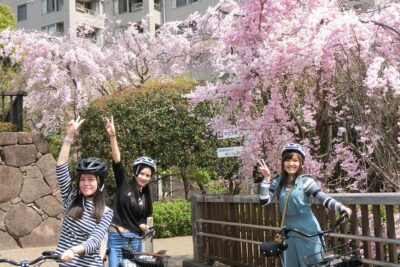
Tokyo Cherry Blossoms blooming spots E-bike Tour, 3hrs
Read our review →
Licensed Guide Tokyo Meguro Cherry Blossom Walking Tour
Read our review →
Tokyo Limited-Date Cherry Blossom Route Cruise & Show & Meal
Read our review →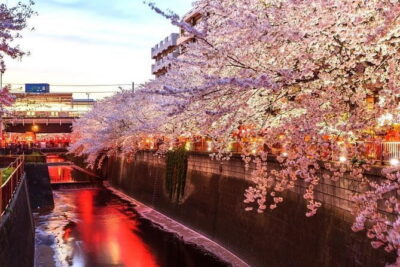
Evening Hanami (Cherry Blossom) Experience with a Local
Read our review →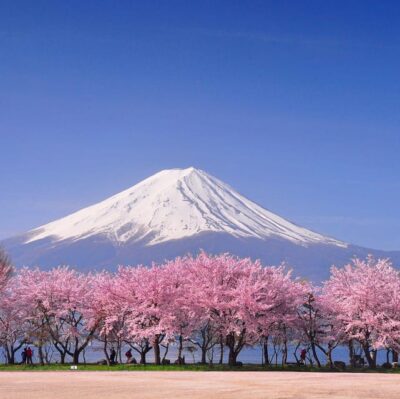
Browse the lists this tour appears in