
Reviewed · MOUNT FUJI DAY TRIPS FROM TOKYO
Mount Fuji (Mt. fuji) private tour by car with pickup from Tokyo
The best thing about this Mount Fuji day trip is control. You leave your Tokyo hotel or apartment in a private car, then shape the day around the weather, your interests, and how much time you want at each stop. The mix can include a pagoda, shrine, clear spring ponds, lake views, caves, shopping, or a hot spring.
I like the door-to-door pickup and the fact that highway tolls, petrol, and private transport are included. I also like the personal service: drivers such as Attary, Faisal, Umar, Ali, and Faizyan are praised for taking photos, explaining sites, and adjusting the route.
The main drawback is distance. Tokyo to the Fuji area can take about an hour and 40 minutes before your first stop, and traffic can eat up much of an eight-to-10-hour day. You need to choose your priorities early, especially on weekends and during Golden Week.
Key points before you book
- Private car for up to three: You do not share the vehicle, and the price is $465 per group rather than per person.
- A flexible Fuji route: Select from shrines, lakes, parks, caves, museums, shopping, and Mount Fuji’s 5th Station.
- Clear views depend on weather: Fuji may be hidden by cloud, even when the rest of the day is pleasant.
- Start early: A long drive from Tokyo and heavy afternoon traffic can cut into sightseeing time.
- Several extras cost more: Boat rides, the ropeway, caves, museums, outlets, and the onsen are not included.
- One listed attraction is closed: Fuji-Q Highland is permanently closed and should not be part of your plan.
Why a private car makes sense from Tokyo
Mount Fuji is not a quick hop from central Tokyo. The drive can take roughly one hour and 40 minutes just to reach the first sightseeing area, and the total outing lasts about eight to 10 hours. A private car saves you from changing trains, finding local buses, and working out how to connect several scattered sights.
That convenience matters most for a small group. At $465 for up to three people, the price works out to $155 each if three people share it. It is not a budget day trip, but the cost includes the vehicle, driver, fuel, highway tolls, and pickup. For a family or a small group that values time and privacy, the arithmetic is more reasonable.
The driver is also your practical link between stops. English-speaking drivers have helped with route choices, timing, photography, and lunch plans. Faisal can speak Arabic, which may be useful for some visitors, while names assigned to the tour can vary. You should treat the driver as a guide and driver rather than expect a specialist historian at every site.
The flexible format is both the attraction and the catch. You can choose the places that matter most to you, but you cannot reasonably visit all 15 listed stops in one day. Tell the driver your top three or four choices at the start. If Fuji is hidden by cloud, you can spend more time at shrines, lakes, or cultural sites instead of chasing a view that may not appear.
More Mount Fuji day trips from Tokyo:
- Mt Fuji and Hakone 1-Day Bus Tour Return by Bullet Train
★ 5.0 · 26,383 reviews - Mt Fuji & Hakone Cruise, Drum Show Bullet Train 1 Day from Tokyo
★ 4.0 · 7,413 reviews - Tokyo Mt Fuji 5th St & Hakone Cruise Bus Tour w/Bullet Train
★ 4.4 · 5,024 reviews
Chureito Pagoda gives you the classic Fuji frame
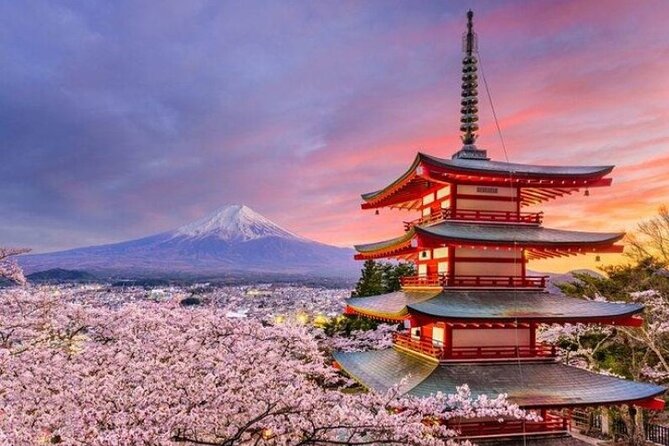
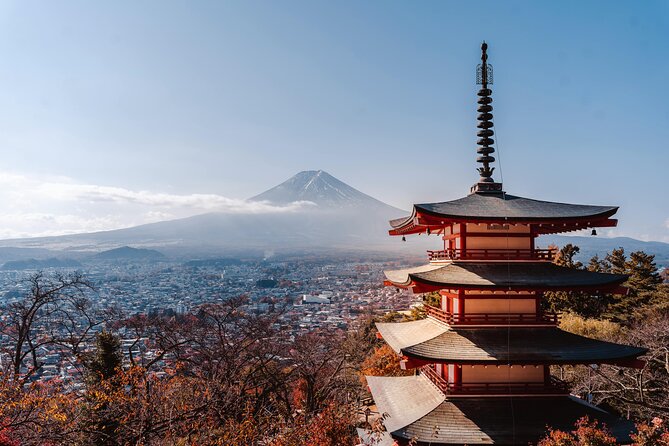
Chureito Pagoda is the photo stop many people picture when they imagine Mount Fuji. The five-story red pagoda sits above Fujiyoshida City, with Fuji in the distance when weather cooperates. It belongs to Arakura Sengen Shrine and was built in 1963 as a peace memorial.
The climb is the price of admission, even though the admission ticket is free. You walk nearly 400 steps uphill from the shrine’s main buildings, so allow about an hour and wear shoes suited to stairs. The reward is a famous combination of pagoda, city, and mountain, though clouds can remove the most important part of the view.
This is a strong first priority if photography matters to you. It is less appealing if stairs are difficult or if you would rather spend your limited time beside a lake.
Oshino Hakkai and the clear spring ponds
Oshino Hakkai is a small village area built around eight spring-fed ponds. Snowmelt from Mount Fuji filters through layers of porous lava for more than 80 years before reaching the ponds. The water is known for its clarity and local importance.
The setting gives you a close view of Fuji when the sky is clear, plus a look at the Fuji Five Lakes region away from the main city sights. The visit lasts about 30 minutes, so it works well as a short stop between larger destinations.
Oshino Hakkai is also quite tourist-oriented. That is not a problem if you want an easy look at the ponds, local food, and mountain scenery, but it may feel less peaceful than the shrine or park stops. Keep your expectations practical: this is a compact sightseeing visit, not a long nature walk.
Two different sides of Shinto at the Sengen shrines
Kitaguchi Hongu Fuji Sengen Jinja is a worthwhile choice if you want a quieter cultural stop. The shrine is on the north side of Fuji and is dedicated to Konohanasakuya-hime, the Shinto goddess associated with the mountain. Its long connection with Fuji worship gives the visit more meaning than a quick photo stop.
Plan about an hour here. The atmosphere is wooded and ceremonial, with large trees and shrine buildings that feel very different from the open views around the lakes. One account of the day specifically mentions a shrine with a 1,000-year-old redwood tree, which may refer to the tree-filled shrine setting around this route.
You can visit both Chureito Pagoda and Kitaguchi Hongu Fuji Sengen Jinja, but they serve different purposes. Chureito is about the view. Kitaguchi is about religious tradition, trees, and a calmer pace. If you want both scenery and culture, these are two of the best choices.
More private tours in Tokyo:
- Tokyo 6hr Private Tour with Government-Licensed Guide
★ 5.0 · 3,902 reviews - Private Tour to Mt. Fuji and Hakone (Fully Licenced Operator)
★ 5.0 · 1,910 reviews - Tokyo Customized Private Tour (Must See Places in 1 Day)
★ 5.0 · 1,499 reviews - Mount Fuji Full-Day Private Tour from Tokyo (Customizable)
★ 4.9 · 1,470 reviews
Lake Kawaguchiko is the day’s useful base
Lake Kawaguchiko is one of the easiest places to build a full hour around. At about 830 meters above sea level, it has cooler summers and icy winters. The lake gives you broad Fuji views, restaurants for lunch, and optional rides.
A boat cruise or ropeway cable car costs about ¥1,000 per person and is paid separately. The tour price does not cover lunch, so Kawaguchiko is a sensible place to stop for both. Ask the driver about timing before you commit to a ride, since a one-hour lake visit can disappear quickly once you add a meal and queues.
The lake is also a practical weather hedge. If Fuji is covered, you still have water views, restaurants, and the option of spending time in the surrounding area. If the mountain is clear, the lake is one of the most rewarding places to slow down and take photographs.
Oishi Park pairs flowers, water, and Fuji
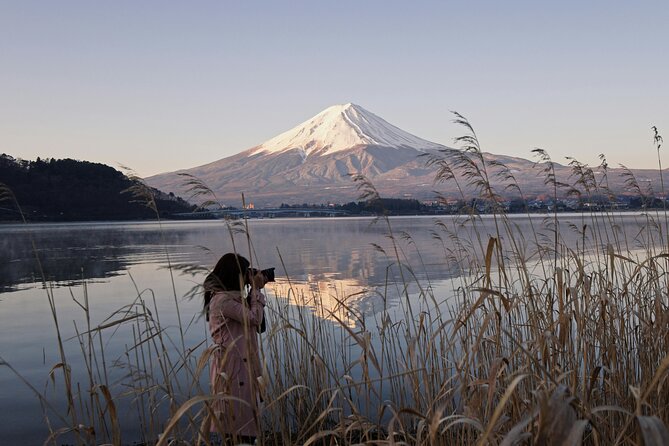
Oishi Park, on the north shore of Kawaguchiko, is an optional 30-minute stop with views of the lake and Mount Fuji together. It is especially attractive if you want a simple walk and a clean mountain photograph without another major climb.
The park works best as an add-on near the lake. It should not replace Chureito or the shrine if you want cultural sights, but it is a smart choice when the weather is clear and you have time left. One group made it here as an extra stop after visiting five main points, which shows how useful a flexible route can be when traffic is manageable.
Saiko Iyashi no Sato Nemba adds old Japan and local craft
Saiko Iyashi no Sato Nemba is a reconstructed village of old-style Japanese houses with straw roofs, set against Fuji views. You can see local craftwork and meet artists, while kimono and samurai armor rentals are available for an additional cost.
This is a better pick for you if you want more than mountain photos. The 30-minute visit is short, so you will need to decide in advance if costume rental or craft browsing matters to you. Admission is not included.
The village also gives the day a more human scale. Instead of only looking at Fuji from a viewpoint, you see how traditional buildings, clothing, and local skills are presented in the region.
The 5th Station is scenic, but not always practical
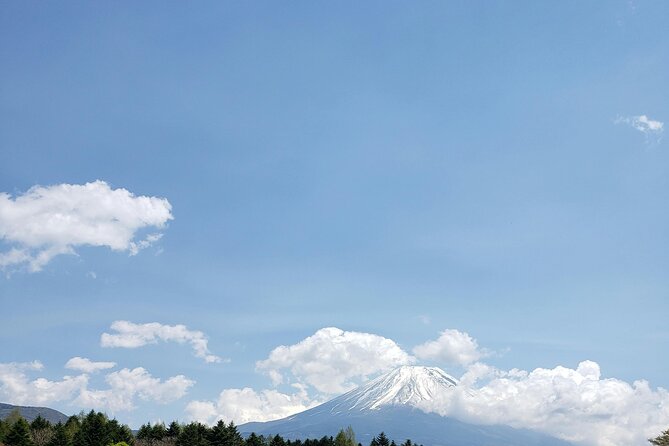
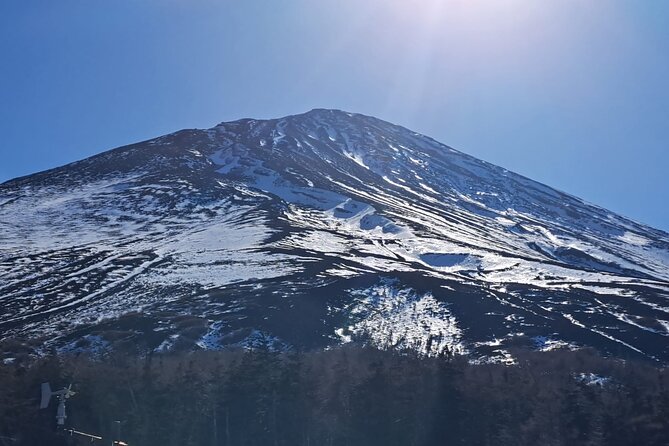
Mount Fuji’s 5th Station sits at about 2,300 meters and is the most popular starting point for climbers using the Yoshida Trail. You will find a monument, shops, restaurants, a Shinto shrine, and high mountain views. The stop takes about 30 minutes and has an additional admission cost.
The higher elevation gives you a different view from the lake and town stops. It can also feel cooler, and access depends on road conditions and the day’s route. If your main aim is simply to see Fuji, do not assume the 5th Station is automatically the best choice. Chureito, Oshino Hakkai, Kawaguchiko, and Oishi Park may provide more attractive mountain compositions.
Choose the 5th Station if you want the mountain gateway experience, high-altitude scenery, and a look at the route used by climbers. Tell the driver in the morning so it can be fitted into the route.
Lava caves offer a short, unusual stop
Narusawa Ice Cave and Fugaku Wind Cave are optional visits in the Aokigahara forest area. Both require extra admission, and each takes about 45 minutes.
Fugaku Wind Cave stays cool even in summer, with an average temperature of about 3 degrees Celsius. It was once used to store silkworm eggs and is a designated natural monument. Inside, you can see lava shelves, rope-like lava, and ice pillars. The basalt walls absorb sound, so the cave does not produce a normal echo.
Narusawa Ice Cave is another lava tube at Fuji’s northern foot. These are not effortless strolls, so ask about conditions and footwear before choosing one. If caves interest you, they add a geological side to a day otherwise focused on views and shrines. If you dislike confined or uneven spaces, use the time at the lake instead.
Parks, art, torii gates, and shopping
Kogamasao Memorial Park offers a 30-minute pause with Fuji views, walking space, and cherry blossoms in spring. It is best for photography or a quiet break rather than a major attraction.
The Itchiku Kubota Art Museum near Kawaguchiko displays elaborate kimono work by Itchiku Kubota, who revived the Tsujigahana dyeing method. The museum’s architecture, gardens, and textile designs make it the strongest choice for an art-focused visit. The listed admission information says the ticket is free, but confirm the current arrangement when booking because optional-site charges can vary.
Tenku no Torii means Torii in the Sky. The hillside gate frames Fuji and is especially suited to sunrise or sunset photography, though this tour’s daytime schedule may not match those ideal hours. Admission is not included.
Gotemba Premium Outlets has more than 200 stores, restaurants, and Fuji views. It makes sense only if shopping is a real priority. Thirty minutes is not much time for a large outlet center, so do not add it casually to a sightseeing-heavy route.
Fuji Chobo-no-yu Yurari Onsen offers indoor and outdoor baths, private baths, a sauna, a restaurant, and Fuji views. It is a pleasant way to finish a busy day, but the listed 30-minute slot is brief for a proper hot spring visit, and admission is extra.
Fuji-Q Highland is listed as permanently closed. Do not select it as a stop.
Timing, weather, and the art of choosing less
The most useful advice is to leave Tokyo early. One group needed about an hour and 40 minutes to reach the first stop from the Tokyo Hilton area, and afternoon traffic can make the return journey slow. The tour promises eight to 10 hours, not unlimited sightseeing time.
I would choose one main view stop, one cultural stop, one lake or park stop, and lunch. A sensible first-time combination is Chureito Pagoda, Kitaguchi Hongu Fuji Sengen Jinja, Lake Kawaguchiko with Oishi Park, and either Oshino Hakkai or the 5th Station.
Clear weather can transform the day. Several stops depend on seeing Fuji, so check the forecast and keep your route flexible. If the mountain disappears, the shrines, museum, village, and caves still give you worthwhile alternatives.
The tour has free cancellation up to 24 hours before the start time. If poor weather cancels the experience, you are offered another date or a full refund. That policy matters here because Fuji visibility is never guaranteed.
Who should book this private Fuji day trip?
Book it if you want door-to-door transport, dislike public-transport transfers, or have a small group that wants a private vehicle. It is also a good fit if you want to combine several kinds of stops in one day and appreciate help with photos, lunch, and route decisions.
Skip it if you want a slow, single-site visit, a specialist mountain guide, or the lowest possible price. The distance from Tokyo is real, and a long list of optional stops can create unrealistic expectations.
For the best value, travel with three people, start early, name your priorities before pickup, and keep one or two stops flexible for weather. If you do that, the $465 group price buys convenience and a day shaped around your interests rather than a fixed bus route.
FAQ
How long does the private Mount Fuji tour last?
The tour lasts approximately eight to 10 hours, including travel from Tokyo and the return journey.
How many people can join the private tour?
The price is for one private group of up to three people. Only your group participates.
What is included in the $465 group price?
The price includes an air-conditioned vehicle, private transportation, highway tolls, petrol and gas, and an English-speaking driver.
Is lunch included?
No. Lunch is not included, but Lake Kawaguchiko has several restaurants where you can stop to eat.
Do the boat cruise and ropeway at Lake Kawaguchiko cost extra?
Yes. The boat cruise or ropeway cable car costs about ¥1,000 per person and is paid separately.
Can I choose which Mount Fuji stops I visit?
Yes. The tour is customizable, and optional stops can be discussed with the driver in the morning. Since the day lasts eight to 10 hours, you should choose your main priorities early.
What happens if the weather is too poor for the tour?
If the experience is canceled because of poor weather, you are offered a different date or a full refund. You can also cancel up to 24 hours before the start time for a full refund.
Newly reviewed around Tokyo
- Tokyo Asakusa:Calligraphy & Make T-shirt Activity★ 5.0 · 62 reviews
- Intercity Shuttle, Tokyo to Haneda /Narita /Yokohama /Makuhari★ 5.0 · 5 reviews
- 1 Hour Travel around Tokyo with a Professional Photographer★ 5.0 · 3 reviews
- Travel Tokyo with Your Own Personal Photographer★ 5.0 · 43 reviews
- Train in Samurai Swordsmanship and Defeat the Demon in Tokyo★ 5.0 · 5 reviews
- Shuttle Van 6hr Tokyo Tour to-and-from Tokyo, Yokohama and Narita★ 5.0 · 9 reviews
- Kickboxing & Body Training with EX-Pro Fighter★ 5.0 · 4 reviews
- Traditional Japanese Knife Sharpening Class★ 5.0 · 18 reviews
Mount Fuji Day Trips from Tokyo, compared.
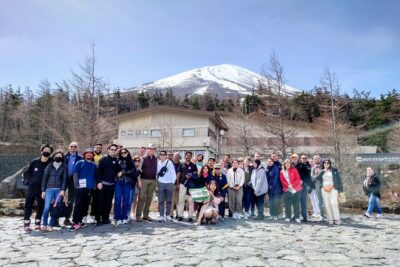
Mt Fuji and Hakone 1-Day Bus Tour Return by Bullet Train
Read our review →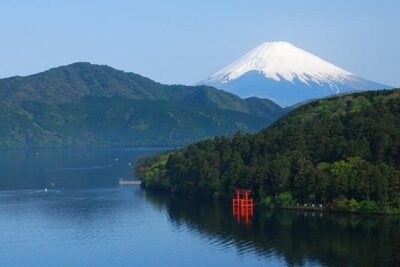
Mt Fuji & Hakone Cruise, Drum Show Bullet Train 1 Day from Tokyo
Read our review →
Tokyo Mt Fuji 5th St & Hakone Cruise Bus Tour w/Bullet Train
Read our review →
Mt. Fuji Tour, Hakone Ropeway, Owakudani, Lake Ashi
Read our review →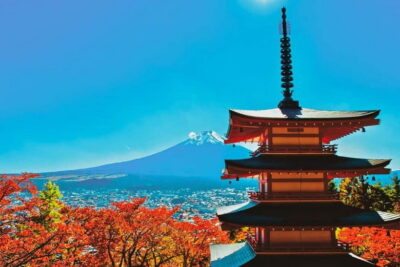
Mt.Fuji,Kawaguchiko Oishi Park,Arakurayama Sengen Park
Read our review →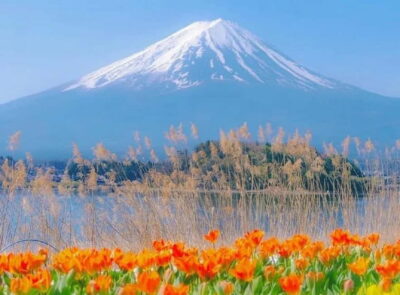
Mt Fuji Top 5 Spots Day Tour: Arakurayama Park,Oshino Hakkai
Read our review →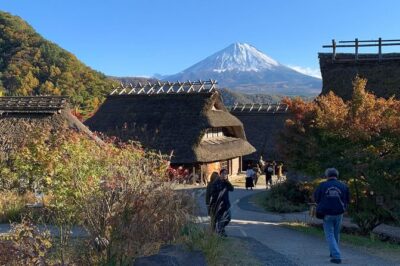
Private Tour to Mt. Fuji and Hakone (Fully Licenced Operator)
Read our review →Browse the lists this tour appears in