
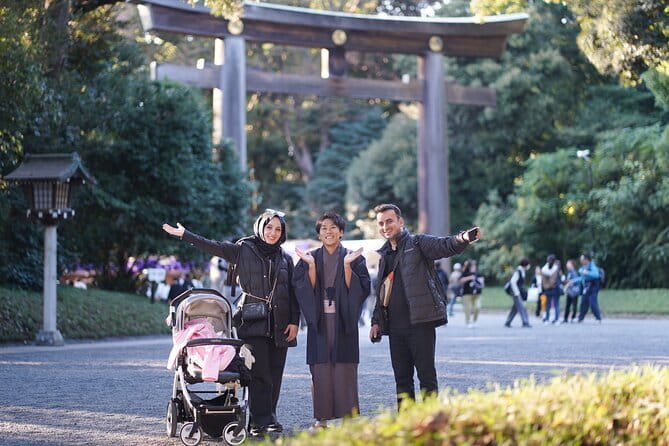
Reviewed · MEIJI SHRINE TOURS
Join a Unique Cultural Ceremony at Tokyo’s Meiji Shrine
The rare part here is not simply visiting Meiji Shrine. You are brought into a ceremonial hall to witness a traditional Shinto prayer ritual, with priests chanting while flutes and drums fill the wooden room. That is a far more focused experience than the usual quick visit to the shrine grounds.
I like the quiet forest walk and the small group, limited to six people. I also like the practical extras: handmade onigiri made with premium Japanese rice, plus more than 30 photos from a professional photographer. The main consideration is the price, $198.81 per person, which is substantial for a two-and-a-half-hour activity.
The ceremony also asks for the right attitude. You are observing a sacred practice, not attending a staged show, and the tour depends on good weather. If you want a relaxed cultural introduction with careful guidance, this is a strong choice. If you only want to see the shrine gate and take a few pictures, it costs more than you need to spend.
Key Points
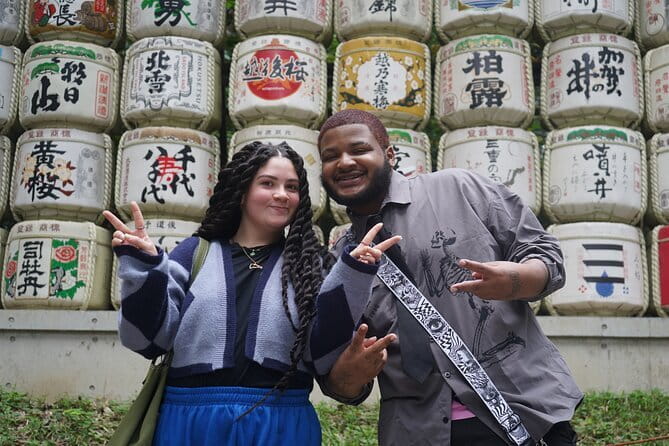
- A rare look inside a ceremonial hall: Watch a traditional gokito prayer ritual with chanting, flutes, and drums.
- A small group of six or fewer: The format allows for a quieter walk and more direct contact with the English-speaking guide.
- Kohei may lead the cultural discussion: His background and passion for Japanese customs have been especially well received.
- Handmade onigiri is included: Enjoy premium-rice rice balls before the tour as breakfast or afterward as a snack.
- More than 30 professional photos: A photographer records important moments, so you can concentrate on the ceremony.
- A two-and-a-half-hour visit: The pace leaves room for the forest approach, explanations, ritual, and return to Yoyogi Station.
Why the Gokito Ceremony Changes a Meiji Shrine Visit
Meiji Shrine is easy to visit on your own. You can walk through the huge torii gates, follow the forest paths, and reach the main shrine buildings without paying for a guide. The special value here is the chance to see a formal Shinto prayer ceremony, known as gokito.
Inside a wooden hall with high ceilings, priests chant ancient prayers. Traditional court music, including flutes and drums, adds sound to an otherwise quiet setting. You may not understand the words, but you can follow the rhythm and the careful movements.
The activity presents the ceremony as a cultural experience rather than a religious lesson. That distinction matters. You are not expected to know Shinto customs in advance, and you are not asked to perform complicated rituals. Your role is to sit, listen, and observe respectfully.
I like this approach because it gives the shrine a human scale. Meiji Shrine can feel grand and formal from the outside. The ceremony shows how the place functions as a living spiritual site, not just a famous Tokyo stop.
The experience is best for someone who wants context. If your ideal morning involves moving quickly from one landmark to the next, the stillness may feel slow. If you want to understand something about Japanese sensibilities and traditional practice, that quiet is the point.
More Meiji Shrine tours in Tokyo:
- Tokyo: Meiji Shrine, Asakusa, Skytree Bus Tour and Cruise
★ 4.7 · 1,986 reviews - Tokyo Panoramic 1 Day: Meiji Shrine, Asakusa, Odaiba and SKYTREE®
★ 4.5 · 1,222 reviews - Tokyo: Meiji Shrine Walking Tour — Shinto & Imperial System
★ 4.9 · 266 reviews
Walking Through the Meiji Shrine Forest
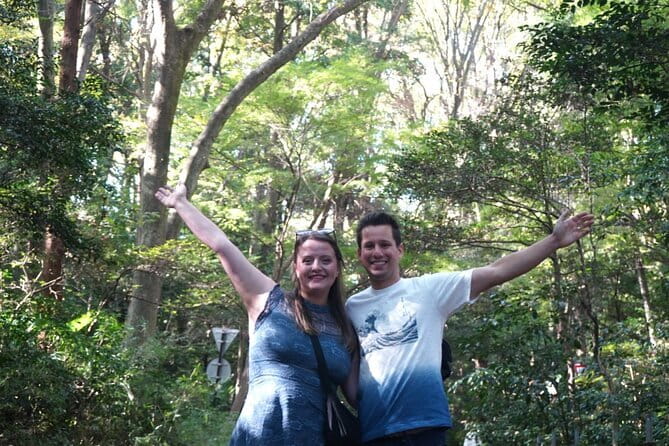
The tour begins near Yoyogi Station, at 1 Chome-34 Yoyogi in Shibuya. From there, you follow the peaceful approach through Meiji Shrine’s forested grounds. The walk is part of the experience, not just a way to get from the meeting point to the main event.
The forest changes the mood of central Tokyo. You are still in one of the world’s largest cities, but the sounds and pace soften as you move along the paths. The guide can explain customs and details that are easy to miss when walking alone.
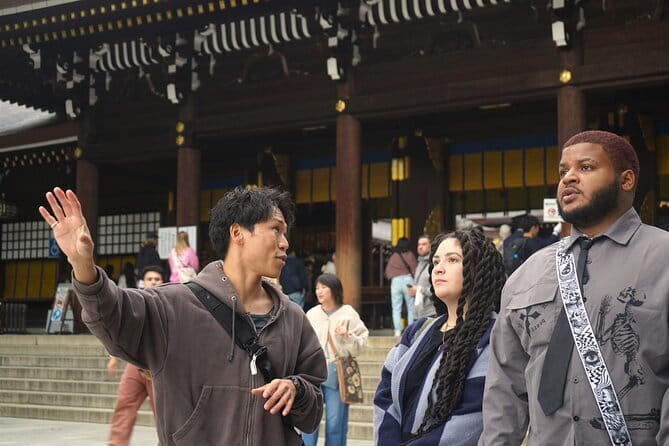
A fluent English-speaking guide leads the group, and the guide has official Meiji Jinguu membership. That gives the visit a closer connection to the shrine than a standard sightseeing walk. The guide also has experience living abroad, which helps link Japanese traditions to ideas you may already understand.
Kohei is specifically praised for his passion and cultural insight. You should confirm your guide when booking, but his name gives you a useful sense of the personal style this activity aims for. The tone is meant to be thoughtful and relaxed rather than rushed or academic.
The group limit of six is important. A large tour can turn a quiet shrine walk into a moving crowd. With only a few people, you have a better chance to hear the explanation, ask questions, and move respectfully through the grounds.
You should still expect some walking and be comfortable on your feet for the duration. The stated fitness requirement is moderate, so this is not presented as a demanding hike, but it is not a seated activity from start to finish.
Inside the Wooden Hall
The ceremonial hall is the heart of the visit. You step away from the forest paths and into a wooden interior with high ceilings and the scent of cypress. The setting is simple, quiet, and formal.
Priests conduct the prayer ceremony while chanting and traditional instruments fill the room. Flutes and drums create a measured sound that feels very different from the usual Tokyo sightseeing experience. You do not need to understand the Japanese prayers to appreciate the atmosphere.
The value here comes from being present without needing to control the experience. There is no performance to photograph every second and no checklist of objects to identify. You sit, listen, and let the ritual unfold.
That also means you should bring patience. The activity is not designed around constant narration. Some people will find the silence calming or moving. Others may prefer more active sightseeing. I would not book this expecting a show or a photo session with nonstop action.
The access is described as exclusive, with areas not usually open to the public. That is a major reason the price is higher than a normal shrine visit. It also creates a responsibility for you to follow the guide’s instructions, remain quiet, and treat the hall as a functioning sacred place.
The ceremony may become the most memorable part of your Tokyo visit because it asks so little from you. You do not need prior knowledge, religious interest, or special vocabulary. You only need to pay attention.
Onigiri Before or After the Ritual
Handmade onigiri is included, and this is more useful than it may first sound. The rice balls are made with premium Japanese rice rather than being standard convenience-store food.
You can have them before the tour as a simple breakfast or afterward as a snack. The timing may make this especially helpful if you are starting early and do not want to search for food near the station.
Onigiri is familiar to many people as a quick Japanese food, but handmade versions can offer a more local touch. The detail also fits the rest of the activity: the goal is to connect a well-known Japanese custom with a more personal setting.
Do not think of the rice balls as a full meal. The information describes them as breakfast or a snack, so you may still want to arrange other meals around the activity. The food is an added cultural detail, not the main reason to book.
A completely different kind of day in Tokyo:
- Mt Fuji and Hakone 1-Day Bus Tour Return by Bullet Train
★ 5.0 · 26,383 reviews - 1-Day Tokyo Bus Tour
★ 5.0 · 14,250 reviews - Tokyo: teamLab Planets TOKYO Digital Art Museum Entry Ticket
★ 4.6 · 9,779 reviews - Mt Fuji & Hakone Cruise, Drum Show Bullet Train 1 Day from Tokyo
★ 4.0 · 7,413 reviews
The Photographer and the 30-Plus Images
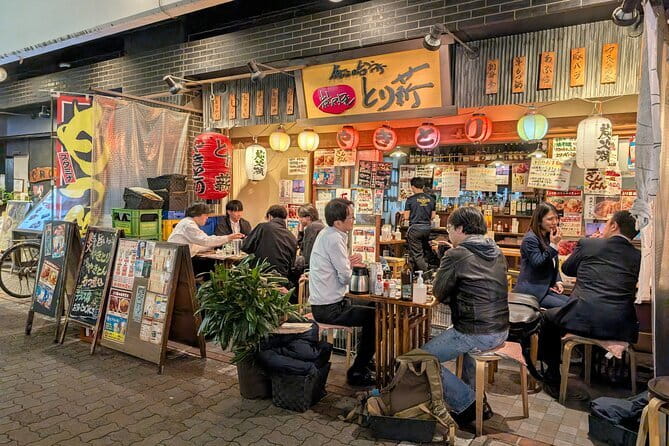
A professional photographer accompanies the group and captures more than 30 photos at important moments. This is a practical advantage if you want to focus on the walk and ceremony rather than hold your own phone throughout the visit.
The photography also helps with the parts of the experience that are difficult to recreate. The forest approach, shrine setting, and ceremonial atmosphere can be hard to capture well while you are trying to listen to the guide and behave respectfully.
You should keep your expectations sensible. The description promises more than 30 photos, but it does not specify delivery time, file format, or whether every person receives the same number of individual portraits. Those details are worth confirming before booking if the photography is central to your decision.
Still, the inclusion adds real value. A professional camera can record the occasion without turning the ceremony into a personal photo shoot. You can remain present while someone else handles the images.
The photos are also useful for families and couples who often end up with one person missing from every picture. Here, the activity gives you a record of the visit that a self-guided walk may not provide.
What the $198.81 Price Really Covers

At $198.81 per person, this is not a budget way to visit Meiji Shrine. The shrine itself can be visited without buying this kind of package, so you are paying for access, interpretation, a small group, food, and photography.
The strongest value comes from the ceremony. If the traditional prayer ritual and access to less-public areas are your main interests, the cost can make sense. The official shrine connection and English guidance also reduce the uncertainty of trying to understand formal customs on your own.
The group size helps justify the price. Six people or fewer allows the experience to feel more personal and gives the guide time to answer questions. You are not paying for a large bus tour with a microphone and a rigid route.
The photography adds another layer of value, especially if you are marking a birthday, anniversary, honeymoon, or first visit to Japan. The onigiri is a pleasant extra, but it should not determine your decision.
I would compare this with the cost of a regular guided Tokyo tour, then ask what you really want. If you want several neighborhoods and many sights, this experience covers too little ground. If you want one carefully framed cultural encounter, the price is easier to defend.
It is usually booked about seven days ahead, so planning early is sensible. The mobile ticket keeps the booking simple, and confirmation arrives at the time of booking.
Timing, Weather, and Meeting Point
The activity lasts about two hours and 30 minutes and finishes back at the meeting point near Yoyogi Station. That makes it easy to place at the beginning of a Tokyo day, especially if you want to continue around Shibuya afterward.
Starting near Yoyogi gives the tour a clear reference point. You should allow enough time to reach the station area without rushing. The activity is near public transportation, but the supplied details do not specify which exit to use, so check the meeting instructions carefully after booking.
The tour requires good weather. If poor weather causes cancellation, you are offered another date or a full refund. This is worth keeping in mind when planning a tight Japan itinerary, since a rescheduled ceremony may affect the rest of your day.
Free cancellation is available if you cancel at least 24 hours before the start time. Changes or cancellations inside that window are not accepted for a refund. Local time controls the cutoff.
These rules are fairly straightforward, but weather makes flexibility especially useful. I would avoid placing a nonrefundable restaurant reservation or a timed attraction immediately after the tour.
Who Will Like This Experience Most

This is a good fit if you want more than a landmark photograph. You should book it if you are curious about Japanese customs, prefer a small group, and can give two and a half hours to a calm, structured experience.
It also suits first-time visitors who want an introduction to Japan that is not built around shopping or food alone. The guide connects the shrine’s customs to your own cultural frame, which can make unfamiliar practices easier to understand.
Couples and families may like the professional photos. Solo visitors can also benefit, since you do not have to depend on strangers to take pictures.
You may want to skip it if you dislike quiet ceremonies, have limited time, or only want a quick walk through Meiji Shrine. It is also not the best match if you expect a fully flexible private tour, since the experience follows a set ceremony and returns to the original meeting point.
The religious setting deserves thought, too. The activity describes the ritual as a cultural connection, but it remains a sacred Shinto ceremony. Book only if you are comfortable observing respectfully rather than treating the event as entertainment.
Should You Book the Meiji Shrine Ceremony?
I would book this for the visitor who values access and understanding more than a long list of sights. The gokito ceremony, small group, English guidance, and professional photography give the experience a clear identity.
The price is high, and the tour is short for nearly $200. That cost makes sense only if the ritual and special access are important to you. The onigiri and photos help, but they do not turn an ordinary shrine walk into a premium bargain.
For a meaningful first or early Tokyo morning, this can be a fine choice. You leave with a stronger sense of how Meiji Shrine feels as a place of worship, not simply as a famous stop. Book it if that kind of quiet cultural encounter sounds worth more to you than adding another attraction to your schedule.
FAQ
How long does the Meiji Shrine experience last?
The activity lasts approximately two hours and 30 minutes.
Where does the tour begin and end?
It begins near Yoyogi Station at 1 Chome-34 Yoyogi, Shibuya, Tokyo 151-0053, Japan, and ends back at the meeting point.
What does the tour include?
The tour includes all fees and taxes, the fee for experiencing the traditional Japanese prayer ritual, handmade onigiri, and more than 30 professional photographs.
Is the Shinto prayer ritual included in the price?
Yes. The fee to experience the traditional Japanese praying ritual is included.
How many people can join the tour?
The activity has a maximum group size of six people.
What happens if bad weather cancels the activity?
If poor weather causes cancellation, you can choose a different date or receive a full refund.
Newly reviewed around Tokyo
- Tokyo Asakusa:Calligraphy & Make T-shirt Activity★ 5.0 · 62 reviews
- Intercity Shuttle, Tokyo to Haneda /Narita /Yokohama /Makuhari★ 5.0 · 5 reviews
- 1 Hour Travel around Tokyo with a Professional Photographer★ 5.0 · 3 reviews
- Travel Tokyo with Your Own Personal Photographer★ 5.0 · 43 reviews
- Train in Samurai Swordsmanship and Defeat the Demon in Tokyo★ 5.0 · 5 reviews
- Shuttle Van 6hr Tokyo Tour to-and-from Tokyo, Yokohama and Narita★ 5.0 · 9 reviews
- Kickboxing & Body Training with EX-Pro Fighter★ 5.0 · 4 reviews
- Tokyo History: Sensoji Temple & Asakusa District Private Tour★ 5.0 · 28 reviews
Meiji Shrine Tours, compared.
Meiji Shrine, Asakusa, Skytree Bus Tour and Cruise
Read our review →
Tokyo Panoramic 1 Day: Meiji Shrine, Asakusa, Odaiba and SKYTREE®
Read our review →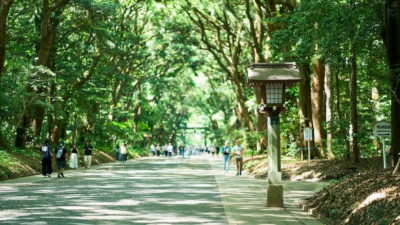
Meiji Shrine Walking Tour — Shinto & Imperial System
Read our review →
Meiji Jingu Shrine and Shinto Culture Walking Tour
Read our review →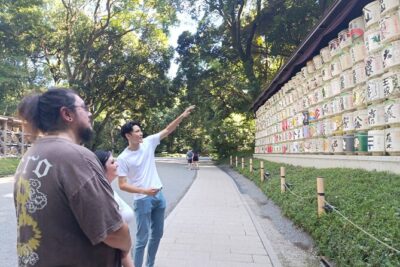
Meiji Shrine Walking Tour — Shintoism & Imperial System
Read our review →
1 Day Bus Tour with Meiji-Jingu,Odaiba,lunch&Skytree
Read our review →
Tokyo Morning Tour : Meiji Shrine, Asakusa and Fish Market
Read our review →Browse the lists this tour appears in