Reviewed · GUIDED
Edo Tokyo & Japanese Culture Tour with Government Licensed Guide
Tokyo’s modern face can hide its older one. This private tour helps you find it, linking the former Edo Castle, sumo country in Ryogoku, old Nihonbashi, the Sumida River, and museums that explain how ordinary life changed. A licensed local guide gives the places context you will miss on your own.
I like the freedom to choose just three or four stops, and I like the practical help with Tokyo’s trains and IC cards. Guides including Shinji, Kei-san, Andy, and Show have tailored days around interests such as architecture, history, food, and Japanese philosophy. The main catch is cost: at $154.37 per person, you still pay for transport, meals, and most admission fees.
Key points to know before booking
- Choose three or four sights: The route is customizable, but Tokyo distances make a short list wiser than an ambitious one.
- Expect a walking day: Pickup means meeting your guide on foot within the designated Tokyo area, not a private car at your hotel.
- Use the tour to understand Edo: Ryogoku, Nihonbashi, the Imperial Palace grounds, and recreated Edo streets each show a different piece of old Tokyo.
- Transport practice is part of the value: Guides can help you handle local trains and an IC card, a useful skill for the rest of your stay.
- Admission costs vary: Entry fees, lunch, public transport, and personal spending are extra, so budget beyond the advertised price.
- Keep your schedule flexible: A route crossing Tokyo can run long, especially when weather or distant sights slow the day.
Why this tour works best for Tokyo’s older story
Tokyo is easy to admire and surprisingly hard to understand. Neon streets, glass towers, packed rail lines, and quiet shrines can all sit within a few minutes of one another. This experience gives you a human guide for sorting out those layers.
You are not simply driven from one photo stop to another. The day is mainly on foot, with public transport possible between sites. That matters because the movement between neighborhoods becomes part of the lesson. You see how Tokyo’s districts connect, how the old road network shaped the city, and how the past still appears beside new construction.
The private format is another major strength. Only your group joins the guide, so you can ask questions, slow down for architecture, or change the focus when something catches your eye. One guide, Kei-san, was praised for his eye for architecture and aesthetics, while Andy was described as patient with questions and willing to research answers afterward. Those details point to the type of guide this tour can provide: not just a route leader, but a useful interpreter of what you are seeing.
Still, customization needs restraint. The tour lasts about six hours, and Tokyo is enormous. A group once chose sites far apart and ended up running well over the planned time. If you want a pleasant day rather than a race across the city, select nearby stops with your guide.
More guided tours in Tokyo:
- Tokyo 6hr Private Tour with Government-Licensed Guide
★ 5.0 · 3,902 reviews - Tokyo: Shinjuku Local Bar and Izakaya Guided Walking Tour
★ 4.9 · 1,794 reviews - Tokyo: Private City Highlights Tour with Local Guide
★ 4.8 · 1,433 reviews
Imperial Palace: Edo Castle without palace access
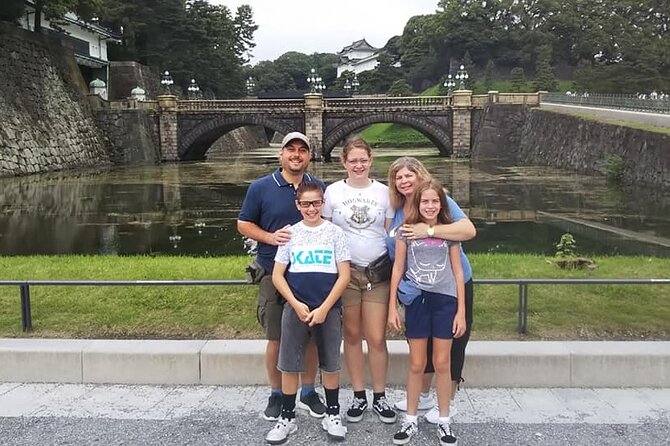
The Imperial Palace is the natural starting point for Tokyo’s political story. The current palace occupies the former site of Edo Castle, once the seat of the Tokugawa shoguns. Moats, stone walls, gates, and broad parkland help you picture the scale of the old stronghold.
Be clear about what you are getting. This tour does not include entry inside the Imperial Palace, and there is no palace interior visit in the advertised stop. The value lies in the grounds and the historical setting, not in touring royal rooms.
I would choose this stop if you want a concise introduction to Edo becoming Tokyo. I would skip it if your main goal is an ornate interior or a long museum visit. Admission is not included, and the guide can explain the site, but the stop itself is more about setting the scene than seeing a large collection of objects.
Ryogoku and the living world of sumo
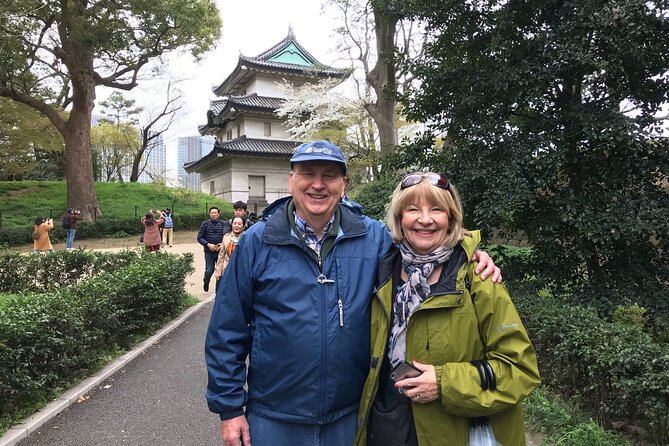
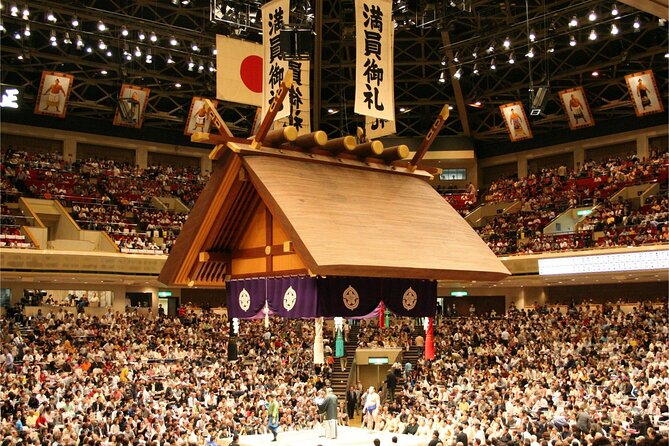
Ryogoku gives the day a strong sense of place. This is Tokyo’s sumo district, home to the Ryogoku Kokugikan stadium, sumo stables, chanko restaurants, and other attractions linked to the sport. Even without attending a tournament, you can learn why sumo is more than a contest of strength.
The planned visit to the Kokugikan lasts about 30 minutes and is free. That short time works as an introduction, especially if your guide explains the customs, training world, and role of the district. It is not a substitute for a full tournament or a stable visit, neither of which is promised here.
Nearby, Ryogoku Edo Noren offers a chance to stop for Tokyo-style food in a setting designed to resemble Edo-period Japan. The food court is a practical lunch option, but lunch is not included. You pay for your meal, and the stop lasts about 45 minutes.
I like the way these two stops work together. Sumo gives you a living cultural tradition, while Edo Noren uses design and food to recall the city’s past. Just remember that the guide can help you understand the setting, but the meal remains your own expense.
Hokusai’s art in a focused half-hour
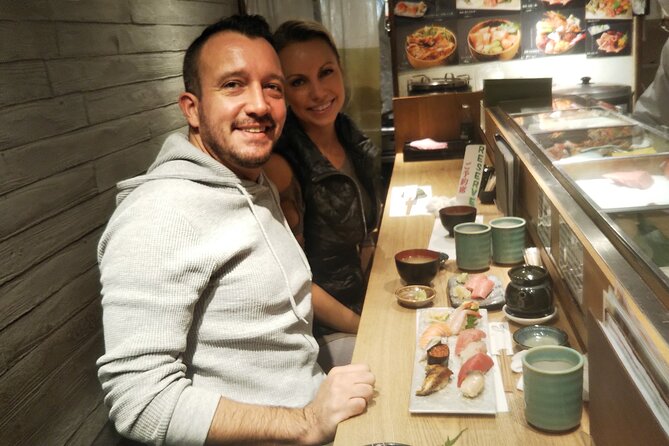
The Sumida Hokusai Museum is devoted to Katsushika Hokusai, the ukiyo-e artist best known outside Japan for works such as The Great Wave off Kanagawa. The museum offers a focused look at his art and its place in Japanese visual culture.
The scheduled visit is about 30 minutes, and admission is extra. That is enough for a guided introduction, but not necessarily enough if you want to examine every display at length. If Hokusai is a main reason for choosing the tour, ask your guide whether this stop deserves more time and which other stop should be removed.
For me, the museum makes most sense alongside Ryogoku. Both are in the eastern part of Tokyo and connect to the Sumida area. That pairing reduces wasted transit time and gives the day a clear geographic shape.
A completely different kind of day in Tokyo:
- Mt Fuji and Hakone 1-Day Bus Tour Return by Bullet Train
★ 5.0 · 26,383 reviews - 1-Day Tokyo Bus Tour
★ 5.0 · 14,250 reviews - Tokyo: teamLab Planets TOKYO Digital Art Museum Entry Ticket
★ 4.6 · 9,779 reviews - Mt Fuji & Hakone Cruise, Drum Show Bullet Train 1 Day from Tokyo
★ 4.0 · 7,413 reviews
The Great Kanto Earthquake and Tokyo’s rebuilding
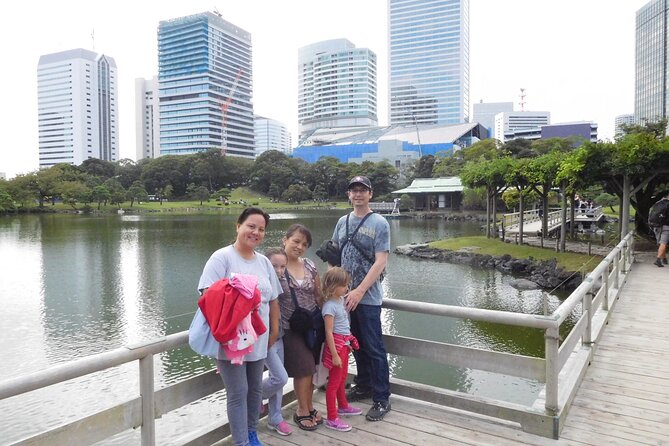
The Kanto Earthquake Memorial Museum adds a serious note to the day. Its focus is the Great Kanto earthquake and the way Tokyo rebuilt afterward. You get more than a date and a disaster story. The subject helps explain why the city has had to rethink buildings, streets, neighborhoods, and public safety.
The planned stop lasts about one hour, with admission extra. I would give it that time. A quick glance cannot do justice to a museum about a major turning point in Tokyo’s physical and social development.
This is also a useful counterweight to the picturesque parts of the tour. Old bridges, recreated streets, and historic districts can make Edo Tokyo feel romantic. The earthquake museum reminds you that Tokyo’s past also includes loss, rebuilding, and hard choices about how a modern city should function.
Nihonbashi and the old road network
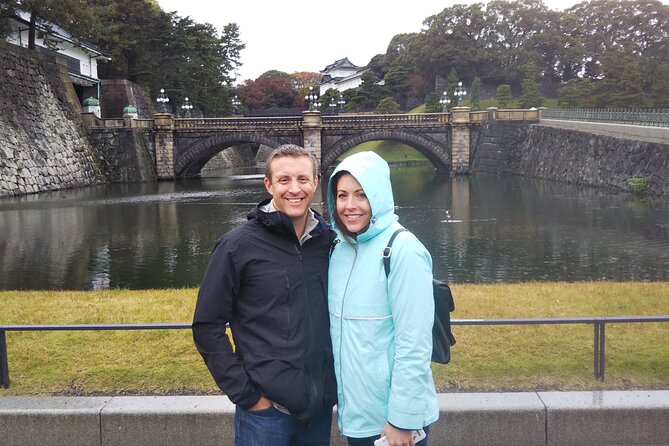
Nihonbashi was once the starting point of five major roads running across Japan. It prospered as the center of Edo, and the district still carries an older feel despite its present-day city setting.
This is one of the most useful stops for understanding how Tokyo grew. Instead of treating history as a collection of isolated buildings, your guide can explain how roads, commerce, bridges, and the river shaped daily life. The old bridge also gives you a physical point of reference for the city’s past.
There is no listed stop length or admission fee for Nihonbashi, so the time will depend on your route. That flexibility is helpful. You can make it a quick orientation stop or spend longer discussing the road system and nearby architecture.
The Sumida River as Tokyo’s working spine
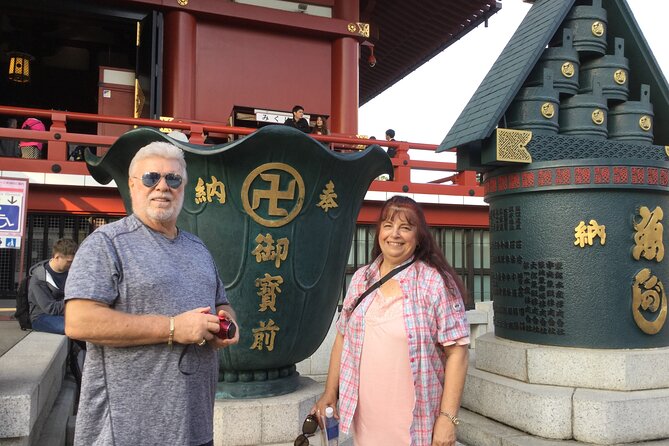
The Sumida River is one of Tokyo’s main rivers and one of the city’s most familiar waterways. It runs from north of central Tokyo eastward through the city, linking several of the places included in this experience.
I find river stops valuable because they help you read the city at a wider scale. Streets can feel like separate worlds, but the river shows how neighborhoods relate. It also gives your guide a chance to discuss movement, trade, and the role of water in Tokyo’s growth, provided those subjects fit your chosen route.
Do not expect a boat cruise or a long riverside excursion. The information provided describes the river as a sightseeing point, not a separate cruise experience. Think of it as a connective piece between districts.
Two museums that recreate everyday Edo
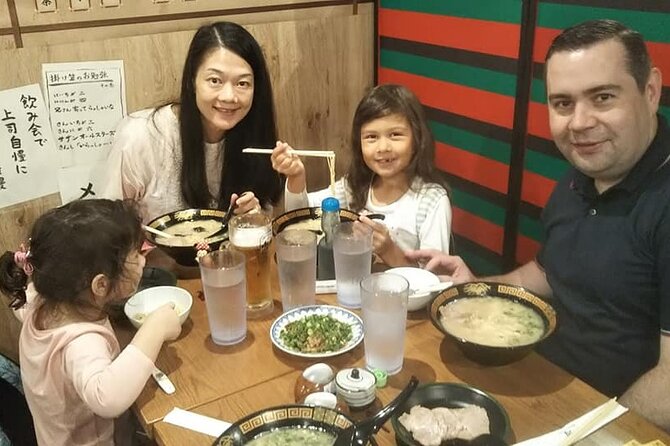
The Edo-Tokyo Open Air Architectural Museum is located in western Tokyo and offers a look at Japanese culture through historic buildings placed in an outdoor museum setting. The museum was established by the Tokyo Metropolitan Government in 1993.
The scheduled visit is only 15 minutes, and admission is not included. That is a very short stop for an outdoor museum. I would choose it only if it fits naturally into a western Tokyo route or if architecture is your main interest. Otherwise, the travel time may not justify such a brief visit.
The Fukagawa Edo Museum takes a different approach. It recreates an entire Edo-period neighborhood with streets, houses, shops, and other details of daily life. Rather than viewing isolated artifacts behind glass, you get a more immediate sense of how a district was arranged and how people used it.
The planned visit is about 30 minutes, with admission extra. That is still brief, but the recreated setting makes the time productive. If you want to picture ordinary Edo life, I would favor Fukagawa over the short outdoor museum visit.
How the six-hour day really feels
Six hours sounds generous until you add Tokyo’s distances, walking, museum visits, questions, food, and train connections. The tour is best understood as a guided half-day with room for three or four chosen sights, not a checklist of every stop described here.
Your guide meets you on foot within a designated area of Tokyo. There is no private vehicle. Public transport may be used, and transportation fees are extra. Bring money for fares and meals, and do not assume every payment can be made by credit card. Japan still uses cash widely, and one practical tip from the experience is to have local currency available.
The guides can also show you how to use an IC card and make sense of Tokyo’s public transport system. That is real value, especially early in a Japan visit. You gain a skill you can use after the tour, rather than only a few photographs.
Wear comfortable shoes and plan for weather. The activity is primarily walking, and the route may need to change if conditions make an outdoor stop unpleasant. Most people can participate, and service animals are allowed, but the walking format should guide your expectations.
What $154.37 buys you
The price is $154.37 per person. That is not a bargain if you compare it with exploring a single neighborhood independently. You pay extra for admissions, transport, lunch, and other personal costs, so your final spending will be higher.
The value improves when you use the private guide well. You are paying for a tailored route, English-language explanation, help with public transport, and the ability to ask questions without a large group setting. For a couple or family interested in history, those advantages can outweigh the additional cost.
The price is harder to justify if you want only free sights or if you are comfortable planning Tokyo’s trains and museums yourself. It also makes less sense to select distant places simply because they appear on the possible list. A carefully grouped route gives you more guide time and less time changing trains.
Group discounts may be available, but multiple separate tour groups cannot be combined. Since this is a private activity, only your own group participates.
Who should book this Tokyo history day
I would recommend it to first-time visitors who want Tokyo’s history explained in plain English, families who prefer a private pace, and anyone curious about sumo, Edo culture, architecture, or the city’s rebuilding after disaster.
It also suits people who find Tokyo’s transport system intimidating. Guides such as Show have helped groups learn to use an IC card and navigate local trains, turning a source of stress into part of the experience.
I would hesitate if you dislike walking, need a fixed low-cost schedule, or mainly want to enter the Imperial Palace. The palace interior is not included. I would also think twice if you want long museum visits, since several stops are planned for only 15 to 30 minutes.
The cancellation terms are friendly: you can receive a full refund if you cancel at least 24 hours before the local start time. Changes made inside that window are not accepted.
Should you book it?
Book this tour if you want a private guide to connect Tokyo’s old roads, sumo culture, art, disaster history, rivers, and recreated neighborhoods into one readable story. Choose three or four nearby sights, tell the guide what matters to you, and leave room for walking and questions.
Skip it if you prefer to explore at your own pace and are comfortable handling public transport, museum research, and admissions yourself. The best reason to book is not the number of stops. It is the chance to turn a huge modern city into a place you can understand.
FAQ
Is the Imperial Palace interior included?
No. The tour visits the current Imperial Palace area on the former site of Edo Castle, but it does not include access inside the Imperial Palace.
How many sites can I visit?
The included plan is customizable and covers three or four sites chosen from the available options. Because Tokyo is large, choosing nearby sights is important.
Is transportation included?
No. The experience is primarily a walking tour, and you may use public transportation. Transport fees are extra, and there is no private vehicle.
Is lunch included?
No. Lunch is not included. One possible food stop is Ryogoku Edo Noren, a food court styled to resemble Edo-period Japan.
Is this a private tour?
Yes. Only your group participates, and you meet the licensed English-speaking guide on foot within the designated area of Tokyo.
What is the cancellation policy?
You can cancel for a full refund up to 24 hours before the experience start time. Cancellations or changes made less than 24 hours before the start are not accepted.
Newly reviewed around Tokyo
- Tokyo Asakusa:Calligraphy & Make T-shirt Activity★ 5.0 · 62 reviews
- Intercity Shuttle, Tokyo to Haneda /Narita /Yokohama /Makuhari★ 5.0 · 5 reviews
- 1 Hour Travel around Tokyo with a Professional Photographer★ 5.0 · 3 reviews
- Travel Tokyo with Your Own Personal Photographer★ 5.0 · 43 reviews
- Kickboxing & Body Training with EX-Pro Fighter★ 5.0 · 4 reviews
- Train in Samurai Swordsmanship and Defeat the Demon in Tokyo★ 5.0 · 5 reviews
- Shuttle Van 6hr Tokyo Tour to-and-from Tokyo, Yokohama and Narita★ 5.0 · 9 reviews
- Traditional Japanese Knife Sharpening Class★ 5.0 · 18 reviews
Guided, compared.
Tokyo 6hr Private Tour with Government-Licensed Guide
Read our review →
Shinjuku Local Bar and Izakaya Guided Walking Tour
Read our review →
Private City Highlights Tour with Local Guide
Read our review →
Tokyo 4hr Private Tour with Government-Licensed Guide
Read our review →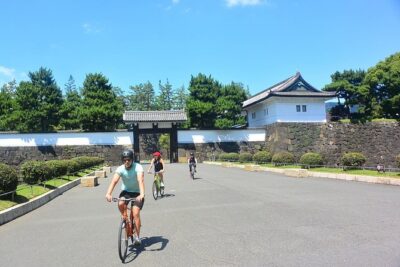
Samurai Ninja Museum Guided tour and Experience
Read our review →