Reviewed · GUIDED
Tokyo Small Group Tour with Guide
Tokyo can feel like several cities stitched together by trains. This tour gives you a useful first look at the whole picture, from the quiet grounds of the Imperial Palace to the organized rush of Shibuya Crossing. You also get Senso-ji, Meiji Jingu, Harajuku, and Asakusa in one long day, without having to work out the route yourself.
I like the 15-person limit, which keeps the group small enough for questions and guide commentary. I also like the range of subjects: guides such as Mary, Daniel, Coral, Tomas, and Suzana have been praised for explaining Japanese customs, beliefs, history, and daily life, not just pointing out buildings. The catch is simple: this is a serious walking day. One guest counted more than 20,000 steps, so comfortable shoes are not optional.
Key points to know before booking
- Five major Tokyo areas in one day: The route links the Imperial Palace, Asakusa, Harajuku, Meiji Jingu, and Shibuya.
- A group capped at 15: You get the ease of a guided outing without a large coach crowd.
- A guide adds cultural context: Mary, Daniel, Coral, Tomas, and Suzana have been singled out for clear explanations and friendly help.
- Free-entry sights keep the price focused: At $99, your payment mainly covers the guide, route planning, and full-day assistance.
- Expect a lot of walking: The tour requires moderate physical fitness and may reach more than 20,000 steps.
- The route ends at Shibuya Station: You finish after seeing the famous crossing in action, with transport connections nearby.
A smart first day in Tokyo
I see this as an orientation tour rather than a slow, specialist look at one neighborhood. The route covers old Tokyo, imperial Tokyo, shrine-centered Tokyo, youth culture, and modern commercial Tokyo. That range is its main strength.
The tour starts at 9:00 a.m. at Starbucks Coffee in Kokyo Gaien Wadakura Fountain Park, near the Imperial Palace area. Starting here makes sense. You begin in a calm central setting before moving through more crowded parts of the city.
Your guide handles the route, timing, and transitions. That matters in Tokyo, where a day can be lost to wrong turns, confusing station exits, or trying to decide which famous sight deserves your limited time. You can concentrate on what you are seeing instead of constantly checking a map.
The group limit of 15 is also meaningful. It is not a private tour, and you should not expect every minute to be shaped around your own interests. Still, a small group gives the guide a better chance to answer questions and keep everyone together.
More guided tours in Tokyo:
- Tokyo 6hr Private Tour with Government-Licensed Guide
★ 5.0 · 3,902 reviews - Tokyo: Shinjuku Local Bar and Izakaya Guided Walking Tour
★ 4.9 · 1,794 reviews - Tokyo: Private City Highlights Tour with Local Guide
★ 4.8 · 1,433 reviews
The Imperial Palace gardens and Nijubashi Bridge
The first stop is the East Gardens of the Imperial Palace, including the ruins of Edo Castle. You have about an hour here, and admission is free.
This opening stop gives you a useful sense of Tokyo’s older political center. The gardens offer a change of pace from the city streets, while the castle ruins connect the modern capital with the period when Edo was the seat of the shogun. Your guide can help place the grounds in context, which is useful if Japanese political history is new to you.
You also get views of Nijubashi Bridge, one of the best-known palace-area photo spots. The bridge is especially helpful as a visual introduction to the imperial compound. You see a formal, carefully maintained side of Tokyo before the tour shifts to Asakusa’s temple streets.
Do not expect a long palace interior visit. The listed stop focuses on the gardens, castle remains, and bridge views. The appeal is the open setting and the explanation from your guide, not a series of indoor rooms.
Three hours in Asakusa and Senso-ji
Asakusa receives the longest block of time, about three hours. That is appropriate because this is the most layered stop on the route.
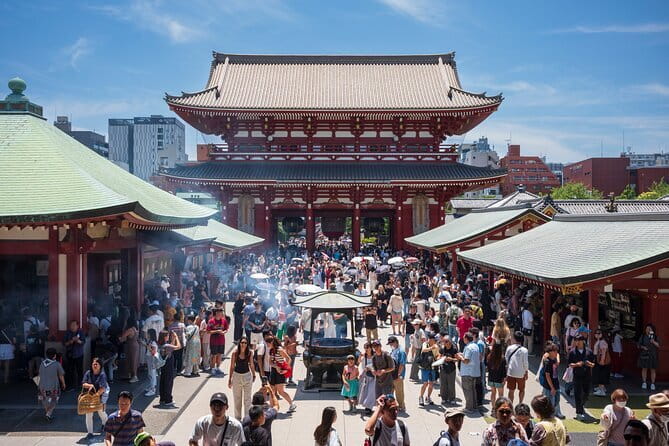
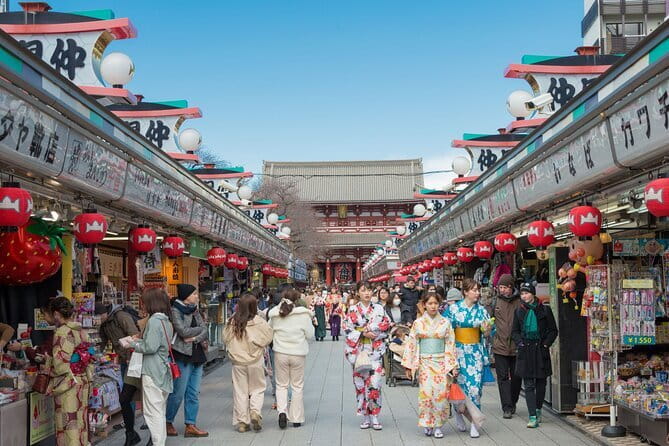
You walk along Nakamise-dori, the busy approach to Senso-ji Temple. The street is known for shops and an active pedestrian atmosphere, so it gives you a direct look at one of Tokyo’s best-known traditional sightseeing areas. You then explore Senso-ji, the city’s oldest Buddhist site.
A guide is particularly useful here. Temples can be visually impressive while their customs remain unclear to first-time visitors. The guides on this tour explain beliefs, local practices, and cultural details, helping you understand what you are seeing rather than simply taking photos and moving on.
Three hours gives you breathing room, but it also makes this part a major portion of the day. If you prefer a quick checklist of sights, Asakusa may feel long. I think the time is well used for a first Tokyo visit because it allows the guide to explain both the temple and the surrounding streets.
Asakusa is also where the walking can begin to catch up with you. You are on your feet, moving through public spaces, and keeping pace with a group. Wear shoes with good support, and bring what you need for several hours away from your hotel.
Harajuku and Tokyo’s younger side
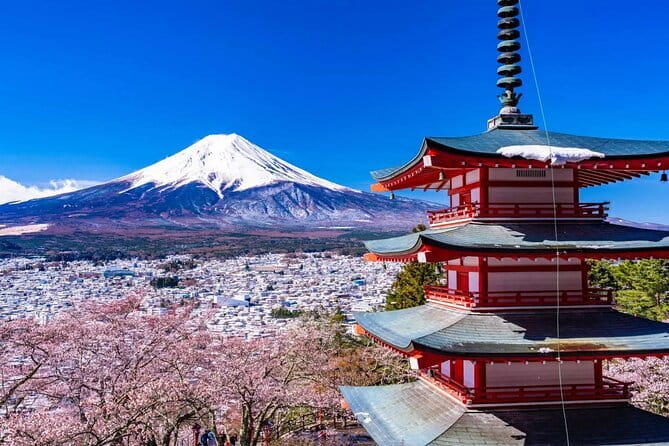
The tour then moves to Harajuku Station and spends about 90 minutes in the district. Harajuku brings a different mood from both the palace grounds and Senso-ji.
The area is associated with colorful street culture and youthful style. Here, you get a glimpse of a more contemporary Tokyo, with the guide pointing out the character of the neighborhood and how it differs from the traditional districts earlier in the day.
This stop helps prevent the tour from becoming only a parade of temples and formal landmarks. Tokyo’s appeal comes from its sharp contrasts, and Harajuku supplies one of the clearest changes in tone.
The limitation is that 90 minutes is enough for an introduction, not a full exploration of every street or shop. If Harajuku is a top priority for you, you may want to return on your own after the tour. The guided visit gives you orientation and context, then lets you decide if the area deserves more of your time.
A completely different kind of day in Tokyo:
- Mt Fuji and Hakone 1-Day Bus Tour Return by Bullet Train
★ 5.0 · 26,383 reviews - 1-Day Tokyo Bus Tour
★ 5.0 · 14,250 reviews - Tokyo: teamLab Planets TOKYO Digital Art Museum Entry Ticket
★ 4.6 · 9,779 reviews - Mt Fuji & Hakone Cruise, Drum Show Bullet Train 1 Day from Tokyo
★ 4.0 · 7,413 reviews
Meiji Jingu, a quieter shrine setting
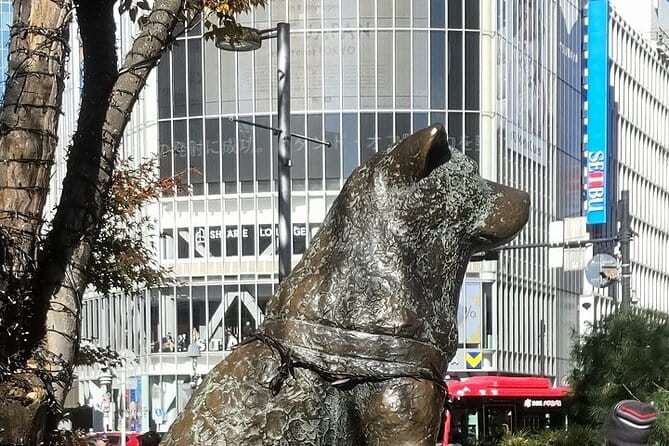
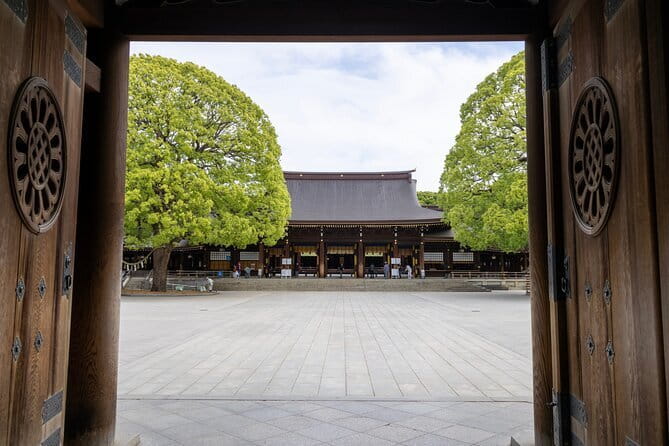
Meiji Jingu receives about 90 minutes. It is described as Tokyo’s most famous Shinto shrine, and it offers another important cultural contrast.
Senso-ji is a Buddhist temple in Asakusa. Meiji Jingu is a Shinto shrine in the Harajuku area. Seeing both in one day gives you a basic way to distinguish two major parts of Japanese religious life, especially when your guide explains customs and beliefs along the way.
The shrine stop also balances the commercial energy of Harajuku. You move from shops and street culture to a place built around worship and ceremony. That change is one of the tour’s better choices because it gives the day a clear rhythm.
You should keep in mind that the tour is still moving through a major city. This is not a quiet retreat with unlimited time for reflection. The group has a schedule, and the guide must keep the day on track for the final stop.
Shibuya Crossing finishes the day
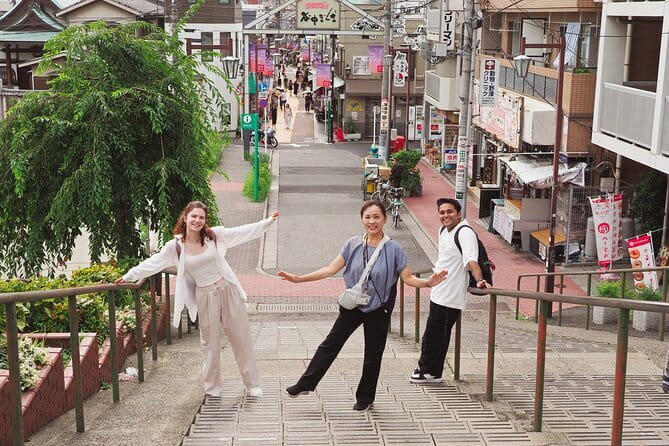
The final stop is Shibuya Crossing, with about 30 minutes in the Shibuya commercial district. The tour ends at Shibuya Station after you watch the crossing in action.
This is a short stop, but it works well as a finale. After the palace gardens, temple streets, shrine grounds, and Harajuku, you finish with one of Tokyo’s clearest symbols of modern city life. The crossing is best understood as part of the surrounding commercial ward, not as a stand-alone attraction requiring hours.
Ending at Shibuya Station is practical. You do not need to retrace the route to reach your next destination, and the station provides a useful transport point for continuing your evening. The day closes in a lively part of Tokyo rather than sending you back to the morning meeting point.
What the guides add to the day

The guide is the heart of this experience. The strongest feedback centers on explanations of Japanese culture, customs, beliefs, and history, along with friendly communication.
Mary has been praised for providing background on Japanese culture and helping explain local beliefs and customs. Daniel is described as energetic and informative across the full Tokyo route. Coral has been noted for making the history and local details engaging, while Tomas is praised for explaining the sights clearly despite the long walking day. Suzana helped connect different parts of central Tokyo, including the city’s railway lines.
Those names matter because the quality of a guided day depends heavily on the person leading it. Your guide may be one of these individuals or someone else from the company, so I would treat the names as examples of the standard you can hope for, not a guarantee of a particular assignment.
The guide also saves you from having to build a cultural framework on your own. You see five distinct areas, but the real value comes from understanding why they differ. That is more useful than simply collecting five photographs.
Is $99 a fair price?
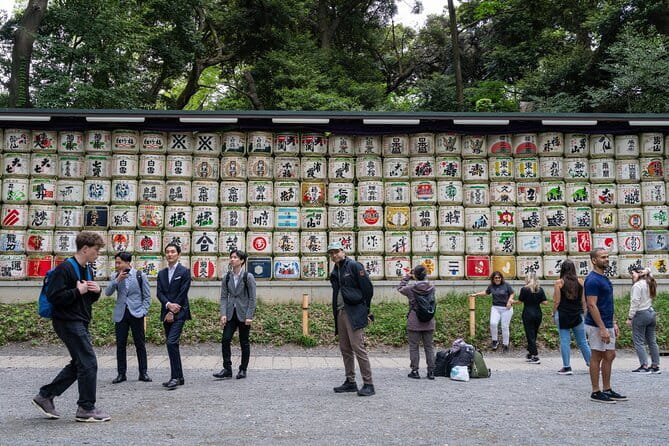
At $99 per person, the tour is not the cheapest way to see Tokyo. You could visit each sight independently because the listed admissions are free. If your only goal is transportation from one landmark to another, the price may feel high.
The value comes from the full-day planning and explanation. You get a hand-picked guide, a route covering several major sights, help navigating between districts, and a small group limited to 15. For a first visit, that can prevent a day of missed connections and uncertain choices.
You are also buying time. Tokyo is easy to enjoy but not always easy to organize. A guide gives you a ready-made structure and helps you make sense of sights that might otherwise blur together.
The price makes the most sense if you are new to Tokyo, have limited time, or want cultural background as you go. It makes less sense if you already know the city well, prefer independent wandering, or plan to spend a full day in just one neighborhood.
Walking, weather, and practical comfort
The physical demand deserves honest attention. The tour lasts about 7 to 8 hours and requires a moderate level of fitness. You may walk more than 20,000 steps, with long periods on your feet and multiple district changes.
Wear comfortable walking shoes. Bring water and dress for the weather, since the day includes outdoor gardens, streets, shrine grounds, and public areas. The experience requires good weather, and poor conditions can lead to a different date or a full refund.
The meeting point is Starbucks Coffee at Kokyo Gaien Wadakura Fountain Park, 3-1 Kōkyogaien, Chiyoda City. It starts at 9:00 a.m. The tour ends at Shibuya Station, 2 Chome-24, Shibuya, which makes the finish convenient for onward plans.
A mobile ticket is provided, and confirmation arrives at booking. The meeting areas are near public transportation. Service animals are allowed. Personal travel insurance is not included, so arrange that separately if you want coverage.
Free cancellation is available up to 24 hours before the start time for a full refund. Changes or cancellations made within 24 hours are not accepted for a refund, and the local Tokyo cut-off applies.
Who should book this Tokyo tour?
I would choose this tour for a first-time Tokyo visit, especially if you want to see several famous places before deciding where to return. It is also a good match if you enjoy asking questions and want help understanding Japanese customs rather than simply following a map.
The tour suits solo visitors, couples, and small groups who appreciate a planned day. The 15-person limit gives you more contact with the guide than a large sightseeing bus would.
I would hesitate if you have limited mobility, dislike long walks, or want a relaxed pace. The day is efficient, but efficiency means regular movement and a fixed schedule. I would also hesitate if you have already visited these districts and want lesser-known neighborhoods instead.
For most first visits, the mix is strong. You see imperial grounds, an old Buddhist temple, a Shinto shrine, Harajuku, and Shibuya in one sweep. You leave with a working map of Tokyo in your head, plus enough context to plan your next days more wisely.
Should you book it?
Book this tour if you want a big-picture introduction to Tokyo and are ready for a full day on foot. At $99, it offers solid value through route planning, guide commentary, and access to five major areas whose admission fees are free.
Skip it if you prefer setting your own pace or if 20,000 steps sounds unpleasant. For everyone else, this is a practical first-day choice, especially when you want Tokyo’s old and new sides explained by a guide who can connect the sights.
FAQ
How long does the Tokyo Small Group Tour with Guide last?
The experience lasts approximately 7 to 8 hours.
What time does the tour start?
The tour starts at 9:00 a.m.
Where does the tour begin?
It begins at Starbucks Coffee in Kokyo Gaien Wadakura Fountain Park, 3-1 Kōkyogaien, Chiyoda City, Tokyo 100-0002, Japan.
Where does the tour end?
The tour ends at Shibuya Station, 2 Chome-24, Shibuya, Tokyo 150-0002, Japan, after seeing Shibuya Crossing.
What places are included on the route?
The route includes the East Gardens of the Imperial Palace and Edo Castle ruins, Asakusa and Senso-ji Temple, Harajuku, Meiji Jingu Shrine, and Shibuya Crossing.
How large is the tour group?
The tour has a maximum of 15 people.
Are admission tickets included?
The listed stops have free admission. The included service is a hand-picked expert tour guide.
How much walking should I expect?
You should expect considerable walking and need a moderate level of physical fitness. One account of the tour reported more than 20,000 steps.
Is the tour suitable for service animals?
Yes. Service animals are allowed.
Can I cancel for a full refund?
Yes, if you cancel at least 24 hours before the experience’s start time. Cancellations made less than 24 hours before the start time are not refunded. If poor weather causes the tour to be canceled, you are offered another date or a full refund.
Newly reviewed around Tokyo
- Tokyo Asakusa:Calligraphy & Make T-shirt Activity★ 5.0 · 62 reviews
- Intercity Shuttle, Tokyo to Haneda /Narita /Yokohama /Makuhari★ 5.0 · 5 reviews
- 1 Hour Travel around Tokyo with a Professional Photographer★ 5.0 · 3 reviews
- Travel Tokyo with Your Own Personal Photographer★ 5.0 · 43 reviews
- Train in Samurai Swordsmanship and Defeat the Demon in Tokyo★ 5.0 · 5 reviews
- Shuttle Van 6hr Tokyo Tour to-and-from Tokyo, Yokohama and Narita★ 5.0 · 9 reviews
- Kickboxing & Body Training with EX-Pro Fighter★ 5.0 · 4 reviews
- Traditional Japanese Knife Sharpening Class★ 5.0 · 18 reviews
Guided, compared.
Tokyo 6hr Private Tour with Government-Licensed Guide
Read our review →
Shinjuku Local Bar and Izakaya Guided Walking Tour
Read our review →
Private City Highlights Tour with Local Guide
Read our review →
Tokyo 4hr Private Tour with Government-Licensed Guide
Read our review →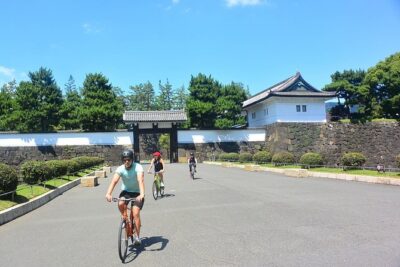
Samurai Ninja Museum Guided tour and Experience
Read our review →