Reviewed · PRIVATE
Private Day Tour In Tokyo with a Native English Speaker
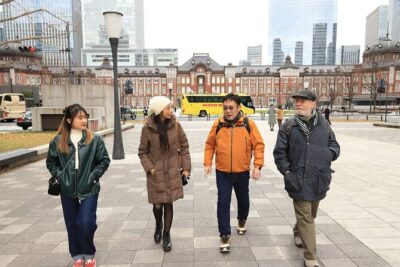
Tokyo is easier to enjoy when someone else handles the subway, station exits, and neighborhood order. This private tour lets you shape the day around places such as Sensoji in Asakusa, anime shops in Akihabara, or the food stalls around Tsukiji.
I like the freedom to choose your own mix of old and new Tokyo, and I like having an English and Japanese-speaking guide who can explain what you are seeing. Guide Ken is praised for clear English, history, food, shopping, and entertainment knowledge. The main catch is time: with only three to six hours, you cannot properly cover every suggested stop.
Key points to know before booking
- Your route is flexible: Choose from Asakusa, Shibuya, Tsukiji, Harajuku, Akihabara, or another Tokyo destination.
- Ken may be your guide: He is praised for clear English, helpful subway guidance, and broad knowledge of Japanese culture and daily life.
- Public transport is extra: Plan on roughly $15 per person for trains and subway fares.
- The tour is private: Only your own group takes part, with no strangers added.
- Pickup has a limit: Pickup is available only within a 7-kilometer radius of Tokyo Station.
- The pace is active: Expect walking, train stations, and a moderate physical fitness requirement.
Why a private guide helps in Tokyo
Tokyo rewards curiosity, but it can punish poor planning. A neighborhood that looks close on a map may require a train ride, a long walk through a station, and a careful choice of exit. A private guide takes care of that work while you focus on the city.
This is especially useful on a first visit. You can ask for a day focused on traditional Japan, pop culture, food, shopping, or a broad introduction. The guide can also adjust the order of stops to fit your interests instead of forcing you through a fixed route.
The language support matters, too. Your guide speaks both English and Japanese. That does not just help with explanations. It can make train ticket purchases, restaurant choices, shopping, and small cultural questions less awkward.
I also like that the tour can teach you how to move around Tokyo. One review describes learning to navigate the subway during the day, which is useful long after the tour ends. If you have several days in the city, a few hours with a guide can give you the confidence to explore on your own afterward.
The tour lasts about three to six hours. That range is important. Three hours works best for one or two nearby areas. A longer booking gives you more room for cross-town travel, but even six hours is not enough for a meaningful visit to all five named neighborhoods.
More private tours in Tokyo:
- Tokyo 6hr Private Tour with Government-Licensed Guide
★ 5.0 · 3,902 reviews - Private Tour to Mt. Fuji and Hakone (Fully Licenced Operator)
★ 5.0 · 1,910 reviews - Tokyo Customized Private Tour (Must See Places in 1 Day)
★ 5.0 · 1,499 reviews
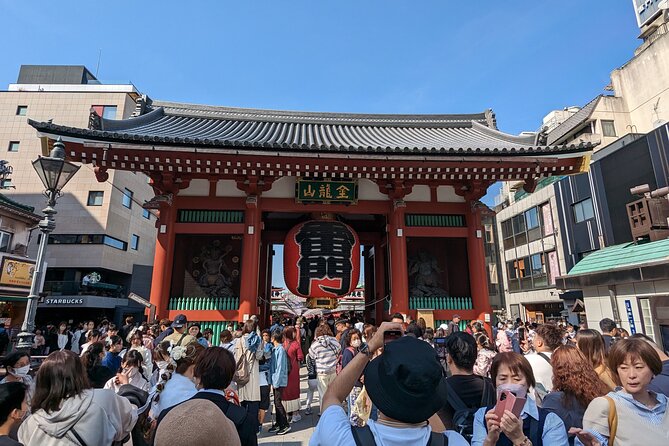
Asakusa and Sensoji: Tokyo’s traditional starting point
Asakusa is the strongest choice if you want a first taste of old Tokyo. The district is known for Sensoji, a major Buddhist temple, and for its lively streets around the temple area.
You can expect about an hour here if Asakusa is included as a dedicated stop. That gives you time to see the temple area, take in the traditional setting, and ask questions about Japanese customs and Buddhist sites. Admission to the stop is listed as free, though transport and any purchases are separate.
Asakusa works well for families, first-time visitors, and anyone who wants a break from Tokyo’s glass towers and shopping streets. It also pairs nicely with Akihabara or Shibuya if you want to compare very different sides of the city.
The limitation is simple: one hour is an introduction, not a full exploration. If you want time for shopping, food, temple details, and photographs, tell your guide to give Asakusa more of the day.
One of the strongest examples of the tour’s flexibility comes from a visit that combined Sensoji with anime figure shopping. That kind of pairing is difficult to plan efficiently on your own, but it makes sense with a guide who can connect the train route and neighborhood choices.
Shibuya: famous crossing, modern Tokyo
Shibuya gives you the city’s sleek, fast-moving side. The area is known for its famous pedestrian crossing and the Hachiko statue, two easy landmarks for a first visit.
A one-hour stop lets you see these signature sights and get a feel for Shibuya’s shopping and entertainment center. It is a good choice if you want the Tokyo seen in films, photographs, and city guides.
The area can feel crowded and noisy, so it is not the best stop if you prefer quiet streets or a slow meal. Still, the guide adds value by helping you get from the station to the right places without wasting time on wrong exits.
Shibuya is also a sensible choice when your group has different interests. One person can enjoy the modern city atmosphere, while the rest of the day can shift toward a temple, food market, or specialty shopping.
Tsukiji: food, market culture, and a practical lunch stop
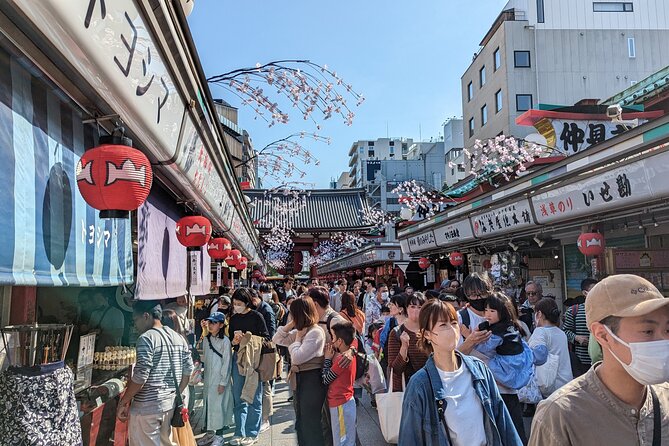
Tsukiji is the natural choice for food lovers. The market area is associated with fresh seafood, sushi, and sashimi, but you do not need to be a seafood expert to enjoy the visit.
The tour information allows about an hour here. That is enough to look around and consider a snack or meal, but you should budget extra money for food. Meals and drinks are not included in the $145 tour price.
A guide can make Tsukiji more useful than a quick walk through food stalls. You can ask what to try, how to approach the market, and which foods fit your preferences. If raw seafood is not your thing, say so clearly when planning the route, since the area offers more than sushi but the tour description gives no fixed food menu.
One group ate at a small Japanese hamburger restaurant during the day and found the lunch delicious. That detail is worth noting because it shows the guide can help shape the day around more than the obvious sushi stop.
Tsukiji is a good middle-of-the-day choice, but it can become expensive if you arrive hungry and start sampling without a plan. Keep food spending separate from the tour budget.
A completely different kind of day in Tokyo:
- Mt Fuji and Hakone 1-Day Bus Tour Return by Bullet Train
★ 5.0 · 26,383 reviews - 1-Day Tokyo Bus Tour
★ 5.0 · 14,250 reviews - Tokyo: teamLab Planets TOKYO Digital Art Museum Entry Ticket
★ 4.6 · 9,779 reviews - Mt Fuji & Hakone Cruise, Drum Show Bullet Train 1 Day from Tokyo
★ 4.0 · 7,413 reviews
Harajuku: youth culture and kawaii shopping
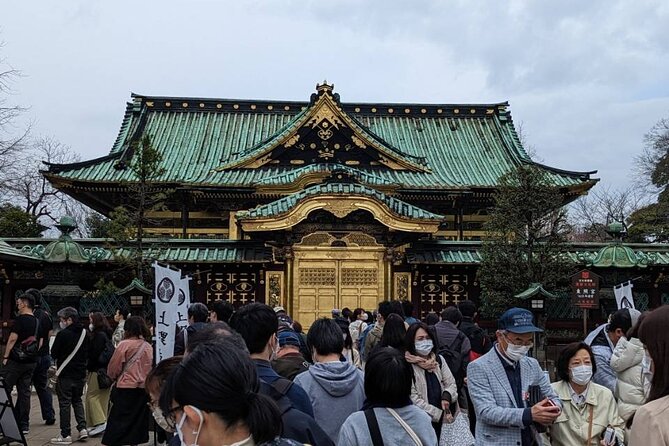
Harajuku is the place to choose for youthful style, small boutiques, and kawaii culture. The area is known for shops that focus on cute, colorful, and playful goods.
Give Harajuku about an hour if you mainly want to see the shopping streets and get a quick introduction. If your group wants to browse carefully, buy souvenirs, or compare several stores, you will need to reduce the number of other stops.
This is a good fit for teenagers, shoppers, and anyone interested in modern Japanese style. It also gives the tour a different mood from Asakusa. One offers traditional temple culture, while the other centers on fashion, youth trends, and novelty goods.
The drawback is that Harajuku is less rewarding if you are not interested in shopping or pop culture. Tell your guide what kind of experience you want so the time is spent in areas that suit your group rather than on a generic walk.
Akihabara: electronics, anime, and the city’s playful side
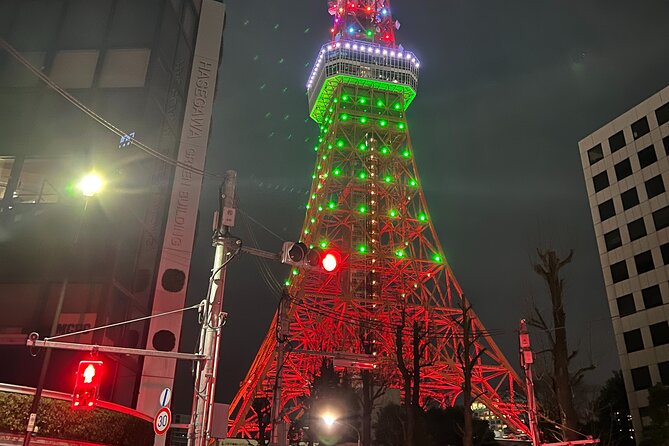
Akihabara is the obvious pick for electronics, anime, cosplay, and related shopping. The neighborhood has stores devoted to technology and Japanese pop culture, making it one of the most specialized options on the route.
An hour can give you a first look, but serious shopping needs more time. If you are looking for anime figures or particular electronics, prepare a short list before the tour and share it with the guide.
The value here is not only finding a shop. Tokyo’s specialty stores can be easy to miss, and a guide can help you move between them without spending the whole visit wandering. A previous visit included help with purchasing anime figures, which is exactly the sort of practical assistance that makes a private tour useful.
Akihabara may be less appealing to someone who is not interested in electronics or anime. It is also a poor choice if you try to squeeze it into a packed route with Asakusa, Shibuya, Tsukiji, and Harajuku. Choose it because you want it, not because you feel obliged to collect every famous district.
Creating a route that fits three to six hours
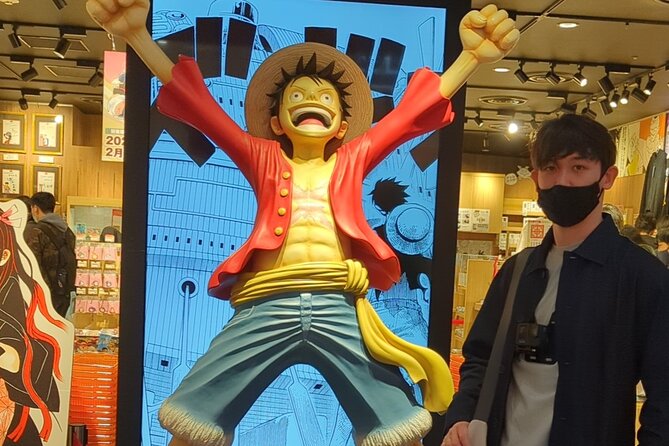
The tour lists five main neighborhoods, plus the option to request another Tokyo destination. Treat that as a menu, not a promise to see everything.
For a three-hour tour, I would choose one main neighborhood and one nearby or high-priority stop. Asakusa with Akihabara gives you traditional Tokyo and pop culture. Shibuya with Harajuku offers a modern city day built around fashion, shopping, and famous streets.
For four to six hours, you have more flexibility, but travel time still matters. A route that crosses the city several times can leave you with a string of brief station visits instead of a satisfying experience.
You should tell the guide what matters most before the day begins. Say if you want temples, food, shopping, anime, photographs, or subway practice. The more specific you are, the easier it is to build a useful route.
The open-ended Tokyo option is helpful if none of the listed neighborhoods fits your plans. You can request another destination, but the available information does not promise every attraction or a particular schedule. Confirm your preferred route when booking.
What the guide adds beyond directions
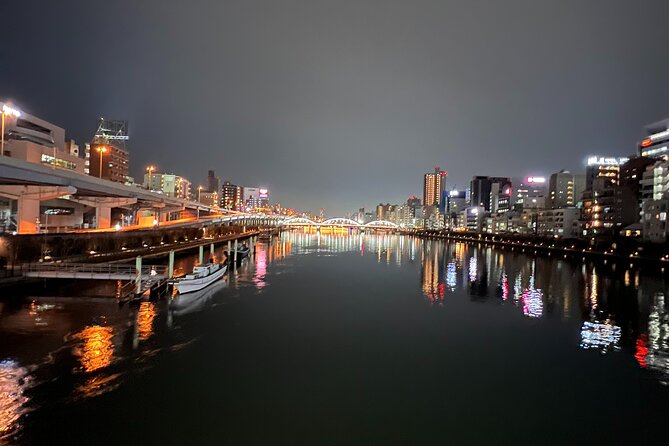
A guide is most useful when you want context and decisions, not just a person holding a sign. The English and Japanese language ability can help you understand cultural details, manage basic interactions, and ask questions as the day develops.
Ken receives especially strong praise for his English and for explaining Japanese history, culture, food, shopping, and entertainment. That range suits a mixed-interest group. One person can ask about a temple, another about lunch, and someone else about anime stores.
You also get help with the small mechanics of Tokyo. Train travel is part of the experience, but stations can be tiring when you are unsure where to go. A guide who helps you navigate and purchase tickets can turn the subway from a daily obstacle into a skill you can use for the rest of your trip.
The experience is private, so your group does not have to match another party’s pace. You can pause for questions, shorten a stop, or spend longer in a shop. That privacy is one of the clearest reasons to choose this tour over a standard group walk.
Price, transport, and the real value
The listed cost is $145 per person. Public transport adds about $15 per person, and food and drinks are not included.
That makes the total more than the headline price, especially for a solo visitor or a couple. The value improves when you are sharing the guide with your own group, since everyone receives the same private attention. Group discounts are offered, though the exact discount is not provided.
I would judge the price by how much help you need. If you are comfortable with Tokyo’s subway, already know your neighborhoods, and want only a quick introduction, you may prefer to explore independently. If you want a route built around your interests, clear English explanations, and help with trains and shopping, the private format can justify the cost.
The tour has a 4.8 rating from 18 reviews, with 94 percent recommending it. That is a strong result, but the sample is small. I would use it as a positive sign, not as a guarantee that every guide or route will match your expectations.
Pickup limits and walking effort
Pickup is available within a 7-kilometer radius of Tokyo Station. If your hotel is outside that area, you should expect to meet the guide at an agreed location rather than receive hotel pickup.
The tour is near public transportation, and trains are part of the practical experience. You should be ready for walking between stations, streets, shops, and sights. A moderate level of physical fitness is requested.
Wear comfortable shoes and avoid planning this as a seated sightseeing day. The exact route affects the effort, but Tokyo’s stations alone can involve plenty of walking.
Confirmation arrives when you book. Free cancellation is available up to 24 hours before the start time for a full refund. Cancellations or changes made less than 24 hours ahead are not accepted for a refund.
Who should book this Tokyo tour?
I would recommend it to first-time visitors who want a fast, personal introduction without spending hours figuring out routes. It also suits families, couples, and small private groups with different interests.
It is particularly useful for a group that wants to combine places such as Sensoji and anime shopping, or that wants help using Tokyo’s rail system. The English support is a practical advantage, not just a sightseeing extra.
I would think twice if you want a slow, single-neighborhood experience, since the guide may encourage you to cover more ground. I would also avoid booking it with the expectation of seeing every listed area in one day. Choose a short list of priorities and let the route follow them.
FAQ
How long does the private Tokyo tour last?
The tour lasts approximately three to six hours.
Which places can I visit?
Possible stops include Asakusa, Shibuya, Tsukiji, Harajuku, and Akihabara. You can also request another Tokyo destination and customize the route.
Is the tour private?
Yes. Only your own group participates in the tour.
Does the guide speak English?
Yes. The guide speaks both English and Japanese.
Is hotel pickup available?
Pickup is available only within a 7-kilometer radius of Tokyo Station.
Are train and subway fares included?
No. Public transportation costs are not included. The estimated cost is about $15 per person.
Are food and drinks included?
No. You pay separately for all food and drinks.
Can I cancel for a full refund?
Yes, if you cancel at least 24 hours before the experience start time. Cancellations or changes made less than 24 hours ahead are not refunded or accepted.
Should you book it?
Book this tour if you want a private, flexible introduction to Tokyo and value help with trains, local context, and neighborhood choices. It is a strong fit for first-time visitors, mixed-interest groups, and anyone who wants to combine traditional sights with food, shopping, or anime.
Before booking, choose your top two or three priorities and confirm pickup details. If you keep the plan realistic, the $145 fee can buy more than sightseeing: it can give you a working sense of how to get around Tokyo on your own.
Newly reviewed around Tokyo
- Tokyo Asakusa:Calligraphy & Make T-shirt Activity★ 5.0 · 62 reviews
- Travel Tokyo with Your Own Personal Photographer★ 5.0 · 43 reviews
- Intercity Shuttle, Tokyo to Haneda /Narita /Yokohama /Makuhari★ 5.0 · 5 reviews
- 1 Hour Travel around Tokyo with a Professional Photographer★ 5.0 · 3 reviews
- Train in Samurai Swordsmanship and Defeat the Demon in Tokyo★ 5.0 · 5 reviews
- Shuttle Van 6hr Tokyo Tour to-and-from Tokyo, Yokohama and Narita★ 5.0 · 9 reviews
- Kickboxing & Body Training with EX-Pro Fighter★ 5.0 · 4 reviews
- Traditional Japanese Knife Sharpening Class★ 5.0 · 18 reviews
Private, compared.
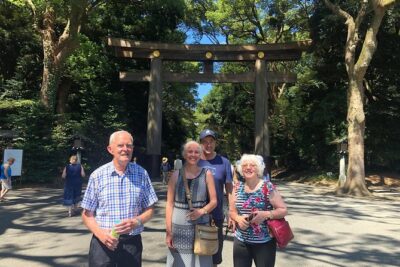
Tokyo 6hr Private Tour with Government-Licensed Guide
Read our review →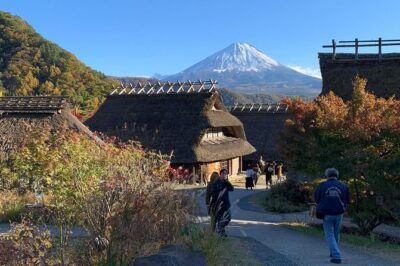
Private Tour to Mt. Fuji and Hakone (Fully Licenced Operator)
Read our review →
Tokyo Customized Private Tour (Must See Places in 1 Day)
Read our review →
Mount Fuji Full-Day Private Tour from Tokyo (Customizable)
Read our review →
Private City Highlights Tour with Local Guide
Read our review →
Tokyo 4hr Private Tour with Government-Licensed Guide
Read our review →