

Reviewed · AKIHABARA AND ANIME TOURS
Akihabara – Discover the Otaku Culture & Experience the Maid Cafe
Akihabara is easy to visit and surprisingly easy to misunderstand. You can walk past towers of anime figures, retro games, trading cards, and electronics without knowing what you are seeing. This four-hour walking tour gives you a map of that world, from purikura photo booths and crane games to the shops that helped shape Akihabara’s otaku culture.
I like the small group size, limited to eight people, because it gives the guide room to answer questions and adjust the pace. I also like the mix of stops: retro games, manga, cosplay goods, local snacks, and a maid cafe, rather than four hours spent in one type of shop. The main caution is that this is an introduction to many parts of otaku culture, not a specialist anime tour. If you want one narrow subject, such as Vocaloid, a particular game series, or a specific manga publisher, the route may feel broad.
Key points before you book
- Small groups of up to eight: The size makes it easier to ask questions and follow the guide through crowded shops.
- A wide view of otaku culture: Anime is only one part of the route, which also covers games, trading cards, photo booths, cosplay, food, and maid cafes.
- Several choices are available: You may be offered a standard route, a shrine-focused option, or a Wednesday tour with a maid cafe theatrical show.
- A real maid cafe visit is included: You receive one coffee or tea, while extra drinks and alcohol cost more.
- Expect a lot of walking: The tour lasts about four hours and includes roughly 30 minutes of movement between locations.
- Useful for first-time visitors: The guide helps explain what the shops are for and where Akihabara’s modern identity came from.
Why Akihabara makes more sense with a guide

Akihabara is famous for anime and manga, but the neighborhood grew from several interests at once. Games, electronics, idol culture, collectible cards, cosplay, figures, and unusual forms of fan devotion all overlap here. Without context, the area can seem like one giant shopping district with loud signs.
This tour is useful because it explains the differences. A retro-game shop is not the same as a figure store, and a trading-card shop has its own customs, products, and audience. Even the maid cafe is easier to understand when you know that it is part of a larger entertainment culture rather than simply a themed restaurant.
The route also includes older parts of Akihabara’s story. At Akihabara Radio Kaikan, you learn about the roots of the local otaku scene. Another stop looks at the neighborhood’s past as an electronic center. That background gives the modern stores some meaning.
The guide may also adjust the discussion to the group. One person may care about old consoles, another about manga, another about Vocaloid or card games. That flexibility is a strength, but it also explains why the tour may not satisfy someone seeking expert-level detail on one narrow fandom.
More Akihabara and anime tours:
- Official Street Go-Kart Tour – Akihabara
★ 5.0 · 1,578 reviews - Tokyo Go Kart: Asakusa, Skytree, and Akihabara **IDP MUST**
★ 5.0 · 988 reviews - Akihabara Anime & Game Adventure Walking Tour (Group or Private)
★ 5.0 · 404 reviews
Taito Station: crane games and purikura
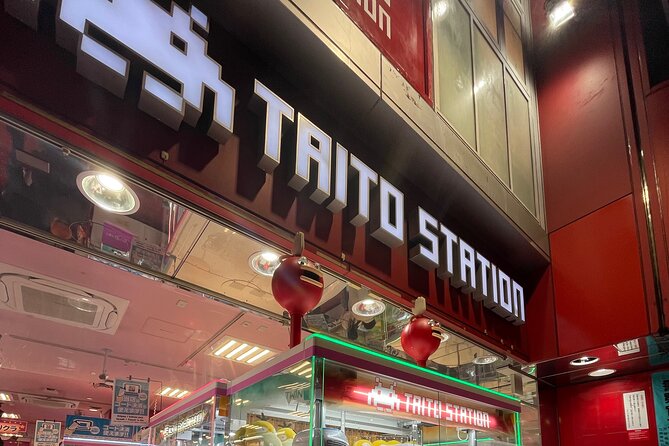
The tour begins at Taito Station Akihabara, where you get an early taste of Japanese arcade culture. You spend about 20 minutes seeing crane machines and trying purikura, the Japanese photo booths that let you take pictures with digital decorations and filters.
This is a good opening stop because it is active rather than purely explanatory. You are not just looking at shelves or listening to local history. You get to see how arcade entertainment works in Japan and how purikura became a social activity.
The short time limit matters. Twenty minutes is enough for an introduction, but not enough for a serious attempt at a difficult crane machine or a long photo session. Treat this as a sample of the culture, not a chance to play every game.
Super Potato and Akihabara’s retro-game appeal
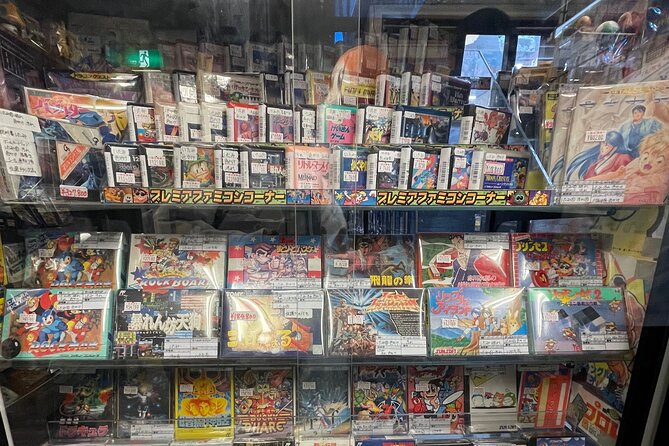
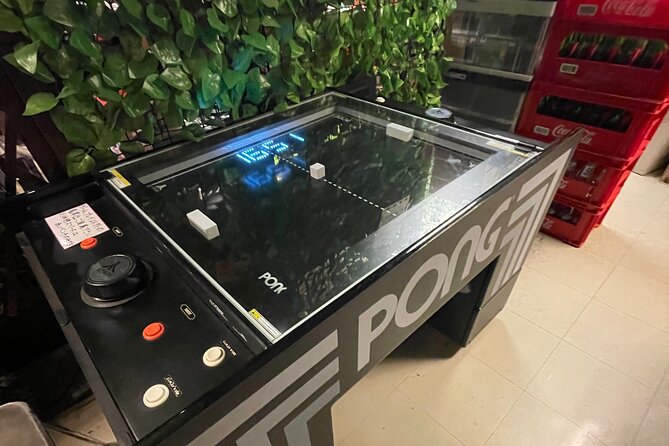
Super Potato is one of the most recognizable stops for old video games and consoles. The store lets you see the hardware and software that shaped earlier generations of Japanese gaming.
For a fan of classic games, this may be one of the most useful stops. The guide can help you understand what you are looking at and point out the difference between a collector’s item, a playable used game, and a nostalgic souvenir.
The stop lasts about 20 minutes, so you may need to return later if you find something you want to study or buy. That is not a serious flaw. Akihabara is full of stores worth revisiting, and a guided first look helps you decide where to spend your free time afterward.
Don Quijote and the wider pop-culture mix
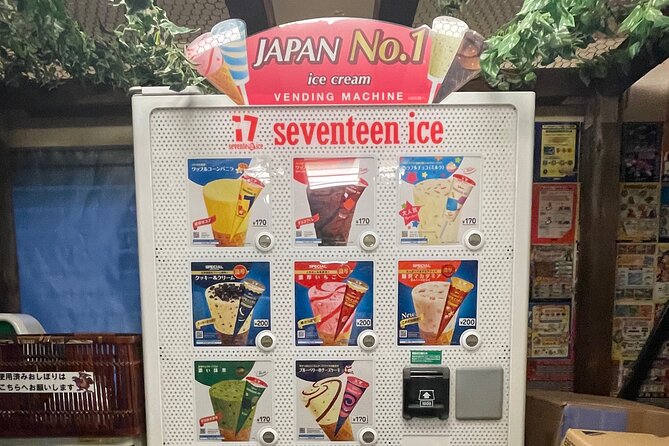
Don Quijote Akihabara gives you a look at the neighborhood’s crowded, all-purpose shopping style. The stop includes several anime genres and may offer a chance to see the AKB48 Hall.
This is a useful reminder that Akihabara is not only about manga shelves and game cabinets. Idol culture, character goods, novelty products, costumes, snacks, and daily shopping all meet in the same area.
The store can feel visually overloaded, especially if you are new to Japanese retail. That is where the guide helps. You can ask what a section is about instead of guessing from signs and displays. The 20-minute visit is best used as an orientation, not a full shopping trip.
A completely different kind of day in Tokyo:
- Mt Fuji and Hakone 1-Day Bus Tour Return by Bullet Train
★ 5.0 · 26,383 reviews - 1-Day Tokyo Bus Tour
★ 5.0 · 14,250 reviews - Tokyo: teamLab Planets TOKYO Digital Art Museum Entry Ticket
★ 4.6 · 9,779 reviews - Mt Fuji & Hakone Cruise, Drum Show Bullet Train 1 Day from Tokyo
★ 4.0 · 7,413 reviews
Radio Kaikan and the roots of otaku culture
Akihabara Radio Kaikan is one of the key historical stops. Here, the guide explains how the district became associated with otaku culture and how its older electronic identity connects with its current shops.
This context is one of the tour’s strongest features. A person who expects only anime may be surprised by the range of interests represented in Akihabara. The area’s identity is layered, and Radio Kaikan helps connect those layers.
You spend about 15 minutes here. That is enough for a clear explanation, but the subject is larger than a short stop can cover. If history is your main reason for booking, ask questions as you walk between locations. The walking time gives the guide extra chances to explain how the district changed.
Junk Street, Mandarake, and Rashinban
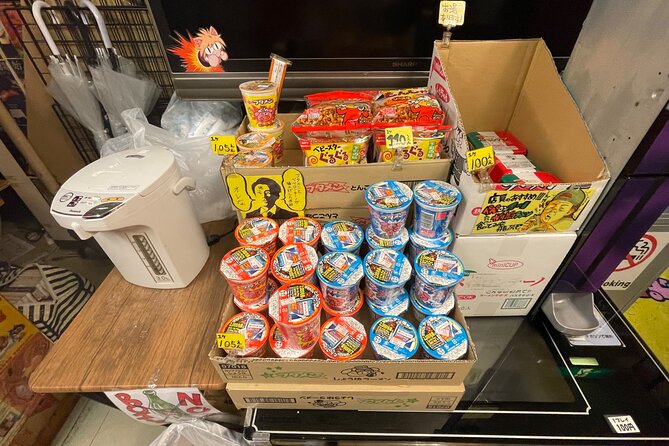
The next part of the route moves through Akihabara’s used-goods and collector shops. Junk Street, Mandarake, and Rashinban are mentioned as examples of the places you may see. These stores are valuable because they show the secondhand side of the culture.
You might find manga, figures, character goods, and other items that are not as easy to spot in a standard souvenir shop. You may also see food being prepared or have the chance to pick up a small snack.
This section lasts about 25 minutes, so do not expect to search every shelf. Used stores can reward patience, and you may want to return independently after the tour. Still, a guide can point you toward the areas that match your interests and help you avoid spending your limited Tokyo time wandering without a plan.
The included Akihabara pop-culture snacks add a small but welcome food break. They are not a full meal, so eat beforehand if you need substantial food.
ONODEN and cosplay shopping
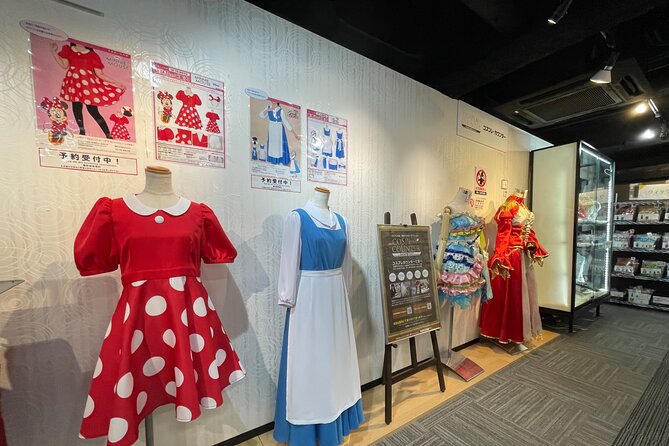
At ONODEN, the focus shifts toward cosplay and anime-themed merchandise. You get time to look at products and decide what you may want to buy or try.
This stop works well for someone who wants a practical introduction to shopping in Akihabara. You can ask what certain goods are used for, which items make sensible souvenirs, and how cosplay fits into the wider local culture.
The stop lasts around 30 minutes, making it one of the longer shopping visits. You still should not feel pressured to purchase anything. The value is in learning how the stores are arranged and seeing products that you might otherwise pass without understanding.
Trading cards at Fuku Fuku Torea Akihabara
The visit to Fuku Fuku Torea Akihabara focuses on Japanese trading-card games. The stop lasts about 15 minutes.
Trading cards can be a difficult part of Akihabara to read from the outside. Displays may be filled with cards, prices, and characters you do not recognize. A short explanation makes the shop less mysterious and shows how strongly this hobby appeals to both younger players and adults.
This is another example of the tour’s broad approach. If your only goal is anime, the card shop may seem like a detour. If you want to understand the many forms of otaku culture, it is an important piece of the picture.
The maid cafe: what the one-hour visit includes
The tour’s main special activity is a visit to a major maid cafe chain in Akihabara. You spend about one hour experiencing the cafe’s fantasy setting and receive one non-alcoholic drink, either coffee or tea.
The cafe is designed as performance and entertainment, not as an ordinary coffee shop. The point is to see how the staff, setting, and customer interaction create a playful fictional world. If this is your first maid cafe visit, the guide can help explain what is happening and what kind of behavior is expected.
The included drink adds value, but be aware of the limits. Alcohol is not included, and a second drink must be paid for separately. The supplied information does not promise a meal, so you should not treat the cafe stop as lunch or dinner.
A one-hour visit is enough to understand the format without taking over the entire afternoon. Some people will find it amusing and unusual. Others may find the performance style uncomfortable or simply not to their taste. The tour is best for someone who wants to see the experience with an open mind, not someone already certain that the concept is not for them.
The Wednesday theatrical show
On Wednesdays, there is an optional maid theatrical show featuring active maids from real maid cafes. The performance lasts about an hour, though the listed stop itself is shown as five minutes for reservation purposes. A separate reservation is required, and the show is not included in the admission price.
This option is more than a cafe visit. It presents maid culture as stage entertainment, with performers taking the idea further than a normal cafe service. If you are specifically booking for the show, confirm that it is available and reserved before your tour date. One negative experience arose when a person expected the show but learned too late that it was not part of the standard arrangement.
That warning is important. The regular tour includes a maid cafe visit, but the Wednesday performance is an optional extra. Do not assume that booking the general tour guarantees a seat at the theatrical show.
How the walking and timing work
The tour begins at 1:00 pm near 1-chome-17-4 Sotokanda, Chiyoda City, at the listed meeting point by the JR East Consultants Tokyo Management Office. It returns to the same meeting point at the end.
The total duration is about four hours. The individual stops are short, often between 15 and 30 minutes, while the maid cafe receives about an hour. About 30 minutes are spent moving from place to place.
You need moderate physical fitness. The route is a walking tour through a busy shopping district, so comfortable shoes are sensible. The mobile ticket is convenient, and the area is near public transportation, but the meeting point still deserves careful attention. Akihabara has many large buildings and crowded streets, and arriving early gives you time to find the exact starting place.
What the $103.93 price represents
At $103.93 per person, this is not the cheapest way to walk around Akihabara. You can visit many shops independently for free. The price makes more sense if you value interpretation, a planned route, a small group, snacks, and the included drink at the maid cafe.
You are paying for the guide’s ability to connect places that otherwise seem unrelated. The route covers arcades, retro games, electronic history, secondhand goods, cosplay, cards, and maid entertainment in one afternoon. For a first visit, that structure can save time and help you decide where to return later.
The value is weaker if you already know Akihabara well or want to spend most of the day shopping at your own pace. You may also find the cost harder to justify if the maid cafe has little appeal. On the other hand, a family or mixed-interest group may appreciate having someone explain the area instead of trying to satisfy every person alone.
The tour is often booked about 44 days ahead, so planning early is sensible. Confirmation is sent within 48 hours, subject to availability.
Who should book this Akihabara tour?
I would recommend it to a first-time Akihabara visitor who wants orientation rather than a free afternoon of random browsing. It is especially useful for families and mixed groups, since the route offers several subjects instead of assuming everyone loves the same anime series.
It also suits you if you are curious about maid cafes but would rather visit one with some explanation. The small group can make the experience less awkward, since you are not trying to understand the format entirely on your own.
You may want another option if you are a serious collector seeking rare merchandise, a specialist in one game franchise, or someone who dislikes staged cafe entertainment. The route is broad by design. One particularly poor experience came from expecting specialist anime expertise and a guaranteed Wednesday show, so make sure your expectations match the actual program.
Free cancellation is available up to 24 hours before the start time. Changes made inside that period are not accepted, and a minimum group size is required for the tour to operate. Service animals are allowed.
Final verdict: a useful first look at Akihabara
Book this tour if you want Akihabara explained, not merely visited. The best parts are the small group, the range of subjects, the retro-game and secondhand shops, and the chance to try a maid cafe with a guide nearby.
Do not book it expecting a private anime pilgrimage or an automatic ticket to the Wednesday stage show. Think of it as a guided introduction to a complicated pop-culture district. After four hours, you should have a clearer sense of what interests you, where to return, and how Akihabara became much more than an anime shopping street.
FAQ
How long does the Akihabara tour last?
The tour lasts approximately four hours, beginning at 1:00 pm and ending back at the meeting point.
What is the maximum group size?
The tour accepts a maximum of eight travelers, keeping the group small enough for questions and personal guidance.
Is the maid cafe visit included?
Yes. The regular route includes a maid cafe visit lasting about one hour, with one non-alcoholic coffee or tea included.
Are extra drinks included?
No. Alcoholic drinks and any second drink must be paid for separately.
Is the Wednesday theatrical show included?
No. The Wednesday-only maid theatrical show is optional, requires a separate reservation, and does not include admission in the standard tour price.
Where does the tour start and finish?
It starts at the listed meeting point near 1-chome-17-4 Sotokanda, Chiyoda City, and finishes back at the same meeting point.
Can I cancel for a full refund?
You can cancel at least 24 hours before the local start time for a full refund. Cancellations or changes made less than 24 hours before the start are not accepted for a refund.
Newly reviewed around Tokyo
- Tokyo Asakusa:Calligraphy & Make T-shirt Activity★ 5.0 · 62 reviews
- Intercity Shuttle, Tokyo to Haneda /Narita /Yokohama /Makuhari★ 5.0 · 5 reviews
- 1 Hour Travel around Tokyo with a Professional Photographer★ 5.0 · 3 reviews
- Travel Tokyo with Your Own Personal Photographer★ 5.0 · 43 reviews
- Kickboxing & Body Training with EX-Pro Fighter★ 5.0 · 4 reviews
- Train in Samurai Swordsmanship and Defeat the Demon in Tokyo★ 5.0 · 5 reviews
- Shuttle Van 6hr Tokyo Tour to-and-from Tokyo, Yokohama and Narita★ 5.0 · 9 reviews
- Traditional Japanese Knife Sharpening Class★ 5.0 · 18 reviews
Akihabara and Anime Tours, compared.


Tokyo Go Kart: Asakusa, Skytree, and Akihabara **IDP MUST**
Read our review →
Akihabara Anime & Game Adventure Walking Tour (Group or Private)
Read our review →

Akihabara Tailor-made Private Tour for Anime Fans
Read our review →
Ramen Making from Scratch +Akihabara Tour –Tokyo Cooking Class
Read our review →Browse the lists this tour appears in