
Reviewed · SHIBUYA TOURS
Tokyo Walk through: Shinjuku, Harajuku, Omotesando & Shibuya
Tokyo’s western districts change character every few blocks, and this four-hour walk gives you a useful way to read those changes. You move from Shinjuku’s giant transport hub and nightlife streets to Shibuya’s youth culture, Harajuku’s pop shops, and Omotesando’s polished luxury.
I like the small group of up to eight and the chance to shape the walk around what interests you. I also like the stop at Shinjuku Gyoen, which adds calm and variety to a day otherwise spent among shops, signs, and crowds. The main drawback is simple: this is a serious walking tour, and the schedule covers a lot of ground in four hours.
Key points to know before you book
- Shinjuku starts the tour with Tokyo at full speed: Meet in front of the Gucci Shinjuku M Square Store, close to one of the city’s major transport centers.
- Shinjuku Gyoen provides a quiet break: The garden visit depends on decent weather and offers a welcome change from city streets.
- Shibuya, Harajuku, and Omotesando show three sides of modern Tokyo: You’ll see youth fashion, Japanese pop culture, designer shopping, and quieter back streets.
- The route can respond to your interests: Guides have helped with food choices, local customs, daily life, and train use.
- The walking pace matters: Bring comfortable shoes and weather-ready clothing. The tour is wheelchair accessible, but it is not suitable for people with mobility impairments.
- The $67 price buys orientation as much as sightseeing: It can be good value at the start of a Tokyo trip, especially if you want practical help finding your way.
Why this four-hour route works in Tokyo
Many first-time visitors see Tokyo as one enormous city, but these four districts have distinct personalities. Shinjuku is a major business, shopping, dining, and entertainment center. Shibuya leans young and fashion-conscious. Harajuku is playful and loud. Omotesando is more restrained, with high-end brands and carefully designed streets.
The value of this tour comes from putting those areas into one connected story. You are not just ticking off four names on a map. You are seeing how post-war Tokyo developed modern hubs to handle a growing population and how each district found its own audience.
I would consider this a good opening walk for Tokyo. A guide can explain how to use the train system, point out places worth returning to, and help you understand the social tone of each area. One guide, Hiroshi, was especially helpful with train use and daily life in Tokyo. Other guides named in the experience feedback include Renault, Scott, and Tina, though your assigned guide may be different.
The small-group format matters here. With no more than eight participants, it should be easier to ask questions than on a large coach tour. It also leaves room for a more personal route. The experience is described as informal, and the guides have adjusted time toward food, shopping, culture, or practical city advice.
More things to do in Shibuya:
- Official Street Go-Kart in Shibuya
★ 5.0 · 3,435 reviews - Tokyo: Street Kart Experience in Shibuya
★ 4.9 · 1,484 reviews - Shibuya Meltdown Nightlife Tour: All-You-Can-Drink Bar Hopping
★ 5.0 · 1,058 reviews
Starting at Shinjuku’s Gucci meeting point
The tour begins in front of the Gucci Shinjuku M Square Store. That is a clear landmark, but Shinjuku Station itself can be confusing, so give yourself extra time to reach the meeting point.
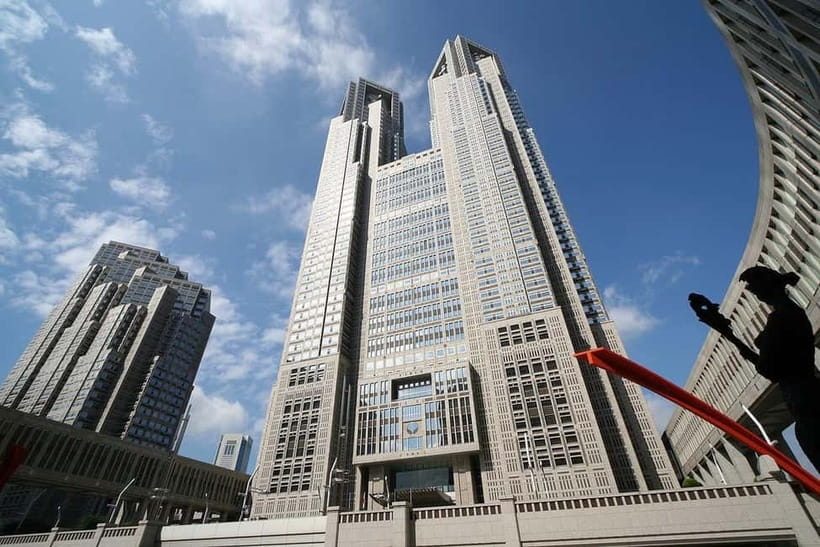
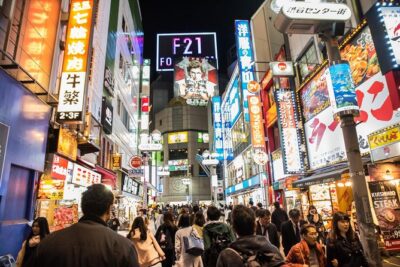
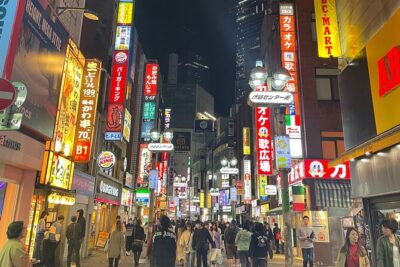
Shinjuku is a fitting place to begin. Its station is described as the busiest train station on Earth, and the surrounding district reflects that scale. You can expect a mix of mainstream shops, restaurants, bars, office buildings, and entertainment streets. This is modern Tokyo in its most concentrated form.
Your guide’s role here is not only to point out famous buildings. You’ll get a sense of how the district became one of the city’s major post-war centers. That context makes the streets easier to understand. Instead of seeing a mass of signs and people, you begin to see a planned urban response to Tokyo’s growth.
The first hour is scheduled for Shinjuku, though the exact balance between walking, stops, and conversation can change according to the group. If you want restaurant advice, shopping help, or a better grasp of local customs, say so early. The route is intended to be adjusted around your interests.
Shinjuku also offers cultural and artistic details among its commercial streets. The information provided does not promise admission to specific museums, galleries, or attractions, so think of this as a street-level introduction rather than a museum tour.
A quiet pause inside Shinjuku Gyoen
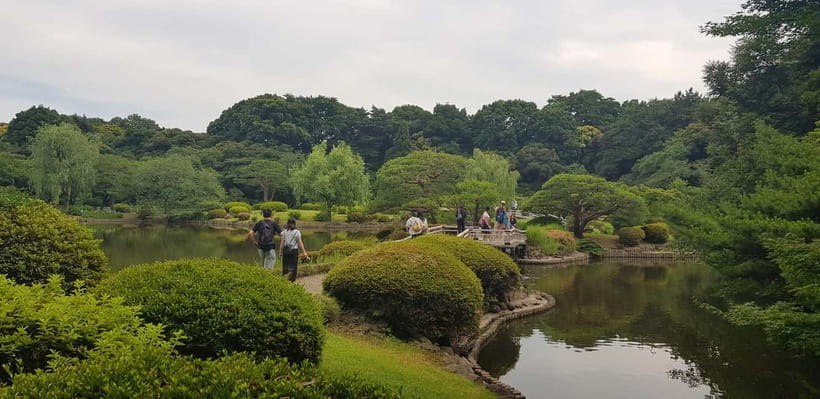
Shinjuku Gyoen is one of the most useful stops on the route because it changes the mood completely. After the noise and hard surfaces of Shinjuku, the garden gives you room to slow down and look around.
The garden is described as showing several styles and approaches. That makes it more than a simple green break. Your guide can help you notice how the garden fits into Tokyo’s broader mix of old customs and modern city life, although the precise amount of explanation will depend on the guide and the group.
The visit is weather-dependent. If conditions are poor, the garden may not be included, so you should not book this walk solely for Shinjuku Gyoen. Still, when the weather cooperates, it is an important part of the route. You get a better sense of Tokyo when the day includes both crowded streets and a peaceful public garden.
Photography is allowed, but you should remain alert for restrictions in specific places. The tour does not include meals or drinks, so this is also a good point to carry water and a small snack if you need one.
Shibuya and the modern face of Tokyo
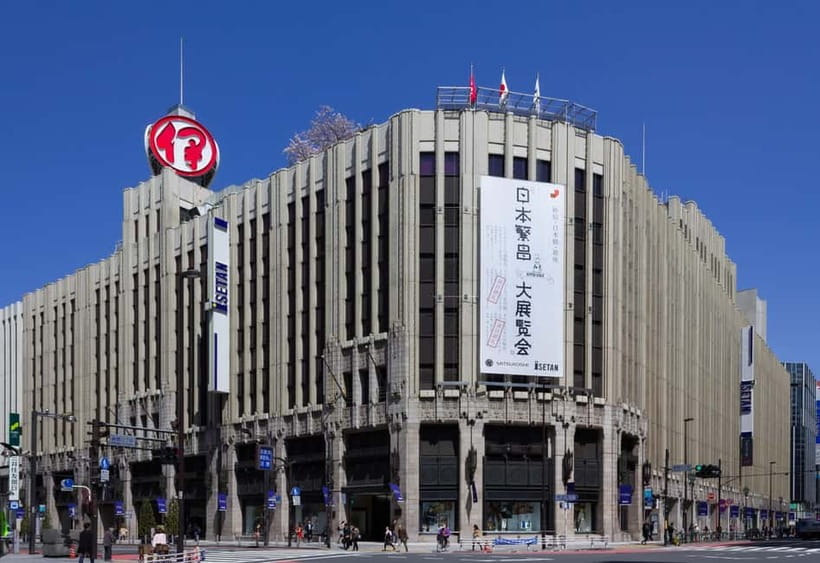
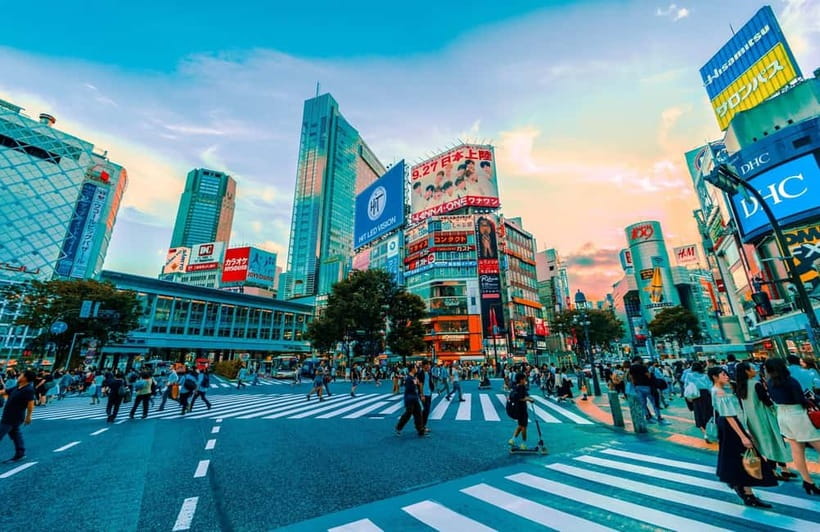
The tour then takes you toward Shibuya, a center of Japanese modern culture aimed largely at a younger crowd. The description uses the idea of tame funkiness, which is a useful way to picture the district. Shibuya can feel bold and slightly experimental without becoming difficult to navigate.
This is where a guide can add real value. You can walk through Shibuya on your own, but it is harder to understand why certain streets, shops, and gathering places matter. The tour focuses on less obvious corners as well as the district’s familiar public energy.
The route does not promise a particular landmark viewpoint or a fixed shopping stop, so do not expect a checklist of famous photo locations. Instead, you are getting an introduction to the area’s mood and its role in youth culture.
If you enjoy fashion, design, music, food, or urban life, tell your guide. The flexible approach is most useful when you give the tour a direction. If you want only famous sights and quick photographs, a fixed sightseeing route may suit you better.
More things to do in Shinjuku:
- Tokyo: Shinjuku Food Tour (13 Dishes at 4 Local Eateries)
★ 5.0 · 6,603 reviews - Tokyo Bar Hopping Tour in Shinjuku (All-You-Can-Drink + Dinner)
★ 5.0 · 3,587 reviews - Tokyo: Shinjuku Food Tour (15 Dishes and 4 Eateries)
★ 4.9 · 2,033 reviews - Best of Shinjuku: Izakaya Food Tour (4 Stops, 14+ Tastings)
★ 5.0 · 1,863 reviews
Harajuku’s youthful, loud side
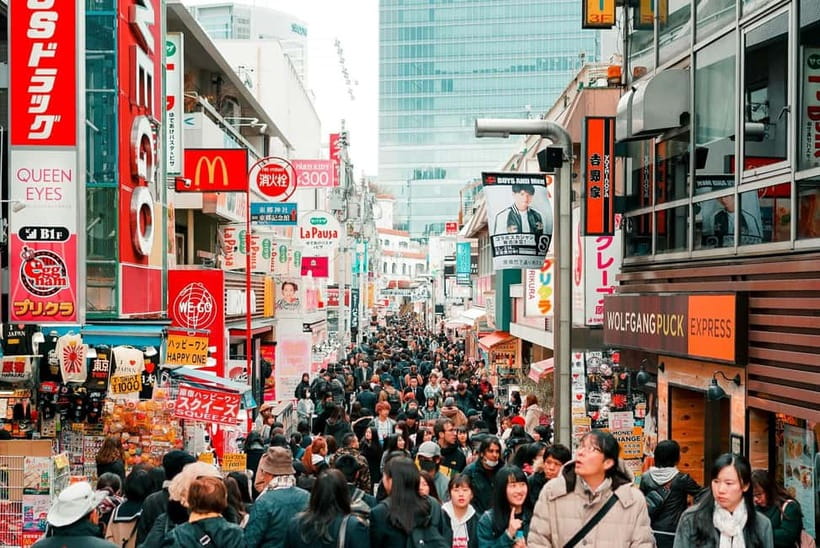
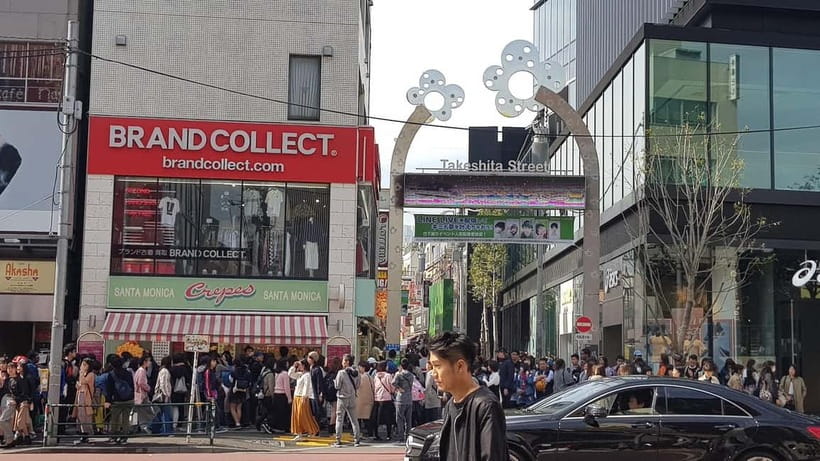
Harajuku brings a sharper change in tone. Takeshita-dori is aimed at a very young market, roughly ages 12 to 16, and presents Japanese pop culture in an uninhibited way. Expect colorful shops, youth fashion, novelty items, and a street atmosphere that can feel very different from the polished avenues nearby.
The tour treats Harajuku as a cultural lesson rather than just a shopping stop. You can ask your guide about the styles and habits that shape the area, then decide which parts deserve a closer look.
Takeshita-dori may not appeal to everyone. If you are not interested in youth fashion or pop culture, this section can feel noisy and commercial. That is not a flaw in the district so much as a question of fit. The experience works best when you enjoy seeing how a city gives different age groups their own spaces.
The one-hour Harajuku segment is enough for an introduction, but not enough for serious shopping. Personal purchases are not included, and any time spent browsing will reduce the time available for conversation or other parts of the route.
Omotesando’s polished avenue and back streets
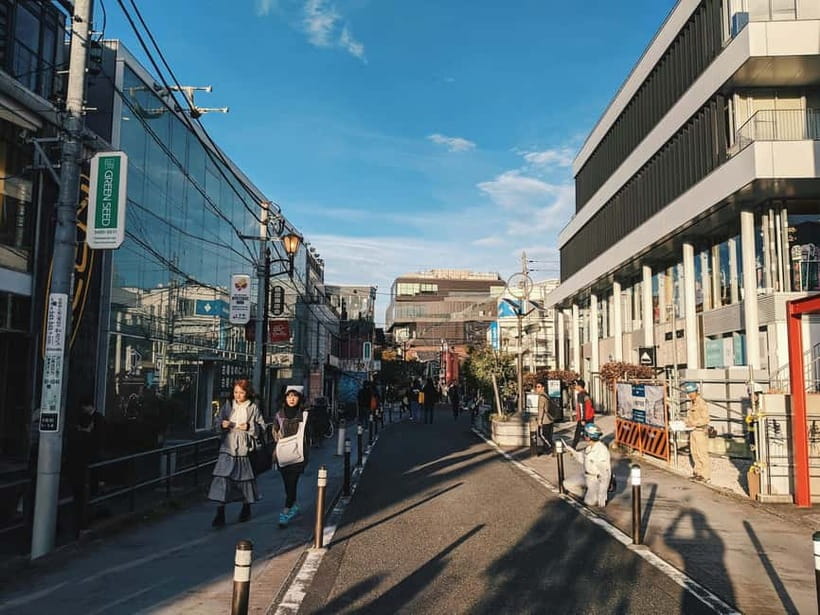
Across from Harajuku, Omotesando offers a calmer and more expensive counterpoint. The main avenue is known for understated wealth and luxury brands. It is a place to notice architecture, window displays, and the careful presentation of high-end retail.
The more interesting part may be the back streets. They offer distinctive fashion finds and a less obvious side of the district. You will not get the same kind of youthful noise found on Takeshita-dori. Instead, the area shifts toward design, style, and quiet confidence.
I like the way these two stops work together. Harajuku shows fashion as self-expression for a young audience. Omotesando shows fashion as a polished commercial product. Seeing both in one walk helps you compare Tokyo’s different shopping cultures without needing to cross the city.
Again, the experience is better if you tell the guide what you want. A fashion-minded visitor may prefer more time in the back streets. Someone focused on food may want suggestions for a place to eat afterward. Tina, one of the guides named in the feedback, helped a participant find a ramen restaurant and order there after the tour. That kind of practical help can be more useful than another generic landmark.
What the guides add beyond sightseeing
This is not designed as a lecture-heavy cultural tour. Its strength is the conversation between walking, local explanation, and practical help.
The guides have been praised for being friendly, professional, and easy to talk with. Renault was described as adapting the route to personal interests and explaining Japanese culture. Scott helped turn a difficult start into a worthwhile day. Tina offered food guidance, while Hiroshi helped explain the train system and everyday life in Tokyo.
Those details point to the sort of help you can reasonably seek. Ask how to read the train network, how a particular district fits into Tokyo life, or where to return for food. You should not assume every guide will offer the same recommendations, but the small-group format gives you a good chance to ask.
The word informal is important. This may not be the right choice if you want a tightly scripted presentation with exact historical dates at every stop. It is better suited to you if you prefer a guide who can respond to questions and adjust the day.
The walking, timing, and practical tradeoffs
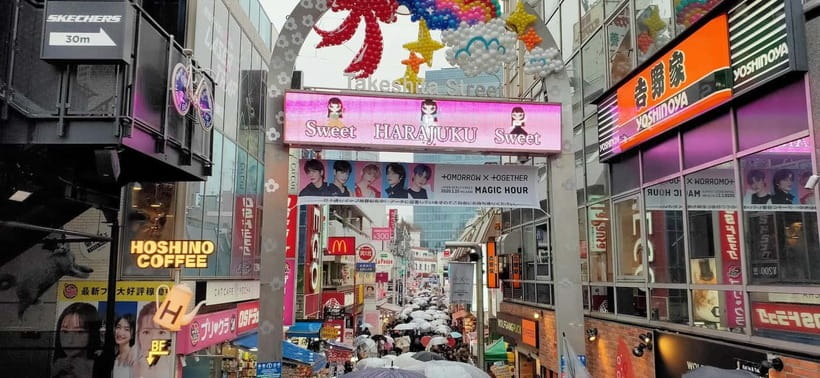
Four hours is enough to sample all four districts, but the route is ambitious. You will be on your feet for much of the experience, with regular movement between neighborhoods. Wear shoes you can walk in comfortably and dress for the weather.
The tour is in English and uses a small group of up to eight participants. It is wheelchair accessible according to the activity information, but it is also marked as unsuitable for people with mobility impairments. That combination suggests you should check your own walking needs carefully before booking, especially since the route includes busy streets, garden paths, and multiple districts.
Transportation to and from the meeting point is not included. The tour itself is a walking experience, so you are responsible for reaching the Gucci Shinjuku M Square Store and making your way onward afterward. The guide may explain train use, but train fares are not listed as included.
Meals and drinks are also extra. This is not a drawback for everyone. It means you can choose your own food, and the guide may help you find a suitable place at the end. Build a little extra time into your day if you want to stop for ramen, shop, or follow a recommendation.
Is $67 a fair price?
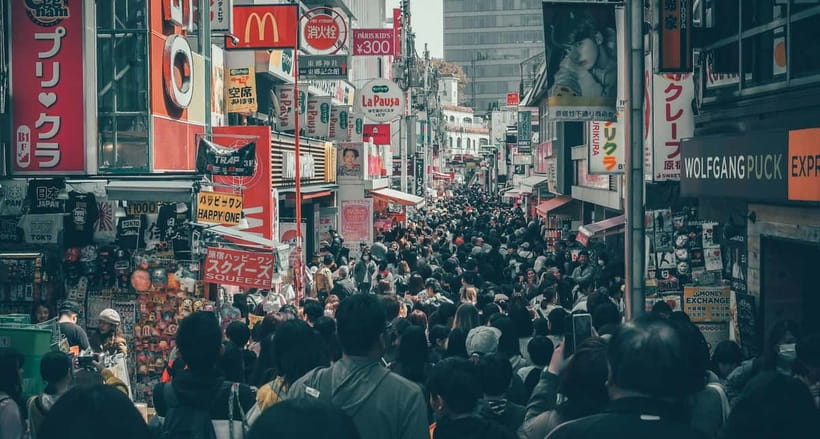
At $67 per person, the tour is not the cheapest way to walk through these neighborhoods. You can visit Shinjuku, Shibuya, Harajuku, and Omotesando without paying for a guide.
The question is what you need from your first hours in Tokyo. If you want local orientation, cultural context, train advice, and help choosing places to eat, the price can be reasonable. The small group makes the cost easier to justify because you are not paying for a large, impersonal group experience.
The value is lower if you already know Tokyo well or mainly want free time for shopping. Four hours is also a short period for four major districts, so you are paying for a broad introduction rather than deep exploration of one neighborhood.
Free cancellation up to 24 hours before the start and the option to reserve now and pay later add flexibility. Starting times vary, so check availability before planning the rest of your day.
Who should book this Tokyo walk?
I would recommend it to first-time visitors who want a quick, useful orientation to western Tokyo. It is especially suitable if you enjoy mixing shopping streets, youth culture, gardens, food advice, and everyday city observations.
It also fits solo visitors and couples who want company without joining a large group. Families with older children or teenagers may find Harajuku and Shibuya particularly interesting, though the amount of walking deserves attention.
You may want another type of tour if you need step-free, low-walking access, a fixed list of major landmarks, or a detailed museum program. You should also look elsewhere if your main goal is shopping time, since the guide-led route keeps moving.
FAQ
How long does the Tokyo walk last?
The tour lasts four hours and covers Shinjuku, Shibuya, Harajuku, and Omotesando.
Where does the tour meet?
The meeting point is directly in front of the Gucci Shinjuku M Square Store.
Is the tour conducted in English?
Yes. The experience includes a live English-speaking guide.
Does the tour include Shinjuku Gyoen?
Yes, a visit to Shinjuku Gyoen is included when the weather is suitable.
Are food, drinks, and shopping included?
No. Meals, drinks, and personal shopping expenses are not included.
Can the tour route be adjusted?
The experience is presented as a personalized small-group walk tailored to your interests. You can discuss preferences with your guide during the tour.
Should you book it?
Book this walk if you want to understand how Shinjuku, Shibuya, Harajuku, and Omotesando differ, rather than simply photograph them. At $67, its best value comes from the guide’s local explanations, train advice, food help, and flexible approach.
Skip it if you dislike long walks or want several hours to shop at your own pace. For most first-time visitors who want a friendly introduction to Tokyo’s modern western districts, the route offers a strong start, especially when the weather is good enough for Shinjuku Gyoen.
More Tokyo walking tours
- Tokyo Tsukiji Fish Market Food and Culture Walking Tour
★ 5.0 · 3,184 reviews - Tokyo: Imperial Palace and Shogun Historical Walking Tour
★ 5.0 · 2,251 reviews - Tokyo: Shinjuku Local Bar and Izakaya Guided Walking Tour
★ 4.9 · 1,794 reviews - Tokyo: Tsukiji Fish Market Food and Walking tour
★ 5.0 · 1,724 reviews
More things to do in Harajuku
- Tokyo Go-Kart Tour Shibuya-Harajuku-Shinjuku (*IDP Required)
★ 5.0 · 217 reviews - Tokyo: Guided Go Kart Tour from Harajuku to Shibuya Crossing
★ 4.5 · 166 reviews - Shibuya & Harajuku: Hidden Gems & Highlights Private Tour
★ 4.7 · 139 reviews - Harajuku Kawaii Fashion and Pop-Culture Tour
★ 5.0 · 94 reviews
Newly reviewed around Tokyo
- Tokyo Asakusa:Calligraphy & Make T-shirt Activity★ 5.0 · 62 reviews
- Intercity Shuttle, Tokyo to Haneda /Narita /Yokohama /Makuhari★ 5.0 · 5 reviews
- 1 Hour Travel around Tokyo with a Professional Photographer★ 5.0 · 3 reviews
- Travel Tokyo with Your Own Personal Photographer★ 5.0 · 43 reviews
- Train in Samurai Swordsmanship and Defeat the Demon in Tokyo★ 5.0 · 5 reviews
- Shuttle Van 6hr Tokyo Tour to-and-from Tokyo, Yokohama and Narita★ 5.0 · 9 reviews
- Kickboxing & Body Training with EX-Pro Fighter★ 5.0 · 4 reviews
- Traditional Japanese Knife Sharpening Class★ 5.0 · 18 reviews
Shibuya Tours, compared.

Shibuya Meltdown Nightlife Tour: All-You-Can-Drink Bar Hopping
Read our review →
Shibuya Official Street Go-Kart in Shibuya Annex
Read our review →

Premium Go-Kart Tour with Tower & Shibuya Crossing
Read our review →Browse the lists this tour appears in