
Reviewed · TOKYO FOOD TOURS
Tokyo Vegan Food Tour
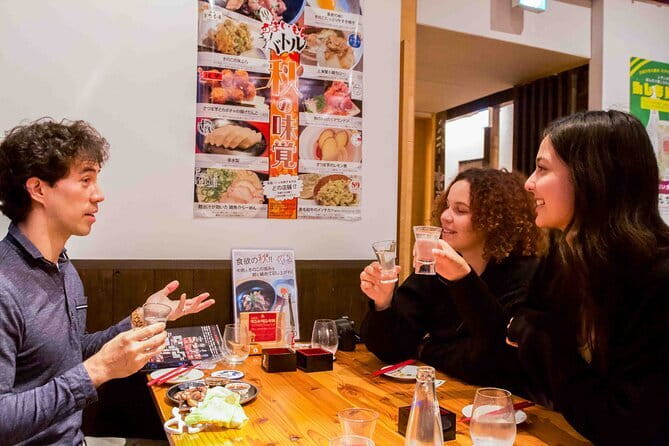
Tokyo’s vegan food scene is easier to handle after you know what to look for, and this three-hour walk gives you a useful start. You’ll try mini bowls of ramen, gyoza, karaage, fruit sandwiches, and anko sandwiches, while learning how Japanese ingredients and cooking methods fit into plant-based eating.
I like the small group of no more than six people, which gives the guide room to answer questions about ingredients and ordering. I also like that the tour includes a convenience-store stop and practical advice, not just restaurant meals. The main drawback is that $99 is a serious price for three hours, and you’ll need cash in case the group uses a train.
Key points at a glance
- Five styles of Japanese food: Expect savory and sweet dishes, from ramen and dumplings to fruit and sweet bean sandwiches.
- Four ramen choices: Your mini bowl may be spicy miso, miso, shoyu, or shio.
- Shibuya to Ebisu route: Meet across from the Hachiko statue and finish in Ebisu.
- Guides with practical advice: Bunga and Brian have helped visitors understand vegan ordering and local food choices.
- Small English-speaking group: The tour is limited to six participants.
- A filling three hours: The portions are designed for tasting, but the total amount of food can replace a meal for some people.
Starting beneath Shibuya’s Hachiko statue
The tour begins at Shibu Hachi Box, across from the Hachiko statue outside Shibuya Station. This is a sensible meeting point, but Shibuya Station can be confusing, so give yourself extra time to find the correct exit and reach the statue.
Look for the guide holding a Food Tours Tokyo sign. The meeting spot is public and easy to identify once you are in the right area, but the station itself has many passages and exits. If you arrive early, stay near the statue rather than wandering far into the crossing area.
From here, the group moves through Shibuya and toward Ebisu. The route gives you more than a list of dishes. It places vegan food in the middle of ordinary Tokyo neighborhoods, where you can see how specialty restaurants, casual food shops, and convenience stores serve different needs.
The tour finishes in Ebisu, so you do not return to Shibuya at the end. That matters when planning your day. Ebisu is well connected, but you should avoid booking something immediately afterward if you want time to finish comfortably and find your next train.
More Tokyo food tours:
- Tokyo: Shinjuku Food Tour (13 Dishes at 4 Local Eateries)
★ 5.0 · 6,603 reviews - Tokyo: Shinjuku Food Tour (15 Dishes and 4 Eateries)
★ 4.9 · 2,033 reviews - Best of Shinjuku: Izakaya Food Tour (4 Stops, 14+ Tastings)
★ 5.0 · 1,863 reviews
Ramen comes first as a lesson in Japanese flavor
The ramen tasting is one of the strongest parts of this experience because it tackles a dish many people assume is off-limits to vegans. You receive a mini bowl rather than a full serving, allowing you to taste without filling up too early.
The choices include spicy miso, miso, shoyu, and shio. These styles show how much the broth and seasoning change the character of ramen. Miso gives a fuller, fermented flavor, while shoyu brings soy sauce into the foreground. Shio is generally associated with a lighter seasoning style, and the spicy miso option adds heat.
The key point is not simply finding vegan noodles. You learn to ask what creates the broth, what is used for seasoning, and how a plant-based version differs from the standard bowl. That kind of context is useful later in Japan, when a menu may appear suitable but the soup base or toppings need checking.
The portions are small, but several tasters described the overall food as abundant. Do not judge the value by the size of one ramen bowl. The tour is built around a series of samples, and the total can leave you too full for a planned dinner.
Gyoza shows how small details matter

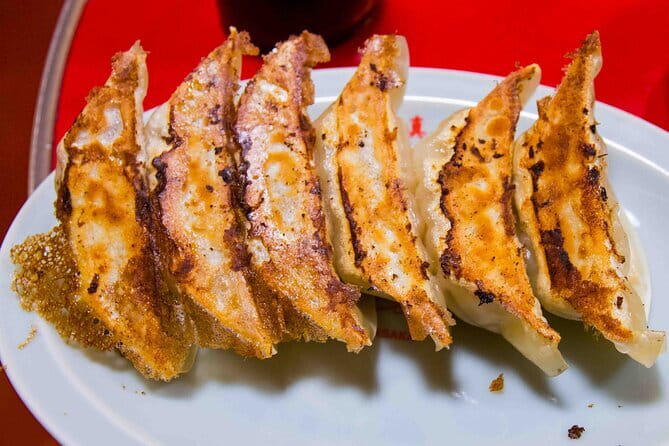
Next comes vegan gyoza, the familiar Japanese dumpling usually filled with vegetables, meat, or seafood. A plant-based version lets you focus on the wrapper, pan-fried base, dipping sauce, and seasoning without treating the dish as a simple substitute.
This is a useful stop for anyone worried that vegan food in Japan will mean plain rice and vegetables. Gyoza has texture and strong flavor, and the cooking method gives the dumpling a crisp underside with a softer wrapper above it.
Your guide can explain the ingredients and preparation as you eat. That is especially helpful if you are learning the difference between food that is fully vegan and food that is merely free of visible meat. Japanese dishes may contain animal products in broths, sauces, or fillings, so asking precise questions is part of the lesson.
Because the group is small, you can bring up your own concerns. If you are vegan for ethical reasons, have allergies, or simply want to understand Japanese food better, this is a better setting for questions than a crowded restaurant counter.
Vegan karaage tackles a familiar favorite
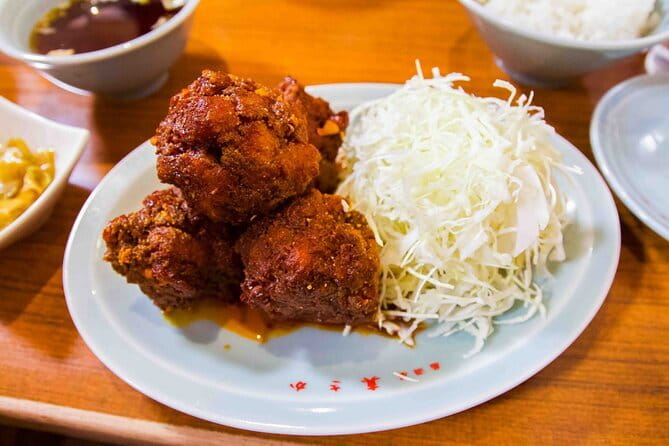
Vegan karaage gives the tour a bit of fun. Traditional karaage is Japanese fried chicken, usually marinated before frying. Here, the dish is made in a plant-based style, giving you the seasoned, crisp experience without chicken.
This stop is valuable because it shows how vegan cooking in Tokyo is not limited to traditional vegetable dishes. Some places use familiar Japanese cooking methods and recreate popular comfort foods. That can make eating out easier for a mixed group, especially when only one person follows a vegan diet.
You should keep your expectations in check. A plant-based version is not chicken, and the point is to enjoy the seasoning and texture rather than search for a perfect imitation. The tour presents it as part of a wider food culture, not as proof that every dish can be copied exactly.
The combination of ramen, gyoza, and karaage also gives the savory portion a good range. You taste soup, dumplings, and fried food, rather than three variations of the same vegetable plate.
More vegan and vegetarian tours in Tokyo:
- Vegan Friendly Sushi & Okonomiyaki Shibuya Night Foodie Tour
★ 5.0 · 124 reviews - Ramen & Dumpling Cooking in Tokyo with Chef/Vegan possible
★ 5.0 · 107 reviews - Vegan/Vegetarian Ramen and Gyoza by Bentoya cooking
★ 5.0 · 59 reviews - Ramen Making from Scratch with Tokyo Mom(Vegan Option Available)
★ 5.0 · 39 reviews
Sweet sandwiches bring an unexpected Tokyo twist
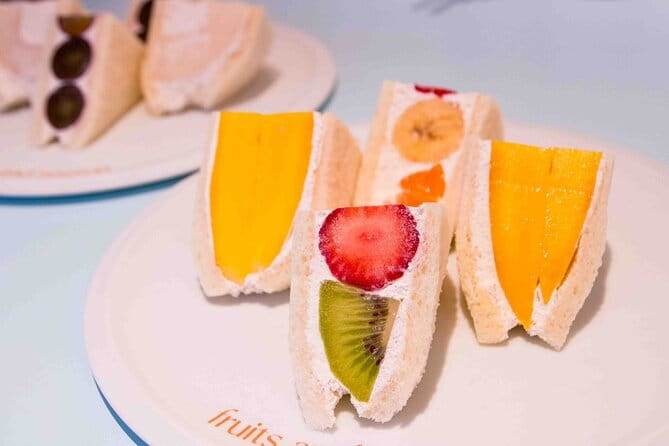
The sweet portion includes fruit sandwiches made with fresh seasonal fruit. These are a distinctive Japanese treat, with fruit and cream inside soft bread. The seasonal element means the exact fruit can change, but the appeal is consistent: the sandwich is light, neat, and very different from a standard pastry.
You also try a butter and anko sandwich. Anko is sweet red bean paste, a classic Japanese filling with a smooth, sweet flavor. Pairing it with butter gives the sandwich a richer, more indulgent profile.
These stops are important because they widen your idea of what Japanese food can be. Vegan dining is not just about replacing meat in ramen or fried dishes. It also involves sweets, bread, seasonal produce, and familiar Japanese flavors presented in new ways.
The sweet dishes may be the most unusual part of the tour for people who have not encountered Japanese fruit sandwiches or anko before. If you prefer savory food, keep that in mind. The tour deliberately includes dessert-style items, and that is part of its appeal rather than an afterthought.
A convenience-store stop gives you useful trip skills
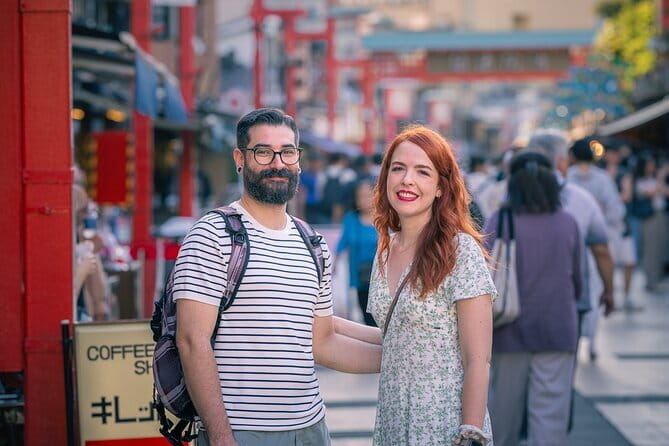
The quick convenience-store visit may be the most practical feature for the rest of your holiday. Convenience stores are everywhere in Japan, but finding suitable food as a vegan can take more than spotting a vegetable picture on the package.
Your guide can point out how to look for useful options and how to think about labels, ingredients, and prepared food. The goal is not to promise that every shop will have a full vegan meal. It is to help you make better choices when you are hungry, short on time, or outside the main dining areas.
This advice can reduce stress on travel days. You may be able to use convenience stores for snacks, drinks, or backup food, but the tour also makes clear that checking ingredients remains important. A product can contain animal-based ingredients even when meat is not obvious.
For a first day in Tokyo, this stop has real value. It gives you a practical tool you can use throughout Japan, not only a meal you will remember for an afternoon.
The guide makes the difference
The tour is conducted in English, and the guide is central to its value. Bunga has been praised for explaining vegetarian and vegan dining in Japan clearly, offering practical suggestions, and helping people feel more confident about the rest of their trip. Brian has also been described as attentive to food preferences and willing to share a list of vegan options for later use.
Those details matter. A food tour can be pleasant without being very useful, but this one aims to help you order and plan after the walk ends. You should use the small-group format to ask direct questions about ingredients, restaurant choices, and the difference between vegetarian and vegan food in Japan.
The experience also covers veganism in Japan and the country’s history of plant-based eating. That does not mean every Japanese dish is vegan, of course. It gives you context for understanding why certain foods, ingredients, and restaurant habits may be familiar while still requiring careful checking.
Guide quality can vary from one departure to another, so the names of Bunga and Brian are useful reference points, but not a guarantee of who will lead your tour. The important feature is the format: an English-speaking guide, a maximum of six people, and time for conversation.
Is $99 a fair price?

At $99 per person, the tour is not a cheap way to eat. You receive five types of Japanese food and one beverage over three hours, but you are also paying for the guide, neighborhood walk, explanations, and help with future meals.
The value is strongest if you are new to Japan, vegan, or traveling with someone who is anxious about finding suitable food. A well-run introduction can save you time and prevent awkward meals later. The advice about convenience stores and vegan restaurants may be worth more to you than another standalone dinner.
It is less convincing if you already know Tokyo’s vegan scene, speak Japanese, or have a detailed list of places you plan to visit. In that case, you may prefer to spend $99 on several meals of your own choosing.
The amount of food improves the calculation. The mini ramen bowls are only tastings, but the tour includes several savory and sweet stops. The combined portions may leave you full enough to cancel dinner, as one participant did. I would treat this as a substantial food experience rather than a light snack walk.
Bring cash. The group may use the train, and transport is not included in the stated price. The tour starts in Shibuya and ends in Ebisu, so your route through the city becomes part of the outing.
Who will enjoy this food walk most?
This tour suits you best if you are:
- Vegan and visiting Japan for the first time
- Traveling with a vegan family member or friend
- Nervous about hidden animal ingredients
- Interested in both traditional Japanese flavors and plant-based versions of popular foods
- Looking for practical food advice before the rest of your trip
- Comfortable eating several small portions across three hours
It also works well for a parent traveling with a vegan child or teenager. One participant joined because a daughter was worried about managing dietary restrictions in Japan, and the food and guidance helped make the trip feel more manageable.
You should think twice if you need a very short activity, dislike sweet sandwiches, or want a full restaurant meal at every stop. The tour includes walking, multiple tastings, and a mix of foods that may be unfamiliar.
The small group is a real advantage. Six people or fewer leaves more room for dietary questions and personal attention than a large bus-style food tour. It also means the experience may feel more like walking and eating with a guide than attending a formal cooking class.
Booking details that affect your plans
The tour lasts three hours and runs at set starting times, so check availability for your chosen date. It begins at Shibu Hachi Box across from the Hachiko statue and ends in Ebisu.
Cancellation is free up to 24 hours before the start time, with a full refund. You can also reserve now and pay later, which helps if your Tokyo schedule is still shifting.
All food served on the tour is vegan. The listed package includes five types of Japanese food and one beverage. Additional food or drinks outside that package are not stated as included, so bring cash for possible purchases and train fare.
Should you book the Tokyo Vegan Food Tour?
I would book this tour near the start of a Japan trip, especially if vegan dining is a major concern. The food gives you a satisfying introduction to ramen, gyoza, karaage, fruit sandwiches, and anko, while the guide helps you handle the practical side of eating out.
The strongest reason to go is not one particular dish. It is the confidence you gain from learning what to ask, where to look, and how to spot useful options in everyday Tokyo. The main question is price. At $99, this is best treated as a food orientation and a substantial tasting meal, not a bargain lunch.
If that sounds useful, the small group, English guidance, Shibuya to Ebisu route, and practical advice make the cost easier to justify. If you already have Tokyo food experience and only want inexpensive vegan meals, explore on your own instead.
FAQ
Where does the Tokyo Vegan Food Tour start?
It starts at Shibu Hachi Box, across from the Hachiko statue outside Shibuya Station. The guide will hold a Food Tours Tokyo sign.
Where does the tour finish?
The tour starts in Shibuya and ends in Ebisu.
How long does the food tour last?
The experience lasts three hours.
Is all the food vegan?
Yes. All food served on the tour is vegan.
What food will I try?
You will try five types of Japanese food, including mini bowls of ramen, vegan gyoza, vegan karaage, seasonal fruit sandwiches, and butter and anko sandwiches. The ramen choices include spicy miso, miso, shoyu, and shio.
Is a beverage included?
Yes. One beverage is included, along with the five types of Japanese food.
How many people are in the group?
The tour is limited to six participants and is conducted in English.
Do I need to bring cash?
Yes. You should bring cash because the group may use the train.
Newly reviewed around Tokyo
- Tokyo Asakusa:Calligraphy & Make T-shirt Activity★ 5.0 · 62 reviews
- Intercity Shuttle, Tokyo to Haneda /Narita /Yokohama /Makuhari★ 5.0 · 5 reviews
- 1 Hour Travel around Tokyo with a Professional Photographer★ 5.0 · 3 reviews
- Travel Tokyo with Your Own Personal Photographer★ 5.0 · 43 reviews
- Train in Samurai Swordsmanship and Defeat the Demon in Tokyo★ 5.0 · 5 reviews
- Shuttle Van 6hr Tokyo Tour to-and-from Tokyo, Yokohama and Narita★ 5.0 · 9 reviews
- Kickboxing & Body Training with EX-Pro Fighter★ 5.0 · 4 reviews
- Traditional Japanese Knife Sharpening Class★ 5.0 · 18 reviews
Tokyo Food Tours, compared.
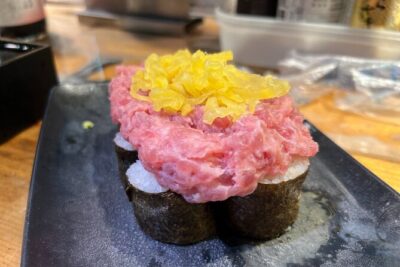
Shinjuku Food Tour (13 Dishes at 4 Local Eateries)
Read our review →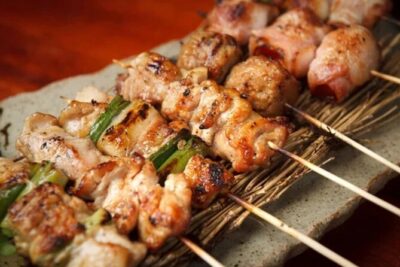
Shinjuku Food Tour (15 Dishes and 4 Eateries)
Read our review →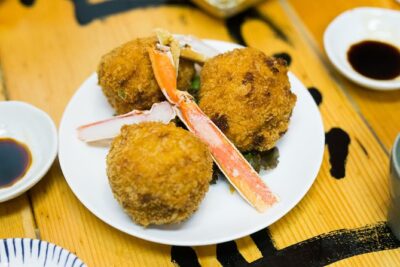
Best of Shinjuku: Izakaya Food Tour (4 Stops, 14+ Tastings)
Read our review →
Tokyo Night Foodie Tour in Shinjuku – Seasonal Sushi, Wagyu Beef
Read our review →
Eat and Drink Like a Local: Tokyo Ueno Food Tour-Taverns&Ramen
Read our review →
Tsukiji Fish Market: Street Food & Culture Walking Tour
Read our review →
Browse the lists this tour appears in