
Reviewed · KAMAKURA DAY TRIPS FROM TOKYO
From Tokyo: Kamakura and Enoshima Full-Day Private Trip
Kamakura and Enoshima pack a surprising amount into one day: a giant bronze Buddha, quiet temple gardens, a bamboo grove, a major Shinto shrine, and ocean views on Enoshima. I like the private car and hotel pickup, which save you from piecing together several train rides and local connections. I also like the chance to adjust the pace, a real help for families or anyone who wants less walking.
The drawback is the packed schedule. Ten hours sounds generous, but Kamakura and Enoshima deserve more time than one day can give them. Lunch and temple entrance fees are extra, and Tokyo traffic can make the 8:30 a.m. pickup run up to 30 minutes late.
Key points at a glance
- The Great Buddha begins the day with Kamakura’s defining sight, including about an hour at Kotoku-in.
- Hase-dera adds gardens and coastline views, with time to explore one of Kamakura’s most scenic temples.
- Hokokuji’s bamboo forest is a peaceful contrast to the larger sights, though its entrance fee is separate.
- A private vehicle keeps the day practical, especially when moving between Kamakura and Enoshima.
- Enoshima gets two hours for walking, shopping, and sea views, making it more than a quick photo stop.
- Guides such as Shoan, Ali, and Timur have been praised for clear explanations, family-friendly pacing, and useful food and restroom advice.
Why this private Kamakura day trip works from Tokyo
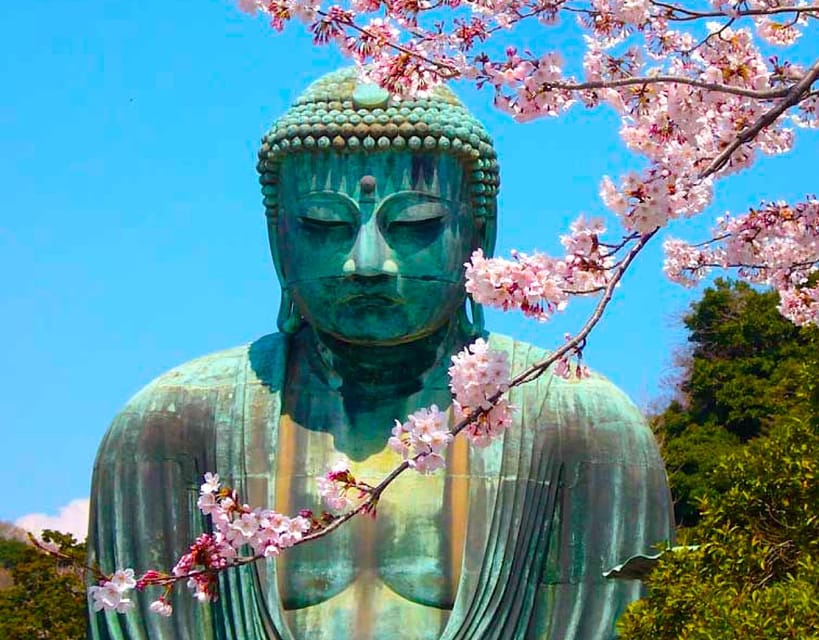
Kamakura is close enough to visit from Tokyo, yet its sights are spread across town. The Great Buddha is near Hase-dera, Hokokuji sits farther east, Tsurugaoka Hachimangu is near the central shopping streets, and Enoshima lies beyond the main temple district.
You can cover these places by train and on foot, but the connections take thought. This tour gives you a private air-conditioned vehicle, hotel pickup and drop-off, and an English-speaking guide. For a group of up to five, the $451 price works out to about $90 per person when full. That is not a budget excursion, but it can be fair for a small group that values door-to-door transport and a guide who can explain the sites as you go.
I would especially consider it for families, first-time visitors to Japan, and groups with mixed walking ability. One guide, Ali, was praised for parking close to the sights and reducing unnecessary walking. That matters after several busy days in Tokyo, and it helped keep a 9-year-old engaged during the outing.
The day begins at 8:30 a.m. in Tokyo’s 23 wards. Traffic may cause a delay of up to 30 minutes, so do not schedule a tight evening reservation immediately after the tour. Pickup outside the stated Tokyo area may be possible, but you need to contact the provider first.
More Kamakura day trips from Tokyo:
- Tokyo: Mt. Fuji, Kamakura, Big Buddha, & Lake Ashi Day Trip
★ 4.5 · 867 reviews - Tokyo:Sea of Mount Fuji, Hakone Ropeway, Ōwakudani, Enoshima
★ 4.9 · 84 reviews - Kamakura 8 hr Private Walking Tour with Licensed Guide from Tokyo
★ 5.0 · 80 reviews
The Great Buddha at Kotoku-in
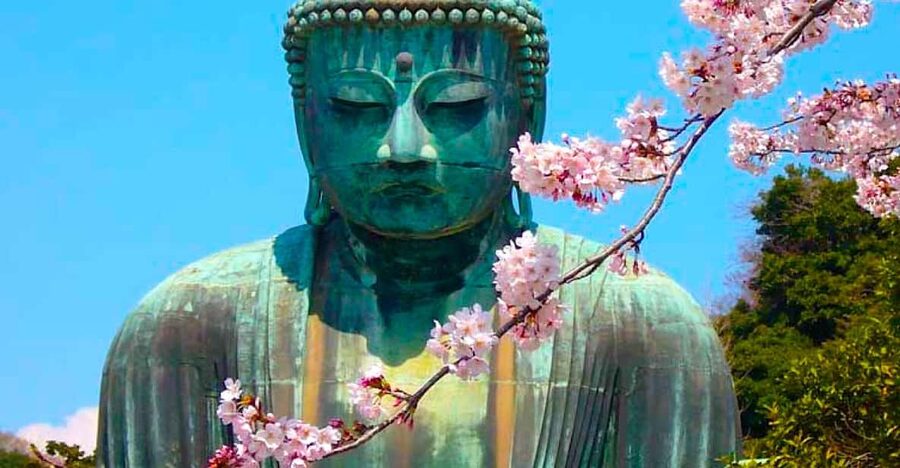
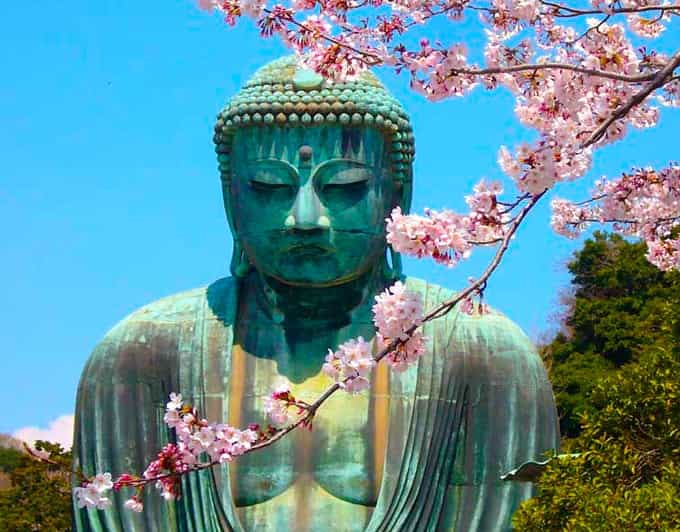
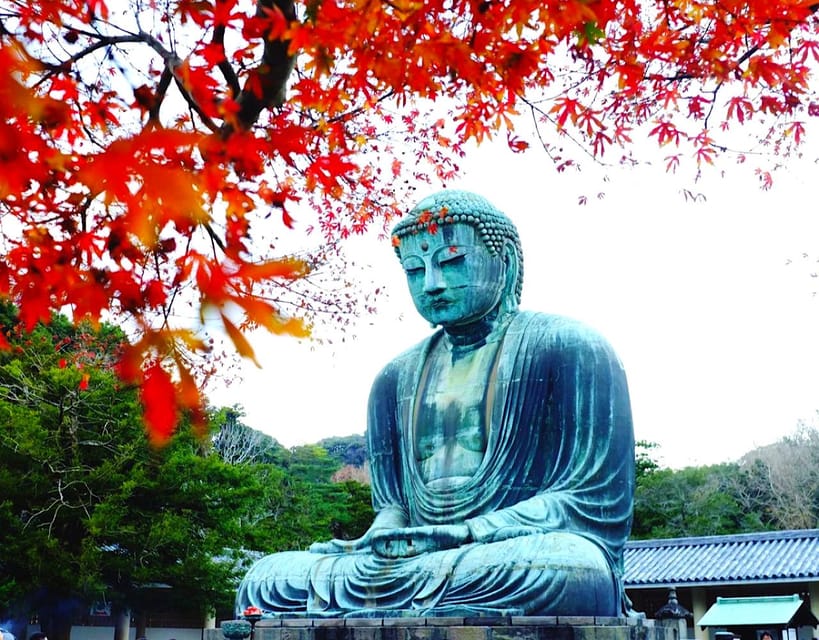
Your first major stop is Kotoku-in, home of Kamakura’s Great Buddha. You have about an hour here, enough to see the statue, take photographs, and hear the story of how this monumental image became linked with the city.
The statue is the visual anchor of Kamakura. Its size gives the visit instant impact, but the guide adds the context that makes the stop worthwhile. The tour is not simply a drive to a famous photo point. Guides have used charts to explain complicated periods of Japanese history in a clear way, which is useful when the names, dates, and religious traditions start to blur.
Admission to Kotoku-in is not included. The supplied information lists the fee as 300 yen. Bring some cash for this and the other temple entrances, since three paid sites are part of the day.
An hour is a sensible amount of time here. You will not have an entire morning to linger, but the stop avoids the common mistake of rushing past Kamakura’s most recognizable sight. If you want long photography sessions or a slow look at every detail, the fixed schedule may feel short.
Hase-dera’s gardens and coastal outlooks
Hase-dera follows with another hour. This temple is known for its gardens and views toward the coast, giving you a change of mood after the open space around the Great Buddha.
The combination of temple grounds, greenery, and elevated views makes this one of the day’s more varied stops. Ask your guide to point out the parts that best explain the temple’s religious importance and local traditions. The English-speaking guide is there throughout the day, so you can ask questions instead of trying to absorb everything from signs.
Hase-dera has a separate entrance fee of 400 yen. Comfortable shoes are important here and throughout the trip. The tour is wheelchair accessible, but the broader day still includes temple grounds, paths, and sightseeing areas, so it is sensible to discuss mobility needs before booking if anyone in your group requires a very specific route.
The one-hour visit gives you a good introduction rather than a leisurely temple study. I would not expect to inspect every garden corner or pause at every viewpoint. Still, it is enough time to appreciate why Hase-dera is one of the key stops in western Kamakura.
Hokokuji Bamboo Forest for a quieter hour
Hokokuji offers a different experience. Its bamboo forest is more contained and hushed than the large temple compounds, and the vertical bamboo creates a calm visual break in the middle of a busy sightseeing day.
You have about an hour here. That allows time to walk through the grove, look around the temple grounds, and take photographs without turning the visit into a rushed ten-minute stop. The tour information lists a separate 300-yen admission fee for Hokokuji.
This is one place where expectations matter. You are visiting a compact bamboo area, not spending half a day on a long forest walk. The attraction is the atmosphere and contrast with the Great Buddha and central Kamakura, not a strenuous hike.
The three temple stops also show why the private format has value. Your guide can explain how the sites differ, while the vehicle handles the distances between them. You spend your energy looking at Kamakura instead of studying route maps and platform signs.
More full-day trips in Tokyo:
- From Tokyo: Mount Fuji Full-Day Sightseeing Trip
★ 4.5 · 4,970 reviews - Mount Fuji Full-Day Private Tour from Tokyo (Customizable)
★ 4.9 · 1,470 reviews - Tokyo Private Full-Day Tour by Car or Van
★ 5.0 · 684 reviews - From Tokyo: Must-Visit Mount Fuji Highlight Full-Day Tour
★ 4.7 · 532 reviews
Tsurugaoka Hachimangu and central Kamakura
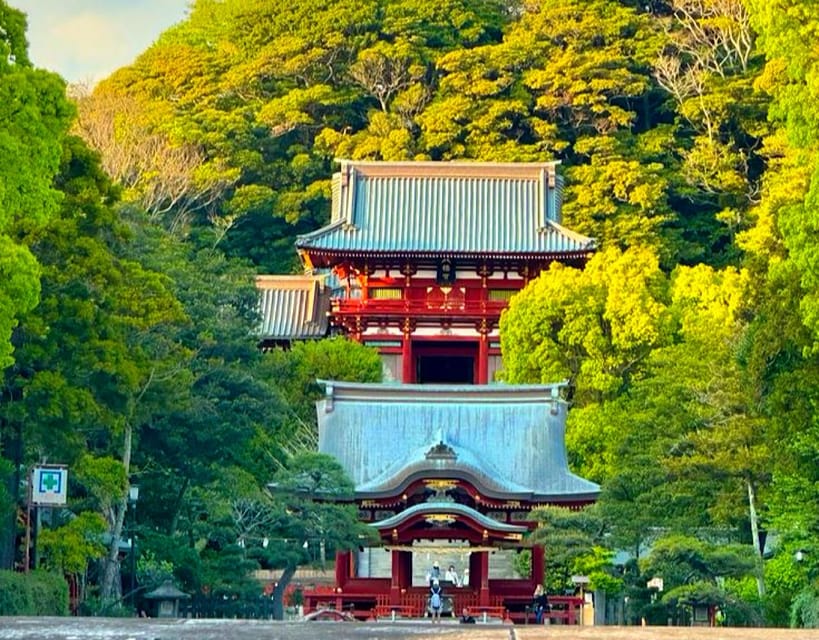
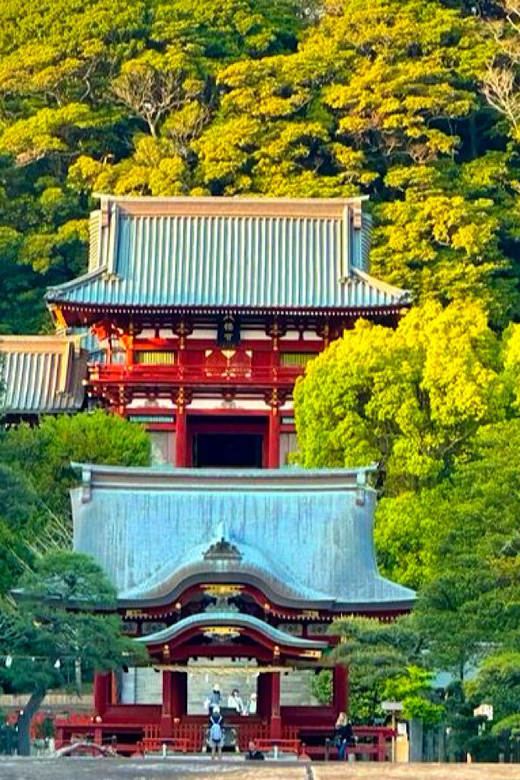
The visit to Tsurugaoka Hachimangu is scheduled for about 30 minutes. That is a quick stop, but it brings you to one of Kamakura’s most important Shinto shrines and places the city’s cultural story in a wider frame.
The shrine is surrounded by nature and sits close to the central streets, shops, and cafes. Your guide can help you understand the customs and meaning behind the setting, rather than treating it as just another ornate building.
Thirty minutes is enough for a first look, photographs, and a short explanation. It is not enough for a slow exploration of every approach, garden area, or side path. If Tsurugaoka Hachimangu is your main reason for visiting Kamakura, a longer independent visit would suit you better.
For most people, though, this short stop works because the day also includes the city streets. You get both a major shrine and a chance to see how Kamakura functions as a living town, with small stores, snack counters, and cafes around the historic sights.
Lunch and local food in Kamakura
Lunch is not included, which gives you some choice but also means you should budget separately. The plan calls for a local restaurant and traditional Japanese food, with the guide able to offer recommendations.
That flexibility is useful for a private group. You can ask for advice based on appetite, dietary needs, or the amount of time available. Guides have also helped with practical details such as restaurant and restroom locations, small points that can make a long day easier.
Do not assume lunch is a long sit-down event. The schedule has several major stops plus Enoshima, so the meal needs to fit the day. If food is a central part of your visit, discuss your preferences early and accept that a packed sightseeing plan may limit how much time you spend eating.
You will also want water and perhaps a small snack. The tour recommends bringing water, sunscreen, a camera, and comfortable shoes. Smoking is not allowed during the activity.
Two hours on Enoshima
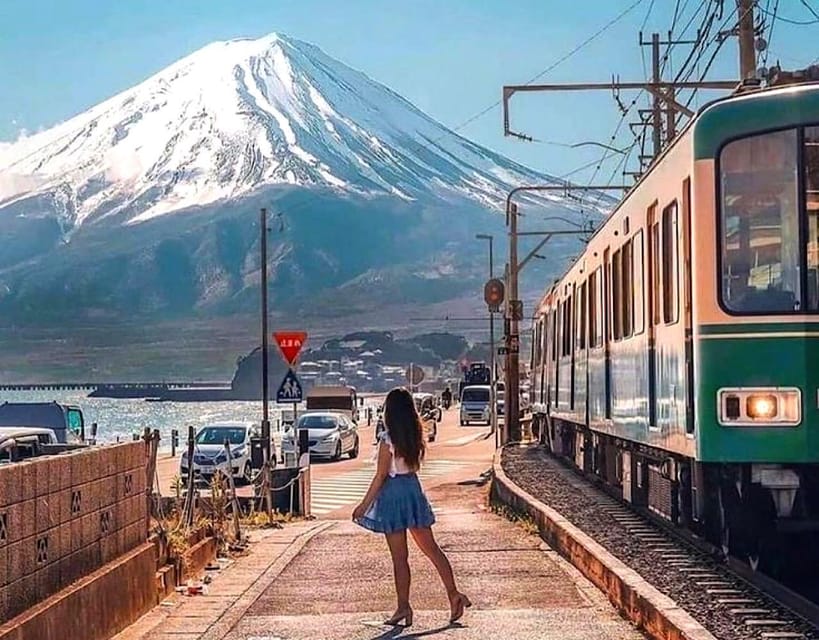
The final major stop is Enoshima, with about two hours for sightseeing, shopping, and local exploration. This changes the feel of the day again. After Kamakura’s temples and shrine, you get an island setting with ocean views, scenic paths, and shops.
Two hours is enough to get a taste of Enoshima and follow your guide through the main areas. It is not a full island exploration. You may need to choose between lingering over views, browsing shops, trying local snacks, and following every path.
The private format helps here because your guide can steer you toward the parts that match your interests. Shoan was especially praised for showing scenic spots, less obvious paths, ocean views, and local food choices. That kind of guidance can make a short Enoshima visit feel more focused.
Families may find Enoshima the easiest part of the day to enjoy without a long history lesson. There is visual variety, shopping, and open-air sightseeing. At the same time, paths and slopes can make comfortable footwear essential. Keep your phone and camera ready, but do not let photography turn the stop into a race.
A guide can change the quality of the day
The strongest part of this experience is not simply the list of places. It is the way a private guide can connect them.
Shoan has been praised for patient explanations, smooth navigation, and a personal approach. Ali has been noted for careful driving, close parking, and pacing that reduced walking. Timur has also been praised for looking after the group during a busy day. These names matter because guide quality can shape a private tour more than any brochure description.
One useful feature is the ability to ask questions all day. Kamakura’s temples, shrine traditions, and political history can be hard to sort out from short signs. A guide who uses charts or clear stories can make the subject easier to follow, especially for children.
The tour is conducted in English. The group remains private, with up to five people, so you do not have to match the pace or interests of a large bus group. That is also why the price is higher than a standard shared excursion.
What the $451 price really covers
The listed price is $451 per group of up to five. It includes an air-conditioned vehicle, private transportation, hotel pickup and drop-off, and an English-speaking guide.
For five people, the cost is roughly $90 each. For two people, it works out closer to $225 per person, so the value depends heavily on your group size. A family of four or five gets the clearest financial advantage, especially if private taxis or several local train connections would otherwise be needed.
You still pay for lunch and entrance fees. Based on the supplied amounts, the listed admission fees total 1,000 yen per person for Kotoku-in, Hokokuji, and Hase-dera. The tour does not list an Enoshima admission charge, so do not assume that every optional attraction there is included.
I see the price as payment for convenience, interpretation, and control over the day. It is less compelling if you are comfortable using trains, walking between sights, and planning your own food stops. It makes more sense when you want one vehicle, one guide, and a single organized day from Tokyo.
Who should book this experience
I would recommend it to a small group that wants to see both Kamakura and Enoshima without handling the transport alone. It is a particularly good fit for families, older relatives, and first-time visitors who prefer explanations in English.
It also suits people who want a full day but not a rigid large-group program. The private setting allows questions, family breaks, and some adjustment in pacing. The guides have shown that the day can be made easier for children and for people who prefer less walking.
I would hesitate if you want a slow temple retreat, a long hike, or extensive time at each shrine. The schedule covers a lot. You will see more places, but each stop has a set time. Someone focused mainly on one temple or on Enoshima’s longer paths may prefer an independent overnight visit.
Weather matters too. Check the forecast and dress sensibly. You will be outdoors for much of the day, and the combination of temple grounds, streets, and island paths calls for shoes that can handle steady walking.
Final call: a strong private day with a busy rhythm
Book this trip if you want Kamakura’s main sights and Enoshima in one organized day, especially if you are traveling with up to five people. The Great Buddha, Hase-dera, Hokokuji, Tsurugaoka Hachimangu, and Enoshima give you a broad look at the area, while the private vehicle removes much of the transport hassle.
The main tradeoff is pace. You pay for convenience and personal guidance, not for unlimited time at each stop. If that sounds right, this is a practical way to get beyond Tokyo for a day, with guides such as Shoan, Ali, and Timur adding the local explanation and steady support that make a full schedule manageable.
FAQ
How long does the Kamakura and Enoshima tour last?
The tour lasts 10 hours, including pickup in Tokyo, sightseeing in Kamakura and Enoshima, and return to Tokyo.
Where does pickup take place?
Pickup is offered from hotels and locations within Tokyo’s 23 wards. The stated pickup time is 8:30 a.m., but traffic can cause a delay of up to 30 minutes.
Is the tour private?
Yes. It is a private group experience for up to five people.
Is an English-speaking guide included?
Yes. An English-speaking live tour guide is included. Guides associated with the experience include Shoan, Ali, and Timur.
Is transportation included?
Yes. The tour includes private transportation in an air-conditioned vehicle, plus hotel pickup and drop-off.
Are lunch and temple entrance fees included?
No. Lunch is separate. The listed admission fees are 300 yen for Kotoku-in, 300 yen for Hokokuji Temple, and 400 yen for Hase-dera Temple.
Is the tour wheelchair accessible?
Yes, the activity is described as wheelchair accessible. You should still discuss specific mobility needs before booking because the day includes temple grounds, streets, and sightseeing paths.
Can I cancel the tour?
You can cancel up to 24 hours in advance for a full refund. The tour also offers reserve now and pay later booking.
Newly reviewed around Tokyo
- Tokyo Asakusa:Calligraphy & Make T-shirt Activity★ 5.0 · 62 reviews
- Intercity Shuttle, Tokyo to Haneda /Narita /Yokohama /Makuhari★ 5.0 · 5 reviews
- 1 Hour Travel around Tokyo with a Professional Photographer★ 5.0 · 3 reviews
- Travel Tokyo with Your Own Personal Photographer★ 5.0 · 43 reviews
- Train in Samurai Swordsmanship and Defeat the Demon in Tokyo★ 5.0 · 5 reviews
- Shuttle Van 6hr Tokyo Tour to-and-from Tokyo, Yokohama and Narita★ 5.0 · 9 reviews
- Kickboxing & Body Training with EX-Pro Fighter★ 5.0 · 4 reviews
- Traditional Japanese Knife Sharpening Class★ 5.0 · 18 reviews
Kamakura Day Trips from Tokyo, compared.
Mt. Fuji, Kamakura, Big Buddha, & Lake Ashi Day Trip
Read our review →
Sea of Mount Fuji, Hakone Ropeway, Ōwakudani, Enoshima
Read our review →
Kamakura 8 hr Private Walking Tour with Licensed Guide from Tokyo
Read our review →
Kamakura & Enoshima Day Tour with Pickup & Train Ride
Read our review →
Kamakura Private & Customizable Tour – All-in-One Experience
Read our review →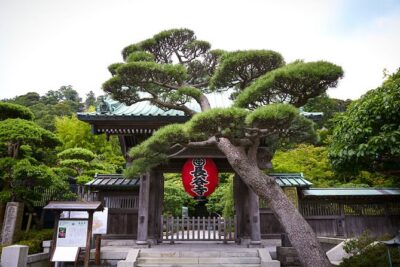
Private Car Tour to see Highlights of Kamakura, Enoshima, Yokohama from Tokyo
Read our review →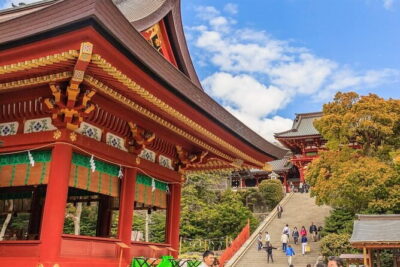
From Tokyo Kamakura, Hachimangu Shrine and Enoshima Full Day Tour
Read our review →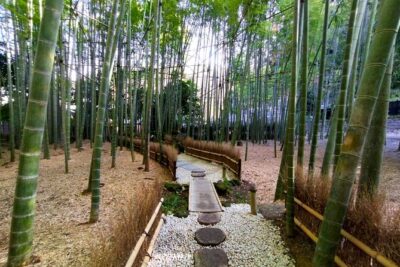
Day Trip to Kamakura & Enoshima: Shrines, Seaside, Temples & Tea
Read our review →Browse the lists this tour appears in