Reviewed · PRIVATE
Tokyo: Private Custom Insider Tour with a Local Host
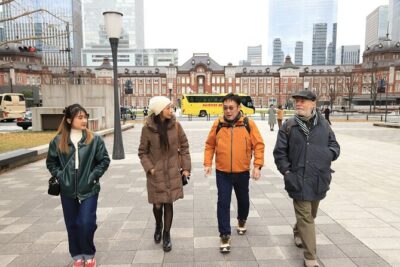
Tokyo is easier to enjoy when someone helps you make sense of its size, train system, customs, and many districts. This private tour gives you a local host and a loose plan built around your interests, so you might move from Senso-ji Temple and old Asakusa to a small lunch spot, a market, or a quiet side street rather than follow a fixed route.
I especially like the pre-tour questionnaire, which helps match you with a suitable host, and the freedom to ask for practical help along the way. Past guides such as Megumi, Michael, Mani, Tomo, and Ayaka have helped visitors with everything from Japanese etiquette and subway travel to family-friendly stops and shopping. The main drawback is that food, tickets, and transport cost extra, and three hours can feel short if you want to cross several parts of Tokyo.
Key points at a glance
- A route built around you: Choose food, temples, anime, fashion, old Tokyo, shopping, or a mix.
- A useful first-day orientation: Your host can show you how to use Tokyo’s trains and explain local customs.
- Several Tokyo personalities in one day: Asakusa, Harajuku, Akihabara, Ameya-Yokocho, Ginza, and Shibuya may fit, depending on your plan.
- Private and flexible: It is just your group and your host, with room to stop, change direction, or linger.
- Best value for first-time visitors: The tour costs $95 per person, with the greatest payoff if you use it to solve practical problems and shape the rest of your trip.
Why a private host can change your first Tokyo day
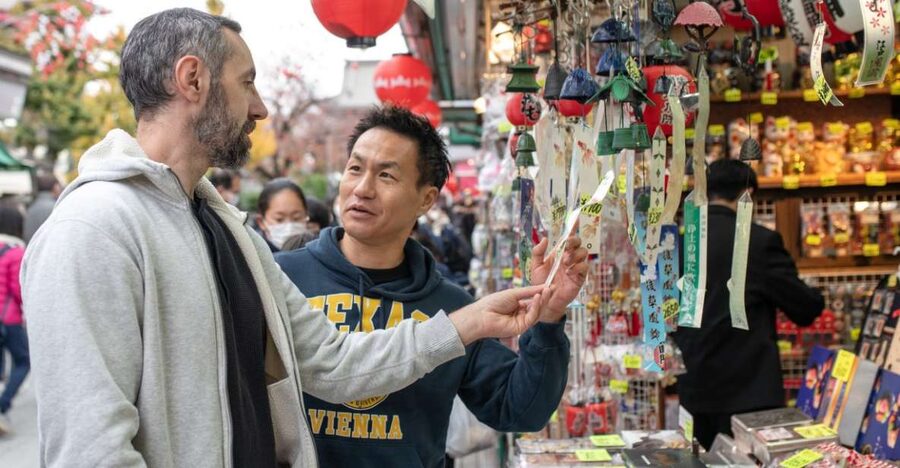
Tokyo is not difficult because it lacks things to do. It is difficult because it offers too many choices, spread across districts that each feel like a different city. A fixed sightseeing tour can show you the headline sights, but this experience lets you tell your host what you actually care about before the day begins.
You receive a questionnaire about your interests and personality. The answers help the company assign a like-minded host, who then contacts you to suggest a plan. That step matters. A family with children needs a different pace from a solo visitor interested in old neighborhoods, and an anime fan may want a very different day from someone focused on temples and food.
I would use the questionnaire honestly and specifically. Say if you want small restaurants, Japanese gardens, shopping for gifts, street food, photography, pop culture, or help with public transport. Also say what you do not want. The more useful your answers, the less time your host needs to spend guessing.
The host speaks English or Japanese, and the group is private. That makes it easier to ask simple questions without holding up strangers. You can ask why a shrine has a certain ritual, how to behave in a restaurant, or which train line will get you to your next stop.
More private tours in Tokyo:
- Tokyo 6hr Private Tour with Government-Licensed Guide
★ 5.0 · 3,902 reviews - Private Tour to Mt. Fuji and Hakone (Fully Licenced Operator)
★ 5.0 · 1,910 reviews - Tokyo Customized Private Tour (Must See Places in 1 Day)
★ 5.0 · 1,499 reviews
Asakusa and Senso-ji, a strong place to begin
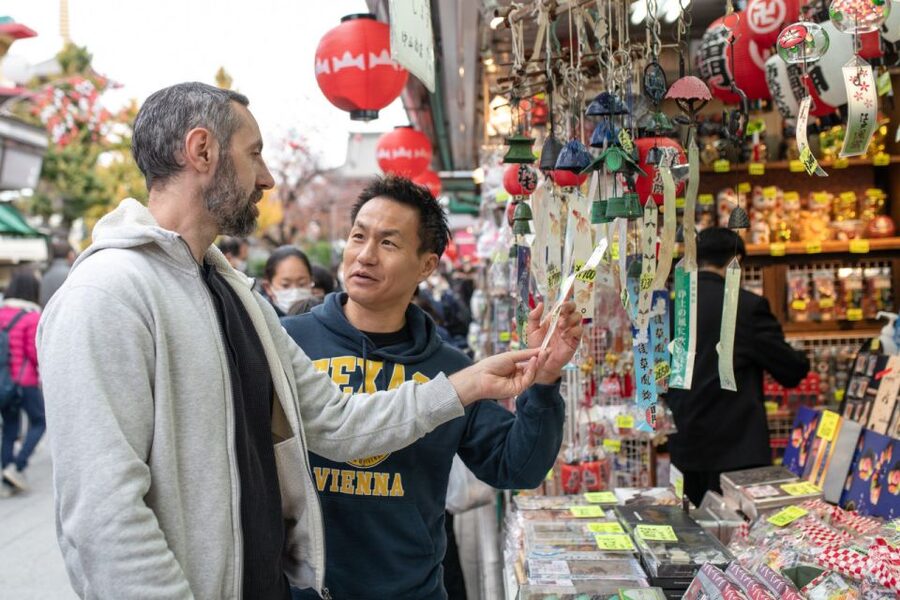
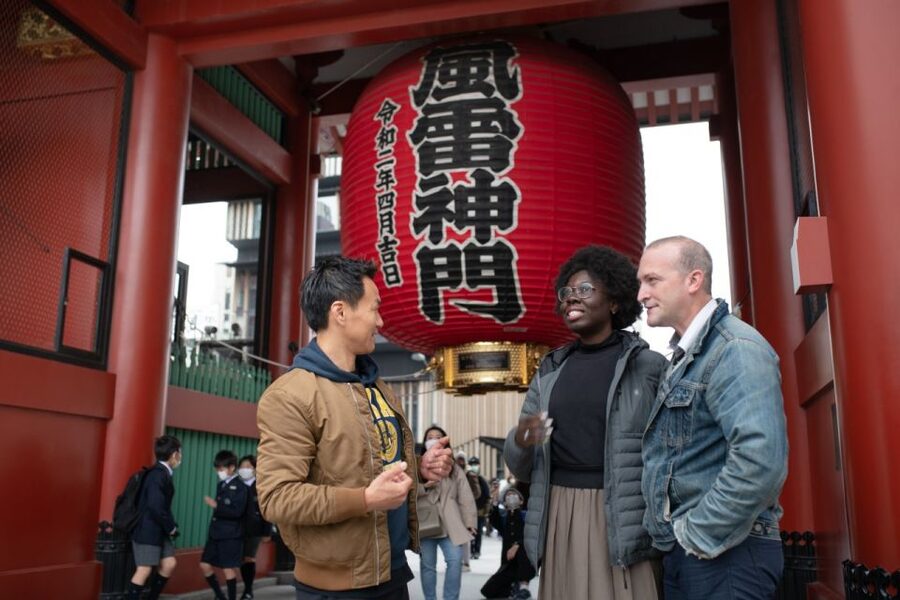
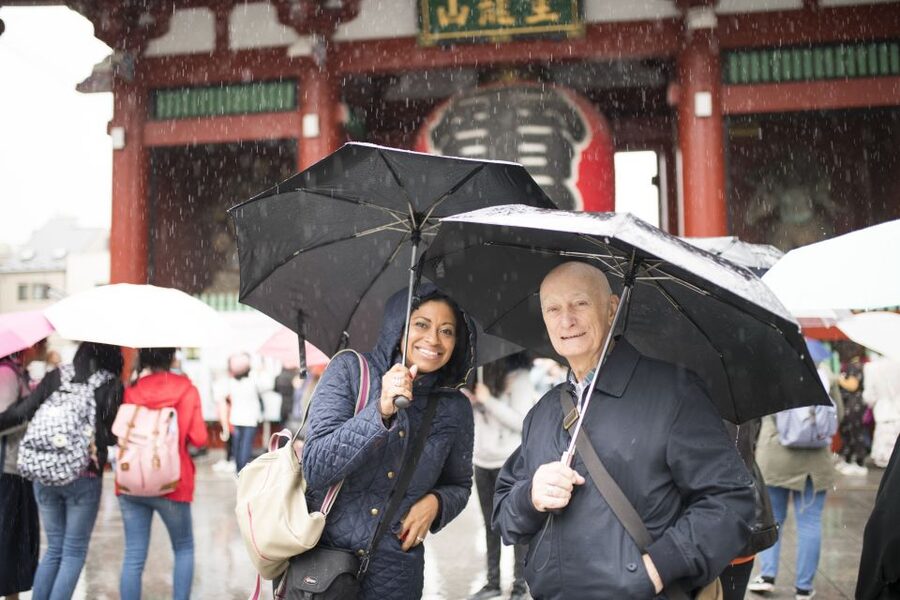
Asakusa is one of the clearest introductions to Tokyo’s older side. The large Senso-ji Temple brings together a famous gateway, a long approach, religious customs, and plenty of people moving through the district. Your host can explain what you are seeing and show you how to behave respectfully at a shrine or temple.
This is a good starting point if Tokyo feels overwhelming. Several visitors have used a short early tour to learn basic subway navigation, understand local etiquette, and get comfortable moving around the city. One host, Aby, took a first-time visitor through Senso-ji and the surrounding streets, then helped make the subway less intimidating.
Do not expect a quiet temple visit at all times. Senso-ji is one of Tokyo’s best-known sights, so the approach can be crowded and lively. The value here is not simply checking off the temple. It is having someone explain the setting, point out smaller details, and connect the visit to the surrounding old district.
If your interest is old Tokyo, ask for extra time in Asakusa. Emanuele’s guide, Maruf, focused on older parts of the city and the small details that are easy to miss when you walk alone. That sort of request can shape the whole day.
Markets, food, and the small stops between sights
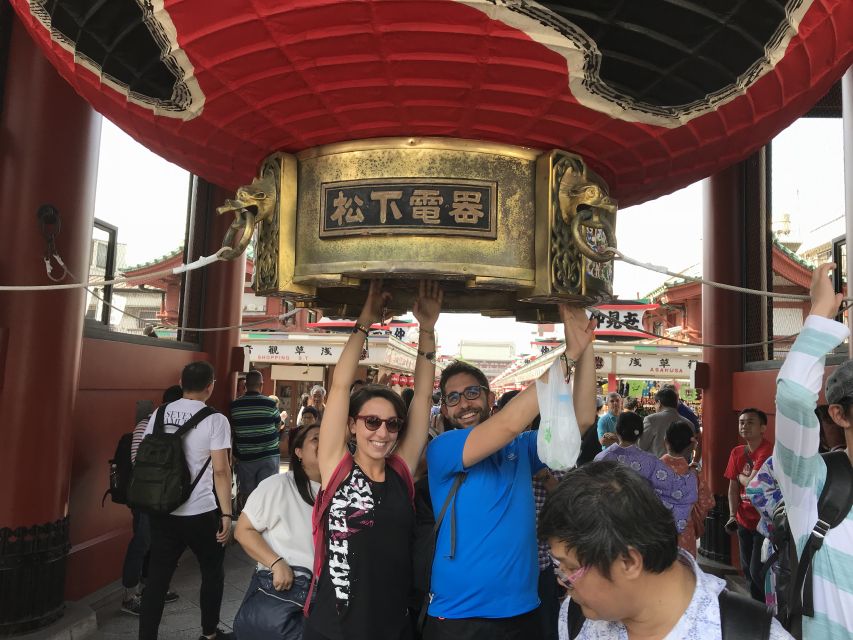
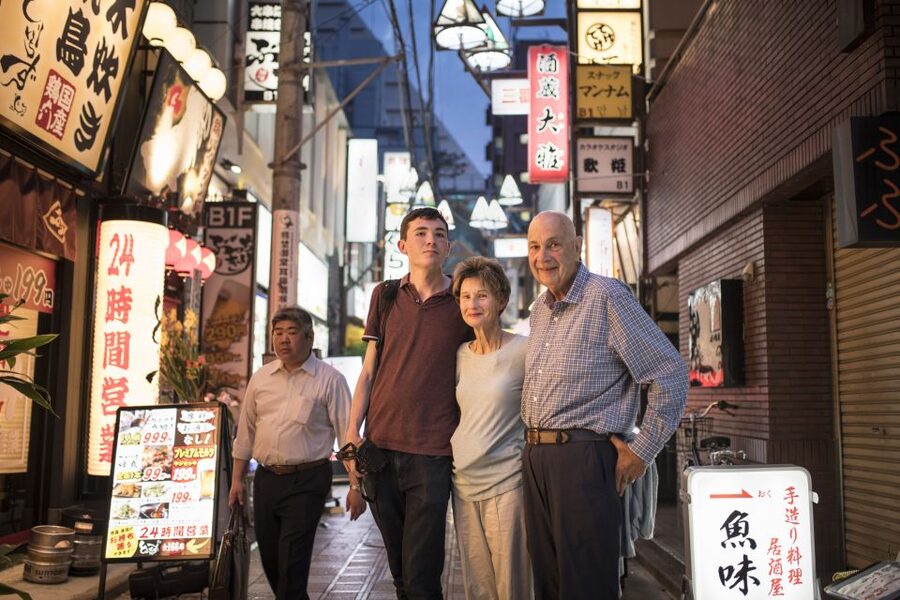
Ameya-Yokocho Market offers a different feel from the polished shopping districts. It is a lively street with food, shops, and a more everyday city atmosphere. Your host might include it if you want markets, snacks, or a less formal look at Tokyo.
Food is one of the strongest reasons to book this tour. The price does not include extra meals, drinks, or snacks, but your host can steer you toward places you may not find by searching from your hotel. Possibilities listed for the experience include yakitori, handmade mochi, sushi, and a tucked-away teahouse.
That distinction matters. You are not paying for an all-inclusive food tour. You are paying for help finding and ordering food that fits your taste. A good host can also explain what you are eating and help with language questions.
The food stops can be simple. One visitor’s host found an unexpectedly excellent lunch restaurant during a day that also included the fish market, Ginza, Meiji Shrine, and Harajuku. Another host took a group to good food near Asakusa and the fish market. These examples suggest that the best meals may come from letting your host adjust the plan rather than insisting on a famous address.
Set aside money for what you eat. If you want several tastings, tell your host before the tour so the route and timing make sense. Since the experience is walking-based, stopping for food also gives your feet a break.
Harajuku, Akihabara, and Tokyo’s modern side
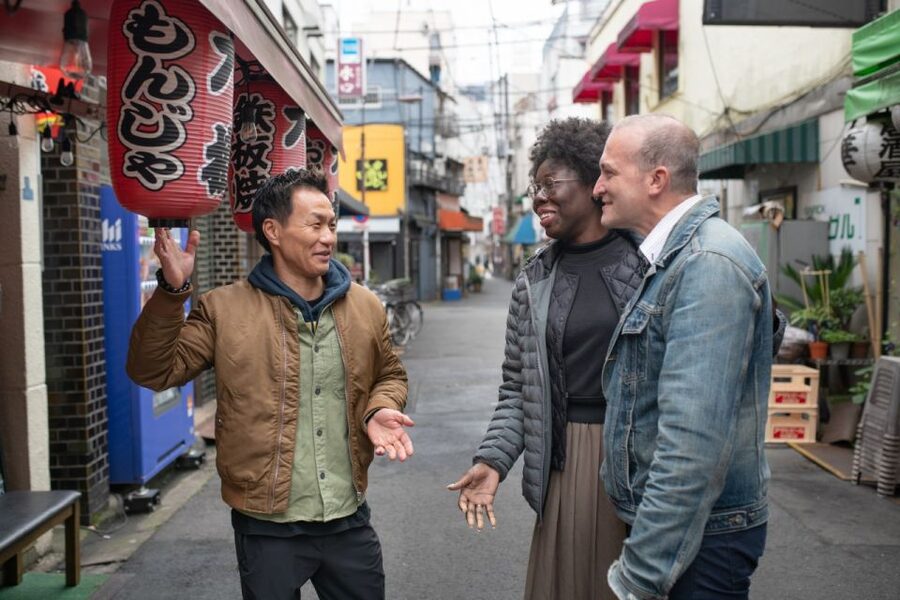
Tokyo’s newer identity comes into focus in districts such as Harajuku and Akihabara. Harajuku is useful for fashion, youth culture, colorful shops, and energetic backstreets. Akihabara is the place to request if you care about games, anime, electronics, or Japanese pop culture.
These areas are not interchangeable. Harajuku suits a visitor who wants style, shopping, and a lively walk. Akihabara works better for someone who wants gaming and anime culture. Your host can help you avoid spending half a day in a district that does not match your interests.
A private guide also helps when your group has mixed priorities. One family took in a shrine, Harajuku, a candy shop, and Shibuya Crossing, while the children stayed engaged. Another guide adjusted a day for teenagers by combining culture with noodle and sushi stops. You should give your host the ages and interests of everyone in your group before arrival.
If you want to shop, be clear about it. Megumi helped a couple shop for souvenirs and then assisted at the post office when they needed to send items home to Australia. That is a useful reminder that a guide can help with practical tasks, not just sightseeing, although you should not assume every host will provide the same amount of extra assistance.
A completely different kind of day in Tokyo:
- Mt Fuji and Hakone 1-Day Bus Tour Return by Bullet Train
★ 5.0 · 26,383 reviews - 1-Day Tokyo Bus Tour
★ 5.0 · 14,250 reviews - Tokyo: teamLab Planets TOKYO Digital Art Museum Entry Ticket
★ 4.6 · 9,779 reviews - Mt Fuji & Hakone Cruise, Drum Show Bullet Train 1 Day from Tokyo
★ 4.0 · 7,413 reviews
Shibuya, Ginza, and the art of choosing
Shibuya Crossing is an obvious Tokyo stop, but it can be more useful as part of a larger plan than as the entire point of a tour. Your host may meet you at Shibuya’s SHIBU HACHI BOX, the designated meeting point at 2 Chome-1-1 Dogenzaka, or arrange pickup from a central Tokyo hotel.
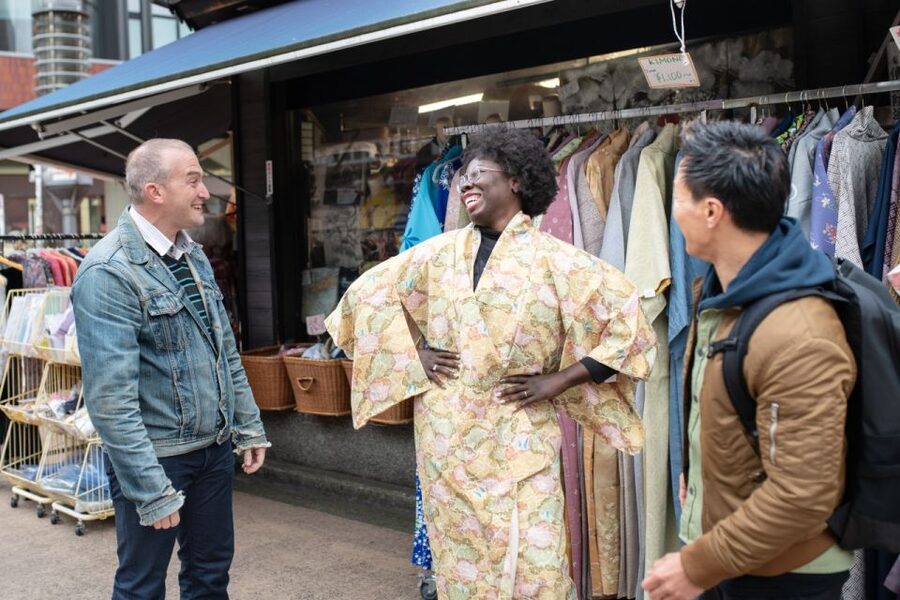
Ginza offers a more polished side of the city, with department stores and upscale shopping. It may suit you if you want fashion, gifts, or a contrast with Asakusa’s older streets. The Imperial Palace area, Kappabashi Street, and nearby temples have also featured in custom days, giving you a chance to mix shopping, food culture, history, and religion.
The challenge is distance. Tokyo’s districts are spread out, and public transport or a taxi may be needed between them. The tour is a walking experience, not a private car tour. You pay those transport costs separately, and the exact amount can be discussed with your host after booking.
This is why I would not try to collect every famous district in a three-hour booking. Choose one broad area for a short tour, or book closer to six or eight hours if you want Asakusa on one side of the city and Shibuya or Harajuku on the other.
What the walking pace is really like
The tour sounds relaxed because the route is flexible, but you should still expect a fair amount of walking. One past visitor specifically noted that fitness helps, even with a four-hour tour. Tokyo’s stations can also involve long corridors, stairs, and platform changes.
The host can adjust the pace, add rests, or reduce the number of stops. Tell the host about mobility needs, children, pregnancy, or fatigue in advance. A guide named Mani helped a group manage Tokyo’s train system with a wheelchair and gave extra assistance during the day. That is encouraging, but the tour does not include a private vehicle, and you should discuss your exact needs before confirming plans.
Families may find the private format especially useful. A host can change direction when children lose interest, add food breaks, and avoid making the whole group follow a rigid schedule. Solo visitors can also benefit, particularly if they want company without joining a large group.
The hosts and the human side of the experience
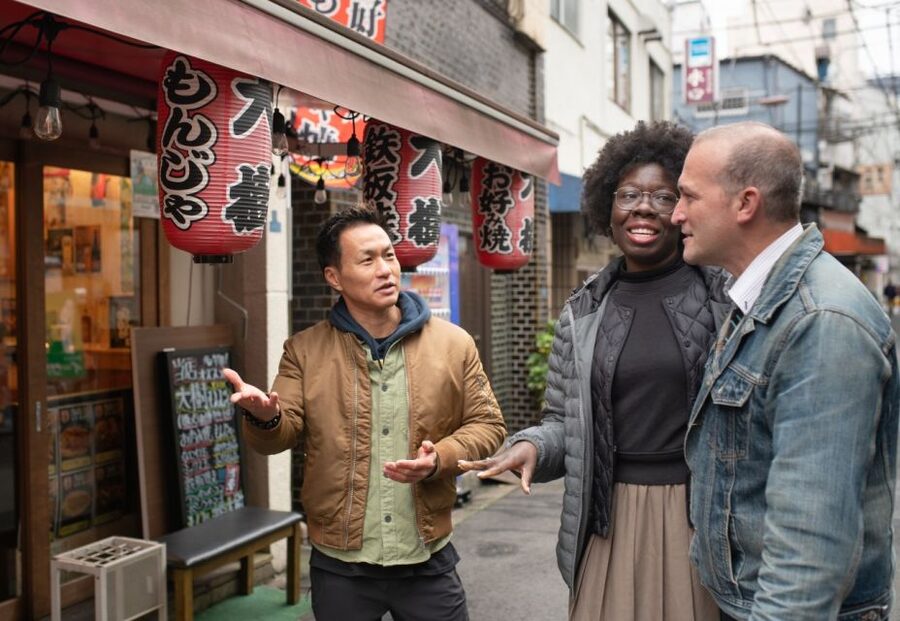
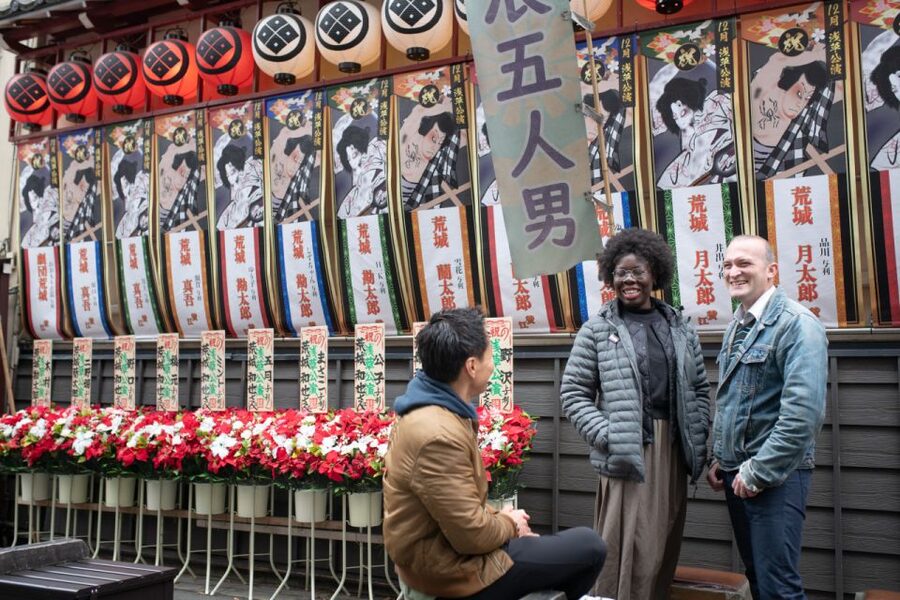
The company assigns different local hosts, so your day depends partly on the match. Names that appear in past experiences include Tomo, Ayaka, Michael, Martina, Shuto, Mari, Megumi, and Maruf. You cannot request the exact same results or personality from each person, but the range of experiences shows how much the format can vary.
Tomo helped a visitor practice Japanese and provided recommendations based on specific interests. Michael helped one visitor understand culture and etiquette, and another group praised his attention to shops that matched their tastes. Shuto combined quiet places with more energetic stops and used clear English.
That human contact is the main product. A host may explain temple behavior, help you read a menu, show you how to load a transit card, or suggest what to do after the tour. One visitor said their guide helped with Tokyo navigation beyond the booked hours. You should treat that as generous individual help, not a guaranteed inclusion.
The best approach is to arrive with a short list, not a strict script. Tell your host the three things you care about most, then allow room for a local suggestion. The experience is at its best when the plan has shape but does not feel locked in place.
Is $95 per person good value?
At $95 per person, this is not the cheapest way to see Tokyo. You still pay for food, attraction admission, and any train or taxi fares. For a couple or family, the total rises quickly.
The price makes more sense when you consider what you can gain beyond sightseeing. A well-planned first day can save you from wasting time in the wrong district, missing a meal you would have loved, or struggling through the train system. The guide can also tailor the day around a child, an older relative, a wheelchair user, or a particular hobby.
The three-hour option is best for orientation. Use it to learn the subway, visit one main area, and get suggestions for the rest of your stay. Four to six hours gives you more breathing room and has been enough for combinations such as temples, markets, food, shopping, and cultural explanation.
The eight-hour option is the better choice if you want several districts or need a slower pace. It will not eliminate transport costs or the need to walk, but it gives the day room to change naturally.
Practical booking advice
You can cancel up to 24 hours before the experience for a full refund, and you can reserve now while paying later. Starting times depend on availability.
Hotel pickup can be arranged from a central Tokyo hotel. Otherwise, the stated meeting point is SHIBU HACHI BOX in Shibuya. Confirm the meeting plan with your host, especially if your hotel is outside central Tokyo.
Bring comfortable shoes and budget separately for meals, drinks, tickets, and transport. If you want a particular market, shrine, restaurant style, or shopping area, put it in the questionnaire and repeat it when your host contacts you.
Who should book this Tokyo tour?
I would recommend it most strongly to first-time visitors, families, solo visitors, and anyone who feels unsure about Tokyo’s trains or customs. It is also a good fit for repeat visitors who want old Tokyo, local food, anime, fashion, or neighborhoods beyond the usual route.
You may not need it if you already know Tokyo well, enjoy planning every train connection yourself, or want a formal sightseeing lecture with a fixed schedule. The flexible format can feel too loose if you expect guaranteed entry to specific attractions or a private vehicle.
For most people, I would choose four to six hours and book it near the start of the trip. That gives you practical skills, a clearer sense of the city, and recommendations you can use for the days ahead. If your main goal is a personal introduction rather than a checklist of sights, this is a smart way to begin Tokyo.
FAQ
How much does the Tokyo private custom tour cost?
The listed price is $95 per person. Food, drinks, attraction tickets, and transportation are not included.
How long does the tour last?
You can choose a duration from 3 to 8 hours, depending on availability.
Is the tour private?
Yes. The experience is for a private group with a personal host.
Which languages are available?
The live tour is available in English and Japanese.
Can the itinerary be customized?
Yes. You complete a questionnaire about your interests and personality, then communicate with your host about an itinerary.
Where does the tour start?
Pickup can be arranged from any central Tokyo hotel. You can also meet your host at SHIBU HACHI BOX in Shibuya.
Is transportation included?
No private vehicle is included. The experience is mainly on foot, and public transport or local taxis may be used at extra cost.
Are food and attraction tickets included?
No. Additional food, drinks, and attraction tickets are paid separately unless specifically included in the experience.
Can I cancel the booking?
Yes. You can cancel up to 24 hours in advance for a full refund. You can also reserve now and pay later.
Newly reviewed around Tokyo
- Tokyo Asakusa:Calligraphy & Make T-shirt Activity★ 5.0 · 62 reviews
- Intercity Shuttle, Tokyo to Haneda /Narita /Yokohama /Makuhari★ 5.0 · 5 reviews
- 1 Hour Travel around Tokyo with a Professional Photographer★ 5.0 · 3 reviews
- Travel Tokyo with Your Own Personal Photographer★ 5.0 · 43 reviews
- Kickboxing & Body Training with EX-Pro Fighter★ 5.0 · 4 reviews
- Train in Samurai Swordsmanship and Defeat the Demon in Tokyo★ 5.0 · 5 reviews
- Shuttle Van 6hr Tokyo Tour to-and-from Tokyo, Yokohama and Narita★ 5.0 · 9 reviews
- Traditional Japanese Knife Sharpening Class★ 5.0 · 18 reviews
Private, compared.
Tokyo 6hr Private Tour with Government-Licensed Guide
Read our review →
Private Tour to Mt. Fuji and Hakone (Fully Licenced Operator)
Read our review →
Tokyo Customized Private Tour (Must See Places in 1 Day)
Read our review →
Mount Fuji Full-Day Private Tour from Tokyo (Customizable)
Read our review →
Private City Highlights Tour with Local Guide
Read our review →
Tokyo 4hr Private Tour with Government-Licensed Guide
Read our review →