Reviewed · GUIDED
Tokyo Private Customizable Tour with a Local Guide
Tokyo is easiest to understand when you move between its old and new sides in one day. This private tour does exactly that, taking you from Senso-ji Temple and Nakamise Street to Skytree, the Imperial Palace, Meiji Shrine, Harajuku, and Shibuya Crossing with a local English-speaking driver.
I like the private format because you can adjust the pace and ask for context at each stop. I also like the mix of major sights and everyday Tokyo scenes, from temple gardens to cafes and street fashion. The main drawback is that ten hours with many stops can feel rushed, especially if you want time inside Skytree, at Tsukiji, or in Harajuku.
Key points
- A full Tokyo sampler: See historic Asakusa, the Imperial Palace, Tsukiji, Meiji Shrine, Harajuku, and Shibuya in one long day.
- Private transportation: Hotel pickup and drop-off save you from working out Tokyo’s complex train routes between distant districts.
- Flexible guiding: The route can be adjusted to your interests and walking pace, with guides such as Shomo, Yoshi, and Mukkarram named in past booking comments.
- Strong temple and shrine coverage: Senso-ji and Meiji Shrine offer two very different views of Japanese religious tradition.
- Crowded city sights: Shibuya Crossing and Takeshita Street are exciting, but you should expect heavy crowds.
- Check admission details: Skytree admission is listed as an extra charge in the pricing information, so confirm the current policy before booking.
A private route across Tokyo’s old and new districts
The clever part of this tour is its range. Tokyo is not one single experience. It is a collection of districts, each with its own mood, architecture, and rhythm.
You begin in Tokyo with pickup from your hotel lobby or another agreed address. Private transportation matters here because the route covers a lot of ground. Asakusa, Skytree, Tsukiji, the Imperial Palace, Meiji Shrine, Harajuku, and Shibuya are not clustered around one station.
The day lasts ten hours, so this is best treated as a broad introduction rather than a slow look at every attraction. You will see the main points, get local explanations, and decide which districts deserve a longer return visit.
The English-speaking driver serves as your guide. Past booking comments specifically praise Shomo, Yoshi, and Mukkarram for patience, clear explanations, flexibility, and useful stories. Guide assignments can change, so treat those names as examples rather than a guarantee.
More private tours in Tokyo:
- Tokyo 6hr Private Tour with Government-Licensed Guide
★ 5.0 · 3,902 reviews - Private Tour to Mt. Fuji and Hakone (Fully Licenced Operator)
★ 5.0 · 1,910 reviews - Tokyo Customized Private Tour (Must See Places in 1 Day)
★ 5.0 · 1,499 reviews
Senso-ji and Nakamise Street: Tokyo’s best old-town opening
Senso-ji Temple is the first major stop, with about an hour for a guided visit. It is one of Tokyo’s most important Buddhist sites, and its large gates, colorful buildings, shrines, and surrounding gardens give you an immediate sense of the city’s older traditions.
This is a good place to have a guide. The site can look like a series of striking buildings if you do not know what you are seeing. A guide can explain the role of the temple and point out details in the architecture and surrounding religious spaces.
Nakamise Shopping Street follows with about 30 minutes. The narrow route runs toward Senso-ji and is lined with souvenir shops and food vendors. You can browse small gifts, sample traditional snacks, and get a first taste of Tokyo’s visitor-friendly side.
I would keep your shopping expectations sensible. Thirty minutes passes quickly, and this is a busy commercial street rather than a quiet historic lane. Still, it is a useful stop because you get food, shopping, and a major temple in one compact area.
Tokyo Skytree: big views, extra cost
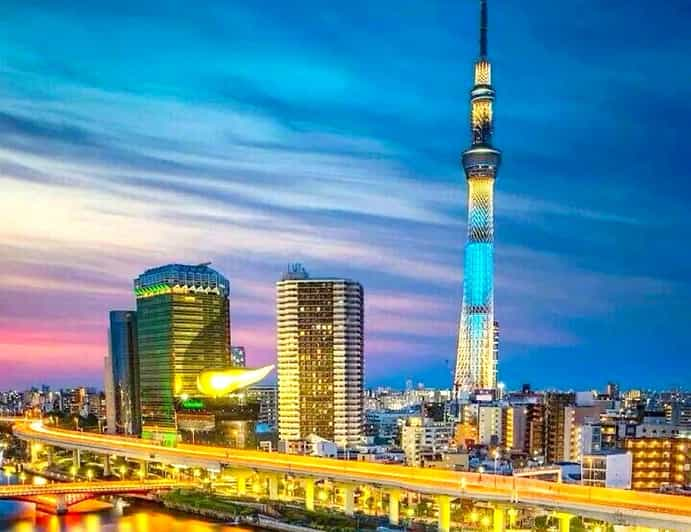
The tour then heads to Tokyo Skytree for about an hour of sightseeing. As Japan’s tallest building, Skytree gives you a broad view across the city from its observation areas.
The value here depends on the weather. On a clear day, you can make sense of Tokyo’s size and see how far the urban area stretches. On a hazy or rainy day, the experience may be less rewarding, particularly if you have paid separately for admission.
The supplied pricing details are not fully consistent. One section says Skytree admission is included, while the included-items list says entry is not included and gives an additional price of 1,800. I would confirm this point before paying. The safest assumption is that you may need to buy your own ticket.
An hour is enough for a visit focused on views, but not for lingering over every exhibit or waiting through long lines. If Skytree is a priority, tell the guide early so the day’s timing can be handled sensibly.
The Imperial Palace: an outside look at Japan’s center of power
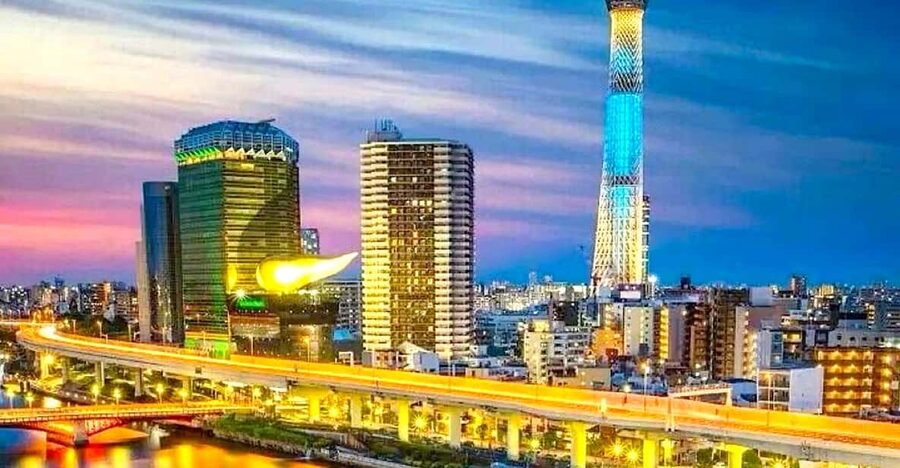
The Imperial Palace stop lasts about 30 minutes and is mainly for exterior sightseeing and photographs. You should not expect a long indoor palace visit from this schedule.
The value is in the setting. The palace grounds connect modern Tokyo with the country’s imperial institution, and the broad open spaces offer a change from the packed streets of Asakusa and Shibuya.
Half an hour works well for a photo stop, but it will feel brief if you want a detailed explanation of the palace complex or a longer walk. Think of this as a useful orientation point, not a full palace tour.
More guided tours in Tokyo:
- Tokyo: Shinjuku Local Bar and Izakaya Guided Walking Tour
★ 4.9 · 1,794 reviews - Tokyo: Private City Highlights Tour with Local Guide
★ 4.8 · 1,433 reviews - Tokyo: Tsukiji Fish Market Guided Walking Tour
★ 4.9 · 1,397 reviews - Tokyo 4hr Private Tour with Government-Licensed Guide
★ 5.0 · 1,394 reviews
Tsukiji Outer Market: food culture in a short visit
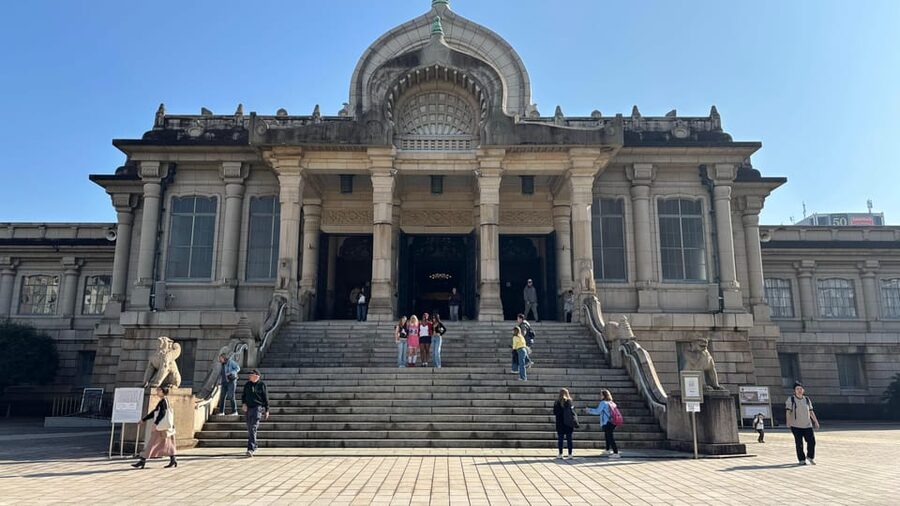
The itinerary allows about an hour at Tsukiji Outer Market. This is one of the better chances to pause for food during the day, since lunch is not included.
You can look through food stalls and shops, and you might find seafood, prepared dishes, snacks, and other Japanese specialties. The exact places you visit will depend on opening hours, crowd levels, and the guide’s plan.
An hour gives you enough time to look around and choose something to eat, but it is not a leisurely market meal. Since you pay for lunch yourself, keep some yen available and ask your guide what fits the schedule.
This stop also breaks up the sightseeing. After several major monuments, a market gives you a more ordinary view of Tokyo’s food culture and shopping habits.
Meiji Shrine: a quieter change of pace
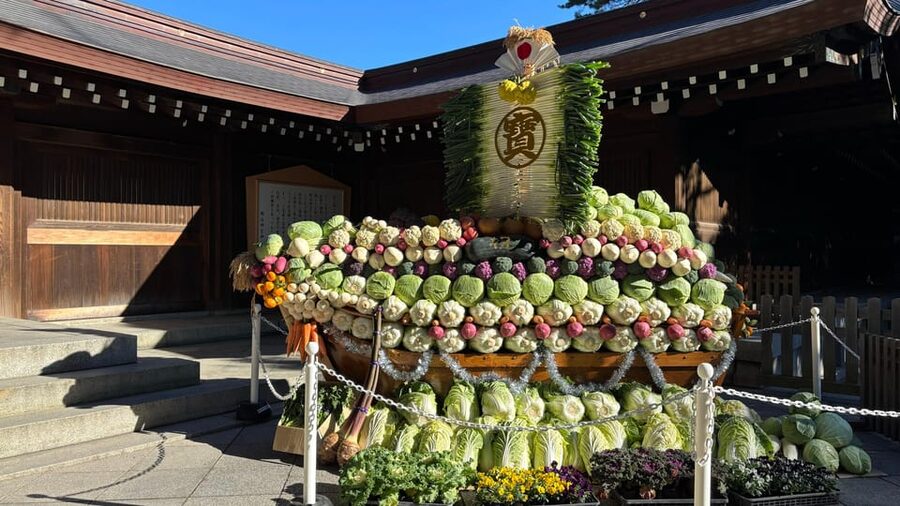
Meiji Shrine receives about an hour, and it is one of the strongest stops for understanding modern Japanese religious life. The shrine is dedicated to the divine souls of Emperor Meiji and Empress Shoken.
The setting feels different from Senso-ji. Senso-ji is closely tied to Asakusa’s shopping streets and urban movement, while Meiji Shrine gives you a more reflective setting before the tour returns to Harajuku and Shibuya.
Use the hour to notice the shrine approach, gates, religious customs, and surrounding grounds. A guide can help explain what you are seeing and how to behave respectfully.
Comfortable shoes are important here. Even if the vehicle handles the long transfers, you will still walk at several sites. Bring water, sunscreen, and a hat, especially in warm weather.
Takeshita Street and Harajuku: Tokyo’s youth culture
Takeshita Street is scheduled for around 30 minutes, while the wider Harajuku section introduces you to Tokyo’s fashion scene and cafe culture.
This is the most playful part of the route. Harajuku is known for youth fashion, unusual shops, and cafes with different themes. The description specifically mentions cat cafes and owl cafes. Admission or activity fees are not included, so ask about the cost before choosing one.
Thirty minutes is enough to get a sense of the street, but it is short for serious shopping or a cafe visit. If Harajuku matters more to you than Skytree or the palace exterior, use the customizable format to request more time here.
You should also expect crowds. Takeshita Street can be hard to move through, and the day’s schedule may need to flex around pedestrian traffic. This is one place where a private guide can help you avoid wasting time deciding where to go next.
Shibuya Crossing: a fast look at Tokyo’s famous scramble
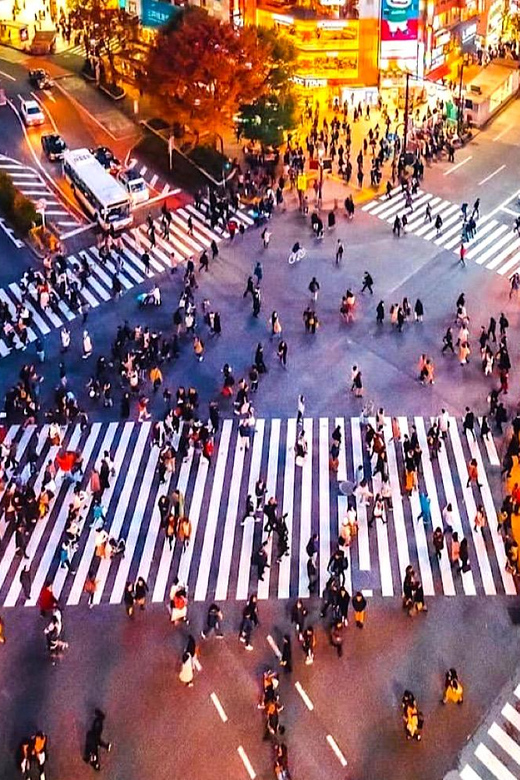
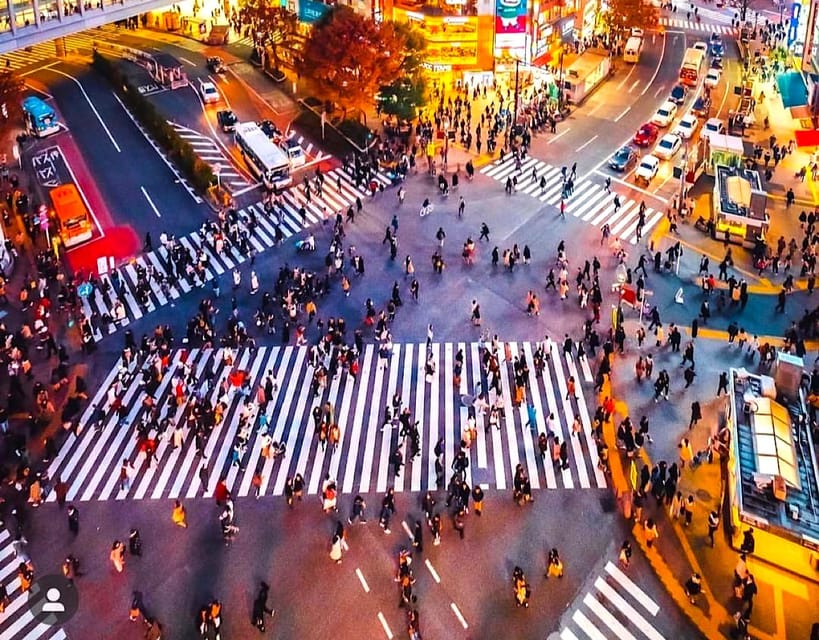
The final major sightseeing stop is Shibuya Crossing, with about 30 minutes. It is famous for the coordinated flow of pedestrians crossing from several directions at once.
The stop is short, but it gives you time to watch the crossing and take photographs. You can also experience how different Shibuya feels from the temple districts earlier in the day.
Do not expect a long neighborhood tour from this schedule. The attraction is the crossing itself, along with the surrounding city lights, shops, and foot traffic. If you want time at a particular viewpoint or cafe, mention it when arranging the custom route.
The crossing is one of the day’s most crowded locations. Keep your group together and be ready to move at the guide’s pace.
What the private format is really worth
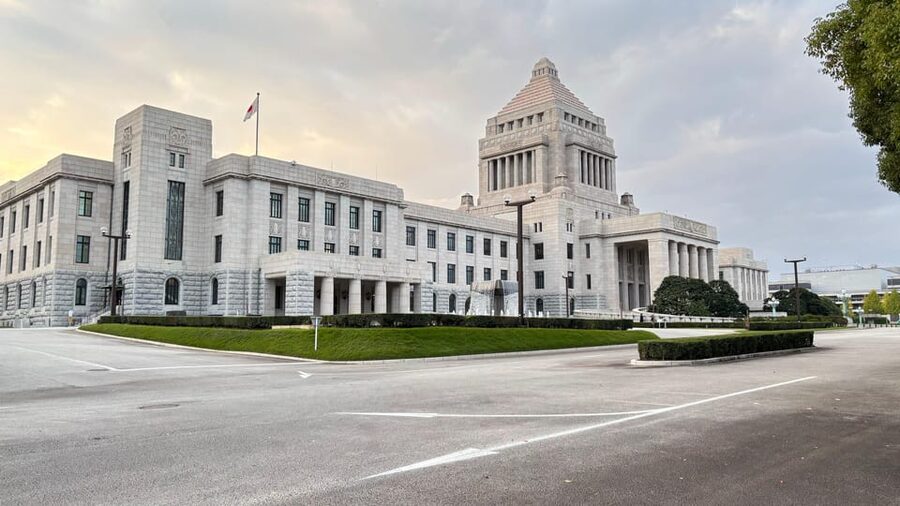
The cost is $367 per group of up to five people. For a full ten-hour private day, that can be good value if you are traveling with several people and want transportation, pickup, drop-off, and an English-speaking guide in one package.
For one or two people, the price becomes harder to compare with public transportation and separate guided visits. The private format earns its keep through convenience and flexibility rather than through included admissions or meals.
You are paying for:
- Private transportation throughout the day
- Pickup and return service
- An English-speaking driver and guide
- A route that can be adjusted to your interests
- A private group rather than a shared coach
You still need to budget for lunch, Skytree admission if charged separately, and any cafe or other activity fees. Ask for the final admission details before booking because the supplied information gives conflicting statements about whether Skytree entry is included.
The tour is especially practical for a group of three to five people, families with older children, or anyone who does not want to manage several train transfers. It is less attractive if you prefer to explore one district slowly or spend hours inside museums and attractions.
Pace, walking, and accessibility
This is an active day. Even with private transportation, you will walk through temples, markets, shrine grounds, shopping streets, and crowded crossings. Wear comfortable shoes, carry water, and dress for the forecast.
The accessibility information also needs clarification. The activity details say wheelchair accessible, but the suitability notes say it is not for wheelchair users or people with mobility impairments. Those statements conflict, so contact the provider before booking if access needs are important.
Children under five are listed as unsuitable for the tour. The long duration, walking, crowds, and many transitions may also be tiring for younger children, even when they meet the age requirement.
Smoking is not allowed, and flash photography is not allowed. At religious sites, follow the guide’s instructions and avoid treating ceremonies as photo opportunities.
Who will get the most from this Tokyo day
I would choose this tour if you have one full day in Tokyo and want to see many of the city’s headline sights without planning every transfer yourself.
It suits you especially well if:
- You are visiting Tokyo for the first time
- You want explanations in English
- You are traveling with up to five people
- You prefer a private vehicle to navigating the train system
- You want to adjust the route around your interests
- You are happy with several short stops rather than one slow visit
I would look elsewhere if you want a specialist food tour, a long temple study, a detailed palace visit, or extensive time at each attraction. The route covers a lot, but its breadth means you will often get an introduction rather than a complete visit.
Should you book this Tokyo private tour?
Book it if you want a convenient, private overview of Tokyo and value the ability to shape the day. The strongest parts are the range of districts, the personal guide, and the easy connection between old Asakusa, central Tokyo, Tsukiji, Meiji Shrine, Harajuku, and Shibuya.
Before confirming, ask two direct questions: Is Skytree admission included, and can the vehicle and route meet your mobility needs? If those points are clear, the $367 group price can make sense, especially for four or five people.
If you want a relaxed day, trim the route. I would consider giving up one short stop so you can spend more time at Tsukiji, Meiji Shrine, Harajuku, or Skytree. The tour works best when you treat it as your Tokyo orientation day, then return on your own to the places that deserve more time.
FAQ
How long is the Tokyo private tour?
The tour lasts 10 hours, including pickup in Tokyo and return to Tokyo.
Where does pickup take place?
Pickup is available from your hotel lobby or another agreed pickup address in Tokyo.
Is the tour private?
Yes. It is arranged for a private group, with a maximum group size of five people at the listed price.
What language does the guide speak?
The tour includes an English-speaking driver and live English guidance.
Which main attractions are included in the route?
The route includes Senso-ji Temple, Nakamise Shopping Street, Tokyo Skytree, the Imperial Palace, Tsukiji Outer Market, Meiji Shrine, Takeshita Street, and Shibuya Crossing.
Is lunch included?
No. Lunch is not included, so you pay for your own meal at Tsukiji or elsewhere during the day.
Is Tokyo Skytree admission included?
The supplied details conflict. One note says admission is included, while the included-items information lists Skytree admission as an extra charge of 1,800. Confirm the current policy before booking.
Can the itinerary be changed?
Yes. The tour has a customizable itinerary, so you can discuss your interests and preferred pace with the guide.
Is the tour suitable for wheelchair users?
The information is inconsistent. One section says the activity is wheelchair accessible, while another says it is not suitable for wheelchair users or people with mobility impairments. Contact the provider before booking to confirm the current arrangements.
What should I bring?
Bring comfortable shoes, a hat, a camera, sunscreen, and water. Dress for the weather and expect a lot of walking.
Newly reviewed around Tokyo
- Tokyo Asakusa:Calligraphy & Make T-shirt Activity★ 5.0 · 62 reviews
- Intercity Shuttle, Tokyo to Haneda /Narita /Yokohama /Makuhari★ 5.0 · 5 reviews
- 1 Hour Travel around Tokyo with a Professional Photographer★ 5.0 · 3 reviews
- Travel Tokyo with Your Own Personal Photographer★ 5.0 · 43 reviews
- Train in Samurai Swordsmanship and Defeat the Demon in Tokyo★ 5.0 · 5 reviews
- Shuttle Van 6hr Tokyo Tour to-and-from Tokyo, Yokohama and Narita★ 5.0 · 9 reviews
- Kickboxing & Body Training with EX-Pro Fighter★ 5.0 · 4 reviews
- Traditional Japanese Knife Sharpening Class★ 5.0 · 18 reviews
Guided, compared.
Tokyo 6hr Private Tour with Government-Licensed Guide
Read our review →
Shinjuku Local Bar and Izakaya Guided Walking Tour
Read our review →
Private City Highlights Tour with Local Guide
Read our review →
Tokyo 4hr Private Tour with Government-Licensed Guide
Read our review →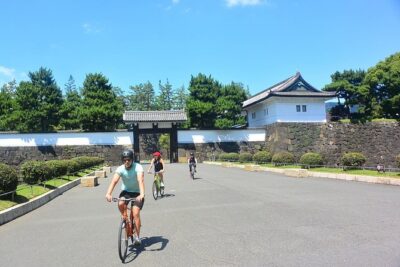
Samurai Ninja Museum Guided tour and Experience
Read our review →