
Reviewed · MUSEUMS
Private Tour Through the Tokyo National Museum & Ukiyo-e
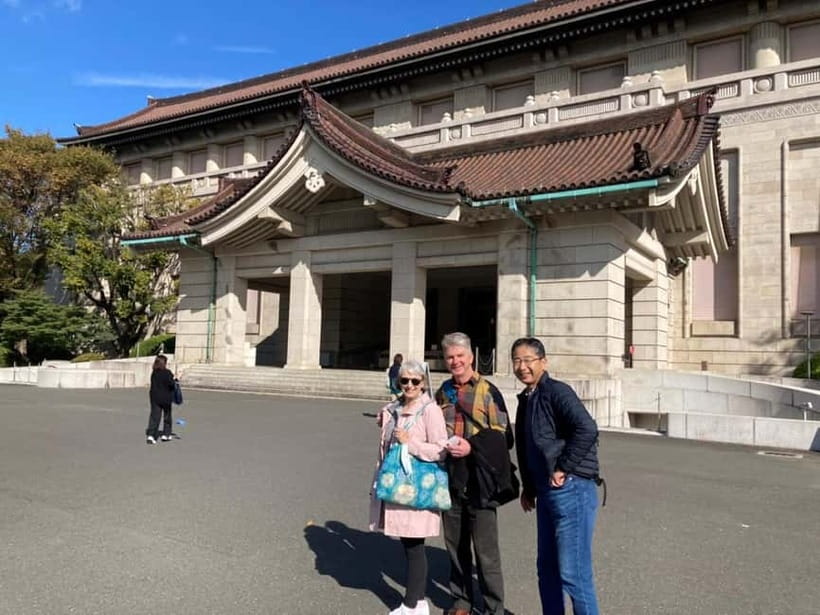
Ueno Hill tells a surprisingly large part of Tokyo’s story in a compact area. This private tour links the quiet wooden stage of Kiyomizu Kannondo, the gold-trimmed Ueno Toshogu Shrine, and the Tokyo National Museum, where samurai armor and colorful ukiyo-e prints bring the past into focus. I like the private format and the way the guide connects the sites to the Tokugawa Shogunate and the Battle of Ueno. I also like that the museum admission is included. The main drawback is that 150 minutes is a short window for a huge museum, so you should tell your guide what you most want to see.
The tour works best as a first introduction to Ueno, not as a full museum study. Guides including Shigeru, Mieko, Masahito, and Hattori Yutaka have been praised for clear explanations, patience with children, and help choosing museum highlights. The walking route includes stairs and outdoor paths, so it is not suitable for wheelchair users or people with mobility impairments.
Key points at a glance
- A compact Ueno history lesson: Follow the area from Kaneiji Temple grounds and the Edo period through the Meiji Restoration and the Battle of Ueno.
- Three very different stops: See Kiyomizu Kannondo, Ueno Toshogu Shrine, and the Tokyo National Museum in one guided visit.
- A private English-speaking guide: Ask questions freely and request extra time for specific museum rooms or objects.
- Ukiyo-e and samurai armor: The museum offers a strong visual introduction to Japan’s art, warfare, and social history.
- A useful 150-minute pace: Enough time for a meaningful overview, but not enough to inspect every gallery.
- Good value for focused sightseeing: At $74 per person, the cost includes museum admission and a personal guide for a private group.
Why Ueno Hill makes a strong first stop
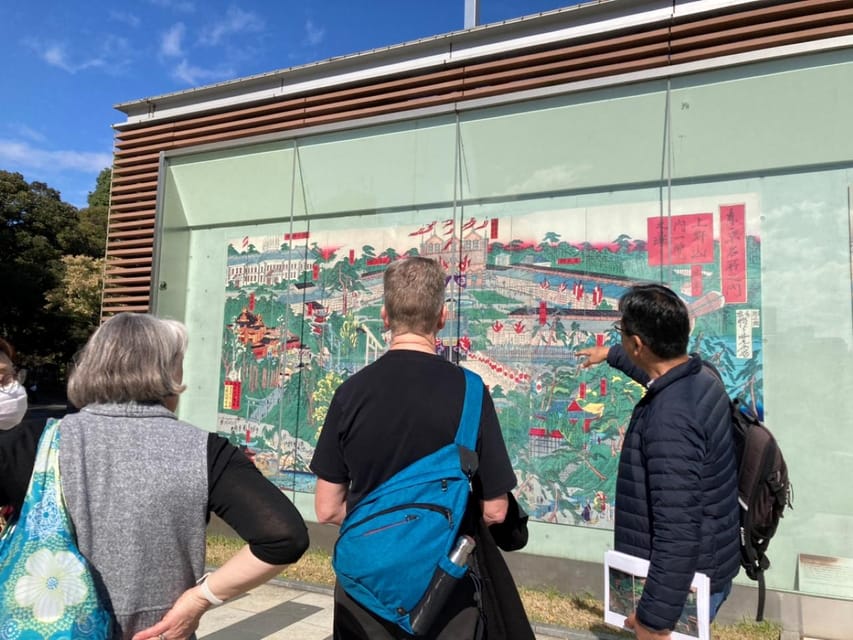
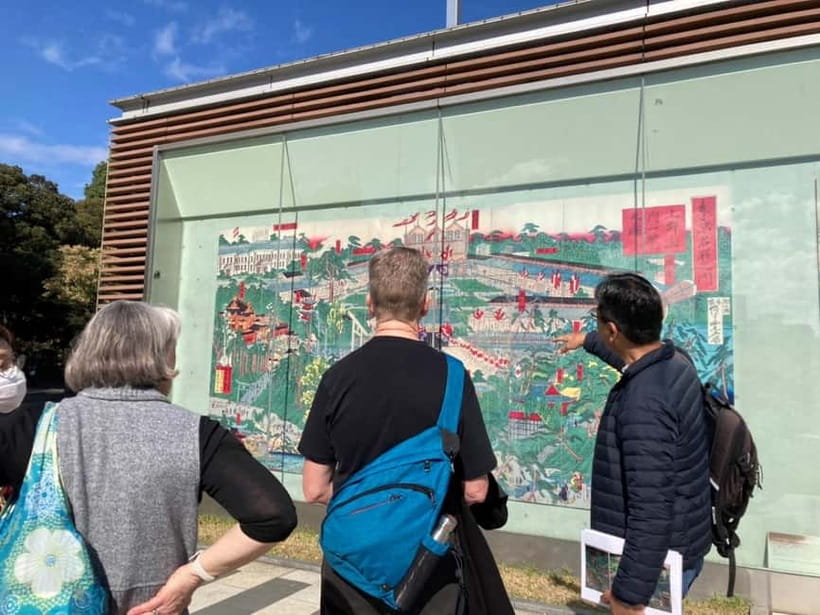
Ueno is not just a park with a museum in it. The hill once formed part of the vast grounds of Kaneiji Temple, a major Buddhist institution connected with the Tokugawa Shogunate. During the Edo period, it also became a public place where people came to enjoy the grounds and seasonal scenery.
That older religious and civic role helps explain the area’s unusual mix. You can move from a Buddhist temple to a Shinto shrine, then into one of Japan’s leading museums without leaving Ueno. The tour gives you a guide to those changes instead of presenting each stop as an isolated photo opportunity.
You also get a short lesson in modern Japanese history. The Battle of Ueno, fought during the upheaval surrounding the Meiji Restoration, changed the hill and the city around it. Your guide can explain how the old temple grounds were affected and how Ueno took on a new public role.
I like this historical frame because it gives the walk a clear plot. You are not simply checking off three attractions. You are watching one important part of Tokyo change from a Tokugawa-era religious center into a public cultural district.
More Tokyo museums and galleries:
- Tokyo: teamLab Planets TOKYO Digital Art Museum Entry Ticket
★ 4.6 · 9,779 reviews - Tokyo: Samurai Ninja Museum Guided tour and Experience
★ 4.6 · 1,010 reviews - Ninja Experience (Family Friendly) at Samurai Ninja Museum TOKYO
★ 5.0 · 441 reviews
Meeting your guide near Ueno Park
The meeting point is in front of the Family Mart Ueno Park Branch. Pay close attention to the wording: the shop faces the street and is not inside Ueno Park. That distinction matters because a large park entrance can be a poor place to search for a guide.
The tour ends at the Tokyo National Museum, so you finish at the main attraction rather than being led back to the starting point. This is helpful if you want to continue exploring the museum after the guided portion, though the tour’s included visit is designed around its 150-minute schedule.
Wear comfortable shoes. The experience combines outdoor walking with museum time, and the route includes historical grounds rather than a single level indoor building. A hat, water, sunscreen, and a camera are sensible additions, especially in warm weather. Smoking and flash photography are not allowed.
Kiyomizu Kannondo and the view over Ueno Park
Kiyomizu Kannondo is the first major stop. This Buddhist temple is a quieter place than you might expect so close to Tokyo’s major museums. Its wooden stage gives you a broad view over Ueno Park and creates a natural pause before the more formal shrine and museum visits.
The temple has a connection in name and design to Kyoto’s famous Kiyomizudera, but this tour’s appeal is its place in Ueno. You see how a religious building fits into a public park that has changed greatly over time. The surrounding greenery also gives you a short break from Tokyo’s hard surfaces and traffic.
This is listed as a photo stop and guided visit, so do not expect a long temple service or an extended religious program. The value comes from the setting and the explanation. Your guide can point out what to look at and place the temple within the older Kaneiji complex.
I would have your camera ready here, but remember that flash photography is not allowed. The wooden stage and park view are among the most memorable visual moments of the tour, particularly if you want an early pause before entering the museum.
Ueno Toshogu Shrine and its Tokugawa connection
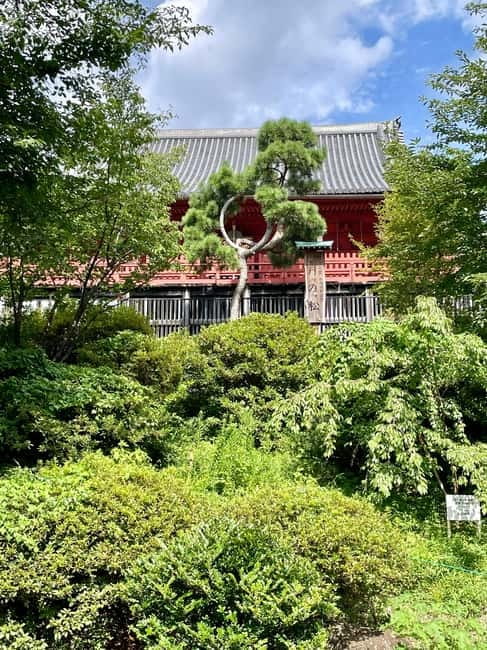
Next comes Ueno Toshogu Shrine, a Shinto site with direct links to the Tokugawa Shogunate. This gives the tour a useful contrast with Kiyomizu Kannondo. At the temple, you are looking at Buddhist tradition and the old Kaneiji grounds. At Toshogu, the focus shifts to the military government that ruled Japan during the Edo period.
The shrine is scheduled for sightseeing, a photo stop, and a guided explanation. Your guide can help you understand why a Tokugawa-linked shrine appears in Ueno and how it fits the area’s former status. Without that context, it would be easy to admire the architecture and miss the political story behind it.
This is one of the places where a private guide has a real advantage. You can ask a basic question without worrying about slowing down a larger group. If the Tokugawa period is new to you, ask your guide to explain the shogunate in simple terms. If you already know the broad outline, ask how Ueno’s religious buildings survived the area’s later upheavals.
The route is not built for visitors with limited mobility. The experience is specifically not suitable for wheelchair users or people with mobility impairments, and you should take the outdoor walking and uneven historical setting seriously when deciding if it fits your group.
More private tours in Tokyo:
- Tokyo 6hr Private Tour with Government-Licensed Guide
★ 5.0 · 3,902 reviews - Private Tour to Mt. Fuji and Hakone (Fully Licenced Operator)
★ 5.0 · 1,910 reviews - Tokyo Customized Private Tour (Must See Places in 1 Day)
★ 5.0 · 1,499 reviews - Mount Fuji Full-Day Private Tour from Tokyo (Customizable)
★ 4.9 · 1,470 reviews
Entering the Tokyo National Museum
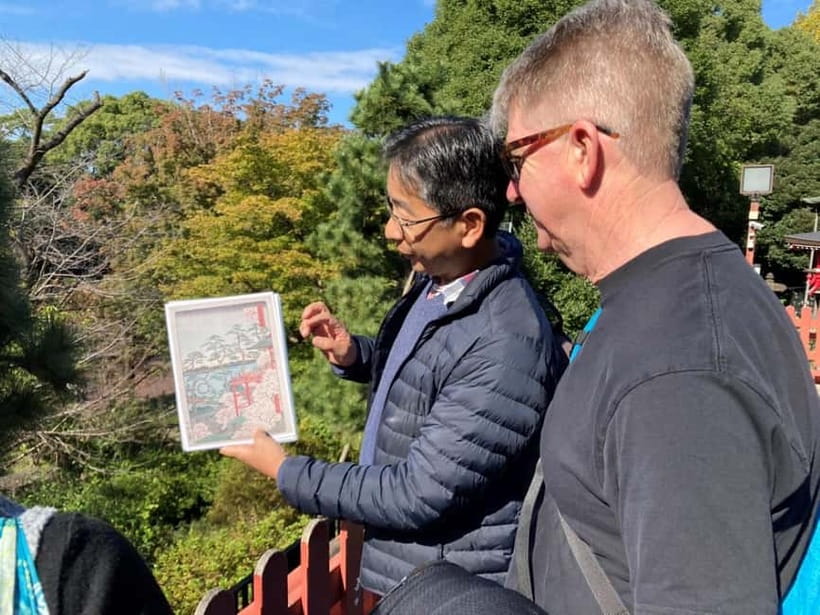
The Tokyo National Museum is the tour’s main indoor stop, and admission is included in the $74 price. The museum holds far more than anyone can absorb in a quick visit, which is both its strength and its central limitation for this experience.
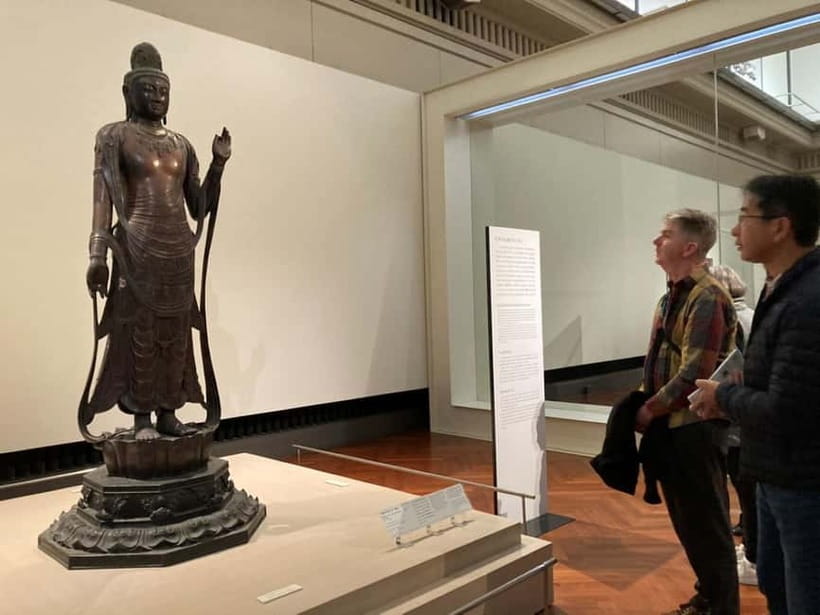
You can expect to see important Japanese objects, including samurai armor and ukiyo-e woodblock prints. These displays work well together. Armor shows the material side of the samurai world, while ukiyo-e opens a window onto art, entertainment, urban life, and changing tastes.
The guide’s role is most useful when you set priorities early. One guide made sure a group had enough time for two specific museum areas, which is exactly the kind of request to make before entering. Tell your guide if you want to focus on ukiyo-e, samurai objects, religious art, or a particular gallery.
The museum portion can vary in depth. Some visitors have received detailed explanations and found the tour highly informative. One practical criticism was that the museum visit could have been more targeted, with more information on individual objects. I see that as a reminder to speak up. A private tour gives you the chance to shape the visit, but the guide cannot know your interests unless you mention them.
Ukiyo-e, samurai armor, and choosing your focus
Ukiyo-e can be a perfect subject for a short guided introduction because the images are immediately engaging, yet their meaning is not always obvious. Your guide can help you look beyond the bold colors and familiar compositions toward the people, places, and popular culture represented in the prints.
Samurai armor offers a different kind of lesson. It is visually striking, but it also raises questions about status, warfare, craftsmanship, and ceremony. Seeing armor in the museum after hearing about the Tokugawa period gives the objects a stronger setting than a quick, unconnected museum visit.
Do not expect to study every section of the Tokyo National Museum. The building and collections are too large for that, and the tour also includes two outdoor sites. The smart approach is to choose a few themes and let the guide give you a usable foundation.
I would ask these questions at the start:
- Which museum galleries are included in today’s route?
- Can we spend extra time with ukiyo-e or samurai armor?
- How much time will we have inside the museum?
- Can we pause if children need a short rest?
The tour has worked well for families when the guide adjusts the pace. One family specifically appreciated a guide’s patience with children, and another group valued a planned rest break. That flexibility is easier to arrange in a private group than in a large scheduled tour.
The value of a private guide for $74
At $74 per person, this is not the cheapest way to enter the Tokyo National Museum. You are paying for more than admission, though. The price includes a 150-minute private tour, an English-speaking guide, access to Kiyomizu Kannondo, and museum admission.
The value depends on how much help you want. If you are comfortable reading museum labels, planning your own route, and understanding Ueno’s historical setting from a guidebook, you could spend less by visiting independently. If you want the temple, shrine, park history, and museum tied together, the fee becomes easier to justify.
The private format is especially useful for families and small groups with different interests. You can ask for a slower pace, request a particular museum area, or pause for questions without fitting into another group’s plan. Past guides have also helped with practical details, including suggesting a good lunch place after the visit.
The tour’s strongest value is not the number of sights. It is the connection among them. You learn why Ueno has religious buildings, Tokugawa links, public park space, and a major museum in such a tight area. That context can make the rest of your time in Tokyo more rewarding.
What the guide can add
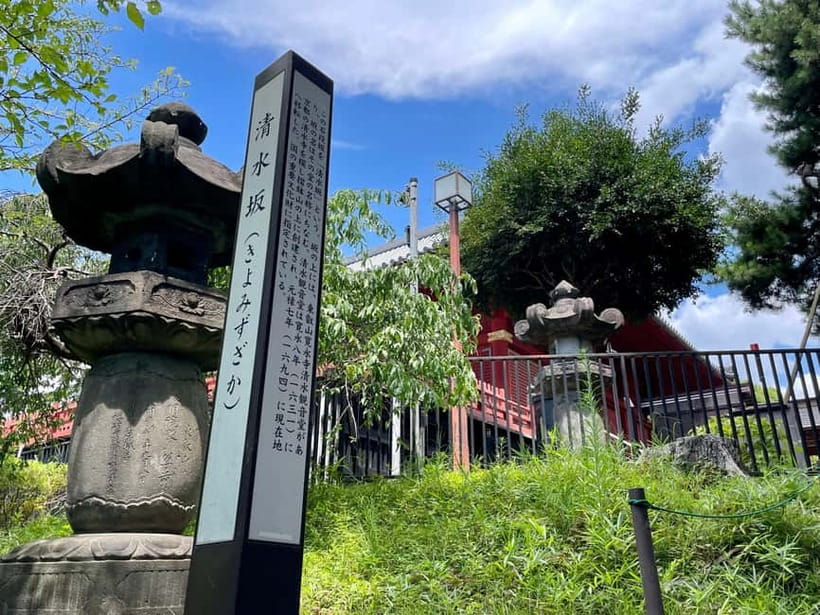
The guide quality matters a great deal here because the route is short and the subject matter is broad. Shigeru has been praised for his understanding of Japanese history and for suggesting a tasty lunch venue. Mieko has given clear explanations of Ueno’s grounds from the past to the present.
Hattori Yutaka has been especially attentive to comfort, taking pictures for a group and helping them enjoy the walk. Masahito has made room for questions and adjusted the museum time around two specific areas. These examples suggest that you should use the private format actively rather than simply follow along.
The tour is conducted in English. The strongest experience will come when you tell the guide what you already know and what you want to learn. You might ask for a simple overview, a more detailed political history, or a closer look at art and objects.
The rating is 4.7 from 17 reviews, with repeated praise for clear explanations, friendly manner, patience, and good pacing. One lower rating focused on the need for more focused museum guidance. I would not ignore that point. The outdoor portion seems to be the most consistently satisfying part, while the museum section benefits from a clear plan.
Timing, comfort, and practical limits
The full experience lasts 150 minutes. That is long enough to visit all three main sites, but you should think of it as an introduction rather than a full day at the museum.
The walking portion comes first, followed by the Tokyo National Museum. You will spend time outdoors, so weather and footwear matter. Bring water, sunscreen, and a hat, and wear shoes you can use comfortably on park paths and around historic buildings.
Photography is allowed as long as you follow the no-flash rule. Smoking is not allowed. The tour does not suit wheelchair users or people with mobility impairments, and the route’s temple and shrine sections should be considered carefully by anyone who finds walking difficult.
You can cancel up to 24 hours in advance for a full refund, and you can reserve now and pay later. Those terms are useful if your Tokyo schedule is still shifting, though the core decision should be based on your interest in guided history and museum interpretation.
Who should book this Ueno tour?
I would recommend it to first-time visitors who want a readable introduction to Ueno without planning every stop themselves. It also suits families, since a private guide can answer children’s questions and add a rest break when needed.
Art lovers should book only if they are willing to state their priorities. The tour includes ukiyo-e and museum admission, but 150 minutes will not cover the full collection. Ask for a targeted route before you begin.
History fans will get the most from the walk. The connection among Kaneiji Temple, the Tokugawa Shogunate, the Meiji Restoration, and the Battle of Ueno gives the outing a clear purpose.
I would skip it if you want a slow, independent museum day or if walking around historic grounds is difficult. I would also reconsider if you expect a specialist-level art lecture on every object. The tour is strongest as a personal introduction, with enough museum time to sharpen your interests for a longer visit later.
Should you book it?
Book this tour if you want Ueno’s temples, shrine, park, and museum explained as one connected story. The private English guide, included admission, and chance to request specific museum areas make $74 a fair price for a focused introduction.
Before the tour begins, tell your guide whether you care most about ukiyo-e, samurai armor, Tokugawa history, religious buildings, or family-friendly pacing. That one step can make the museum portion far more useful.
Skip it if your priority is covering the entire Tokyo National Museum at your own speed. For most first-time visitors who want context without spending a full day inside, this is a sensible and personable way to get oriented.
FAQ
How long does the tour last?
The tour lasts 150 minutes.
Where does the tour begin?
It begins in front of the Family Mart Ueno Park Branch. The store faces the street and is not inside Ueno Park.
Where does the tour finish?
The tour finishes at the Tokyo National Museum.
Is museum admission included?
Yes. Admission to the Tokyo National Museum is included, as is access to Kiyomizu Kannondo.
Is the tour conducted in English?
Yes. The tour has a live English-speaking guide.
Is the tour suitable for wheelchair users?
No. The activity is not suitable for wheelchair users or people with mobility impairments.
Newly reviewed around Tokyo
- Tokyo Asakusa:Calligraphy & Make T-shirt Activity★ 5.0 · 62 reviews
- Travel Tokyo with Your Own Personal Photographer★ 5.0 · 43 reviews
- Intercity Shuttle, Tokyo to Haneda /Narita /Yokohama /Makuhari★ 5.0 · 5 reviews
- 1 Hour Travel around Tokyo with a Professional Photographer★ 5.0 · 3 reviews
- Train in Samurai Swordsmanship and Defeat the Demon in Tokyo★ 5.0 · 5 reviews
- Shuttle Van 6hr Tokyo Tour to-and-from Tokyo, Yokohama and Narita★ 5.0 · 9 reviews
- Kickboxing & Body Training with EX-Pro Fighter★ 5.0 · 4 reviews
- Traditional Japanese Knife Sharpening Class★ 5.0 · 18 reviews
Museums, compared.
teamLab Planets TOKYO Digital Art Museum Entry Ticket
Read our review →
Samurai Ninja Museum Guided tour and Experience
Read our review →
Ninja Experience (Family Friendly) at Samurai Ninja Museum TOKYO
Read our review →
Tokyo Studio Ghibli Museum and Ghibli Film Appreciation Tour
Read our review →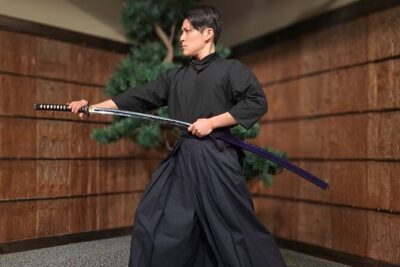
Tokyo Sword Experience – includes Museum Ticket/Ninja Experience
Read our review →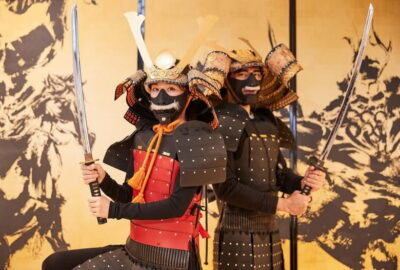
Samurai Ninja Museum Asakusa: Samurai Sword Lesson & Tour
Read our review →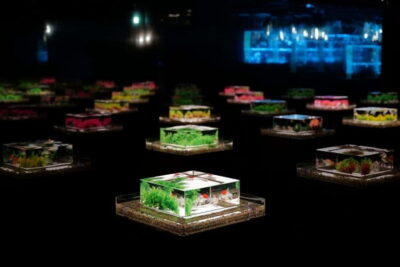
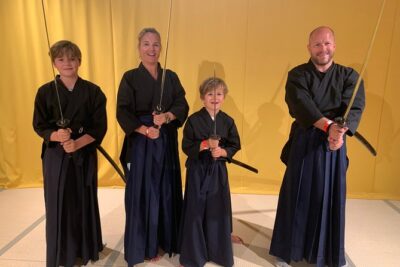
Samurai Sword Experience (Family Friendly)at SAMURAI MUSEUM TOKYO
Read our review →Browse the lists this tour appears in