
Reviewed · MOUNT FUJI DAY TRIPS FROM TOKYO
Tokyo: Mt. Fuji, Owakudani, Hakone Shrine, & Open-Air Museum
Hakone packs art, volcanoes, forest, and lake views into one useful day from Tokyo. You can walk among Henry Moore and Joan Miró sculptures at the Hakone Open-Air Museum, then see steam vents and sulfur springs at Owakudani before reaching the red torii of Hakone Shrine.
I like the way transportation, entry tickets, and a guide are included, and I like the tour’s flexibility when rain or traffic changes the plan. Guides such as Juna, Icchi, and Yuichi have adjusted the order to protect sightseeing time. The main drawback is that heavy traffic, clouds, or volcanic conditions can cut short some stops, and the Ropeway or Pirate Ship costs extra.
Key points to know before booking
- Three very different Hakone sights: Pair modern sculpture, volcanic ground, and a lakeside shrine in one day.
- Owakudani is the most dramatic stop: Expect sulfurous air, steam vents, and unusual volcanic scenery.
- The Open-Air Museum rewards slow walking: Gardens, large sculptures, and a Picasso gallery make this more than a quick photo stop.
- Your guide can change the order: Rain, traffic, and peak-season crowds may send you to the shrine first or reverse the route.
- Optional transport costs extra: The Hakone Ropeway and Pirate Ship may be available, but neither is included in the listed price.
- Bring food and sturdy shoes: Meals are not included, and you will spend time walking outdoors.
Why this Hakone day trip works from Tokyo
Hakone is one of Japan’s easiest countryside escapes from Tokyo, but it is not simple to cover on your own in a single day. The area spreads around Mount Hakone and Lake Ashi, with roads, mountain transport, museums, and popular viewpoints competing for your time.
At $79 per person, this tour gives you transportation, admission tickets, and an English or Korean-speaking guide. That makes the price attractive if you want the main sights without piecing together several connections or paying separately for museum entry.
The value is strongest for a first visit. You get three distinct experiences instead of spending the day at one attraction: art at the Open-Air Museum, volcanic activity at Owakudani, and quiet water and forest at Hakone Shrine.
The trade-off is control. You will not set every departure time or linger as long as you might on a private trip. The vehicle also cannot operate for more than 10 hours under Japanese law, so the guide may shorten or rearrange the plan when traffic and weather create delays.
More Mount Fuji day trips from Tokyo:
- Mt Fuji and Hakone 1-Day Bus Tour Return by Bullet Train
★ 5.0 · 26,383 reviews - Mt Fuji & Hakone Cruise, Drum Show Bullet Train 1 Day from Tokyo
★ 4.0 · 7,413 reviews - Tokyo Mt Fuji 5th St & Hakone Cruise Bus Tour w/Bullet Train
★ 4.4 · 5,024 reviews
Starting with sculpture at the Open-Air Museum
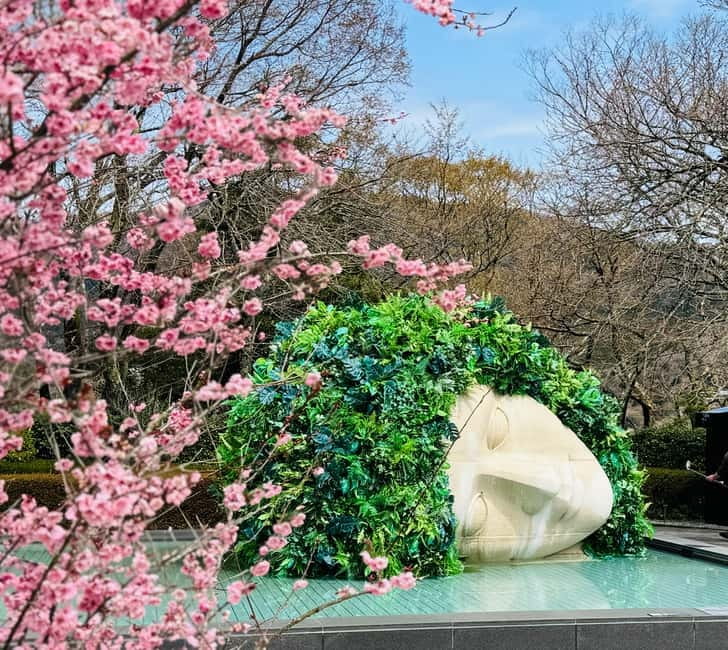
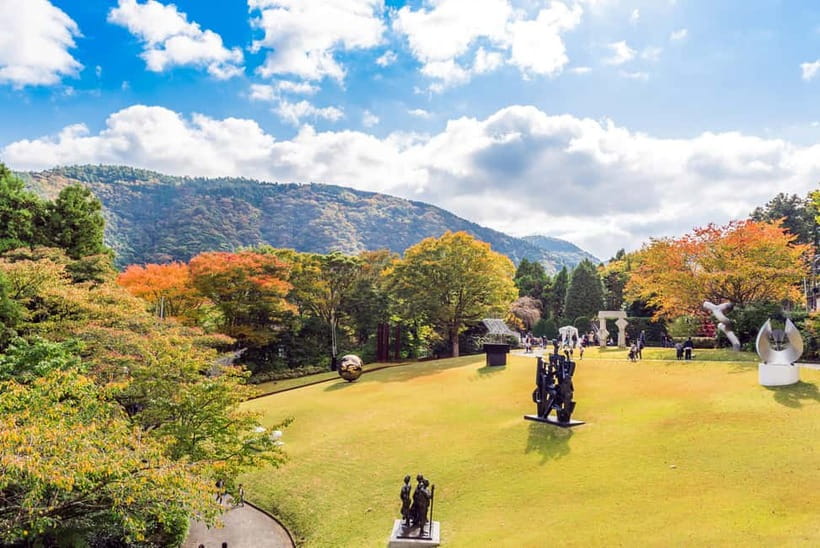
The Hakone Open-Air Museum is a strong first stop because it gives you room to move after the ride from Tokyo. Japan’s first open-air art museum places major sculpture among gardens and mountain scenery, so the setting is part of the experience.
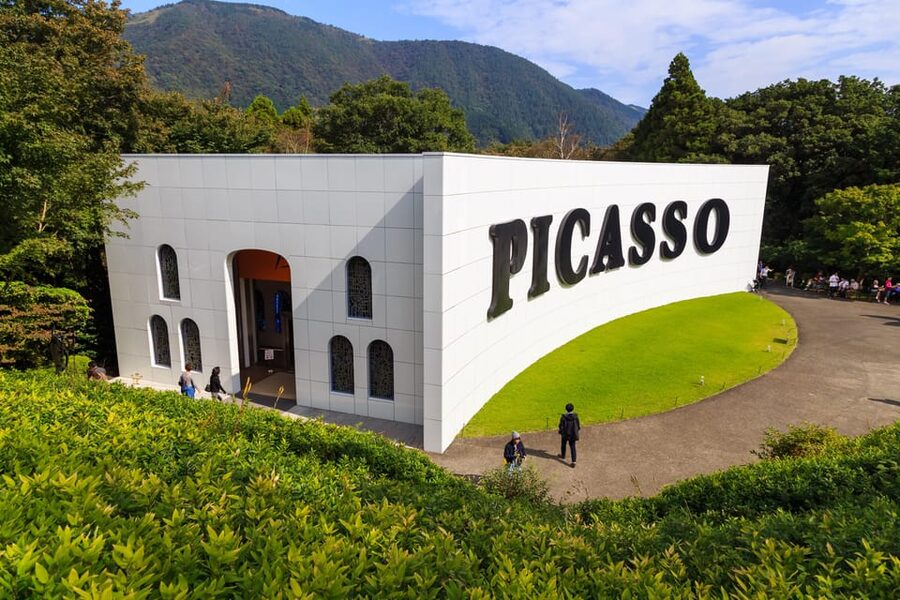
You can expect work by artists including Henry Moore and Joan Miró, along with a gallery devoted to Picasso. That range gives the museum real variety. Large abstract forms make sense outdoors, while the Picasso collection offers a more focused indoor visit.
I would allow your attention to shift between the art and the setting. Some pieces invite close inspection, while others work best from a distance with the hills behind them. The gardens also make this a more relaxed stop than a conventional indoor museum.
Families and mixed-interest groups should find plenty here to hold their attention. Interactive art installations add something for children and for anyone who does not usually spend much time in galleries.
The possible weakness is pace. If you want to study every work or spend a long time in the Picasso gallery, a group itinerary may feel brisk. On the other hand, the museum is a smart choice for a day tour because you can see major pieces without committing your whole day to art.
Wear comfortable shoes. The museum involves outdoor walking, and a rainy day can make the paths less pleasant. Bring a light jacket or rain protection as well, since the experience depends partly on being outside.
Seeing volcanic activity at Owakudani
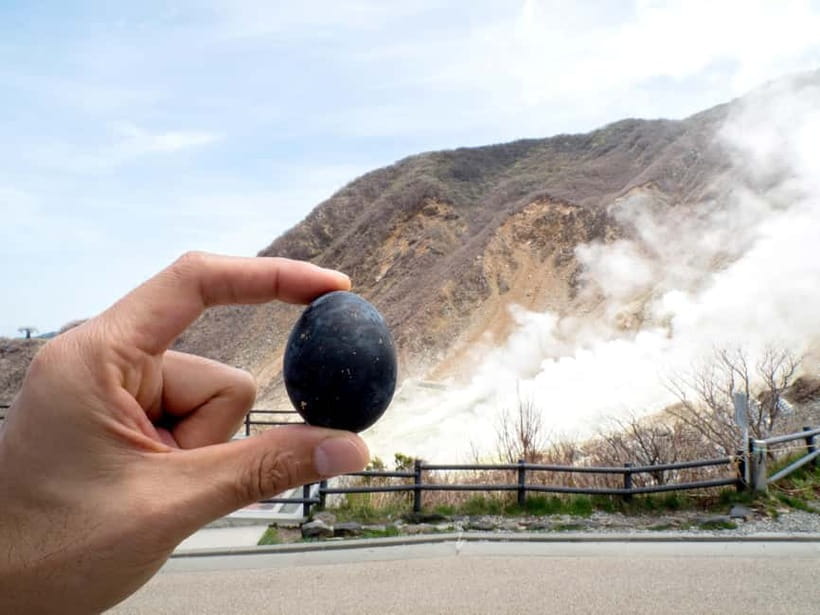
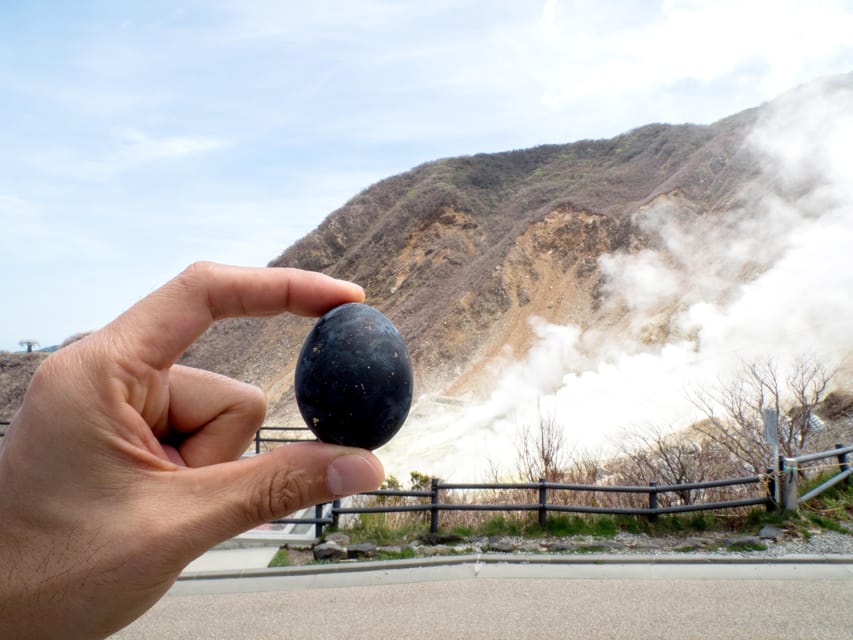
Owakudani gives the day its strongest sense of drama. This active volcanic valley has steam vents, sulfurous springs, and ground shaped by volcanic forces. It feels very different from both the quiet shrine and the ordered sculpture gardens.
You may notice the sulfur in the air as you approach the valley. Steam rising from the slopes helps you understand that this is not simply a scenic mountain stop. It is a place where heat and gases remain close to the surface.
Weather matters here. Rain, low cloud, or local conditions can affect what you see and how long you remain in the area. The guide will adjust the route when needed, and the Ropeway may be offered as an optional addition if conditions permit.
The Hakone Ropeway ticket is not included, so budget for it separately if you want that ride. The same applies to the Hakone Pirate Ship on Lake Ashi. These add-ons can make the day more varied, but the base tour still covers the main locations without them.
You should also bring a snack or light lunch. Meals are not included, and the information provided specifically recommends carrying food to eat at the sites or on the vehicle. That simple preparation can save time, especially when traffic or weather has already tightened the schedule.
Finding calm at Hakone Shrine and Lake Ashi
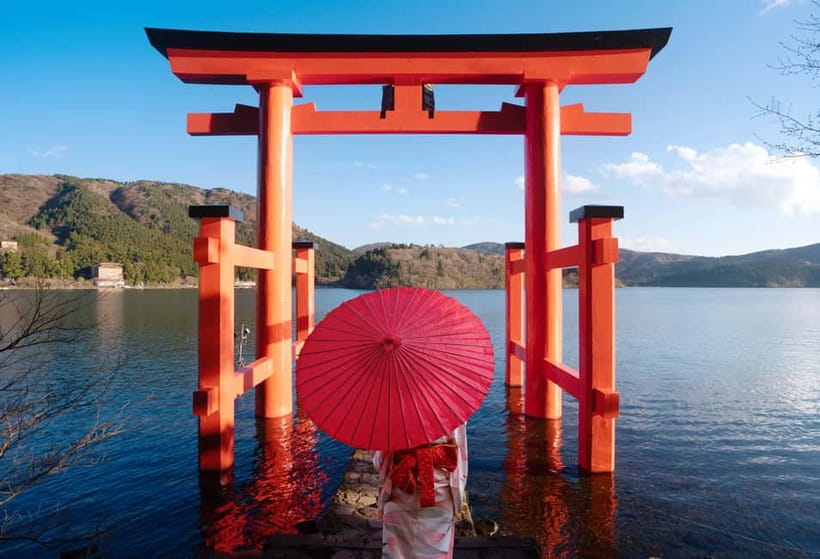
Hakone Shrine sits at the foot of Mount Hakone beside Lake Ashi. The shrine’s most famous feature is its red torii gate set in the lake, a striking sight framed by water, forest, and mountains.
This is the most peaceful part of the route. After the noise and sulfur of Owakudani, the shrine gives you a chance to slow down, take photographs, and enjoy a more traditional Japanese setting.
The order matters. One guide changed the route to visit the shrine before large groups arrived, which made the stop quieter. In peak season, the tour may reverse the itinerary because of traffic, so you should think of the schedule as flexible rather than fixed.
One useful local tip is to bring a small bottle for mineral water at the shrine. You can also bring five-yen coins, which guide Icchi explained are considered auspicious offerings. These details cost almost nothing but help the visit feel less rushed and more connected to local customs.
The torii gate is a popular photo point, so you may need patience if you want a clear view. Cloud and rain can also hide Mount Fuji. Do not book this trip only for a Fuji photograph. The mountain may be invisible even when the rest of Hakone is enjoyable.
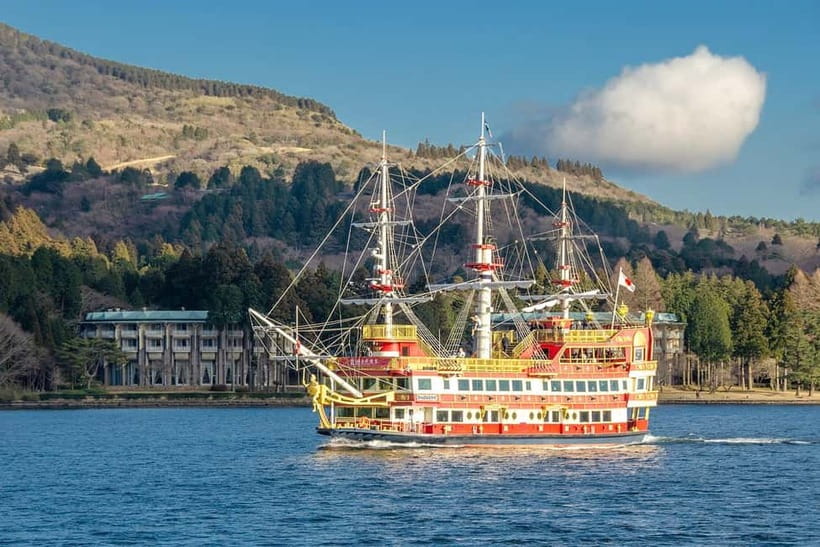
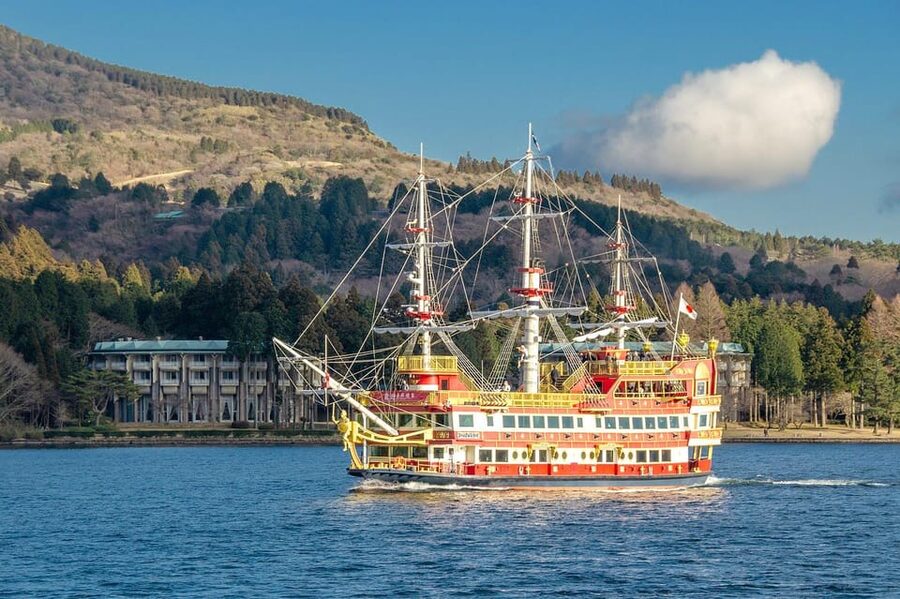
Lake Ashi is also where the optional Pirate Ship may fit into the day. If weather and local conditions allow, your guide can help you arrange it. The ticket is purchased separately, so ask about timing and cost before committing.
More Hakone day trips from Tokyo:
- Tokyo: Mt. Fuji Tour, Hakone Ropeway, Owakudani, Lake Ashi
★ 4.7 · 4,002 reviews - Private Tour to Mt. Fuji and Hakone (Fully Licenced Operator)
★ 5.0 · 1,910 reviews - Mt Fuji & Hakone Cruise, Drum Show Bus 1 Day from Tokyo
★ 4.0 · 1,287 reviews - From Tokyo: Mt. Fuji & Hakone Tour w/ Return by Bullet Train
★ 4.2 · 1,278 reviews
Mount Fuji views depend on the sky
The tour title includes Mount Fuji, but Fuji is not guaranteed. Clouds and rain can block the mountain, and guides may alter the route when conditions offer a better chance of seeing it.
Guide Yuichi changed the order for one group to reach Hakone Shrine and Lake Ashi early, where they could take the Pirate Ship with a view toward Mount Fuji before continuing to Owakudani and the museum. That kind of adjustment is a real benefit of having a guide rather than following a rigid timetable.
Still, you should set your expectations correctly. This is a Hakone day trip with possible Fuji views, not a dedicated Mount Fuji viewing tour. The volcanic valley, shrine, lake, and museum remain the core experience.
If Fuji appears, it can make the lake portion especially memorable. If it does not, the shrine and lake still provide a quieter change of pace after the city.
Guides, group feel, and changes on the road
The guide is important because the day depends on road conditions and timing. Names associated with this experience include Juna, Icchi, and Yuichi, though the guide assigned to your departure may differ.
The strongest guide qualities are practical ones: safe driving, clear assistance, and a willingness to change the order when conditions demand it. One small group of six had its route rearranged during heavy rain, and another guide helped coordinate the optional transport.
That flexibility matters in Hakone. Traffic can be heavy, especially during peak season, and the itinerary may be reversed. The guide may also shorten or alter stops to stay within the legal vehicle limit.
The experience can work well for a small group, but the exact group size is not specified for every departure. If you prefer complete independence, a group tour may feel restrictive. If you want someone else to handle the roads and timing, it removes a fair amount of stress.
Transportation is included, and the activity ends back at the meeting point. The starting meeting point can vary by the option booked, so check your confirmation carefully before the day.
What the $79 price really covers
The $79 price is reasonable for a Tokyo day trip because it includes the vehicle, guide, and admission tickets. You are paying for convenience as much as for entry to the sights.
You do not need to arrange separate transport to Hakone, buy museum admission on the spot, or work out the best sequence between distant stops. That is particularly useful if this is your first time in the area or if you are not comfortable managing Japanese transport connections.
The price does not include meals, insurance, personal spending, the Ropeway, or the Pirate Ship. Those exclusions are straightforward, but they can affect your final cost if you choose both optional rides.
I would bring snacks and water, then treat optional transport as a bonus rather than a promise. If the weather is poor, paying extra for a ride may not offer much value. If the sky is clear and the timing works, the Ropeway or Pirate Ship can add a memorable part to the day.
Infants travel free but do not receive a seat. If you plan to bring a baby stroller, notify the operator in advance. Comfortable shoes are essential for everyone.
Weather, crowds, and realistic expectations
Weather is the biggest variable. Rain can make outdoor walking less comfortable, clouds can hide Mount Fuji, and local conditions can affect the Ropeway or Pirate Ship.
Traffic is the other concern. Hakone roads can slow the vehicle, particularly in peak season. The itinerary may be reversed, and the guide may make real-time choices to protect the most important stops.
That flexibility is a strength, but it also means the day will not always follow the advertised order. You should be ready for the shrine before Owakudani, or the museum at a different point than expected.
The tour is best viewed as a well-planned framework rather than a minute-by-minute guarantee. You get the main Hakone sights, but weather and road conditions remain in charge.
Who should choose this experience
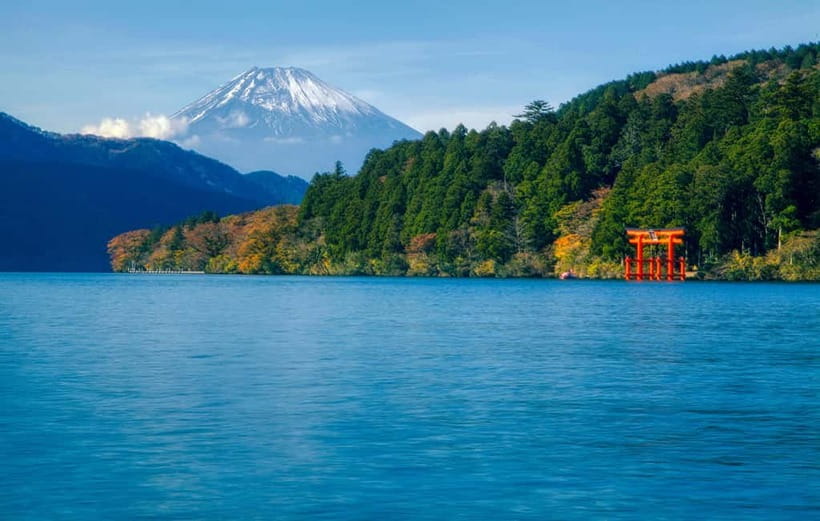
I would choose this tour if you have limited time in Tokyo and want one day that mixes art, nature, and Japanese religious scenery. It suits first-time Hakone visitors, couples, families, and anyone who would rather leave the driving and route planning to someone else.
It also works for people who enjoy variety. The Open-Air Museum is cultural, Owakudani is geological, and Hakone Shrine is quiet and scenic. Few Tokyo day trips offer such a sharp change in mood from one stop to the next.
You may want a different plan if Mount Fuji is your only priority, if you need a slow museum visit, or if you dislike group schedules. You should also think twice if you want to guarantee a Ropeway or Pirate Ship ride, since both depend on weather and local conditions and cost extra.
The cancellation policy is forgiving: you can cancel up to 24 hours in advance for a full refund. You can also reserve now and pay later, which helps if your Tokyo schedule is still shifting.
Should you book this Hakone tour?
Book it if you want an efficient introduction to Hakone with transport, entry tickets, and a guide included. The combination of Owakudani’s steam vents, the Open-Air Museum’s sculpture gardens, and Hakone Shrine’s lakefront torii gives you a satisfying range of experiences for $79.
Go in with flexible expectations. Fuji may be hidden, traffic may change the order, and optional rides are not part of the base price. If those limits make sense to you, this is a practical way to see Hakone without spending your Tokyo holiday solving transport puzzles.
FAQ
Where does the tour start?
The meeting point can vary depending on the option booked. Check the details for your selected option before departure.
Where does the tour finish?
The activity ends back at the meeting point.
What languages does the guide speak?
Guides are available in English and Korean.
Is transportation included?
Yes. Transportation is included in the tour price.
Are admission tickets included?
Yes. Admission tickets are included, including entry to the listed attractions.
Are meals included?
No. Meals are not included. Bringing snacks or a light lunch is recommended.
Is the Hakone Ropeway included?
No. The Ropeway ticket is an optional on-site purchase and depends on weather and local conditions.
Is the Hakone Pirate Ship included?
No. The Pirate Ship ticket is an optional on-site purchase and depends on weather and local conditions.
Is Mount Fuji guaranteed to be visible?
No. Visibility depends on weather and cloud conditions.
Can the itinerary change?
Yes. Traffic, weather, peak-season crowds, and the legal 10-hour vehicle limit can lead the guide to change the order or adjust the itinerary.
Are infants charged?
Infants are free of charge, but no seat is available for them.
What should I bring?
Bring comfortable shoes. Snacks or a light lunch are also recommended, and you may want a small bottle for mineral water at Hakone Shrine.
More Tokyo museums and galleries
- Tokyo: teamLab Planets TOKYO Digital Art Museum Entry Ticket
★ 4.6 · 9,779 reviews - Tokyo: Samurai Ninja Museum Guided tour and Experience
★ 4.6 · 1,010 reviews - Ninja Experience (Family Friendly) at Samurai Ninja Museum TOKYO
★ 5.0 · 441 reviews - Tokyo Studio Ghibli Museum and Ghibli Film Appreciation Tour
★ 4.5 · 421 reviews
Newly reviewed around Tokyo
- Tokyo Asakusa:Calligraphy & Make T-shirt Activity★ 5.0 · 62 reviews
- Intercity Shuttle, Tokyo to Haneda /Narita /Yokohama /Makuhari★ 5.0 · 5 reviews
- 1 Hour Travel around Tokyo with a Professional Photographer★ 5.0 · 3 reviews
- Travel Tokyo with Your Own Personal Photographer★ 5.0 · 43 reviews
- Train in Samurai Swordsmanship and Defeat the Demon in Tokyo★ 5.0 · 5 reviews
- Shuttle Van 6hr Tokyo Tour to-and-from Tokyo, Yokohama and Narita★ 5.0 · 9 reviews
- Kickboxing & Body Training with EX-Pro Fighter★ 5.0 · 4 reviews
- Traditional Japanese Knife Sharpening Class★ 5.0 · 18 reviews
Mount Fuji Day Trips from Tokyo, compared.
Mt Fuji and Hakone 1-Day Bus Tour Return by Bullet Train
Read our review →
Mt Fuji & Hakone Cruise, Drum Show Bullet Train 1 Day from Tokyo
Read our review →
Tokyo Mt Fuji 5th St & Hakone Cruise Bus Tour w/Bullet Train
Read our review →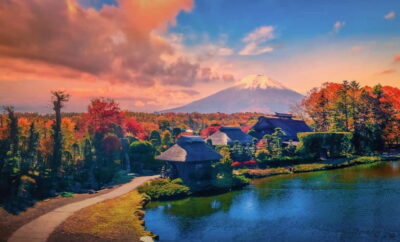
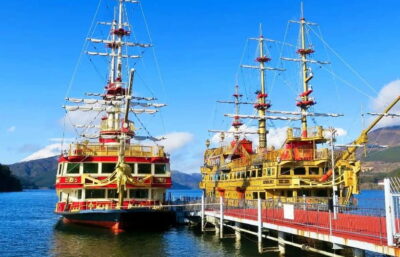
Mt. Fuji Tour, Hakone Ropeway, Owakudani, Lake Ashi
Read our review →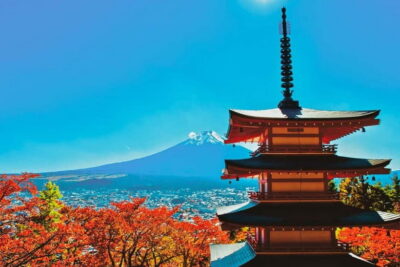
Mt.Fuji,Kawaguchiko Oishi Park,Arakurayama Sengen Park
Read our review →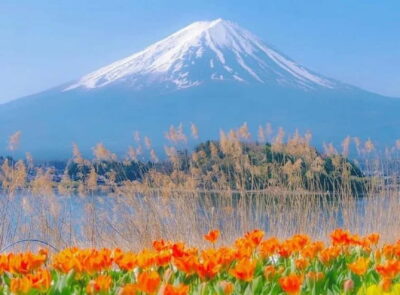
Mt Fuji Top 5 Spots Day Tour: Arakurayama Park,Oshino Hakkai
Read our review →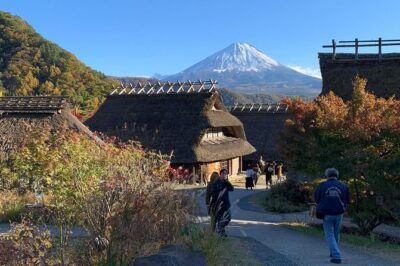
Private Tour to Mt. Fuji and Hakone (Fully Licenced Operator)
Read our review →Browse the lists this tour appears in