
Reviewed · MOUNT FUJI DAY TRIPS FROM TOKYO
Tokyo:Mt.Fuji,Kawaguchiko Oishi Park,Arakurayama Sengen Park
The great draw here is simple: you get several different views of Mt. Fuji in one day, rather than betting everything on a single lookout. The route pairs famous photo spots with a lake, a restored thatched-roof village, local food, and time to wander.
I like the mix of scenery and culture, especially Saiko Iyashi-no-Sato Nenba and the chance to eat Houtou noodles or Japanese beef at Kawaguchiko. I also like the practical value: air-conditioned transport, admission to the village, a guide, and a full day of sightseeing for $54. The catch is the pace. This is a long, active day, and traffic or cloudy weather can reduce your time at the stops.
Key points to know before booking
- Four different Mt. Fuji viewpoints: See the mountain from Arakurayama Sengen Park, Lake Kawaguchi, Oishi Park, and the Saiko area.
- 398 steps to the classic photo: The Chureito Pagoda viewpoint requires a climb, though a sloped route is available.
- A useful mix of nature and tradition: The route includes lakeside scenery, seasonal flowers, a shrine, and a restored thatched-roof village.
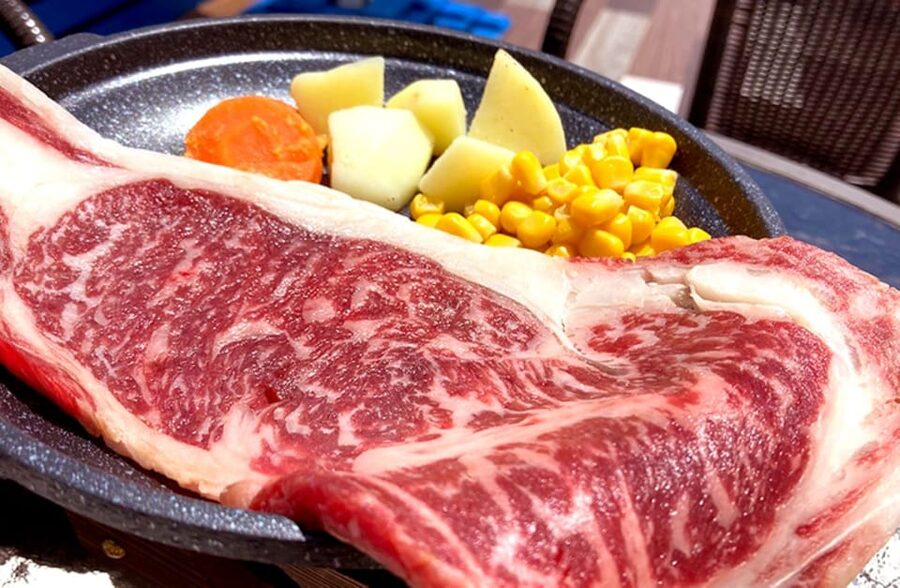
- Lunch has local character: Choose from Houtou noodles, A5 Japanese black Wagyu shabu-shabu, or Koshu wine beef steak when selecting the meal option.
- Guides set the tone: Omar, Koji, Eric, George, and other guides have been praised for clear instructions, humor, and thoughtful help.
- Weather decides the Fuji moment: You may see the mountain clearly from every stop, or not at all if clouds and rain settle in.
Why this Mt. Fuji day trip works well from Tokyo
At $54 per person, this is priced as a practical sightseeing day rather than a private excursion. You are paying for a 10-hour route, an air-conditioned vehicle, a live English- or Chinese-speaking guide, and entry to Saiko Iyashi-no-Sato Nenba. Lunch costs extra unless you choose the lunch option.
The value comes from the distance covered. Reaching Mt. Fuji country from Tokyo on your own means working out trains or buses, changing plans when traffic or weather interferes, and arranging transport between several sights. Here, the bus handles the long connections and the guide explains where to go before giving you free time.
That convenience comes with a tradeoff. You are following a fixed schedule with other people, and a 10-hour day can feel full. Several stops involve walking, and the first viewpoint includes nearly 400 steps. If you want one quiet lakeside afternoon with no clock to watch, choose a slower independent visit. If you want to see many of the area’s headline sights in one outing, this route makes sense.
More Mount Fuji day trips from Tokyo:
- Mt Fuji and Hakone 1-Day Bus Tour Return by Bullet Train
★ 5.0 · 26,383 reviews - Mt Fuji & Hakone Cruise, Drum Show Bullet Train 1 Day from Tokyo
★ 4.0 · 7,413 reviews - Tokyo Mt Fuji 5th St & Hakone Cruise Bus Tour w/Bullet Train
★ 4.4 · 5,024 reviews
Arakurayama Sengen Park and the 398-step climb
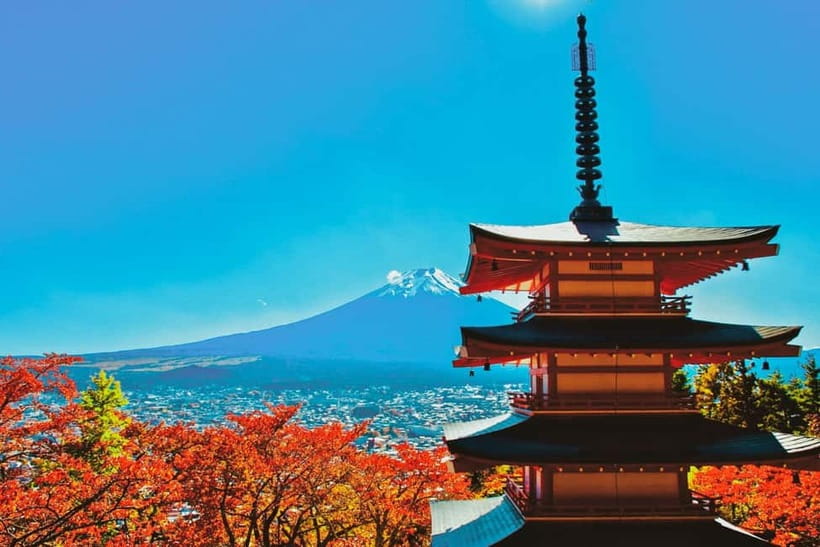
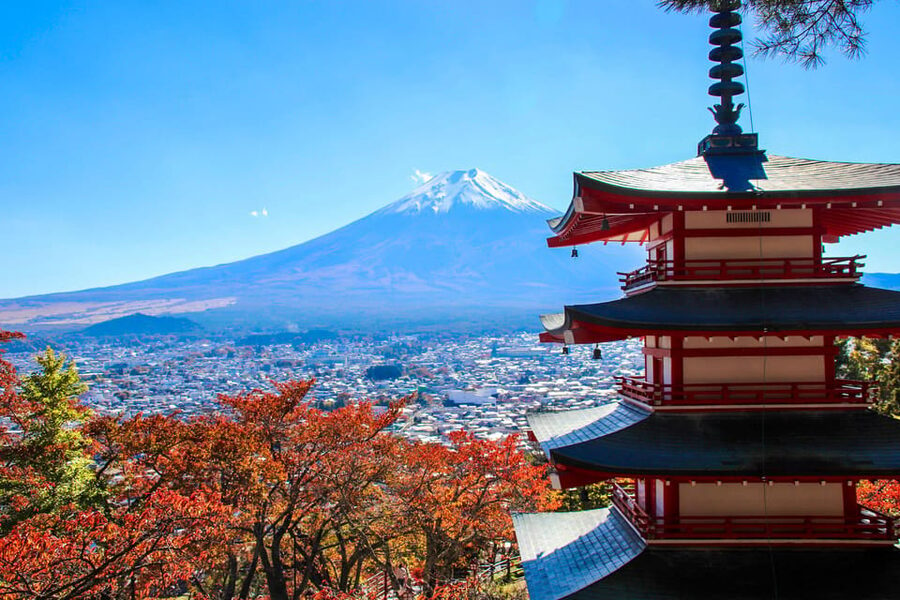
Arakurayama Sengen Park offers the image many people associate with Mt. Fuji: the mountain behind a red five-story pagoda, with cherry blossoms in spring or autumn leaves framing the view. The observation deck sits above the park and is reached by 398 stone steps from the entrance.
The climb is manageable for many people, but it is still a real part of the visit. Wear shoes with a secure grip and keep water handy. A sloped route is available, which helps if stairs are difficult, though you should still expect walking around the park.
From late March to mid-April, about 650 cherry trees bloom here, and the park hosts a Cherry Blossom Festival. Autumn brings red and gold foliage around the pagoda. The mountain may be snow-capped in colder months, but you should not assume that the famous white peak will appear at any particular time of year.
The stop is scheduled for about 70 minutes, which gives you time to climb, take photographs, and look around. It does not give you unlimited time for a slow park visit, especially when the site is crowded. This is one of the places where an early start and prompt return to the bus matter.
Hikawa Clock Shop and Arakura Fuji Sengen Shrine
The streets near Hikawa Clock Shop provide a different kind of Fuji photograph. Here, the road and town buildings create a foreground, with Mt. Fuji rising behind them when the air is clear. It is less about a formal observation deck and more about capturing the relationship between an ordinary local street and Japan’s most famous mountain.
The nearby Arakura Fuji Sengen Shrine adds a spiritual side to the morning. You get time to walk, take photographs, and see the setting rather than simply stopping at a roadside lookout. The shrine and the pagoda are connected to the same scenic area, but they offer different impressions: one feels rooted in local religious tradition, while the other gives you the famous postcard composition.
The bus schedule may group these nearby sights closely together. Listen carefully to the guide’s meeting instructions, since the day depends on everyone returning on time.
Chureito Pagoda, the picture that sells the route
Chureito Pagoda is the star photo stop for many people. From the upper viewpoint, the vermilion pagoda sits in front of Mt. Fuji, and spring blossoms or fall leaves may fill the middle distance.
The image is famous for good reason, but the real experience includes the climb, the crowds, and the possibility of clouds blocking the mountain. Keep your expectations flexible. You can still enjoy the pagoda and surrounding park if Fuji disappears behind weather, but the full composition depends on clear conditions.
Several people who had excellent days still wished for more time at the Fuji lookout, and that is a fair point. The photo area can require patience, particularly in cherry blossom season. If this view matters most to you, move with purpose when the group arrives. Take your main photograph first, then pause to enjoy the setting.
More Lake Kawaguchiko trips from Tokyo:
- Tokyo: Mt.Fuji & Lake Kawaguchiko 1-Day Bus Tour w/Optional Lunch
★ 4.5 · 839 reviews - Tokyo: Mt. Fuji 5th Station, Kawaguchiko Tour w/ Cable Car
★ 4.5 · 570 reviews - Discover Mt. Fuji 5th Station & Kawaguchiko Sightseeing Day Tour
★ 4.5 · 542 reviews - Mt. Fuji Tours with Kawaguchi Lake Ropeway View English Speaking
★ 4.5 · 519 reviews
Lake Kawaguchi, food, and room to slow down
Lake Kawaguchi is where the day opens up. The two-hour portion around the lake includes sightseeing, walking, and the chance to try regional food. On a clear day, Mt. Fuji may appear across the water, and the lakeside gives you a more spacious view than the pagoda lookout.
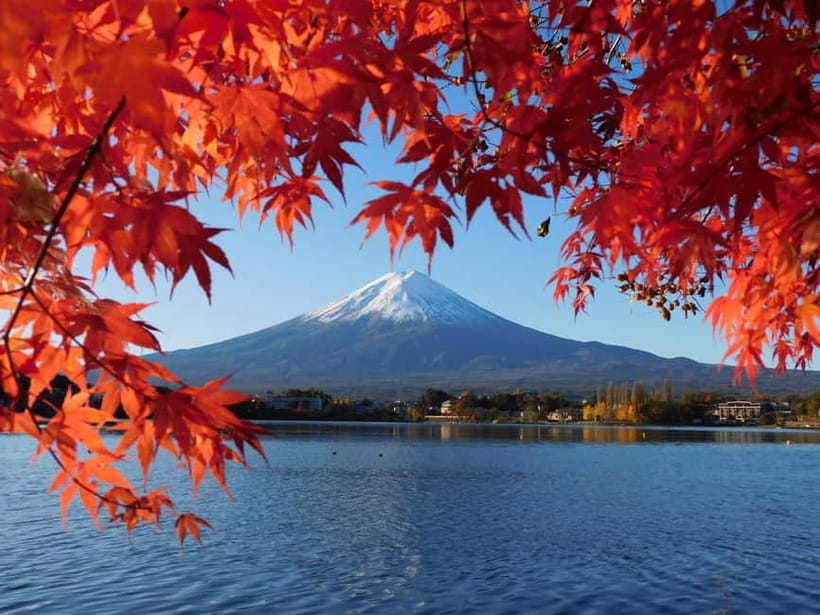
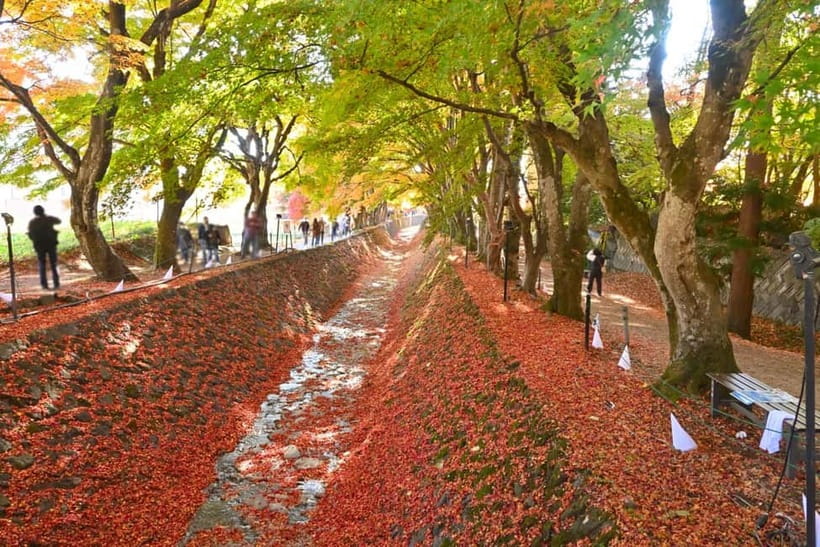
The lake changes with the seasons. Cherry blossoms line parts of the shore in spring. The nearby Maple Corridor becomes a popular fall stop, with colorful leaves along the route. The water and mountain also create a quieter kind of Fuji scene, especially after the busy first part of the morning.
This is an important pause in a packed schedule. You can eat, walk, take photographs, and browse without needing to climb a hill. Some people would prefer another 15 minutes here, so use the available time carefully rather than spending too long in one shop.
Kawaguchiko Craft Park and a local lunch
Kawaguchiko Craft Park brings together hands-on workshops, dining, and souvenir shopping near the northern shore of Lake Kawaguchi. The stop is listed for lunch and free time, but the exact time spent there can shift with traffic and the day’s arrangement.
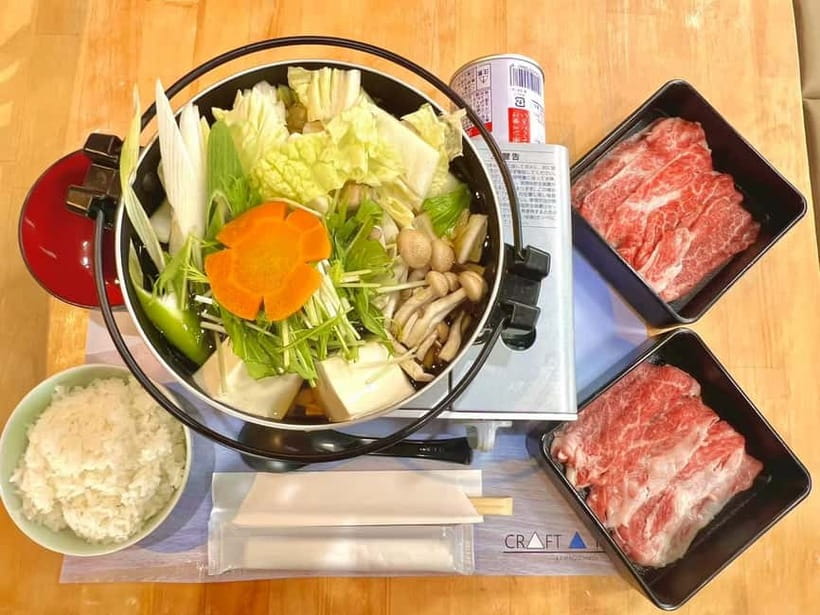
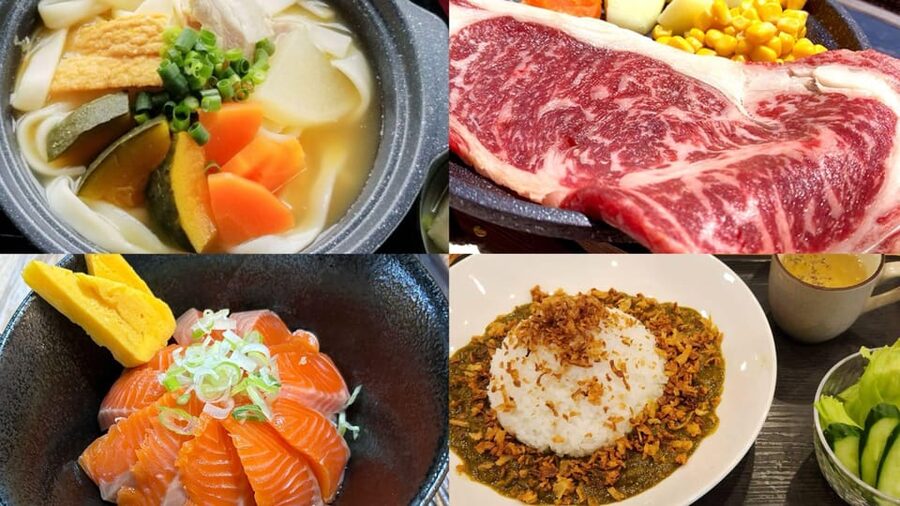
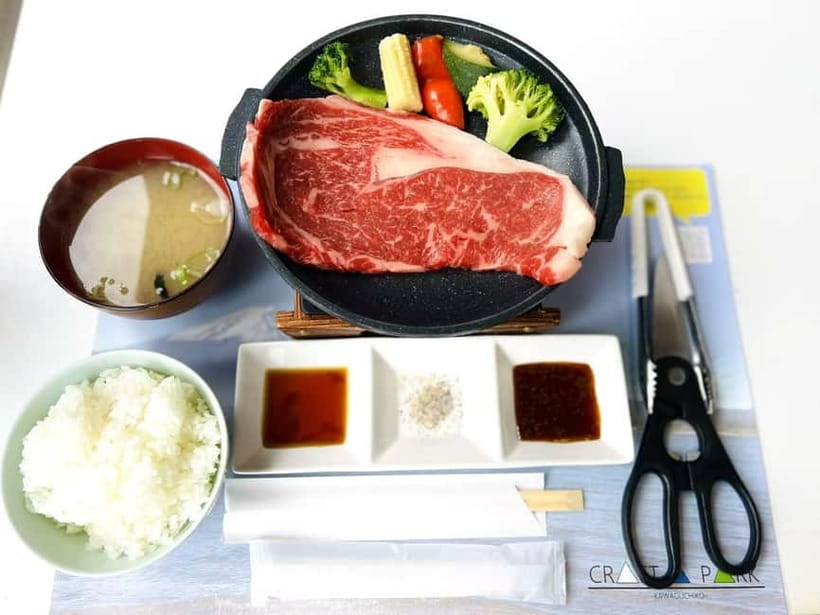
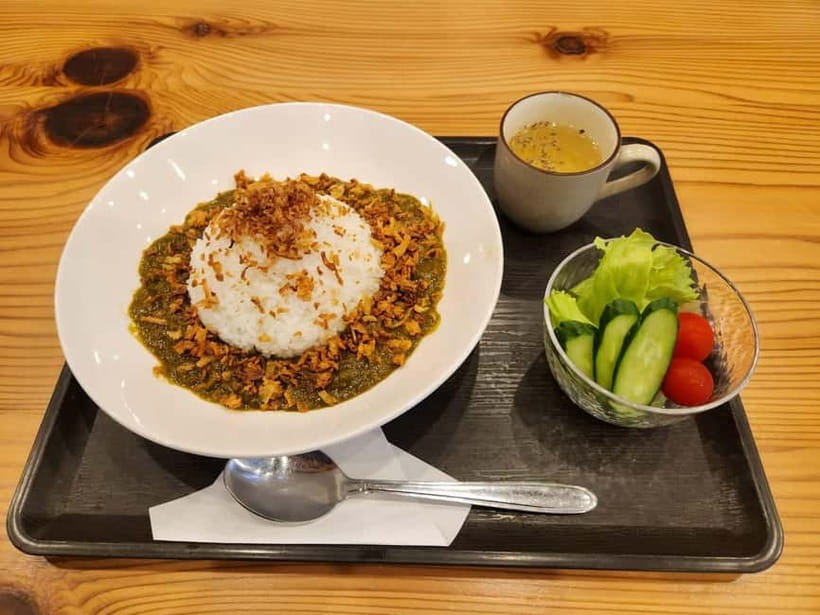
The meal option is one of the tour’s stronger extras. You can choose A5-grade Japanese black Wagyu prepared as shabu-shabu, Koshu wine beef steak, or Houtou noodles, a Yamanashi specialty served in miso broth with vegetables and chicken. Houtou is the most distinctly local choice, and it is a useful pick if you want something hearty rather than a standard restaurant meal.
The Craft Park also has open-air seating with views toward Mt. Fuji, a souvenir area, and craft activities. You can walk to the lakeside in a few minutes, where the mountain may reflect on the water. Nearby seasonal sights include cherry blossoms in spring and the Maple Corridor in autumn.
If you have dietary needs, check the meal details before departure. One person had trouble getting a clear answer about gluten-free food in advance, although the guide helped on the day. That makes it wise to ask directly when booking rather than rely on an assumption.
Oishi Park and the 350-meter Flower Road
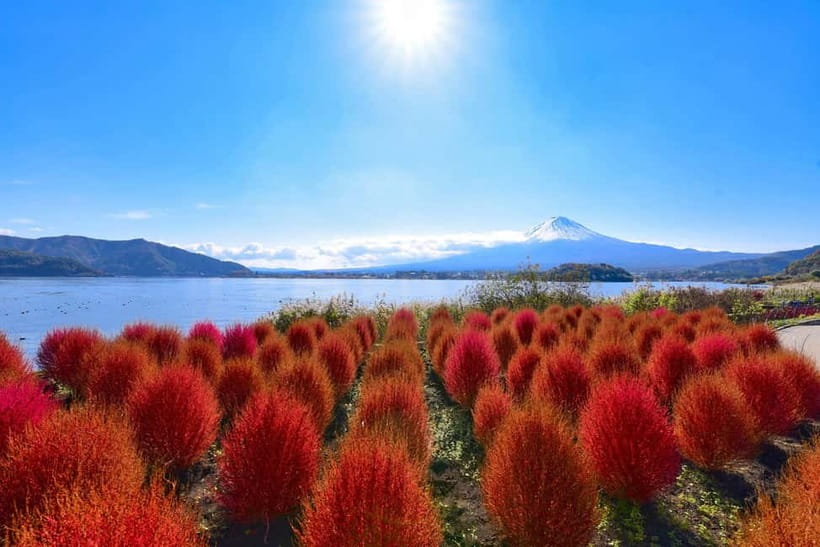
Oishi Park is one of the most dependable scenic stops on the route because the view combines Lake Kawaguchi, Mt. Fuji, and a long strip of seasonal planting. The Flower Road runs for about 350 meters along the lakeside.
The flowers change throughout the year. Tulips appear in spring, lavender takes over in summer, and kochia colors the park in autumn. During the Kawaguchiko Herb Festival, held from late June to mid-July, purple lavender fields create a particularly attractive foreground for Fuji photographs.
The scheduled visit is about 30 minutes, so this is a quick stop rather than a long garden outing. I would focus on the main lakeside view, walk a section of the Flower Road, and take your photographs before browsing. If Mt. Fuji is hidden, the flowers and lake still give you something worthwhile to see.
Saiko Iyashi-no-Sato Nenba and old-style village life
Saiko Iyashi-no-Sato Nenba is the cultural change of pace that keeps this from being only a Fuji photo circuit. The restored village has about 20 thatched-roof houses modeled after the traditional style associated with Shirakawa-go.
The houses now serve as craft studios, shops, and small eateries. You can walk between them, look at local goods, and see how the setting differs from the modern streets around Lake Kawaguchi. Admission is included, which is useful because this is one of the more distinct stops on the day.
You can also dress in a kimono or ninja outfit and take photographs with Mt. Fuji behind you, if the mountain is visible. The village changes through the year: cherry blossoms and carp streamers in spring, green scenery in summer, fall leaves, and snow in winter.
The village is scheduled for about 50 minutes. That is enough for a good walk and photographs, but it may feel short if you want to visit several houses or try a craft activity. If this stop interests you most, ask the guide which areas are easiest to reach first.
Guides, buses, and the rhythm of the day
The guide can make a major difference on a route with several meeting points. Omar has been praised for his humor and friendly help. Koji is known for clear instructions, warmth, and careful handling of the schedule. Eric, George, and other guides have also been singled out for useful explanations and a relaxed manner.
The guiding style appears to balance short explanations with independent time. You receive background on the places, local beliefs, and cultural meaning, then walk around on your own before returning to the vehicle. That suits you if you want orientation without being led every step of the way.
The bus is air-conditioned, and some departures use numbered seats with clear audio. The vehicle size may change according to the group and conditions on the day. English and Chinese passengers may sometimes share the same vehicle, so confirm which language your guide will use at the start.
Traffic is the biggest practical risk. The drive back to Tokyo can take longer than planned, and stop times may be adjusted if roads are crowded. One day returned early, while other departures faced delays. Do not schedule a tight evening flight or an important reservation immediately after the tour.
Arrive at the assigned pickup point at least 10 minutes early. There are two possible starting locations, including the Robert Indiana LOVE sculpture near the KOKUYO Shinagawa office, depending on the option you book. The tour finishes at Shinjuku Station.
Weather, seasons, and the Fuji gamble
Mt. Fuji is the reason most people book this outing, but no tour can control clouds. Clear days can produce views from all four major scenic areas. Rain, haze, or low cloud can hide the mountain for much of the day, even when the rest of the route remains enjoyable.
Winter often offers the best chance of a snow-capped peak, but cold conditions require warm layers. Late March and early April bring cherry blossoms to Arakurayama Sengen Park, while autumn adds strong color around the pagoda, lake, and village. Summer offers lavender at Oishi Park, especially during the late June to mid-July herb festival.
May can bring attractive flowers without the main cherry blossom rush. September may still show Mt. Fuji, but you should not expect the snow-covered image seen in winter. If the forecast is poor, book this for the villages, lake, food, and scenery rather than treating the mountain view as guaranteed.
Who should book this tour?
I would choose this trip if you have one free day in Tokyo and want to cover the main Fuji-area sights without arranging several connections. It is especially useful for first-time visitors, solo visitors who prefer an organized day, and families who want transport handled for them.
It also suits photographers who want several angles on Mt. Fuji, though the schedule may limit how long you wait for the perfect shot. Food-focused visitors get a chance to try Houtou or Japanese beef, and anyone interested in traditional Japan will appreciate Saiko Iyashi-no-Sato Nenba.
I would hesitate if you dislike fixed schedules, steep steps, group departures, or long bus rides. The route is full, and some stops may feel too short. You should also reconsider if your only goal is a quiet, unhurried lake day.
Should you book it?
For $54, this is a strong-value day trip when you want variety: a pagoda, shrine, lake, flowers, local food, and a traditional village, all with transport from Tokyo. The best booking choice is a clear-weather window if your schedule allows, but remember that forecasts around Mt. Fuji can change quickly.
Book it if you can handle a 10-hour day and a little uncertainty. Arrive early, wear comfortable shoes, keep your camera ready, and do not leave the bus late at any stop. If clouds cover the mountain, the day still has enough variety to work, but if you want maximum time at one viewpoint, travel independently instead.
FAQ
How long is the Mt. Fuji tour?
The tour lasts 10 hours, including transportation between Tokyo and the Mt. Fuji area and visits to the listed sights.
What languages are available?
Live guiding is available in English and Chinese. Depending on the day, people who booked different language options may share the same vehicle.
Is lunch included?
Lunch is included only if you select the lunch option. Choices include A5 Japanese black Wagyu shabu-shabu, Koshu wine beef steak, and Houtou noodles.
How difficult is the walk to Chureito Pagoda?
The main route from the park entrance includes 398 stone steps to the observation area. A sloped route is also available for people who cannot or prefer not to use the stairs.
What happens if traffic delays the bus?
The vehicle may arrive late because of traffic or other unexpected conditions. Stop times can be adjusted, and the tour finishes at Shinjuku Station.
Can I cancel the booking?
You can cancel up to 24 hours before departure for a full refund. You can also reserve now and pay later, keeping your plans flexible.
Newly reviewed around Tokyo
- Tokyo Asakusa:Calligraphy & Make T-shirt Activity★ 5.0 · 62 reviews
- Intercity Shuttle, Tokyo to Haneda /Narita /Yokohama /Makuhari★ 5.0 · 5 reviews
- 1 Hour Travel around Tokyo with a Professional Photographer★ 5.0 · 3 reviews
- Travel Tokyo with Your Own Personal Photographer★ 5.0 · 43 reviews
- Train in Samurai Swordsmanship and Defeat the Demon in Tokyo★ 5.0 · 5 reviews
- Shuttle Van 6hr Tokyo Tour to-and-from Tokyo, Yokohama and Narita★ 5.0 · 9 reviews
- Kickboxing & Body Training with EX-Pro Fighter★ 5.0 · 4 reviews
- Traditional Japanese Knife Sharpening Class★ 5.0 · 18 reviews
Mount Fuji Day Trips from Tokyo, compared.
Mt Fuji and Hakone 1-Day Bus Tour Return by Bullet Train
Read our review →
Mt Fuji & Hakone Cruise, Drum Show Bullet Train 1 Day from Tokyo
Read our review →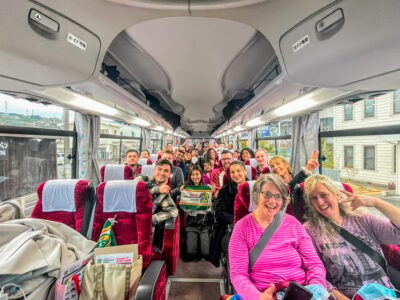
Tokyo Mt Fuji 5th St & Hakone Cruise Bus Tour w/Bullet Train
Read our review →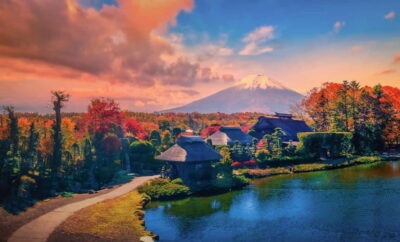
Mt. Fuji Tour, Hakone Ropeway, Owakudani, Lake Ashi
Read our review →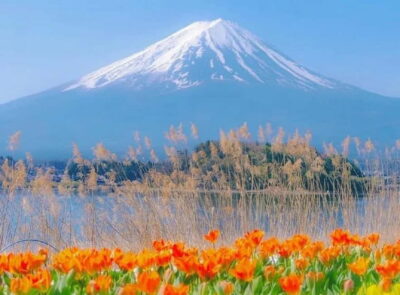
Mt Fuji Top 5 Spots Day Tour: Arakurayama Park,Oshino Hakkai
Read our review →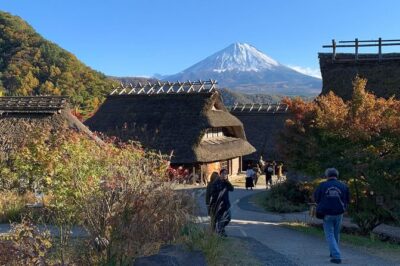
Private Tour to Mt. Fuji and Hakone (Fully Licenced Operator)
Read our review →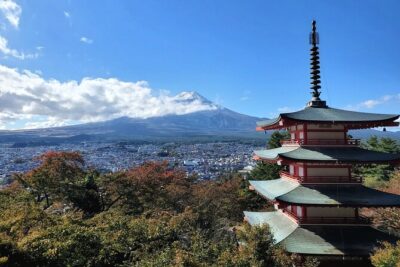
Mount Fuji Full-Day Private Tour from Tokyo (Customizable)
Read our review →Browse the lists this tour appears in