
Reviewed · MOUNT FUJI DAY TRIPS FROM TOKYO
Tokyo: Mt Fuji Lake Kawaguchiko Tour & Arakuyama Sengen Park
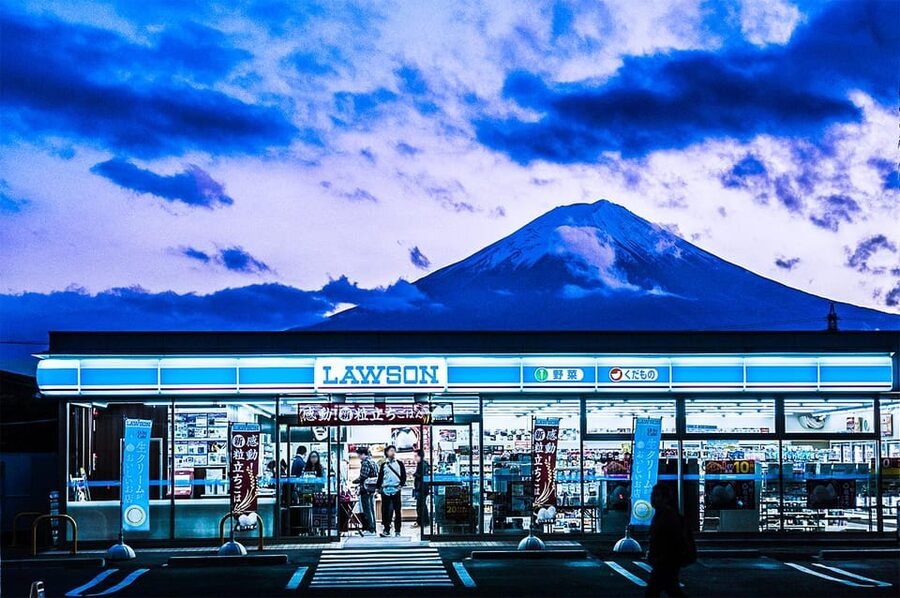
Mt. Fuji gets the starring role on this full-day outing, but the best part is how many different settings you see around it: a pagoda above Fujiyoshida, clear ponds at Oshino Hakkai, and the familiar convenience-store view near Kawaguchiko. You get the classic photographs without arranging several local buses.
I like the small-group option of up to 13 people, and I like that the final stop changes with the season. The main drawback is the long day on the road, with roughly 105 minutes each way between Tokyo and the Fuji area. Traffic and cloud cover can also change the pace and the views.
Key points at a glance
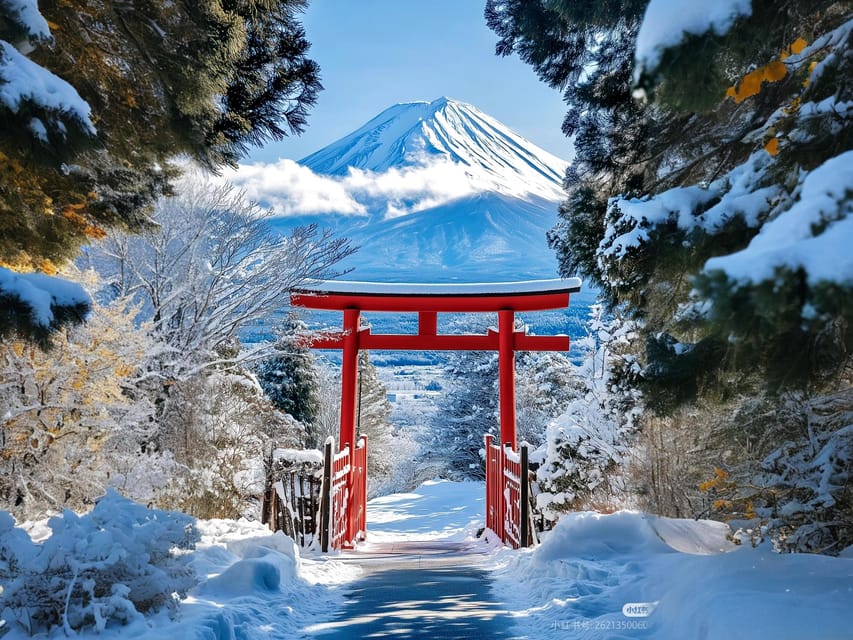
- Chureito Pagoda viewpoint: Climb to one of Japan’s most recognizable Mt. Fuji photo spots at Arakurayama Sengen Park.
- Oshino Hakkai ponds: Spend about 80 minutes around clear spring-fed ponds and traditional village scenery.
- Seasonal final stop: Visit Oishi Park, the Maple Corridor, or the cherry blossom area depending on the date.
- Several photo styles in one day: Combine mountain, pagoda, old street, pond, lake, and convenience-store views.
- Tokyo Station departure: Meet at the Marunouchi North Exit at 7:50 a.m. for an 8 a.m. departure.
- Flexible booking: Cancellation is free up to 24 hours before departure, and you can reserve now and pay later.
Why this Mt. Fuji day trip works
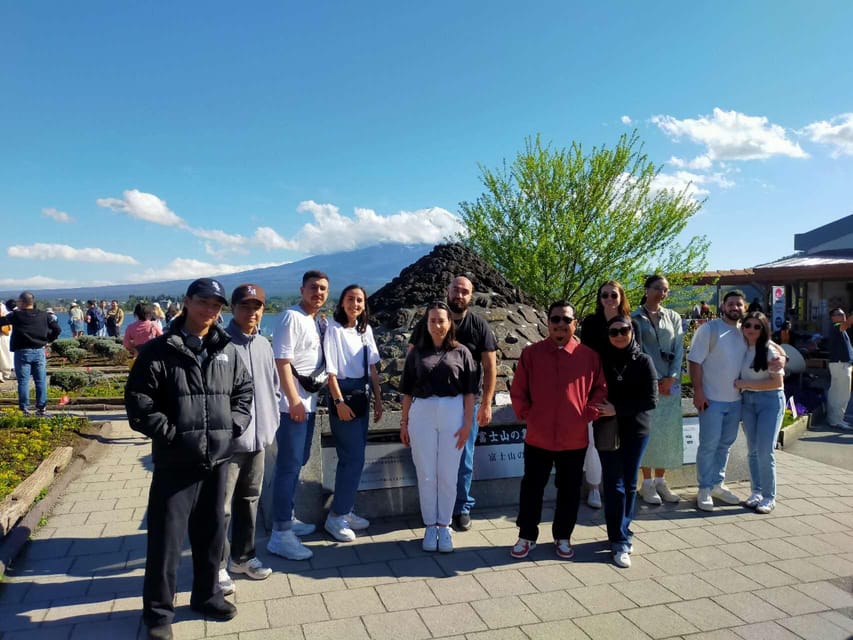
A Mt. Fuji outing from Tokyo is a tradeoff. You spend a fair amount of time in a coach, but you cover places that are awkward to connect by public transport in one day. At $58 per person, this is a practical price for transportation, a guide and driver, fuel, tolls, and parking.
I would not choose this tour if you want a quiet, slow day beside the lake. You move from stop to stop, and each visit has a set time. But if you want the major Fuji viewpoints with little planning, the schedule packs in a lot.
The route is built around photographs, yet it is not only a series of photo stops. Oshino Hakkai gives you time to walk and look around. The clock street offers a short change of mood. At Lake Kawaguchi, you get open views and seasonal color rather than another mountain overlook.
Clear weather matters. On a sunny day, Mt. Fuji can appear from several directions and look completely different at each stop. On a cloudy day, you still have the ponds, pagoda, streets, and seasonal plants, but the central view may disappear. No day trip can control that part.
More Mount Fuji day trips from Tokyo:
- Mt Fuji and Hakone 1-Day Bus Tour Return by Bullet Train
★ 5.0 · 26,383 reviews - Mt Fuji & Hakone Cruise, Drum Show Bullet Train 1 Day from Tokyo
★ 4.0 · 7,413 reviews - Tokyo Mt Fuji 5th St & Hakone Cruise Bus Tour w/Bullet Train
★ 4.4 · 5,024 reviews
Meeting at Tokyo Station before 8 a.m.
The meeting point is the Marunouchi North Exit at Tokyo Station, at 1-chōme-9-1 Marunouchi. You should be there before the 7:50 a.m. meeting time, with departure set for 8 a.m. Tokyo Station is large, so allow extra time to find the correct exit rather than arriving at the last minute.
The guide is expected to hold a colored flag, and the provider sends the guide’s phone number, vehicle license plate, and a photo of the meeting point the evening before, usually around 7 or 8 p.m. Check both your regular inbox and spam folder. One departure had a flag color change that caused confusion, so use the evening message as your final source of information.
The bus may be a smaller vehicle for groups of up to 13, or a larger bus for groups of 14 to 45. That difference affects the feel of the day. A small group usually makes boarding and regrouping easier, while a full bus can take longer at each stop.
Food and smoking are not allowed in the vehicle. You can buy snacks at the Lawson stop, but do not count on eating a full meal while riding. Bring water and plan to buy lunch during the free time around Oshino Hakkai or at another stop.
Arakurayama Sengen Park and Chureito Pagoda
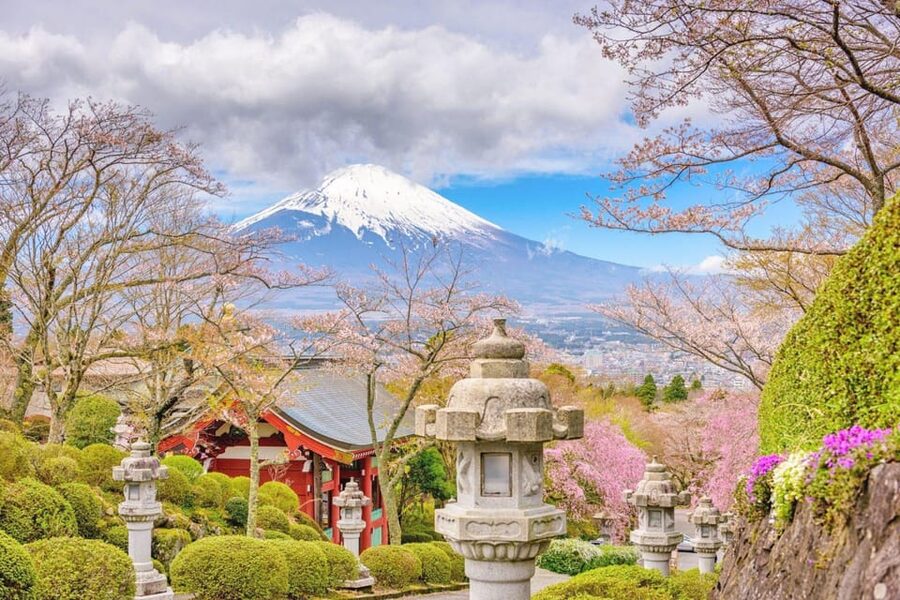
After about 105 minutes on the road, the first major stop is Arakurayama Sengen Park. The famous view places Mt. Fuji behind Chureito Pagoda, with the town below and, in the right season, cherry blossoms or autumn leaves around the frame.
This is the image many people have in mind when they picture Japan and Mt. Fuji together. The view has a strong sense of place because the pagoda, mountain, and surrounding town all appear in one composition. Snow on Fuji gives the scene a crisp winter look, while spring and autumn add color around the pagoda.
You have about an hour at the park, with roughly 30 minutes associated with the pagoda visit and photography. The walk involves climbing steps, so wear shoes you can manage comfortably. This stop is not suitable for wheelchair users, and the full day may be difficult during pregnancy because of the stairs, walking, and long coach ride.
The viewpoint can be busy, especially when the mountain is clear. You may need patience at the best photo areas. Do not spend every minute taking the same picture, though. Look back toward the town, notice the pagoda from different angles, and keep a little time to get down to the meeting point.
The short walk along Hikawa Clock Street
Next comes Hikawa Clock Street, also described as Hidakaya Clock Street, for about 20 minutes. It is a brief stop, but it breaks up the larger parks and gives you a street-level view toward Mt. Fuji.
The appeal is the straight sightline, with traditional Japanese street details leading toward the mountain. It is a good place for a quieter photograph than the crowded pagoda terrace. The stop is short, so you will not have time for a long café break or extended shopping.
Follow the guide’s instructions closely here. The group must gather again on time, and the road setting means you should not wander far in search of a better angle. This stop works best as a quick visual change rather than a major sightseeing visit.
More Lake Kawaguchiko trips from Tokyo:
- Tokyo:Mt.Fuji,Kawaguchiko Oishi Park,Arakurayama Sengen Park
★ 4.4 · 2,682 reviews - Tokyo: Mt.Fuji & Lake Kawaguchiko 1-Day Bus Tour w/Optional Lunch
★ 4.5 · 839 reviews - Tokyo: Mt. Fuji 5th Station, Kawaguchiko Tour w/ Cable Car
★ 4.5 · 570 reviews - Discover Mt. Fuji 5th Station & Kawaguchiko Sightseeing Day Tour
★ 4.5 · 542 reviews
Oshino Hakkai and its clear spring ponds
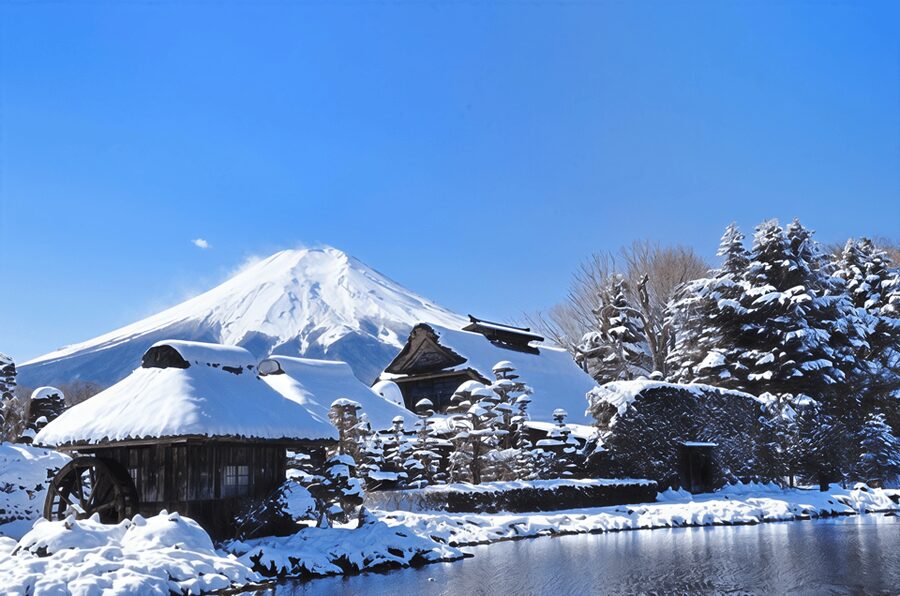
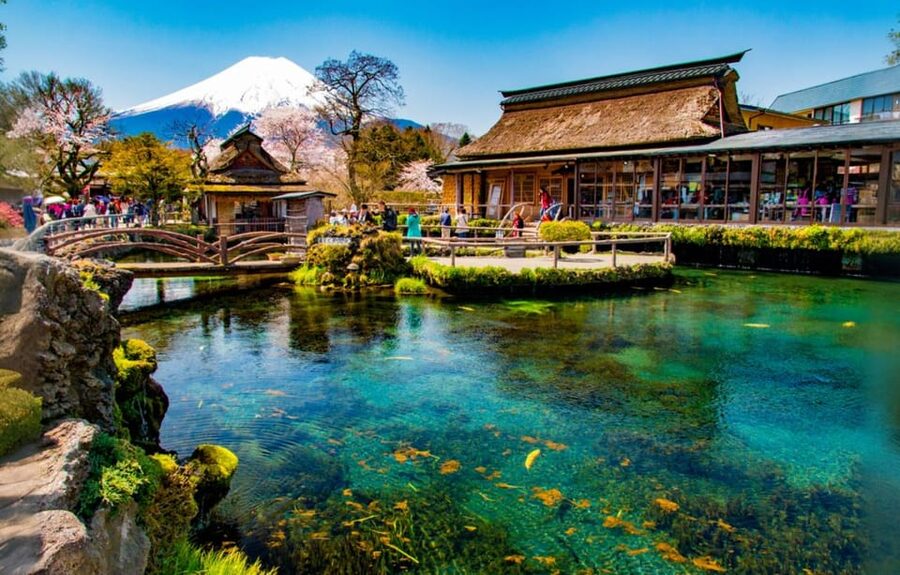
Oshino Hakkai is the most substantial stop, with about 80 minutes for walking, sightseeing, photographs, and free time. The village is known for clear ponds fed by water from Mt. Fuji, and the water gives the area a calm, reflective quality.
This is where the day gains a little more substance beyond famous camera angles. You can walk between the ponds, look at the water, and enjoy traditional surroundings with Fuji often appearing in the distance. The site is recognized as part of the UNESCO World Heritage setting connected with Mt. Fuji.
You can also use this stop to handle practical needs. Meals, drinks, and snacks are not included, so this is a sensible place to buy something. Personal purchases are extra, but you are not left without a chance to find food during a 10-hour day.
Eighty minutes is enough for a useful visit, though not for a slow exploration of every corner. The schedule may shift because of traffic or weather. Keep an eye on the time and remember where the vehicle is parked. If you want the best balance, spend the first part walking around and the last part getting food or browsing local items.
The Lawson Kawaguchiko photo stop
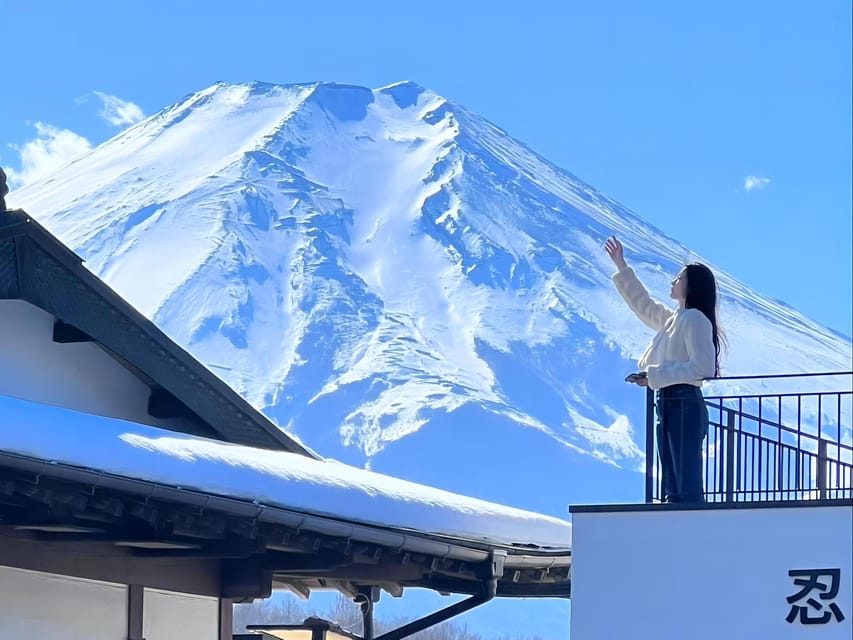
The Lawson convenience store near Kawaguchiko is an unusual stop, but it has become famous for the way the ordinary storefront contrasts with Mt. Fuji. You get about 20 minutes for photographs, a break, and local snacks.
This is a good example of modern Japan meeting an iconic natural view. The photograph is simple: a familiar convenience store in the foreground, Fuji rising behind it. You can also pick up an ice cream or another snack, though purchases are your responsibility.
Do not treat this as a full shopping visit. Twenty minutes goes quickly, and the main point is the view. Follow any instructions about where to stand and how to cross roads. The stop is short, but it gives your photo collection a different tone from the pagoda and ponds.
Lake Kawaguchi, Oishi Park, and seasonal changes
The final main sightseeing period lasts about 50 minutes around Lake Kawaguchi. The exact setting changes across the year, which is one of the strongest reasons to compare your travel dates before booking.
At Oishi Park, you may see flower fields with Mt. Fuji behind them. Summer can bring lavender, while other seasonal plantings add different colors and textures. The open lakeside setting gives you a broader view than the earlier stops.
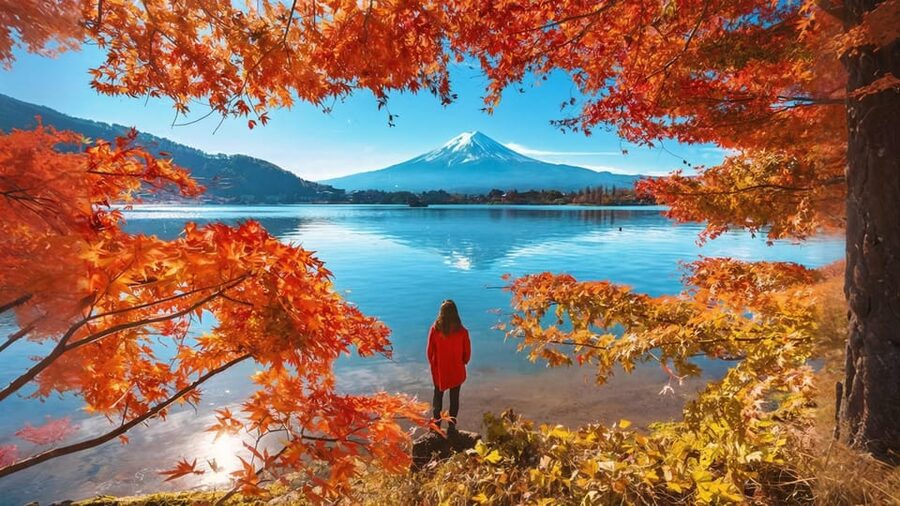
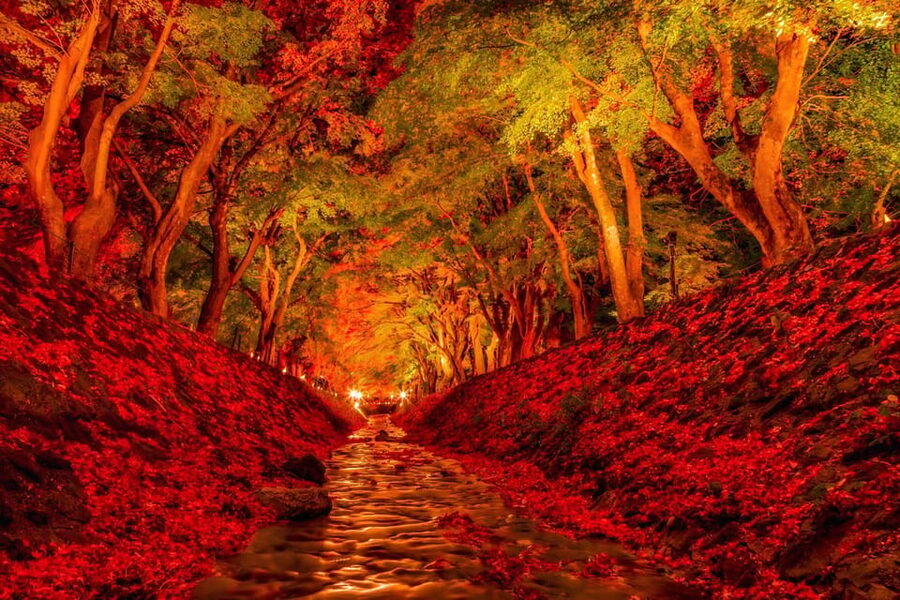
From about October 30 to November 20, the route changes to the Kawaguchiko Maple Corridor. This is the right choice if autumn leaves are your priority. The corridor frames the mountain with red and orange foliage, but the dates are limited and autumn color can vary with weather.
The spring cherry blossom period is listed from March 30 to April 14. At the right time, the Fuji view is paired with pink blossoms, creating a very different scene from the autumn visit. Again, timing matters. A trip just outside those dates may not deliver the same color.
The schedule also refers to the Maple Corridor more generally as a seasonal stop from October 20 to November 20, so confirm the exact seasonal routing for your chosen date. The route can change because of traffic, weather, or operational needs.
The ride back to Tokyo
The return drive takes about 105 minutes in normal conditions, though Tokyo traffic can affect arrival. The planned return is around 6:50 p.m. at Tokyo Station, giving you an evening arrival rather than a late-night finish.
That timing makes the tour easier to fit into a short Tokyo stay, but I would avoid booking an important evening reservation immediately afterward. The listed arrival is not a guarantee, and traffic near Tokyo can be slow.
The long ride is the main cost of seeing Fuji from Tokyo in one day. I think the transportation earns its keep because you avoid changing trains and local buses between five separate sightseeing areas. Still, bring something to read, keep water with you, and accept that this is a full excursion rather than a relaxed half-day outing.
Guide languages, group size, and practical comfort
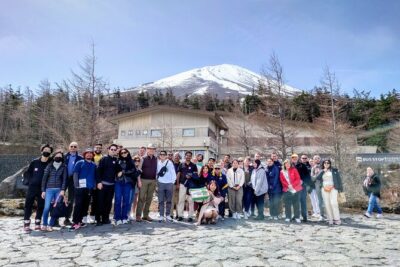
Live guiding is available in English, Chinese, and Japanese. The guide helps with meeting instructions, timing, and the transitions between stops. One guide named Hikari was described as organized, friendly, and funny, but guide assignment can vary by departure.
The small-group limit of 13 is worth noting when you compare this with larger coach tours. A smaller vehicle can make the day feel more personal and may help with quick regrouping. The larger option, which can hold 14 to 45 people, may feel less intimate and could require more patience at loading points.
One piece of luggage per person is allowed. Oversized or extra luggage can cost more, so tell the provider in advance if you are carrying more than a standard day bag. This is most useful for people going directly between Tokyo and another destination, though the day is easier with light luggage.
Children under 2, or under 3 according to the child policy wording, are free when they do not occupy a seat. Because the information uses both age descriptions, confirm the exact age rule when booking. Children who need their own seat are not covered by the lap-seating condition.
Who should book this Fuji outing?
I would choose this trip if you are visiting Tokyo for the first time and want the major Fuji views without building a complicated transport plan. It is especially useful for photographers, families who prefer a fixed vehicle, and anyone who wants several classic settings in one day.
The tour also suits people who value seasonal scenery. A spring date can pair Fuji with cherry blossoms, while late October or November may bring the Maple Corridor. Winter can offer especially clear views and snow on the mountain, although the route still depends on the day’s conditions.
I would think twice if you dislike early starts, stairs, fixed departure times, or long road journeys. It is also not a good match for wheelchair users or anyone advised to avoid a full day of walking and coach travel during pregnancy.
The $58 price is good for what is included. You are paying for a full day of transportation, a professional guide and driver, parking, tolls, and fuel, not for meals or attraction tickets. Since the major listed stops do not require a separate entrance charge, your extra spending can stay modest if you bring or buy only what you need.
Should you book it?
Book this Mt. Fuji tour if your goal is maximum scenery with minimum planning. The combination of Chureito Pagoda, Oshino Hakkai, Hikawa Clock Street, Lawson, and Lake Kawaguchi gives you a wide range of Fuji views in one day.
Before you reserve, check the season and accept the road time. If you choose a clear-weather day, the route can deliver the mountain from several memorable angles. If clouds cover Fuji, the ponds, street scenes, and seasonal parks still give the day value, but you should not book it expecting a guaranteed mountain photograph.
Free cancellation up to 24 hours before departure and reserve-now, pay-later terms make the booking less rigid. Just read the final meeting message carefully, arrive early at Tokyo Station, and keep your evening plans flexible.
FAQ
Where does the tour meet in Tokyo?
The meeting point is the Marunouchi North Exit of JR Tokyo Station, at 1-chōme-9-1 Marunouchi, Chiyoda City, Tokyo. The scheduled meeting time is 7:50 a.m., with departure at 8 a.m.
How long does the tour last?
The full experience lasts about 10 hours. The planned return to Tokyo Station is around 6:50 p.m., although traffic, weather, and operational changes can affect the timing.
What languages are available?
Live guiding is available in English, Chinese, and Japanese.
Is transportation included?
Yes. Transportation, a professional guide and driver, fuel, tolls, and parking fees are included. The vehicle may be a small group vehicle for up to 13 people or a larger bus for 14 to 45 people.
Are meals included?
No. Meals, drinks, snacks, and personal purchases are not included. You have time to buy food and local snacks, including during the Oshino Hakkai and Lawson stops.
Can I cancel the booking?
You can cancel up to 24 hours before departure for a full refund. The reserve-now, pay-later option lets you hold a place without paying at the time of booking.
Newly reviewed around Tokyo
- Tokyo Asakusa:Calligraphy & Make T-shirt Activity★ 5.0 · 62 reviews
- Intercity Shuttle, Tokyo to Haneda /Narita /Yokohama /Makuhari★ 5.0 · 5 reviews
- 1 Hour Travel around Tokyo with a Professional Photographer★ 5.0 · 3 reviews
- Travel Tokyo with Your Own Personal Photographer★ 5.0 · 43 reviews
- Train in Samurai Swordsmanship and Defeat the Demon in Tokyo★ 5.0 · 5 reviews
- Shuttle Van 6hr Tokyo Tour to-and-from Tokyo, Yokohama and Narita★ 5.0 · 9 reviews
- Kickboxing & Body Training with EX-Pro Fighter★ 5.0 · 4 reviews
- Traditional Japanese Knife Sharpening Class★ 5.0 · 18 reviews
Mount Fuji Day Trips from Tokyo, compared.
Mt Fuji and Hakone 1-Day Bus Tour Return by Bullet Train
Read our review →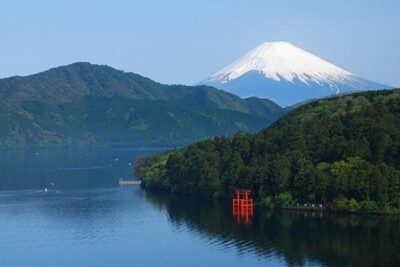
Mt Fuji & Hakone Cruise, Drum Show Bullet Train 1 Day from Tokyo
Read our review →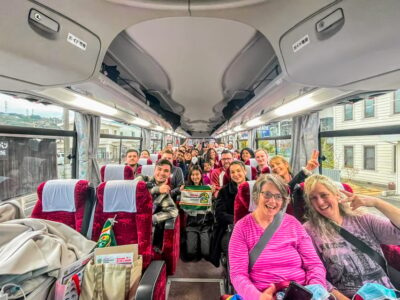
Tokyo Mt Fuji 5th St & Hakone Cruise Bus Tour w/Bullet Train
Read our review →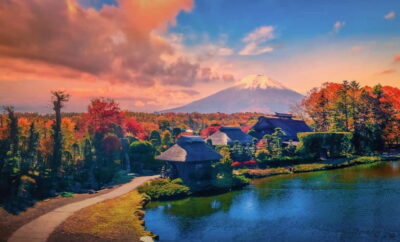
Mt. Fuji Tour, Hakone Ropeway, Owakudani, Lake Ashi
Read our review →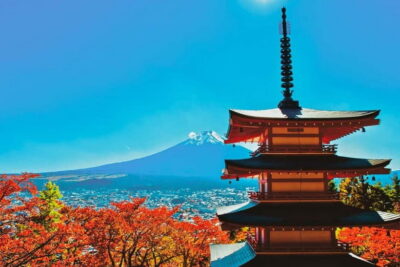
Mt.Fuji,Kawaguchiko Oishi Park,Arakurayama Sengen Park
Read our review →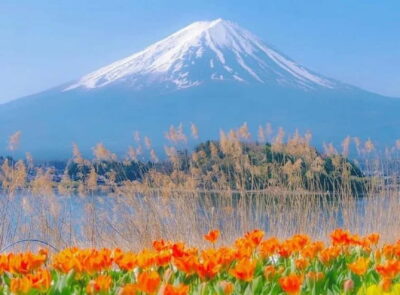
Mt Fuji Top 5 Spots Day Tour: Arakurayama Park,Oshino Hakkai
Read our review →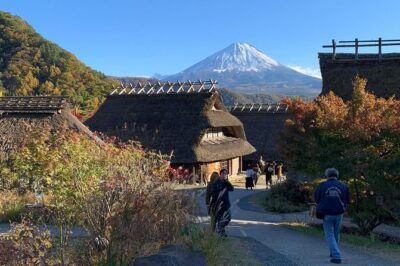
Private Tour to Mt. Fuji and Hakone (Fully Licenced Operator)
Read our review →Browse the lists this tour appears in