
Reviewed · MOUNT FUJI DAY TRIPS FROM TOKYO
Tokyo: Mount Fuji Day Trip with Scenic & Local Stops
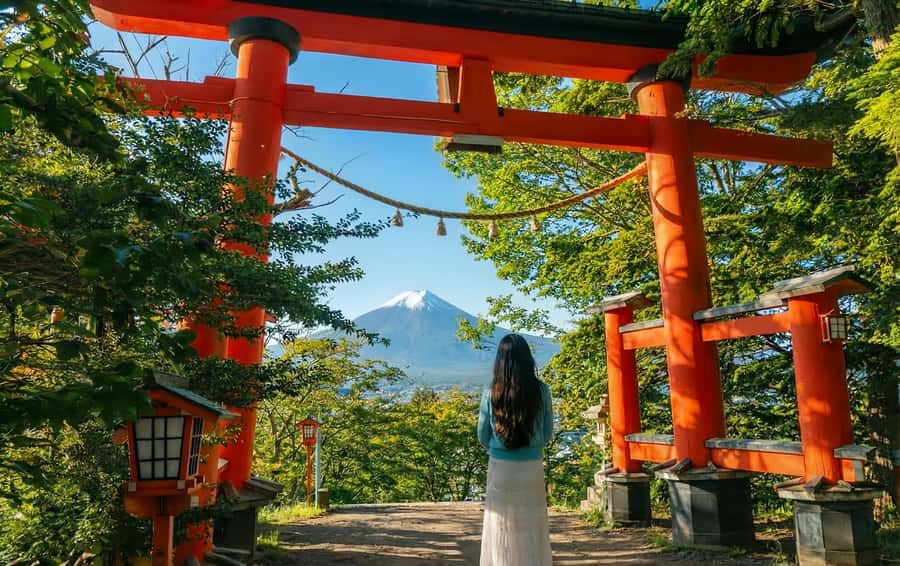
Mount Fuji is the star here, but the clever part is how many different faces of the mountain you see in one day: a pagoda view, a village street, clear spring ponds, lakeside reflections, and even the famous Lawson storefront. Six photo stops give you plenty of chances to catch Fuji in changing settings.
I like the low $44 price, especially since round-trip transport and a bilingual guide are included. I also like the lack of mandatory shopping stops or paid add-ons, which keeps the day focused on places you actually came to see. The tradeoff is a long, fast-moving day, usually about 10 hours, and clouds may hide Fuji when you arrive.
Key points to know
- Niikurayama Asama Park: Climb to one of the classic views of Mount Fuji, a red pagoda, and seasonal trees.
- Hikawa Clock Shop: Photograph Fuji above a narrow retro street and learn how to frame the famous shot.
- Oshino Hakkai: Walk among clear spring ponds, koi, and traditional village buildings.
- Lake Kawaguchi and Lake Yamanaka: See Fuji beside two very different lakes, with swans at Yamanaka.
- No forced shopping: The itinerary focuses on sightseeing, photos, and local snacks rather than sales stops.
- Weather matters: Clouds can block Fuji, and traffic can shorten time at each stop.
A full Fuji day for the price of a Tokyo lunch
At $44 per person, this is one of the more economical ways to reach the Mount Fuji area from Tokyo without arranging your own transport. The price includes the return ride and a Chinese and English-speaking guide, plus a Fuji spring mochi snack.
That matters because the Fuji area covers a wide stretch of Honshu. Visiting six stops by public transport would require careful planning, transfers, and patience. Here, the route is organized for you, though you pay for that convenience with a fixed schedule and little control over how long you spend at each place.
The day lasts about 10 hours. That is a serious commitment, but it is also why the tour can visit several different settings around the mountain. Guides named Will, Yuan, Tim, Agnes, and Yulina have been praised for being kind, attentive, funny, and well organized. The driver may also serve as the guide in a small group, so English commentary can be limited at times, and no commentary is given while the vehicle is moving.
The vehicles are described as clean, with comfortable seats. There are no required shopping stops, which is a real plus on a packed day. You will not be pushed into buying extras to make the tour worthwhile.
More Mount Fuji day trips from Tokyo:
- Mt Fuji and Hakone 1-Day Bus Tour Return by Bullet Train
★ 5.0 · 26,383 reviews - Mt Fuji & Hakone Cruise, Drum Show Bullet Train 1 Day from Tokyo
★ 4.0 · 7,413 reviews - Tokyo Mt Fuji 5th St & Hakone Cruise Bus Tour w/Bullet Train
★ 4.4 · 5,024 reviews
Niikurayama Asama Park and the famous pagoda view
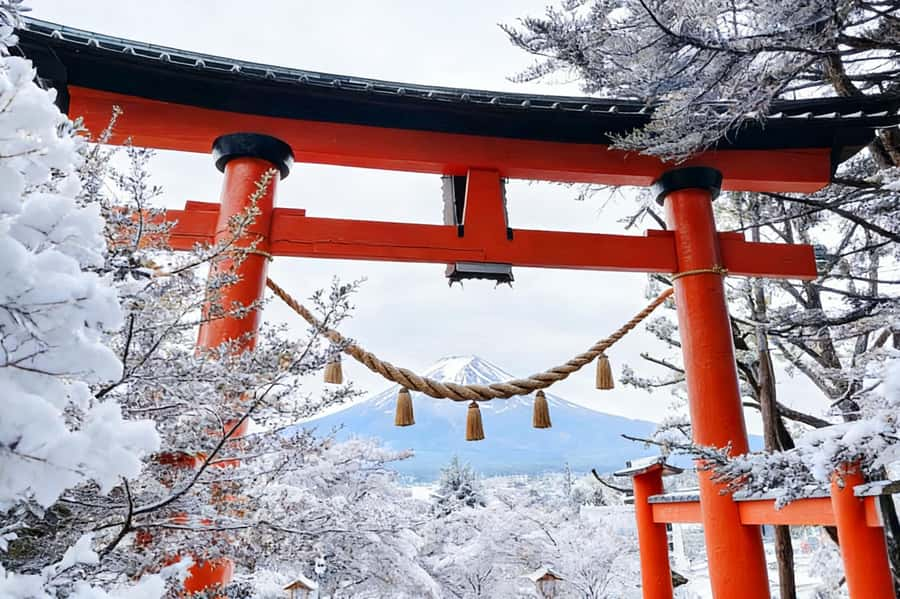
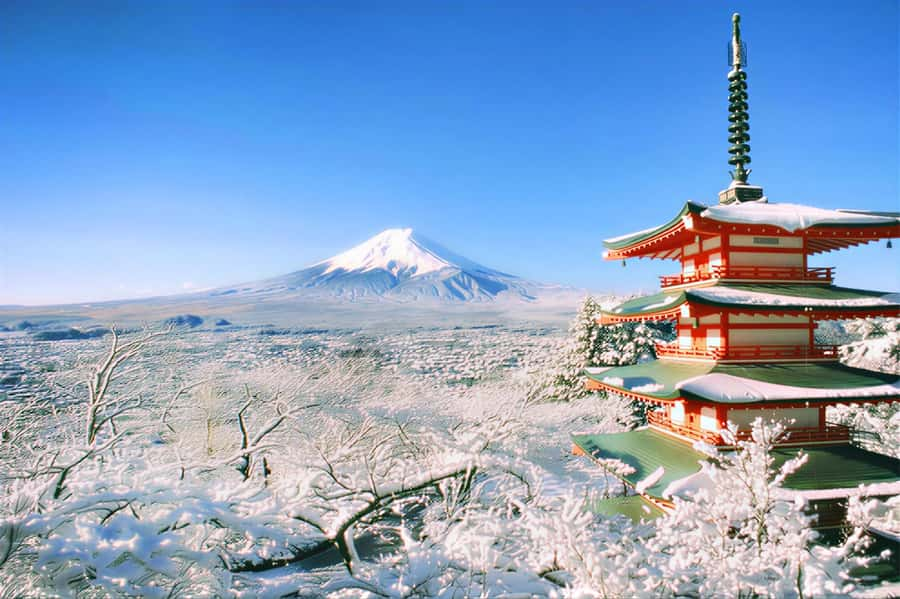
The first major stop is Niikurayama Asama Park, reached by a hilltop climb to the observatory. From above, you can frame the red Chureito Pagoda, Mount Fuji, and the surrounding town in one photograph. This is one of the most recognizable Fuji views in Japan, and it is the image many people have in mind when they picture the mountain.
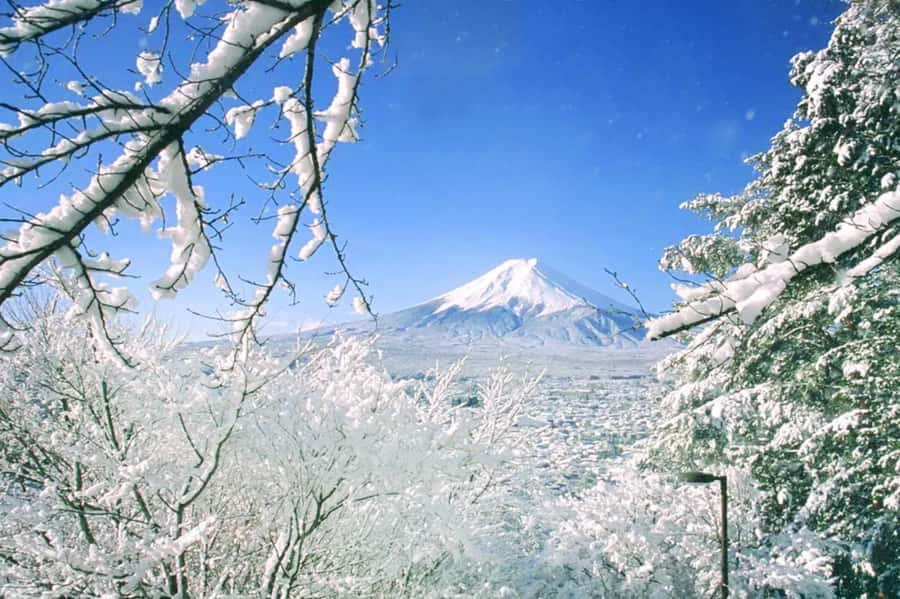
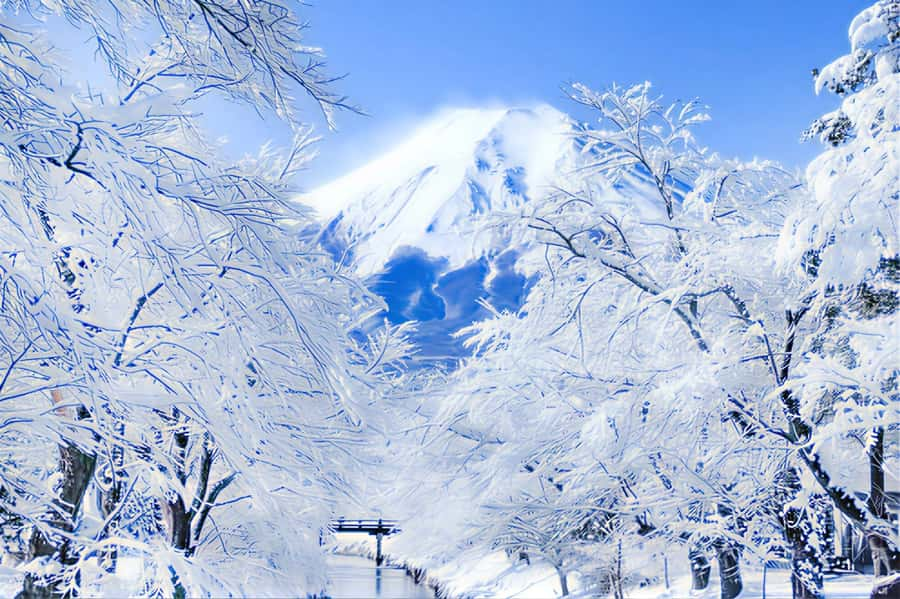
The view changes with the season. Spring brings cherry blossoms, while autumn adds colored leaves. Snow on Fuji gives the sharpest contrast, though clear weather is never guaranteed. If clouds roll in, you may see only pieces of the mountain, or none at all.
Bring comfortable shoes. The route includes mountain paths and uphill walking, so this is not a flat sightseeing stop. A telephoto lens is recommended for the best framing, but a phone can still handle the broad view well. Your guide can offer composition suggestions, which is useful if you want more than a quick snapshot.
This stop may be the hardest part of the day for people with limited mobility. The tour is not suitable for wheelchair users, people with mobility impairments, pregnant women, or people over 70. Those restrictions are important to take seriously rather than treating them as minor fine print.
The Hikawa Clock Shop street scene
The Hikawa Clock Shop is a different kind of Fuji photo stop. Instead of a hilltop panorama, you get a narrow street with a retro Japanese storefront and Mount Fuji rising behind it. The clock shop itself is part of the appeal, since the ordinary local facade creates a striking contrast with the enormous mountain.
This is a good place to pay attention to framing. Your guide can show you how to line up the clock tower, street, and Fuji peak. The exact composition depends on weather, traffic, and how crowded the street is, but the idea is simple: use the urban foreground to make the mountain feel even larger.
The stop is also a reminder that Fuji is not viewed only from grand parks and lakes. It appears behind everyday neighborhoods, shop signs, and narrow roads. That mix of normal life and postcard scenery gives the day some variety.
You should expect other people to want the same photograph, especially during busy seasons. Keep your stop focused, listen to local instructions, and avoid treating the road as a private photo studio.
Oshino Hakkai and its clear spring ponds
Oshino Hakkai brings a quieter village feel to the route. It is known for clear natural springs, traditional buildings, and ponds filled with koi. After the crowded photo energy of the pagoda and clock shop, this stop gives you a chance to slow down and look at details close by.
The spring water is famously clear, and the ponds provide photographs that do not depend on seeing the full mountain. If Fuji is covered by cloud, Oshino Hakkai still offers something to see through its water, village setting, and small traditional scenes.
You can stroll through the area, but keep in mind that this is still part of a group itinerary. You will not have unlimited time to linger beside every pond. This is a place where I would take a few careful photos, enjoy the setting, and avoid spending the whole visit at one viewpoint.
The included Fuji spring mochi snack adds a small local touch. Meals are not included, so bring cash for food and other personal purchases. The tour also says not to eat or drink in the vehicle, so plan to use the scheduled stops for refreshments.
More 1 Day Tours in Tokyo:
- 1-Day Tokyo Bus Tour
★ 5.0 · 14,250 reviews - Tokyo: DisneySea 1-Day Passport
★ 4.5 · 2,726 reviews - Tokyo Disneyland 1-Day Passport
★ 4.6 · 2,512 reviews - Tokyo Customized Private Tour (Must See Places in 1 Day)
★ 5.0 · 1,499 reviews
Lake Kawaguchi, Fuji’s most photogenic lake
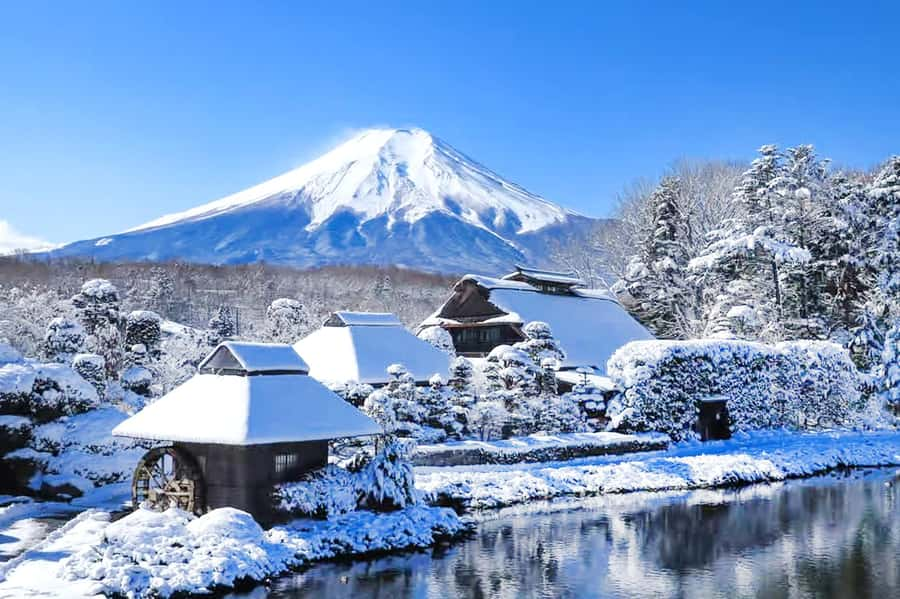
Lake Kawaguchi is likely to be one of the day’s strongest stops for scenery. It is often considered the most photogenic of Fuji’s Five Lakes, and on a clear day the mountain can reflect in the water like a mirror.
That reflection depends completely on conditions. Wind, clouds, rain, and changing light can alter the view in minutes. You might get a clean reflection, a partial glimpse through cloud, or a lake scene with no visible Fuji at all. The tour can adjust the timing or move attention to another spot if weather affects a facility or view.
An optional activity may be available here for more dynamic Fuji photographs, depending on the season. Since the details and availability can change, you should treat it as a bonus rather than a central part of the booking.
Lake Kawaguchi is also where the pace of the day may become noticeable. You have already covered several stops, and more remain. If Fuji appears clearly, you will want time to take in the view. If it does not, the guide may need to keep the group moving to protect the rest of the schedule.
Fuji Lawson and the famous blue-white sign
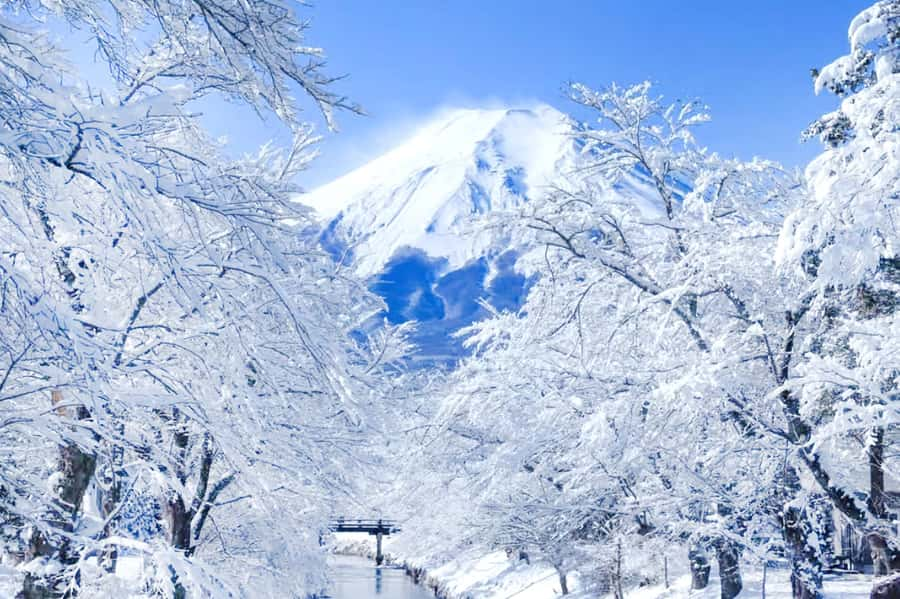
The Fuji Lawson stop is designed for a very specific photograph: the blue and white convenience store sign with Mount Fuji behind it. It is an amusing contrast between an everyday Japanese chain and one of the world’s most famous mountains.
This is a quick photo opportunity, not a full cultural visit. Your guide can also provide a list of Fuji-area snacks worth looking for, including local limited items. Bring cash, as it is listed among the recommended things to carry, and remember that personal purchases are not included.
The stop works best if you enjoy small visual contrasts. It is not as peaceful as a lakeside viewpoint or as scenic as Asama Park, but it adds a playful image to your collection. If you prefer only traditional or natural sights, this may feel less important than the lakes and springs.
Lake Yamanaka and feeding the swans
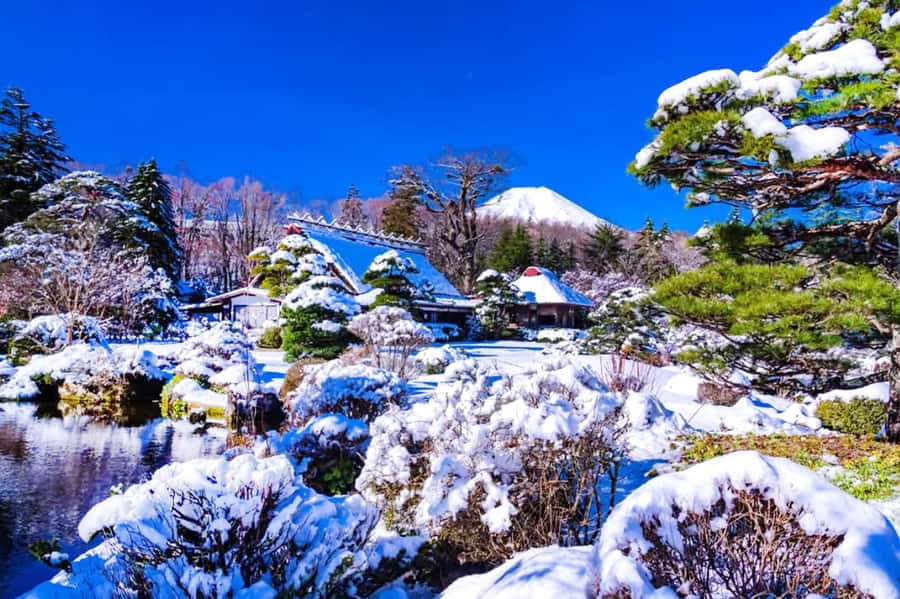
The final stop is Lake Yamanaka, where you can feed swans against a Mount Fuji backdrop. It is one of the most family-friendly parts of the day and gives you a simple way to interact with nature after a long run of photo stops.
The mood here is calmer than at the Lawson storefront or the busy street near the clock shop. Swan feeding is suitable for all ages, so families may find this stop especially appealing. You still need clear weather for a strong Fuji backdrop, but the lake and birds provide interest even when the mountain is hidden.
Lake Yamanaka also shows why visiting more than one lake is worthwhile. Lake Kawaguchi is often prized for broad, classic Fuji views, while Yamanaka offers a gentler scene with waterfowl and open space. The two stops do not feel like duplicates.
What the guide adds to a fast schedule
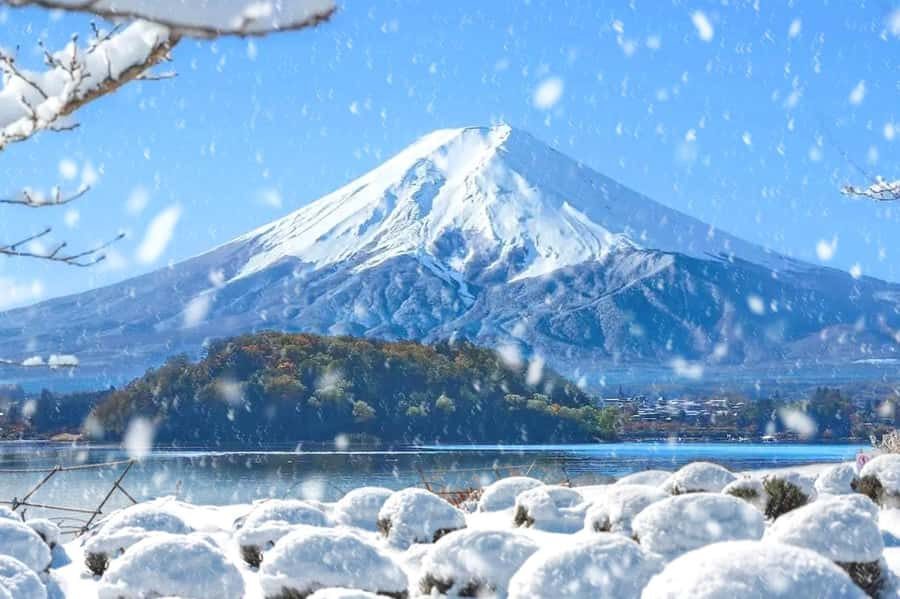
The guide is more than someone who checks names off a list. At the photo stops, you can get help with composition, including the classic pagoda view and clock tower shot. Cultural explanations also give context to places that might otherwise become quick photo backgrounds.
Several guides have received especially warm praise. Will is described as skilled in Japanese and English, professional, kind, and fun. Yuan is noted for careful attention to group needs, while Tim is praised for sharing history and personal experiences. Agnes is described as considerate and informative, and Yulina as a strong presence on a long day.
The exact guide depends on the departure. The tour serves international groups with multilingual support, rather than promising a single-language experience for everyone. In a small daily group, the driver may double as the guide. English explanation may therefore be shorter than you expect, especially while the vehicle is on the road.
This is not a private photography workshop. It is a sightseeing day with useful photo advice along the way. If you want professional instruction or long periods at one viewpoint, you may find the schedule too brisk.
The real issue is weather, traffic, and crowding
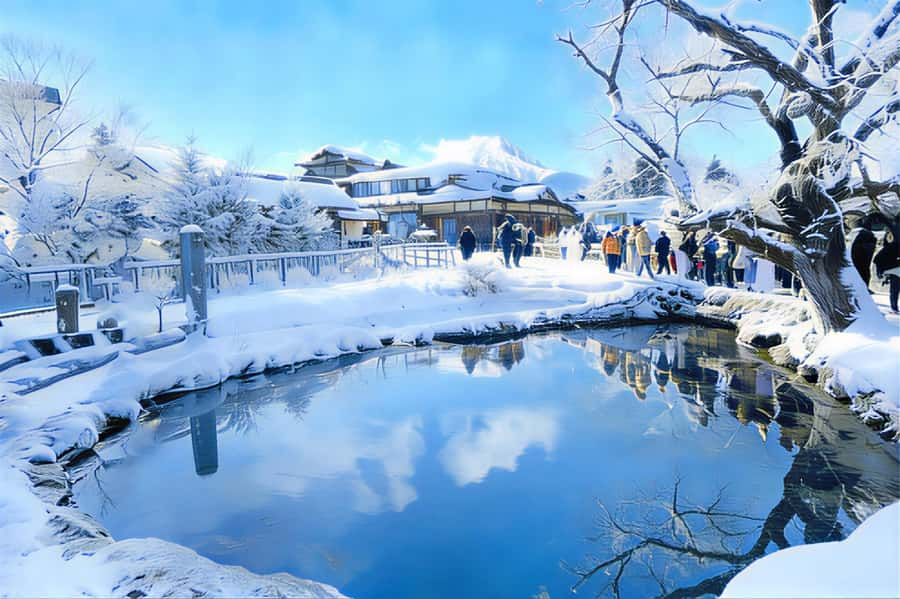
Mount Fuji is famously shy. A clear forecast does not guarantee a clear view from every stop, and a cloudy day can hide the peak even when the rest of the area is pleasant. One day on this route may produce only a brief glimpse at Lake Kawaguchi, while another gives you snow-capped Fuji from several angles.
Weekends and holidays can bring traffic, crowds, and early closures. The guide may change the order, shorten a visit, or shift time to another place. That flexibility helps protect the day, but it also means you should not expect every stop to run exactly as printed.
Do not book a same-day flight or Shinkansen after this tour. Avoid a tight evening reservation too. Traffic around Tokyo and the Fuji area can cause delays, and disruptions caused by weather, traffic, disasters, or other force majeure events do not qualify for a refund.
Bring comfortable shoes, a camera, and cash. If you have luggage, tell the operator in advance because extra fees may apply. Smoking is not allowed in the vehicle, and neither is eating or drinking.
Who should book this Fuji day trip?
I would recommend this tour if you want maximum coverage for a modest price. It suits first-time visitors who want to see several famous Fuji viewpoints without planning a complicated route. It also works well for photographers who enjoy collecting different compositions in one day, from a pagoda and street scene to lakes, ponds, and swans.
Families may appreciate the broad range of stops and the swan feeding at Lake Yamanaka. The tour can also suit solo visitors who prefer organized transport and a guide rather than managing the route alone.
I would think twice if you dislike early starts, long vehicle days, uphill walking, or fixed schedules. You should also reconsider if seeing Fuji clearly is your one non-negotiable goal, since no tour can control clouds. A private or slower outing would give you more time at each place, but likely at a much higher cost.
Cancellation is allowed up to 24 hours before departure for a full refund. No refunds are given for no-shows, late arrivals, or personal cancellations. The meeting point can vary by booking option and cannot be changed on departure day, so check it carefully and request changes at least three days ahead.
Should you book it?
Book this Mount Fuji day trip if you want an affordable, well-packed route with six distinct photo opportunities and no forced shopping. The strongest reasons are the $44 price, return transport, friendly guides such as Will, Yuan, Tim, Agnes, and Yulina, and the chance to see both famous viewpoints and smaller local scenes.
Skip it if you need a relaxed pace, guaranteed Fuji views, or easy access for mobility concerns. For everyone else, this is a practical way to turn one Tokyo day into a broad Fuji sampler. Keep your expectations realistic, wear good shoes, leave your evening open, and treat clear mountain views as a gift rather than a promise.
FAQ
How much does the Mount Fuji day trip cost?
The tour costs $44 per person.
How long does the tour last?
The full day lasts about 10 hours, including transportation and stops.
What is included in the price?
The price includes round-trip transport from Tokyo, a bilingual Chinese and English guide, and a Fuji spring mochi snack.
Are meals included?
No. Meals are not included, so bring cash for food and personal purchases.
Which places does the tour visit?
The route includes Niikurayama Asama Park, Hikawa Clock Shop, Oshino Hakkai, Lake Kawaguchi, Fuji Lawson Store, and Lake Yamanaka.
Can I feed swans during the tour?
Yes. Swan feeding at Lake Yamanaka is included as a family-friendly activity.
Is Mount Fuji guaranteed to be visible?
No. Clouds and weather can hide Mount Fuji. The itinerary may be adjusted if weather affects facilities or sightseeing conditions.
Is the tour offered in English?
Yes. Chinese and English services are available. In small groups, the driver may also act as the guide, and English commentary may be limited.
What should I bring?
Bring comfortable shoes, a camera, and cash. A telephoto lens is recommended for the Asama Park view, and non-slip shoes are useful on mountain paths.
Is the tour suitable for people with mobility limitations?
No. It is not suitable for pregnant women, people with mobility impairments, wheelchair users, or people over 70 years old.
Newly reviewed around Tokyo
- Tokyo Asakusa:Calligraphy & Make T-shirt Activity★ 5.0 · 62 reviews
- Intercity Shuttle, Tokyo to Haneda /Narita /Yokohama /Makuhari★ 5.0 · 5 reviews
- 1 Hour Travel around Tokyo with a Professional Photographer★ 5.0 · 3 reviews
- Travel Tokyo with Your Own Personal Photographer★ 5.0 · 43 reviews
- Kickboxing & Body Training with EX-Pro Fighter★ 5.0 · 4 reviews
- Train in Samurai Swordsmanship and Defeat the Demon in Tokyo★ 5.0 · 5 reviews
- Shuttle Van 6hr Tokyo Tour to-and-from Tokyo, Yokohama and Narita★ 5.0 · 9 reviews
- Traditional Japanese Knife Sharpening Class★ 5.0 · 18 reviews
Mount Fuji Day Trips from Tokyo, compared.
Mt Fuji and Hakone 1-Day Bus Tour Return by Bullet Train
Read our review →
Mt Fuji & Hakone Cruise, Drum Show Bullet Train 1 Day from Tokyo
Read our review →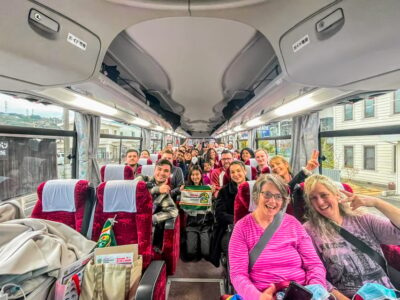
Tokyo Mt Fuji 5th St & Hakone Cruise Bus Tour w/Bullet Train
Read our review →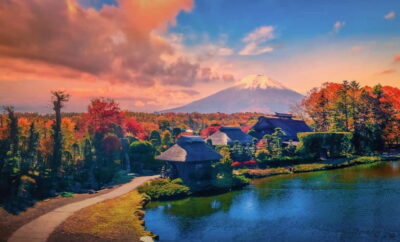
Mt. Fuji Tour, Hakone Ropeway, Owakudani, Lake Ashi
Read our review →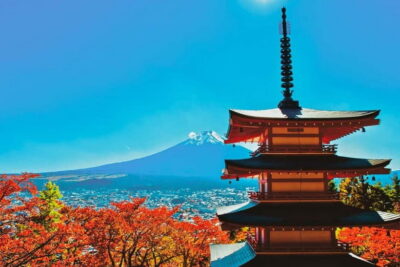
Mt.Fuji,Kawaguchiko Oishi Park,Arakurayama Sengen Park
Read our review →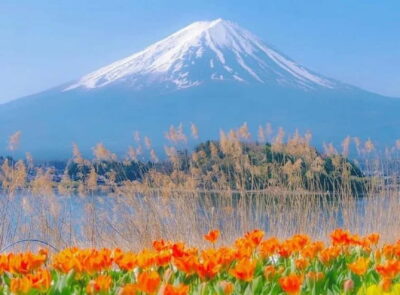
Mt Fuji Top 5 Spots Day Tour: Arakurayama Park,Oshino Hakkai
Read our review →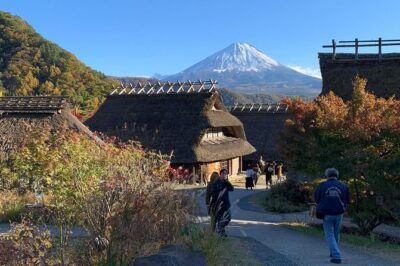
Private Tour to Mt. Fuji and Hakone (Fully Licenced Operator)
Read our review →Browse the lists this tour appears in